The Rise of Vietnam in Global Sourcing
In recent decades, Vietnam has transformed from a primarily agrarian economy into a dynamic manufacturing powerhouse and a preferred global sourcing destination. Its strategic location, competitive labor costs, and robust government policies have positioned it as an attractive alternative and complement to traditional sourcing hubs. Businesses worldwide are increasingly turning to Vietnam Sourcing Companies to leverage the country’s growing industrial capabilities and its expanding network of reliable suppliers. This shift signifies Vietnam’s significant rise in the global supply chain, driven by a blend of economic reforms, strategic trade agreements, and a burgeoning industrial base.

1. Vietnam’s Economic Growth and Trade Agreements
Vietnam’s remarkable economic trajectory is a cornerstone of its appeal to international businesses. Over the past few decades, the nation has consistently achieved high GDP growth rates, averaging around 6-7% annually, even amidst global economic fluctuations. This sustained growth is underpinned by political stability, a commitment to economic liberalization, and significant investment in infrastructure. A critical factor in Vietnam’s ascent has been its proactive engagement in international trade. The country has strategically inked numerous free trade agreements (FTAs), opening up vast market access and reducing trade barriers. Key agreements include the Comprehensive and Progressive Agreement for Trans-Pacific Partnership (CPTPP), the EU-Vietnam Free Trade Agreement (EVFTA), and the Regional Comprehensive Economic Partnership (RCEP).
These agreements have not only facilitated easier access for Vietnamese products to major consumer markets but have also attracted substantial Foreign Direct Investment (FDI). International companies are drawn to Vietnam’s favorable investment climate, often establishing manufacturing facilities to capitalize on preferential tariffs and access a skilled workforce. The presence of these agreements assures businesses seeking reliable Vietnam suppliers that their products can reach global markets efficiently and cost-effectively. Furthermore, the development of robust B2B Vietnam trade platforms and improved logistics infrastructure further streamlines the sourcing process for global buyers, making it easier to connect with manufacturers and integrate into existing supply chains.
2. Key Industries Driving Export Success
Vietnam’s export success is not limited to a single sector but is diversified across several key industries that have demonstrated resilience and adaptability. Historically known for textiles and footwear, the country has significantly broadened its manufacturing base to include high-value products. The textile and garment industry remains a cornerstone, with Vietnamese factories producing for many of the world’s leading fashion brands. Similarly, the footwear sector continues to be a major contributor to Vietnam export products, benefiting from years of expertise and a competitive labor force.
More recently, the electronics industry has emerged as a dominant force. Major multinational corporations have established significant production facilities in Vietnam for smartphones, tablets, and other electronic components, turning the country into a crucial hub for tech manufacturing. Beyond these, Vietnam is also a significant producer and exporter of furniture, agricultural products (such as coffee, rice, and seafood), and various light industrial goods. The availability of comprehensive resources, such as a Vietnam manufacturers directory, allows international buyers to easily identify and vet potential partners across these diverse sectors, ensuring access to a wide range of high-quality goods manufactured to international standards. This industrial breadth makes Vietnam an attractive location for companies looking to diversify their supply chains and access specialized production capabilities.
3. Advantages of Sourcing from Vietnam
The multifaceted advantages of sourcing from Vietnam extend beyond its economic growth and diverse industrial base, making it a compelling choice for global businesses. One of the primary attractions is its cost-effectiveness. While labor costs are gradually rising, they remain significantly competitive compared to other established manufacturing nations, offering attractive operational expenditure savings. This, combined with government incentives and a relatively stable business environment, contributes to a lower overall cost of production.
Strategically, Vietnam’s geographical position in Southeast Asia is highly advantageous. It offers excellent connectivity to major shipping lanes and easy access to the burgeoning markets of ASEAN and beyond. This facilitates quicker lead times and more efficient logistics for companies serving regional and global customers. Furthermore, Vietnam boasts a young, adaptable, and increasingly skilled workforce. Significant investments in education and vocational training are yielding a growing pool of talent capable of handling complex manufacturing processes and embracing new technologies.
Moreover, the “China+1” strategy, where companies diversify their supply chains to reduce reliance on a single country, has significantly propelled Vietnam’s growth. Its political stability and commitment to international trade agreements offer a reliable alternative for businesses seeking supply chain resilience. For companies looking to find reliable Vietnam suppliers, the country offers a robust ecosystem supported by improving infrastructure, a growing network of specialized Vietnam Sourcing Companies, and a proactive government keen on attracting foreign investment. These factors collectively solidify Vietnam’s position as a premier destination for global sourcing, offering a blend of quality, cost-efficiency, and strategic advantages.
Identifying Reliable Vietnam Sourcing Companies
As Vietnam continues to solidify its position as a global manufacturing hub, businesses worldwide are increasingly looking to source products from its diverse industrial landscape. The allure of competitive costs, a skilled workforce, and a growing economy makes Vietnam an attractive destination for sourcing. However, navigating the Vietnamese market effectively requires more than just identifying potential suppliers; it demands a strategic approach to vetting and partnering with truly reliable Vietnam Sourcing Companies. This guide will walk you through the essential steps for due diligence, ensuring you build trustworthy and productive relationships that underpin your success.
1. Criteria for Vetting Sourcing Agents and Companies
Selecting the right sourcing partner is paramount. A thorough vetting process helps differentiate between mediocre and exceptional service providers. Consider the following criteria:
- Experience and Track Record: Investigate their operational history. How long have they been facilitating sourcing in Vietnam? Can they provide concrete case studies, client testimonials, or a portfolio of successful projects? Look for evidence of long-term stability and growth.
- Industry Specialization: Does the company have specific expertise in your product category (e.g., textiles, electronics, furniture, agricultural goods)? A specialized agent will possess deeper knowledge of relevant supply chains, quality standards, and regulatory nuances for Vietnam export products, which is invaluable.
- Communication and Transparency: Assess their responsiveness and clarity in communication. Do they provide regular, detailed updates? Are they transparent about their fee structure, the factories they work with, and any potential challenges? Excellent English proficiency and cultural understanding are critical for seamless collaboration.
- Local Network and Factory Relationships: A robust network of established, long-term relationships with a diverse range of high-quality reliable Vietnam suppliers is a strong indicator of a reputable sourcing partner. Inquire about their access to a comprehensive Vietnam manufacturers directory and their ability to forge new connections.
- Ethical Practices and Compliance: Verify their commitment to ethical sourcing guidelines, including fair labor practices, environmental responsibility, and anti-corruption policies. Aligning with partners who prioritize these values protects your brand’s reputation and ensures sustainable operations.
- Quality Control (QC) and Project Management: Understand their QC protocols, including on-site inspections, pre-production checks, during-production monitoring, and pre-shipment inspections. A reliable partner will have robust project management capabilities to keep production on schedule and address issues proactively.
2. Legal and Compliance Considerations for Partnerships
Establishing a solid legal framework is crucial to protect your interests and mitigate risks when engaging with a B2B Vietnam trade platform or directly with sourcing companies.
- Comprehensive Contracts and Agreements: Insist on clear, legally binding contracts. These documents should meticulously outline the scope of work, payment terms (including milestones), intellectual property (IP) protection clauses, dispute resolution mechanisms, confidentiality agreements, and liability limitations. Always have contracts reviewed by legal counsel experienced in both international and Vietnamese business law.
- Intellectual Property Protection: Safeguarding your designs, patents, trademarks, and trade secrets is paramount. Discuss and verify the sourcing company’s specific protocols and contractual obligations regarding IP protection, extending to their partner factories.
- Labor Laws and Ethical Sourcing: Familiarize yourself with Vietnam’s labor laws concerning minimum wage, working hours, safety standards, and the prohibition of child labor. Ensure your sourcing partner and their chosen factories strictly adhere to these regulations and international ethical sourcing standards.
- Environmental Regulations: Depending on your product and industry, assess your sourcing company’s and their suppliers’ compliance with relevant Vietnamese environmental regulations and their commitment to sustainable manufacturing practices.
- Payment Terms and Financial Stability: Agree on transparent payment schedules linked to specific project milestones or deliverables. While comprehensive financial due diligence can be challenging for foreign entities, gather what information you can about the sourcing company’s financial stability and reputation.
3. Red Flags to Watch Out For When Selecting Suppliers
Vigilance is key. Recognizing potential red flags early can save significant time, money, and frustration.
- Unrealistically Low Pricing: While cost savings are a primary driver for sourcing in Vietnam, prices significantly below the market average should raise a red flag. Such offers often indicate compromises in product quality, ethical standards, or may conceal hidden costs that emerge later.
- Lack of Transparency: A reputable sourcing partner will be open and willing to share details about their operations, partner factories, audit reports, and production processes. Hesitation or refusal to provide such information is a major warning sign.
- Poor or Inconsistent Communication: Slow response times, vague or evasive answers, and persistent miscommunication are critical indicators of potential future problems. Effective, timely, and clear communication is the bedrock of successful international sourcing relationships.
- Vague Promises and Over-commitment: Be wary of agents who promise seemingly impossible timelines or outcomes without providing a clear, detailed plan. Realistic assessments and transparent communication about potential challenges are signs of a trustworthy partner.
- Reluctance to Provide References: Any legitimate Vietnam Sourcing Companies should readily provide verifiable client references, particularly from businesses similar to yours. If they refuse or provide only generic testimonials, proceed with caution.
- Demand for Large Upfront Payments Without Milestones: While some upfront payment is standard practice, demanding a disproportionately large percentage of the total project cost without clearly defined deliverables or progress milestones is a significant financial risk.
- Inconsistent Quality Samples: If initial product samples vary significantly in quality, don’t match agreed-upon specifications, or are inconsistent between batches, it’s a strong indicator of potential quality control issues in mass production.
By diligently applying these vetting criteria and remaining alert to red flags, you can significantly enhance your chances of finding and partnering with truly reliable Vietnam sourcing companies, paving the way for a successful and sustainable supply chain.
Navigating the Vietnam Manufacturers Directory
Vietnam has emerged as a powerhouse in global manufacturing, attracting businesses worldwide looking for diverse sourcing opportunities. Its strategic location, skilled workforce, and competitive costs make it an ideal destination for production. However, navigating the vast landscape of Vietnamese suppliers requires a strategic approach. This guide provides practical advice on utilizing manufacturer directories and B2B trade platforms to find suitable factories and suppliers, ensuring you establish reliable and efficient supply chains. Understanding how to effectively identify and vet potential partners is crucial for success in the Vietnamese market.

1. Key Online Directories and Databases
Finding the right supplier often begins with thorough research through online directories. A comprehensive Vietnam manufacturers directory serves as an indispensable starting point, offering categorized listings of factories and producers across various industries. These directories provide initial contact information, product categories, and sometimes even production capabilities. Key platforms to explore include the official websites of Vietnam’s trade promotion agencies, such as Vietrade (Vietnam Trade Promotion Agency), which often list verified exporters. Additionally, international databases like Kompass and Yellow Pages also feature extensive listings for Vietnamese businesses. When using these directories, focus on filtering by product type, company size, and certifications to narrow down options. While useful for lead generation, they are best for initial exploration. Cross-referencing information and prioritizing directories that frequently update their listings ensures you’re working with current and legitimate information.
2. Leveraging B2B Vietnam Trade Platforms for Connections
Beyond static directories, B2B Vietnam trade platforms offer a more dynamic and interactive way to connect with potential suppliers. Websites like Alibaba.com, GlobalSources.com, and specific Vietnamese platforms such as ECVN (Vietnam E-commerce and Information Technology Agency) are pivotal. These platforms allow buyers to post requests for quotations (RFQs), browse supplier profiles, and communicate directly with manufacturers. The advantage of B2B platforms lies in their built-in verification mechanisms and supplier ratings. Look for “Gold Suppliers” or “Verified Suppliers” badges, and review transaction histories, customer reviews, and response rates. Engaging with multiple suppliers allows for competitive bidding and helps gauge market prices for Vietnam export products. However, even with these safeguards, due diligence is paramount. Always conduct further checks and request samples before committing to large orders to ensure you are partnering with truly reliable Vietnam suppliers.
3. Direct vs. Agent Sourcing Strategies
When sourcing from Vietnam, businesses typically face a choice: direct sourcing or utilizing Vietnam Sourcing Companies or agents. Direct sourcing involves communicating and negotiating directly with manufacturers. This approach offers greater control, potentially lower costs, and fosters a direct relationship. It demands significant time, resources, and often, an understanding of Vietnamese business culture. This strategy is suitable for larger companies with established procurement teams or those building long-term, custom manufacturing partnerships.
Conversely, engaging a sourcing agent or a dedicated Vietnam Sourcing Companies can streamline the entire process. Agents often have extensive local networks, language proficiency, and experience navigating Vietnamese business practices and regulations. They assist with supplier identification, factory audits, quality control, negotiation, logistics, and compliance. While incurring an additional service fee, this can save considerable time, mitigate risks, and prove invaluable for small to medium-sized businesses or those new to the Vietnamese market. The best strategy depends on your company’s internal capabilities, desired control, budget, and product complexity as Vietnam export products. Carefully weigh the benefits and drawbacks of each approach.
In conclusion, successful sourcing from Vietnam hinges on a blend of systematic research through directories, proactive engagement on B2B platforms, and a clear strategy for direct versus agent-based procurement. By diligently applying these methods, businesses can confidently identify and partner with reliable Vietnamese manufacturers, contributing to a robust and resilient global supply chain.
Top Vietnam Export Products & Industries
Vietnam has emerged as a global manufacturing and export powerhouse, drawing significant attention from international buyers seeking diverse, high-quality products at competitive prices. Its strategic location, stable political environment, and numerous free trade agreements have positioned it as an indispensable link in global supply chains. For international buyers looking to partner with Vietnam Sourcing Companies, understanding the country’s leading export sectors is crucial. This guide provides insights into Vietnam’s top export products and industries, highlighting areas where the nation truly excels.
1. Textiles & Apparel: A Major Export Sector
The textiles and apparel industry stands as one of Vietnam’s long-standing and most successful export sectors. Ranking among the world’s largest exporters of garments, footwear, and accessories, Vietnam has cultivated a reputation for producing a wide range of high-quality products. From everyday casual wear and sophisticated fashion items to specialized sportswear and protective gear, Vietnamese factories play a crucial role in global supply chains, serving major global brands and retailers. The sector benefits from a skilled labor force, competitive manufacturing costs, and an increasing focus on sustainable production practices and compliance with international labor standards. International buyers frequently turn to Vietnam for reliable supply chains in this category, finding numerous reliable Vietnam suppliers capable of meeting stringent quality and volume demands.
2. Electronics & High-Tech Manufacturing Growth
In recent decades, Vietnam has made remarkable strides in transforming its economy, with electronics and high-tech manufacturing becoming a cornerstone of its export success. Multinational giants like Samsung, Intel, and LG have established significant production bases in Vietnam, leveraging the country’s robust infrastructure, government incentives, and a young, tech-savvy workforce. This sector encompasses a broad spectrum of products, including smartphones, tablets, computers, integrated circuits, consumer electronics, and various components. The rapid growth signifies Vietnam’s increasing integration into global technology supply chains, making it a crucial hub for advanced manufacturing. Buyers looking for cutting-edge technology and precision components can explore a comprehensive Vietnam manufacturers directory to find partners in this dynamic industry.
3. Furniture, Footwear, and Agricultural Products
Beyond textiles and electronics, Vietnam boasts a diverse portfolio of other significant export products. The furniture industry, particularly wooden furniture, outdoor furniture, and home decor, has seen substantial growth, driven by skilled craftsmanship and design capabilities. Vietnamese furniture is known for its quality and value, attracting buyers from around the globe. Similarly, the footwear industry remains a powerhouse, especially in athletic and fashion footwear, with many global brands relying on Vietnamese production facilities. These sectors demonstrate Vietnam’s ability to handle complex manufacturing processes and produce high-volume, high-quality goods.
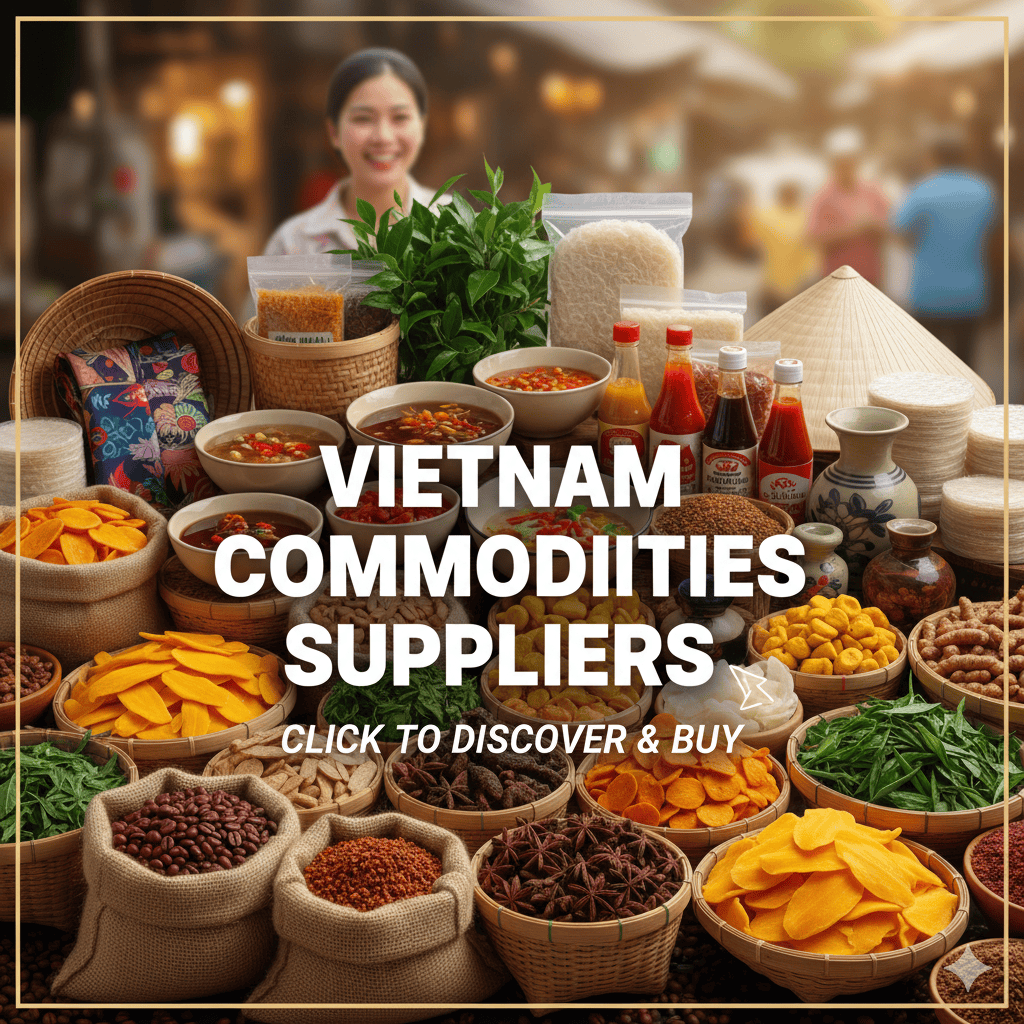
Furthermore, agriculture, though a traditional sector, continues to be a vital component of Vietnam’s export economy. The country is a leading exporter of various agricultural commodities, including robusta coffee, rice, cashews, black pepper, and seafood (shrimp, pangasius fillets). With increasing investment in processing and value-added products, Vietnamese agricultural Vietnam export products are gaining broader international recognition for quality and sustainability. For businesses seeking these diverse goods, connecting with a B2B Vietnam trade platform can simplify the sourcing process and provide access to a wide array of producers. Whether it’s high-tech gadgets, fashion apparel, or premium agricultural produce, Vietnam offers compelling opportunities for international buyers.
Best Practices for Successful Sourcing in Vietnam
Working with Vietnam Sourcing Companies offers a wealth of opportunities for businesses looking to diversify their supply chains and access high-quality manufacturing at competitive prices. As Vietnam solidifies its position as a global manufacturing hub, understanding the best practices for successful sourcing becomes paramount. This guide provides actionable tips and strategies designed to help you build strong relationships, navigate the local business landscape, and ensure smooth, efficient sourcing operations. From identifying reliable partners in a comprehensive directory of Vietnam Sourcing Companies to mastering logistical complexities, we’ll equip you with the knowledge needed to thrive in this dynamic market.
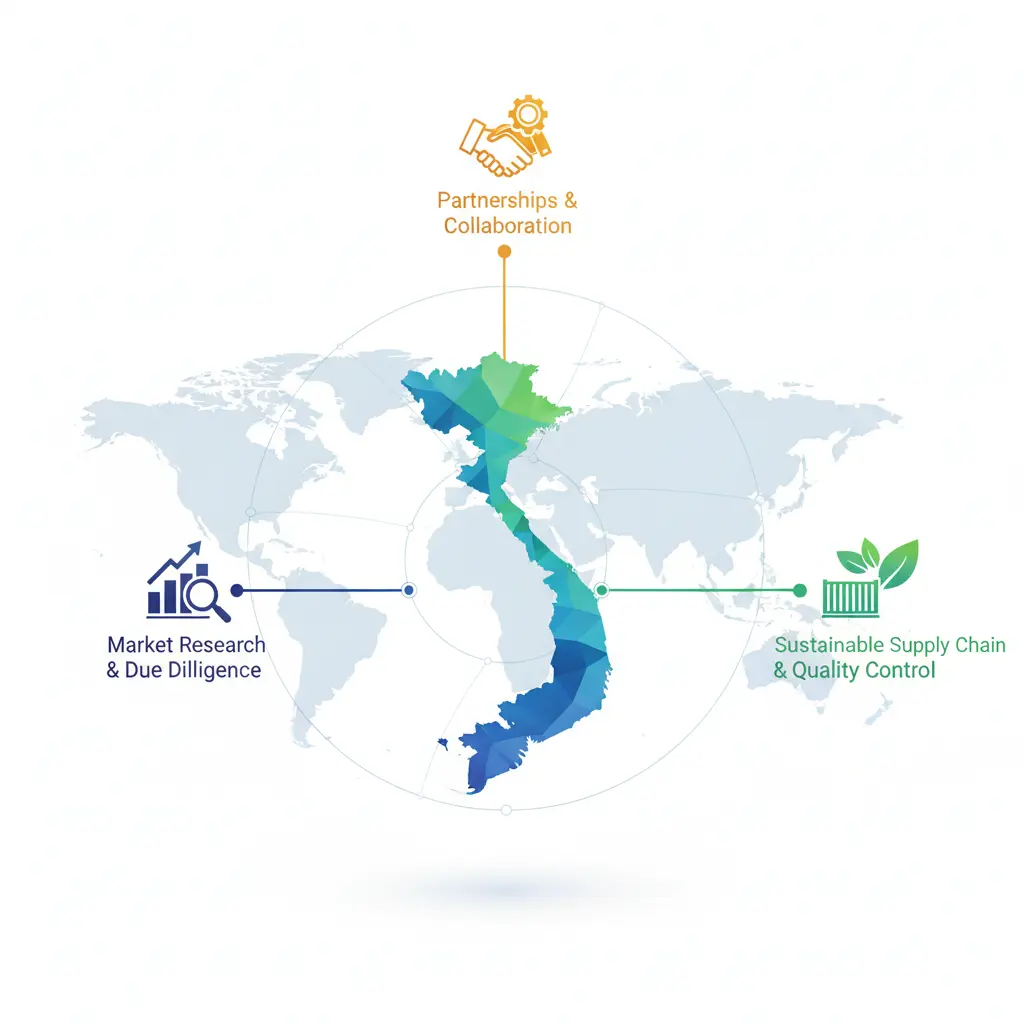
1. Effective Communication and Cultural Nuances
Effective communication is the cornerstone of any successful partnership, and this is especially true when engaging with Vietnam Sourcing Companies and local suppliers. Vietnamese business culture values respect, hierarchy, and indirect communication. While many professionals in larger cities and export-oriented sectors are proficient in English, it’s always beneficial to have professional translators for critical discussions, especially when dealing with contracts or highly technical specifications. Patience is a virtue; pressing for immediate answers can be perceived as aggressive. Building rapport through small talk before diving into business matters, showing genuine interest in their culture, and understanding the concept of “saving face” (avoiding public embarrassment) are crucial. Long-term relationships are highly valued, so invest time in personal connections. Always confirm agreements in writing, meticulously detailing specifications and timelines to avoid misunderstandings. When seeking reliable Vietnam Sourcing Companies, pay attention to their communication responsiveness and clarity early in the process, ensuring they can connect you with the most reliable Vietnam suppliers from their extensive Vietnam manufacturers directory.
2. Quality Control and Supply Chain Management Strategies
Maintaining consistent quality and managing a robust supply chain are critical for any sourcing operation. In Vietnam, proactive quality control measures are essential. Do not rely solely on final inspections; implement checks at various stages of production, from raw material inspection to in-process checks and pre-shipment verification. Consider hiring third-party quality control agencies or establishing your own dedicated team on the ground to oversee production if volume warrants it. Clearly define your quality standards and provide detailed specifications, samples, and approval processes. For comprehensive supply chain management, diversification is key. Avoid single-source dependency where possible, identifying backup suppliers for critical components or finished Vietnam export products. Leverage technology for inventory tracking and logistics management. Understanding local infrastructure, shipping routes, and customs regulations is also vital for ensuring timely deliveries and mitigating potential delays. Researching reputable logistics providers with strong local networks can significantly streamline your operations, minimizing risks and optimizing efficiency.
3. Future Trends and Outlook for Vietnam Sourcing
Vietnam’s sourcing landscape is continuously evolving, driven by global trade dynamics, technological advancements, and government initiatives. Future trends indicate a move towards higher-value manufacturing, increased automation, and greater emphasis on sustainability. Companies sourcing from Vietnam should prepare for these shifts by encouraging their partners to adopt eco-friendly practices and invest in modern machinery. The government’s focus on digital transformation and infrastructure development will further enhance Vietnam’s appeal as a manufacturing hub. Free Trade Agreements (FTAs), such as the EVFTA and CPTPP, continue to open new markets and reduce tariffs, making Vietnam an even more attractive sourcing destination. Leveraging online B2B Vietnam trade platform and digital tools will become increasingly important for identifying new partners and streamlining procurement processes. As Vietnam’s economy continues to grow robustly, supported by its young, skilled workforce and strategic geographical location in ASEAN, its role in global supply chains is only set to expand. For businesses considering long-term sourcing strategies, Vietnam presents a compelling and increasingly sophisticated option for sustainable growth and competitive advantage.
Partner with Vietnam’s Leading Suppliers
Looking for reliable suppliers in Vietnam? Contact VietnamSuppliers.com today to connect with verified manufacturers and exporters across all industries.
—————————————
References
– World Bank – Vietnam Overview: https://www.worldbank.org/en/country/vietnam/overview
– Vietnam – Trade Barriers: https://www.trade.gov/country-commercial-guides/vietnam-trade-barriers
– Vietnam: Emerging Manufacturing Hub – The Economist Intelligence Unit: https://www.eiu.com/n/articles/vietnam-emerging-manufacturing-hub/
– WTO | Vietnam Profile: https://www.wto.org/english/thewto_e/countries_e/vietnam_e.htm
– Vietnam’s economy continues to grow robustly: https://www.worldbank.org/en/country/vietnam/overview