Introduction to Vietnam ODM Manufacturing
In the dynamic landscape of global manufacturing, Vietnam has rapidly emerged as a powerhouse, particularly within the Original Design Manufacturer (ODM) sector. Once primarily known for textiles and footwear, the nation has strategically diversified its industrial base, attracting significant foreign direct investment (FDI) and positioning itself as a credible alternative and complement to established manufacturing hubs. This section delves into why Vietnam ODM Manufacturing is at the forefront of global sourcing strategies, exploring its current trajectory, underlying growth drivers, and promising outlook towards 2025 and beyond.
1. What is ODM and Why Vietnam?
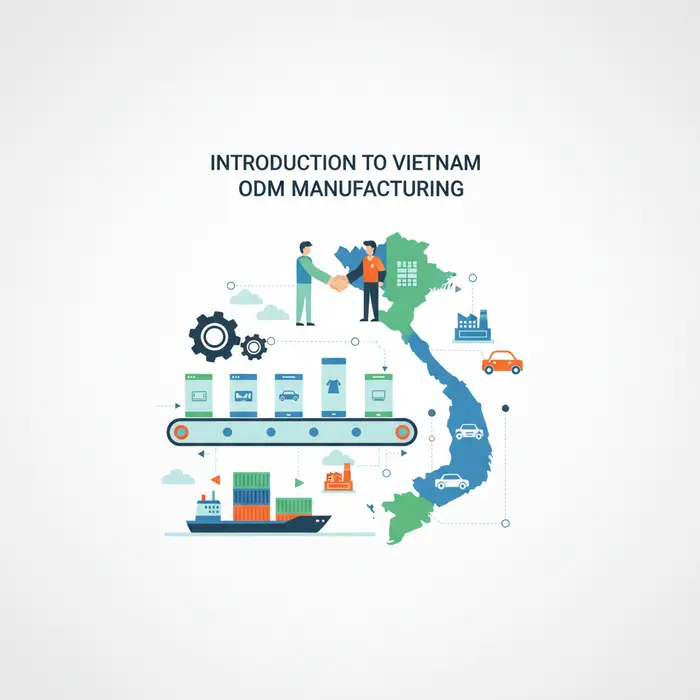
Original Design Manufacturing (ODM) refers to a company that designs and manufactures a product which is then rebranded by another firm for sale. Unlike contract manufacturing (CM) where the buyer provides the design, ODM factories take on the entire product development process, from concept and design to production. This model is particularly attractive for businesses seeking to launch new products quickly, reduce R&D costs, and leverage existing proven designs with minimal customization.
Vietnam’s ascent as a preferred ODM destination is multifaceted. Geopolitical shifts, notably the “China Plus One” strategy, have spurred companies to diversify their supply chains, finding Vietnam an attractive alternative due to its stable political environment and commitment to international trade. The country boasts a youthful, increasingly skilled workforce, competitive labor costs, and a government proactive in fostering a business-friendly environment through incentives and regulatory reforms. Furthermore, its strategic location and extensive network of free trade agreements (FTAs) provide preferential access to major global markets, making it a compelling choice for businesses looking for efficient ODM factories Vietnam. For brands considering Vietnam private label manufacturing, the robust capabilities of local ODMs offer a streamlined path to market with ready-to-brand products.
2. Growth Drivers & Market Trends (2025 Outlook)
The impressive growth of Vietnam’s ODM sector is propelled by several key drivers. Significant infrastructure investments, including new highways, ports, and industrial zones, have enhanced logistical efficiency and connectivity. Foreign direct investment continues to pour into high-tech manufacturing, electronics, and automotive components, signaling a shift towards higher value-added production. Moreover, a robust educational system is churning out engineers and technicians well-versed in modern manufacturing techniques, supporting sophisticated product development services Vietnam.
Looking towards 2025, market trends indicate sustained growth and diversification. Vietnam is becoming a hub for electronics manufacturing, from smartphones to smart home devices, alongside its traditional strengths in apparel, footwear, and furniture. There’s a growing emphasis on automation and digital transformation within factories, enhancing productivity and precision. Furthermore, sustainability practices and ethical sourcing are gaining prominence, with many Vietnamese ODMs adopting greener manufacturing processes to meet global demand. Companies seeking efficient contract manufacturing Vietnam quotes will find a competitive and evolving ecosystem, poised to handle complex production requirements with a focus on quality and innovation. According to the World Bank, Vietnam’s economy continues to show resilience and strong growth prospects, driven by robust exports and foreign investment, further solidifying its position in the global supply chain.
3. Key Advantages & Strategic Considerations
Choosing Vietnam for ODM presents distinct advantages beyond cost-effectiveness. Vietnamese manufacturers are increasingly renowned for their commitment to quality control, often adhering to international standards and certifications. The regulatory environment is becoming more transparent and supportive, facilitating smoother operations for international businesses. Supply chain resilience, demonstrated during recent global disruptions, is another significant draw, as Vietnam has proven its ability to maintain production and logistics flows.
For brands considering an ODM partnership in Vietnam, strategic considerations include thorough due diligence on potential partners, understanding local business culture, and ensuring robust intellectual property protection. Engaging with experienced local partners or consultants can mitigate risks and streamline the process. Ultimately, Vietnam offers a compelling proposition for businesses looking for innovative, cost-effective, and reliable manufacturing solutions. Its continuous development and strategic positioning ensure its role as a pivotal player in the global ODM landscape for years to come.
Finding Top ODM Factories in Vietnam
Vietnam has emerged as a global manufacturing powerhouse, attracting businesses seeking high-quality Original Design Manufacturer (ODM) partners. For brands looking to launch new products or scale existing lines, finding the right Vietnam ODM Manufacturing partner is paramount. An ODM factory not only manufactures products but also handles the design and development, offering a complete solution from concept to finished good. This guide will walk you through identifying, vetting, and selecting reliable ODM factories Vietnam, emphasizing key regions and crucial quality criteria to ensure a successful partnership. Navigating the diverse landscape of Vietnamese manufacturing requires a strategic approach, focusing on areas with established industrial infrastructure and a proven track record.
Key Regions and Industrial Zones for ODM Factories
Identifying the geographical sweet spot for your manufacturing needs is the first step in sourcing ODM factories Vietnam. Vietnam’s industrial landscape is characterized by concentrated zones, each with unique strengths.
- Southern Vietnam: Dominated by Ho Chi Minh City and its surrounding provinces like Binh Duong and Dong Nai, this region is a major economic hub with excellent access to ports (e.g., Cat Lai Port). It boasts a mature manufacturing ecosystem, particularly strong in electronics, textiles, footwear, and furniture. Binh Duong, for instance, is known for its extensive network of industrial parks and foreign investment.
- Northern Vietnam: Centered around Hanoi, Hai Phong, and Bac Ninh, this region is rapidly growing, especially in high-tech manufacturing, automotive, and electronics. Hai Phong, with its deep-water port, serves as a critical gateway for international trade, while Bac Ninh has attracted major technology manufacturers. The northern provinces offer a skilled workforce and increasing investment in R&D, making them ideal for complex product development services Vietnam. Proximity to the Chinese border also offers logistical advantages for certain supply chains. Understanding the regional specializations can significantly narrow down your search for suitable ODM partners.
Criteria for Partner Selection (Quality, Capacity, Ethics)
Selecting a reliable ODM partner goes beyond initial cost; it hinges on a thorough evaluation of several critical factors:
- Quality Assurance (QA) and Certifications: A top-tier ODM factory will have robust QA processes embedded throughout its operations, from material sourcing to final inspection. Look for international certifications such as ISO 9001 (Quality Management), CE, RoHS, or industry-specific standards relevant to your product. Request sample reviews, factory audits, and detailed quality control documentation. A strong track record of consistent quality is non-negotiable for Vietnam private label manufacturing.
- Production Capacity and Scalability: Assess the factory’s current production volume and its ability to scale up or down based on your demand fluctuations. Discuss lead times, minimum order quantities (MOQs), and their supply chain management capabilities. An ideal partner can grow with your business without compromising delivery schedules.
- Ethical Practices and Transparency: In today’s market, ethical sourcing and labor practices are paramount. Inquire about their adherence to local labor laws, fair wages, safe working conditions, and environmental compliance. Transparency in their operations, including willingness to host audits and openly communicate challenges, builds trust. Many reputable contract manufacturing Vietnam quotes will include details about their compliance standards, reflecting a commitment to sustainable and responsible manufacturing. Ensuring your partner aligns with your brand’s ethical values protects your reputation and fosters a sustainable long-term relationship.
Leveraging B2B Platforms and Trade Shows
Once you understand the key regions and selection criteria, the next step is active sourcing.
- Online B2B Platforms: Platforms like Alibaba, Global Sources, and specific Vietnamese B2B directories are excellent starting points for initial screening. Utilize advanced search filters to find ODM factories Vietnam specializing in your product category. Pay attention to supplier ratings, certifications, and product portfolios. While these platforms offer a broad reach, they serve best for preliminary research and requesting contract manufacturing Vietnam quotes. Always follow up with direct communication and due diligence. For a deeper dive into local options, exploring resources like the internal link Vietnam ODM Manufacturing partners can connect you with specialized suppliers.
- Trade Shows and Industry Events: Attending trade shows, both in Vietnam (e.g., Vietnam Expo, SaigonTex) and international events featuring Vietnamese manufacturers, provides invaluable opportunities. These events allow for face-to-face interactions, physical inspection of product samples, and direct discussions with factory representatives. This personal engagement helps build rapport and trust, which is often difficult to achieve solely online. Furthermore, trade shows are excellent for market research and networking within the industry. Consulting reports, such as those from reputable sources like the World Bank on Vietnam’s manufacturing sector, can also offer broader economic context and insights into manufacturing trends that inform your supplier selection strategy. This comprehensive approach, combining online research with boots-on-the-ground investigation, significantly improves your chances of securing a top-tier ODM partner in Vietnam.
Vietnam for Private Label & Product Development Services
Vietnam has rapidly emerged as a powerhouse in the global manufacturing landscape, transforming from a mere assembly hub into a strategic partner for businesses seeking comprehensive Vietnam ODM Manufacturing and private label services. For companies looking to innovate, diversify their product lines, and launch new items under their own brand, Vietnam offers a compelling ecosystem of expertise, efficiency, and cost-effectiveness. This vibrant Southeast Asian nation provides a fertile ground for businesses to develop new products from concept to market, leveraging a skilled workforce, robust supply chains, and a proactive approach to product innovation. Whether you’re a startup or an established enterprise, the capabilities in Vietnam for product development and private label manufacturing are designed to help you bring your vision to life.
1. Full-Service Product Development Cycle (Design to Production)
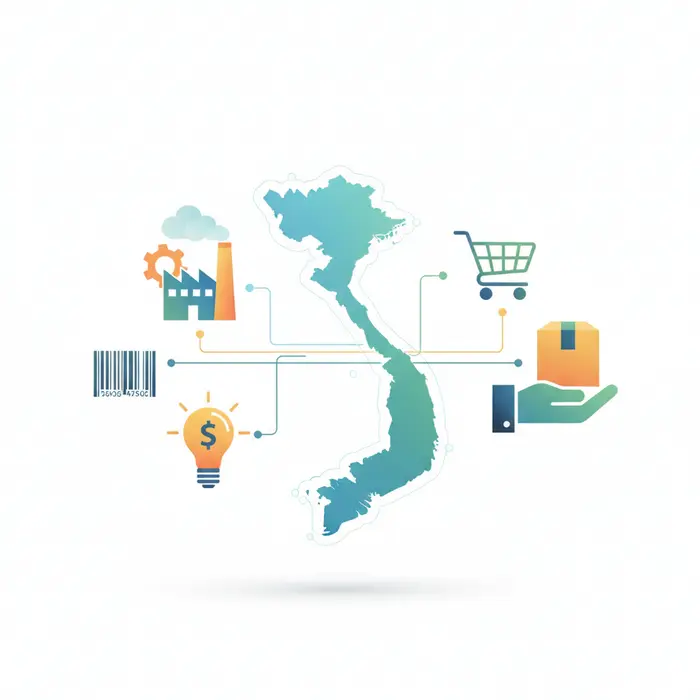
Modern ODM factories Vietnam excel at offering a full spectrum of product development services, guiding clients through every stage of the product lifecycle. This comprehensive approach begins with initial concept generation and industrial design, where experienced teams work to translate ideas into tangible designs. Following design approval, advanced engineering and prototyping capabilities come into play, allowing for rapid iteration and refinement of product samples. Material sourcing and selection are meticulously handled, ensuring the best quality and cost-efficiency for components. Rigorous testing and quality control protocols are integrated throughout the process to guarantee product integrity and compliance with international standards. Finally, mass production leverages state-of-the-art facilities and a highly efficient workforce to scale up manufacturing, delivering consistent quality and meeting deadlines. This holistic support makes Vietnam a one-stop shop for businesses seeking end-to-end Product development services Vietnam across diverse sectors, including electronics, textiles, furniture, and consumer goods.
2. Benefits of Private Label Manufacturing in Vietnam
Choosing Vietnam private label manufacturing offers a multitude of strategic advantages for businesses aiming to expand their brand footprint without the significant investment in their own production facilities. One of the primary benefits is the compelling cost-effectiveness, stemming from competitive labor rates and efficient operational structures, which directly translates into higher profit margins for private label brands. Vietnam’s strategic geographical location in Southeast Asia provides excellent logistical advantages for global distribution, minimizing shipping times and costs to key markets. The flexibility offered by ODM factories Vietnam is also a significant draw, allowing for customized product specifications, lower Minimum Order Quantities (MOQs) compared to some other manufacturing hubs, and faster adaptation to market trends. This agility contributes to a quicker speed to market, giving businesses a competitive edge. Furthermore, the country’s continued economic stability and growth, coupled with its robust manufacturing infrastructure, solidifies its reputation as a reliable and scalable partner for private label endeavors, enabling brands to maintain strict control over their product quality and branding.
3. Intellectual Property Protection & R&D Support
A crucial consideration for any brand engaging in product development and private label manufacturing is the protection of intellectual property (IP). Vietnam has made significant strides in strengthening its legal framework for IP protection, aligning with international standards and actively enforcing regulations. Reputable Vietnam ODM Manufacturing partners are acutely aware of the importance of safeguarding client designs and technologies, often implementing strict confidentiality agreements and secure production environments to prevent leaks or unauthorized replication. Beyond protection, many Vietnamese manufacturers are also investing heavily in their own research and development (R&D) capabilities. This means they can offer valuable R&D support, contributing to product innovation, material science advancements, and process optimization, effectively acting as an extension of a client’s own development team. When seeking Contract manufacturing Vietnam quotes, it’s essential to inquire about their IP protection policies and R&D support to ensure a secure and innovative partnership. This commitment to both protection and innovation reinforces Vietnam’s position as a sophisticated and trustworthy destination for private label and product development services.
Understanding Contract Manufacturing Quotes & Costs
Demystify the pricing structures and factors influencing contract manufacturing costs, helping businesses budget effectively for their Vietnam ODM Manufacturing needs. Navigating the world of contract manufacturing, especially in a dynamic market like Vietnam, requires a clear understanding of what constitutes a quote and how to manage those costs. Grasping these intricacies can be the difference between a profitable venture and unforeseen financial hurdles. This section aims to shed light on the various elements that make up your total manufacturing expenditure, from initial production to final delivery, ensuring you can budget effectively and make informed decisions when engaging with ODM factories Vietnam.
1. Components of a Contract Manufacturing Quote (Tooling, MOQ, Materials)
When you request a quote for contract manufacturing Vietnam quotes, it encompasses several critical components beyond just the per-unit price. Understanding each element is crucial for accurate budgeting and effective negotiation.
- Tooling Costs: These are one-time expenses for specialized equipment like molds, dies, jigs, or custom machinery. They can be significant but are typically a single investment, sometimes amortized by the factory over initial production runs.
- Minimum Order Quantity (MOQ): ODM factories Vietnam set MOQs to ensure economic viability. Producing small batches is often inefficient, so a higher MOQ usually results in a lower per-unit cost as fixed costs are spread across more units. Always inquire about MOQs and their impact on your pricing.
- Material Costs: Often the largest variable component, this includes raw materials (plastics, metals, electronics), sub-assemblies, and packaging. Global market prices, supplier relationships, quality specifications, and purchase volume all influence material costs.
- Labor Costs: Covering wages for the workforce involved in assembly, quality control, and other production processes, labor forms a significant part of the unit price, even with Vietnam’s competitive rates.
- Overhead & Profit: These include the factory’s operational expenses (utilities, rent, administration) and their desired profit margin, typically built into the per-unit cost.
2. Cost-Saving Strategies and Negotiation Tips
Effective negotiation and strategic planning can significantly reduce your Vietnam ODM Manufacturing costs. Don’t simply accept the first quote; explore avenues for optimization.
- Design for Manufacturability (DFM): Partner with product development services Vietnam early on. Optimizing your design for ease of manufacturing reduces waste, simplifies assembly, and lowers labor time, directly impacting unit costs.
- Volume Discounts: Larger orders lead to lower per-unit prices due to economies of scale. Consider bigger initial orders or commit to annual volumes if feasible.
- Standardize Components: Using readily available, standard components instead of custom ones cuts material costs and simplifies the supply chain.
- Long-Term Partnerships: Building strong relationships with ODM factories Vietnam can yield better pricing, preferential treatment, and flexible terms over time.
- Negotiate Payment Terms: Favorable payment terms (e.g., lower upfront deposits) improve cash flow.
- Value Engineering: Continuously review components and processes to identify cost reductions without compromising quality, especially crucial for Vietnam private label manufacturing where brand reputation is key. For more insights on optimizing supply chain expenditure, refer to strategies for controlling supply chain costs effectively.
3. Logistics, Shipping, and Incoterms Considerations
The quoted price from your ODM factories Vietnam rarely includes the full cost of getting the product to your final destination. Logistics, shipping, and Incoterms are critical elements that dramatically impact your total landed cost.
- Freight Costs: This covers the transportation of goods from the factory. Options like sea freight (cheaper for large volumes, slower) and air freight (faster, more expensive) significantly affect both cost and delivery schedule.
- Customs Duties and Taxes: Import duties, tariffs, and local taxes apply based on product type, origin (Vietnam), and destination. These can add a substantial percentage to your product’s cost.
- Insurance: Essential for protecting goods against loss or damage during transit, insurance costs are typically a small percentage of cargo value.
- Warehousing and Handling: Charges for port/airport warehousing, customs clearance, and local transportation to your final facility must be accounted for.
- Incoterms (International Commercial Terms): These globally recognized rules define responsibilities for delivery. They specify who pays for and manages shipment, insurance, documentation, and customs clearance. Common Incoterms like EXW (buyer bears most costs/risks), FOB (seller responsible to port of shipment, common for Vietnam ODM Manufacturing), and CIF (seller pays cost, insurance, freight to destination port) dictate where responsibility and cost transfer, directly impacting your overall expenditure.
By thoroughly understanding these components, employing smart negotiation tactics, and accounting for all logistical costs, businesses can better manage their budget and foster successful, long-term partnerships with ODM factories Vietnam.
Navigating Challenges & Ensuring Success
Embarking on a manufacturing journey with Original Design Manufacturers (ODMs) in Vietnam offers immense opportunities for innovation, cost-efficiency, and market responsiveness. However, like any strategic partnership, it comes with its unique set of challenges. Successfully navigating these hurdles requires foresight, meticulous planning, and a commitment to fostering strong, sustainable relationships. This section delves into the common pitfalls encountered in the Vietnam ODM Manufacturing process and outlines best practices to ensure your projects not only succeed but thrive, building resilient partnerships that drive long-term value.

1. Common Pitfalls and How to Avoid Them
One of the primary challenges in engaging with ODM factories Vietnam is the potential for miscommunication. Differences in language, culture, and business practices can lead to misunderstandings regarding product specifications, quality standards, and timelines. To circumvent this, establish crystal-clear communication channels from the outset. Utilize detailed Product Requirements Documents (PRDs), CAD files, and visual aids. Appoint a dedicated project manager who is proficient in both English and Vietnamese, or work with a reputable sourcing agent. Another significant pitfall is inadequate intellectual property (IP) protection. Ensure all agreements, including Non-Disclosure Agreements (NDAs) and manufacturing contracts, are legally binding and enforceable under international law. Specify ownership of designs, tooling, and any proprietary technology developed during the product development services Vietnam. Regularly audit your ODM partner to ensure compliance and maintain control over your IP. Furthermore, misaligned expectations regarding design iterations and prototyping can cause delays and cost overruns. A phased development approach, with clear milestones and sign-offs at each stage, is crucial. Define the scope of revisions and associated costs upfront to avoid future disputes.
2. Quality Control and Assurance Best Practices
Maintaining consistent product quality is paramount, especially when pursuing Vietnam private label manufacturing. The key to quality assurance lies in proactive measures rather than reactive problem-solving. Begin by establishing a comprehensive Quality Control Plan (QCP) that outlines specific standards, testing protocols, and acceptable defect rates. This plan should be mutually agreed upon and understood by both parties. Regular factory audits are essential to assess the ODM’s manufacturing capabilities, processes, and adherence to international quality management systems like ISO 9001. Implement a multi-stage inspection process:
- Pre-Production Inspection (PPI): Verify raw materials and components meet specifications before manufacturing begins.
- In-Process Inspection (IPI): Monitor production lines to catch defects early and ensure process adherence.
- Final Random Inspection (FRI): Conduct a thorough check of finished goods before shipment, using statistically significant sampling methods (e.g., AQL standards).
Consider engaging independent third-party inspection services to provide an unbiased assessment of quality. Clearly define the procedures for handling defects, reworks, and returns within your contract manufacturing Vietnam quotes, ensuring accountability and clear responsibilities.
3. Building Long-Term Supplier Relationships
A transactional approach to ODM manufacturing in Vietnam is often short-sighted and detrimental to sustainable success. The most successful brands cultivate long-term, strategic partnerships based on trust, transparency, and mutual benefit. Start by practicing fair negotiation and offering reasonable lead times; pushing for unsustainable pricing or timelines can lead to quality compromises or disengagement. Foster open communication, not just about issues, but also about market trends, future product roadmaps, and shared opportunities. Regular business reviews and performance feedback sessions help identify areas for improvement and acknowledge successes. Invest in your relationship by visiting the factory periodically, understanding their operational challenges, and providing constructive input. Share market insights and consumer feedback to help your ODM partner better understand your brand’s vision and product requirements. A strong relationship can translate into priority service, greater flexibility during peak seasons, faster problem resolution, and access to new technologies or improved processes. As noted by industry experts, effective supplier relationship management is crucial for mitigating risks and fostering innovation within the supply chain. By viewing your ODM as an extension of your own team, you lay the groundwork for a robust, collaborative partnership that can drive continuous innovation and competitive advantage.
By proactively addressing potential pitfalls, meticulously implementing quality control measures, and committing to building strong, enduring supplier relationships, businesses can confidently navigate the complexities of Vietnam ODM Manufacturing. This strategic approach not only mitigates risks but unlocks the full potential of Vietnam’s dynamic manufacturing landscape, transforming challenges into stepping stones for unparalleled success.
Partner with Vietnam’s Leading Suppliers
Looking for reliable suppliers in Vietnam? Contact VietnamSuppliers.com today to connect with verified manufacturers and exporters across all industries.
—————————————
References
– World Bank Vietnam: https://www.worldbank.org/en/country/vietnam/overview
– World Bank on Vietnam’s manufacturing sector: https://www.worldbank.org/en/country/vietnam/overview#3
– World Bank: Vietnam Overview: https://www.worldbank.org/en/country/vietnam/overview
– How To Control Supply Chain Costs: https://www.forbes.com/sites/forbesfinancecouncil/2023/10/05/how-to-control-supply-chain-costs/
– supplier relationship management: https://www.supplychaindive.com/news/supply-chain-supplier-relationships-benefits-risk-management/625399/