The Evolving Landscape of Global Trade Logistics
As we navigate into 2025, the global trade landscape continues its relentless transformation, presenting an intricate web of challenges and opportunities for businesses worldwide. International trade logistics, once a relatively predictable operational function, has morphed into a dynamic, hyper-complex ecosystem influenced by geopolitical shifts, rapid technological advancements, and an ever-increasing demand for speed, transparency, and sustainability. This environment necessitates a proactive approach to understanding and mitigating risks, making robust International Trade Logistics Challenges Report more critical than ever.

The intricate ballet of moving goods across borders is now subject to unprecedented scrutiny, with every link in the supply chain under pressure to adapt. From the smallest local supplier to multinational corporations, all stakeholders are grappling with issues ranging from persistent supply chain bottleneck analysis to the urgent need for global export logistics solutions that are both efficient and resilient. This report aims to dissect these complexities, offering insights and strategic recommendations for navigating the turbulent waters of international commerce.
1. Key Trends Shaping International Trade in 2025
The year 2025 is marked by several overarching trends that fundamentally redefine international trade logistics:
- Digitalization and Automation: The accelerated adoption of AI, IoT, blockchain, and advanced analytics is revolutionizing everything from warehouse management to predictive shipping. This digital transformation promises greater efficiency but also introduces new cybersecurity risks and demands for skilled labor.
- Geopolitical Fragmentation and Resilience: Ongoing global tensions and trade disputes are leading to a fragmentation of supply chains, prompting businesses to prioritize resilience over sheer cost efficiency. Nearshoring and friend-shoring strategies are gaining traction, altering established logistics routes and requiring flexible approaches to the freight forwarding challenges 2024.
- Sustainability Imperatives: Environmental, Social, and Governance (ESG) considerations are no longer optional. Consumers, investors, and regulators are demanding greener logistics, pressuring companies to reduce carbon footprints, optimize transport modes, and adopt circular economy principles. The UNCTAD Review of Maritime Transport 2023 underscores the growing focus on environmental sustainability in global shipping.
- E-commerce Explosion and Last-Mile Dynamics: The continued surge in e-commerce volumes places immense pressure on last-mile delivery networks, demanding rapid, cost-effective, and scalable solutions that often transcend traditional logistics models.
- Labor Shortages and Skill Gaps: A persistent shortage of skilled labor across various logistics sectors, from truck drivers to customs brokers, continues to impact operational efficiency and drive up costs.
2. Purpose and Scope of This Logistics Challenges Report
This comprehensive International Trade Logistics Challenges Report serves as a vital resource for businesses, policymakers, and logistics professionals grappling with the complexities of global trade in 2025. Its primary purpose is to provide a detailed supply chain bottleneck analysis, identify emerging risks, and outline actionable strategies for optimizing logistics operations. We delve into specific areas such as the evolving nature of freight forwarding challenges 2024, including capacity constraints, rising fuel costs, and regulatory compliance complexities. The report also explores innovative approaches to achieve global export logistics solutions, focusing on technology integration, strategic partnerships, and risk diversification. By examining current trends and projecting future scenarios, we aim to equip stakeholders with the knowledge needed to build more agile, efficient, and sustainable supply chains.
3. Anticipating Future Disruptions and Opportunities
Looking ahead, the ability to anticipate and adapt to future disruptions will be paramount. Beyond addressing immediate concerns, this report encourages a forward-thinking mindset, preparing businesses for both unforeseen challenges and untapped opportunities. This includes fostering greater transparency across the supply chain, investing in predictive analytics for demand forecasting, and developing robust contingency plans. Moreover, optimizing regulatory compliance and implementing advanced customs clearance optimization strategies will be crucial for accelerating cross-border movements and reducing operational friction. The future of global trade logistics demands continuous innovation, collaborative ecosystems, and a steadfast commitment to building adaptive supply chains that can withstand volatility and leverage new avenues for growth in an increasingly interconnected, yet unpredictable, world.
Decoding Supply Chain Bottlenecks in 2025
A deep dive into the root causes and impact of current supply chain bottlenecks, incorporating data-driven supply chain bottleneck analysis. The past few years have underscored the fragility of global trade networks, evolving from acute shocks to persistent, complex challenges. As we look towards 2025, understanding and mitigating these disruptions is paramount for businesses navigating the intricate landscape of international trade logistics. This analysis leverages critical insights to illuminate the enduring issues contributing to today’s operational hurdles and examines potential solutions to foster greater resilience and efficiency in global export logistics.
1. Post-Pandemic Lingering Effects and New Vulnerabilities
The reverberations of the global pandemic continue to define the contours of today’s supply chain bottlenecks. While the initial chaos of factory shutdowns and port congestion has largely subsided, its legacy manifests in persistent demand-supply imbalances, exacerbated by shifts in consumer behavior and the “bullwhip effect” that amplified minor fluctuations upstream. Businesses are still grappling with inconsistent lead times and fluctuating freight costs, presenting significant International Trade Logistics Challenges Report worthy of careful study. A detailed supply chain bottleneck analysis reveals that the initial shocks exposed systemic weaknesses, leading to a scramble for inventory build-up and diversified sourcing, which in turn placed new strains on warehousing and freight forwarding capabilities. The World Bank’s Logistics Performance Index highlights these persistent issues, showing that improvements are slow and uneven globally.
Beyond the pandemic’s direct aftermath, new vulnerabilities are emerging. Climate change-related disruptions, such as extreme weather events impacting critical shipping lanes or agricultural output, are becoming more frequent and severe. Furthermore, the increasing sophistication of cyber threats poses a significant risk to the digital infrastructure underpinning modern logistics, potentially paralyzing port operations, customs systems, or enterprise resource planning (ERP) platforms. These multifaceted threats contribute directly to the ongoing freight forwarding challenges 2024, demanding proactive risk management and adaptive strategies from all stakeholders in global export logistics. Without robust mitigation, these lingering effects and new threats will continue to erode supply chain predictability and efficiency.
2. Geopolitical Tensions and Their Impact on Supply Routes
The geopolitical landscape in 2025 is a significant, often unpredictable, driver of supply chain disruptions. Regional conflicts, such as those impacting the Red Sea or Eastern Europe, immediately translate into rerouted shipping lanes, longer transit times, and increased insurance premiums. The diversion of vessels around the Cape of Good Hope, for instance, significantly extends journeys between Asia and Europe, impacting delivery schedules and fueling higher operational costs for ocean freight. Trade wars, sanctions, and protectionist policies further complicate matters, forcing companies to restructure their sourcing and distribution networks. This often leads to fragmented supply chains, where efficiency takes a backseat to geopolitical alignment or risk avoidance.
The push for “friend-shoring” or “near-shoring”—relocating production closer to end markets or to politically allied nations—is gaining momentum, promising greater resilience but also introducing new infrastructure and labor demands in destination regions. While conceptually appealing for risk reduction, this transition is complex and costly, potentially creating localized bottlenecks in nascent manufacturing hubs. Businesses are increasingly investing in sophisticated supply chain bottleneck analysis tools to model these geopolitical risks and evaluate alternative global export logistics solutions. The dynamic nature of international relations means that businesses must maintain agile logistics strategies, capable of rapid adaptation to evolving political landscapes to avoid prolonged disruptions and ensure continuity of operations.
3. Labor Shortages and Infrastructure Deficiencies
Underpinning many supply chain bottlenecks are critical shortages of skilled labor and chronic underinvestment in logistics infrastructure. The global transportation sector, in particular, faces a looming crisis due to an aging workforce and insufficient new entrants. Truck drivers, port operators, warehouse personnel, and even customs brokers are in short supply across many key regions. This deficit directly impacts the speed and efficiency of goods movement, leading to delays at every node, from factory gates to final delivery. The absence of adequate staff can paralyze operations, rendering even the most optimized digital systems ineffective.
Compounding this are pervasive infrastructure deficiencies. Many ports struggle with outdated equipment, insufficient berth space, and congested hinterland connections. Roads and rail networks in critical trade corridors often lack the capacity to handle the increased volume of freight, leading to bottlenecks and longer transit times. Warehousing, particularly for specialized or temperature-controlled goods, is often insufficient or poorly located. Addressing these issues requires substantial, coordinated public and private investment. Furthermore, inefficient administrative processes and outdated technology at borders contribute to customs clearance delays. Implementing robust customs clearance optimization strategies, including digitalization and pre-arrival processing, is essential to streamline the flow of goods. A comprehensive supply chain bottleneck analysis must therefore consider the intertwining challenges of human capital and physical infrastructure to develop truly effective and sustainable global export logistics solutions for the future.
Navigating Global Export Logistics Solutions
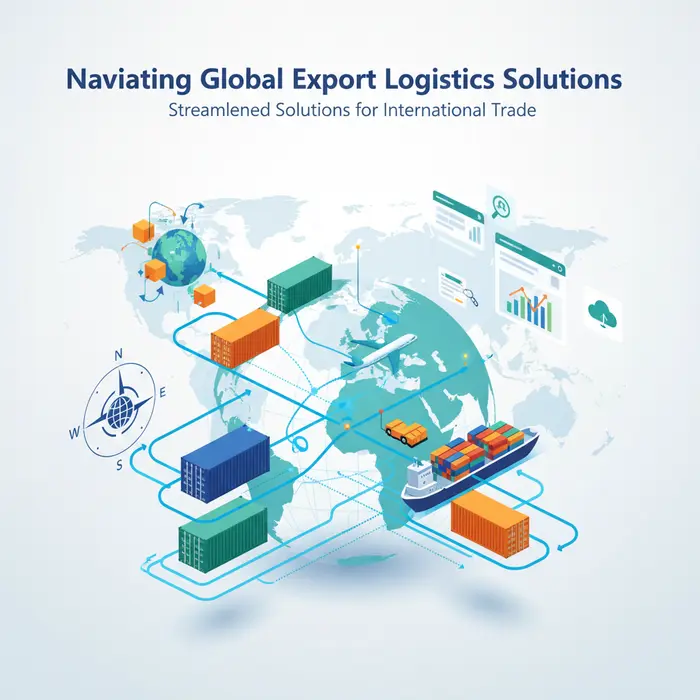
In an increasingly interconnected yet volatile global economy, optimizing international export processes has become paramount for businesses aiming to thrive. The complexities of cross-border trade, ranging from geopolitical shifts to unforeseen disruptions, necessitate robust and agile global export logistics solutions. Companies today face myriad challenges, including significant supply chain bottleneck analysis requirements, evolving freight forwarding challenges 2024, and the continuous need for customs clearance optimization strategies. Addressing these issues effectively requires a multifaceted approach that embraces diversification, digital innovation, and strategic collaboration. Understanding the current landscape, as detailed in various International Trade Logistics Challenges Report, is the first step towards building resilient and efficient export operations.
1. Diversifying Shipping Routes and Modes
Reliance on single shipping routes or modes can expose exporters to significant vulnerabilities, especially when faced with global disruptions. A core element of effective global export logistics solutions is the strategic diversification of transportation options. This involves exploring alternative maritime routes, leveraging rail and air freight for different types of cargo or urgency levels, and embracing intermodal solutions that combine multiple transport methods. For instance, shifting from an exclusive ocean freight strategy to incorporating rail for specific regions can mitigate risks associated with port congestion or geopolitical instability. Proactive supply chain bottleneck analysis helps identify potential choke points, allowing businesses to pre-emptively establish contingency routes and modes. This flexibility not only enhances resilience but can also lead to cost efficiencies and improved delivery times by optimizing transit for different product lifecycles and market demands, directly tackling some of the primary freight forwarding challenges 2024.
2. Leveraging Digital Platforms for Export Management
The digital transformation of logistics offers unprecedented opportunities for streamlining international export processes. Modern digital platforms provide end-to-end visibility, from order placement to final delivery, empowering exporters with real-time tracking and data-driven insights. Technologies such as Artificial Intelligence (AI) and Machine Learning (ML) can predict potential delays, optimize route planning, and even automate complex documentation processes. Blockchain technology, for example, offers secure and transparent record-keeping, simplifying customs procedures and reducing the risk of fraud. Implementing advanced Export Management Systems (EMS) and integrating them with Enterprise Resource Planning (ERP) systems is crucial for achieving customs clearance optimization strategies. These platforms facilitate efficient data exchange with customs authorities, automate compliance checks, and help manage regulatory changes across various markets, significantly reducing administrative burdens and accelerating clearance times. This level of digital integration is vital for competitive global export logistics solutions.
3. Strategic Partnerships for Enhanced Global Export Logistics
Navigating the intricate landscape of international trade often requires specialized expertise that goes beyond a company’s core capabilities. For this reason, forging strategic partnerships with experienced third-party logistics (3PL) providers, freight forwarders, and customs brokers is a cornerstone of robust global export logistics solutions. These partners bring invaluable knowledge of local regulations, market dynamics, and established networks, which can be critical in overcoming freight forwarding challenges 2024. A reputable freight forwarder, for instance, can offer diversified shipping options, consolidate cargo, and manage complex documentation, while an expert customs broker ensures compliance with import-export regulations, facilitating smoother customs clearance optimization strategies. Collaborative relationships built on trust and shared objectives allow businesses to leverage economies of scale, access advanced technological solutions, and gain market insights without significant capital investment. Such partnerships transform logistics from a cost center into a strategic advantage, ensuring greater efficiency and resilience in global supply chains.
By proactively addressing potential vulnerabilities through diversified routes, embracing advanced digital tools, and cultivating strong strategic alliances, businesses can effectively overcome the inherent challenges of international trade. These integrated global export logistics solutions are not merely reactive measures but proactive strategies designed to build more resilient, efficient, and competitive export operations in the dynamic global marketplace.
Addressing Freight Forwarding Challenges: 2025 Outlook
The intricate world of international trade logistics is perpetually in motion, marked by evolving market dynamics, geopolitical shifts, and technological advancements. As we look towards 2025, freight forwarders find themselves at a critical juncture, navigating a complex landscape defined by persistent freight forwarding challenges 2024 that are set to intensify. Success hinges on a forward-thinking approach, embracing resilience, innovation, and strategic adaptation to overcome current and future hurdles.
The global economy’s interconnectedness means that disruptions in one region can ripple across entire supply chains, necessitating robust global export logistics solutions. Understanding and proactively addressing these pain points is crucial for maintaining efficiency, profitability, and customer satisfaction in an increasingly competitive environment. This examination delves into the specific hurdles faced by freight forwarders, offering insights into effective strategies for navigating the upcoming year.
1. Rising Costs and Capacity Constraints
One of the most immediate and impactful challenges confronting freight forwarders is the relentless escalation of operational costs coupled with severe capacity constraints across various transportation modes. Fuel price volatility, influenced by geopolitical events and environmental regulations, directly impacts shipping expenses. Concurrently, labor shortages, particularly for truck drivers and port workers, strain ground logistics and port operations. The aftermath of global events continues to manifest as port congestion, equipment scarcity (e.g., shipping containers, specialized vessels), and unpredictable transit times, leading to significant delays and surcharges.
This environment necessitates a granular supply chain bottleneck analysis to identify and mitigate pressure points. Forwarders must adopt proactive strategies, including diversifying their carrier networks, exploring multi-modal transport options to leverage different strengths, and engaging in long-term capacity contracts where feasible. Enhancing demand forecasting accuracy and optimizing routing can also help mitigate the impact of fluctuating capacities and soaring prices, ensuring more predictable and cost-effective operations.
2. Regulatory Compliance and Documentation Complexities
The regulatory landscape governing international trade is perpetually shifting, presenting a formidable challenge for freight forwarders. From evolving customs duties and trade tariffs to increasingly stringent environmental mandates (such as the IMO 2020 sulfur cap and the EU Emissions Trading System for shipping) and sanctions regimes, compliance demands meticulous attention to detail. The sheer volume and complexity of documentation required for cross-border shipments — including bills of lading, commercial invoices, packing lists, certificates of origin, and various permits — create a significant administrative burden. Errors or omissions can lead to costly delays, fines, and even cargo seizure.
To navigate this maze, freight forwarders must invest in robust customs clearance optimization strategies. This involves staying abreast of the latest regulatory changes through dedicated compliance teams or expert consultancy services. Leveraging digital platforms for document management and submission can streamline processes, reduce human error, and accelerate clearance times. Furthermore, fostering strong relationships with customs brokers and local authorities in key markets is vital for smooth operations and resolving unforeseen issues efficiently. Adopting a proactive stance on compliance is not just about avoiding penalties, but about facilitating seamless trade flows and enhancing overall service reliability.
3. Technology Adoption in Freight Forwarding Operations
While technology offers immense potential for transforming freight forwarding, its slow and uneven adoption remains a significant challenge. Many traditional forwarders still rely on outdated manual processes and siloed systems, which hinder efficiency, transparency, and responsiveness. The reluctance to invest in new technologies often stems from perceived high costs, a lack of technical expertise, or concerns about integrating new systems with legacy infrastructure.
However, the future of competitive freight forwarding undeniably lies in leveraging digital tools. Technologies such as Artificial Intelligence (AI) for predictive analytics, blockchain for enhanced supply chain transparency, Internet of Things (IoT) for real-time cargo tracking, and Robotic Process Automation (RPA) for automating routine tasks can revolutionize operations. Implementing these solutions can lead to improved operational efficiency, better risk management, enhanced customer experience through real-time updates, and data-driven decision-making. Forwarders should prioritize scalable, modular technological investments, focusing on platforms that offer integration capabilities and provide actionable insights. Collaborating with technology providers and investing in employee training are critical steps to overcoming the initial hurdles and unlocking the full potential of digitalization in the evolving logistics landscape.
In conclusion, the path ahead for freight forwarders is fraught with challenges, yet ripe with opportunities for those willing to adapt and innovate. Addressing rising costs, navigating complex regulations, and embracing technological transformation are not merely options but necessities for sustainable growth. A comprehensive approach, perhaps guided by insights from an International Trade Logistics Challenges Report, will empower forwarders to build resilient, efficient, and future-proof operations. The ability to anticipate and respond strategically to these shifts will define success in the competitive global trade arena. For more comprehensive analysis of the forces shaping global trade and logistics, consider insights provided by authoritative bodies such as the World Bank on Trade and Logistics, which frequently publishes research and reports crucial for understanding the macro environment.
Optimizing Customs Clearance and Compliance Strategies
In the intricate world of global commerce, efficient customs clearance and robust compliance are not just operational necessities but strategic advantages. As businesses navigate increasingly complex supply chains and dynamic geopolitical landscapes, the ability to streamline customs processes and ensure regulatory adherence becomes paramount. This section delves into advanced customs clearance optimization strategies designed to mitigate risks, reduce costs, and accelerate the movement of goods across borders. For a comprehensive understanding of current obstacles, consider exploring the latest International Trade Logistics Challenges Report, which highlights critical areas such as supply chain bottleneck analysis and the evolving landscape of freight forwarding challenges 2024. Mastering these strategies is crucial for any enterprise aiming for resilience and competitiveness in the international marketplace.

1. Automating Customs Declarations and Processes
Automation stands at the forefront of modernizing customs operations, offering unparalleled opportunities to enhance efficiency and accuracy. By deploying technologies such as Artificial Intelligence (AI), Machine Learning (ML), and Robotic Process Automation (RPA), businesses can significantly reduce manual effort in preparing and submitting customs declarations. Automated systems can integrate with Enterprise Resource Planning (ERP) platforms, drawing data directly from orders, invoices, and shipping documents to auto-populate declaration forms. This not only minimizes human error but also drastically cuts down processing times, accelerating cargo release. Furthermore, AI-driven analytics can identify potential compliance risks before submission, flagging discrepancies that might lead to delays or penalties. Implementing electronic data interchange (EDI) and API connections with customs authorities and freight forwarders further streamlines communication, providing real-time visibility and improving response times. These automated global export logistics solutions are essential for overcoming common supply chain bottlenecks and maintaining a competitive edge.
2. Understanding Evolving International Trade Regulations
The landscape of international trade regulations is in constant flux, shaped by geopolitical shifts, new trade agreements, and emerging security concerns. Staying abreast of these changes is a continuous challenge for even the most seasoned trade professionals. Effective compliance strategies demand a proactive approach, including continuous monitoring of regulatory updates from key markets and trade blocs. Tools for regulatory intelligence, often powered by AI, can track changes in tariffs, import/export restrictions, product classifications, and licensing requirements, alerting businesses to potential impacts on their operations. Developing robust internal compliance frameworks, conducting regular audits, and investing in ongoing training for staff are critical steps. Non-compliance can result in substantial fines, shipment delays, and reputational damage. Consulting with trade law experts and utilizing platforms that provide access to up-to-date trade legislation, such as those provided by the World Trade Organization on Trade Facilitation, ensures that businesses remain compliant and avoid costly pitfalls, particularly when addressing the evolving insights from an International Trade Logistics Challenges Report.
3. Leveraging Free Trade Agreements and Special Zones
Strategic utilization of Free Trade Agreements (FTAs) and Special Economic Zones (SEZs) can significantly reduce trade costs and enhance supply chain efficiency. FTAs typically eliminate or reduce tariffs, making goods more competitive and accessible in partner countries. However, accessing these benefits requires meticulous attention to Rules of Origin (ROO), which define whether a product qualifies for preferential treatment. Businesses must have robust systems to track raw material origins and manufacturing processes to prove eligibility. Similarly, Special Economic Zones, including Free Trade Zones (FTZs) and Export Processing Zones (EPZs), offer various incentives such as deferred customs duties, simplified procedures, and tax exemptions for goods stored, processed, or manufactured within their boundaries. By strategically locating distribution centers or manufacturing facilities within these zones, companies can optimize inventory management, reduce cash flow tied up in duties, and streamline their global distribution networks. Understanding and applying these mechanisms are vital components of any comprehensive customs clearance optimization strategies, offering significant competitive advantages in complex international trade environments.
Implementing these advanced customs clearance and compliance strategies is no longer optional but a necessity for businesses aiming to thrive in the dynamic global trade arena. From automating tedious declarations to navigating intricate regulatory frameworks and strategically leveraging trade agreements, each component plays a crucial role in building resilient and cost-effective global export logistics solutions. By embracing these best practices, companies can transform potential supply chain bottlenecks into pathways for accelerated growth and sustained market leadership, effectively addressing the findings of any International Trade Logistics Challenges Report.
Partner with Vietnam’s Leading Suppliers
Looking for reliable suppliers in Vietnam? Contact VietnamSuppliers.com today to connect with verified manufacturers and exporters across all industries.
—————————————
References
– UNCTAD Review of Maritime Transport 2023: https://unctad.org/publication/review-maritime-transport-2023
– World Bank’s Logistics Performance Index: https://www.worldbank.org/en/topic/trade/publication/logistics-performance-index
– World Economic Forum: Supply Chain Resilience: https://www.weforum.org/agenda/2023/01/supply-chain-resilience-davos2023-trade-globalization/
– World Bank on Trade and Logistics: https://www.worldbank.org/en/topic/trade
– World Trade Organization on Trade Facilitation: https://www.wto.org/english/tratop_e/tradfa_e/tradfa_e.htm