Understanding the Vietnam Sourcing Landscape
Vietnam has rapidly emerged as a formidable global manufacturing hub, captivating international buyers with its unique blend of strategic advantages and robust industrial growth. Once primarily known for its agricultural prowess, the nation has meticulously transformed into a dynamic export powerhouse, offering compelling opportunities for businesses seeking diverse and reliable supply chains. This section explores the driving forces behind Vietnam’s ascent, outlining its key benefits for sourcing, highlighting pivotal industries, and providing an outlook on future market trends.

1. Why Vietnam? Key Advantages for Sourcing
The appeal of Vietnam as a sourcing destination stems from a confluence of factors that make it increasingly attractive compared to traditional manufacturing giants. Foremost among these is its **cost-effectiveness**. While labor costs are gradually rising, they remain significantly competitive, offering substantial savings for manufacturers. Beyond labor, lower operational costs, including land leases and utilities, contribute to a favorable economic environment for foreign investment. Businesses looking to find reliable Vietnam Sourcing Companies often find their initial cost analysis points strongly towards the country.
Geographically, Vietnam boasts a strategic location in Southeast Asia, providing excellent access to major shipping routes and key global markets. Its long coastline facilitates efficient maritime logistics, crucial for timely imports and exports. The nation’s stable political environment and government’s proactive efforts to attract Foreign Direct Investment (FDI) further enhance its reliability. Vietnam has also forged an impressive network of Free Trade Agreements (FTAs), including the CPTPP (Comprehensive and Progressive Agreement for Trans-Pacific Partnership) and the EVFTA (EU-Vietnam Free Trade Agreement), which provide preferential tariffs and streamlined trade procedures, making it easier to import from Vietnam and export to various global markets.
Moreover, Vietnam’s infrastructure continues to improve, with significant investments in ports, highways, and industrial parks. A young, skilled, and increasingly educated workforce, coupled with strong government support for export-oriented industries, solidifies Vietnam’s position as a premier global manufacturing destination.
2. Key Industries Driving Vietnam’s Export Growth
Vietnam’s economic diversification has led to the blossoming of several export-oriented industries, each contributing significantly to the nation’s manufacturing prowess. The **textile and apparel sector** stands as a long-standing pillar, with Textile manufacturers Vietnam producing everything from basic garments to high-fashion items for leading global brands. The industry benefits from a large labor pool and a commitment to meeting international quality standards and ethical sourcing demands.
Another rapidly expanding sector is **electronics manufacturing**. Vietnam has become a critical hub for global tech giants, producing smartphones, computer components, and consumer electronics. This segment benefits from substantial FDI and a growing pool of technically skilled workers.
The **footwear industry** is another dominant force, with Vietnam ranking among the world’s largest producers and exporters of athletic and casual shoes. Major international brands have established significant production bases in the country.
Furthermore, the **furniture industry** has witnessed remarkable growth. Vietnam furniture export has gained international acclaim for its quality, craftsmanship, and competitive pricing, ranging from wooden furniture to rattan and metal pieces. As global supply chains continue to reconfigure, these robust sectors position Vietnam manufacturing suppliers as indispensable partners for international businesses.
3. Market Trends and Outlook for 2025
Looking towards 2025, several key trends are set to shape Vietnam’s sourcing landscape. Continued diversification of its industrial base is expected, with an emphasis on higher-value manufacturing and technology-intensive products. The government is actively promoting investment in advanced technologies, aiming to move beyond labor-intensive production towards smart manufacturing and Industry 4.0 applications.
Sustainability and ethical sourcing are becoming paramount. International buyers are increasingly scrutinizing supply chains for environmental impact and labor practices, pushing Vietnamese manufacturers to adopt greener production methods and uphold social compliance standards. This shift presents both challenges and opportunities for suppliers willing to invest in sustainable practices.
While challenges such as labor shortages in specific skilled areas and infrastructure bottlenecks in rapidly growing regions persist, Vietnam’s commitment to improving its business environment remains strong. The nation’s ongoing integration into the global economy through new trade agreements and its strategic geopolitical position are expected to fuel continued FDI and export growth. According to the World Bank Group: Vietnam Overview, the country’s economic outlook remains positive, supported by robust domestic demand and export-oriented manufacturing. For global buyers, Vietnam will likely remain a top-tier sourcing destination, characterized by resilience, adaptability, and a relentless drive for economic advancement.
Navigating Vietnam Manufacturing Suppliers
Vietnam has rapidly emerged as a global manufacturing hub, attracting businesses worldwide with competitive costs, skilled labor, and growing industrial infrastructure. For companies looking to diversify supply chains or enter new markets, identifying and collaborating with reliable Vietnam manufacturing suppliers is crucial. This guide offers insights into supplier types, essential vetting criteria, and effective sourcing channels, helping businesses master working with Vietnam Sourcing Companies.
1. Types of Manufacturing Suppliers in Vietnam
Vietnam’s manufacturing landscape is diverse, spanning numerous sectors. Understanding different supplier types helps pinpoint the best fit.
- Textile and Garment Manufacturers: A global leader in apparel, Textile manufacturers Vietnam handle large-volume orders, offer competitive pricing, and often hold ethical production certifications.
- Furniture Manufacturers: Leveraging natural resources and craftsmanship, Vietnam is a major hub for Vietnam furniture export. Suppliers specialize in wooden, metal, upholstered, and outdoor pieces.
- Electronics and Electrical Components: Vietnam is a key player, attracting tech giants. Suppliers produce consumer electronics, intricate components, and smart devices.
- Plastics and Rubber Products: A robust industry producing packaging, household items, industrial components, and various rubber products.
- Footwear: Vietnam is a dominant force in global footwear manufacturing for international brands.
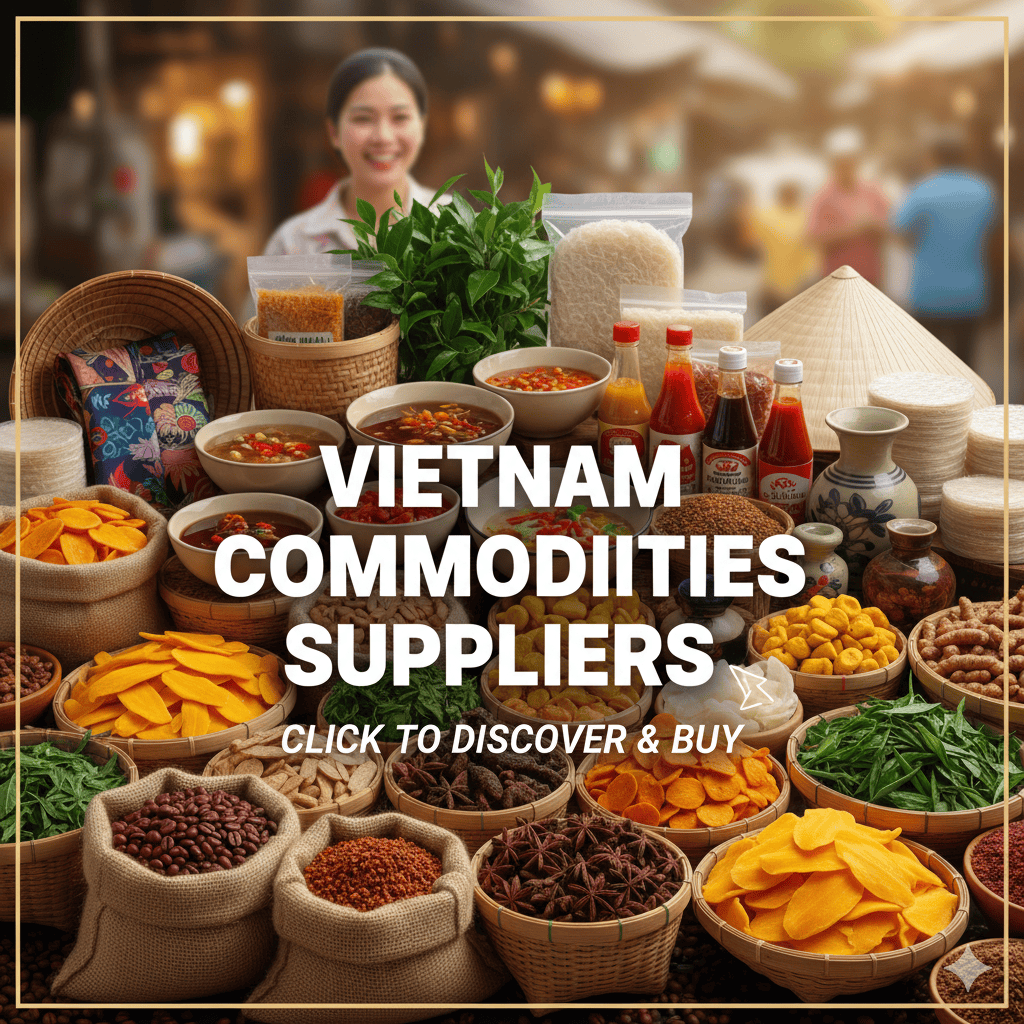
- Agro-processing and Food Products: Based on its rich agricultural base, Vietnam offers suppliers in coffee, rice, seafood, spices, and processed foods, often meeting international food safety standards.
Identifying the right sector is the first step in a successful Import from Vietnam guide journey.
2. Criteria for Vetting Reliable Partners
Thorough vetting is crucial to mitigate risks. A robust due diligence process for Vietnam manufacturing suppliers should consider:
- Quality Management Systems: Inquire about quality control procedures, certifications (e.g., ISO 9001), and internal testing. Request samples and references.
- Ethical Compliance and Sustainability: Verify adherence to labor laws, worker safety, and environmental regulations. Certifications like BSCI or SA8000 indicate responsible practices. For a comprehensive guide on vetting overseas suppliers, consider resources from reputable organizations that emphasize due diligence and risk assessment.
- Communication and Transparency: Effective communication, preferably in English, is paramount. Assess responsiveness, willingness to share information, and clarity.
- Production Capacity and Lead Times: Ensure capacity meets demand and lead times are realistic and consistently met. Discuss contingency plans.
- Financial Stability: A stable supplier is less likely to face disruptions. Some financial indicators can offer insight.
- Experience and Track Record: Look for suppliers with a proven history with international clients and a good industry reputation. References and factory audits are invaluable.
3. Leveraging B2B Platforms and Trade Shows
To efficiently connect with potential Vietnam Sourcing Companies, utilize online platforms and traditional networking events.
- B2B Online Marketplaces: Platforms like Alibaba, Global Sources, and specific Vietnamese portals (e.g., VietnamTrade) offer extensive supplier databases. Filter by product type, certifications, and MOQs. Always follow up with independent verification.
- Trade Shows and Exhibitions: Attending industry-specific trade shows in Vietnam allows face-to-face meetings, product inspection, and relationship building. Key events include VIFA-EXPO and VTG. These provide unparalleled opportunities for direct engagement and market understanding.
- Sourcing Agents and Consultants: For businesses new to the market, engaging a local sourcing agent can streamline the process. They possess market knowledge, assist with negotiations, quality control, and logistics, acting as an extension of your team.
Navigating the Vietnamese manufacturing landscape requires a strategic approach. Combining diligent research, thorough vetting, and effective communication allows businesses to establish enduring and profitable partnerships, unlocking Vietnam’s immense manufacturing potential.
Your Essential Import from Vietnam Guide
Navigating the complexities of international trade can be challenging, but with the right knowledge, importing from Vietnam can be a highly rewarding venture for businesses worldwide. Vietnam has emerged as a powerhouse in global manufacturing, offering competitive pricing, a skilled workforce, and a strategic location. This comprehensive guide is designed to walk you through the necessary procedures, documentation, and logistical considerations, ensuring a successful and streamlined import process. From identifying reliable Vietnam Sourcing Companies to understanding customs, we aim to provide an invaluable resource for anyone looking to tap into the vast potential of Vietnamese manufacturing.
1. Import Regulations and Customs Clearance
Successfully importing goods from Vietnam begins with a thorough understanding of both Vietnamese export regulations and your country’s import laws. The first crucial step is to correctly classify your product using the Harmonized System (HS) code. This universal system determines the duties, taxes, and any specific import restrictions that apply to your goods. Misclassification can lead to delays, penalties, or even seizure of your shipment, making accuracy paramount.
Key documentation required for customs clearance typically includes a Commercial Invoice, Packing List, Bill of Lading (for sea freight) or Air Waybill (for air freight), and a Certificate of Origin (CO). The CO is particularly vital as it can qualify your goods for preferential tariff treatment under various Free Trade Agreements (FTAs) that Vietnam has with countries like the US, EU, and members of ASEAN. It’s imperative to ensure all documents are accurate and consistent with your shipment details. Working with experienced Vietnam Sourcing Companies or reputable freight forwarders can significantly streamline this process, as they often have expertise in navigating the intricate web of international trade regulations and local customs procedures. Always stay updated on changes to import duties and non-tariff barriers that might affect your specific products, whether you’re dealing with delicate items from Textile manufacturers Vietnam or bulky pieces from Vietnam furniture export. Compliance is not just about avoiding penalties; it’s about ensuring a smooth, predictable supply chain from your chosen Vietnam manufacturing suppliers.
2. Shipping and Logistics: Options & Best Practices
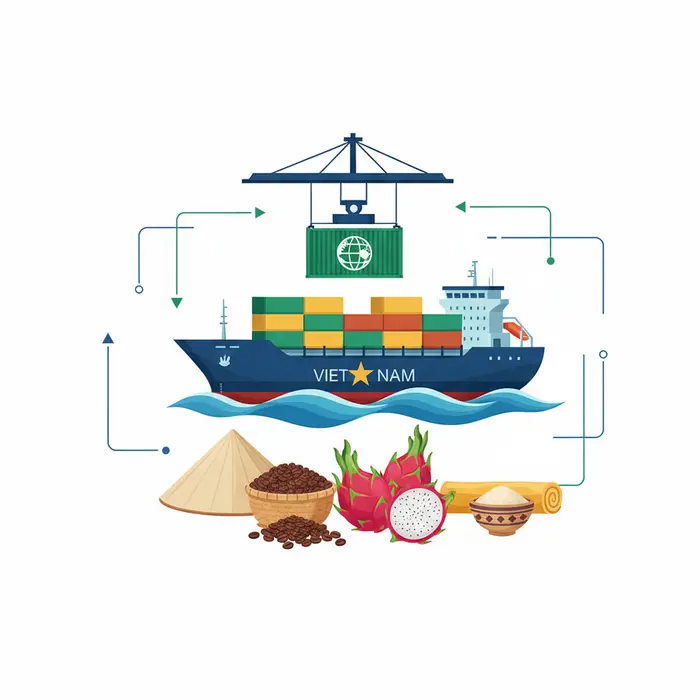
Choosing the right shipping method is critical for efficiency and cost-effectiveness when you import from Vietnam. The primary options are sea freight, air freight, and express courier services, each suited for different needs. Sea freight is generally the most economical for large, heavy, or non-urgent shipments, with options for Full Container Load (FCL) or Less than Container Load (LCL). Major ports like Ho Chi Minh City and Hai Phong handle a vast volume of exports. Air freight, while more expensive, is ideal for high-value, time-sensitive, or perishable goods, offering significantly faster transit times. Express couriers are best for small packages or urgent samples.
Understanding Incoterms (International Commercial Terms) is equally important as they define the responsibilities of buyers and sellers for the delivery of goods under sales contracts. Common Incoterms like FOB (Free On Board), CIF (Cost, Insurance, and Freight), and EXW (Ex Works) dictate who pays for and manages each part of the shipping journey, from factory gate to your final destination. It’s highly recommended to work with a reliable freight forwarder who can manage cargo consolidation, customs clearance at both ends, and provide cargo insurance. This expertise ensures your goods, whether from a Vietnam manufacturing supplier producing intricate electronics or a large textile manufacturer Vietnam, arrive safely and on schedule. Proper packaging, labeling, and robust communication with your logistics partners are best practices to minimize transit risks and delays.
3. Payment Terms and Risk Management
Establishing clear and secure payment terms is paramount to safeguarding your investment when importing from Vietnam. The most common payment methods include Telegraphic Transfer (T/T), Letter of Credit (L/C), and Documents Against Payment (D/P). T/T, a direct wire transfer, is often used for smaller, trusted transactions but carries higher risk for buyers if payment is made upfront before goods are shipped. A typical arrangement might involve an upfront deposit (e.g., 30%) with the balance paid upon completion or shipment.
Letters of Credit (L/C) offer the highest level of security for both parties, as a bank guarantees payment once specific conditions (e.g., proof of shipment, quality inspection reports) are met. While more complex and costly, L/Cs are advisable for large transactions or when working with new Vietnam manufacturing suppliers. Documents Against Payment (D/P) offers a middle ground, where your bank releases shipping documents to you only after payment. Beyond payment terms, robust risk management strategies are crucial. This includes conducting thorough due diligence on your chosen Vietnam Sourcing Companies, implementing rigorous quality control (QC) checks at various production stages, and arranging pre-shipment inspections. Clear, legally binding contracts that specify product specifications, delivery schedules, and dispute resolution mechanisms are indispensable. By combining secure payment strategies with proactive risk mitigation, you can confidently build a reliable and profitable supply chain for your Vietnam furniture export or other product imports.
Spotlight on Key Vietnamese Export Sectors
Vietnam has rapidly emerged as a powerhouse in global trade, transforming from an agrarian economy into a dynamic manufacturing hub. Its strategic location, competitive labor costs, and robust network of free trade agreements have positioned it as a prime destination for Vietnam Sourcing Companies looking to diversify their supply chains. This section delves into Vietnam’s leading export industries, highlighting specific opportunities and trends in textiles, apparel, furniture, and other high-growth sectors, providing an invaluable guide for international buyers keen to import from Vietnam.
1. Leading Textile Manufacturers Vietnam: Trends & Opportunities
The textile and apparel sector remains a cornerstone of Vietnam’s export economy, consistently ranking among the world’s top exporters. Vietnamese Textile manufacturers Vietnam are renowned for their agility, diverse product range, and increasing commitment to quality and sustainability. The sector benefits significantly from preferential trade agreements such as the CPTPP and EVFTA, which provide duty-free access to major markets. Opportunities abound for buyers seeking everything from casual wear and activewear to intricate fashion garments and home textiles. A key trend observed is the shift towards value-added production, including technical textiles and original design manufacturing (ODM), moving beyond traditional cut-make-trim (CMT) services. Furthermore, there’s a growing emphasis on sustainable manufacturing practices, with many Vietnamese factories investing in eco-friendly materials, energy-efficient production, and ethical labor standards to meet rising global demand for responsible sourcing. This commitment enhances the appeal for Vietnam Sourcing Companies prioritizing ethical supply chains. The sector’s resilience and adaptability, particularly in navigating global supply chain disruptions, underscore its strength and future potential. According to recent reports, Vietnam continues to solidify its position as a global leader in textile and garment exports, driven by strategic investments and a skilled workforce, making it an attractive hub for international textile trade.
2. Vietnam Furniture Export: Design, Quality, and Global Reach
The Vietnam furniture export industry has experienced remarkable growth, transforming the country into one of the world’s largest furniture exporters. Vietnamese furniture is celebrated for its blend of contemporary design, superior craftsmanship, and competitive pricing. The industry boasts a strong ecosystem of Vietnam manufacturing suppliers producing a wide array of products, from indoor and outdoor furniture to office and hospitality furnishings. Key strengths include access to diverse raw materials, including sustainably sourced rubberwood, acacia, and robust metal fabrication capabilities. Manufacturers are increasingly integrating modern machinery and advanced production techniques to enhance precision and efficiency, ensuring high-quality outputs that meet international standards. Design innovation is a significant driver, with many Vietnamese companies collaborating with international designers or developing their own unique collections that cater to global aesthetic preferences. Major export markets include the United States, Europe, and Japan, where Vietnamese furniture brands have built a reputation for reliability and value. For businesses looking to import from Vietnam, the furniture sector offers lucrative opportunities, characterized by consistent quality and a willingness to adapt to specific buyer requirements and market trends.
3. Emerging Sectors: Electronics, Footwear, and Agri-products
Beyond the traditional strongholds, several other sectors are rapidly gaining prominence, offering diverse opportunities for Vietnam Sourcing Companies.
- Electronics: Fueled by significant foreign direct investment from multinational giants, Vietnam has become a major hub for electronics manufacturing. This sector encompasses a vast range of products, from smartphones and components to consumer electronics and integrated circuits. The focus is on high-tech production and assembly, leveraging a young, educated workforce and supportive government policies.
- Footwear: Vietnam is a global leader in footwear production and export, home to numerous factories producing for leading international brands. The industry is highly adaptable, producing athletic shoes, casual footwear, and specialized industrial boots. Its competitive advantages lie in skilled labor, established supply chains, and adherence to international quality and ethical standards.
- Agri-products: With its fertile lands and extensive coastline, Vietnam is a major exporter of agricultural and aquatic products. Key exports include coffee, rice, cashews, pepper, seafood (shrimp, pangasius), and a growing variety of fresh fruits (dragon fruit, longan). The sector is increasingly adopting modern farming techniques and international certification standards (e.g., VietGAP, GlobalGAP) to ensure quality and food safety, making it an attractive segment for those who import from Vietnam.
These diverse and dynamic sectors underscore Vietnam’s position as a multifaceted global manufacturing and export hub, offering a wealth of opportunities for international businesses seeking reliable Vietnam manufacturing suppliers and high-quality products.
Choosing the Right Vietnam Sourcing Company
Navigating the complex landscape of international procurement can be daunting, especially when targeting a dynamic market like Vietnam. For businesses seeking to optimize their supply chain and leverage Vietnam’s competitive manufacturing advantages, partnering with the right Vietnam Sourcing Companies is paramount. A well-chosen sourcing company acts as an indispensable extension of your team, streamlining the entire procurement process from supplier identification to final delivery. This guide will walk you through the essential considerations for selecting an ideal partner, ensuring a smooth and successful import experience.
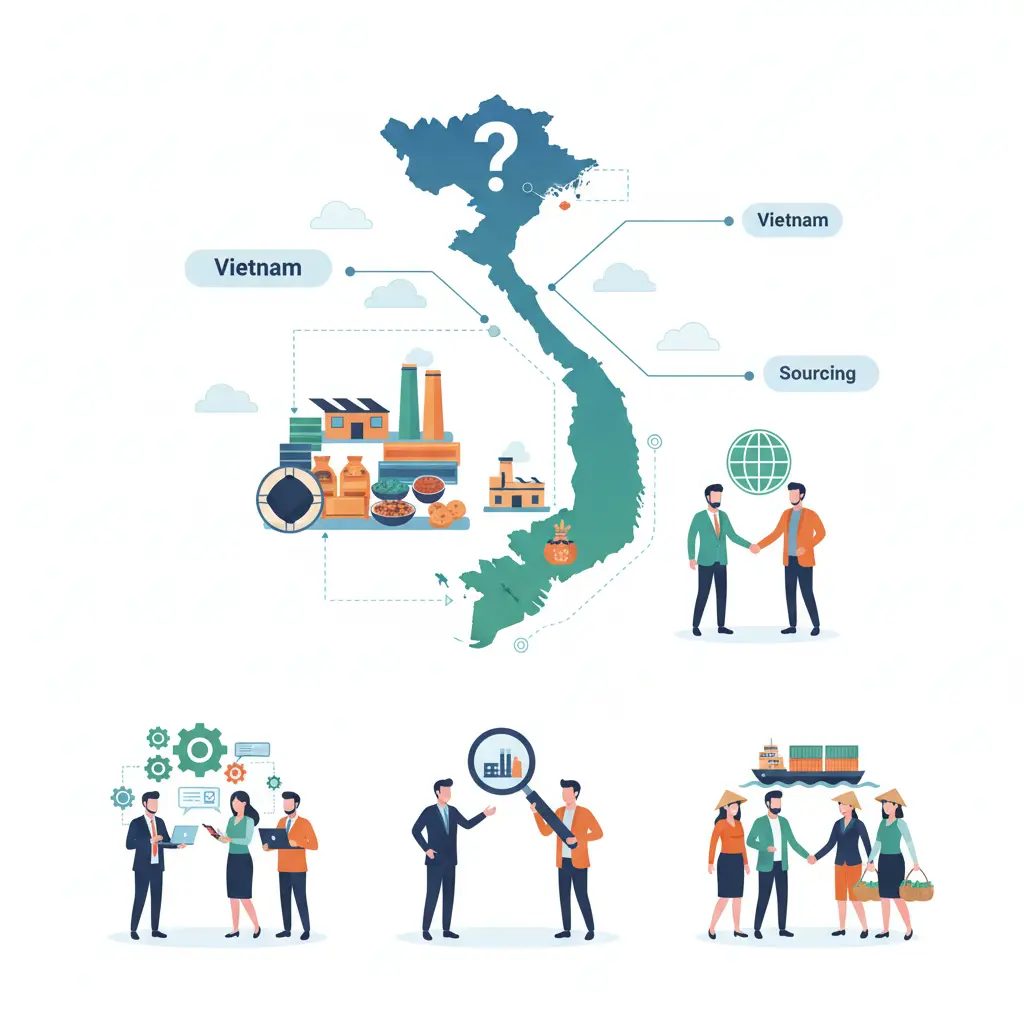
1. Services Offered by Sourcing Companies
The scope of services offered by Vietnam sourcing companies can vary widely, but a comprehensive partner will provide end-to-end support. Key services often include:
- Supplier Identification and Vetting: This is arguably the most critical service. A good sourcing company has an established network of trusted Vietnam manufacturing suppliers. They conduct thorough due diligence, including factory audits, compliance checks, and verifying production capabilities, ensuring you partner with reliable and ethical manufacturers.
- Product Development Support: From initial concept to sampling and mass production, they can assist with design optimization, material selection, and prototyping, crucial for industries like Textile manufacturers Vietnam and Vietnam furniture export.
- Price Negotiation: Leveraging their local expertise and relationships, sourcing companies can secure competitive pricing, often achieving better rates than direct negotiation.
- Quality Control and Assurance: Implementing stringent quality checks at various stages – pre-production, in-line, and pre-shipment inspections – is vital to meet your quality standards and reduce defect rates.
- Logistics and Supply Chain Management: They manage freight forwarding, customs clearance, warehousing, and local transportation, providing a seamless path for your goods from factory to destination.
- Compliance and Documentation: Navigating Vietnam’s regulatory environment and international trade laws can be complex. A reliable partner ensures all necessary documentation, certifications, and compliance standards are met, avoiding costly delays and penalties.
- Communication and Project Management: Acting as your eyes and ears on the ground, they provide regular updates, resolve issues promptly, and manage timelines efficiently.
2. Questions to Ask Potential Partners
Before committing to a sourcing company, a thorough vetting process is essential. Prepare a list of targeted questions to ensure alignment with your business needs:
- Experience and Specialization: “Do you have specific experience with my product category (e.g., electronics, apparel, furniture)? How long have you been operating in Vietnam?” Ask for references from similar clients.
- Supplier Network and Vetting Process: “How do you identify and vet new suppliers? What criteria do you use for factory audits?” Understanding their process for finding reliable Vietnam manufacturing suppliers is crucial.
- Quality Control Protocols: “What are your standard QC procedures? Will I receive inspection reports? How do you handle quality discrepancies?” This is key for maintaining product integrity.
- Communication and Reporting: “How often will I receive updates? What communication channels do you use?” Transparency and proactive communication are vital for effective project management when you want to import from Vietnam guide.
- Fee Structure: “How do you charge for your services (e.g., flat fee, percentage of order value, retainer)? Are there any hidden costs?” A clear fee structure prevents surprises.
- Ethical Sourcing and Sustainability: “What are your policies on labor standards, environmental compliance, and ethical sourcing?” Ensuring your supply chain aligns with your corporate values is increasingly important.
- Problem Resolution: “How do you handle disputes with suppliers, production delays, or unforeseen logistical challenges?” A proactive approach to problem-solving indicates a reliable partner.
3. Case Studies: Successful Sourcing Partnerships
While specific case studies often remain confidential, the characteristics of successful sourcing partnerships in Vietnam are clear. Businesses that thrive often highlight a few common themes:
- Cost Efficiency and Savings: A UK-based retailer partnered with a Vietnam sourcing company to diversify its textile supply. Through strategic negotiation and identifying new, efficient Vietnam manufacturing suppliers, the retailer saw a 15% reduction in production costs within the first year, significantly improving profit margins.
- Quality Improvement and Consistency: A US furniture brand struggled with inconsistent quality from direct suppliers. By engaging a dedicated sourcing agent, they implemented rigorous multi-stage quality checks. This led to a dramatic decrease in defect rates, enhancing brand reputation and customer satisfaction for their Vietnam furniture export efforts.
- Market Entry and Expansion: An Australian startup, with limited experience in Southeast Asian markets, utilized a sourcing partner to launch a new line of eco-friendly products. The sourcing company provided invaluable insights into local regulations, identified compliant factories, and managed logistics, allowing the startup to successfully enter a new market with minimal friction. Vietnam’s economy, driven by its manufacturing prowess, continues to attract global businesses, as detailed in various economic reports. (Source: World Bank)
- Mitigation of Risks: Many businesses face challenges like communication barriers, cultural misunderstandings, and intellectual property concerns. A strong sourcing partner acts as a cultural bridge and legal safeguard, ensuring clear contracts and protecting client interests throughout the procurement process.
Ultimately, selecting the right Vietnam sourcing company is an investment in your business’s future success. By carefully evaluating their services, asking pertinent questions, and understanding the benefits of strategic partnerships, you can build a resilient and profitable supply chain in one of the world’s most promising manufacturing hubs.
Partner with Vietnam’s Leading Suppliers
Looking for reliable suppliers in Vietnam? Contact VietnamSuppliers.com today to connect with verified manufacturers and exporters across all industries.
—————————————
References
– World Bank Group: Vietnam Overview: https://www.worldbank.org/en/country/vietnam/overview
– Vetting Overseas Suppliers: https://www.uschamber.com/international/trade/vetting-overseas-suppliers
– World Customs Organization: https://www.wcoomd.org/
– Vietnam Briefing: Vietnam’s Garment and Textile Industry – An Overview: https://vietnambriefing.com/news/vietnams-garment-and-textile-industry-an-overview.html
– World Bank: The World Bank in Vietnam Overview: https://www.worldbank.org/en/country/vietnam/overview