The Imperative of Supply Chain Transparency Data
In an era defined by rapid globalization, evolving consumer values, and heightened regulatory scrutiny, the concept of supply chain transparency has transcended from a mere operational advantage to an absolute business imperative. No longer a ‘nice-to-have,’ comprehensive Supply Chain Transparency Data is now foundational for enterprises seeking to build resilient, ethical, and competitive operations in the current global landscape. This shift is primarily driven by an informed consumer base demanding accountability and robust regulatory frameworks pushing for greater oversight across complex international logistics.

1. Rising Consumer Demand for Ethical Sourcing
Today’s consumers are increasingly discerning, moving beyond price and quality to consider the ethical and environmental footprint of the products they purchase. A growing number of individuals are willing to pay a premium for brands that demonstrate clear commitments to ethical labor practices, sustainable sourcing, and environmental stewardship. This demand for ethical sourcing translates directly into pressure on companies to provide granular Supply Chain Transparency Data. Consumers want to know where products come from, how they were made, and under what conditions. They expect brands to reveal everything from the origin of raw materials to the manufacturing processes and the labor standards upheld at each stage. Without this visible commitment and verifiable data, companies risk alienating a significant segment of their market, facing boycotts, and enduring severe reputational damage. Robust ESG (Environmental, Social, and Governance) reporting, fueled by accurate ESG Reporting Supply Chain data, is no longer just for investors; it’s a critical communication tool for consumers and stakeholders alike.
2. Navigating Complex Global Regulations and Geopolitics
The global regulatory landscape is becoming increasingly intricate and fragmented, with new legislation continually emerging to address concerns ranging from forced labor to environmental impact and data privacy. Businesses operating across multiple jurisdictions must contend with a labyrinth of compliance requirements. From the EU’s Corporate Sustainability Due Diligence Directive (CSDDD) to the U.S. Uyghur Forced Labor Prevention Act (UFLPA) and evolving carbon emission reporting standards, the need for precise Global Trade Compliance Data is paramount. Failure to comply can result in substantial fines, import bans, legal challenges, and significant brand damage. Furthermore, geopolitical shifts and trade disputes add another layer of complexity, demanding real-time visibility into supplier networks to identify and mitigate risks swiftly. A robust Supplier Data Verification Platform becomes indispensable here, allowing companies to vet partners thoroughly, ensure adherence to international standards, and maintain compliance amidst a constantly changing global trade environment. The ability to quickly adapt and demonstrate compliance rests heavily on the availability and accuracy of transparent supply chain data.
3. Leveraging Data for Enhanced Operational Efficiency and Risk Mitigation
Beyond consumer and regulatory pressures, the strategic value of Supply Chain Transparency Data for internal operations cannot be overstated. In today’s volatile global economy, disruptions—whether from natural disasters, pandemics, or geopolitical conflicts—are increasingly common. Companies with opaque supply chains often struggle to react quickly, leading to costly delays, stockouts, and lost revenue. Conversely, businesses with deep visibility into their networks can identify potential bottlenecks, diversify supplier bases, and implement contingency plans proactively. Utilizing advanced International Logistics Data Analytics allows for predictive insights into shipment delays, inventory optimization, and route efficiency, transforming reactive responses into strategic foresight. Moreover, a comprehensive Supplier Data Verification Platform doesn’t just ensure compliance; it also provides crucial insights into supplier performance, reliability, and potential vulnerabilities. By aggregating and analyzing transparent data from every node of the supply chain, companies can not only mitigate risks more effectively but also uncover opportunities for process optimization, cost reduction, and continuous improvement, ultimately building a more resilient and agile supply chain.
Leveraging Global Trade Compliance Data for Risk Mitigation
In an increasingly interconnected yet volatile global economy, the complexity of international trade operations demands a proactive approach to risk management. Robust Supply Chain Transparency Data collection and astute analysis are not merely operational conveniences; they are indispensable tools for mitigating risks associated with international trade. By meticulously analyzing Global Trade Compliance Data, businesses can ensure unwavering adherence to an ever-evolving labyrinth of laws, regulations, and geopolitical directives, thereby preventing costly disruptions, penalties, and reputational damage. This strategic leverage of data transforms potential liabilities into pathways for resilient and compliant trade operations.
1. Identifying and Mapping Compliance Vulnerabilities
The first step in effective risk mitigation is understanding where vulnerabilities lie within a global supply chain. This requires a comprehensive collection and analysis of Global Trade Compliance Data. Businesses must meticulously gather information pertaining to their suppliers, products, and logistical routes. A sophisticated Supplier Data Verification Platform is critical here, enabling companies to vet partners against various compliance benchmarks—from labor practices and environmental standards to financial stability and ethical sourcing. Data points such as country of origin, material composition, manufacturing processes, and export control classifications are vital. By mapping these data points, companies can identify choke points, high-risk jurisdictions, or non-compliant suppliers before issues escalate. Predictive analytics can then be used to forecast potential compliance breaches, allowing for preemptive action, such as re-routing shipments, switching suppliers, or updating product classifications. This proactive identification is fundamental to maintaining uninterrupted trade flows and avoiding regulatory pitfalls.
2. Real-time Monitoring of Sanctions and Trade Restrictions
The landscape of international trade restrictions is dynamic, with sanctions lists, export controls, and tariffs subject to frequent updates often driven by geopolitical events. Manual monitoring of these changes is not only inefficient but highly susceptible to error, exposing businesses to significant legal and financial risks. This is where International Logistics Data Analytics becomes invaluable. Real-time monitoring systems, integrated with global databases of sanctions, restricted party lists, and trade embargos, can automatically flag potential violations. These systems process vast amounts of Global Trade Compliance Data, cross-referencing shipping manifests, customer information, and supplier details against regulatory updates. For instance, an alert might be triggered if a vessel’s route traverses a newly designated high-risk area or if a recipient is added to a denied parties list. Such immediate insights allow trade compliance teams to halt transactions, seek alternative solutions, or obtain necessary licenses, ensuring continuous adherence to international law and preventing inadvertent breaches that could lead to severe penalties or blacklisting.
3. Best Practices for Data Integration in Compliance
The power of Global Trade Compliance Data is fully realized only when it is seamlessly integrated across an organization’s various systems and processes. Fragmented data stored in silos across different departments (procurement, logistics, finance, legal) creates blind spots and increases compliance risk. Best practices emphasize the creation of a centralized data repository where all relevant trade compliance information—from product classifications and origin certifications to supplier audit reports and customs declarations—is unified and accessible. This requires robust data governance policies, standardized data formats, and the use of Application Programming Interfaces (APIs) to connect disparate systems, such as Enterprise Resource Planning (ERP), Customer Relationship Management (CRM), and customs management platforms. Furthermore, this integrated approach extends to ESG Reporting Supply Chain initiatives, where environmental, social, and governance data points are consolidated to demonstrate ethical sourcing and sustainable practices. Automation tools, artificial intelligence, and machine learning algorithms can then analyze this integrated data, providing actionable insights, automating compliance checks, and generating comprehensive audit trails. By fostering a holistic and interconnected data ecosystem, businesses can achieve unparalleled visibility and control over their global trade compliance, transforming a complex challenge into a strategic advantage.
Enhancing Trust with a Supplier Data Verification Platform
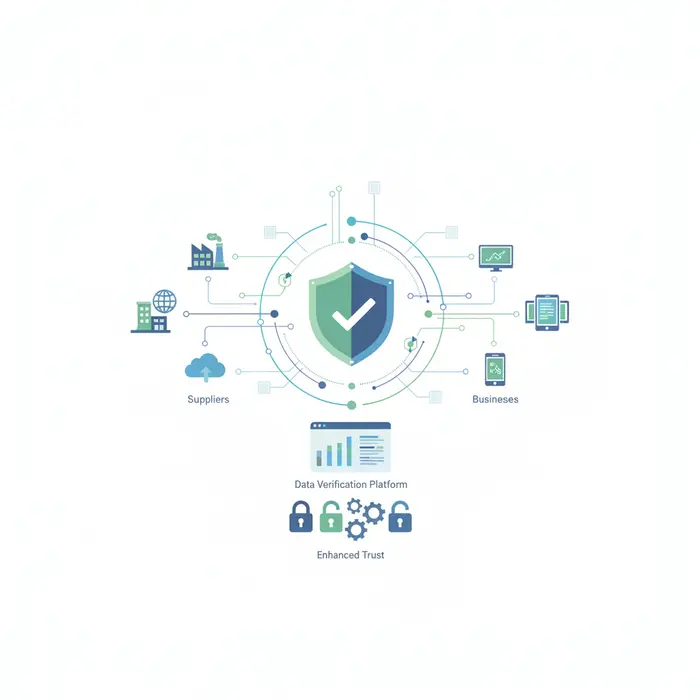
In today’s interconnected global economy, the integrity of a supply chain hinges on trust, and trust is built on verifiable data. As businesses navigate increasingly complex regulatory landscapes and heightened consumer demand for ethical sourcing, the need for robust Supply Chain Transparency Data has never been more critical. A cutting-edge Supplier Data Verification Platform serves as the cornerstone for achieving this transparency, ensuring that every partner in the supply network adheres to stipulated standards for accuracy, reliability, and ethical practices. These platforms move beyond traditional, often manual, verification methods, offering a dynamic and comprehensive approach to managing supplier information across the entire ecosystem.
1. Automating Due Diligence and Onboarding Processes
The initial phase of engaging with new suppliers is often the most resource-intensive and prone to oversight. A sophisticated Supplier Data Verification Platform revolutionizes this process by automating due diligence and onboarding. Instead of disparate spreadsheets and manual checks, these platforms centralize the collection, validation, and storage of essential supplier information. This includes company registration details, financial stability reports, certifications, and vital Global Trade Compliance Data. By automating data extraction and cross-referencing against various databases and watchlists, businesses can swiftly identify red flags, verify legal standing, and ensure compliance with international trade regulations and sanctions. This not only significantly reduces the time and cost associated with supplier integration but also establishes a foundation of trust and compliance from the very first interaction, mitigating risks before they escalate.
2. Assessing Supplier Risk and Performance Metrics
Beyond initial onboarding, the continuous assessment of supplier risk and performance is paramount for maintaining a resilient supply chain. Supplier Data Verification Platforms provide dynamic tools for ongoing monitoring, offering real-time insights into supplier activities and potential vulnerabilities. They track a wide array of performance metrics, from delivery times and quality control to adherence to environmental, social, and governance (ESG) criteria. For instance, robust ESG Reporting Supply Chain capabilities allow companies to assess a supplier’s carbon footprint, labor practices, and ethical governance, ensuring alignment with corporate sustainability goals and increasing overall supply chain resilience. Furthermore, by leveraging International Logistics Data Analytics, these platforms can analyze shipping patterns, customs data, and geopolitical events to predict potential disruptions and assess a supplier’s ability to meet contractual obligations under various circumstances. This proactive approach to risk management, informed by comprehensive and verified data, enables businesses to make informed decisions, diversify their supplier base when necessary, and enhance their overall operational stability, aligning with global standards for responsible business conduct.
3. Ensuring Data Integrity and Security
At the heart of any effective verification system lies the uncompromised integrity and security of the data it handles. Supplier Data Verification Platforms employ advanced technologies, including blockchain and robust encryption, to ensure that supplier information is accurate, tamper-proof, and protected from unauthorized access. Data integrity is maintained through multi-source validation, where information submitted by a supplier is cross-referenced with public records, third-party certification bodies, and industry databases. This multi-layered approach minimizes the risk of fraudulent data entry and ensures that the insights generated are reliable. Furthermore, strict adherence to data privacy regulations (such as GDPR or CCPA) and industry-specific compliance standards is a non-negotiable feature, safeguarding sensitive information and building trust not only with suppliers but also with end-consumers. By providing a secure and verifiable single source of truth for all supplier-related data, these platforms empower businesses to make decisions with confidence, foster stronger supplier relationships, and ultimately, build a more transparent, ethical, and resilient global supply chain.
In conclusion, integrating a Supplier Data Verification Platform is no longer a luxury but a strategic imperative for businesses aiming to thrive in the modern global marketplace. By streamlining due diligence, enabling continuous risk assessment, and ensuring unparalleled data integrity, these platforms lay the groundwork for enhanced trust, greater efficiency, and a truly transparent supply network.
ESG Reporting Supply Chain: Driving Sustainable Practices
In an era defined by increasing stakeholder scrutiny and environmental urgency, ESG (Environmental, Social, and Governance) reporting has moved from a niche concern to a strategic imperative for businesses worldwide. Companies are now expected to demonstrate tangible commitments to sustainability, ethical conduct, and social responsibility. A cornerstone of this shift is the reliance on robust Supply Chain Transparency Data. This data not only enables organizations to meet regulatory demands but also to genuinely drive sustainable practices across their vast and complex global networks. By shedding light on the intricate web of suppliers, logistics, and operational footprints, transparency data empowers businesses to gain unparalleled insights, verify claims, and foster a more resilient and ethical value chain. Effective ESG reporting within the supply chain context requires a granular understanding, achievable only through comprehensive data collection and advanced analytics, thereby transforming mere compliance into a powerful engine for positive change.
Understanding and integrating various data points, from Supply Chain Transparency Data to intricate logistics analytics, is crucial for companies aiming to not just report, but truly embody their sustainability commitments.
1. Tracking Environmental Footprint Across the Supply Chain
Measuring and managing the environmental impact of a global supply chain is one of the most challenging aspects of ESG reporting. Companies must extend their focus beyond their direct operations to encompass Scope 3 emissions—those generated by their suppliers and logistics partners. This requires sophisticated ESG and supply chain integration. Supply Chain Transparency Data becomes indispensable here, allowing businesses to collect and analyze information on raw material sourcing, manufacturing processes, transportation methods, and waste management practices throughout their entire value chain. By leveraging International Logistics Data Analytics, companies can pinpoint high-emission routes, identify energy-inefficient suppliers, and track water usage or waste generation at every node. This granular data enables the implementation of targeted interventions, such as optimizing shipping lanes, encouraging suppliers to adopt renewable energy, or transitioning to more sustainable materials. The ability to quantify and report on these environmental metrics is crucial for demonstrating progress towards climate goals and resource efficiency, offering a clear, data-backed narrative of their commitment to a greener future.
2. Ensuring Fair Labor Practices and Social Responsibility
The ‘Social’ component of ESG reporting focuses heavily on human rights, fair labor practices, and community impact within the supply chain. Incidents of child labor, unsafe working conditions, or unfair wages in distant facilities can severely damage a company’s reputation and lead to significant legal and financial repercussions. This is where a robust Supplier Data Verification Platform becomes critical. Such platforms enable companies to collect and audit data on labor conditions, health and safety standards, diversity initiatives, and community engagement from their entire supplier base. By employing Global Trade Compliance Data alongside social audits, organizations can proactively identify and mitigate risks related to modern slavery, forced labor, and other unethical practices. Real-time data and alerts help ensure that corrective actions are taken promptly. Demonstrating a clear commitment to social responsibility, backed by verifiable data, not only safeguards a company’s brand but also contributes to building a more ethical and resilient ESG Reporting Supply Chain that values human capital and community well-being.
3. Data-Driven Governance for Ethical Operations
Effective governance within the supply chain is paramount for ensuring ethical conduct, regulatory compliance, and robust risk management. It encompasses everything from anti-corruption measures and data privacy to supply chain resilience and ethical sourcing policies. Supply Chain Transparency Data provides the necessary framework to monitor and enforce these governance principles. By centralizing data related to supplier contracts, compliance certifications, audit results, and risk assessments, companies can maintain a comprehensive overview of their operational integrity. Global Trade Compliance Data is vital for navigating complex international regulations, ensuring that all trade activities adhere to legal and ethical standards, preventing issues like sanctions violations or illicit trade. Furthermore, using International Logistics Data Analytics, businesses can identify vulnerabilities in their supply chain, such as dependencies on single sources or regions with high geopolitical risk, and develop strategies for diversification and resilience. This data-driven approach to governance not only protects against financial and reputational damage but also builds trust with investors, regulators, and consumers, reinforcing the company’s commitment to transparent and ethical operations across its entire value chain.
Future-Proofing with International Logistics Data Analytics
The global supply chain landscape is in a perpetual state of flux, constantly reshaped by geopolitical shifts, technological advancements, and evolving consumer demands. In this dynamic environment, merely reacting to disruptions is no longer sustainable. Forward-thinking businesses are turning to advanced analytics of logistics data to not only navigate complexity but to proactively future-proof their operations. This shift is powered by a critical need for Supply Chain Transparency Data, offering unprecedented visibility into every facet of international logistics. By harnessing the power of International Logistics Data Analytics, companies can transform raw information into strategic insights, predicting potential disruptions, optimizing intricate routes, and dramatically enhancing overall efficiency. The goal is to build resilient, agile, and cost-effective supply chains capable of withstanding future shocks and capitalizing on new opportunities.

1. Predictive Analytics for Demand Forecasting and Inventory
One of the most immediate and impactful applications of advanced logistics data analytics lies in predictive capabilities, especially for demand forecasting and inventory management. Traditional forecasting methods, often relying on historical sales data, struggle to account for sudden market changes or unforeseen global events. Predictive analytics, however, utilizes sophisticated algorithms to process vast datasets including historical sales, promotional activities, economic indicators, social media trends, and even real-time weather patterns. This comprehensive approach allows businesses to anticipate demand with far greater accuracy, leading to optimized inventory levels. By precisely predicting what customers will want, and when, companies can reduce excess inventory (lowering carrying costs) and minimize stockouts (preventing lost sales and customer dissatisfaction). This enhanced foresight, heavily reliant on robust Supply Chain Transparency Data, also plays a crucial role in managing lead times and ensuring compliance with Global Trade Compliance Data, reducing delays and penalties associated with international movements. The proactive insights gained through these analytics enable businesses to maintain optimal stock levels across their global network, adapting swiftly to unforeseen changes and maintaining competitive advantage.
2. Optimizing Routes and Modes for Cost and Carbon Reduction
Beyond forecasting, International Logistics Data Analytics is revolutionizing the physical movement of goods. Data-driven route optimization considers a multitude of factors in real-time: traffic congestion, weather conditions, geopolitical risks, port capacities, and even carrier performance. This allows for dynamic adjustments to shipping routes and selection of transportation modes (air, sea, road, rail) to minimize transit times and reduce operational costs. Furthermore, an increasingly critical aspect is the focus on sustainability. Analytics tools can identify the most carbon-efficient routes and modes, providing crucial data for ESG Reporting Supply Chain initiatives. By understanding the environmental impact of each logistical decision, companies can actively work towards reducing their carbon footprint, aligning with global sustainability goals and consumer expectations. This strategic optimization not actively cuts expenses but also enhances a company’s reputation and contributes to a more sustainable global trade ecosystem, all while requiring solid Supply Chain Transparency Data to make informed decisions.
3. AI and Machine Learning in Supply Chain Optimization
The pinnacle of International Logistics Data Analytics lies in the integration of Artificial Intelligence (AI) and Machine Learning (ML). These advanced technologies move beyond traditional analytics by not just reporting on data but learning from it, identifying complex patterns, and making intelligent, autonomous decisions. AI algorithms can analyze vast amounts of logistics data to predict equipment failures before they occur, optimize warehouse layouts in real-time based on fluctuating demand, and even automate order fulfillment processes. ML models can continuously refine forecasting accuracy by adapting to new data, detecting anomalies indicative of potential disruptions, and even recommending alternative suppliers based on a Supplier Data Verification Platform for enhanced resilience. Gartner, a leading research and advisory company, highlights that intelligent automation and AI are among the top supply chain trends for 2024, emphasizing their role in enhancing efficiency and resilience. This integration empowers supply chains to become truly adaptive and self-optimizing, moving from reactive problem-solving to proactive, intelligent management. The synergistic power of AI and ML ensures that every decision, from procurement to final delivery, is informed by the most comprehensive and up-to-date Supply Chain Transparency Data available, solidifying the future of resilient global trade.
Partner with Vietnam’s Leading Suppliers
Looking for reliable suppliers in Vietnam? Contact VietnamSuppliers.com today to connect with verified manufacturers and exporters across all industries.
—————————————
References
– UN Global Compact – Supply Chain Sustainability: https://www.unglobalcompact.org/take-action/action/supply-chain-sustainability
– Export Administration Regulations (EAR): https://www.bis.doc.gov/index.php/regulations/export-administration-regulations-ear
– responsible business conduct: https://www.oecd.org/investment/due-diligence-guidance-for-responsible-business-conduct.htm
– :
– Gartner Top Supply Chain Trends for 2024: https://www.gartner.com/en/articles/the-top-supply-chain-trends-for-2024