
Understanding the International PO Process Flow
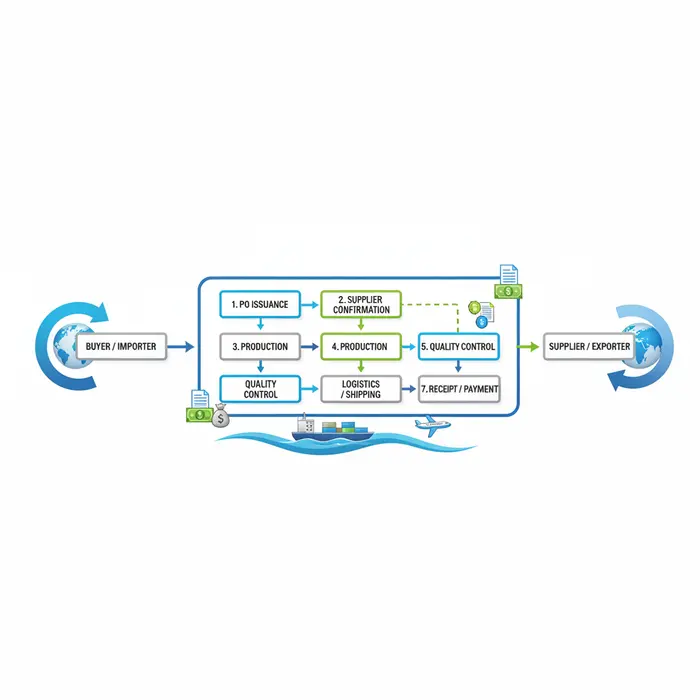
Navigating the global procurement landscape presents unique challenges compared to domestic purchasing. Effectively managing the International PO process flow is paramount for ensuring timely delivery, cost efficiency, and strict compliance. This section meticulously details the sequential steps involved in creating, sending, and managing an International Purchase Order (PO) from its initiation to final fulfillment. We will highlight the key distinctions that set it apart from domestic transactions, providing a clear roadmap for mitigating risks and optimizing global supply chains.
Initiating the International PO Request
The journey of an international purchase order begins with a validated internal need. Similar to domestic procurement, this involves identifying precise product or service requirements, quantities, and desired delivery timelines. However, for international transactions, this initial request carries significant additional layers of complexity. It necessitates a deeper dive into product specifications to ensure they comply with international standards, import regulations of the destination country, and any export restrictions from the origin country. Cross-functional teams—including R&D, production, sales, and logistics—collaborate to define the exact scope. Once requirements are solidified and internal approvals (including budget allocation and strategic alignment) are secured, the procurement team prepares to move forward. This foundational step is critical, as any ambiguity here can lead to costly delays, customs issues, or product non-compliance later in the overall international PO process flow.
Supplier Vetting and Selection
Selecting an international supplier demands rigorous due diligence that far exceeds the scope of domestic vendor selection. It extends beyond competitive pricing to a comprehensive evaluation of a potential partner’s reliability, ethical practices, quality control mechanisms, and unwavering compliance with international trade laws. This multi-faceted approach typically involves:
- Background Checks: Verifying the supplier’s legal standing, financial stability, and operational history.
- Quality Audits: Often requiring on-site inspections or third-party certifications to ensure manufacturing processes and product quality meet agreed-upon standards.
- Compliance Review: Assessing adherence to labor laws, environmental regulations, and specific industry certifications relevant to the buyer’s market.
- Logistics Capabilities: Evaluating their capacity to handle international shipping, packaging, and essential documentation.
Many organizations leverage advanced B2B purchase order management software to streamline this vetting process, maintaining databases of approved suppliers, tracking performance, and managing compliance. Reviewing a supplier’s past performance and their adherence to a sample international purchase order template can offer valuable insights into their operational efficiency. This thorough vetting minimizes risks associated with product quality, intellectual property, and supply chain disruptions inherent in cross-border trade.

Negotiating Export Purchase Agreement Terms
Once a suitable international supplier has been identified, the focus shifts to drafting and negotiating the Export Purchase Agreement Terms. This stage is arguably the most critical in differentiating international from domestic POs, as it involves navigating a complex web of international trade laws, customs regulations, and potential geopolitical risks. Key elements requiring meticulous definition include:
- Incoterms®: These internationally recognized rules published by the International Chamber of Commerce (ICC) clarify the responsibilities of buyers and sellers for the delivery of goods under sales contracts. They dictate who pays for and manages the shipment, insurance, and customs clearance at various stages of the journey. Understanding the correct Incoterm for your transaction (e.g., FOB, CIF, EXW) is vital to avoid misunderstandings, delays, and unexpected costs. Learn more about Incoterms on the ICC website.
- Payment Terms and Currency: Clearly specify the transaction currency, payment schedule (e.g., advance payment, Letter of Credit, CAD), and acceptable payment methods. International transactions frequently employ Letters of Credit or other secure instruments to mitigate financial risks for both parties.
- Quality Control and Inspection: Detail the standards, inspection points, and mechanisms for resolving quality discrepancies.
- Delivery Schedule and Lead Times: Establish realistic timelines, factoring in production, packaging, customs processing, and international shipping logistics.
- Force Majeure Clauses: Essential clauses that protect both parties in unforeseen circumstances (e.g., natural disasters, political unrest) affecting contract fulfillment.
- Intellectual Property Rights: Crucial for protecting proprietary designs or technologies involved in the order.
- Dispute Resolution: Specify the governing law and arbitration procedures in case of disagreements.
Each clause must be carefully considered to protect the buyer’s interests and ensure a smooth transaction. A meticulously structured agreement, often building upon an International Purchase Order template, forms the legal backbone of the entire process, outlining every aspect from product specifications to delivery obligations and payment schedules. For further insights into managing these complex agreements, you can search for “International Purchase Order” on vietnamsuppliers.com. This detailed negotiation minimizes ambiguities and establishes a clear framework for successful cross-border trade.
Essential Elements of an International Purchase Order
An International Purchase Order (IPO) is a legally binding contract for transactions between parties in different countries. Given the complexities of global trade—diverse legal systems, customs, and logistics—a meticulously drafted IPO is essential. It serves as a vital communication tool, minimizing misunderstandings, mitigating risks, and streamlining the international PO process flow from order placement to delivery. For businesses involved in global sourcing or sales, understanding these elements is crucial, whether using a sample international purchase order template or advanced B2B purchase order management software. Neglecting these components can lead to disputes, delays, and substantial financial repercussions.
1. Key Buyer and Seller Information
The clear identification of both the buyer and seller forms the bedrock of any legitimate international purchase order. This section is vital for legal standing, customs clearance, and accurate financial reconciliation.
- For the Buyer:
- Legal Company Name and Address: The complete registered legal name and full physical address, including country, ensuring the contract is with the correct legal party.
- Contact Person and Details: Names, direct phone numbers, and email addresses of primary contacts for efficient communication.
- Tax Identification Number/VAT Number: Essential for customs, tax purposes, and legal compliance in many jurisdictions.
- For the Seller:
- Legal Company Name and Address: The full registered legal name and complete physical address.
- Contact Person and Details: Names, direct phone numbers, and email addresses of primary contacts on the seller’s side.
- Company Registration Number: Provides additional legal validity in specific jurisdictions.
Accurate, current information for both parties is fundamental to preventing misdeliveries, invoicing errors, and potential legal disputes, establishing a transparent international business relationship.
2. Detailed Product/Service Specifications
Precision here is paramount to avoid discrepancies between ordered and supplied goods or services. Vague descriptions can result in costly errors, returns, or legal conflicts, especially with complex items.
- Product/Service Name and Description: A clear, concise, and comprehensive description of each item or service, including relevant attributes.
- SKU/Product Codes: Unique stock keeping units or manufacturer’s product codes for precise identification and inventory management.
- Quantity and Unit of Measure: The exact number of units and standard unit of measure (e.g., pieces, kilograms). Consistency is vital.
- Quality Standards and Specifications: Explicitly state specific quality requirements, industry standards (e.g., ISO, CE), material compositions, dimensions, or technical drawings. Critical for manufactured goods.
- Packaging and Labeling Instructions: Specific requirements for packaging (e.g., material, palletization) and labeling (e.g., barcodes, country of origin) to ensure safe transit and compliance.
- Country of Origin: Required for customs, specifying where goods were manufactured.
- Documentation Requirements: A list of all necessary documents the seller must provide with the shipment (e.g., certificates of origin, inspection certificates).
A comprehensive specification section ensures the seller fully understands expectations, significantly reducing quality issues or non-compliance.
3. Pricing, Payment Terms, and Currency
Financial terms are among the most critical aspects of an international purchase order, demanding absolute precision to prevent disagreements and ensure timely payment and delivery. This section defines total cost and settlement mechanisms, embodying key elements of any export purchase agreement terms.
- Unit Price and Total Price: The agreed-upon price per unit and the calculated total price for the entire order, with any discounts or surcharges clearly itemized.
- Currency: The specific currency for the transaction (e.g., USD, EUR) prevents ambiguity and mitigates exchange risks.
- Payment Method: The chosen method, such as Telegraphic Transfer (T/T), Letter of Credit (L/C), or Documentary Collection, each with varying risk profiles.
- Payment Schedule/Terms: Defined payment milestones (e.g., upfront deposit, payment upon shipment, Net 30 days). Late payment penalties or early payment discounts should be specified.
- Incoterms® (International Commercial Terms): Crucial for international transactions, Incoterms® rules delineate buyer and seller responsibilities for goods delivery under sales contracts, specifically concerning costs, risks, and insurance. For instance, FOB (Free On Board) dictates seller responsibility until goods are loaded, while CIF (Cost, Insurance, and Freight) means the seller covers costs and insurance to the destination port. Correct Incoterm selection prevents disputes over shipping costs, insurance, and risk transfer.
- Banking Details: The seller’s bank name, account number, SWIFT/BIC code, and beneficiary name for international wire transfers.
Clarity in these financial terms is paramount for both parties to budget effectively, manage cash flow, and ensure all financial obligations are met without contention.
In the intricate world of global commerce, a meticulously crafted International Purchase Order (IPO) is not merely a document; it’s the bedrock of successful cross-border transactions. Serving as a legally binding contract between a buyer and a seller, an IPO outlines the terms and conditions of a sale, mitigating risks and ensuring clarity for both parties. Navigating the complexities of international trade demands a robust template that accommodates diverse regulations, logistics, and payment structures. This section provides a comprehensive guide to developing or enhancing your sample international purchase order template, ensuring it meets global trade standards and streamlines your International PO process flow.

1. Leveraging Standardized Formats
The foundation of an effective International Purchase Order template lies in its adherence to widely accepted standardized formats. This not only fosters universal understanding but also significantly reduces the potential for misinterpretation and disputes. Key among these standards are the Incoterms® Rules, published by the International Chamber of Commerce (ICC). These globally recognized trade terms define the responsibilities of buyers and sellers for the delivery of goods under sales contracts, covering aspects like cost, risk, and insurance. Incorporating the correct Incoterm (e.g., EXW, FOB, CIF, DDP) directly into your template is crucial for clearly delineating who is responsible for each leg of the journey, from factory to final destination. Beyond Incoterms, a standardized structure for item descriptions, quantities, pricing, and payment terms ensures consistency. Many businesses leverage B2B purchase order management software to automate the integration of these standardized fields, ensuring every International Purchase Order is consistently formatted, thereby enhancing the efficiency and accuracy of the entire International PO process flow.
2. Customizing for Specific Trade Agreements
While standardization offers a strong starting point, the dynamic nature of international trade often necessitates customization. Your sample international purchase order template must be adaptable to specific trade agreements, regional regulations, and individual supplier relationships. For instance, transactions involving countries within a free trade agreement (FTA) might require specific declarations or documentation to qualify for preferential tariffs. Similarly, certain regions may have unique import restrictions, labeling requirements, or environmental regulations that must be explicitly acknowledged in the purchase order. It’s essential to understand that the Export purchase agreement terms often vary, impacting everything from intellectual property clauses to dispute resolution mechanisms. Businesses should regularly review the legal and regulatory landscape of their key markets. Consulting with legal counsel specializing in international trade can be invaluable in customizing clauses related to governing law, jurisdiction, force majeure, and indemnification, ensuring your template remains robust and compliant across diverse international markets. This tailored approach safeguards against unforeseen challenges and strengthens your contractual position.
3. Checklist for Template Inclusions
A comprehensive sample international purchase order template should leave no stone unturned. The following checklist outlines the essential components to include, ensuring clarity, compliance, and risk mitigation:
- PO Number & Date: Unique identifier and date of issuance for tracking.
- Buyer & Seller Information: Full legal names, addresses, contact details, and any relevant tax IDs.
- Item Details: Clear descriptions, SKU/part numbers, quantity, unit price, total price, and currency.
- Payment Terms: Specify currency, method (e.g., T/T, L/C), due date, bank details, and any advance payment requirements.
- Shipping & Delivery Terms: Explicitly state the Incoterm (e.g., FOB Shanghai), shipping method, port of loading, port of discharge, and requested delivery date.
- Insurance Requirements: Detail who is responsible for insurance and the required coverage level.
- Documentation Requirements: List all necessary documents (e.g., Commercial Invoice, Packing List, Certificate of Origin, Bill of Lading/Airway Bill, inspection certificates).
- Inspection & Acceptance: Outline procedures for goods inspection, acceptance criteria, and timelines for reporting discrepancies.
- Warranty Information: Specify the warranty period and terms.
- Governing Law & Dispute Resolution: Clearly state the applicable law and the preferred method for resolving disputes (e.g., arbitration, mediation).
- Force Majeure Clause: Define unforeseen circumstances that may prevent contractual obligations.
- Confidentiality Clause: If applicable, protect sensitive information exchanged during the transaction.
- Signatures: Required by authorized representatives of both buyer and seller to signify agreement.
Utilizing B2B purchase order management software can greatly assist in populating these fields accurately and consistently, ensuring that every International Purchase Order is complete and compliant, thus streamlining the overall procurement process.
Streamlining Global Trade with B2B Purchase Order Management Software
In the complex landscape of global commerce, managing international purchase orders (PO) can be a daunting task. From coordinating with suppliers across time zones to navigating varied customs regulations and payment terms, the international PO process flow is fraught with potential pitfalls. Traditional manual methods, relying on spreadsheets and email, often lead to errors, delays, and a lack of real-time visibility. This is where dedicated B2B purchase order management software becomes indispensable, transforming a cumbersome operation into a streamlined, efficient, and transparent process that significantly enhances global trade efficiency.
Modern international trade demands agility, precision, and robust control over every transaction. By automating, tracking, and optimizing the entire international PO lifecycle, these software solutions empower businesses to reduce operational costs, mitigate risks, and foster stronger, more reliable relationships with their global supply chain partners. This section will delve into how such software revolutionizes the management of international purchase orders, highlighting key features, tangible benefits for procurement teams, and the critical role of integration with broader enterprise systems.
1. Features of Effective PO Management Systems
An effective B2B purchase order management system designed for international trade must offer a comprehensive suite of features to tackle cross-border procurement challenges. The software provides a centralized platform for creating, sending, tracking, and managing all purchase orders. Key functionalities include:
- Automated PO Creation and Dispatch: Quick generation of sample international purchase order templates, often pre-populated with supplier details, product information, and export purchase agreement terms. Automated dispatch ensures timely delivery and acknowledgment.
- Multi-Currency and Multi-Language Support: Essential for global operations, enabling transactions in various currencies with real-time exchange rate conversions and supporting multiple languages for clarity.
- Compliance and Regulatory Management: Features that help track and enforce adherence to international trade regulations, customs requirements, and specific country-of-origin rules. Resources like the International Trade Centre’s guides on trade policy and regulations offer valuable insights.
- Real-time Tracking and Visibility: Providing end-to-end visibility of an order’s status, from creation to delivery and payment, including shipment progress and customs clearance.
- Supplier Relationship Management (SRM) Tools: Integrated functionalities for performance tracking, communication logs, and dispute resolution, fostering stronger, more transparent relationships with international suppliers.
- Document Management: Centralized storage and easy access to all associated documents, such as invoices, packing lists, and customs declarations.
2. Benefits for International Procurement Teams
Adopting specialized B2B purchase order management software yields significant advantages for international procurement teams, streamlining operations and contributing directly to a company’s bottom line:
- Reduced Errors and Costs: Automation minimizes manual data entry errors, particularly costly in international trade due to potential delays or fines. Fewer errors mean fewer reworks, saving time and money.
- Enhanced Efficiency and Speed: The international PO process flow becomes significantly faster. Automated workflows, approvals, and communication reduce lead times and accelerate the procure-to-pay cycle.
- Improved Supplier Relationships: Greater transparency, faster payment processing, and clear communication channels fostered by the software lead to stronger, more reliable partnerships with global suppliers, potentially resulting in better pricing and priority service.
- Better Compliance and Risk Mitigation: With built-in compliance checks and robust documentation, companies can more easily navigate complex international trade laws, reducing the risk of penalties. The software helps ensure all export purchase agreement terms are met.
- Superior Data and Analytics: Centralized data allows procurement teams to generate insightful reports on supplier performance, spending patterns, and lead times, facilitating data-driven decision-making.
- Scalability: The software easily scales to manage growing complexity as businesses expand into new markets or increase trade volumes without proportional administrative overhead.
3. Integration with ERP and Supply Chain Systems
The true power of B2B purchase order management software is fully realized when it seamlessly integrates with other critical enterprise systems, such as Enterprise Resource Planning (ERP), Warehouse Management Systems (WMS), and financial accounting software. This interconnectedness creates a unified, holistic view of the entire supply chain and financial operations.
- Unified Data Flow: Integration eliminates data silos, ensuring information from an international purchase order flows effortlessly into inventory management, financial records, and sales forecasts, preventing discrepancies.
- Improved Inventory Management: Real-time PO data fed into a WMS or ERP system allows for more accurate inventory planning, reducing the risk of stockouts or overstocking, crucial for goods in international transit.
- Streamlined Financial Operations: Automated three-way matching (PO, invoice, receipt) greatly simplifies invoice processing, reduces payment discrepancies, and accelerates the accounts payable cycle. Adherence to export purchase agreement terms ensures smooth financial transactions.
- Enhanced Strategic Planning: A comprehensive view of procurement, inventory, and sales data enables businesses to make more informed strategic decisions regarding sourcing, logistics, and market expansion.
- End-to-End Supply Chain Visibility: From order placement to final delivery and payment, integrated systems provide unparalleled visibility across the entire supply chain, enabling predictive analysis and proactive management.
In conclusion, for businesses engaged in global trade, investing in robust B2B purchase order management software is no longer an option but a necessity. It is the cornerstone for achieving operational excellence, fostering strong international supplier relationships, and maintaining a competitive edge in today’s dynamic global marketplace.
Navigating Export Purchase Agreement Terms and Compliance
Engaging in global trade presents immense opportunities, but it also comes with a complex web of legal and regulatory challenges. For businesses to thrive in international markets, a thorough understanding of export purchase agreement terms and robust compliance practices is not merely advantageous—it’s essential. This section delves into the critical terms and conditions, international trade laws, and best practices necessary to mitigate risks and ensure smooth, lawful global transactions, with a particular focus on the International Purchase Order process.
1. Key Legal Clauses in Export Purchase Agreements
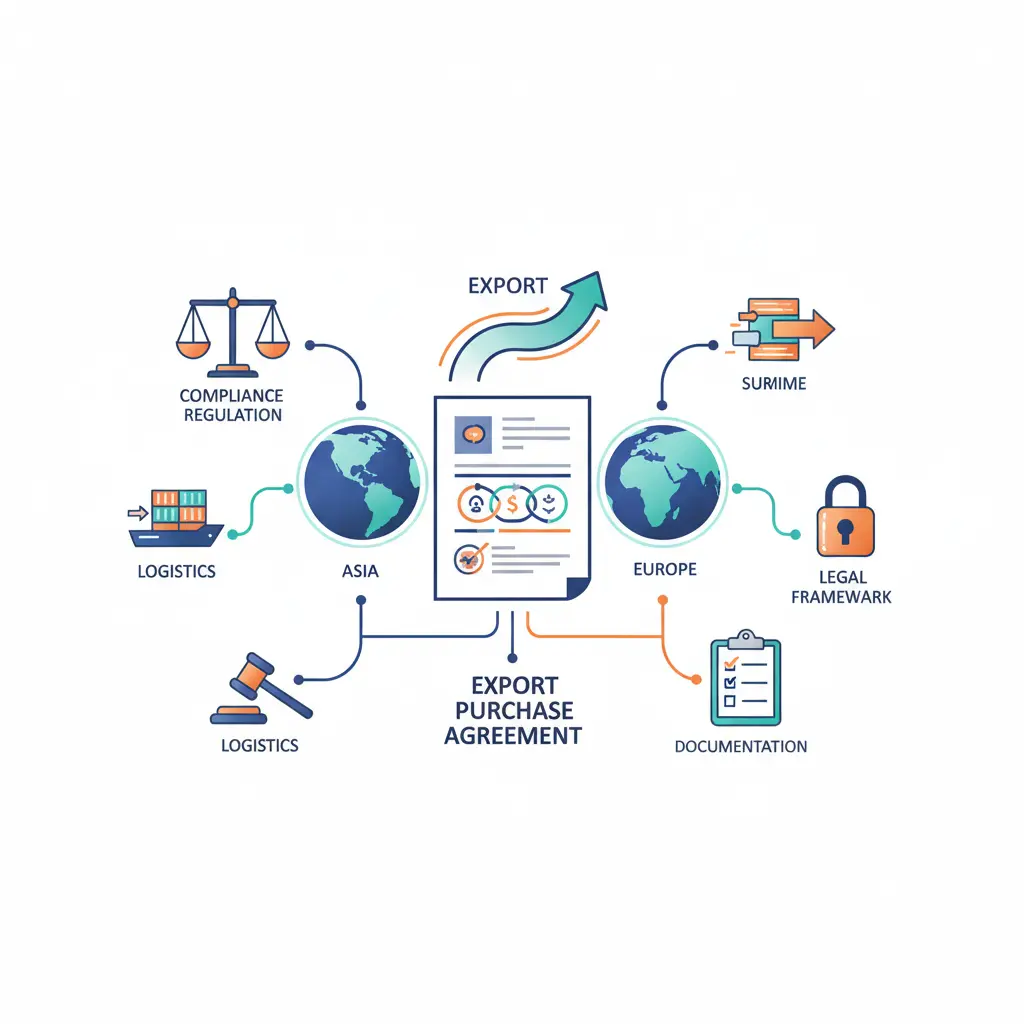
An export purchase agreement forms the bedrock of any international sale, delineating the rights and obligations of both the exporter and the importer. Careful attention to its legal clauses is paramount to prevent disputes and ensure enforceability across borders. Key among these are:
- Payment Terms: Specifying the method and schedule of payment is crucial. Options range from upfront payments, Documentary Collections (D/P, D/A), Letters of Credit (L/C), to Open Accounts. Each carries different levels of risk for the buyer and seller, and the chosen method must be clearly defined to avoid ambiguity.
- Incoterms: These internationally recognized trade terms (e.g., EXW, FOB, CIF, DDP) clarify who is responsible for the cost and risk of goods at various stages of their journey. Proper selection of Incoterms determines points of delivery, insurance responsibilities, and customs clearance obligations.
- Product Specifications and Quality: Detailed descriptions of the goods, including standards, dimensions, materials, and quality control procedures, prevent misunderstandings and ensure the delivered product meets expectations.
- Delivery and Shipment Schedules: Precise dates or timeframes for shipment and delivery, along with any penalties for delays, are vital for supply chain planning.
- Force Majeure: This clause excuses parties from contractual obligations due to unforeseen circumstances beyond their control (e.g., natural disasters, wars, pandemics). Its scope and effect must be clearly outlined.
- Governing Law and Dispute Resolution: Specifying which country’s laws will govern the contract and the mechanism for resolving disputes (e.g., negotiation, mediation, arbitration, or litigation in a particular jurisdiction) is critical. Arbitration is often preferred in international trade for its neutrality and enforceability.
Clearly defined Export purchase agreement terms provide a robust framework, protecting both parties and streamlining the transaction.
2. Understanding International Trade Regulations (e.g., OFAC, sanctions)
Beyond contractual agreements, businesses must navigate a labyrinth of international trade regulations to ensure compliance and avoid severe penalties. A robust International PO process flow must integrate these regulatory checks:
- Export Controls: Many countries impose controls on the export of certain goods, technologies, and software, especially those with potential dual-use (civilian and military) applications. Compliance involves classifying products (e.g., using ECCN for U.S. goods) and checking licensing requirements based on destination, end-user, and end-use.
- Sanctions Programs: Entities like the U.S. Office of Foreign Assets Control (OFAC) administer and enforce economic and trade sanctions against targeted foreign countries, terrorists, international narcotics traffickers, and those engaged in proliferation of weapons of mass destruction. Companies must screen all parties involved in a transaction—customers, vendors, banks, and even shipping lines—against various denied parties lists.
- Anti-Bribery and Anti-Corruption Laws: Laws such as the U.S. Foreign Corrupt Practices Act (FCPA) and the UK Bribery Act have extraterritorial reach, prohibiting companies from bribing foreign officials to obtain or retain business. Due diligence on intermediaries and agents is essential.
- Customs Regulations: Adherence to destination country import regulations, including valuation, tariff classifications, duties, and documentation requirements, is crucial for smooth customs clearance.
Staying informed about these evolving regulations is non-negotiable for anyone involved in global trade. The International Trade Centre (ITC) offers valuable resources for understanding trade policy and regulatory compliance.
3. Risk Mitigation Strategies
Mitigating the inherent risks in international trade requires a proactive and multi-faceted approach. Effective strategies include:
- Comprehensive Due Diligence: Thoroughly vet all trading partners, including their financial stability, reputation, and compliance history. This extends to intermediaries, freight forwarders, and logistics providers.
- Robust Contractual Safeguards: As discussed, well-drafted export purchase agreements with clear clauses on liabilities, warranties, and dispute resolution can significantly reduce exposure. Utilizing a Sample international purchase order template as a starting point, tailored by legal experts, is a wise move.
- Trade Credit Insurance: Protecting against non-payment by foreign buyers due to commercial or political risks can safeguard financial stability.
- Cargo Insurance: Insuring goods against loss or damage during transit is vital, especially given the complexities of international logistics.
- Compliance Programs: Implement a robust internal compliance program that includes regular training for staff, automated screening tools, and clear policies for handling red flags. Leveraging B2B purchase order management software can help automate compliance checks, streamline documentation, and maintain audit trails.
- Legal Counsel: Engage experienced international trade lawyers to review agreements, advise on regulatory changes, and assist in complex transactions or disputes.
By integrating these strategies, businesses can build resilience, protect their interests, and confidently navigate the intricate landscape of global commerce.
Partner with Vietnam’s Leading Suppliers
Looking for reliable suppliers in Vietnam? Contact VietnamSuppliers.com today to connect with verified manufacturers and exporters across all industries.
—————————————
References
– Incoterms: https://iccwbo.org/resources-for-business/incoterms-rules/
– Incoterms® rules 2020 by ICC: https://iccwbo.org/resources-for-business/incoterms-rules/
– :
– International Trade Centre’s guides on trade policy and regulations: https://www.intracen.org/trade-support/trade-policy-and-regulations/
– ITC Trade Policy Support: https://www.intracen.org/trade-support/trade-policy/

