Understanding the Landscape of International Project Failure
Embarking on international manufacturing projects offers immense opportunities for market expansion, cost efficiencies, and access to specialized resources. However, this global pursuit is fraught with unique complexities and heightened risks, making the landscape of cross-border endeavors a challenging terrain to navigate. The potential for project failure is significantly elevated when operating across different cultures, legal systems, and economic environments. Understanding these inherent risks is the foundational step toward effective International Manufacturing Project Recovery and building truly resilient operations.
1. Common Pitfalls in Cross-Border Manufacturing
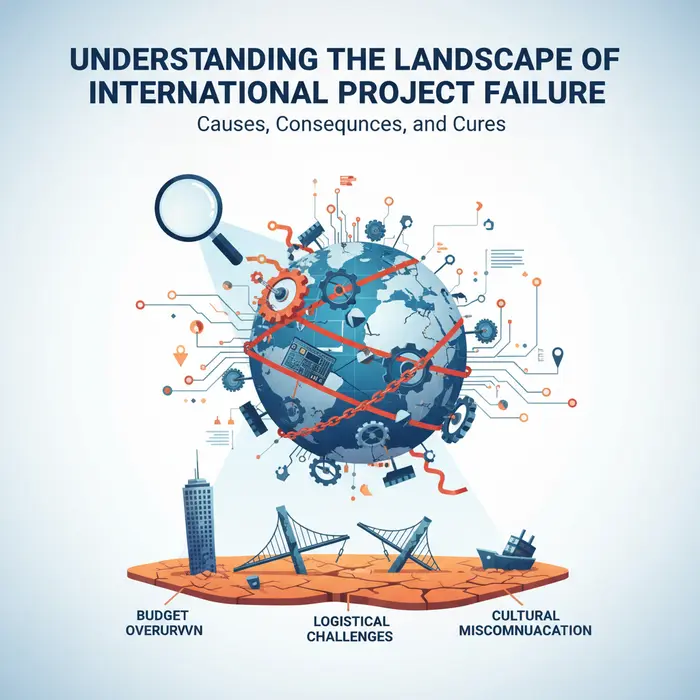
International manufacturing projects are susceptible to a multitude of pitfalls that can derail even the most meticulously planned initiatives. One of the most prevalent challenges stems from cultural misunderstandings. Differing communication styles, work ethics, and business protocols can lead to misinterpretations, strained relationships, and inefficient collaboration between partners and teams. Beyond cultural nuances, logistical complexities frequently cause significant delays and cost overruns. Navigating intricate customs regulations, securing reliable transportation across vast distances, and dealing with varying infrastructure qualities in host countries demand robust planning and agile execution. Quality control issues often emerge as a major stumbling block, exacerbated by geographical distance and a lack of direct oversight. Inconsistent standards, difficulty in implementing corrective actions remotely, and ensuring adherence to specifications can compromise product integrity and brand reputation.
Furthermore, regulatory hurdles pose a substantial threat. Each country possesses its own unique legal framework, encompassing labor laws, environmental regulations, tax policies, and intellectual property rights. Non-compliance can result in hefty fines, legal disputes, and project suspension. Technology integration challenges also surface, particularly when disparate systems or varying levels of technological maturity exist between partners. Data security concerns and the need for skilled local talent to operate advanced machinery add further layers of complexity. Finally, inadequate supplier failure mitigation strategies and insufficient due diligence in B2B sourcing can lead to critical dependencies, supply chain disruptions, and quality compromises, making careful vendor selection and relationship management paramount.
2. Impact of Geopolitical and Economic Instability
The global manufacturing landscape is increasingly volatile, with geopolitical and economic instability exerting significant pressure on international projects. Trade wars, the imposition of tariffs, and evolving trade agreements can dramatically alter cost structures, disrupt established supply chains, and restrict market access, forcing companies to quickly adapt or face financial losses. Political instability, ranging from civil unrest to changes in government regimes, introduces risks such as asset expropriation, operational shutdowns, and heightened security concerns for personnel and facilities. These events can severely impact the continuity of operations and long-term project viability.
Economic volatility, including currency fluctuations, inflation, and recessions in key markets, directly affects profitability and operational costs. Unpredictable shifts in labor costs, material prices, and consumer demand necessitate flexible financial planning and frequent re-evaluation of project economics. Moreover, the increasing frequency and intensity of natural disasters and global pandemics have underscored the critical need for enhanced global supply chain resilience. These unforeseen events can cause widespread factory closures, transportation paralysis, and raw material shortages, highlighting the fragility of interconnected global networks. Organizations must develop robust contingency plans and diversified sourcing strategies to weather such shocks effectively.
3. Identifying Early Warning Signs of Project Distress
Proactive identification of early warning signs is crucial for preventing international manufacturing projects from spiraling into irreversible failure. Close monitoring of performance deviations, such as missed production deadlines, consistent budget overruns, and declining quality metrics, can signal underlying issues requiring immediate attention. Communication breakdowns are another critical indicator; a lack of transparency from partners, delayed responses to critical inquiries, or unresolved conflicts often point to eroding trust or operational inefficiencies. Financially, red flags like persistent supplier payment issues, cash flow problems, or repeated requests for renegotiated terms from partners can signify deeper financial distress within the project or partner organization.
High staff turnover, particularly among key personnel or the partner’s management team, can indicate dissatisfaction, instability, or a loss of critical knowledge. Increased regulatory scrutiny, including more frequent audits, fines, or legal challenges, suggests potential non-compliance or heightened risk exposure. Furthermore, significant market shifts—such as sudden changes in demand, aggressive competitor actions, or new regulatory environments—can render an ongoing project commercially unviable. Implementing advanced analytics and robust reporting mechanisms, coupled with proactive B2B sourcing risk management frameworks, allows organizations to detect these indicators early. Recognizing these warning signs enables timely intervention, allowing for strategic adjustments and the deployment of effective manufacturing turnaround solutions before a project reaches a point of no return, ultimately aiding in comprehensive International Manufacturing Project Recovery efforts.
Proactive Supplier Failure Mitigation Strategies
In the complex landscape of global manufacturing, the specter of supplier failure looms large, threatening to derail projects, inflate costs, and damage reputations. For businesses engaged in international manufacturing projects, a reactive stance is simply untenable. True International Manufacturing Project Recovery often begins long before a crisis hits, rooted in robust, proactive supplier failure mitigation strategies. These strategies are not just about damage control; they are about cultivating global supply chain resilience, safeguarding investments, and ensuring project continuity in an increasingly volatile world. By systematically identifying, assessing, and addressing potential vulnerabilities associated with international suppliers, companies can transform potential pitfalls into opportunities for strengthening their entire B2B sourcing risk management framework.
1. Multi-tier Supplier Vetting and Due Diligence
Multi-tier Supplier Vetting and Due Diligence refers to the exhaustive process of evaluating not just your primary suppliers, but also their critical sub-suppliers and partners. This deep dive extends beyond mere surface-level checks, delving into the financial health, operational stability, ethical compliance, and quality management systems of every significant entity within your supply chain. For successful supplier failure mitigation strategies, this process should be continuous, not a one-off event. It involves conducting comprehensive audits, assessing certifications (e.g., ISO, industry-specific standards), reviewing historical performance data, and scrutinizing labor practices and environmental records to ensure alignment with your company’s values and regulatory requirements. Identifying potential red flags early, such as over-reliance on a single material source, unstable financial indicators, or a history of compliance issues at any tier, is crucial. This meticulous due diligence provides a holistic view of potential risks, allowing for informed decision-decision making and the proactive development of counter-measures before any issues can impact your manufacturing turnaround solutions.
2. Contractual Safeguards and Performance Metrics
Implementing Contractual Safeguards and Performance Metrics means leveraging the power of legally binding agreements to define expectations, responsibilities, and remedies in the event of underperformance or failure. Robust contracts should go beyond standard terms and conditions, incorporating specific Key Performance Indicators (KPIs) related to quality, delivery times, cost, and responsiveness. These contracts should explicitly detail service level agreements (SLAs), outlining consequences for non-compliance, such as penalty clauses or the right to terminate. Furthermore, they should address critical aspects like intellectual property protection, data security, and clear dispute resolution mechanisms tailored for international contexts. Force majeure clauses, while standard, should be carefully reviewed and customized to reflect realistic scenarios and responsibilities in the face of unforeseen disruptions. Regular review and negotiation of these contractual terms, often annually or bi-annually, ensure they remain relevant and enforceable. By establishing transparent, measurable performance metrics and embedding them into comprehensive legal frameworks, businesses create a powerful deterrent against supplier complacency and a clear path for recourse should challenges arise, significantly bolstering global supply chain resilience.
3. Developing Alternative Sourcing Contingencies
Developing Alternative Sourcing Contingencies is perhaps the most direct and impactful strategy for mitigating the fallout from supplier failure. This involves proactively identifying, qualifying, and sometimes even pre-contracting secondary or tertiary suppliers for critical components or processes. The goal is to avoid single points of failure by diversifying your supplier base across different geographies and operational profiles. Strategies include dual sourcing, where two or more suppliers provide the same component simultaneously, or maintaining a roster of ‘warm’ backup suppliers who are already vetted and understand your requirements, ready to step in at short notice. Regional diversification can mitigate risks associated with geopolitical instability, natural disasters, or trade disputes in a specific area. Furthermore, maintaining strategic buffer stocks of critical components can buy valuable time during a disruption, allowing for a smoother transition to alternative sources. This proactive approach to building redundancy and flexibility into your supply chain is vital. It shifts the focus from scrambling for solutions during a crisis to executing a well-rehearsed plan, ensuring minimal disruption to production schedules and preventing the need for costly and time-consuming manufacturing turnaround solutions, thereby fortifying your overall B2B sourcing risk management.
Building Global Supply Chain Resilience for Recovery
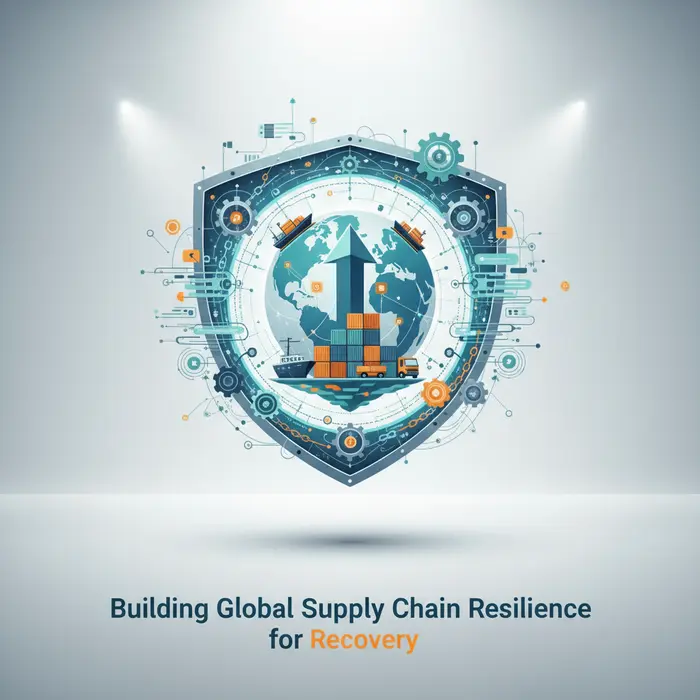
In an increasingly interconnected yet volatile world, the ability of global supply chains to withstand and rapidly recover from disruptions is paramount. Recent events, from geopolitical tensions to natural disasters and pandemics, have highlighted the urgent need for robust and adaptable supply chain strategies. For businesses engaged in international manufacturing, proactive measures are no longer optional but essential for International Manufacturing Project Recovery and sustained growth. Enhancing global supply chain resilience means developing systems that can quickly pivot, absorb shocks, and maintain operational continuity, ensuring that manufacturing turnaround solutions are readily available when crises strike.
1. Diversifying Sourcing Locations and Logistics
A cornerstone of effective global supply chain resilience is the strategic diversification of both sourcing locations and logistics networks. Relying on a single region or supplier, while potentially cost-effective in stable times, exposes businesses to significant vulnerabilities during disruptions. Supplier failure mitigation strategies involve moving beyond single-source reliance to a multi-source approach, ideally across different geographical regions. This could mean exploring nearshoring to bring production closer to end markets, friend-shoring to align with politically stable allies, or simply establishing multiple supplier relationships in diverse countries. Such diversification not only spreads risk but also fosters competition and innovation among suppliers.
Furthermore, diversifying logistics pathways is critical. Businesses should not solely depend on a single mode of transport (e.g., sea freight) or a limited number of shipping routes. Exploring multimodal transport options, alternative ports, and even redundant shipping lanes can provide crucial flexibility when standard routes are disrupted. This comprehensive approach to B2B sourcing risk management ensures that if one link in the chain breaks, alternative pathways are immediately available, minimizing downtime and maintaining the flow of goods.
2. Implementing Advanced Supply Chain Visibility Tools
In the complex landscape of global manufacturing, knowing precisely where your goods are, and the status of every component, is a powerful tool for resilience. Advanced supply chain visibility tools leverage technologies like Artificial Intelligence (AI), Internet of Things (IoT) sensors, and blockchain to provide real-time, end-to-end transparency across the entire supply chain. These tools offer an unparalleled ability to track shipments, monitor inventory levels at various nodes, and gain insights into potential bottlenecks or risks.
The immediate benefit of enhanced visibility is the early detection of potential disruptions. For instance, an AI-powered system can predict delays based on weather patterns, port congestion, or geopolitical events, allowing businesses to activate global supply chain resilience plans proactively. This proactive stance enables faster decision-making, such as re-routing shipments or engaging alternative suppliers, before a minor issue escalates into a major crisis. Real-time data empowers companies to respond to unforeseen challenges with agility, transforming reactive problem-solving into strategic foresight. For more insights on building resilient supply chains, consider reviewing expert analyses like those found at McKinsey & Company on Supply Chain Recovery and Resilience.
3. Agile Manufacturing and Inventory Optimization
An agile manufacturing philosophy, coupled with optimized inventory strategies, is fundamental for achieving rapid International Manufacturing Project Recovery. Agile manufacturing emphasizes flexibility, responsiveness, and rapid adaptation to changing market conditions or unexpected disruptions. This involves designing production processes that can quickly reconfigure, utilizing modular components, and empowering production teams to make rapid, localized decisions. The goal is to minimize the impact of disruptions by allowing production lines to pivot to alternative products, components, or methods with minimal delay. This capability is vital for manufacturing turnaround solutions, enabling factories to quickly resume production even after significant interruptions.
Complementing agile manufacturing is a nuanced approach to inventory optimization. While lean principles often advocate for minimal inventory, a resilient supply chain requires strategic buffers. This might involve holding increased safety stock for critical components, adopting postponement strategies where products are customized only at the final stages, or maintaining a distributed inventory network across multiple warehouses. The key is to balance the cost of holding inventory against the risk of stockouts and production halts. By strategically optimizing inventory, businesses can create a shock-absorbing layer that buys critical time during disruptions, allowing agile manufacturing processes to adapt and ensure continuous supply. Ultimately, combining these strategies reinforces the ability of manufacturers to navigate complexity and emerge stronger from adversity.
B2B Sourcing Risk Management in Crisis
The unpredictable nature of global markets means that even the most meticulously planned manufacturing projects can be derailed by unforeseen crises. Whether triggered by geopolitical events, natural disasters, economic downturns, or supplier failures, a project crisis demands swift and strategic intervention in B2B sourcing. Effective B2B sourcing risk management during such turbulent times is not merely about damage control; it’s about pivoting rapidly, mitigating further losses, and ensuring the continued viability of the project. Successfully navigating these challenges is crucial for International Manufacturing Project Recovery, turning potential collapse into a resilient comeback. The goal is to transform reactive responses into proactive strategies that enhance global supply chain resilience and solidify manufacturing turnaround solutions.
1. Crisis Communication and Stakeholder Engagement
In any crisis, information is currency, and communication is the vehicle. Effective crisis communication and stakeholder engagement form the bedrock of any successful sourcing recovery effort. Internally, transparent and frequent updates among project teams, senior management, and procurement departments are vital to maintain alignment and coordinate efforts. Externally, this involves open dialogue with both distressed suppliers and potential new partners, as well as customers who may be impacted by delays. For existing suppliers experiencing difficulties, empathetic yet firm renegotiation of terms, delivery schedules, or even scope can be explored. This requires a deep understanding of contractual obligations and the potential for shared solutions, rather than immediate confrontation. Building trust through honest assessments of the situation can often prevent total supplier failure and foster collaborative problem-solving. Simultaneously, clear and proactive communication with customers regarding new timelines and contingency plans is essential to manage expectations and preserve long-term relationships. Poor communication exacerbates panic; strategic communication fosters confidence and collaboration.
2. Expedited Vendor Qualification and Onboarding
When primary suppliers falter, rapid re-sourcing becomes a critical imperative. This often necessitates expedited vendor qualification and onboarding processes, a delicate balancing act between speed and due diligence. Traditional qualification procedures, which can take months, must be condensed without compromising essential quality or compliance standards. Focus shifts to evaluating potential new suppliers based on immediate capacity, proven reliability in similar crisis situations, financial stability, and technical capabilities relevant to the project’s most critical components. Leveraging industry networks, trade associations, and even competitor intelligence can accelerate the identification of viable alternatives. Companies may need to consider “stop-gap” suppliers for immediate needs while simultaneously scouting for more sustainable long-term partners. This stage also involves meticulous yet swift contract negotiation, focusing on flexible terms, clear performance metrics, and robust quality control protocols. The objective is to bring new suppliers online quickly, integrate them into the supply chain, and initiate production to maintain momentum and support manufacturing turnaround solutions.
3. Legal and Compliance Considerations in Recovery
The urgency of a project crisis often overshadows the critical legal and compliance landscape, yet overlooking these aspects can lead to significant long-term repercussions. When managing supplier failure mitigation strategies, a thorough review of existing contracts is paramount. This includes understanding force majeure clauses, breach of contract provisions, and penalty structures that may apply to both original and new agreements. Renegotiating terms with existing struggling suppliers or drafting new contracts with replacement vendors requires careful legal oversight to protect intellectual property, ensure fair terms, and prevent future disputes. Furthermore, sourcing from new international partners introduces a host of compliance challenges. Companies must navigate diverse regulatory environments, adhere to international trade laws, understand import/export restrictions, manage tariffs, and ensure ethical sourcing practices even under duress. Failure to comply can result in fines, reputational damage, or even supply chain disruptions due to customs delays. Engaging legal counsel early in the recovery process is not an expense but an investment in safeguarding the project and the organization’s broader interests, ensuring that all actions align with legal requirements and contribute to robust B2B sourcing risk management.
In conclusion, effective B2B sourcing risk management during a project crisis demands a multifaceted approach combining strategic communication, agile resourcing, and vigilant legal adherence. By prioritizing transparent communication, rapidly qualifying and onboarding new vendors, and carefully navigating legal and compliance considerations, organizations can transform potentially catastrophic events into opportunities for strengthening their global supply chain resilience. This proactive and adaptable mindset is fundamental to successful International Manufacturing Project Recovery, ensuring business continuity and fostering long-term stability even in the face of adversity.
Implementing Manufacturing Turnaround Solutions
Navigating the complexities of international manufacturing can be incredibly rewarding, yet it often presents formidable challenges. When an international manufacturing project falters, it can lead to significant financial losses, reputational damage, and disrupted supply chains. Getting a struggling project back on track requires a systematic, decisive, and multi-faceted approach. This section outlines a step-by-step process for achieving successful International Manufacturing Project Recovery, from an initial assessment to sustained operational excellence.

1. Rapid Diagnostic Assessment of Project Status
The first critical step in any manufacturing turnaround is a swift and comprehensive diagnostic assessment. This phase aims to quickly identify the root causes of underperformance, whether they stem from operational inefficiencies, financial mismanagement, quality control issues, or supply chain breakdowns. A thorough assessment involves:
- Data Collection and Analysis: Gather all available data related to production metrics (output, defect rates, lead times), financial performance (cost overruns, budget deviations), and quality control reports. This quantitative analysis provides objective insights into where the project is failing.
- Stakeholder Interviews: Conduct interviews with key personnel across all levels – from project managers and engineers to production line workers and procurement specialists. Engaging these individuals can uncover qualitative insights, cultural issues, communication breakdowns, and unaddressed concerns.
- Supplier and Logistics Audit: Scrutinize existing supplier relationships and logistics arrangements. Are there recurring issues with material quality, delivery delays, or unexpected cost increases? Understanding the vulnerabilities in your global supply chain resilience is paramount. Poor performance here often points to a need for robust supplier failure mitigation strategies.
- Market and Competitive Analysis: Assess external factors. Have market demands shifted? Is competitive pressure impacting pricing or product viability?
By compiling a holistic view, the diagnostic assessment provides a clear, actionable roadmap for the subsequent recovery phases, prioritizing the most impactful interventions.
2. Restructuring Operations and Production Schedules
Once the root causes are identified, the next phase involves implementing targeted changes to operations and production. This is where the actual manufacturing turnaround solutions begin to take shape:
- Process Re-engineering: Based on the assessment, streamline inefficient production workflows, eliminate bottlenecks, and adopt lean manufacturing principles where applicable. This might involve investing in new machinery, automating certain tasks, or re-training staff on new methodologies.
- Supply Chain Optimization: Address identified vulnerabilities. This could mean diversifying your supplier base, exploring new regions for B2B sourcing risk management, or renegotiating contracts with existing vendors to ensure better terms, quality, and reliability. Implementing dual-sourcing strategies for critical components is a common approach to enhance resilience.
- Quality Assurance Overhaul: Implement rigorous quality control protocols at every stage of production, from raw material inspection to final product testing. This includes defining clear quality standards, training staff, and utilizing advanced inspection technologies to prevent defects before they escalate.
- Financial Discipline and Cost Control: Introduce stringent cost-control measures. This might involve optimizing inventory levels, reducing waste, and re-evaluating transportation and warehousing costs. Every expenditure should be scrutinized for its value contribution.
- Revising Production Schedules: Develop realistic and achievable production schedules that account for newfound efficiencies and potential constraints. Communicate these new schedules clearly to all stakeholders, including suppliers and customers.
This phase demands strong leadership and effective project management to ensure that changes are implemented smoothly and consistently across all international sites. Building supply chain resilience is a key outcome here.
3. Post-Recovery Monitoring and Continuous Improvement
A turnaround is not a single event but an ongoing process. Once the immediate crisis has been addressed and initial improvements are in place, the focus shifts to sustained performance and preventing future issues:
- Key Performance Indicator (KPI) Tracking: Establish clear, measurable KPIs for every aspect of the manufacturing operation. Regularly monitor these metrics (e.g., on-time delivery rates, defect per million opportunities, cost per unit, supplier performance scores) to track progress and identify any backsliding or emerging issues.
- Regular Audits and Reviews: Conduct periodic internal and external audits of processes, quality systems, and supplier performance. These reviews help ensure compliance with new standards and identify areas for further optimization.
- Feedback Loops and Employee Engagement: Create mechanisms for continuous feedback from employees on the factory floor. Empowering staff to identify problems and suggest solutions fosters a culture of continuous improvement and ownership.
- Risk Management Framework: Develop a robust risk management framework to proactively identify, assess, and mitigate potential future disruptions, whether from geopolitical events, natural disasters, or shifts in market demand. This builds a more resilient and adaptable international operation.
- Documentation and Knowledge Transfer: Document all new processes, best practices, and lessons learned during the turnaround. This institutional knowledge is invaluable for training new staff and ensuring that the improvements are sustainable long-term.
By embedding a culture of continuous improvement and proactive monitoring, organizations can transform a struggling international manufacturing project into a highly efficient, resilient, and profitable operation, ensuring lasting success.
Partner with Vietnam’s Leading Suppliers
Looking for reliable suppliers in Vietnam? Contact VietnamSuppliers.com today to connect with verified manufacturers and exporters across all industries.
—————————————
References
– Building a resilient supply chain in an uncertain world – McKinsey & Company: https://www.mckinsey.com/capabilities/operations/our-insights/building-a-resilient-supply-chain-in-an-uncertain-world
– Building Resilient Supply Chains: https://www.mckinsey.com/capabilities/operations/our-insights/building-resilient-supply-chains
– McKinsey & Company on Supply Chain Recovery and Resilience: https://www.mckinsey.com/capabilities/operations/our-insights/supply-chain-recovery-and-resilience
– building supply chain resilience: https://www2.deloitte.com/us/en/pages/manufacturing/articles/building-supply-chain-resilience-manufacturing.html
– :