
What is an International Customs Bond?
In the intricate world of global trade, efficiency and compliance are paramount. Navigating the customs procedures of different countries can be complex, requiring importers to often provide assurances to governmental authorities. This is where an International Customs Bond becomes an indispensable tool. Far more than just a piece of paper, it’s a crucial financial guarantee that underpins the trust between importing businesses and national customs agencies, ensuring the smooth flow of goods across borders while protecting governmental interests. Understanding its fundamental purpose and the role it plays is essential for any entity engaged in international commerce.
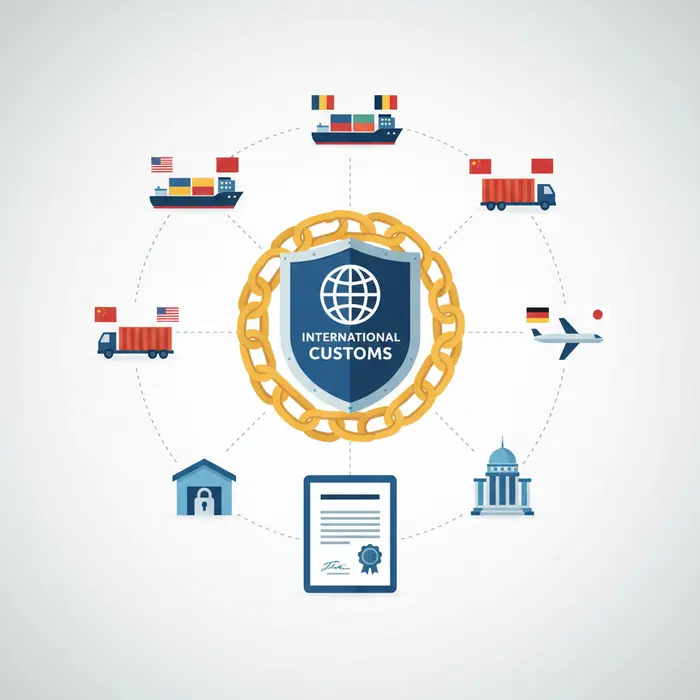
1. Basic Definition and Core Purpose
At its core, an International Customs Bond (often simply referred to as a customs bond) is a contractual agreement that financially guarantees an importer’s adherence to all customs regulations and the payment of duties, taxes, and fees owed to the government. It’s a three-party contract involving the importer (the principal), the surety company (the guarantor), and the government (the obligee). Importers pay a premium to the surety company for this guarantee, which constitutes the primary customs bond cost. The primary customs bond definition is that it acts as a safety net, assuring the customs authority that even if the importer fails to meet their financial or regulatory obligations, the government will still recover the owed amounts through the surety company. This mechanism is critical for facilitating trade, as it allows goods to be released from customs custody quickly, without the need for immediate payment of all potential liabilities, relying instead on the surety’s guarantee. The fundamental purpose of this bond is therefore two-fold: to protect government revenue and to ensure importers comply with all applicable laws and regulations concerning their imported goods.
2. Key Parties Involved in a Customs Bond
To fully grasp the function of an International Customs Bond, it’s important to understand the roles of the three main parties involved:
- The Principal (Importer): This is the party that is importing goods into a country and is legally obligated to fulfill customs requirements. The principal is responsible for obtaining the customs bond. Should they fail to pay duties, taxes, or comply with regulations, the surety company will be called upon to cover these liabilities, and the principal will then owe the surety company.
- The Surety Company: A financial institution or insurance company that issues the customs bond. The surety company essentially pledges its own financial strength to guarantee the principal’s obligations to the government. They vet importers for financial stability and compliance history before issuing a bond. In the event the principal defaults, the surety company pays the government, then seeks reimbursement from the principal.
- The Obligee (Government/Customs Agency): This is the party that requires the customs bond. In the United States, for example, it’s U.S. Customs and Border Protection (CBP). The government is the beneficiary of the bond, relying on it as a financial safeguard against potential losses due to unpaid duties, taxes, or penalties arising from non-compliance.
These parties work in concert to ensure that the risks associated with international trade are mitigated, and government revenues and regulations are upheld.
3. Why Customs Bonds are Mandated by Governments
Governments worldwide mandate customs bond requirements for several compelling reasons, primarily centered on revenue protection, compliance enforcement, and the overall integrity of their import processes.
- Revenue Protection: One of the foremost reasons is to guarantee the collection of duties, taxes, and other fees. Without a bond, if an importer defaults on payments, the government would have limited recourse. The bond ensures that even if an importer faces financial difficulties or attempts to evade payments, the customs agency can recover the owed funds from the surety.
- Compliance Enforcement: Customs bonds serve as a powerful deterrent against non-compliance with import laws and regulations. These regulations can include everything from proper valuation and classification of goods to adherence to health, safety, and environmental standards. The bond covers potential penalties and liquidated damages for violations, ensuring importers take their obligations seriously. This also ties into various types of customs bonds, such as single transaction bonds for one-off imports or continuous bonds for regular importers, each tailored to specific compliance needs.
- Risk Mitigation: The bond helps mitigate risks associated with potentially prohibited or restricted goods, ensuring that if such items enter the country, the government has financial leverage to cover costs associated with their seizure, destruction, or re-exportation.
- Trade Facilitation: Paradoxically, while a bond adds a requirement, it ultimately facilitates trade. By providing a financial guarantee upfront, it allows for expedited customs clearance. Goods can be released more quickly into the stream of commerce, rather than being held indefinitely pending payment or extensive scrutiny, thereby reducing demurrage and storage costs for importers and speeding up supply chains.
The International Customs Bond is thus a cornerstone of modern international trade, providing the necessary assurance that enables both commercial dynamism and governmental oversight. It’s a critical financial instrument that protects national interests while empowering businesses to engage efficiently in the global marketplace.
Who Needs a Customs Bond and Why?
Navigating the complexities of international trade demands a clear understanding of various regulatory instruments that ensure compliance and security. Central among these is the International Customs Bond, a critical requirement for most businesses importing goods. A customs bond definition refers to a financial guarantee provided to the government (typically the customs agency of the importing country) that ensures the importer will fulfill their financial obligations, such as paying duties, taxes, and fees, and comply with all applicable laws and regulations.
Without a valid customs bond, goods can face costly delays, storage fees, and even seizure. This section clarifies the specific situations and types of entities that are required to obtain a customs bond, detailing the essential reasons behind this necessity for various import scenarios.
1. Mandatory Requirements for Importers
For almost all commercial goods imported into the United States, obtaining a customs bond is a non-negotiable mandatory requirement by U.S. Customs and Border Protection (CBP). This fundamental aspect of customs bond requirements applies broadly to commercial shipments exceeding $2,500 in value, or those subject to specific federal agency regulations, regardless of value. Importers typically choose from two primary types of customs bonds:
- Single Entry Bond: This bond covers one specific import transaction. It’s suitable for businesses with infrequent import needs, but the cumulative customs bond cost can quickly exceed that of a continuous bond if multiple shipments occur.
- Continuous Bond: Covering all import shipments by an importer at all U.S. ports of entry over a one-year period, a continuous bond is generally more cost-effective and provides greater operational efficiency for businesses with regular importing activities, eliminating the need for a new bond for each shipment.
The bond ensures that even if an importer fails to pay their duties, taxes, or penalties, the U.S. government is protected by the surety company backing the bond. This mechanism safeguards national revenue and enforces trade laws.
2. Specific Scenarios Requiring a Bond
Beyond the general mandate, numerous specific import scenarios explicitly necessitate an International Customs Bond. Understanding these situations highlights why a bond is an indispensable tool for smooth global trade:
- Duty and Tax Payment Guarantee: The most common reason for a bond is to guarantee the payment of import duties, taxes, and other fees. This allows for immediate release of goods while CBP finalizes exact amounts due, streamlining the supply chain.
- Temporary Imports (TIBs): Goods brought into a country for a specific, temporary purpose (e.g., exhibition, repair, processing) with intent to re-export often enter under a Temporary Importation Under Bond (TIB). The bond guarantees re-export, avoiding applicable duties.
- In-Bond Transit and Movement: If goods are transported through the U.S. from one foreign country to another, or from a port of entry to an inland port for clearance, they must move “in-bond.” The bond ensures these goods remain under customs control until their final destination or export.
- Goods Entered into a Bonded Warehouse: Merchandise stored in a customs-bonded warehouse for extended periods without immediate duty payment requires a bond, guaranteeing duties will be paid when goods are withdrawn for consumption or re-exported.
- Merchandise Subject to Other Government Agency (OGA) Regulations: Imports regulated by agencies like the FDA, EPA, or USDA often require a customs bond to ensure compliance with health, safety, and environmental standards, covering potential penalties from non-compliance.
3. Benefits of Having a Valid Customs Bond
While often seen as a compliance obligation, possessing a valid customs bond offers significant operational and financial advantages to importers, turning a requirement into a strategic asset:
- Expedited Clearance: A continuous customs bond allows customs brokers to file entries electronically and secure immediate release, drastically speeding up clearance, minimizing costly port storage fees, and preventing supply chain disruptions.
- Financial Protection: The bond acts as a safeguard against unforeseen duties, taxes, or penalties that might arise during customs liquidation. This financial guarantee provides stability and predictability, aiding in better cash flow management.
- Ensured Legal Compliance: By guaranteeing adherence to CBP and other government agency regulations, a customs bond helps importers avoid severe penalties, fines, and potential seizure of goods. This fosters a reputable trading history.
- Operational Flexibility: A bond enables importers to utilize various entry procedures like temporary importations, in-bond movements, and bonded warehousing. This flexibility is crucial for managing diverse supply chain strategies and responding efficiently to market demands.
- Risk Mitigation: International trade carries inherent risks. A customs bond mitigates risks associated with customs audits, classification disputes, and valuation adjustments by providing necessary financial backing and ensuring regulatory adherence.
In essence, an International Customs Bond is more than a regulatory hurdle; it’s a fundamental tool that facilitates legitimate trade, protects government revenue, and provides importers with the essential framework for efficient, compliant, and predictable international commerce.
Types of International Customs Bonds
The intricate world of international trade relies heavily on compliance, security, and the timely payment of duties and taxes. At the heart of this system are International Customs Bonds, financial guarantees required by customs authorities to ensure importers and other trade participants adhere to regulations. Understanding the various types of customs bonds is crucial for efficient global commerce, helping businesses manage customs bond cost and navigate complex customs bond requirements. This overview will delve into the essential categories, providing a clear customs bond definition for each, distinguishing between their applications and benefits.

Continuous Bonds vs. Single Entry Bonds
The most fundamental distinction among customs bonds lies in their duration and coverage, significantly impacting administrative overhead and overall customs bond cost.
A Single Entry Bond (SEB) is tailored for specific, one-time import transactions. It covers a single shipment or entry into the country, ideal for infrequent importers or unique, high-value shipments where a continuous bond isn’t justified. While its initial cost per transaction might seem higher, it offers flexibility for occasional traders.
Conversely, a Continuous Bond is for importers frequently bringing goods into a country. This bond covers all import transactions made by the principal (importer) for a set period, typically one year. It acts as a blanket guarantee for multiple entries, making it a cost-effective and administratively simpler solution for high-volume importers. A continuous bond ensures ongoing compliance without needing a new bond for each shipment, streamlining operations and often reducing the overall customs bond cost.
Importer’s Bonds (e.g., Import, Broker, Custodial)
Beyond duration, bonds are categorized by their specific function and the entity they obligate. Several types of importer’s bonds ensure various aspects of customs compliance.
The most common is the Basic Import Bond. This bond is mandatory for most commercial imports, serving as a financial guarantee that the importer will pay all duties, taxes, and fees owed, and comply with all import laws and regulations (e.g., FDA, EPA). Failure to comply can result in the bond being claimed by customs.
A Customs Broker Bond is required for licensed customs brokers. These professionals act as intermediaries between importers and customs authorities. The broker bond ensures they adhere to regulations, diligently process customs entries, and properly handle client funds. It safeguards against broker negligence or misconduct.
Custodial Bonds (Warehouse or Custodian Bonds) are required for operators of facilities handling or storing imported goods under customs control. This includes bonded warehouses and container freight stations (CFS). The bond guarantees the operator will securely store and properly account for merchandise, ensuring duties are paid before release into domestic commerce or re-exportation.
Specialized Bonds (e.g., Carnet, Drawback, FTZ)
Several specialized international customs bonds address unique trade scenarios and compliance needs, often related to specific programs or temporary movements of goods.
A Carnet Bond is integral to the ATA Carnet system, often dubbed the “passport for goods.” An ATA Carnet allows temporary, duty-free, and tax-free importation of goods (e.g., commercial samples, professional equipment) into participating countries. The carnet bond guarantees to customs authorities that goods will be re-exported within the stipulated timeframe, or applicable duties and taxes will be paid. This avoids posting cash deposits or obtaining local bonds in each country.
A Drawback Bond is for businesses participating in duty drawback programs, which refund duties paid on imported merchandise subsequently exported or destroyed. The drawback bond guarantees that if drawback conditions are not met, refunded duties will be repaid to customs.
Finally, a Foreign-Trade Zone (FTZ) Bond is specific to operations within designated Foreign-Trade Zones. FTZs are secure areas under customs supervision considered outside customs territory for duty purposes. This bond ensures compliance with FTZ regulations, proper inventory control, and payment of duties on merchandise entering U.S. domestic commerce from the zone.
Understanding the array of types of international customs bonds is paramount for anyone involved in global trade. Each bond serves a distinct purpose, from simplifying routine imports with a continuous bond to facilitating temporary movements with a carnet. Diligent selection and management of these financial guarantees not only ensure compliance with stringent customs bond requirements but also protect businesses from potential penalties, safeguarding smooth and uninterrupted international commerce.
Customs Bond Requirements and Application Process
An International Customs Bond is a vital financial guarantee required by customs authorities, ensuring importers comply with regulations, pay duties, and adhere to trade laws. This bond acts as a three-party contract: principal (importer), surety company, and obligee (customs agency). Without a valid customs bond, most commercial goods cannot clear customs, making it essential for international trade. Understanding the customs bond requirements and application process is crucial to avoid delays and penalties. This section outlines eligibility, necessary documentation, and step-by-step procedures for securing an international customs bond.
Key Eligibility Criteria for Applicants
Before applying for an international customs bond, applicants must meet specific criteria set by both customs authorities and surety companies. These criteria assess the applicant’s financial stability and reliability.
- Financial Health: Surety companies evaluate an applicant’s financial standing, including credit scores, financial statements (balance sheets, income statements), and overall business solvency. A strong credit history and healthy financial record indicate lower risk, potentially leading to more favorable bond terms and customs bond cost. New businesses might require higher premiums or collateral.
- Business Standing and Compliance History: A track record of compliance with trade regulations and absence of past customs violations are significant advantages. This demonstrates a commitment to lawful trade practices.
- Legal Structure and Registration: Applicants must be legally established entities (corporations, partnerships, sole proprietorships) registered in the importing country, possessing a valid business license and tax identification number (e.g., EIN).
- Nature of Import Activities: The type and volume of goods imported, along with import frequency, influence the assessment. High-risk goods or industries may require additional certifications.
Meeting these criteria is fundamental for securing any types of customs bonds, ensuring the importer is deemed a responsible party in international trade.
Required Documentation and Information
The application for an International Customs Bond requires a comprehensive set of documents. Gathering these materials beforehand simplifies the process. While specific requirements vary, the following are generally needed:
- Application Form: A completed customs bond application provided by the surety company or customs broker, detailing business and import activities.
- Business Registration Documents: Proof of legal existence (e.g., articles of incorporation, LLC agreements), verifying the entity’s legitimacy.
- Financial Statements: Recent financial statements (balance sheets, income statements) for the past two to three fiscal years, crucial for assessing financial stability.
- Credit Report: Business credit report (and sometimes personal for owners) to evaluate creditworthiness.
- Tax Identification Number (TIN): Such as an Employer Identification Number (EIN) for U.S. imports, or the equivalent national tax ID.
- Power of Attorney: If a licensed customs broker is used, a signed document authorizing them to act on your behalf.
- Proof of Import Activity: Details on goods, estimated annual import volume, ports of entry, and any necessary import licenses.
- Bank Information: Details of the applicant’s primary banking relationship for verification.
Accurate and complete documentation is paramount to avoid delays or rejections, which can impact import operations and potentially increase overall customs bond cost.
Steps to Obtain a Customs Bond
Securing an International Customs Bond is a structured process, often aided by a customs broker or surety provider.
- Determine Your Bond Needs: Identify the bond type (e.g., single entry, continuous) and amount based on import volume, frequency, and destination country regulations. A continuous bond suits regular importers, affecting your estimated customs bond cost.
- Choose a Surety Provider or Customs Broker: Select a reputable surety company or engage a licensed customs broker who can offer expertise on customs bond requirements.
- Complete the Application: Fill out the bond application accurately, preparing all supporting documentation as previously outlined.
- Underwriting and Approval: The surety company reviews your application for risk, assessing financial stability and compliance history. Upon approval, they determine the premium – your customs bond cost.
- Pay the Premium and Bond Issuance: After payment, the surety issues the bond, typically electronically.
- File with Customs Authority: The issued bond must be filed with the relevant customs authority (e.g., U.S. Customs and Border Protection). Your customs broker usually handles this submission, ensuring the bond is active.
Following these steps ensures you secure the necessary financial guarantee, enabling smooth customs clearance and compliance with international trade regulations. This approach minimizes disruptions and aids efficient global supply chain management.
Understanding Customs Bond Costs and Validity
Navigating the complexities of international trade requires a clear understanding of various regulatory instruments, among the most critical of which is the International Customs Bond. This financial guarantee ensures that importers comply with all customs regulations, including the payment of duties, taxes, and fees. While indispensable, many businesses wonder about the financial implications and longevity of these bonds. This section will delve into the factors that influence customs bond costs, typical pricing structures for various bond types, and critical details regarding bond validity, expiration, and the renewal process.

1. Factors Influencing Bond Premiums
The premium you pay for a customs bond is not a one-size-fits-all figure. It is determined by several key factors that surety companies assess to gauge the risk associated with guaranteeing an importer’s compliance. Understanding these factors is crucial for any business seeking to manage their customs bond cost effectively. Firstly, the importer’s creditworthiness and financial stability play a significant role. A strong credit history indicates reliability and a lower risk of default, often leading to lower premiums. Secondly, the nature and value of the goods being imported are critical. High-value goods or those subject to specific regulatory requirements (e.g., perishable items, controlled substances) might necessitate a larger bond amount, consequently increasing the premium. The importer’s past compliance record with customs regulations is also scrutinized; a history of violations or penalties can signal higher risk. Furthermore, the type of bond — whether a single entry bond for a specific shipment or a continuous bond for ongoing imports — directly impacts the premium structure. Finally, the specific underwriting practices of the surety company, including their risk assessment models and administrative fees, will influence the final premium.
2. Typical Cost Ranges for Different Bonds
The pricing for customs bonds varies significantly based on their type and the underlying risk. Generally, there are two primary types of customs bonds: Single Entry Bonds (SEB) and Continuous Bonds (CB).
- Single Entry Bonds (SEB): These bonds are designed for a single import transaction. They are typically used by businesses that import infrequently or for specific, high-value shipments where a continuous bond is not practical. The cost for an SEB is often a flat fee, ranging from $50 to $200, depending on the bond amount required (which is usually determined by the value of the goods plus duties, taxes, and fees for that specific entry).
- Continuous Bonds (CB): Far more common for regular importers, a continuous bond covers all import entries made by the importer over a 12-month period. The bond amount for a continuous bond is typically set at a minimum of $50,000, or 10% of the total duties, taxes, and fees paid by the importer in the previous 12 months, whichever is greater. The premium for a continuous bond is usually a percentage of the bond amount, often ranging from 0.5% to 2% annually. For instance, a $50,000 continuous bond might cost between $250 and $1,000 per year. Factors like the importer’s credit rating and import volume can influence where within this range the premium falls. For more detailed information on U.S. customs bond requirements and calculation, resources like the U.S. Customs and Border Protection (CBP) website are invaluable. U.S. Customs and Border Protection provides comprehensive guidelines on bond types and regulations.
3. Bond Validity, Expiration, and Renewal Process
Understanding the validity period and renewal process is essential to maintaining uninterrupted import operations and adhering to customs bond requirements. A Single Entry Bond (SEB) is valid only for the specific transaction it covers and expires once that transaction is completed and all obligations are met. In contrast, a Continuous Bond (CB) is typically valid for one year from its effective date. Unlike some other insurance products, continuous customs bonds often include an automatic renewal clause, meaning they will continue to be in force unless explicitly cancelled by the importer or the surety company.
However, “automatic renewal” does not mean “no review.” Each year, prior to the renewal date, the surety company will review the bond. This annual review considers several factors, including the importer’s recent import activity, their compliance record, and current creditworthiness. Based on this assessment, the surety may adjust the annual premium. For example, if import volumes have significantly increased, leading to a higher required bond amount, the premium will likely increase. Conversely, a consistently strong compliance record could help maintain a favorable premium. It is imperative for importers to promptly pay their renewal premiums to avoid any lapse in coverage, which could lead to delays in clearing shipments, potential penalties, or even the revocation of import privileges. Keeping abreast of your bond’s expiration date and understanding the renewal terms are critical components of a robust import strategy.
Partner with Vietnam’s Leading Suppliers
Looking for reliable suppliers in Vietnam? Contact VietnamSuppliers.com today to connect with verified manufacturers and exporters across all industries.
—————————————
References
– International Customs Bond: https://www.cbp.gov/trade/bonds
– U.S. Customs and Border Protection (CBP) Customs Bonds: https://www.cbp.gov/trade/bonds
– ATA Carnet: https://www.uscib.org/ata-carnet/
– :
– U.S. Customs and Border Protection: https://www.cbp.gov/trade/bond-types

