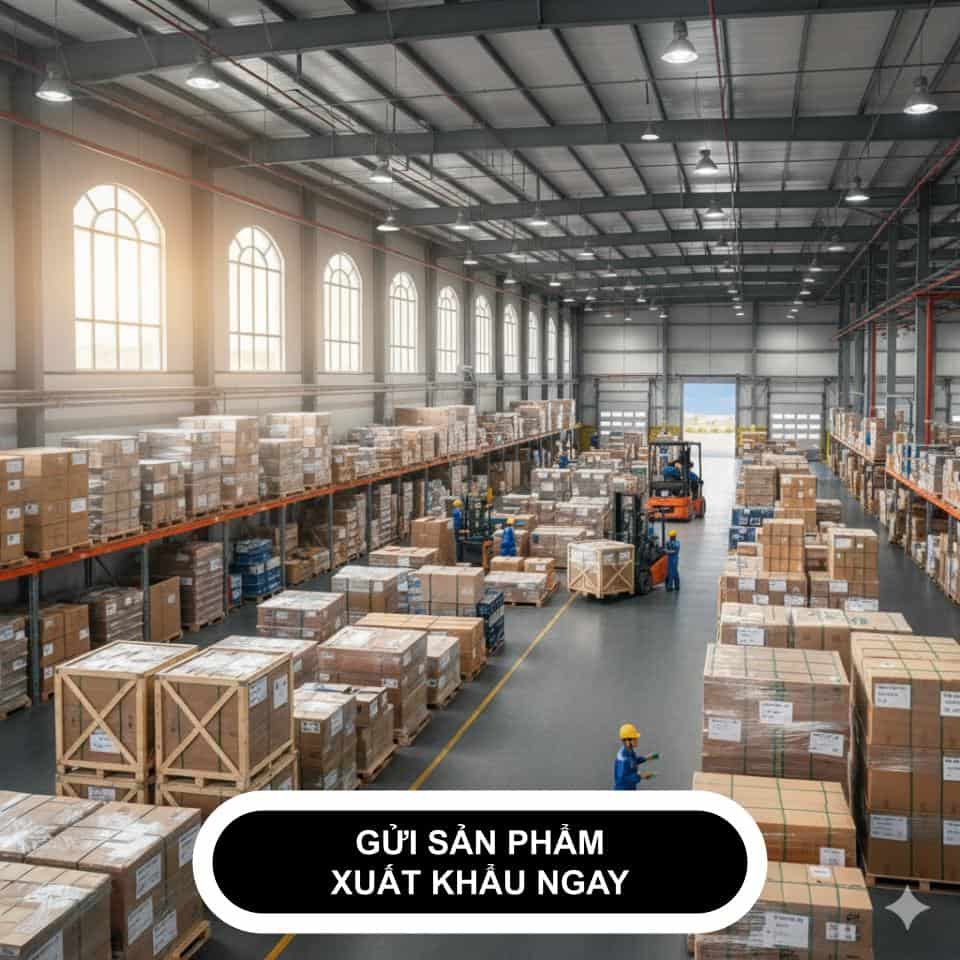
Introduction & Report Overview
In an increasingly interconnected yet geopolitically fragmented world, global trade sanctions have emerged as a pivotal instrument of foreign policy, profoundly reshaping international commerce and geopolitical dynamics. This Global Trade Sanctions Impact Report 2024 delves into the complex web of restrictions, examining their historical evolution, current application, and far-reaching consequences across industries and nations. As governments increasingly wield sanctions to address national security concerns, human rights violations, and geopolitical rivalries, businesses worldwide face an unprecedented landscape of risk and compliance challenges. Understanding the economic sanctions impact on global supply chains is no longer merely a compliance exercise but a strategic imperative for resilience and sustained growth. This report sets the stage for a comprehensive analysis of these critical issues.

1. Defining Global Trade Sanctions
Global trade sanctions are punitive measures imposed by one or more countries, or international bodies, against a target country, entity, or individual. These restrictions aim to compel a change in behavior by inflicting economic costs or denying access to specific goods, services, or financial systems. Fundamentally, they serve as a tool of foreign policy, often employed to achieve objectives such as preventing nuclear proliferation, combating terrorism, deterring aggression, promoting human rights, or resolving international disputes without resorting to military intervention. Sanctions can manifest in various forms, ranging from comprehensive embargoes that prohibit all trade with a targeted nation to more targeted measures. These targeted sanctions might include asset freezes, travel bans, export controls on specific goods (e.g., dual-use technologies), import restrictions on particular commodities, or limitations on financial transactions. Understanding these nuances is crucial for navigating the intricate landscape of international trade compliance regulations sanctions.
2. Report Scope, Objectives, and Methodology
The Global Trade Sanctions Impact Report 2024 is designed to offer a comprehensive and analytical perspective on the current state of global trade sanctions and their pervasive effects. Our primary scope encompasses an in-depth examination of major sanction regimes (e.g., those imposed by the U.S., EU, UN, UK) and their impact on key regions and sectors, including energy, technology, finance, and manufacturing. We will analyze the evolution of sanctions programs, the proliferation of secondary sanctions, and their ripple effects across global supply chains.
The report’s core objectives are threefold: (1) to provide clarity on the definitional aspects and practical applications of global trade sanctions; (2) to assess the multifaceted economic, geopolitical, and humanitarian impacts of these measures; and (3) to equip businesses, policymakers, and academics with actionable insights and strategic recommendations for navigating the complexities of the sanctions environment. Particular attention will be paid to the intricacies of commodity trade restrictions analysis, revealing how specific goods and raw materials are impacted.
Our methodology integrates both qualitative and quantitative research approaches. This includes rigorous analysis of legislative texts, policy documents, and economic data from authoritative sources. We incorporate case studies of companies affected by sanctions, expert interviews with compliance officers, legal practitioners, and geopolitical analysts, and utilize proprietary data models to project potential future trends. This multi-pronged approach ensures a robust and well-rounded perspective.
3. The Evolving Geopolitical Landscape and Sanctions Trends
The landscape of global trade sanctions is in constant flux, driven by an accelerating pace of geopolitical shifts and technological advancements. Recent years have witnessed a significant increase in the frequency, scope, and complexity of sanctions, transforming them from niche foreign policy tools into a central feature of international relations. The proliferation of sanctions against major economies, such as Russia following its invasion of Ukraine, and the sustained pressure on countries like Iran and North Korea, highlight a new era where economic coercion is a primary instrument of statecraft. This environment demands that businesses and governments alike develop a sophisticated understanding of not just existing regulations but also emerging trends.
One critical trend is the rise of highly targeted, technologically driven sanctions, including those focusing on cyber capabilities, cryptocurrency transactions, and specific individuals or entities involved in malicious activities. Another is the increased use of secondary sanctions, which penalize third-country actors for engaging with sanctioned entities, thereby extending the reach of a sanctioning power’s jurisdiction. This makes export controls trade impact report analysis more vital than ever for businesses engaged in international commerce. Furthermore, the weaponization of economic interdependence, coupled with a broader movement towards de-risking and supply chain diversification, underscores the need for proactive strategies to mitigate sanctions-related risks. Understanding these evolving dynamics is paramount for any organization seeking to maintain compliance and competitiveness in the global marketplace of 2024 and beyond.
Economic Sanctions and Global Supply Chain Resilience
In an increasingly interconnected yet geopolitically fractured world, economic sanctions have emerged as a potent foreign policy tool, profoundly reshaping the landscape of global commerce. These punitive measures, targeting nations, entities, or individuals, cast long shadows over international trade, precipitating significant disruptions across global supply chains. Understanding the Global Trade Sanctions Impact Report 2024 is crucial for businesses navigating this complex environment. The economic sanctions impact on global supply chains extends far beyond direct targets, creating a cascade of challenges related to sourcing, logistics, and compliance, thereby forcing companies worldwide to implement strategic adjustments to maintain resilience and continuity.
The imperative for businesses to adapt has never been greater. Companies must contend with evolving International trade compliance regulations sanctions, meticulously analyze commodity trade restrictions analysis, and prepare for potential export controls trade impact report implications. This section examines the multifaceted ways economic sanctions influence global supply chains, detailing the disruptions they cause, the challenges in sourcing, and the strategic pivots businesses are making to build more robust and compliant operational frameworks.
1. Direct & Indirect Supply Chain Disruptions
Economic sanctions introduce both immediate and protracted disruptions to global supply chains. Directly, sanctions can halt trade with specific countries, entities, or sectors, instantly severing established supply routes and cutting off access to critical raw materials, components, or finished goods. This direct impact often manifests as canceled orders, frozen assets, and an inability to transact in sanctioned currencies or through sanctioned financial institutions. For instance, restrictions on specific technologies or dual-use items under export controls can immediately render existing contracts void, compelling manufacturers to seek alternative, often more expensive or less efficient, sources.
Beyond the direct hit, indirect disruptions ripple through the entire supply chain. These include increased compliance costs as businesses invest heavily in legal counsel and software solutions to navigate complex international trade compliance regulations sanctions. Furthermore, logistics become more complicated and expensive, with longer transit times due to re-routing to avoid sanctioned territories, higher insurance premiums, and reduced shipping capacities. The heightened risk perception associated with doing business in or near sanctioned regions can also lead to de-risking by financial institutions and logistics providers, further constricting trade flows. Businesses must conduct thorough commodity trade restrictions analysis to foresee potential bottlenecks and ensure continuity.
2. Reshaping Global Sourcing Strategies and Logistics
In response to the volatile environment created by economic sanctions, businesses are fundamentally overhauling their global sourcing strategies and logistics networks. The traditional emphasis on efficiency and cost-cutting is increasingly balanced with a focus on resilience, redundancy, and geographical diversification. Companies are actively pursuing strategies such as ‘friend-shoring’ or ‘near-shoring,’ shifting production and sourcing to politically aligned or geographically closer countries to mitigate geopolitical risks and reduce exposure to potential future sanctions.
This strategic pivot involves significant investment in new supplier relationships, establishing alternative manufacturing facilities, and reconfiguring intricate global logistics networks. For example, a company heavily reliant on a component from a now-sanctioned nation might invest in developing domestic production capabilities or partner with suppliers in non-sanctioned countries, even if it entails higher initial costs. Supply chain mapping and visibility tools have become indispensable, allowing businesses to identify vulnerabilities and potential choke points proactively. The goal is to create more agile and adaptable supply chains capable of absorbing shocks and rerouting quickly when faced with sudden trade restrictions, all while adhering strictly to evolving international trade compliance regulations sanctions.
3. Navigating Compliance, Risk, and Future Outlook
The evolving landscape of economic sanctions necessitates a rigorous approach to compliance and risk management. Companies must establish robust internal controls and due diligence processes to ensure adherence to a labyrinth of international trade regulations. This includes continuous monitoring of sanctions lists, comprehensive screening of partners, and meticulous record-keeping to demonstrate compliance. The complexity is compounded by variations in sanctions regimes across different jurisdictions, demanding a sophisticated understanding of extraterritorial reach and secondary sanctions risks.
Looking ahead, the trend suggests that economic sanctions will remain a prevalent tool in international relations, making supply chain resilience a permanent business imperative. Businesses will increasingly prioritize diversified supply bases, invest in advanced data analytics for risk assessment, and leverage technology to automate compliance checks. The future will likely see a greater regionalization of supply chains and increased collaboration within trusted blocs, aiming for collective resilience against geopolitical pressures. Regular review of the Global Trade Sanctions Impact Report 2024 and other industry analyses will be critical for businesses to anticipate threats and strategically adjust their global operations to navigate this challenging new era of international trade.
International Trade Compliance and Regulatory Challenges
In an increasingly interconnected yet volatile global economy, navigating the intricate web of international trade compliance regulations and sanctions has become a paramount concern for businesses worldwide. The landscape is continuously shaped by evolving legal frameworks, geopolitical shifts, and dynamic enforcement trends, making robust compliance programs not just a best practice, but a critical imperative for operational continuity and reputational integrity. Understanding the profound Global Trade Sanctions Impact Report 2024 is essential for any entity engaged in cross-border commerce, as the consequences of non-compliance can range from hefty fines and asset freezes to severe reputational damage and supply chain disruptions.
1. Evolving Regulatory Frameworks and Enforcement
The regulatory environment governing international trade compliance is in a constant state of flux, characterized by frequent updates to sanctions lists, export controls, and customs regulations. Major global players, including the U.S. Department of the Treasury’s Office of Foreign Assets Control (OFAC), the European Union, and the United Nations, regularly issue new directives and update existing ones, creating a complex and often fragmented regulatory mosaic. Businesses must contend with the extraterritorial reach of certain regulations, meaning that even transactions occurring outside the issuing jurisdiction can fall under their purview. Enforcement trends indicate a significant uptick in scrutiny and penalties, with authorities worldwide demonstrating a low tolerance for compliance failures. This increased vigilance underscores the need for continuous monitoring and adaptation to new rules and interpretative guidance. Staying abreast of these developments requires dedicated resources and expertise, ensuring that compliance strategies align with the latest legal obligations and best practices outlined in various OFAC’s compliance guidance and other international bodies.
2. Challenges in Trade Compliance and Due Diligence
The complexities of international trade compliance regulations sanctions present significant operational challenges for companies of all sizes. One of the most critical aspects is conducting thorough due diligence across the entire supply chain. Identifying and screening all parties involved in a transaction—from suppliers and distributors to end-users and intermediaries—against multiple sanctions lists (SDN, sectoral sanctions, entity lists, etc.) is a labor-intensive and error-prone process without proper automation. Furthermore, the inherent opaqueness of global supply chains often masks beneficial ownership and true end-user identities, increasing the risk of inadvertent violations. The 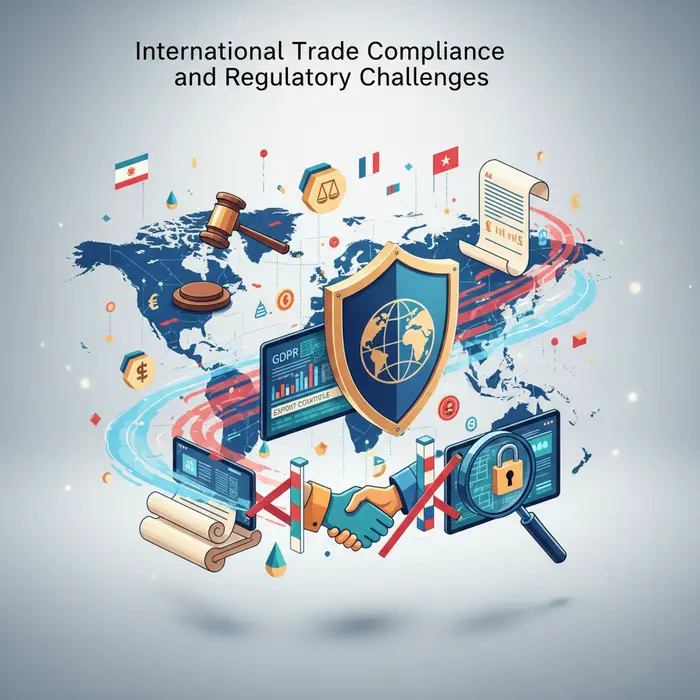 economic sanctions impact on global supply chains can be particularly disruptive, leading to delayed shipments, contract cancellations, and the need to re-route or find alternative sources, all of which incur additional costs and time. Managing commodity trade restrictions analysis, especially for dual-use items, adds another layer of complexity, requiring careful classification and licensing protocols. Businesses must also navigate varying national interpretations of international agreements and the potential for conflicting regulatory requirements, making a harmonized and adaptive compliance framework indispensable.
3. The Imperative of Proactive Compliance and Risk Mitigation
Given the severe financial, legal, and reputational repercussions of non-compliance, implementing a robust, proactive compliance program is no longer optional. Such programs must encompass comprehensive risk assessments, detailed compliance policies and procedures, regular employee training, and continuous monitoring through advanced technological solutions. Leveraging AI-powered tools for sanctions screening, transaction monitoring, and export control classification can significantly enhance accuracy and efficiency, reducing manual errors and improving response times to emerging threats. A proactive approach also involves staying informed about key reports, such as an export controls trade impact report, to anticipate potential restrictions and adapt strategies accordingly. Companies must establish clear lines of responsibility for compliance, conduct regular internal audits, and maintain meticulous records to demonstrate due diligence to regulatory bodies. By embracing a culture of compliance that permeates all levels of the organization, businesses can effectively mitigate risks, protect their assets, and ensure sustainable operations in the face of complex international trade compliance regulations sanctions. The ongoing challenge is not merely to react to regulatory changes but to anticipate them, building resilience against future uncertainties in the global trading environment.
Commodity Trade Restrictions & Export Controls Impact
The landscape of global commerce is increasingly shaped by geopolitical tensions and national security concerns, leading to a proliferation of **commodity trade restrictions** and sophisticated export control regimes. This detailed Global Trade Sanctions Impact Report 2024 provides an in-depth **commodity trade restrictions analysis** and assesses the overall **export controls trade impact report**, dissecting their profound effects across key sectors and essential commodities. Understanding these regulations is critical for businesses navigating the complex web of **international trade compliance regulations sanctions** and mitigating the pervasive **economic sanctions impact on global supply chains**.
1. Analysis of Key Commodity Restrictions
Geopolitical rivalries and national security agendas have spurred a significant rise in restrictions on strategically vital commodities. Critical minerals, including rare earth elements, lithium, and cobalt, are at the forefront, with nations using export limitations to secure domestic supply and project influence, exemplified by China’s leverage in rare earth processing. The semiconductor industry faces unprecedented restrictions, with advanced chip technology and manufacturing equipment becoming battlegrounds for technological supremacy. Export controls aim to curb the military and technological advancement of rival powers, leading to a scramble for alternative supply chains and increased domestic production. Energy commodities, such as oil and natural gas, have also been weaponized; sanctions against major producers like Russia have dramatically reshaped global energy flows, driving price volatility, and accelerating the transition towards diversified energy sources. Agricultural goods, while less frequently targeted, can be indirectly affected by broader trade restrictions and export bans for domestic food security, leading to localized shortages. These restrictions disrupt immediate trade flows and compel re-evaluation of sourcing strategies and preparation for increased economic fragmentation.
2. Sector-Specific Impact of Export Control Regimes
The repercussions of export control regimes resonate differently across various industrial sectors. The **Technology Sector** bears perhaps the heaviest burden. Controls on advanced semiconductors, artificial intelligence components, and quantum computing technologies directly impede innovation, R&D collaboration, and market access. Companies face stringent licensing requirements, significant compliance costs, and the risk of being cut off from critical suppliers or markets. This has spurred a global race for technological self-sufficiency, evidenced by initiatives like the U.S. CHIPS Act. In the **Energy Sector**, export controls and sanctions have directly altered global market dynamics. Sanctions on Russian energy exports, for example, forced European nations to rapidly diversify their energy procurement, leading to price spikes and renewed investments in alternative energy. The **Manufacturing and Automotive Industries** are critically vulnerable due to their reliance on intricate global supply chains for components and raw materials. Restrictions on critical minerals or advanced manufacturing tools can halt production lines and significantly increase operational costs, pushing companies towards near-shoring or friend-shoring strategies. Even the **Aerospace and Defense Sector** is profoundly impacted by strict controls on dual-use technologies. Each sector faces unique challenges, collectively contributing to a broader re-evaluation of globalization’s benefits versus the risks of dependency.
3. Mitigation Strategies and Navigating the Compliance Landscape
In response to the increasingly intricate web of global trade sanctions and export controls, businesses are compelled to adopt robust mitigation strategies. A primary focus is on enhancing supply chain resilience through diversification – identifying alternative suppliers, investing in domestic production, and strategically stockpiling critical components. Companies are increasingly mapping their entire supply chain to identify potential vulnerabilities and exposure to sanctions risks. Technological solutions, such as AI-powered compliance software, are also being deployed to manage data and ensure adherence to rapidly changing regulations. Navigating the compliance landscape requires a proactive and comprehensive approach. Organizations must establish robust internal compliance programs, including regular risk assessments, employee training, and stringent due diligence. Penalties for non-compliance are severe, ranging from hefty fines to reputational damage. Therefore, staying abreast of the latest **international trade compliance regulations sanctions**, including updates from bodies like the World Trade Organization, is paramount. (For more details on global trade trends, consult the WTO World Trade Statistical Review). Looking ahead, geopolitical fragmentation and economic nationalism suggest commodity trade restrictions and export controls will remain a significant feature. Businesses must integrate these realities into strategic planning, fostering agility and adaptability.
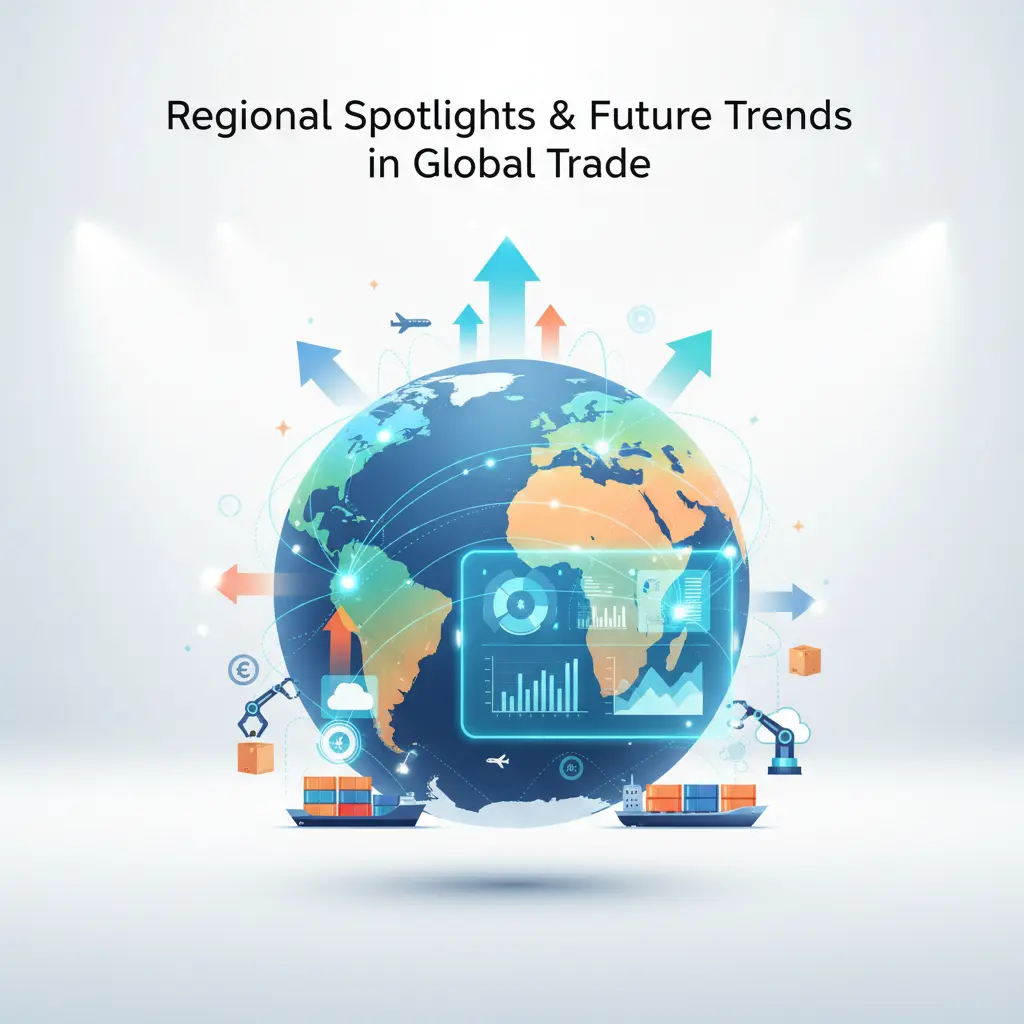
Regional Spotlights & Future Trends in Global Trade
The intricate web of global trade is continually reshaped by geopolitical dynamics, with economic sanctions emerging as a primary tool of statecraft. The Global Trade Sanctions Impact Report 2024 reveals a landscape increasingly characterized by varied regional responses and evolving compliance challenges. This section offers regional case studies illustrating the diverse and profound economic sanctions impact on global supply chains, and projects future trends to provide strategic insights for international businesses navigating this complex environment.
1. Regional Impact Assessments and Case Studies
The application of sanctions rarely yields uniform results, with their effects amplified or mitigated by regional economic structures and political alignments. Understanding these localized impacts is crucial for any comprehensive analysis.
Europe and the Russia-Ukraine Conflict: Sanctions on Russia following its invasion of Ukraine profoundly reshaped European energy markets and commodity flows. Europe, reliant on Russian gas, faced an immediate energy crisis, necessitating rapid diversification. This led to significant commodity trade restrictions analysis and re-orientation, with inflationary pressures. Manufacturing sectors, dependent on Russian raw materials, experienced supply disruptions, forcing companies to reconfigure global supply chains. The conflict also highlighted vulnerabilities in agricultural trade, as disruptions to Black Sea grain exports affected food security globally, underscoring supply chain interconnectedness.
Asia’s Evolving Landscape: In Asia, particularly concerning China, sanctions and export controls driven by technological competition have created distinct challenges. U.S. restrictions on advanced semiconductor technology exports to China have sparked a drive for self-sufficiency within China, accelerating investments in domestic chip manufacturing. This has created a bifurcated technological ecosystem, impacting global tech companies navigating complex international trade compliance regulations sanctions. Nations like South Korea and Taiwan, pivotal in the semiconductor industry, face the delicate act of balancing trade relations while adhering to evolving export controls. Long-standing sanctions against North Korea and Iran also underscore their isolating effect on mainstream global trade.
Middle East and Africa: Sanctions targeting countries like Iran and Sudan have primarily impacted their oil exports and financial sectors, limiting foreign investment and access to international banking systems. This often leads to the development of parallel or informal trade channels, complicating compliance for businesses. For instance, companies dealing with Iran face significant hurdles in financial transactions and often seek humanitarian exemptions for essential goods, necessitating rigorous due diligence.
2. Strategic Implications and Future Outlook for Global Trade
Looking ahead, the trajectory of global trade will continue to be heavily influenced by geopolitical considerations and the proliferation of sanctions regimes. Businesses must evolve strategies to build resilience and ensure compliance.
De-risking and Diversification: A significant trend highlighted in our Global Trade Sanctions Impact Report 2024 is the accelerated move towards “de-risking” supply chains. Companies are actively diversifying their sourcing and manufacturing bases away from perceived high-risk jurisdictions to mitigate sudden policy changes. This involves exploring “friend-shoring” or “near-shoring” strategies, prioritizing resilience over pure cost efficiency, potentially leading to more regionalized trade blocs and higher consumer costs.
Enhanced Compliance and Digitalization: The complexity of international trade compliance regulations will only intensify. Businesses will increasingly invest in advanced technologies, such as AI and blockchain, to enhance due diligence, real-time tracking, and adherence to evolving export controls. The emphasis shifts from reactive compliance to proactive risk management, integrating sanctions screening into every facet of trade. Enforcement, particularly for dual-use goods and technology, will become more stringent, demanding a deeper understanding of an Export Controls Trade Impact Report.
Bifurcation and Alternative Trade Systems: We may see further bifurcation of the global economy into distinct trade blocs, potentially with different regulatory standards and payment systems. The rise of alternative financial messaging systems and the exploration of central bank digital currencies (CBDCs) could offer alternatives to the SWIFT-dominated system, though with interoperability challenges. This fragmentation could create both opportunities for agile businesses and significant compliance complexities for multinationals.
Strategic Imperatives for Businesses: To thrive, international businesses must prioritize agility, robust intelligence gathering, and a proactive approach to compliance. Developing comprehensive scenario plans, investing in expert legal and compliance teams, and fostering strong relationships with diverse suppliers and logistics partners will be paramount. Navigating future global trade requires continuous assessment of geopolitical risks and an unwavering commitment to adaptability and ethical trade practices.
Partner with Vietnam’s Leading Suppliers
Looking for reliable suppliers in Vietnam? Contact VietnamSuppliers.com today to connect with verified manufacturers and exporters across all industries.
—————————————
References
– :
– The Impact of Sanctions on Global Trade – Council on Foreign Relations: https://www.cfr.org/report/sanctions-tool-us-foreign-policy
– OFAC’s compliance guidance: https://home.treasury.gov/policy-issues/office-of-foreign-assets-control-sanctions-programs-and-information
– WTO World Trade Statistical Review: https://www.wto.org/english/res_e/statis_e/wts_e.htm
– IMF Research on Geopolitical Fragmentation and Trade: https://www.imf.org/en/Publications/SPROLLs/Geopolitical-Fragmentation-and-the-Future-of-Multilateralism