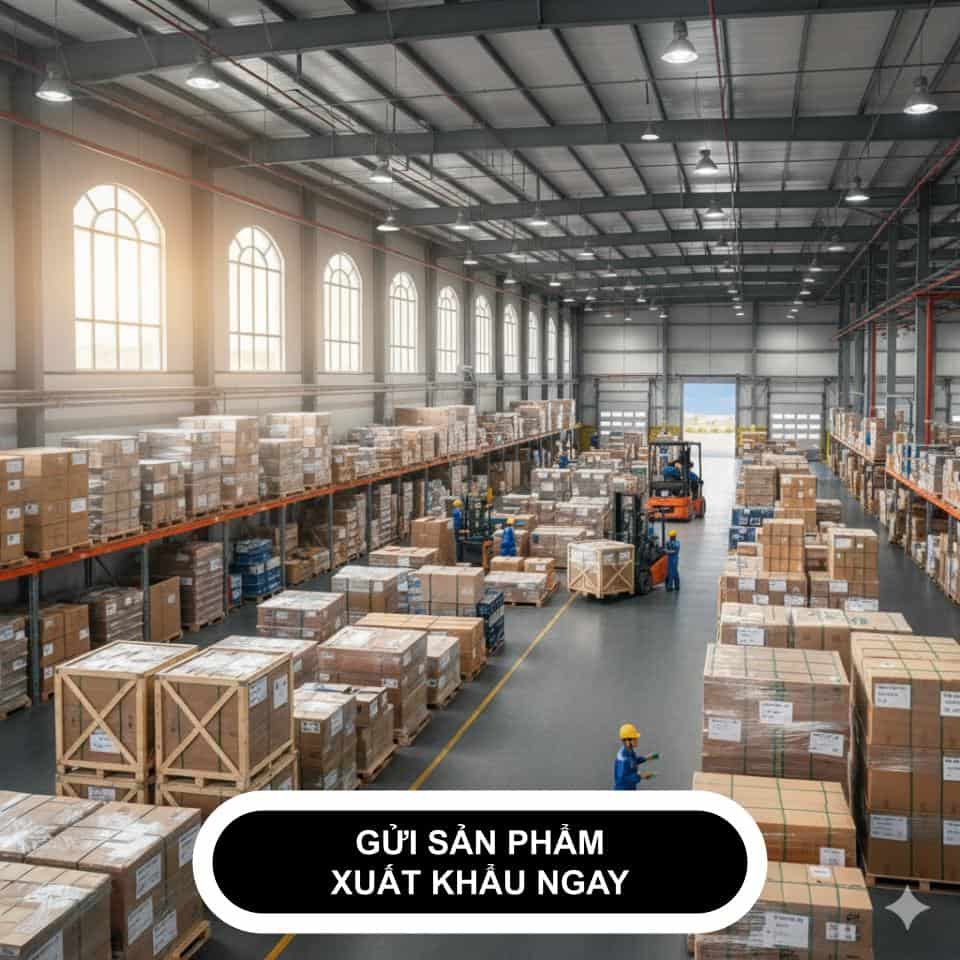
International Market Trends Report
In an increasingly interconnected yet volatile global economy, understanding the forces that shape international markets is paramount for businesses aiming to thrive. This comprehensive international market trends report delves into the macro-economic and geopolitical shifts influencing global trade, consumer demand patterns, and production strategies. Navigating these complex dynamics requires keen global supply chain insights, enabling companies to anticipate disruptions, optimize operations, and identify new growth avenues. From geopolitical flashpoints rerouting essential trade arteries to the rapid evolution of digital commerce, the global landscape demands constant vigilance and strategic adaptation for sustained success.

1. Geopolitical Impact on Trade Routes & Tariffs
The global trade environment remains heavily influenced by an escalating array of geopolitical tensions. Ongoing conflicts, such as the war in Ukraine and instability in the Middle East, continue to disrupt established trade routes, most notably through the Red Sea, leading to increased shipping costs, longer transit times, and heightened insurance premiums. These disruptions compel businesses to rethink their logistical resilience and engage in significant B2B supplier diversification to mitigate risks associated with over-reliance on single regions or transit paths. Furthermore, trade disputes between major economic powers, exemplified by the US-China relationship, continue to spawn new tariffs and non-tariff barriers, reshaping global production networks and incentivizing companies to nearshore or friendshore operations. These geopolitical risks are not merely transient issues but structural shifts that demand long-term strategic adjustments in supply chain planning and market entry strategies.
2. Shifting Consumer Demands & E-commerce Growth
Post-pandemic consumer behavior has undergone a profound transformation, characterized by an increased emphasis on values-driven purchasing. Consumers globally are demanding greater transparency, sustainability, and ethical sourcing from the brands they support. This shift necessitates that suppliers and manufacturers adopt more sustainable practices and communicate their efforts effectively, influencing product design, material sourcing, and logistics. Concurrently, the proliferation of e-commerce continues unabated, propelling cross-border trade to new heights. The convenience and accessibility of online platforms have democratized global purchasing, allowing consumers in diverse markets to access international goods with ease. This trend requires businesses to invest in robust digital infrastructures, localized payment solutions, and efficient last-mile delivery networks, particularly when targeting emerging export markets intelligence. Companies that can swiftly adapt to these evolving digital landscapes and consumer preferences will gain a significant competitive edge in this dynamic international market trends report landscape.
3. Regional Economic Growth & Decline Forecasts
Analyzing regional economic trajectories reveals a divergent global landscape. While advanced economies like those in Europe face challenges stemming from energy crises, persistent inflation, and labor shortages, leading to tempered growth forecasts, regions such as Southeast Asia, India, and parts of Latin America continue to demonstrate robust expansion. These emerging export markets intelligence regions are characterized by growing middle classes, rapid urbanization, and significant infrastructure investments, making them attractive destinations for foreign direct investment and export-oriented businesses. However, the global economic outlook remains shadowed by fluctuating global commodity prices analysis, influenced by supply-demand imbalances, geopolitical events, and climate change impacts, which can significantly affect manufacturing costs and consumer purchasing power worldwide. For businesses seeking comprehensive global supply chain insights, monitoring these regional shifts and their underlying economic indicators is critical for strategic market entry and resource allocation, ensuring resilience against localized downturns and capitalizing on burgeoning opportunities.
In an era defined by geopolitical shifts, climate change impacts, and unprecedented market volatility, the robustness of a company’s supply chain is paramount. Relying on a singular source or region for critical B2B components and services is no longer a viable strategy. Instead, Global supply chain insights consistently point towards strategic B2B supplier diversification as the cornerstone of resilience. Companies are increasingly seeking to de-risk their operations, moving beyond cost-centric sourcing to embrace a more balanced approach that prioritizes continuity and adaptability. An international market trends report would highlight the growing imperative for businesses to build supply chains that can withstand disruptions, a move critical for long-term stability and competitive advantage.
1. Risk Mitigation through Multi-Region Sourcing
One of the most effective strategies for de-risking a supply chain involves adopting a multi-region sourcing model. This approach deliberately spreads the procurement of critical materials, components, and services across various geographical locations and political jurisdictions. By doing so, businesses significantly reduce their exposure to localized disruptions, whether they stem from natural disasters, geopolitical tensions, labor disputes, or trade policy shifts in a single region. For instance, if a key manufacturing hub in one country faces an unforeseen shutdown, an alternative supplier in another region can step in to maintain production. This geographical redundancy not only safeguards against immediate operational halts but also provides leverage in negotiations and buffers against sudden fluctuations, a critical factor often illuminated by a Global commodity prices analysis. Moving beyond single-source reliance towards a diversified geographical footprint is a fundamental step in building a truly resilient B2B supply chain.
2. Building Resilient Supplier Networks
Beyond geographical spread, true resilience hinges on the quality and strength of supplier relationships. Building resilient supplier networks involves moving away from purely transactional interactions towards strategic, collaborative partnerships. This necessitates rigorous vetting processes for potential new partners, focusing not just on price and quality, but also on their operational stability, ethical practices, and capacity for innovation. For existing suppliers, it means fostering transparency, sharing long-term demand forecasts, and even collaborating on risk assessment and mitigation strategies. Effective B2B supplier diversification also extends to establishing clear communication channels, implementing robust contingency plans, and regularly reviewing supplier performance against agreed-upon resilience metrics. A strong network acts as an early warning system, allowing companies to anticipate and react to potential disruptions more swiftly, transforming potential crises into manageable challenges through collective effort and shared responsibility.
3. Onshoring, Nearshoring, and Friendshoring Debates
The quest for supply chain resilience has ignited significant debates around sourcing strategies like onshoring, nearshoring, and friendshoring. Onshoring refers to bringing production back to the company’s home country, often driven by government incentives, intellectual property protection, or a desire for tighter quality control. While it can reduce lead times and shipping costs, it may increase labor expenses. Nearshoring involves relocating production to nearby countries, typically sharing a border or a similar time zone. This offers a balance between cost efficiencies and reduced geographical distance, facilitating easier communication and quicker transport. Examples include US companies sourcing from Mexico or European firms from Eastern Europe. Friendshoring, a more recent concept, emphasizes sourcing from countries considered geopolitical allies, aligning supply chains with national security and foreign policy objectives to mitigate political risks. This strategy often emerges from geopolitical instability and the desire to build trusted trade partnerships. Each approach presents unique trade-offs concerning cost, speed, and risk. Decisions are often complex, requiring a careful assessment of labor costs, infrastructure, political stability, and effective global supply chain resilience strategies. Companies must weigh the advantages of reduced lead times and enhanced control against potential higher costs and the need to invest in new infrastructure, often informed by emerging export markets intelligence.
Global Commodity Prices Analysis
A deep dive into the factors influencing key global commodity prices, their volatility, and impact on production costs, logistics, and profit margins across industries.
The intricate web of global commerce is increasingly sensitive to fluctuations in commodity markets. For businesses operating within complex Global supply chain insights, understanding these shifts is not merely beneficial—it’s imperative for survival and sustained profitability. From the raw materials that fuel manufacturing to the energy that powers transportation, commodity prices dictate fundamental operating expenses, influencing everything from production costs and logistics expenditures to the ultimate profit margins across a spectrum of industries. The inherent volatility of these markets, driven by a confluence of geopolitical events, economic policies, supply-demand dynamics, and environmental factors, presents both significant challenges and strategic opportunities for agile enterprises.
1. Energy, Metals, and Agricultural Commodity Forecasts
Grasping the future trajectory of energy, metals, and agricultural commodities is paramount for strategic planning. Energy prices, particularly crude oil and natural gas, are highly susceptible to geopolitical tensions, OPEC+ decisions, and global economic growth forecasts. Surges in energy costs directly impact transportation, manufacturing, and even agricultural input expenses, causing ripple effects throughout the supply chain. Metals, vital for construction, automotive, and technology sectors, react to industrial demand, mining output, and inventory levels. Base metals like copper and aluminum often serve as bellwethers for economic health, while precious metals like gold and silver respond to investor sentiment and inflation concerns. Agricultural commodities, on the other hand, are influenced by weather patterns, crop yields, government subsidies, and shifting dietary preferences. For comprehensive International market trends report, authoritative sources like the World Bank’s Commodity Markets Outlook provide invaluable insights, helping businesses anticipate future price movements and adjust their procurement strategies accordingly. Accurate forecasting in these sectors is critical for mitigating risks and optimizing resource allocation.

2. Inflationary Pressures and Cost Management
Persistent increases in global commodity prices are a primary driver of inflationary pressures, directly impacting a company’s bottom line. When the cost of raw materials, fuel, and essential agricultural products rises, businesses face the difficult choice of absorbing these costs, passing them on to consumers, or finding innovative ways to manage expenses. Effective cost management in such an environment requires a multi-faceted approach. Hedging strategies, such as futures and options contracts, can lock in prices for future deliveries, providing a degree of predictability. Establishing long-term supply agreements with fixed or capped prices can also insulate businesses from short-term market volatility. Furthermore, exploring B2B supplier diversification becomes crucial, as it allows companies to negotiate better terms, reduce reliance on a single source, and leverage competitive pricing from various regions or producers. Investing in process efficiencies, adopting lean manufacturing principles, and optimizing energy consumption are internal measures that can significantly offset rising input costs, thereby protecting profit margins and maintaining competitive pricing in the market.
3. Inventory Optimization in Volatile Markets
Managing inventory in a landscape characterized by fluctuating commodity prices presents a unique challenge. Too much inventory risks holding depreciating assets if prices fall, incurring higher storage costs, and tying up capital. Too little inventory, conversely, can lead to production stoppages, missed sales opportunities, and the need to purchase materials at peak prices if market conditions suddenly tighten. Effective inventory optimization hinges on real-time Global commodity prices analysis and robust demand forecasting. Businesses can adopt dynamic inventory models that adjust stock levels based on price forecasts, lead times, and anticipated consumption. Just-in-time (JIT) strategies, while reducing holding costs, carry higher risk in volatile markets unless coupled with strong supplier relationships and rapid resupply capabilities. Conversely, strategic stockpiling of critical, non-perishable commodities when prices are favorable can act as a buffer against future price spikes. Leveraging Emerging export markets intelligence can also inform inventory decisions, identifying new sourcing opportunities or potential demand shifts that might impact material availability and pricing. Balancing inventory levels to minimize risk while ensuring continuity of supply is a delicate act, requiring sophisticated analytics and a proactive approach to market intelligence.
In conclusion, navigating the complexities of global commodity prices is a continuous process that demands vigilance, strategic foresight, and adaptive operational models. By diligently analyzing market forecasts, implementing robust cost management strategies, and optimizing inventory levels, businesses can transform potential threats into opportunities, fostering resilience and sustained growth in an ever-evolving global economy.
Emerging Export Markets Intelligence
Identify new growth opportunities by examining promising emerging export markets, their regulatory landscapes, consumer potential, and infrastructure developments.
In an increasingly interconnected yet volatile global economy, navigating the complexities of international trade demands acute foresight and strategic agility. For businesses aiming for sustainable growth and Global supply chain insights, focusing on emerging export markets is no longer optional but a strategic imperative. This proactive approach, fueled by robust emerging export markets intelligence, enables significant B2B supplier diversification, mitigates risks associated with over-reliance on traditional markets, and unlocks substantial new revenue streams. By meticulously analyzing international market trends report data and understanding granular shifts in consumer behavior and industrial demands, companies can position themselves advantageously for future expansion.
1. High-Growth Regions for Export Expansion
Identifying regions poised for significant economic expansion is the cornerstone of any successful export strategy. While established markets offer stability, emerging economies often present higher growth ceilings due to burgeoning middle classes, rapid urbanization, and significant infrastructure investments. Regions like Southeast Asia (e.g., Vietnam, Indonesia, Philippines), parts of Africa (e.g., Egypt, Nigeria, Kenya), and specific Latin American countries (e.g., Mexico, Colombia) consistently feature in high-growth projections. These markets are driven by demographic dividends, increasing disposable incomes, and a growing demand for both consumer goods and industrial components. For instance, Vietnam’s manufacturing prowess and integration into global value chains make it a compelling hub for various industries, from electronics to textiles. Moreover, understanding the interplay of global commodity prices analysis within these regions is crucial, as it often dictates the cost-effectiveness of local production and the viability of exportable goods. Companies need to conduct thorough market scanning, leveraging insights from comprehensive global trade statistics and economic forecasts, such as those provided by organizations monitoring world trade developments.
2. Regulatory Hurdles and Compliance Strategies
While the allure of high-growth markets is strong, exporters must prepare for diverse and often complex regulatory landscapes. Navigating customs procedures, understanding varying tariff and non-tariff barriers, intellectual property rights protection, and local labor laws are critical. Each emerging market presents its unique set of challenges, ranging from bureaucratic inefficiencies to evolving environmental and product safety standards. A proactive compliance strategy involves thorough due diligence, often requiring engagement with local legal and consulting firms. Developing robust internal compliance frameworks that are adaptable to different national requirements is essential. Furthermore, staying abreast of free trade agreements (FTAs) and preferential trade arrangements specific to target markets can provide significant competitive advantages, reducing costs and streamlining market access. Ignoring these regulatory nuances can lead to costly delays, penalties, or even market exclusion, underscoring the vital role of meticulous emerging export markets intelligence.
3. Local Market Entry & Distribution Insights
Successful market entry into emerging economies demands a nuanced understanding of local distribution channels and consumer behavior. Generic approaches often fail. Companies must evaluate various entry models, from direct exports and utilizing local agents or distributors to establishing joint ventures or wholly-owned subsidiaries, each with its own risk-reward profile. Infrastructure quality, logistics capabilities, and the prevalence of e-commerce vary significantly across these markets, impacting distribution strategies. For example, while urban centers might have sophisticated logistics networks, rural areas could present last-mile delivery challenges requiring creative solutions. Cultural sensitivity in marketing, product adaptation to local tastes and preferences, and understanding local purchasing power are equally paramount. Effective global supply chain insights are vital here, not just for sourcing but also for optimizing the journey from production to the end consumer in these diverse territories. Building strong relationships with local partners who possess deep market knowledge and established networks is often the key to unlocking efficient distribution and achieving sustainable market penetration.
Ultimately, a data-driven approach to emerging export markets intelligence, combined with strategic planning and adaptive execution, empowers businesses to confidently explore new horizons, achieve significant B2B supplier diversification, and secure a resilient position in the evolving global trade landscape.
Future-Proofing Your Supply Chain in 2025 and Beyond
In an increasingly interconnected yet volatile global landscape, the traditional supply chain model is no longer sufficient. Businesses worldwide are grappling with unprecedented challenges, from geopolitical shifts and climate change impacts to rapid technological advancements. This Global supply chain insights report summarizes key takeaways, offering actionable recommendations to help organizations build agile, resilient, and sustainable supply chains capable of navigating future uncertainties. The imperative is clear: transform your operations now to secure a competitive advantage in the years to come. Understanding international market trends report, optimizing B2B supplier diversification, and conducting thorough global commodity prices analysis are no longer options but necessities for proactive decision-making and exploring emerging export markets intelligence.

1. Leveraging AI and Data Analytics for Predictive Insights
The era of reactive supply chain management is over. Forward-thinking organizations are increasingly harnessing the power of Artificial Intelligence (AI) and advanced data analytics to move towards predictive and prescriptive models. AI-driven platforms can analyze vast datasets, including historical sales, weather patterns, social media trends, and geopolitical developments, to generate highly accurate demand forecasts. This allows businesses to optimize inventory levels, reduce waste, and pre-empt potential disruptions. Beyond demand planning, AI excels in identifying supply chain vulnerabilities, assessing supplier risk profiles, and even optimizing logistics routes in real-time. Implementing machine learning algorithms for anomaly detection can flag unusual order patterns or sudden price fluctuations, enabling managers to intervene before minor issues escalate into major crises. Investing in robust data infrastructure and skilled data scientists is paramount to unlock the full potential of these technologies, transforming raw data into actionable intelligence that drives efficiency and resilience.
2. Sustainability and ESG in Supply Chain Operations
Sustainability is no longer a peripheral concern but a core strategic pillar for modern supply chains. Environmental, Social, and Governance (ESG) factors are increasingly influencing consumer choices, investor decisions, and regulatory frameworks. Future-proofing your supply chain means embedding ethical sourcing, environmental responsibility, and social equity into every operational layer. This includes meticulously tracking and reducing carbon footprints across logistics and production, exploring circular economy principles to minimize waste, and ensuring fair labor practices throughout the supplier network. Businesses must demand transparency from their partners, utilizing blockchain technology to trace product origins and verify compliance with sustainability standards. Robust ESG reporting not only enhances brand reputation but also mitigates regulatory risks and attracts socially conscious investors. Proactive engagement with sustainable practices fosters long-term resilience, preparing businesses for evolving environmental regulations and consumer expectations.
3. Talent Development for Supply Chain Leadership
While technology is a powerful enabler, the human element remains critical for navigating the complexities of modern supply chains. The future demands a new breed of supply chain leaders equipped with a blend of digital literacy, analytical prowess, global awareness, and adaptive leadership skills. Companies must prioritize comprehensive talent development programs that focus on upskilling existing employees in areas like AI and data analytics, digital twin technologies, and risk management frameworks. Fostering a culture of continuous learning and cross-functional collaboration is essential. Attracting new talent requires showcasing the supply chain profession as a dynamic, impactful career path, offering opportunities for innovation and global engagement. Furthermore, empowering teams with decision-making authority and fostering an environment that encourages experimentation will cultivate the agility needed to respond effectively to unforeseen challenges. Investing in human capital ensures that organizations possess the strategic foresight and operational expertise to leverage technological advancements and lead with purpose in a rapidly changing world.
Partner with Vietnam’s Leading Suppliers
Looking for reliable suppliers in Vietnam? Contact VietnamSuppliers.com today to connect with verified manufacturers and exporters across all industries.
—————————————
References
– The Toll of Global Conflict: How Wars Affect Trade, Migration, and Poverty: https://www.worldbank.org/en/news/feature/2024/04/10/the-toll-of-global-conflict-how-wars-affect-trade-migration-and-poverty
– McKinsey & Company’s insights on building supply chain resilience: https://www.mckinsey.com/capabilities/operations/our-insights/building-supply-chain-resilience-lessons-from-the-pandemic
– International market trends report: https://www.worldbank.org/en/research/commodity-markets
– World Trade Statistical Review: https://www.wto.org/english/res_e/statis_e/wts_e.htm
– emerging export markets intelligence: https://www.deloitte.com/us/en/insights/topics/supply-chain/future-of-supply-chain.html