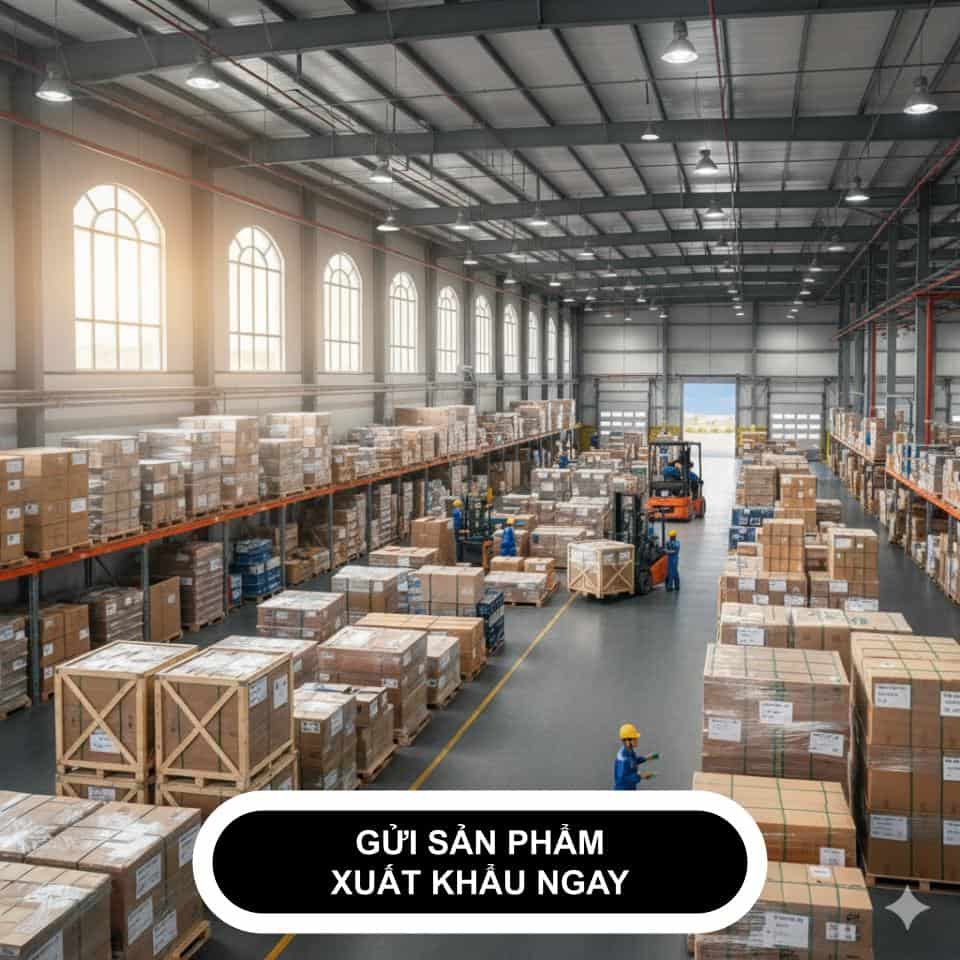
Overview of Global Manufacturing Trade Outlook 2025
The global manufacturing sector is poised for a year of cautious optimism and strategic adaptation in 2025. Following a period of significant volatility and readjustment, the Global Manufacturing Trade Growth Outlook suggests a moderate but steady expansion, driven by a blend of economic recovery, technological advancements, and evolving supply chain dynamics. This high-level forecast anticipates a landscape where resilience and agility will be paramount, particularly in navigating lingering geopolitical uncertainties and embracing sustainable practices. Businesses engaged in B2B manufacturing export trends will find opportunities in diversified markets and specialized product lines, while the broader International industrial sector growth will be underpinned by digital transformation and a renewed focus on localized production alongside global networks.

1. Key Economic Indicators Driving Growth
Several pivotal economic indicators are expected to shape the trajectory of global manufacturing trade in 2025. Forecasts point to a continued, albeit uneven, global GDP recovery, providing a foundational boost to industrial demand. Major economies are anticipated to see inflation gradually normalize, potentially leading to stabilized or slightly reduced interest rates, which could stimulate investment in new manufacturing capacities and technological upgrades. Consumer and business spending, which experienced significant shifts in recent years, is projected to strengthen, particularly in sectors related to electronics, automotive, and capital goods.
Technological advancements, including the widespread adoption of artificial intelligence (AI), automation, and the Internet of Things (IoT), will be crucial drivers. These innovations are enhancing productivity, optimizing production processes, and fostering the development of new, high-value products. Furthermore, persistent energy price volatility remains a concern, pushing manufacturers to invest more heavily in energy efficiency and renewable sources. The interplay of these factors will dictate the pace and nature of International industrial sector growth, encouraging manufacturers to innovate and adapt their operational models.
2. Regional Growth Projections: A Snapshot
The global manufacturing trade landscape in 2025 will feature diverse regional performance. Asia is expected to remain a dominant force, with Asian manufacturing export insights indicating sustained growth, particularly from Southeast Asian nations. These regions are increasingly diversifying their manufacturing base, moving beyond traditional low-cost production to higher-value goods and advanced manufacturing. Intra-regional trade within Asia is also set to expand, bolstering supply chain resilience.
In Europe, a cautious recovery is anticipated, with growth driven by niche high-tech manufacturing and the ongoing green transition, which mandates significant industrial shifts towards sustainable production methods. North America is likely to benefit from robust domestic demand and strategic reshoring initiatives aimed at strengthening local supply chains, contributing to significant B2B manufacturing export trends within the continent. Emerging markets outside of Asia are also expected to contribute to International industrial sector growth, as companies seek to diversify their production footprints and tap into new consumer bases, particularly in Latin America and parts of Africa.
3. Impact of Geopolitical Factors on Trade
Geopolitical dynamics will continue to cast a long shadow over global manufacturing trade in 2025. Trade tensions between major economic blocs, while potentially easing in some areas, could resurface in others, introducing uncertainty through tariffs and non-tariff barriers. Companies are increasingly prioritizing supply chain diversification to mitigate risks associated with political instability and regional conflicts. The ongoing focus on a comprehensive Global supply chain resilience report highlights the strategic shift from efficiency-at-all-costs to a more balanced approach emphasizing security and robustness.
Regional conflicts, particularly in critical shipping lanes, pose significant risks to logistics and commodity prices, necessitating adaptable sourcing and distribution strategies. Furthermore, a calendar packed with significant elections in major economies could introduce policy uncertainty, impacting investment decisions and trade agreements. Manufacturers will need to remain vigilant, closely monitoring political developments and building flexible operational models to navigate these complex geopolitical headwinds effectively and ensure continued International industrial sector growth.
B2B Manufacturing Export Trends & Market Shifts
The landscape of B2B manufacturing exports is undergoing a profound transformation, driven by a confluence of geopolitical shifts, technological advancements, and evolving global demand patterns. As businesses navigate a post-pandemic world, understanding the latest Global Manufacturing Trade Growth Outlook is critical for strategic planning. This section delves into the key export trends, highlighting significant shifts in demand, emerging market opportunities, and the industrial sectors experiencing substantial growth or reinvention.
The emphasis on supply chain diversification and resilience has reshaped manufacturing footprints, pushing companies to explore new sourcing and selling destinations. Simultaneously, a heightened focus on sustainability and digital integration is redefining the value proposition for industrial goods worldwide, influencing B2B manufacturing export trends across the board. The World Trade Organization (WTO) forecasts continued although moderated global trade growth projections, underscoring the dynamic environment manufacturers must adapt to.
1. Emerging Markets for B2B Industrial Exports
The traditional hubs of manufacturing and consumption are experiencing a notable rebalance, with several emerging markets for B2B industrial exports stepping into the limelight. Southeast Asian nations, including Vietnam, Indonesia, and Malaysia, are becoming increasingly vital manufacturing bases and consumer markets for industrial goods. Driven by robust infrastructure development, favorable trade policies, a burgeoning middle class, and a skilled workforce, these regions offer compelling opportunities for manufacturers looking to diversify their export portfolios. Similarly, parts of Latin America and Africa are showing nascent but significant international industrial sector growth, attracting investments in manufacturing and infrastructure projects that subsequently fuel demand for machinery, equipment, and industrial components. These markets are not just sources of competitive labor but are also evolving into significant end-users for sophisticated industrial products, creating new corridors for global trade. Businesses leveraging these shifts often benefit from lower operational costs and access to rapidly expanding customer bases, providing rich Asian manufacturing export insights for future strategies.
2. Technological Adoption Shaping Export Demands
The pervasive adoption of Industry 4.0 technologies is profoundly reshaping both the production processes and the nature of demand in B2B manufacturing exports. Automation, Artificial Intelligence (AI), the Internet of Things (IoT), and advanced robotics are no longer mere buzzwords but essential components of modern industrial operations. This technological paradigm shift is driving demand for new categories of industrial goods, including sophisticated sensors, AI-powered predictive maintenance systems, automated guided vehicles (AGVs), and high-precision machinery. Exporters of industrial technology and specialized components are experiencing significant international industrial sector growth as companies globally seek to upgrade their facilities to enhance efficiency, reduce costs, and improve product quality. Furthermore, the integration of digital tools for supply chain management, from real-time tracking to data analytics, has become crucial for enhancing transparency and resilience. This emphasis on tech-driven solutions is a recurring theme in any Global supply chain resilience report, highlighting how digital transformation directly influences export opportunities for cutting-edge industrial solutions.
3. Shifting Buyer Preferences for Industrial Goods
Buyer preferences in the B2B industrial sector are evolving beyond traditional considerations of price and basic functionality. Today’s industrial buyers are increasingly prioritizing factors such as sustainability, customization, rapid delivery, and comprehensive after-sales support. There’s a growing demand for ‘green’ manufacturing solutions, including energy-efficient machinery, ethically sourced materials, and products with a reduced environmental footprint. This reflects a global commitment to environmental responsibility and influences B2B manufacturing export trends significantly. Furthermore, the need for bespoke solutions that can be seamlessly integrated into existing complex operations is driving demand for modular, adaptable equipment and highly configurable systems. Manufacturers capable of offering tailored products and services, coupled with robust technical support and predictive maintenance, gain a substantial competitive edge. The ability to guarantee quick turnaround times, especially in a world prone to supply chain disruptions, is also a critical differentiator. This shift underscores that successful industrial exporters must now focus on delivering holistic value propositions that address not just immediate operational needs but also long-term strategic objectives and ethical considerations of their clients.
The global industrial sector is undergoing a profound transformation, characterized by dynamic growth, relentless innovation, and a strategic embrace of advanced technologies. The current Global Manufacturing Trade Growth Outlook suggests a landscape shaped by evolving consumer demands, geopolitical shifts, and an urgent need for sustainable practices. This section delves into the intricate growth trajectory of various international industrial segments, highlighting the pivotal roles of innovation, substantial R&D investments, and the transformative impact of automation and digital technologies. Understanding these forces is crucial for navigating the competitive arena of B2B manufacturing export trends and fostering robust International industrial sector growth. As industries worldwide strive for efficiency and resilience, the focus remains sharply on optimizing production, diversifying supply chains, and harnessing technological advancements to secure a competitive edge.
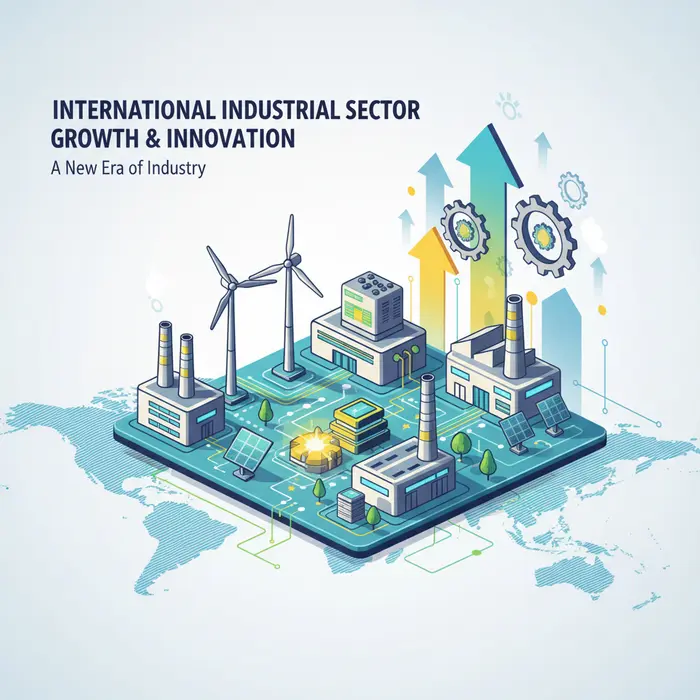
High-Growth Industrial Segments (e.g., EVs, Renewables)
Defining the forefront of International industrial sector growth are segments propelled by sustainable agendas and disruptive technologies. The Electric Vehicle (EV) industry, for instance, is experiencing an exponential surge, driven by increasing environmental awareness, supportive government policies, and advancements in battery technology. This segment not only includes vehicle manufacturing but also extends to the entire value chain, encompassing battery production, charging infrastructure, and component suppliers, generating significant B2B manufacturing export trends. Similarly, the renewable energy sector, particularly solar and wind power, continues its rapid expansion. Global investments in clean energy infrastructure are soaring, creating immense demand for specialized industrial equipment, smart grid technologies, and energy storage solutions. These sectors benefit from continuous innovation in material science and engineering, making them central to the positive Global Manufacturing Trade Growth Outlook and attracting substantial foreign direct investment.
Automation and Digitalization in Manufacturing
The fourth industrial revolution, or Industry 4.0, is fundamentally reshaping manufacturing operations globally. Automation and digitalization are no longer optional but essential for maintaining competitiveness and enhancing operational resilience. Technologies such as Artificial Intelligence (AI), the Internet of Things (IoT), advanced robotics, and big data analytics are being integrated across production lines, transforming everything from predictive maintenance and quality control to supply chain management. This shift directly contributes to improved productivity, reduced costs, and faster time-to-market. Furthermore, the embrace of digital twins and cloud-based platforms is enabling greater visibility and agility, critical factors for strengthening Global supply chain resilience report efforts in the face of disruptions. These digital transformations are key enablers for robust Global Manufacturing Trade Growth Outlook, allowing manufacturers to adapt quickly to market changes and consumer demands.
R&D Investment and Competitive Advantage
Sustained investment in Research and Development (R&D) is the bedrock of competitive advantage and long-term International industrial sector growth. Countries and corporations prioritizing R&D are better positioned to innovate, develop proprietary technologies, and create high-value products that differentiate them in global markets. This is particularly evident in regions like Asia, where aggressive R&D spending fuels advancements in electronics, automotive, and machinery sectors, driving impressive Asian manufacturing export insights. R&D initiatives span from basic scientific research to applied engineering, focusing on areas like new material development, energy efficiency, and advanced manufacturing processes. Such investments not only foster innovation but also attract skilled talent, build intellectual capital, and enhance a nation’s or company’s global standing. According to the Deloitte 2024 Manufacturing Industry Outlook, consistent R&D is crucial for manufacturers to navigate evolving challenges and capitalize on emerging opportunities, underscoring its indispensable role in shaping the future of industrial growth.
In conclusion, the trajectory of International industrial sector growth is dynamically shaped by a confluence of factors: the emergence of high-potential segments like EVs and renewables, the pervasive integration of automation and digitalization, and the unwavering commitment to R&D. For businesses navigating this intricate global landscape, strategic investment in these areas is paramount not only for achieving significant B2B manufacturing export trends but also for building sustainable competitive advantages and fostering resilience in an ever-evolving market.
Global Supply Chain Resilience & Risk Management
The intricate web of global supply chains, once hailed for its efficiency and cost-effectiveness, has in recent years faced unprecedented stress tests. From the immediate shockwaves of the COVID-19 pandemic to escalating geopolitical tensions, trade disputes, and the growing frequency of extreme weather events, the imperative for robust Global Manufacturing Trade Growth Outlook has shifted dramatically from mere optimization to resilience and adaptability. As B2B manufacturing export trends evolve and international industrial sector growth continues to be a driving force, understanding and mitigating supply chain risks are no longer optional but fundamental to sustained economic health and competitive advantage.
1. Lessons Learned from Recent Supply Chain Disruptions
Recent years have served as a stark classroom for global businesses, revealing profound vulnerabilities within their supply networks. The initial scramble for Personal Protective Equipment (PPE) during the pandemic, followed by semiconductor shortages that crippled automotive production and electronics, underscored an over-reliance on single-source suppliers and a prevailing just-in-time (JIT) philosophy that prioritized lean inventories above all else. Geopolitical events, such as regional conflicts and trade sanctions, have further complicated sourcing strategies, while natural disasters like floods and typhoons have demonstrated the fragility of concentrated production hubs. These disruptions highlighted a critical lack of end-to-end visibility, making it nearly impossible for many companies to anticipate, react to, or even fully comprehend the cascading effects of unforeseen events. The collective experience has necessitated a paradigm shift, moving away from a sole focus on efficiency to a balanced approach that integrates risk management, redundancy, and agility, as detailed in various analytical publications, including the insightful perspectives found in the latest global supply chain resilience report.
2. Diversification and Nearshoring Strategies
In response to these learned lessons, companies are actively pursuing strategies to de-risk their supply chains, with diversification and nearshoring emerging as prominent solutions. Diversification involves broadening the base of suppliers and manufacturing locations across different geographies to reduce dependence on any single region or vendor. This multi-sourcing approach provides alternatives should one node in the chain face disruption, thereby bolstering overall resilience. Concurrently, nearshoring and reshoring initiatives are gaining traction. Nearshoring involves relocating production closer to the primary market, often to neighboring countries, while reshoring brings manufacturing back to the home country. These strategies aim to shorten lead times, reduce transportation costs and carbon footprint, minimize exposure to distant geopolitical risks, and enhance quality control. While they may entail higher initial capital investment or labor costs compared to traditional offshore models, the benefits in terms of supply reliability, responsiveness to demand shifts, and reduced vulnerability to external shocks are becoming increasingly compelling. For many, this represents a strategic re-evaluation of the traditional advantages of leveraging Asian manufacturing export insights, balancing cost savings with the imperative for security and control.
3. Technology’s Role in Supply Chain Visibility and Security
Technology is the linchpin in building the next generation of resilient and transparent supply chains. Advanced digital tools are revolutionizing how companies manage and monitor their global networks. Artificial Intelligence (AI) and Machine Learning (ML) can analyze vast datasets to predict potential disruptions, optimize inventory levels, and identify alternative routes or suppliers in real-time. The Internet of Things (IoT) provides unprecedented visibility, enabling real-time tracking of goods from origin to destination, monitoring environmental conditions, and ensuring product integrity. Blockchain technology offers a secure, immutable ledger for transactions and product traceability, enhancing transparency and combating counterfeiting. Furthermore, big data analytics platforms aggregate information from across the supply chain, providing critical insights into performance, risks, and opportunities for improvement. These technologies not only enhance operational efficiency but also bolster security against cyber threats and improve regulatory compliance, creating a more secure and responsive environment for B2B manufacturing export trends and sustained international industrial sector growth. The strategic adoption of these digital solutions is pivotal for businesses aiming to navigate an increasingly complex global trade landscape with confidence.
Asian Manufacturing Export Insights & Future Dominance
Asia stands undeniably at the forefront of global manufacturing, a position solidified by decades of strategic development, technological adoption, and a vast, skilled workforce. The continent’s manufacturing export landscape is a dynamic ecosystem, continuously evolving as major economies redefine their roles and new regional powerhouses emerge. Understanding these intricate dynamics is crucial for businesses navigating Global Manufacturing Trade Growth Outlook and seeking insights into future industrial trends. This section delves into the specific forces shaping Asian manufacturing exports, offering a comprehensive view of the continent’s unwavering journey towards future dominance in international industrial sector growth.
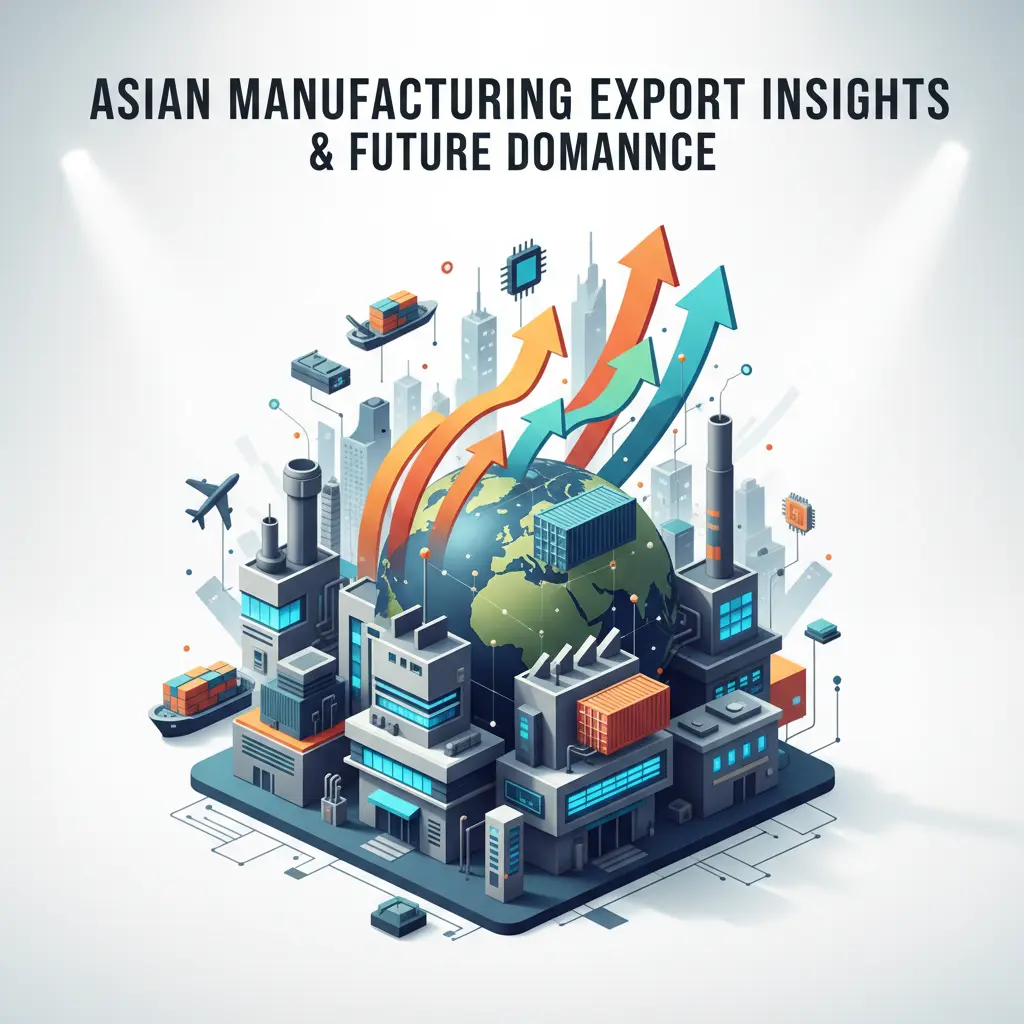
1. China’s Evolving Role in Global Production
Once synonymous with low-cost, high-volume production, China’s manufacturing sector is undergoing a profound transformation. The nation is strategically pivoting away from its “world’s factory” moniker for basic goods towards high-value, high-tech manufacturing, propelled by initiatives like “Made in China 2025.” This shift is evident in its increasing exports of robotics, electric vehicles, advanced electronics, and renewable energy components. Automation and sophisticated R&D are now central to China’s industrial policy, aiming to dominate next-generation technologies. While rising labor costs and geopolitical considerations have led some multinational corporations to adopt a “China Plus One” strategy, diversifying their supply chains, China remains an indispensable component of the global supply chain resilience report. Its immense domestic market also allows it to absorb significant production, further refining its industrial capabilities before outward export. This evolution ensures China’s continued, albeit redefined, influence on B2B manufacturing export trends, moving from quantity to quality and innovation.
2. Rise of Southeast Asian Manufacturing Hubs
The “China Plus One” strategy has significantly accelerated the ascent of Southeast Asian nations as formidable manufacturing hubs. Countries like Vietnam, Thailand, Indonesia, Malaysia, and the Philippines are attracting substantial foreign direct investment, driven by competitive labor costs, improving infrastructure, and favorable trade agreements. Vietnam, in particular, has emerged as a textile and electronics manufacturing powerhouse, benefiting from its strategic location and numerous free trade agreements. Thailand excels in automotive production and food processing, while Malaysia is a key player in semiconductors and electrical components. Indonesia, with its vast population and resources, is developing robust capabilities in various sectors, including textiles and automotive. These nations offer diversification options for global companies, contributing significantly to the overall Global Manufacturing Trade Growth Outlook. Their collective growth signifies a broader distribution of manufacturing prowess across Asia, enhancing the continent’s overall resilience and competitive edge in global markets. This decentralization fosters healthier competition and innovation, driving specific regional manufacturing export trends.
3. India’s Potential as an Export Powerhouse
India, with its colossal domestic market and burgeoning young workforce, is increasingly recognized for its immense potential to become a global manufacturing and export powerhouse. The “Make in India” initiative, launched in 2014, has been instrumental in attracting investment and fostering indigenous manufacturing across various sectors, including automotive, electronics, pharmaceuticals, and defense. India’s strengths lie in its vast pool of engineering talent, a rapidly expanding consumer base that can absorb domestic production, and improving infrastructure. While it has traditionally faced challenges related to ease of doing business and infrastructure bottlenecks, significant progress is being made. The government’s focus on production-linked incentive (PLI) schemes is further encouraging both local and foreign companies to set up manufacturing facilities, aiming to boost exports and integrate India more deeply into global supply chains. As global companies seek further diversification and alternative production bases, India’s strategic geographic location, coupled with its demographic dividends, positions it as a critical contender for future Global Manufacturing Trade Growth Outlook dominance, especially in areas requiring skilled labor and digital capabilities.
In conclusion, the Asian manufacturing export landscape is characterized by constant innovation and adaptation. While China continues its high-tech evolution, Southeast Asia offers diversified and cost-effective alternatives, and India stands on the cusp of realizing its vast manufacturing potential. Together, these dynamics underscore Asia’s enduring and expanding role in shaping the future of global manufacturing and trade.
Partner with Vietnam’s Leading Suppliers
Looking for reliable suppliers in Vietnam? Contact VietnamSuppliers.com today to connect with verified manufacturers and exporters across all industries.
—————————————
References
– Asian manufacturing export insights: https://www.wto.org/english/news_e/pres24_e/pr954_e.htm
– World Trade Organization (WTO) – Trade forecast press release: https://www.wto.org/english/news_e/pres24_e/pr954_e.htm
– Deloitte 2024 Manufacturing Industry Outlook: https://www2.deloitte.com/us/en/pages/manufacturing/articles/manufacturing-industry-outlook.html
– global supply chain resilience report: https://www.mckinsey.com/capabilities/operations/our-insights/resilience-for-reliability-a-new-paradigm-for-global-supply-chains
– WTO – Goods trade rebound: https://www.wto.org/english/news_e/pres24_e/pr954_e.htm