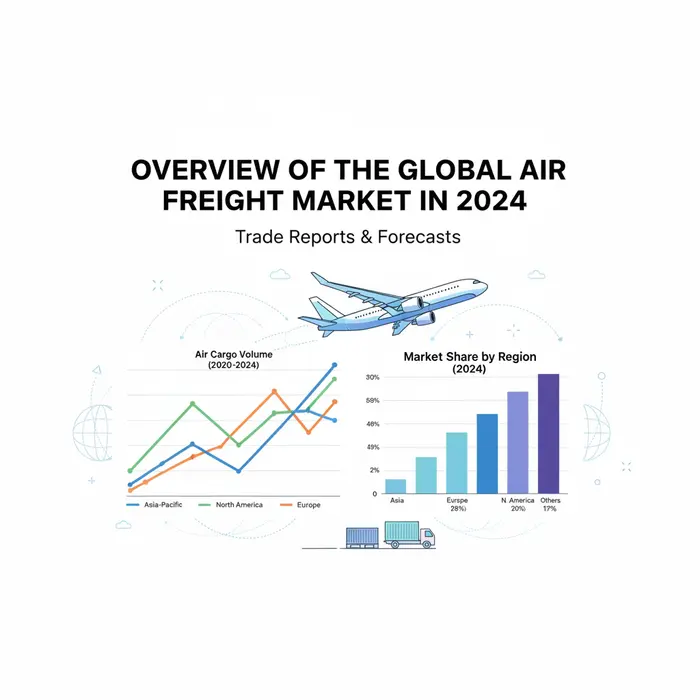
Overview of the Global Air Freight Market in 2024
The global air freight market in 2024 presents a complex picture of resilience, adaptation, and evolving dynamics. As a critical pillar of global supply chain logistics, air cargo continues to navigate a landscape shaped by geopolitical tensions, shifting economic forces, and technological advancements. This section provides a comprehensive look at the current state of the market, highlighting key performance indicators and the economic backdrop shaping its trajectory, offering valuable insights into the prevailing Global Air Freight Market Trends 2024.
1. Current Market Landscape & Performance Metrics
The first half of 2024 has shown a cautiously optimistic outlook for the global air freight market. After a period of significant volatility post-pandemic, the market is demonstrating signs of stabilization, with a gradual increase in demand. Performance metrics indicate a recovery in freight tonne kilometers (FTKs), driven primarily by a resurgence in manufacturing output and inventory restocking cycles in key regions. While international air cargo rates have somewhat normalized from their peak pandemic levels, they remain sensitive to capacity fluctuations and regional demand surges. The current Air Freight Capacity Outlook suggests a more balanced supply-demand environment compared to previous years, albeit with continued pressure on specific trade lanes due to belly capacity constraints on passenger flights. This delicate balance underscores the need for agile Global Supply Chain Logistics solutions to adapt to rapid changes.
2. Key Drivers & Restraints for Growth
Several pivotal factors are influencing the air freight market’s trajectory in 2024. The unrelenting growth of e-commerce remains a primary driver, particularly for time-sensitive deliveries and high-value goods, fueling consistent demand for air cargo services. This surge is creating new opportunities for B2B Freight Forwarding Solutions that can integrate seamlessly with online retail platforms. Conversely, geopolitical events, such as ongoing conflicts and trade disputes, act as significant restraints. These events disrupt traditional trade routes, increase operational costs due to longer flying times and higher insurance premiums, and introduce an element of unpredictability into global logistics planning. Furthermore, economic slowdowns in major consumer markets and persistent inflationary pressures can temper consumer spending, indirectly impacting air freight volumes. Regulatory pressures regarding sustainability and carbon emissions are also pushing carriers and forwarders to invest in greener technologies and more efficient operations, adding another layer of complexity to the market.
3. Regional Performance Highlights and Disparities
The Global Air Freight Market Trends 2024 reveal notable disparities in regional performance. Asia-Pacific continues to be a powerhouse, driven by robust manufacturing sectors in countries like China and Vietnam, coupled with thriving e-commerce export markets. Demand from this region remains strong, particularly towards North America and Europe, though intra-Asia trade is also a significant contributor. North America shows steady demand, supported by a resilient economy and consumer spending, albeit with some inventory adjustments influencing import volumes. Europe, on the other hand, presents a more mixed picture. While certain corridors show strength, the region’s overall performance is affected by ongoing geopolitical instability, high energy costs, and inflationary pressures impacting industrial output and consumer confidence. The Middle East and Africa regions are emerging as increasingly important transit hubs, leveraging their strategic geographical locations to facilitate East-West trade flows, showing promising growth in connectivity and cargo volumes. These regional nuances necessitate tailored strategies for carriers and logistics providers to capitalize on growth opportunities and mitigate risks effectively.
Decoding International Air Cargo Rates & Pricing Dynamics
In the intricate world of global trade, understanding International Air Cargo Rates is paramount for businesses seeking efficiency and profitability. The dynamic interplay of supply, demand, and a myriad of external economic forces dictates pricing across diverse trade lanes, making strategic forecasting and agile decision-making critical. This section will dive deep into the factors influencing air cargo rates, providing essential insights into the Global Air Freight Market Trends 2024 and strategies to navigate its inherent volatility.
1.
Factors Influencing Rate Fluctuations
The cost of air cargo is far from static, influenced by a complex web of variables. Foremost among these are fuel prices, which constitute a significant portion of an airline’s operating expenses. Geopolitical events, refinery output, and global crude oil demand can cause rapid shifts, directly impacting freight surcharges. Labor costs, including pilot salaries, ground staff wages, and handling expenses, also play a crucial role, particularly in regions with high living standards or strong labor unions. Furthermore, the fundamental economic principles of capacity and demand are central. During peak seasons (e.g., pre-holiday rush, new product launches) or disruptions (e.g., port congestion shifting demand to air), demand often outstrips available air freight capacity, leading to price surges. Conversely, during periods of low demand or increased aircraft availability, rates tend to soften. Regulatory changes, such as new environmental mandates or security protocols, can also add to operational costs, which are then passed on to shippers. Finally, broader economic health indicators—like GDP growth, manufacturing output, and consumer spending—directly correlate with freight volumes and, consequently, pricing.
2.
Analysis of Major Trade Lane Rate Disparities
A granular look at the Global Supply Chain Logistics reveals significant rate disparities across major trade lanes. For instance, the Trans-Pacific Eastbound (TPEB) route (Asia to North America) often commands higher rates than the Trans-Pacific Westbound (TPWB) route. This imbalance is primarily due to the vast volume of manufactured goods flowing from Asia to North America, creating a directional flow disparity. Airlines flying back to Asia often have surplus capacity, leading to lower rates for westbound shipments. Similarly, the Asia-Europe lane experiences similar dynamics, with eastbound rates typically higher due to strong export volumes from Asian manufacturing hubs. The Trans-Atlantic lane (North America-Europe) often presents a more balanced two-way flow, although specific seasonal demands or product types can still create temporary imbalances. Factors contributing to these disparities include: the type of goods being shipped (e.g., high-value electronics versus bulk commodities), the presence of major e-commerce players driving demand, local port and airport infrastructure, and the competitive landscape among airlines and freight forwarders operating on specific routes. Understanding these route-specific nuances is crucial for strategic planning and budgeting in International Air Cargo Rates.
3.
Strategies for Optimizing Freight Costs in a Volatile Market
Navigating the unpredictable nature of international air cargo rates requires proactive strategies. One effective approach involves exploring diverse B2B Freight Forwarding Solutions. Partnering with multiple forwarders or leveraging their consolidated buying power can unlock better rates and greater flexibility. Long-term contracts, while carrying inherent risks in a volatile market, can offer price stability for a portion of your freight volume. However, a flexible strategy that allows for spot market engagement when rates are favorable is equally important. Businesses should also regularly monitor the Global Air Freight Market Trends 2024 and the broader Air Freight Capacity Outlook to anticipate future pricing shifts. This involves utilizing data analytics and predictive tools to forecast demand and capacity. Optimizing shipment dimensions and weight through efficient packaging can also reduce costs, as air cargo pricing is often based on chargeable weight (the greater of actual weight or volumetric weight). For less urgent shipments, considering multimodal options, such as sea-air combinations, can offer a cost-effective alternative while still providing faster transit than pure ocean freight. Finally, investing in robust supply chain visibility tools allows companies to react swiftly to disruptions and adjust their shipping strategies accordingly, minimizing unexpected expenses and ensuring timely delivery.
Global Supply Chain Logistics: Air Freight’s Pivotal Role
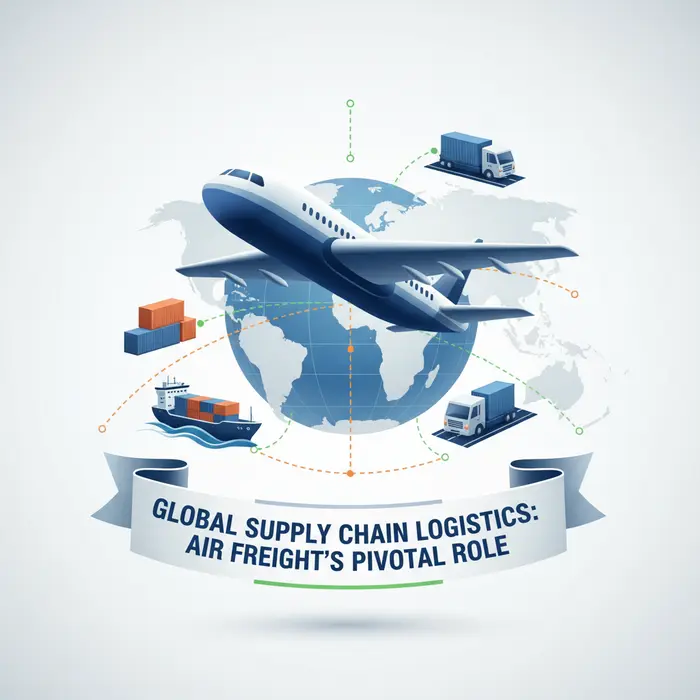
In the intricate web of modern commerce, Global Supply Chain Logistics constantly seeks efficiency, speed, and reliability. Among its various modalities, air freight stands out as a critical enabler, particularly for time-sensitive, high-value, and perishable goods. As businesses navigate complex global markets and unpredictable events, understanding Global Air Freight Market Trends 2024 is paramount. Air cargo’s ability to traverse vast distances rapidly makes it an indispensable component, offering unparalleled agility and a significant competitive edge in international trade. This exploration delves into air freight’s pivotal role, examining its importance for urgent cargo, its capacity to build resilience against disruptions, and its evolving integration into sophisticated logistics strategies.
1. Air Freight’s Indispensability in Modern Supply Chains
The speed of air freight is its most defining attribute, transforming it from a luxury service to a fundamental pillar of global commerce. For industries where rapid delivery is non-negotiable – such as pharmaceuticals, high-tech electronics, fashion, and automotive parts – air cargo ensures that production lines remain operational and consumer demands are met promptly. This speed minimizes inventory holding costs, reduces lead times, and supports just-in-time (JIT) manufacturing principles. Moreover, the secure and controlled environment of air cargo transport is vital for high-value items, reducing the risk of damage or theft. The proliferation of e-commerce has further amplified air freight’s importance, with consumers expecting increasingly faster delivery times for international purchases. Businesses leveraging expert B2B Freight Forwarding Solutions understand that efficient air cargo operations are not just about transport; they’re about maintaining competitive advantage, accessing new markets quickly, and fulfilling customer expectations in an ever-accelerating global economy. The dynamics of International Air Cargo Rates often reflect the urgency and value associated with these shipments, highlighting air freight’s premium but essential service.
2. Addressing Supply Chain Disruptions & Building Resilience
Recent years have underscored the fragility of global supply chains, making resilience a top priority for businesses worldwide. Air freight plays a crucial role in mitigating the impact of disruptions, whether caused by natural disasters, geopolitical events, port congestion, or sudden spikes in demand. Its inherent flexibility allows for rapid rerouting and quick adaptation to changing circumstances, offering a lifeline when other modes of transport are stalled. For instance, during the initial phases of the COVID-19 pandemic, air cargo was instrumental in distributing essential medical supplies, demonstrating its critical function as an emergency response mechanism. The strategic deployment of air freight can prevent costly production shutdowns, minimize stockouts, and maintain market supply, thereby safeguarding revenue and customer trust. Monitoring the Air Freight Capacity Outlook becomes vital for businesses to anticipate and plan for potential bottlenecks or opportunities. According to IATA’s latest market analysis on air cargo, the sector continues to demonstrate robust adaptability. By providing a reliable express option, air freight allows companies to react swiftly to unforeseen challenges, converting potential crises into manageable situations and enhancing overall supply chain robustness. This adaptability is a key reason why Global Supply Chain Logistics strategists consistently integrate air freight into their contingency plans.
3. Integration of Air Freight with Multimodal Logistics Solutions
While air freight excels in speed, true efficiency in Global Supply Chain Logistics often lies in its seamless integration with other transportation modes. Multimodal solutions combine the speed of air with the cost-effectiveness and capacity of ocean, road, or rail freight, creating optimized end-to-end supply chains. This strategic integration is crucial for maximizing efficiency and reducing overall transit times and costs. For example, air cargo might handle the long-haul, time-critical segment, with road transport managing the first and last-mile deliveries from and to airports. Advanced logistics technologies, including real-time tracking, predictive analytics, and digital platforms, are facilitating this integration, offering greater visibility and control over shipments across different modalities. Leading B2B Freight Forwarding Solutions providers are at the forefront of developing these integrated services, ensuring smooth transitions between air, sea, and land. This comprehensive approach not only streamlines operations but also provides greater flexibility in route planning and pricing, allowing businesses to tailor their logistics strategies precisely to their unique needs and budget constraints, ultimately contributing to more efficient and responsive global trade.
In conclusion, air freight’s role in Global Supply Chain Logistics is undeniable and continuously expanding. Its unmatched speed, resilience in the face of disruption, and increasingly sophisticated integration into multimodal networks underscore its pivotal position. As global trade continues to evolve and demands for speed and reliability intensify, air freight will remain a cornerstone, enabling businesses to navigate complexities, seize opportunities, and maintain a competitive edge in the dynamic international marketplace. The future of global commerce will undoubtedly rely even more heavily on its agility and reach.
Air Freight Capacity Outlook & Future Projections
The global air freight industry, a critical artery for international trade and “Global Supply Chain Logistics”, continues to evolve at an unprecedented pace. As businesses adapt to fluctuating consumer demands and geopolitical shifts, understanding the current “Air Freight Capacity Outlook” and forecasting future trends becomes paramount. This section delves into the dynamics shaping the “Global Air Freight Market Trends 2024”, examining fleet expansion, aircraft utilization, and the strategic development of new routes and crucial cargo hubs to provide a comprehensive outlook for “B2B Freight Forwarding Solutions”.
1. Current Capacity Utilization vs. Demand Trends
Following the peak demand driven by e-commerce surges during the pandemic, the air freight market has experienced significant shifts. While overall cargo volumes might have moderated slightly from their extraordinary highs, specific sectors, particularly high-value, time-sensitive goods like pharmaceuticals, electronics, and perishables, continue to drive robust demand. Capacity utilization remains a key metric, indicating the efficiency with which available space is being utilized. Post-pandemic, passenger belly capacity, which accounts for a substantial portion of global air cargo, has largely recovered, alleviating some pressure on dedicated freighters. However, regional imbalances persist, with certain trade lanes experiencing tighter capacity and consequently higher “International Air Cargo Rates” due to strong demand or limited operational options. Geopolitical events and disruptions in sea freight continue to redirect volumes to air cargo, periodically creating spikes in demand and testing the resilience of existing networks. Forwarders and shippers are increasingly seeking flexible solutions to navigate these fluctuations, highlighting the need for a nimble and adaptable capacity landscape. The challenge lies in matching the right type of capacity—be it belly cargo or dedicated freighter space—to the specific requirements of evolving global trade patterns.
2. Fleet Expansion, Modernization & Passenger-to-Freighter Conversions
The long-term “Air Freight Capacity Outlook” is significantly influenced by ongoing fleet expansion and modernization efforts. Major cargo airlines and integrators are investing heavily in new-generation freighters, such as the Boeing 777F, 747-8F, and the upcoming Airbus A350F, which offer greater fuel efficiency, payload capacity, and range. These state-of-the-art aircraft are crucial for improving operational economics and reducing environmental impact. A prominent trend driving rapid capacity growth is the surge in passenger-to-freighter (P2F) conversions. Older but still viable passenger aircraft, like the Boeing 737, 767, 747, and Airbus A330, are being repurposed as dedicated freighters. This cost-effective solution allows airlines and conversion specialists to quickly inject much-needed capacity into the market, often targeting regional and mid-range routes. The demand for these conversions remains strong, with a robust order book stretching several years into the future, indicating a strategic long-term commitment to expanding dedicated cargo fleets. According to a report by the International Air Transport Association (IATA), the global freighter fleet is projected to grow significantly over the next two decades, with P2F conversions playing a vital role alongside new factory-built freighters. This sustained investment ensures that the air cargo industry can meet escalating demands for specialized cargo transport.
3. Emerging Trade Lanes, Gateways & Airport Infrastructure Investments
The geographical distribution of air freight capacity is continuously adapting to global economic shifts. While traditional East-West trade lanes remain vital, there’s a growing emphasis on emerging markets and new inter-regional connections. Regions like Southeast Asia, Latin America, and Africa are increasingly becoming crucial points in the “Global Supply Chain Logistics” network, driving demand for direct air freight services. This shift necessitates significant investments in airport infrastructure, including expanded cargo terminals, improved warehousing facilities, and enhanced ground handling capabilities. Developing new cargo gateways and optimizing existing ones, particularly in secondary cities, helps decentralize operations and reduce congestion at primary hubs. Governments and airport authorities worldwide are committing capital to these projects, recognizing the strategic importance of efficient air cargo operations for economic growth. For instance, several Asian and Middle Eastern airports are expanding their cargo capacities to solidify their positions as global logistics hubs. These infrastructural enhancements, coupled with improved customs procedures and digital solutions, are vital for offering seamless “B2B Freight Forwarding Solutions” and supporting the evolving requirements of “Global Air Freight Market Trends 2024”. The expansion into new markets and the development of specialized corridors are key to unlocking future growth and optimizing global connectivity, as further explored at Global Air Freight Market Trends 2024.
Conclusion
The “Air Freight Capacity Outlook” for the coming years is characterized by dynamic adjustments to demand, significant fleet modernization, and strategic infrastructural investments. While challenges such as fluctuating fuel prices and geopolitical uncertainties persist, the industry’s proactive approach to expanding and optimizing its capacity through new aircraft and strategic hub development ensures its continued role as an indispensable component of global commerce. Businesses leveraging “B2B Freight Forwarding Solutions” must stay abreast of these developments to secure efficient and cost-effective logistics.
B2B Freight Forwarding Solutions & Technological Innovations
Discover the latest B2B freight forwarding solutions and how technological advancements are revolutionizing the air cargo industry, from digitalization to sustainable practices.

The Global Air Freight Market Trends 2024 continue to underscore a period of significant transformation. As businesses navigate an increasingly complex global trade landscape, the demand for sophisticated B2B freight forwarding solutions has never been higher. Technological innovations are not just enhancing efficiency but are fundamentally reshaping how goods move across continents, driving advancements in everything from cargo tracking to environmental stewardship.
1. The Evolving Role of Freight Forwarders in a Dynamic Market
Traditionally, freight forwarders acted as intermediaries, arranging shipments and handling customs. Today, their role has expanded dramatically. They are now indispensable strategic partners, offering end-to-end supply chain visibility, risk management, and customized logistics solutions. With fluctuating international air cargo rates and persistent challenges like geopolitical tensions and port congestion, forwarders leverage their expertise and global networks to optimize routes, negotiate competitive pricing, and ensure timely deliveries. The modern freight forwarder utilizes data analytics to provide predictive insights, helping clients anticipate disruptions and make informed decisions, which is crucial for maintaining a resilient global supply chain logistics framework. They are no longer just booking agents but architects of complex logistical ecosystems, adapting rapidly to new regulations and market demands.
2. Digitalization, Automation & AI in Air Cargo Operations (e-freight)
The digital revolution is profoundly impacting air cargo, a key aspect of the evolving Global Air Freight Market Trends 2024. Digitalization, automation, and Artificial Intelligence (AI) are at the forefront of this transformation, ushering in the era of e-freight. Electronic Air Waybills (e-AWB) are replacing paper documents, streamlining processes, reducing errors, and accelerating customs clearance. Automation in warehouses, utilizing robotics and automated guided vehicles (AGVs), significantly boosts handling efficiency and reduces labor costs. AI-powered tools are revolutionizing route optimization, capacity management, and demand forecasting, allowing airlines and forwarders to maximize cargo space and minimize transit times. Predictive analytics, driven by AI, can foresee potential delays, enabling proactive adjustments to schedules and improving overall reliability. These technological strides not only enhance operational efficiency but also provide unparalleled transparency, offering real-time tracking and tracing capabilities that redefine customer expectations and contribute positively to the air freight capacity outlook.
3. Sustainable Air Cargo Practices & Green Logistics Initiatives
Sustainability has become a critical imperative across all industries, and air cargo is no exception. As environmental concerns escalate, there’s growing pressure for the sector to adopt greener practices. Freight forwarders are actively pursuing sustainable B2B freight forwarding solutions, incorporating initiatives like optimizing cargo load factors, using fuel-efficient aircraft, and exploring alternative fuels such as Sustainable Aviation Fuel (SAF). Green logistics extends to packaging innovations, reducing waste, and implementing circular economy principles within the supply chain. Companies are increasingly demanding eco-friendly shipping options, driving forwarders to offer carbon offsetting programs and transparent reporting on emissions. Furthermore, investing in digital solutions that reduce reliance on paper and optimize transport networks indirectly contributes to a smaller carbon footprint. The push towards sustainability is not merely about compliance but also about competitive advantage, with businesses increasingly prioritizing partners committed to environmental responsibility, aligning with evolving Global Air Freight Market Trends 2024.
Partner with Vietnam’s Leading Suppliers
Looking for reliable suppliers in Vietnam? Contact VietnamSuppliers.com today to connect with verified manufacturers and exporters across all industries.
—————————————
References
– :
– IATA Air Cargo Market Analysis: https://www.iata.org/en/pressroom/2023-press-releases/2023-09-06-01/
– IATA Cargo Market Analysis: https://www.iata.org/en/publications/economics/cargo-market-analysis/
– IATA Press Release: Air Cargo Market Analysis November 2023: https://www.iata.org/en/pressroom/pr/2023-11-28-02/
– IATA Air Freight Market Analysis: https://www.iata.org/en/publications/economics/pages/air-freight-market-analysis/