What is Ethical Supply Chain Management?
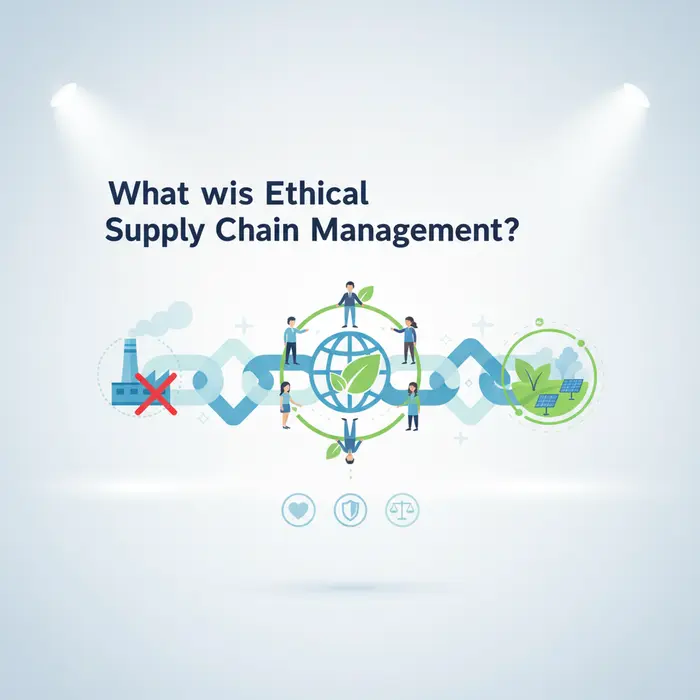
Ethical Supply Chain Management (ESCM) is a holistic approach to managing the entire lifecycle of a product or service, from raw material extraction to delivery to the end-consumer, with a constant focus on social, environmental, and human rights considerations. In today’s interconnected global market, where supply chains stretch across continents and involve countless stakeholders, the importance of ESCM has surged. It’s no longer merely a “nice-to-have” but a critical component of sustainable business operations, driven by increasing consumer awareness, stringent regulatory frameworks, and a growing understanding of long-term business resilience. Its core principles revolve around fairness, transparency, accountability, and sustainability at every stage.
1. Defining Ethical Supply Chain Management (ESCM)
Ethical Supply Chain Management (ESCM) is fundamentally about integrating ethical and sustainable practices into every facet of the supply chain. This means ensuring that all activities, from sourcing raw materials and manufacturing to logistics and distribution, adhere to high standards of social responsibility and environmental stewardship. At its heart, ESCM demands a commitment to fair labor practices, safe working conditions, environmental protection, and business integrity. It goes beyond mere legal compliance, striving for a proactive approach to foster positive impacts across the entire value chain. Key aspects include the development of a robust Responsible Sourcing Policy, which outlines clear expectations for suppliers regarding human rights, environmental impact, and anti-corruption measures. Furthermore, it necessitates the implementation of Sustainable Procurement Practices, emphasizing the acquisition of goods and services that meet economic, social, and environmental criteria, thereby reducing negative externalities and promoting sustainable development. This comprehensive approach ensures that ethical considerations are embedded in strategic decisions and daily operations, fostering a supply chain that benefits all participants and the planet.
2. Why ESCM Matters: Business Benefits & Risks
Embracing Ethical Supply Chain Management offers profound business benefits while mitigating significant risks. On the benefit side, a strong commitment to ESCM significantly enhances brand reputation and builds consumer trust. Modern consumers, especially younger demographics, are increasingly willing to pay a premium for ethically sourced and sustainably produced goods. This translates into increased customer loyalty, market differentiation, and competitive advantage. Furthermore, ethical practices can lead to operational efficiencies, such as reduced waste and optimized resource use, contributing to long-term cost savings. Companies with robust ESCM frameworks are also better positioned to attract and retain top talent, as employees often prefer to work for organizations that align with their values.
Conversely, neglecting ESCM exposes businesses to substantial risks. The absence of an Ethical Supplier Vetting Process can lead to associations with child labor, forced labor, unsafe working conditions, or environmental degradation, resulting in severe brand damage and public backlash. Supply chain disruptions due to unethical practices, such as protests or regulatory shutdowns, can cause significant financial losses. Moreover, a lack of transparency and ethical oversight can invite legal challenges, regulatory fines, and costly litigation, particularly with evolving international laws around supply chain due diligence. In an age of instant information, a single expose of unethical conduct within a supply chain can erode years of brand building overnight. Therefore, ESCM is not just about doing good; it’s about smart risk management and securing future business viability.
3. The Evolving Landscape of Consumer & Regulatory Demands
The push for Ethical Supply Chain Management is intensifying due to a dual force: increasingly demanding consumers and a rapidly evolving regulatory environment. Consumers worldwide are more informed and conscientious than ever before. Social media and readily available information mean that unethical practices anywhere in a supply chain can quickly come to light, leading to boycotts and reputational damage. This heightened awareness compels companies to adopt greater Supply Chain Transparency Solutions, allowing consumers to trace products back to their origins and understand the ethical journey they have taken. From fashion to food, consumers demand assurances that their purchases don’t contribute to exploitation or environmental harm.
Simultaneously, governments and international bodies are enacting stricter regulations designed to hold companies accountable for their supply chains. Legislation such as the German Supply Chain Due Diligence Act, the EU’s Corporate Sustainability Due Diligence Directive, and various modern slavery acts globally are compelling businesses to conduct thorough human rights and environmental due diligence. These laws often require companies to identify, prevent, mitigate, and account for adverse impacts in their operations and supply chains. Failure to comply can result in substantial penalties and legal repercussions. For businesses navigating complex global networks, understanding these evolving requirements is paramount. For insights into strengthening your ethical sourcing, explore resources on Ethical Supply Chain Management. This shifting landscape means that ESCM is no longer optional; it’s a fundamental requirement for maintaining a license to operate and thrive in the global marketplace. The U.S. Department of Labor offers valuable resources on combating child labor and forced labor in global supply chains.
Implementing Sustainable Procurement Practices
Implementing sustainable procurement practices is no longer just an optional add-on but a critical imperative for businesses seeking long-term resilience, risk mitigation, and enhanced brand reputation. As global awareness of environmental and social issues grows, consumers, investors, and regulators increasingly demand that companies integrate sustainability into every facet of their operations, especially their supply chains. This section explores strategies and best practices for integrating sustainability into purchasing decisions and processes, focusing on environmental and social impact, thereby laying the groundwork for robust Ethical Supply Chain Management. By systematically embedding sustainability principles, organizations can drive positive change, reduce operational risks, and foster innovation across their value chain.
1. Identifying Sustainable Suppliers and Materials
This foundational step involves more than just price and quality; it demands a thorough evaluation of a supplier’s environmental and social performance. Businesses need to develop a robust Responsible Sourcing Policy that outlines specific criteria for supplier selection. This policy should cover areas such as environmental management systems (e.g., ISO 14001 certification), labor practices (fair wages, safe working conditions, no child labor), human rights, anti-corruption measures, and community engagement. The Ethical Supplier Vetting Process should include rigorous due diligence, involving audits, questionnaires, and third-party assessments to verify claims and ensure compliance with the established policy. Furthermore, identifying sustainable materials means prioritizing those that are recycled, recyclable, renewable, non-toxic, and sourced responsibly, such as certified timber or conflict-free minerals. Engaging with suppliers early in the procurement process can also foster collaboration on sustainability goals and encourage innovation towards greener products and services.
2. Life Cycle Assessment in Procurement Decisions
To truly understand the environmental footprint of products and services, companies should adopt Life Cycle Assessment (LCA) in their procurement decisions. LCA is a methodology that evaluates the environmental impacts associated with all stages of a product’s life, from raw material extraction and processing, through manufacturing, distribution, use, repair and maintenance, to end-of-life disposal or recycling. By conducting an LCA, procurement teams can move beyond a narrow focus on immediate costs and consider the broader ecological impact, including carbon emissions, water usage, waste generation, and resource depletion. This holistic perspective enables informed choices, for instance, favoring a product with a higher initial cost but significantly lower energy consumption during its use phase or reduced end-of-life environmental burden. Integrating LCA requires strong Supply Chain Transparency Solutions, as accurate data on materials, manufacturing processes, and logistics are crucial for a comprehensive analysis. This approach helps in identifying “hotspots” of environmental impact and guides decisions towards more sustainable alternatives, driving the adoption of circular economy principles.
3. Measuring and Reporting Procurement Sustainability Performance
Effective implementation of Sustainable Procurement Practices necessitates robust measurement and transparent reporting. Organizations must establish clear Key Performance Indicators (KPIs) to track their progress and identify areas for improvement. These KPIs can include metrics such as the percentage of spend with sustainable suppliers, reduction in carbon footprint from purchased goods and services, waste diverted from landfill, water usage intensity, and compliance rates with social and ethical standards. Tools like supplier sustainability scorecards, environmental management systems, and specialized software can help collect, analyze, and report this data. Regular internal and external reporting is vital not only for accountability but also for demonstrating commitment to stakeholders. External reporting often aligns with frameworks like the Global Reporting Initiative (GRI) or the United Nations Sustainable Development Goals (SDGs). Such transparency builds trust and can lead to competitive advantages. For further guidance on integrating sustainability into procurement, organizations can consult authoritative standards and frameworks such as ISO 20400 on Sustainable Procurement. This continuous cycle of measurement, reporting, and refinement ensures that sustainable procurement evolves from a policy statement into a dynamic and impactful operational practice, contributing significantly to a company’s overall sustainability agenda and resilience.
Developing a Robust Responsible Sourcing Policy
In today’s interconnected global economy, companies face increasing scrutiny over their supply chains. Consumers, investors, and regulators alike demand greater accountability and transparency regarding how products are sourced and manufactured. This makes Ethical Supply Chain Management not just a moral imperative but a strategic business necessity. Developing a robust Responsible Sourcing Policy is fundamental to ensuring that every link in your supply chain adheres to the highest standards of ethics, human rights, and environmental stewardship. This guide will walk you through creating, implementing, and enforcing a comprehensive policy that fosters Sustainable Procurement Practices and enhances your brand’s reputation.
1. Key Components of a Responsible Sourcing Policy
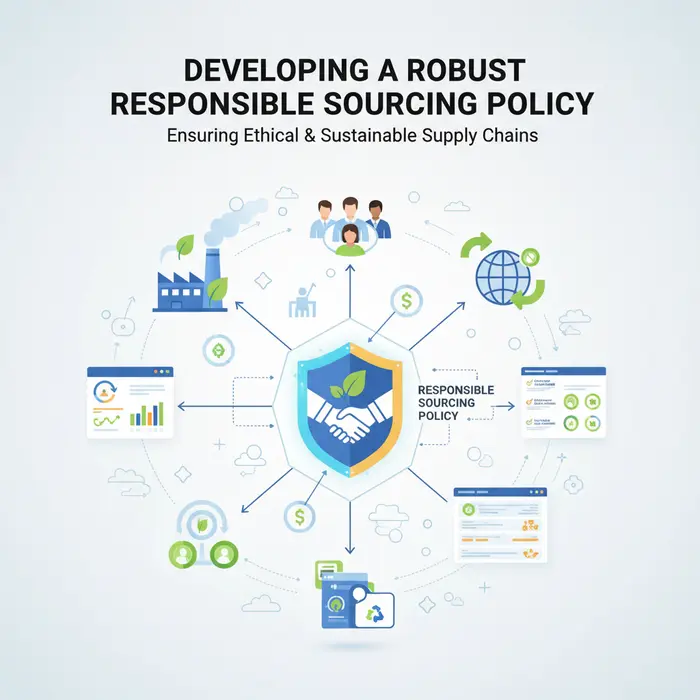
A truly effective Responsible Sourcing Policy is more than just a document; it’s a commitment to a set of core values that guide all procurement decisions. At its heart, such a policy outlines the minimum standards expected from all suppliers regarding labor practices, human rights, environmental impact, and business ethics. Essential components typically include:
- Scope and Commitment: Clearly define the policy’s applicability across all tiers of the supply chain and articulate the company’s unwavering commitment to ethical sourcing.
- Compliance with Laws and Regulations: Mandate adherence to all relevant local and international laws, including those pertaining to labor, health, safety, and environmental protection.
- Labor and Human Rights Standards: Detail requirements concerning fair wages, working hours, non-discrimination, freedom of association, prohibition of child labor, forced labor, and modern slavery. These standards often align with international frameworks like the UN Guiding Principles on Business and Human Rights and the ILO conventions.
- Environmental Stewardship: Outline expectations for sustainable practices, including waste reduction, energy efficiency, pollution prevention, responsible use of resources, and biodiversity protection.
- Anti-Corruption and Business Ethics: Establish clear prohibitions against bribery, corruption, extortion, and fraud, promoting fair competition and transparency.
- Supply Chain Transparency Solutions: Articulate the need for suppliers to provide accurate and timely information, enabling comprehensive oversight and traceability.
- Remediation and Continuous Improvement: Include mechanisms for addressing non-compliance and a commitment to work with suppliers for ongoing improvement.
2. The Ethical Supplier Vetting Process and Due Diligence
The success of your Responsible Sourcing Policy hinges on a robust Ethical Supplier Vetting Process. This involves thorough due diligence to assess potential and existing suppliers against your established standards before engagement and throughout the contract lifecycle. This process is crucial for mitigating risks and ensuring alignment with your Sustainable Procurement Practices.
- Risk Assessment: Identify and prioritize risks based on factors like geographic location, industry sector, product type, and historical performance. High-risk areas might warrant more intensive scrutiny.
- Pre-Qualification Questionnaires: Use detailed questionnaires to gather information on suppliers’ policies, management systems, and performance related to ethics, labor, and environment.
- Third-Party Audits and Certifications: Engage independent auditors to conduct on-site assessments of supplier facilities. Rely on credible third-party certifications (e.g., Fair Trade, SA8000, BSCI, ISO 14001) as indicators of compliance, while still performing your own due diligence.
- Performance Monitoring: Continuously monitor supplier performance through regular reporting, site visits, and data analysis. This ensures ongoing adherence to the Responsible Sourcing Policy and helps identify emerging issues. For a deeper understanding of global standards, refer to the United Nations Global Compact’s Ten Principles. This diligent approach is vital for true Ethical Supply Chain Management.
3. Code of Conduct, Training, and Compliance Monitoring
Implementing a Responsible Sourcing Policy requires clear communication, comprehensive training, and diligent monitoring. A Supplier Code of Conduct is the cornerstone of this implementation, translating the policy’s principles into actionable expectations for all suppliers and their subcontractors.
- Supplier Code of Conduct: Develop a concise, clear, and legally sound Code of Conduct that all suppliers must formally acknowledge and commit to. This document serves as a practical guide for daily operations.
- Training and Capacity Building: Provide training not only to your internal procurement teams but also to your suppliers. Educate them on the Code of Conduct, your expectations, and best practices for compliance. This can include workshops, webinars, and accessible resource materials designed to enhance their capacity for Sustainable Procurement Practices.
- Compliance Monitoring and Reporting: Establish a robust system for monitoring compliance. This includes:
- Internal Reviews: Regularly assess your own procurement processes to ensure they align with the policy.
- Supplier Self-Assessments: Require suppliers to periodically assess their own compliance and report back.
- Audits and Spot Checks: Conduct scheduled and unannounced audits to verify adherence to standards.
- Grievance Mechanisms: Implement accessible and confidential channels for workers and stakeholders to report concerns or violations without fear of retaliation.
- Corrective Action Plans (CAPs): For identified non-compliance, work collaboratively with suppliers to develop and implement CAPs, including clear timelines and measurable outcomes. Failure to implement CAPs or address severe violations may lead to contract termination.
By integrating these components, companies can build a resilient and ethical supply chain that not only meets regulatory requirements but also builds consumer trust, fosters innovation, and contributes positively to global sustainability goals. Commitment to Supply Chain Transparency Solutions and ongoing engagement are key to success.
Leveraging Technology for Supply Chain Transparency
In an increasingly interconnected global economy, the demand for clear and verifiable information about product origins, manufacturing conditions, and environmental impact has never been higher. Consumers, regulators, and investors alike are scrutinizing supply chains, pushing businesses towards greater Ethical Supply Chain Management. Modern technologies offer powerful solutions to bridge this gap, providing unprecedented visibility into supply chain operations and ensuring unwavering compliance with ethical standards, from the raw material’s origin to the final delivery. By embracing these innovations, companies can move beyond mere compliance to proactively build trust, mitigate risks, and foster genuinely sustainable and responsible sourcing practices across their entire network.
1. Blockchain for Traceability and Trust
Blockchain technology stands out as a revolutionary tool for enhancing supply chain transparency by creating an immutable, decentralized ledger of transactions and activities. Each step a product takes, from sourcing raw materials to manufacturing, packaging, and distribution, can be recorded as a block in a chain, verifiable by all authorized participants. This inherent security and immutability make it nearly impossible to tamper with records, providing undeniable proof of origin and authenticity. For instance, blockchain can verify claims related to fair labor practices, child labor prevention, sustainable harvesting, and carbon footprint reduction, allowing companies to implement robust responsible business conduct throughout their operations. This level of granular traceability builds profound trust among consumers and partners, significantly bolstering an organization’s responsible sourcing policy and overall reputation. It transforms abstract promises into concrete, auditable data, making it a cornerstone for comprehensive Supply Chain Transparency Solutions.
2. Data Analytics for Risk Assessment and Predictive Insights
Beyond simply recording data, advanced data analytics tools are crucial for transforming vast amounts of supply chain information into actionable insights. By collecting and analyzing data from various sources—including IoT sensors, supplier audits, geopolitical risk indicators, and social media sentiment—businesses can gain a holistic view of their supply chain’s health and identify potential ethical or operational risks before they escalate. Predictive analytics can forecast disruptions, identify non-compliant suppliers, or flag areas where labor practices might be questionable, allowing for proactive intervention. This capability is vital for evaluating the effectiveness of Sustainable Procurement Practices, enabling companies to optimize their sourcing strategies to align with ethical guidelines and minimize negative impacts. Data analytics empowers organizations to move from reactive problem-solving to proactive risk management, ensuring that their supply chain remains resilient, compliant, and ethically sound.
3. Real-Time Monitoring and Reporting Tools for Accountability
The ability to monitor supply chain activities in real-time is indispensable for maintaining accountability and swiftly addressing deviations from ethical standards. Real-time monitoring and reporting tools, often integrated with IoT devices and cloud platforms, provide continuous oversight of critical parameters such as working conditions, environmental performance, and delivery schedules. These systems can instantly alert stakeholders to issues like excessive working hours, unauthorized subcontracting, or deviations from environmental protocols. Comprehensive dashboards and automated reporting capabilities facilitate transparent communication with consumers, regulators, and other stakeholders, demonstrating a genuine commitment to ethical operations. Such tools are instrumental in an Ethical Supplier Vetting Process, allowing companies to continuously assess supplier performance against predefined ethical KPIs and ensure ongoing compliance. By providing an unvarnished, up-to-the-minute view of operations, these technologies are essential for upholding transparency and ensuring every partner in the supply chain is held accountable for their actions.
The integration of these advanced technologies represents a paradigm shift in supply chain management. They empower businesses to transcend traditional opaque practices, fostering an environment of verifiable transparency and accountability. By embracing blockchain for traceability, data analytics for predictive insights, and real-time monitoring for continuous accountability, companies can not only safeguard their reputation but also contribute significantly to a more ethical, sustainable, and resilient global economy. This technological synergy is fundamental to achieving true ethical supply chain management from end to end.
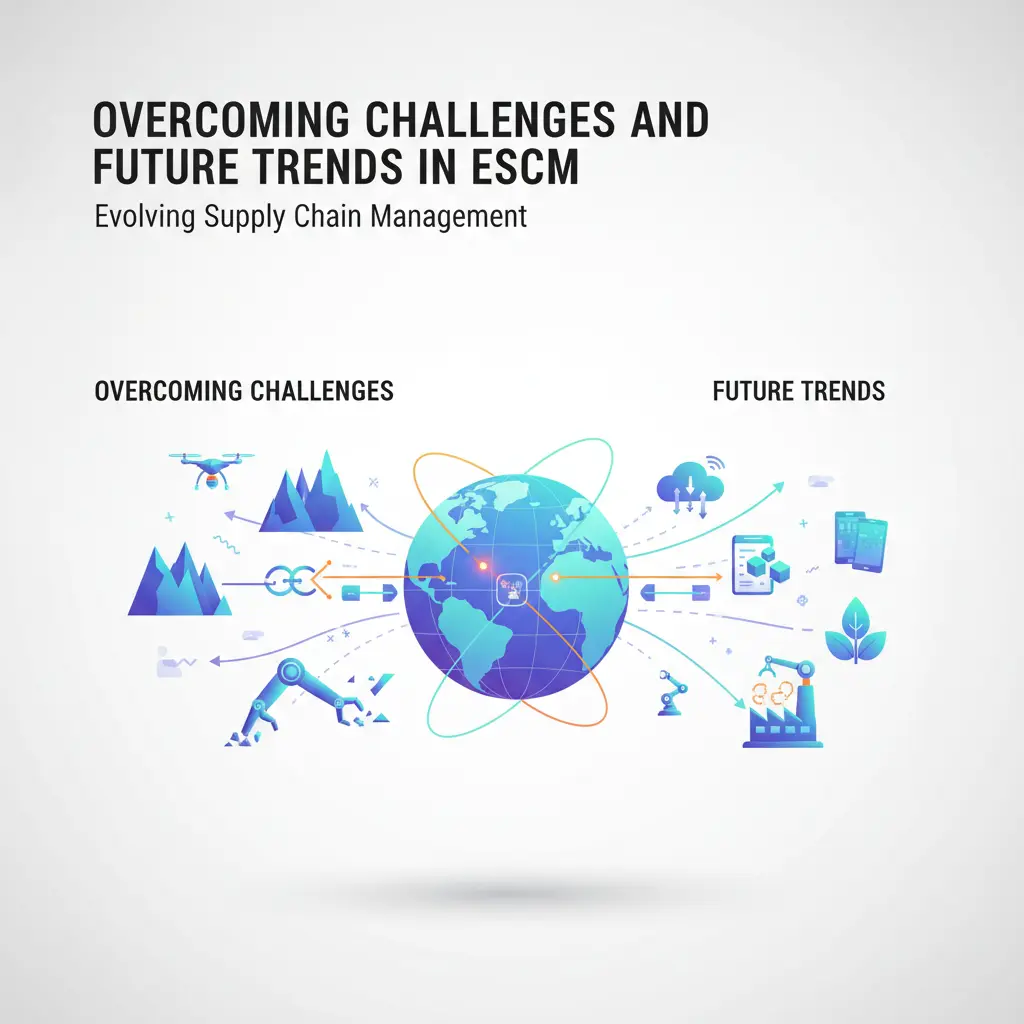
Overcoming Challenges and Future Trends in ESCM
In an increasingly interconnected global economy, the implementation of Ethical Supply Chain Management (ESCM) is no longer merely an aspiration but a critical imperative. However, navigating the complexities of global supply chains while upholding ethical standards presents a myriad of challenges. This section delves into the common hurdles organizations face, strategies for fostering robust collaboration, and the exciting future trends poised to reshape ESCM beyond 2025.
1. Common Hurdles in Ethical Implementation and Compliance
The journey towards a fully ethical supply chain is often fraught with significant obstacles. One of the primary challenges lies in achieving genuine transparency across vast, multi-tiered networks. Many companies struggle to gain visibility beyond their direct (Tier 1) suppliers, making it difficult to monitor labor practices, environmental impact, and human rights compliance further down the chain. The sheer geographical dispersion of suppliers, coupled with differing regulatory landscapes and cultural norms, complicates the enforcement of a consistent responsible sourcing policy. Cost implications also pose a substantial hurdle; investing in robust auditing, certification, and training programs for sustainable procurement practices can be expensive, leading some businesses to prioritize short-term cost savings over long-term ethical integrity. Furthermore, resistance from suppliers, who may lack the resources or motivation to adopt new ethical standards, can impede progress. Establishing an effective ethical supplier vetting process requires continuous due diligence, capacity building, and a willingness to engage with complex social and environmental issues unique to each operational context.
2. Fostering Collaboration and Adhering to Industry Standards
Overcoming these challenges necessitates a paradigm shift towards proactive collaboration and stringent adherence to recognized industry standards. No single entity can effectively tackle the systemic issues within global supply chains alone. Collaborative initiatives involving buyers, suppliers, NGOs, labor unions, and even governments are essential to drive meaningful change. Multi-stakeholder platforms facilitate shared learning, resource pooling, and the development of common benchmarks, making it easier for all parties to align on ethical goals. Adherence to international frameworks such as the UN Guiding Principles on Business and Human Rights, the International Labour Organization (ILO) Conventions, and sector-specific codes of conduct (e.g., Responsible Business Alliance) provides a universal language and minimum standards for ethical conduct. Certifications like SA8000 for social accountability or ISO 20400 for sustainable procurement offer verifiable proof of compliance and commitment. Companies must move beyond punitive auditing to fostering genuine partnerships, providing suppliers with the necessary support and incentives to improve their ethical performance. This collaborative approach not only mitigates risks but also builds resilient, trustworthy supply chain relationships. The Ethical Trading Initiative (ETI), for instance, champions such multi-stakeholder engagement to improve working conditions in global supply chains.
3. The Future of Ethical Supply Chain Management 2025+
Looking beyond 2025, the landscape of Ethical Supply Chain Management is poised for transformative advancements, driven by technological innovation and evolving societal expectations. Emerging technologies like blockchain are set to revolutionize supply chain transparency solutions by providing immutable, decentralized ledgers that track products from raw material to consumer. This will offer unprecedented traceability and verification of ethical claims, from fair labor practices to sustainable sourcing. Artificial intelligence (AI) and machine learning will play a crucial role in risk assessment, identifying potential ethical breaches before they escalate, and enabling predictive analytics for supplier performance. The focus will increasingly shift towards circular economy principles, where waste is minimized, resources are reused, and products are designed for longevity and recyclability, thereby inherently embedding sustainability into the supply chain design. Consumer demand for ethical products will intensify, amplified by social media and greater access to information, compelling brands to adopt more rigorous ethical practices and communicate them transparently. Regulatory pressure is also expected to increase, with more countries enacting legislation similar to Germany’s Supply Chain Due Diligence Act or the UK Modern Slavery Act, mandating corporate responsibility for human rights and environmental protection throughout their value chains. Companies that embrace these future trends—leveraging technology for deeper insights, committing to circularity, and proactively engaging with stakeholders—will not only mitigate risks but also build stronger brands and more resilient, purpose-driven supply chains.
Partner with Vietnam’s Leading Suppliers
Looking for reliable suppliers in Vietnam? Contact VietnamSuppliers.com today to connect with verified manufacturers and exporters across all industries.
—————————————
References
– U.S. Department of Labor – Combating Child Labor and Forced Labor: https://www.dol.gov/agencies/ilab/our-work/supply-chains
– ISO 20400 on Sustainable Procurement: https://www.iso.org/standard/66670.html
– United Nations Global Compact’s Ten Principles: https://www.unglobalcompact.org/what-is-gc/mission/principles
– responsible business conduct: https://www.unglobalcompact.org/what-is-gc/our-work/supply-chain
– Ethical Trading Initiative (ETI): https://www.ethicaltrade.org/