
The Evolving Landscape of ESG in Supply Chains
The global business environment is undergoing a profound transformation, with Environmental, Social, and Governance (ESG) factors emerging as critical determinants of success and sustainability within supply chains. No longer confined to ethical considerations, ESG Supply Chain Risk Management has become an imperative, driven by escalating regulatory pressures, dynamic consumer demands, and the inherent complexities of global trade. Businesses are increasingly recognizing that robust ESG practices are vital not just for reputation, but for long-term operational resilience, competitive advantage, and attracting investment. This section delves into the increasing importance of ESG within global supply chains, highlighting current trends and offering predictions for 2025, underscoring the shift towards more ethical, transparent, and sustainable sourcing practices.
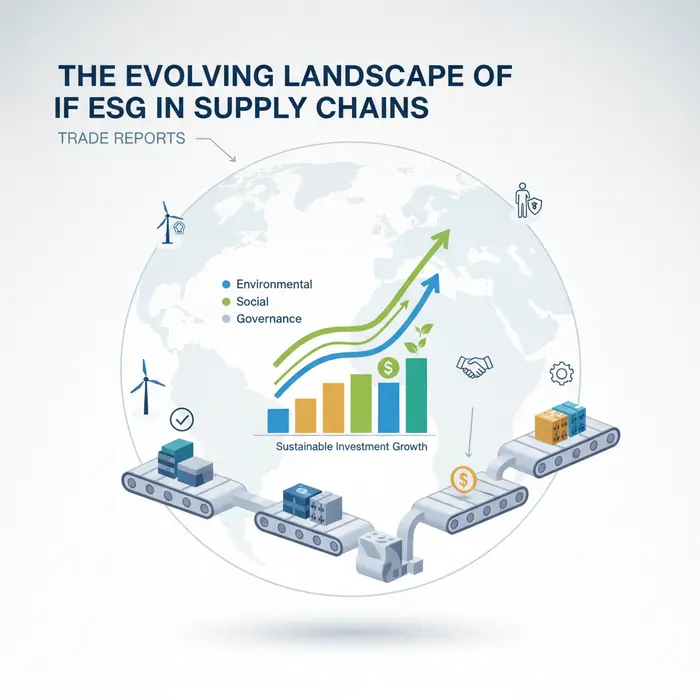
1. Defining ESG Factors: Environmental, Social, and Governance
To navigate this evolving landscape, a clear understanding of what constitutes ESG is essential. Environmental factors encompass a company’s impact on the natural world, including carbon emissions, waste management, water usage, biodiversity, and resource depletion. Supply chain environmental considerations extend to raw material sourcing, manufacturing processes, logistics, and end-of-life product management. Social factors focus on a company’s relationships with its employees, customers, suppliers, and the communities in which it operates. This includes labor practices, human rights, diversity and inclusion, health and safety, data privacy, and community engagement. Ensuring fair wages and safe working conditions across a multi-tiered supply chain is a significant social challenge. Governance refers to a company’s leadership, internal controls, audits, and shareholder rights, emphasizing transparency, ethical conduct, and accountability. Strong governance frameworks are crucial for effectively managing ESG risks and ensuring Sustainable Sourcing Compliance throughout the global value chain.
2. Regulatory Pressures and Consumer Demands Driving ESG Adoption
The push for greater ESG integration is no longer voluntary; it is increasingly mandated by regulatory bodies and amplified by consumer and investor expectations. Jurisdictions worldwide are enacting stricter legislation, shifting the onus onto companies to ensure ethical practices throughout their entire supply chains. Examples include the EU’s Corporate Sustainability Due Diligence Directive (CSDDD), which will require large companies to identify and mitigate adverse human rights and environmental impacts in their operations and value chains, and the German Supply Chain Due Diligence Act (LkSG). In the United States, the Uyghur Forced Labor Prevention Act (UFLPA) sets a strict standard for proving that goods imported from certain regions are not produced with forced labor, underscoring the critical need for robust Global Trade Compliance Solutions and a thorough Supply Chain Due Diligence Process. These regulations demand unprecedented visibility into suppliers’ operations, making effective ESG Supply Chain Risk Management paramount. Concurrently, consumers are increasingly voting with their wallets, prioritizing brands that demonstrate genuine commitment to sustainability and ethical labor practices. This dual pressure from regulations and market forces is accelerating the adoption of comprehensive ESG strategies, transforming them from optional add-ons to core business functions essential for an International Trade Risk Assessment.
3. Future Trends Shaping Supply Chain Ethics and Transparency
Looking ahead to 2025 and beyond, several trends will profoundly shape supply chain ethics and transparency. Technology will play a pivotal role, with AI, blockchain, and advanced data analytics enabling unparalleled visibility into supply chain activities, offering real-time insights into environmental footprints, labor conditions, and governance compliance. Blockchain, for instance, can provide an immutable ledger of transactions and certifications, enhancing traceability from raw material to final product. Secondly, there will be a significant emphasis on ‘scope 3’ emissions reporting, pushing companies to account for indirect emissions across their entire value chain, necessitating closer collaboration with suppliers. Thirdly, the focus on ‘circular economy’ principles will intensify, promoting waste reduction, material reuse, and product longevity. Finally, human rights due diligence will become even more stringent, with an increased focus on living wages, gender equality, and responsible recruitment practices. These converging trends highlight that effective ESG Supply Chain Risk Management will evolve from a compliance exercise to a strategic advantage, demanding proactive engagement and continuous monitoring for truly ethical and resilient global supply networks.
In conclusion, the evolving landscape of ESG in supply chains represents a fundamental shift in how global business is conducted. By embracing robust ESG frameworks, companies can mitigate risks, enhance brand reputation, attract conscious consumers and investors, and build a more sustainable and equitable future for all.
Proactive International Trade Risk Assessment
Navigating the complexities of global commerce demands a forward-thinking approach to risk management. Proactive International Trade Risk Assessment is not merely about reacting to crises, but about strategically identifying and evaluating potential vulnerabilities across all international trade operations. This encompasses a broad spectrum of considerations, from unpredictable geopolitical shifts and economic volatility to crucial ethical and environmental responsibilities. By adopting robust methodologies, businesses can enhance their resilience, ensure ESG Supply Chain Risk Management, maintain Global Trade Compliance Solutions, and ultimately safeguard their reputation and profitability in an ever-changing global landscape. A comprehensive Supply Chain Due Diligence Process is fundamental to building an adaptive and sustainable operational framework.
1. Identifying Geopolitical and Economic Vulnerabilities
In an interconnected world, geopolitical events and economic shifts can rapidly impact international trade. Identifying these vulnerabilities requires continuous monitoring and analysis of global political stability, potential trade disputes, sanctions regimes, and changes in regulatory environments. Businesses must assess the risk of supply chain disruptions stemming from regional conflicts, political unrest, or shifts in governmental policies that might affect sourcing, manufacturing, or distribution channels. Economically, factors such as currency fluctuations, inflation, interest rate volatility, and commodity price changes can significantly impact operational costs and profit margins. A thorough risk assessment includes scenario planning and stress testing to understand how various geopolitical and economic shocks could affect specific trade routes, supplier relationships, and market access. Leveraging advanced analytics and intelligence platforms can provide early warnings, enabling companies to pivot strategies and mitigate potential losses before they fully materialize. This proactive stance is critical for maintaining business continuity and competitive advantage.
2. Assessing Human Rights and Labor Practices (Social Aspect)
The social dimension of ESG is paramount in modern international trade, focusing on ethical human rights and labor practices throughout the supply chain. Companies are increasingly scrutinized for the working conditions, wages, and fair treatment of workers, not only in their direct operations but also deep within their supplier networks. Assessing these aspects involves rigorous Sustainable Sourcing Compliance and due diligence, looking for risks such as forced labor, child labor, unsafe working environments, discrimination, and inadequate compensation. Implementing clear codes of conduct for suppliers, conducting regular independent audits, and establishing transparent grievance mechanisms are vital steps. Adherence to international labor standards and human rights principles, such as those outlined by the UN Global Compact for Human Rights, is no longer optional but a business imperative. Failing to address these social risks can lead to significant reputational damage, consumer boycotts, legal repercussions, and ultimately, supply chain disruption as stakeholders demand accountability. Prioritizing ethical labor practices fosters a resilient and socially responsible supply chain.
3. Environmental Impact Analysis Across Supply Tiers
The environmental aspect of ESG Supply Chain Risk Management requires a comprehensive analysis of ecological footprints across all supply tiers. This involves evaluating the environmental impact from the extraction of raw materials to manufacturing, transportation, and end-of-life disposal. Key areas of concern include carbon emissions, water usage, waste generation, deforestation, pollution, and biodiversity loss. Companies must assess their suppliers’ environmental management systems, compliance with local and international environmental regulations, and their progress towards sustainability goals. Implementing tools like life cycle assessments (LCAs) can help quantify environmental impacts and identify hotspots for intervention. Encouraging suppliers to adopt renewable energy sources, reduce waste, improve resource efficiency, and embrace circular economy principles is essential for achieving Sustainable Sourcing Compliance. A robust environmental impact analysis not only mitigates regulatory and reputational risks but also fosters innovation in sustainable practices, contributing to a more resilient and future-proof international trade operation that aligns with global climate objectives.
Robust Supply Chain Due Diligence Process
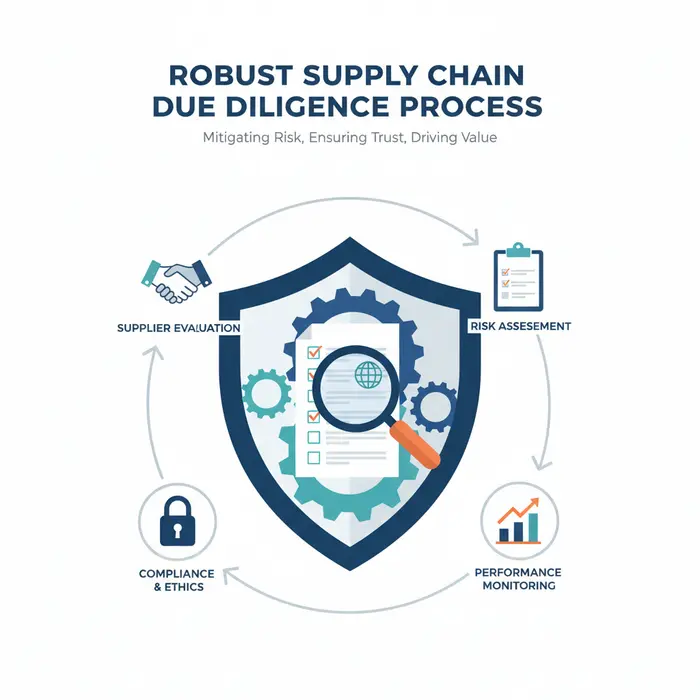
In an increasingly interconnected and complex global economy, implementing a thorough ESG Supply Chain Risk Management strategy is no longer optional but a critical imperative. Organizations must establish a Robust Supply Chain Due Diligence Process to navigate the myriad of risks, from geopolitical instability and human rights violations to environmental non-compliance and reputational damage. This process extends beyond initial vendor checks, encompassing ongoing vigilance to ensure compliance, foster ethical practices, and safeguard business continuity from the raw material supplier to the final customer delivery. Effective due diligence provides Global Trade Compliance Solutions, enhancing transparency and building resilience in an unpredictable world. It’s about proactively identifying, assessing, and mitigating potential liabilities before they materialize, transforming compliance from a burden into a competitive advantage.
Vendor Screening and Vetting Methodologies
The foundation of a robust due diligence process lies in comprehensive vendor screening and vetting. This initial phase requires a multi-layered approach to evaluate potential and existing suppliers across various dimensions, including financial stability, operational capacity, ethical conduct, and adherence to environmental, social, and governance (ESG) standards. Companies should establish clear criteria for Sustainable Sourcing Compliance, utilizing questionnaires, self-assessments, and third-party data providers to gather essential information. Key elements include verifying business registrations, reviewing legal and regulatory compliance records, assessing financial health, and scrutinizing a supplier’s labor practices, environmental impact, and anti-corruption policies. For suppliers in high-risk regions or sectors, enhanced due diligence might involve on-site visits, independent audits, and a deeper dive into their sub-tier supply chains. The goal is to create a detailed risk profile for each vendor, identifying red flags and areas requiring further investigation before engagement. This proactive screening helps prevent issues before they arise, setting a strong precedent for responsible partnership.
Continuous Monitoring and Auditing Practices
Due diligence is not a one-time event; it’s an ongoing commitment. Once suppliers are onboarded, continuous monitoring and regular auditing are essential to ensure sustained compliance and to adapt to evolving risks. This involves tracking key performance indicators (KPIs) related to International Trade Risk Assessment, ESG factors, and operational reliability. Automated tools can flag changes in supplier ownership, adverse media mentions, sanctions list updates, or shifts in a country’s political or economic landscape. Regular audits, both announced and unannounced, provide critical on-the-ground verification of a supplier’s adherence to contractual obligations, codes of conduct, and international standards. These audits should cover labor conditions, environmental management systems, quality control, and data security. Implementing a risk-based auditing schedule allows companies to prioritize resources, focusing more intensively on high-risk suppliers or those in regions with prevalent compliance challenges. Establishing clear corrective action plans and follow-up mechanisms ensures that any identified non-conformities are addressed promptly and effectively, fostering continuous improvement within the supply chain. The OECD provides valuable insights into responsible business conduct and supply chain due diligence, which can serve as an authoritative guide for developing these practices. [OECD Due Diligence Guidance]
Leveraging Technology for Enhanced Visibility and Traceability
In today’s complex global supply chains, manual due diligence processes are often insufficient. Leveraging advanced technology is crucial for achieving enhanced visibility and traceability, which are fundamental to effective Supply Chain Due Diligence Process. Solutions such as blockchain, AI-powered analytics, and integrated risk management platforms can revolutionize how companies manage supplier information and track goods. Blockchain technology offers immutable records of transactions and product movements, providing unparalleled transparency from source to shelf, which is invaluable for verifying product authenticity and origin. AI and machine learning algorithms can process vast amounts of data from various sources – including news feeds, social media, government databases, and compliance registries – to identify emerging risks, predict potential disruptions, and automate risk assessments. Furthermore, digital platforms facilitate centralized documentation, streamline communication with suppliers, and offer real-time dashboards for monitoring compliance metrics. These technologies not only reduce the administrative burden but also enable proactive decision-making, allowing companies to respond swiftly to potential threats and demonstrate verifiable adherence to ethical and sustainable sourcing principles. Investing in these digital tools transforms due diligence from a reactive obligation into a strategic asset for superior supply chain management and Global Trade Compliance Solutions.
Implementing Global Trade Compliance Solutions
In today’s interconnected global economy, businesses face an ever-evolving landscape of complex international trade regulations, sanctions, and anti-corruption laws. Navigating these intricacies is crucial not only for maintaining seamless global operations but also for upholding ethical standards and mitigating significant financial and reputational risks. Effective ESG Supply Chain Risk Management inherently includes robust Global Trade Compliance Solutions, ensuring that every link in the supply chain adheres to international legal and ethical frameworks. This holistic approach is vital for sustainable growth and operational resilience.
1. Navigating International Laws, Sanctions, and Tariffs
The sheer volume and dynamic nature of international trade laws present a formidable challenge. From varying import/export regulations and product classifications to fluctuating tariff rates and country-specific sanctions, companies must remain vigilant. A comprehensive International Trade Risk Assessment is the cornerstone of effective compliance, allowing organizations to identify potential vulnerabilities within their supply chain and mitigate them proactively. This involves meticulous classification of goods, understanding rules of origin, and staying abreast of embargoes and restricted party lists issued by bodies like the Office of Foreign Assets Control (OFAC) or the UN Security Council.
Technological solutions play a pivotal role here. AI-powered platforms can automate the monitoring of regulatory changes, update product classifications, and screen trading partners against global sanctions lists in real-time. Implementing a rigorous Supply Chain Due Diligence Process ensures that all partners, from raw material suppliers to logistics providers, are vetted for compliance with international trade laws. This proactive approach minimizes the risk of costly penalties, shipment delays, and reputational damage associated with non-compliance, supporting overall Sustainable Sourcing Compliance efforts.
2. Ensuring Anti-Bribery and Anti-Corruption Measures (ABAC)
Beyond trade regulations, anti-bribery and anti-corruption (ABAC) laws such as the U.S. Foreign Corrupt Practices Act (FCPA), the UK Bribery Act, and myriad local statutes, cast a wide net, impacting global business operations. Violations can lead to severe fines, imprisonment, and lasting damage to a company’s brand and market access. Therefore, integrating strong ABAC measures into Global Trade Compliance Solutions is non-negotiable.
Key strategies include establishing a clear, zero-tolerance ABAC policy communicated throughout the organization and its third-party network. Regular, comprehensive training for employees, especially those in high-risk functions or geographies, is essential. Furthermore, an enhanced Supply Chain Due Diligence Process must extend to rigorous vetting of third-party agents, distributors, and joint venture partners, ensuring they share the same commitment to ethical conduct. Companies should implement robust internal controls, conduct regular audits, and establish clear channels for reporting potential misconduct. Adhering to global anti-corruption initiatives and best practices is critical for fostering a culture of integrity and protecting against legal and reputational harm.
3. Best Practices for Data Privacy and Cybersecurity Compliance
In an increasingly digital world, global trade compliance is inextricably linked with data privacy and cybersecurity. The cross-border flow of data, from customer information and intellectual property to operational logistics, requires strict adherence to diverse and evolving data protection regulations such as GDPR, CCPA, and numerous national data localization laws. A breach of these regulations can lead to substantial fines, loss of customer trust, and operational disruption, directly impacting a company’s ability to conduct international trade seamlessly.
Implementing best practices involves classifying data, understanding its journey across different jurisdictions, and ensuring appropriate safeguards are in place at every step. This includes robust encryption, access controls, and incident response plans. Crucially, cybersecurity measures within the entire supply chain must be strengthened, as third-party vendors and partners often represent significant vulnerabilities. Companies need to integrate data privacy and cybersecurity requirements into their Supply Chain Due Diligence Process and contractual agreements. Regular security assessments, employee training on data handling protocols, and continuous monitoring are vital for protecting sensitive information and maintaining compliance in an era where data is as valuable as the goods being traded. This comprehensive approach reinforces overall ESG Supply Chain Risk Management, ensuring resilience against modern threats.
Strategies for Sustainable Sourcing Compliance
In today’s interconnected global economy, implementing robust strategies for ESG Supply Chain Risk Management is a strategic imperative. Businesses face increasing pressure from consumers, regulators, and investors to demonstrate a commitment to sustainability, encompassing both environmental protection and ethical labor practices. Effective Sustainable Sourcing Compliance is crucial for mitigating risks, enhancing brand reputation, and ensuring long-term resilience. This involves developing and enforcing comprehensive sustainable sourcing policies that reduce environmental footprint and promote fair and ethical labor throughout the supply chain. By integrating sustainability into procurement, companies build more resilient, responsible, and transparent supply networks.
1. Developing Ethical Sourcing Policies and Standards
The foundation of Sustainable Sourcing Compliance lies in establishing clear, comprehensive ethical sourcing policies. These serve as a guiding framework, articulating a company’s commitment to human rights, fair labor, and environmental stewardship. A robust Supply Chain Due Diligence Process is essential, requiring companies to identify, assess, mitigate, and account for adverse impacts. This includes thoroughly vetting suppliers on critical issues like child labor, forced labor, discrimination, freedom of association, fair wages, and safe working conditions.
Companies should implement a Supplier Code of Conduct, based on international standards (e.g., UN Guiding Principles, ILO Declaration). Regular internal and third-party audits, alongside transparent reporting, are vital for verifying compliance and identifying improvements. Building supplier capacity through training and support fosters a collaborative approach. For deeper understanding, the OECD Due Diligence Guidance for Responsible Business Conduct offers an authoritative framework for embedding responsible business conduct into operations.
2. Measuring and Reducing Carbon Footprint in Supply Chains
Beyond ethical labor, addressing the environmental impact, particularly carbon footprint, is a cornerstone of sustainable sourcing. This involves meticulously measuring greenhouse gas (GHG) emissions across the entire supply chain: Scope 1 (direct), Scope 2 (purchased energy), and Scope 3 (all other indirect emissions from transport, goods, waste). Accurate measurement is prerequisite for effective reduction.
Companies should leverage advanced analytics and Global Trade Compliance Solutions to track and analyze energy consumption, transportation, and material usage. Reduction strategies include transitioning to renewable energy, optimizing logistics, investing in energy-efficient technologies, and local sourcing. Engaging suppliers in setting and achieving emissions reduction targets is crucial. Furthermore, understanding the International Trade Risk Assessment related to environmental regulations and carbon pricing is critical for proactive compliance. This approach benefits the planet and enhances supply chain resilience against climate-related disruptions.
3. Promoting Circular Economy Principles and Waste Reduction
Moving away from the linear “take-make-dispose” model, promoting circular economy principles is a transformative strategy for ESG Supply Chain Risk Management. This involves designing products and processes to eliminate waste and pollution, circulate products and materials at their highest value, and regenerate natural systems. For sustainable sourcing, this means prioritizing materials that are renewable, recyclable, reusable, or biodegradable.
Companies should work with suppliers to incorporate circular design from the outset, focusing on product longevity, repairability, and end-of-life recyclability. This includes minimizing packaging, opting for returnable systems, and repurposing manufacturing byproducts. Implementing robust waste management programs across the supply chain, from supplier facilities to distribution centers, is crucial. This can involve industrial symbiosis. By embracing circularity, businesses reduce their environmental footprint, conserve resources, unlock new value, foster innovation, and enhance their overall Sustainable Sourcing Compliance efforts.
Implementing a holistic strategy for sustainable sourcing compliance is a continuous journey yielding significant returns. It demands unwavering commitment to ethical practices, environmental stewardship, and innovative circular models. Embedding these principles into every facet of the supply chain allows companies to meet stakeholder expectations and build a more resilient, responsible, and future-proof business.
Partner with Vietnam’s Leading Suppliers
Looking for reliable suppliers in Vietnam? Contact VietnamSuppliers.com today to connect with verified manufacturers and exporters across all industries.
—————————————
References
– OECD Due Diligence Guidance for Responsible Business Conduct: https://www.oecd.org/corporate/mne/due-diligence-guidance.htm
– UN Global Compact: Human Rights: https://www.unglobalcompact.org/what-is-gc/our-work/human-rights
– OECD Due Diligence Guidance: https://www.oecd.org/investment/due-diligence-guidance/
– Transparency International Business Integrity: https://www.transparency.org/en/what-we-do/projects/business-integrity
– OECD Due Diligence Guidance for Responsible Business Conduct: https://www.oecd.org/investment/due-diligence-guidance/

