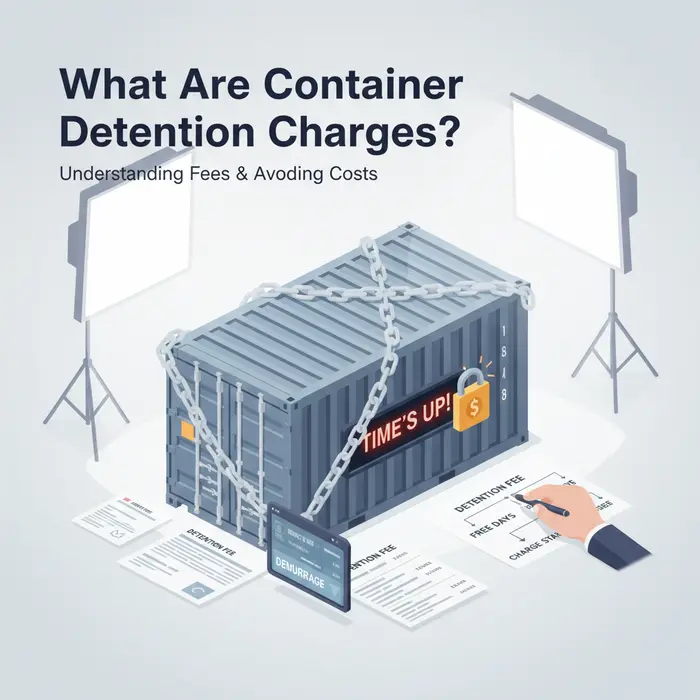
What Are Container Detention Charges?
In the complex world of international shipping, a myriad of fees and surcharges can significantly impact logistics costs. Among these, container detention charges stand out as a common yet often misunderstood expense. These charges are levied by shipping lines when their equipment – specifically the container itself – is held by the consignee or shipper beyond an agreed-upon free period, either before loading or after unloading. Understanding the nuances of these fees is crucial for efficient supply chain management and cost control.
1. Definition & Purpose of Detention
Container detention charges are fees imposed by ocean carriers on shippers or consignees for keeping a shipping container outside of the port or terminal beyond a stipulated number of free days. This period typically begins when the full container is picked up from the terminal for delivery to the consignee’s facility (import detention) or when an empty container is picked up from the depot for stuffing by the shipper (export detention). The core purpose of these charges is to incentivize the prompt return of empty containers to the shipping line’s inventory, ensuring their efficient circulation and availability for subsequent shipments.
It’s vital to differentiate detention from demurrage, as they are often confused. While both are surcharges related to container usage, they apply to different stages and locations. Demurrage charges relate to the use of the terminal space (port or rail yard) where a full container resides beyond the allotted free time. Detention, conversely, refers to the time a container spends outside the terminal, in the possession of the shipper or consignee. Therefore, detention covers the carrier’s equipment, whereas demurrage covers the terminal’s space. Avoiding excessive container detention charges is a key focus for any importer or exporter. For more information on this topic, you can explore detailed articles on container detention charges.
2. Why Shipping Lines Charge Detention
Shipping lines operate on a model that heavily relies on the continuous movement and optimal utilization of their valuable container fleet. Each container represents a significant asset, and its prolonged absence from circulation translates directly into lost revenue opportunities and increased operational costs for the carrier. When a container is delayed at a consignee’s warehouse or a shipper’s facility, it cannot be used for another shipment, impacting the shipping line’s ability to serve other customers and maintain their vessel schedules.
To mitigate these issues, shipping lines establish specific terms for container usage, which include a set number of detention free days. This period, typically ranging from 3 to 7 days, allows shippers and consignees reasonable time to load or unload the container. Once this free period expires, daily detention rates, often escalating over time, begin to accrue. These rates vary significantly by shipping line, container type, and trade lane. The fees serve as a financial deterrent against delays and compensation for the loss of equipment utility. Without such charges, the incentive for timely container return would diminish, leading to widespread equipment shortages and disruptions across the global supply chain.
3. Impact on Supply Chain & Costs
The financial implications of container detention charges can be substantial, especially for businesses with high volumes or complex logistics operations. Unexpected delays in customs clearance, trucking availability, labor shortages, or facility congestion can quickly lead to these charges accumulating, sometimes exceeding the freight cost itself. This direct financial burden directly impacts a company’s bottom line, reducing profit margins and making landed cost calculations unpredictable.
Beyond direct costs, detention can also disrupt the broader supply chain. Delays in returning containers can cause a ripple effect, leading to equipment shortages at other locations, impacting subsequent bookings, and potentially causing further delays down the line for other shippers. Effective strategies to avoid container detention include meticulous planning, optimizing warehouse operations for swift loading/unloading, ensuring efficient customs clearance, and securing reliable trucking services well in advance. Proactive communication with all parties involved – suppliers, customs brokers, freight forwarders, and truckers – is paramount. Shippers should also be aware of specific shipping line detention rates and terms, which can be found in carrier tariffs or negotiated contracts. Understanding and managing these aspects proactively is essential for maintaining a smooth, cost-effective, and resilient supply chain. For example, the Federal Maritime Commission (FMC) often provides guidance and regulations regarding demurrage and detention practices, highlighting their significance in international trade.
Detention vs. Demurrage: The Critical Difference
In the complex world of international shipping, two terms frequently arise that often cause confusion and significant unexpected costs: container detention and demurrage. While both represent charges incurred for exceeding free time, understanding their distinct differences is paramount for effective supply chain management and cost control. Navigating these fees, particularly container detention charges, can be a major challenge for importers and exporters alike.
1. Demurrage Explained: Port-side Charges
Demurrage refers to the charges levied by the terminal operator or port authority when a full container remains inside the port terminal beyond the allotted “free days.” These free days are the period during which the container can stay at the port without incurring additional charges, typically ranging from 3 to 7 days depending on the port, carrier, and agreement. Once this grace period expires, demurrage charges begin to accrue daily until the container is cleared from the terminal. The primary purpose of demurrage is to compensate the port for the use of its space and facilities, and to encourage prompt cargo clearance to prevent congestion. Factors contributing to demurrage include delays in customs clearance, incomplete documentation, a lack of available trucking to pick up the container, or consignees simply not being ready to receive the cargo. Effectively managing these port-side charges is a key aspect of mastering the differences between detention vs demurrage.
2. Detention Defined: Carrier Equipment Charges
In contrast to demurrage, detention relates to charges imposed by the shipping line (carrier) for the extended use of their container equipment outside the port or terminal. These fees apply when the consignee takes possession of a full container for unloading at their facility but fails to return the empty container to the designated depot within the agreed-upon free days. Similar to demurrage, detention free days typically range from 2 to 7 days, depending on the carrier and specific contract. The shipping line charges detention to compensate for the lost opportunity to use their valuable container assets elsewhere, ensuring their equipment is returned promptly for subsequent shipments. Common reasons for incurring detention include inefficiencies in the unloading process at the consignee’s warehouse, unexpected labor shortages, machinery breakdowns, or logistical challenges in arranging the return of the empty container. Proactive measures are essential for how to avoid container detention, as these fees can escalate rapidly, significantly impacting overall shipping costs. Understanding the various shipping line detention rates and their calculation is crucial for budgeting and negotiation.
3. Key Scenarios & Examples for Clarity
To further differentiate these charges, let’s consider a few practical scenarios:
- Scenario A: Demurrage Only
An importer’s container arrives at the port on Monday, with 5 free demurrage days. Due to an unforeseen customs inspection, the container cannot be cleared until the following Monday. By this time, the 5 free days have expired (Tuesday-Saturday), and the container incurs 2 days of demurrage charges (Sunday and Monday) because it remained at the port for an extended period awaiting clearance. - Scenario B: Detention Only
A different importer picks up their container from the port on Monday morning. They have 3 free detention days to unload the cargo and return the empty container to the carrier’s depot. However, due to a warehouse strike, the cargo isn’t fully unloaded until Thursday evening, and the empty container can only be returned on Friday morning. In this case, the importer would incur 1 day of detention charges (Thursday), as they kept the carrier’s equipment beyond the Wednesday deadline. Implementing strategies to extend detention free days or improve unloading efficiency could mitigate such costs. - Scenario C: Both Demurrage and Detention
Imagine a container arrives with 4 free demurrage days. It faces a customs delay, taking 6 days to clear from the port, resulting in 2 days of demurrage. Once cleared and picked up, the consignee has 3 free detention days to unload and return the empty. However, due to an internal processing issue, the empty container is returned on the 5th day after pickup. This situation incurs both 2 days of demurrage (for exceeding port free time) and 2 days of detention (for exceeding carrier equipment free time). This example clearly illustrates why understanding both detention vs demurrage is vital for comprehensive cost management.
The distinction lies primarily in the location where the charges are incurred and the entity imposing them. Demurrage is a port charge for occupying terminal space, while detention is a shipping line charge for retaining their equipment. Both are designed to maintain the flow of goods and equipment within the supply chain. Proactive communication with all parties involved—shippers, carriers, customs brokers, and truckers—along with meticulous planning and efficient operational procedures are your best defense against these costly surcharges. Leveraging resources that discuss how to avoid container detention and negotiating favorable detention free days upfront can significantly reduce financial exposure.
Ultimately, a clear understanding of container detention and demurrage is not merely about avoiding fees; it’s about optimizing logistics, enhancing supply chain efficiency, and fostering stronger, more reliable relationships with logistics partners. By internalizing these differences and implementing preventative strategies, businesses can streamline their international shipments and prevent unnecessary expenses from eroding their profit margins.
Understanding Detention Free Days & Calculation
In the complex world of international shipping, managing costs efficiently is paramount. One often-overlooked area that can lead to significant unexpected expenses is container detention. Understanding detention free days and their calculation is crucial for every importer and exporter looking to minimize container detention charges. These free days are a critical window provided by shipping lines, allowing consignees to unload or load cargo without incurring extra fees for the use of their equipment.
Before delving into the specifics, it’s vital to differentiate between detention vs demurrage. While often confused, they refer to distinct charges. Demurrage applies to the storage of containers within the port terminal beyond the agreed-upon free period. Detention, conversely, refers to the charges incurred when a container is held outside the port terminal (e.g., at a shipper’s warehouse) beyond the allocated free days. Both are penalties for inefficient equipment utilization, but they occur at different stages of the shipping process.

1. What are Detention Free Days?
Detention free days represent a grace period granted by the shipping line during which a shipper or consignee can use the container without incurring additional charges. Essentially, it’s the number of days allowed for the container to be picked up from the port, transported to the consignee’s facility, unloaded (or loaded for exports), and returned empty to the designated depot or port terminal. This period is a standard practice in international trade, serving as a balance between providing reasonable time for cargo handling and incentivizing the prompt return of valuable shipping assets. The number of free days can vary significantly based on the shipping line, the specific trade lane, the type of cargo, and the contractual agreement between the shipper/consignee and the carrier. Standard periods often range from 3 to 7 days, but can be extended through negotiation, especially for complex shipments or high-volume clients. Understanding your agreed-upon free days is the first step in formulating strategies on how to avoid container detention.
2. How Detention Free Days are Calculated
The calculation of detention free days typically begins from the moment the container leaves the port terminal (for imports) or when the empty container is picked up from the depot for stuffing (for exports). For imports, the clock starts ticking once the container is gated out of the port and only stops when the empty container is gated back into the carrier’s designated empty return depot. For exports, it begins when the empty container is picked up and ends when the full container is gated into the port. It’s crucial to note that weekends and public holidays are often included in this calculation, although some carriers or specific agreements might exclude them. Always refer to your Bill of Lading or booking confirmation for the exact terms. Once the allocated free days expire, the shipping line detention rates kick in, applying daily until the container is returned. These rates escalate over time, meaning charges become progressively higher the longer the container is held. Proactive management and real-time tracking are indispensable for staying within the free period and avoiding escalating container detention charges.
3. Impact of Port Congestion & Delays on Free Days
Even with meticulous planning, external factors can severely impact your ability to return containers within the free days. Port congestion is a pervasive issue in global shipping, leading to unforeseen delays in vessel berthing, cargo unloading, and container gate-out processes. Natural disasters, customs inspections, labor strikes, equipment breakdowns, or even administrative errors can further compound these delays. When such events occur, precious detention free days can quickly evaporate before the container even reaches your facility, or before you can return it. This highlights the importance of robust contingency planning. Strategies on how to avoid container detention in these circumstances include negotiating extended free days upfront with your carrier, especially for high-risk routes or peak seasons. Implementing real-time visibility tools to monitor container movements and port conditions, maintaining strong relationships with customs brokers and trucking companies for swift processing and transport, and having backup plans for storage or expedited handling can mitigate the financial impact. Understanding that these external factors can diminish your free days is key to proactive risk management.
In conclusion, mastering the concept of detention free days is non-negotiable for anyone involved in international trade. By understanding how they are calculated, differentiating them from demurrage, and preparing for the impact of potential delays, businesses can significantly reduce their exposure to costly container detention charges. Proactive communication with carriers, thorough planning, and leveraging technology are your best allies in ensuring a smooth, cost-effective supply chain.
How to Avoid Container Detention Charges
Container detention charges are a common and frustrating financial burden for shippers in international trade. These fees are levied by shipping lines when containers are held by the consignee beyond the agreed-upon free days outside the port or terminal. While often confused with demurrage (charges for containers held inside the port/terminal), detention specifically targets delays in returning the empty container to the shipping line’s designated depot. Effectively minimizing or entirely avoiding these costly fees requires a proactive, multi-faceted approach, encompassing robust communication, streamlined logistics, and strategic negotiations.
Understanding the distinction between detention vs demurrage is crucial for effective management. While demurrage relates to port storage, detention applies once the container leaves the terminal gate, covering the period until the empty container is returned. The strategies outlined below are designed to empower shippers with actionable insights on how to avoid container detention charges, safeguarding profit margins and enhancing supply chain efficiency.
1. Efficient Communication & Documentation
Timely and accurate information exchange is the bedrock of preventing container detention. Delays often stem from miscommunications or incomplete paperwork that hinder customs clearance, cargo release, or transport arrangements. Shippers must foster transparent and prompt communication with all parties involved in the logistics chain – suppliers, freight forwarders, customs brokers, truckers, and consignees.
Before shipment, ensure that all necessary documents, including the Bill of Lading, commercial invoice, packing list, and any required permits or certificates, are prepared accurately and submitted well in advance. Proactive communication with your consignee about the estimated time of arrival (ETA) and the number of detention free days is vital. Pre-alerting customs brokers and truckers about incoming shipments allows them to prepare for smooth clearance and timely pickup/delivery. Errors in documentation can lead to significant hold-ups, underscoring the importance of accurate and complete documentation from the outset. Regular follow-ups with all stakeholders can help identify and resolve potential issues before they escalate into costly delays.
2. Streamlining Logistics & Supply Chain Processes
Optimizing internal and external logistics processes is fundamental to minimizing the time containers spend outside the port. This involves a comprehensive review of your entire supply chain to identify bottlenecks and areas for improvement. Effective planning should include:
- Pre-clearance arrangements: Whenever possible, arrange for customs clearance to be completed before the container’s arrival at the port. This allows for immediate release and onward movement.
- Efficient warehouse operations: Ensure your warehouse or distribution center has the capacity, labor, and equipment to promptly unload containers upon arrival. Schedule appointments for container returns efficiently to avoid unnecessary waiting times for truckers.
- Reliable trucking services: Partner with reputable and efficient trucking companies that can pick up loaded containers, deliver them for unloading, and return the empty containers to the designated depot within the free time. Consolidating loads or optimizing trucking routes can further enhance efficiency.
- Contingency planning: Unforeseen events like port congestion, weather delays, or labor strikes can impact container movement. Develop contingency plans to react quickly, perhaps by identifying alternative routes, depots, or communication protocols to mitigate their impact on container detention charges.
3. Negotiating Favorable Terms with Shipping Lines
Many shippers overlook the opportunity to negotiate better terms with shipping lines, especially if they have significant shipping volumes or long-term relationships. One of the most impactful negotiations revolves around increasing the number of detention free days.
Standard free days typically range from 3 to 7 days, but depending on your relationship, volume, and trade lane, you may be able to negotiate for 10, 14, or even more free days. This additional buffer can be invaluable, particularly for shipments to regions with complex customs procedures or inland destinations. Additionally, understanding the shipping line detention rates is crucial. While rates are generally fixed, negotiating a slightly lower daily rate, or a cap on total detention fees for specific scenarios, might be possible for high-volume shippers. Exploring options like ‘merchant haulage’ (where the consignee arranges their own transport and is responsible for the container from port to return) instead of ‘carrier haulage’ can also provide greater control over the logistics and potentially avoid detention if managed efficiently. Always review the terms and conditions of your Bill of Lading carefully to understand the exact detention policy before shipment.
Navigating Shipping Line Detention Rates & Policies
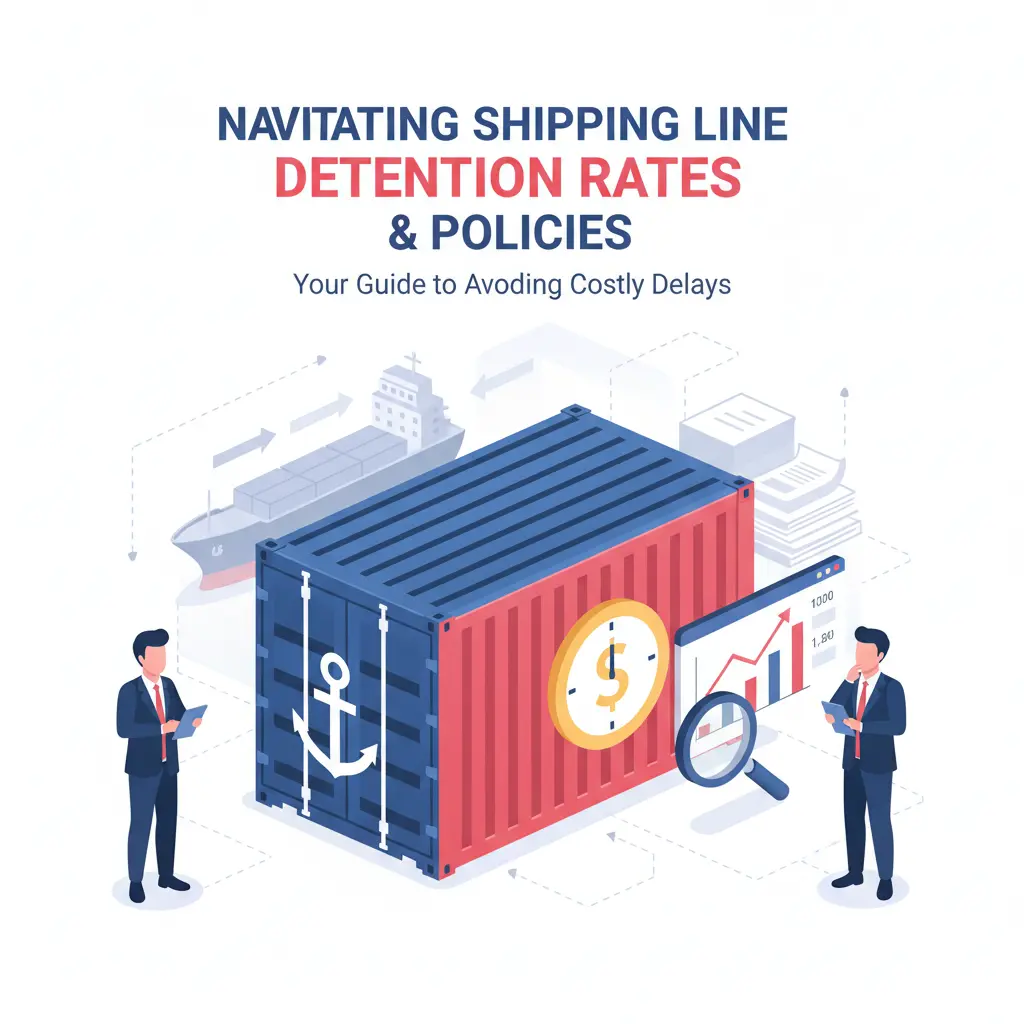
In the complex world of international shipping, understanding and managing container detention charges is crucial for maintaining profitability and efficient supply chain operations. These charges, distinct from demurrage (which relates to the use of the terminal facility), apply when the shipper or consignee holds a carrier’s container outside the port, terminal, or depot beyond the agreed-upon free days. Effectively navigating these policies and rates can significantly impact your logistics costs and operational fluidity. Delays, whether due to customs issues, transport bottlenecks, or insufficient planning, can quickly accumulate substantial fees. By grasping the intricacies of detention vs demurrage, and proactively managing container movements, businesses can mitigate these often-unforeseen expenses.
1. Factors Influencing Detention Rates
The calculation of shipping line detention rates is a multifaceted process, influenced by a variety of dynamic factors. Foremost among these is the type of equipment. Specialized containers, such as refrigerated (reefer) units, open-tops, or flat racks, typically command higher detention rates due to their limited availability and higher capital cost compared to standard dry containers. The specific shipping line also plays a significant role, as each carrier sets its own tariffs based on its operational costs, fleet size, and competitive positioning. Geographic location and port congestion are critical determinants; ports experiencing high traffic volumes or infrastructure limitations often lead to increased rates as carriers seek to incentivize quicker container turnaround. Furthermore, market supply and demand dynamics for containers and vessel space can push rates up during peak seasons or periods of equipment shortage. The contractual agreement between the shipper and carrier, including any volume commitments or long-term partnerships, can also influence the negotiation of more favorable detention terms.
2. Common Shipping Line Policies & Terms
Understanding the standard policies and terms governing container detention is essential for effective management. The cornerstone of these policies is the concept of ‘free days,’ which refers to the period during which a container can be held outside the port without incurring detention charges. This allowance varies significantly, typically ranging from 3 to 7 days, but can be extended based on commodity, destination, or negotiation. After the free days expire, carriers levy ‘per diem’ charges, which are daily rates for each additional day the container is held. Many shipping lines employ a tiered pricing structure where the daily rate increases after a certain number of days (e.g., higher rates after 10 days compared to days 4-9). It’s also vital to be aware of the calculation methodology; some carriers might count weekends and holidays, while others might exclude them, significantly impacting the total charge. Clear policies also dictate the responsibility for these charges, which typically falls to the consignee for import shipments and the shipper for export shipments, depending on the agreed Incoterms.
3. Best Practices for Rate Negotiation & Disputes
Proactive management and strategic negotiation are key to mitigating container detention costs. One of the most effective strategies for how to avoid container detention is to negotiate an extended number of detention free days upfront, particularly for high-volume routes or commodities known for potential delays. This is often more achievable for larger shippers or those with long-term contracts. Implementing robust internal processes, such as precise inventory management, prompt customs clearance, and efficient local transport arrangements, can significantly reduce the risk of delays. Leveraging real-time tracking and monitoring tools allows for early identification of potential issues, enabling swift intervention. When disputes arise, thorough documentation is paramount. Maintain meticulous records of container gate-in/gate-out times, customs clearance documents, communication with carriers, and proof of any force majeure events. For deeper insights into navigating these charges, resources like Flexport’s guide on managing demurrage and detention provide valuable context. Open and clear communication with your shipping line or freight forwarder is crucial, as they may be able to offer solutions or insights into avoiding future charges. Ultimately, a blend of preparation, vigilance, and informed negotiation will empower you to effectively manage and minimize container detention expenses.
Partner with Vietnam’s Leading Suppliers
Looking for reliable suppliers in Vietnam? Contact VietnamSuppliers.com today to connect with verified manufacturers and exporters across all industries.
—————————————
References
– Federal Maritime Commission (FMC) Interpretive Rule on Demurrage and Detention Charges: https://www.fmc.gov/wp-content/uploads/2023/10/FMC-Interpretive-Rule-on-Demurrage-and-Detention-Charges-in-U.S.-Ocean-Shipping.pdf
– Demurrage and Detention: How to Avoid Costly Fees: https://www.freightos.com/freight-resources/demurrage-and-detention-how-to-avoid-costly-fees/
– Port Congestion and Delays: https://www.joc.com/port-congestion-and-delays
– Documentation errors still plague supply chains, driving up costs: https://www.supplychaindive.com/news/documentation-errors-supply-chain-logistics-customs-trade/549666/
– Flexport’s guide on managing demurrage and detention: https://www.flexport.com/blog/demurrage-and-detention-how-to-manage-these-shipping-charges/