What is a Certificate of Inspection (COI)?
The Certificate of Inspection (COI) stands as a pivotal document in the complex landscape of international trade, serving as a testament to the quality, quantity, and compliance of goods before they embark on their journey across borders. Far more than just paperwork, a COI is a robust assurance mechanism, meticulously verifying that products meet specified standards, contractual obligations, and regulatory requirements of the importing country. Its primary role is to mitigate risks for both buyers and sellers, ensuring transparency and building trust in cross-border transactions. This document clarifies the role of the pre-shipment inspection certificate, distinguishes it from other common shipping documents, and underscores its critical pre-shipment aspect in safeguarding trade interests globally.
Definition & Core Purpose in Global Commerce
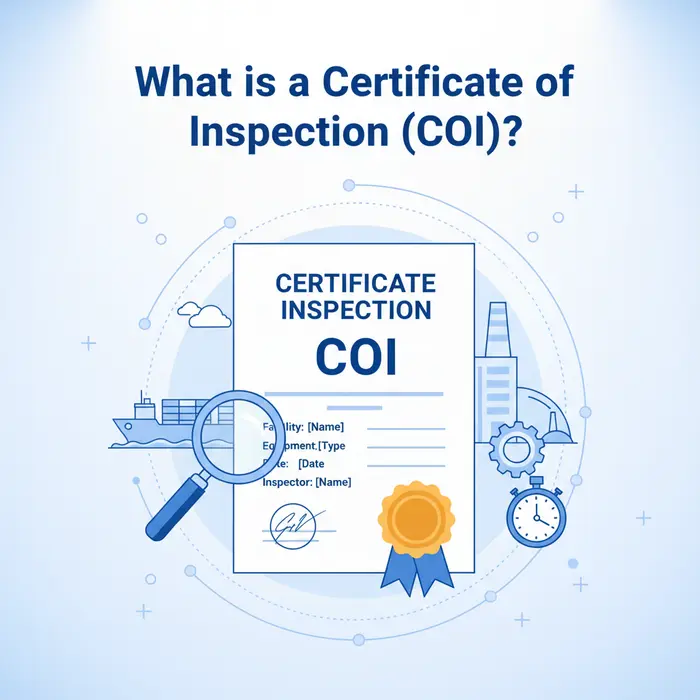
A Certificate of Inspection (COI) is an official document issued by an independent third-party inspection agency after a thorough examination of goods destined for export. It certifies that the products conform to the terms and conditions outlined in a sales contract, letter of credit, or other agreed-upon specifications. The primary purpose of Certificate of Inspection is multifaceted: it verifies the quality, quantity, labeling, packaging, and sometimes even the loading process of the goods. For instance, it confirms that a shipment of electronics meets specified technical standards, that a consignment of agricultural products adheres to pest-free requirements, or that textile goods match the agreed-upon design and material composition.
In global commerce, the COI acts as a crucial risk management tool. It protects importers from receiving substandard, incorrect, or damaged goods, thereby preventing costly disputes, returns, and reputational damage. For exporters, it provides undeniable proof that their goods met the agreed standards at the point of shipment, facilitating smoother customs clearance and payment processes. It fosters a climate of trust, especially when buyers and sellers are geographically distant and have no prior trading relationship. Moreover, many countries mandate a COI for specific types of imports, particularly for sensitive goods like food, pharmaceuticals, and certain industrial products, to protect public health, safety, and the environment. This makes the quality inspection certificate for export an indispensable part of compliant international trade.
Distinguishing COI from other Trade Certificates
While numerous certificates are integral to international trade, the Certificate of Inspection (COI) possesses a distinct identity. It is often confused with, but fundamentally different from, documents like the Certificate of Origin, Health Certificate, or Certificate of Conformity. A Certificate of Origin (COO), for example, solely declares the country where the goods were produced, primarily for tariff and trade agreement purposes. A Health Certificate (for animals/plants) or a Phytosanitary Certificate (for plants/plant products) focuses specifically on health and pest-free status to prevent the spread of diseases, often issued by governmental agricultural bodies. A Certificate of Conformity (CoC), while also attesting to standards, often implies self-declaration by the manufacturer or a third-party assessment of the design and production process rather than a direct physical inspection of a specific shipment before departure.
The key differentiator for the COI lies in its focus on a comprehensive, physical pre-shipment inspection certificate of the actual goods being dispatched. It’s a snapshot of the shipment’s condition and compliance at a specific point in time, usually at the manufacturer’s premises or port of loading. Unlike certificates that attest to a product’s general compliance or origin, the COI specifically verifies that this particular consignment meets the agreed specifications before it leaves the exporter’s control. This granular, shipment-specific verification is what sets the COI apart, making it a direct safeguard against discrepancies in quality, quantity, and packaging.
The Concept of Pre-shipment Inspection (PSI)
The issuance of a Certificate of Inspection (COI) is a direct outcome of a successful Pre-shipment Inspection (PSI). PSI is a critical quality control process performed by an independent third-party inspection company, usually on behalf of the buyer, once a consignment is 100% produced and at least 80% packaged. The essence of PSI is to inspect the goods before they are loaded onto the vessel, aircraft, or truck for international transport. This proactive measure is crucial because it allows any issues – be it defects, quantity shortages, incorrect labeling, or packaging flaws – to be identified and rectified before the shipment leaves the factory or warehouse. This prevents costly delays, rejections at the destination port, and potential financial losses for both parties.
During a PSI, inspectors meticulously check various parameters, including but not limited to: quantity verification against purchase order, visual inspection for defects and workmanship, product specifications and dimensions, labeling and marking compliance, packaging integrity and safety, and shipping mark accuracy. Some inspections may also involve functional tests, on-site tests, or sampling for laboratory analysis, depending on the product and contractual requirements. The who issues Certificate of Inspection question is vital here: it’s typically issued by internationally recognized inspection agencies like SGS, Bureau Veritas, Intertek, or local accredited bodies, acting as impartial arbiters. Their independence ensures an objective assessment, providing assurance to both the buyer that they are receiving what they paid for and to the seller that their goods meet the agreed standards. This makes the COI synonymous with a verifiable quality inspection certificate for export, safeguarding trade interests and enhancing supply chain integrity.
Why is the Certificate of Inspection Essential?
The global marketplace thrives on trust, transparency, and verifiable standards. In this complex environment, the Certificate of Inspection (COI) emerges as a pivotal document, acting as a testament to a product’s compliance with agreed-upon terms before shipment. Often referred to as a Pre-shipment inspection certificate, a COI is an official document issued by an independent third-party inspection agency, confirming that goods have been inspected and meet the quality, quantity, and other specifications outlined in a sales contract or letter of credit. Understanding the fundamental purpose of a Certificate of Inspection reveals its indispensable role for all stakeholders: buyers, sellers, and customs authorities alike, fundamentally underpinning quality assurance, mitigating commercial risks, and facilitating smoother international trade operations. For those looking to exploring resources on its function is highly recommended.
1. Ensuring Product Quality, Quantity & Specifications
At its core, a Certificate of Inspection serves as a robust mechanism for guaranteeing product integrity. When an independent agency issues a COI, it signifies that the goods have undergone a thorough examination, verifying their adherence to the specific criteria laid out in the buyer’s order. This typically involves meticulous checks on the quality, quantity, and specifications of the products. For instance, inspectors will compare the goods against samples, technical drawings, purchase orders, and international standards, ensuring that the materials, workmanship, dimensions, and functionality all align with expectations. This validation process is crucial, especially for a quality inspection certificate for export, as it preempts potential disputes arising from discrepancies upon arrival. It effectively acts as an early warning system, identifying defects, non-conformities, or quantity shortfalls before the goods leave the seller’s premises. This proactive approach by who issues Certificate of Inspection — the impartial third-party — provides an objective assessment, assuring the buyer that their investment meets the agreed-upon value and preventing costly returns or reprocessing. Without this vital step, buyers would be largely reliant on the seller’s assurances, which can be risky in cross-border transactions.
2. Facilitating Customs Clearance & Regulatory Compliance
Beyond quality assurance, the Certificate of Inspection plays a critical role in streamlining the logistical complexities of international trade, particularly regarding customs procedures. Many countries and trade blocs mandate a COI as a prerequisite for import, ensuring that incoming goods comply with national safety, health, environmental, and technical regulations. By providing official documentation from an accredited third party, the COI significantly expedites customs clearance processes. It acts as verifiable proof that the goods meet all necessary import requirements, thereby reducing the likelihood of delays, extensive physical inspections, or even seizure at the border. This proactive compliance helps avoid demurrage charges, storage fees, and other expenses associated with stalled shipments. Furthermore, in an era of increasing scrutiny over supply chains, the COI aids authorities in combating illicit trade, ensuring that only legitimate and compliant products enter the market. It demonstrates due diligence on the part of both the exporter and importer, simplifying regulatory hurdles and ensuring smoother transit across international borders, a key aspect of international commerce facilitated by robust inspection processes defined by bodies like the World Trade Organization (WTO).
3. Protecting Buyers and Mitigating Trade Risks
Perhaps one of the most significant advantages of the Certificate of Inspection is the substantial protection it offers to buyers and its capacity to mitigate multifaceted trade risks. For a buyer, purchasing goods from a distant supplier involves inherent uncertainties. A COI acts as an essential safeguard for their financial investment, ensuring that the goods received are precisely what was ordered and paid for. This reduces the risk of receiving substandard, damaged, or incorrect products, which could lead to significant financial losses, reputational damage, and operational disruptions. In the event of a dispute, the COI serves as impartial evidence, strengthening the buyer’s position and potentially facilitating quicker resolution. Conversely, sellers also benefit by demonstrating their commitment to quality and transparency, building trust and fostering long-term business relationships. For banks involved in trade finance, especially those processing Letters of Credit, the COI provides crucial assurance that the underlying transaction is sound, validating the value of the goods against which financing is extended. Ultimately, the presence of a comprehensive Certificate of Inspection instills confidence across the entire supply chain, transforming potentially high-risk international transactions into secure and reliable commercial exchanges.
Who Issues a Certificate of Inspection?
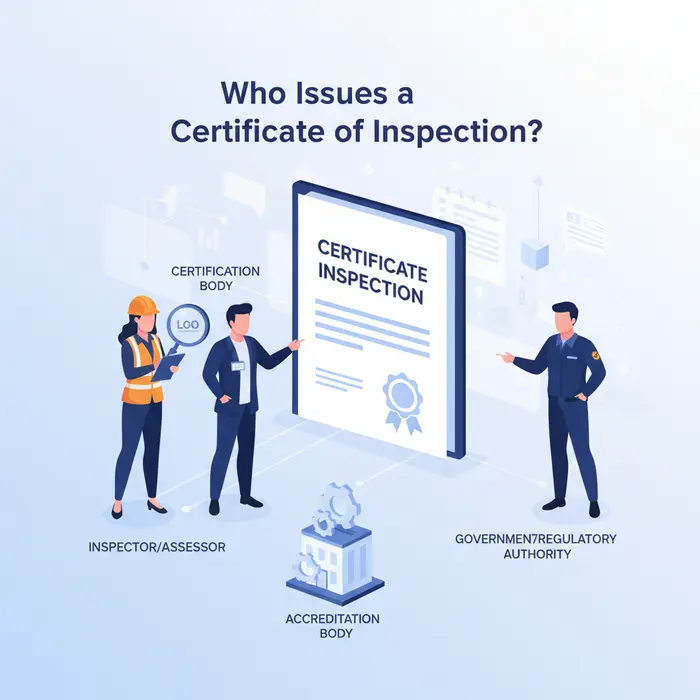
Understanding who issues a Certificate of Inspection (COI) is crucial for businesses engaged in international trade and quality assurance. A Certificate of Inspection serves as an official document confirming that goods have been inspected for quality, quantity, and compliance with specified standards or contractual terms before shipment. Its purpose of Certificate of Inspection is to provide an independent verification of the goods’ condition, safeguarding both buyers and sellers and mitigating risks associated with non-conforming products. While the ultimate responsibility for product quality lies with the manufacturer, the issuance of a COI often falls to specialized entities, ensuring impartiality and expertise. These entities can broadly be categorized into independent third-party agencies and government bodies, with their credibility significantly bolstered by rigorous accreditation processes.
1. Independent Third-Party Inspection Agencies
The most common issuers of a Certificate of Inspection are independent third-party inspection agencies. These companies specialize in providing inspection, testing, and certification services across various industries globally. Their independence is paramount, as it ensures an unbiased assessment of the goods. They operate autonomously from both the buyer and the seller, thus offering a credible and objective evaluation. Businesses often contract these agencies for a pre-shipment inspection certificate, ensuring that products meet specified quality and quantity requirements before leaving the supplier’s facility. Examples of services include visual inspections, quantity verification, packing and marking checks, and conformity to contractual specifications. The expertise of these agencies covers a vast array of products, from raw materials to finished consumer goods, making them indispensable in global supply chains. Their role is especially critical when dealing with new suppliers or complex products where quality deviations can have significant financial and reputational impacts. For a quality inspection certificate for export, these agencies meticulously review product specifications, conduct on-site checks, and issue detailed reports, culminating in the COI if all criteria are met.
2. Government Bodies and Authorized Organizations
In certain contexts, particularly for highly regulated goods or specific trade agreements, government bodies or organizations authorized by them may issue a Certificate of Inspection. This is often seen in sectors such as agriculture, food products, pharmaceuticals, and certain industrial goods where national health, safety, or environmental standards are paramount. For instance, a country’s agricultural department might issue a phytosanitary certificate, which is a form of inspection certificate, confirming that agricultural products are free from pests and diseases. Similarly, customs authorities or designated national standards bodies might be involved in inspecting and certifying goods for import or export, especially when compliance with national regulations is mandatory. These governmental or quasi-governmental entities often operate under specific mandates and legal frameworks, ensuring adherence to national and international trade laws. Their involvement adds an extra layer of official endorsement and often facilitates customs clearance, particularly for products requiring specific health or safety approvals. While less common for general commercial goods compared to third-party agencies, their role is non-negotiable for products falling under specific regulatory oversight.
3. Accreditation and Standards for Inspection Bodies
Regardless of whether a Certificate of Inspection is issued by an independent third-party agency or a government-authorized body, the credibility and international acceptance of the certificate heavily rely on the accreditation of the issuing organization. Accreditation is a formal recognition by an authoritative body that an inspection agency is competent to carry out specific inspection tasks. This process involves rigorous assessment of the agency’s quality management systems, technical competence of its personnel, equipment calibration, and adherence to international standards. Key international standards for inspection bodies include ISO/IEC 17020: Conformity assessment – Requirements for the operation of various types of bodies performing inspection. Adherence to such standards ensures uniformity, reliability, and impartiality in inspection activities worldwide. When an inspection body is accredited, it signifies that its COIs are reliable and trustworthy, reducing trade barriers and fostering confidence among trading partners. Buyers and sellers should always verify that the chosen inspection body holds the necessary accreditations relevant to the scope of inspection. This due diligence ensures that the who issues Certificate of Inspection is not only independent but also operates under recognized benchmarks of quality and competence, thereby maximizing the value and acceptance of the inspection certificate.
The Inspection Process: From Request to Issuance
A Certificate of Inspection (COI) is an indispensable document in international trade, serving as official proof that goods conform to contractual specifications, quality standards, and regulatory requirements before shipment. This crucial document assures buyers of product integrity and minimizes risks associated with discrepancies, damages, or non-compliance. Often issued by independent, third-party inspection agencies, a COI provides an unbiased assessment, making it a cornerstone of trust in global supply chains. The journey to obtaining this vital pre-shipment inspection certificate involves a systematic and thorough inspection process, meticulously designed to verify every critical aspect of an export consignment.
Requesting an Inspection & Required Documentation
The first step in securing a Certificate of Inspection is initiating a request with an accredited, independent inspection body. This process typically begins once production is complete or nearing completion, ensuring that a representative sample or the entire batch of goods is available for scrutiny. To facilitate a precise and effective inspection, the requesting party—usually the exporter or buyer—must provide comprehensive information and documentation. Key details include the product type, quantity, destination country, and any specific quality standards or buyer specifications that need to be met. The critical documents required for this stage often include:
- Purchase Order or Sales Contract: Outlining the agreed terms, product descriptions, and quantities.
- Proforma Invoice or Commercial Invoice: Detailing the transaction value and goods involved.
- Packing List: Providing an itemized list of goods with their packaging details.
- Product Specifications and Technical Drawings: Essential for verifying compliance with design and performance criteria.
- Testing Requirements and Applicable Standards: Such as ISO, CE, ASTM, or specific industry regulations, which guide the inspection parameters.
- Letter of Credit (if applicable): Containing specific inspection clauses.
Accuracy and completeness in submitting these documents are paramount, as they form the basis for the inspection plan and ensure that all contractual obligations and regulatory requirements are addressed.
Key Stages of the Pre-shipment Quality Inspection
Once the request and documentation are processed, the independent inspection agency schedules and conducts the quality inspection certificate for export. This pre-shipment inspection certificate typically involves several critical stages executed by skilled inspectors:
- Initial Planning and Scheduling: The inspection agency works with the exporter to set a suitable date and time, often requiring the goods to be packed and ready for shipment.
- On-site Inspection Methodology: Conducted at the factory or warehouse, this stage involves a meticulous examination of the goods. Inspectors use internationally recognized sampling methods, such as the Acceptable Quality Limit (AQL) standards, to select a representative sample from the total consignment.
- Visual Checks: Detailed examination for cosmetic defects, workmanship, color discrepancies, and overall appearance against approved samples or specifications.
- Quantity Verification: A precise count of the goods to ensure it matches the packing list and purchase order.
- Packaging and Marking Assessment: Verification that packaging is suitable for export, durable, and correctly labeled with shipping marks, hazard warnings, and origin information.
- Functional and Safety Tests: Where applicable, inspectors perform basic functional checks to ensure products operate as intended and comply with safety standards.
- Conformity to Standards: Confirmation that the products adhere to stipulated international standards, technical specifications, and buyer-specific requirements.
The independent inspector’s objective is to provide an unbiased and accurate report, which forms the foundation for issuing the final Certificate of Inspection.
Verifying Product Quality, Quantity, and Packaging for Export
The core objective of the inspection process is to meticulously verify three crucial aspects: product quality, quantity, and packaging. These elements are critical for successful export operations and buyer satisfaction.
- Product Quality: This is arguably the most critical aspect. Inspectors verify that the goods conform in every detail to the agreed-upon specifications, approved samples, and international quality standards. This includes checking for material composition (if specified), performance characteristics, absence of defects (scratches, dents, faulty components), and overall workmanship. The thoroughness of this quality inspection certificate for export assures buyers that the products they receive are precisely what they ordered, minimizing the risk of returns, complaints, and damage to brand reputation. Major inspection bodies like SGS play a vital role in setting and verifying these global quality benchmarks.
- Quantity Verification: Ensuring the correct quantity is shipped prevents costly discrepancies and disputes. Inspectors meticulously count or weigh the goods, comparing the findings against the packing list, purchase order, and other relevant shipping documents. This step confirms that the entire consignment, or the agreed-upon portion, is present and accounted for before sealing.
- Packaging and Marking: Proper packaging is vital for protecting goods during long transit times and varying environmental conditions. Inspectors assess the integrity and suitability of the inner and outer packaging, ensuring it provides adequate protection against physical damage, moisture, and contamination. They also verify that all necessary markings—such as shipping marks, handling instructions, hazardous material warnings, and country of origin—are correct, legible, and compliant with the destination country’s regulations. Appropriate packaging and marking are essential not only for safe delivery but also for smooth customs clearance and efficient handling.
Upon successful completion of these verification stages and if the goods meet all specified criteria, the inspection body issues the Certificate of Inspection. This document, often required for customs clearance and payment release (especially under Letters of Credit), officially attests to the conformity of the shipment, streamlining trade and bolstering confidence between international partners. The purpose of Certificate of Inspection ultimately is to safeguard the interests of both buyer and seller, ensuring a transparent and reliable transaction.
Benefits and Implications for Global Trade
The Certificate of Inspection (COI) stands as a cornerstone in the intricate web of global trade, serving far beyond a mere piece of paper. It embodies a commitment to quality, an assurance of compliance, and a foundation for trust that underpins successful international commerce. In an era where supply chains are increasingly complex and geographically dispersed, the COI’s role has never been more critical. It significantly impacts how goods move across borders, fostering efficiency, mitigating risks, and ensuring that products meet the rigorous international standards expected by discerning markets worldwide. Understanding its broader implications reveals why the Certificate of Inspection is an indispensable tool for every participant in the global marketplace, from manufacturers and exporters to importers and end-consumers.
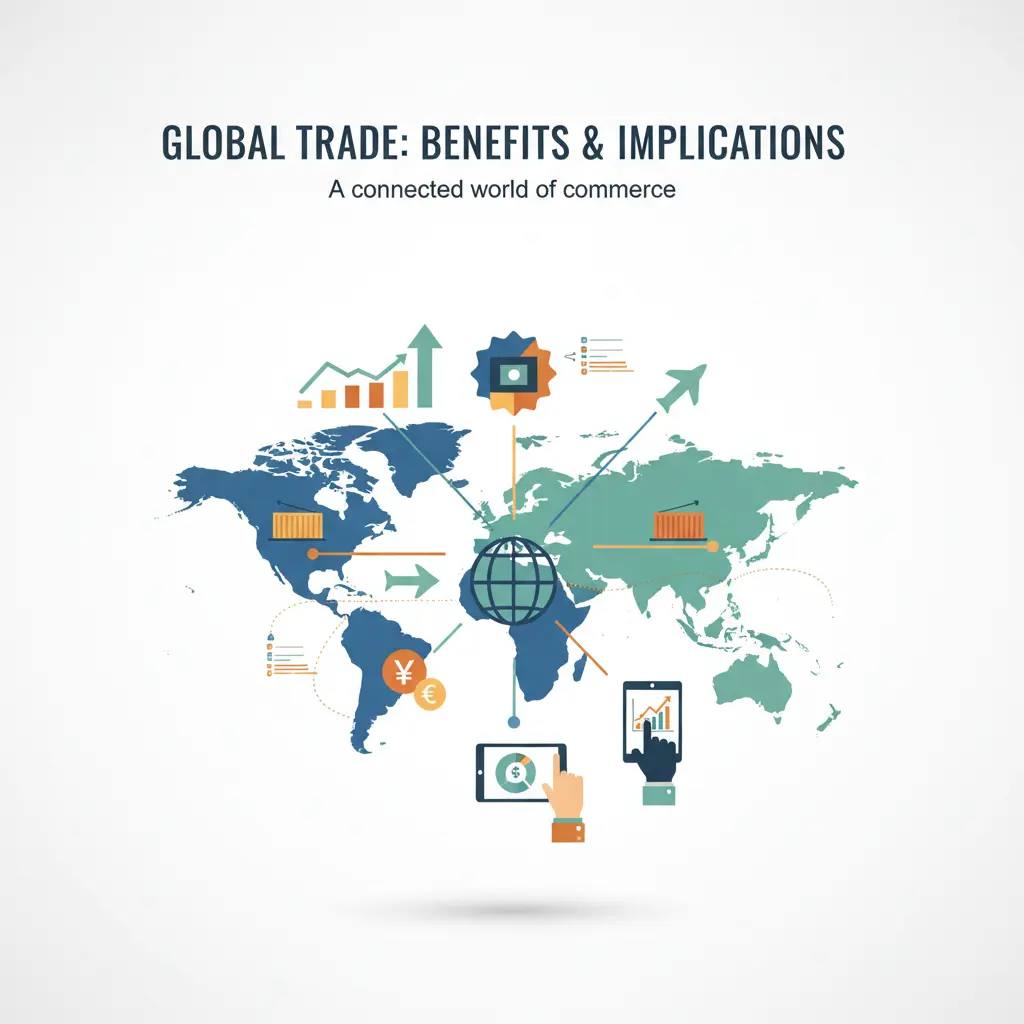
1. Building Trust and Transparency in Supply Chains
This section elaborates on how a Certificate of Inspection serves as a critical tool for establishing trust and enhancing transparency across complex global supply chains. A Certificate of Inspection, often referred to as a quality inspection certificate for export, provides an independent verification that goods meet specified contractual or regulatory standards before shipment. Its primary purpose of Certificate of Inspection is to assure buyers that the products they receive match the agreed-upon quality, quantity, and other specifications. This independent assessment significantly reduces the information asymmetry between buyers and sellers, fostering confidence, especially when dealing with new suppliers or in high-value transactions across vast geographical distances. By offering an objective third-party report, it builds a foundation of reliability, allowing businesses to transact with greater assurance and minimizing the risks associated with product quality discrepancies. This transparency is crucial for long-term relationships and sustainable global trade, reinforcing the integrity of every transaction.
2. Reducing Disputes and Financial Losses
The second key benefit of utilizing a Certificate of Inspection lies in its powerful ability to mitigate disputes and prevent substantial financial losses for all parties involved. A pre-shipment inspection certificate acts as a preventative measure, identifying potential issues before goods leave the origin country. By catching non-conformities early, whether related to quality, quantity, packaging, or labeling, it prevents costly delays, rejections at the port of destination, and subsequent reprocessing or return shipments. Without a robust inspection process, buyers might receive substandard goods, leading to significant financial write-offs, damage to their reputation, and strained supplier relationships. For sellers, receiving a clean Certificate of Inspection from an independent third party, who issues Certificate of Inspection, provides documentary evidence that goods were in satisfactory condition upon departure. This significantly strengthens their position in case of claims or disputes arising post-delivery, protecting them from unwarranted financial penalties and legal battles. In essence, COIs act as a vital insurance policy against the myriad risks inherent in international logistics.
3. Navigating International Regulations and Market Access
Finally, the Certificate of Inspection is indispensable for navigating the labyrinth of international trade regulations and securing market access across diverse global economies. Many countries mandate specific pre-shipment inspections for certain types of goods as part of their import requirements, particularly for agricultural products, electronics, or textiles. These regulations are often in place to protect domestic consumers, enforce environmental standards, or prevent the entry of substandard or hazardous products. A valid Certificate of Inspection serves as crucial proof of compliance, facilitating smoother customs clearance and preventing goods from being detained or rejected at borders. Furthermore, adherence to these international standards, often verified by a reputable inspection body, enhances a company’s credibility and competitiveness, opening doors to new markets and partnerships. For instance, conforming to international quality and safety benchmarks, as verified by a COI, can be a prerequisite for doing business with major retailers or entering highly regulated markets like the EU or the US. This regulatory compliance not only ensures legal entry but also strengthens consumer confidence in imported goods, underpinning the integrity of global commerce. For further details on international trade standards and compliance, the World Trade Organization (WTO) offers comprehensive guidelines on various agreements affecting international trade.
Partner with Vietnam’s Leading Suppliers
Looking for reliable suppliers in Vietnam? Contact VietnamSuppliers.com today to connect with verified manufacturers and exporters across all industries.
—————————————
References
– Pre-shipment Inspection (PSI): https://www.sgs.com/en/services/pre-shipment-inspection-psi
– World Trade Organization (WTO) on Pre-shipment Inspection: https://www.wto.org/english/tratop_e/psi_e/psi_e.htm
– ISO/IEC 17020: Conformity assessment – Requirements for the operation of various types of bodies performing inspection: https://www.iso.org/standard/60824.html
– SGS Pre-shipment Inspection: https://www.sgs.com/en/services/pre-shipment-inspection
– World Trade Organization (WTO): https://www.wto.org/english/tratop_e/tbt_e/tbt_e.htm