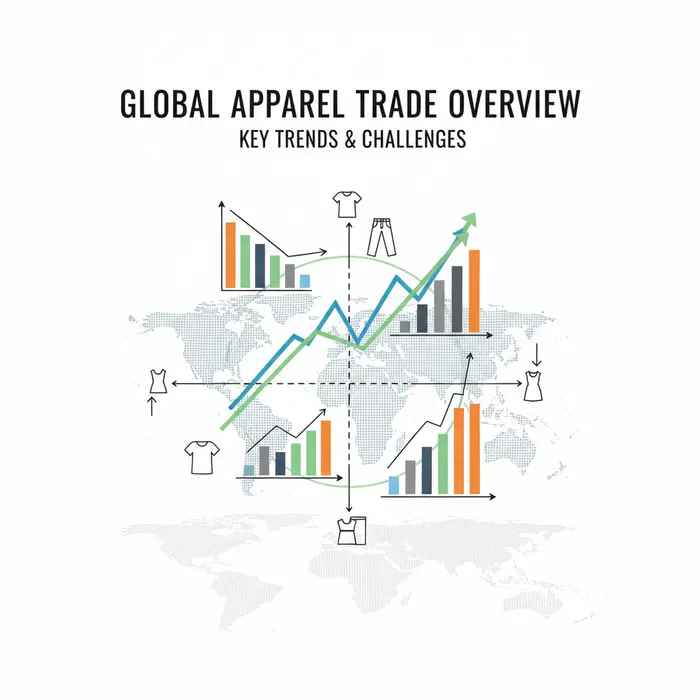
Global Apparel Trade Overview: Key Trends & Challenges
The global apparel trade is a dynamic and multifaceted sector, constantly evolving under the influence of macroeconomic shifts, technological advancements, and geopolitical developments. As we navigate the current landscape, understanding the prevailing trends, economic drivers, and significant challenges is crucial for businesses operating within this immense industry. The current Global Apparel Trade Outlook reveals a sector marked by both resilience and disruption, with companies continually adapting to shifting consumer demands, supply chain pressures, and sustainability imperatives.
1. Macroeconomic Factors Shaping Trade
Macroeconomic forces exert a profound influence on the global apparel trade. Inflationary pressures, rising interest rates, and fluctuating energy costs are directly impacting manufacturing expenses and consumer purchasing power across major markets. Persistent inflation in key importing regions, such as North America and Europe, has led to a cautious approach from consumers, resulting in reduced discretionary spending on apparel. This slowdown in demand reverberates through the entire supply chain, affecting Textile import export data and production volumes. Furthermore, currency volatility can significantly alter the competitiveness of exporting nations and the cost of imports for buyers. A strong dollar, for instance, makes imports cheaper for U.S. consumers but increases the cost of goods for international buyers using other currencies. Businesses must closely monitor these economic indicators to anticipate shifts in demand and adjust their production and sourcing strategies accordingly, often relying on detailed Global textile market analysis to navigate these complexities.
2. Major Exporting & Importing Nations
The landscape of major exporting and importing nations continues to evolve, reflecting shifts in manufacturing capabilities, labor costs, and trade policies. China remains a dominant force, though its share is gradually being challenged by rising stars. Vietnam, in particular, has solidified its position as a key apparel exporter, with robust Vietnam apparel export statistics showcasing its growth and reliability. Other significant exporting hubs include Bangladesh, India, and Turkey, each offering unique strengths in terms of product specialization, production capacity, and geographical proximity to certain markets. On the importing side, the United States and the European Union remain the largest consumers of apparel, driving much of the global demand. However, emerging markets in Asia and Latin America are also growing in importance. The diversification of sourcing locations is a key trend, as brands seek to mitigate risks associated with over-reliance on a single country and optimize for factors like speed-to-market and sustainability credentials.
3. Impact of Geopolitics on Supply Chains
Geopolitical tensions and trade policies are increasingly reshaping global supply chains. The rise of protectionism, trade disputes, and regional conflicts introduces significant uncertainty and risk for the fashion industry. For example, tariffs and non-tariff barriers can increase costs, complicate logistics, and force businesses to re-evaluate their sourcing strategies. The concept of ‘friend-shoring’ or ‘near-shoring’ is gaining traction, where companies opt to source from politically aligned or geographically closer nations to enhance supply chain resilience and reduce vulnerability to disruptions. This shift is a critical component of evolving Fashion industry supply chain trends. Furthermore, concerns around human rights and environmental compliance are prompting stricter scrutiny of sourcing locations, pushing brands to adopt more transparent and ethical supply chain practices. Navigating this complex geopolitical environment requires agility, strategic foresight, and a proactive approach to risk management, making a comprehensive Global Apparel Trade Outlook essential for informed decision-making.
Deep Dive: Textile Import Export Data Analysis
Comprehensive analysis of recent textile import export data, revealing shifts in trade volumes, commodity preferences, and significant growth regions.
Global Textile Trade Volume & Value
The global textile market, a cornerstone of international commerce, has navigated a complex landscape marked by post-pandemic resurgence followed by considerable economic headwinds. Recent Global Apparel Trade Outlook reports highlight significant fluctuations in trade volumes and values, reflecting a delicate balance of evolving consumer demand, inflationary pressures, and geopolitical stability. A detailed Global textile market analysis reveals that while the overall trade value experienced a robust rebound in 2021-2022, largely driven by pent-up demand and rising commodity prices, the latter half of 2023 and early 2024 have introduced new challenges. High inventory levels in key importing nations, combined with persistent inflationary impacts on consumer spending power, have led to a more cautious approach from retailers and brands. This has resulted in a tempering of import orders, particularly for non-essential apparel items. Despite these immediate challenges, the long-term prognosis remains optimistic for specific segments and agile regions, underscoring the inherent resilience and adaptability of the global textile supply chain. Understanding these nuanced shifts is paramount for all stakeholders navigating the ever-evolving currents of international trade.
Shifting Trade Routes & Partners
One of the most profound narratives emerging from recent textile import export data is the undeniable shift in established trade routes and the accelerated rise of new, efficient manufacturing hubs. While traditional manufacturing powerhouses continue to play a pivotal role, there’s a clear strategic diversification of sourcing strategies underway. Countries in Southeast Asia, most notably Vietnam, have substantially strengthened their position in the global supply chain. Consistently strong Vietnam apparel export statistics demonstrate robust growth, underpinned by competitive labor costs, an expanding network of favorable trade agreements, and an increasingly sophisticated manufacturing infrastructure. This trend is further amplified by international brands’ imperative to mitigate risks associated with over-reliance on single-country sourcing, a critical lesson learned during recent global disruptions. The growing emphasis on nearshoring or friend-shoring also contributes to this diversification, fostering new clusters of production closer to end markets. According to the World Trade Organization, global trade patterns are in a constant state of flux, mirroring broader geopolitical and economic realignments. These dynamic shifts profoundly impact fashion industry supply chain trends, where resilience, flexibility, and ethical sourcing practices are rapidly becoming non-negotiable prerequisites. For companies aiming to optimize their supply chains, a deep understanding of these regional transitions is crucial for maintaining a competitive edge and ensuring long-term business continuity.
Key Product Categories Driving Growth
Beyond the geographical reconfigurations, a granular examination of textile import export data pinpoints specific product categories that are significantly fueling market expansion. The athleisure segment continues its impressive ascent, with sportswear and performance apparel experiencing sustained, robust demand across global markets. Consumers’ escalating focus on health, wellness, and comfort acts as a primary catalyst for this sector, driving continuous innovation in fabric technology and design. Concurrently, the burgeoning global interest in sustainable fashion has led to a remarkable increase in trade for textiles manufactured from recycled materials, organic fibers, and those produced using environmentally friendly processes. Brands are increasingly prioritizing transparency and traceability, which in turn heavily influences sourcing decisions throughout the fashion industry supply chain trends. Technical textiles, encompassing specialized materials utilized in industrial, medical, and protective applications, also represent a high-growth niche, though with less direct consumer visibility. These highly specialized textiles often command higher value and exhibit greater resilience against fluctuations in discretionary consumer spending. The emerging demand for smart textiles, integrating advanced technology for various functionalities, also signals a significant future growth frontier. These shifts in consumer preferences and industry demands necessitate highly agile manufacturing capabilities and a proactive approach to research and development, ensuring that suppliers can effectively meet the complex and evolving needs of global buyers.
Regional Focus: Vietnam & Emerging Market Dynamics
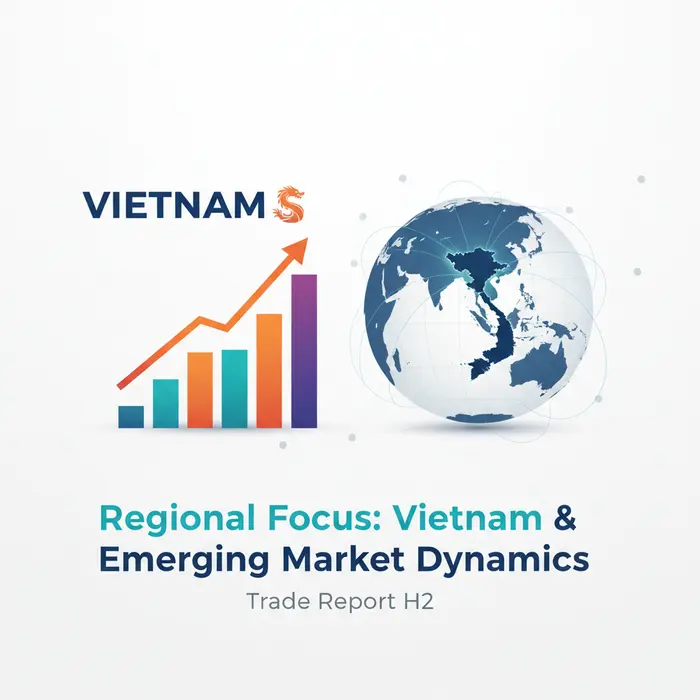
An in-depth look at critical regional players, with a specific focus on Vietnam’s apparel export statistics and the rise of other key manufacturing hubs.
The global apparel trade landscape is in a constant state of flux, driven by evolving consumer demands, geopolitical shifts, and the relentless pursuit of efficiency and sustainability. While traditional manufacturing powerhouses like China continue to dominate in scale, emerging markets, particularly in South and Southeast Asia, are rapidly carving out significant niches. This regional focus delves into the dynamic growth of these new hubs, with a particular emphasis on Vietnam’s impressive trajectory in the apparel sector.
1. Vietnam’s Apparel Export Success Factors
Vietnam has emerged as a beacon of success in the global apparel trade, consistently posting strong Vietnam apparel export statistics. Its ascent can be attributed to a confluence of strategic advantages. Foremost among these are numerous free trade agreements (FTAs), including the Comprehensive and Progressive Agreement for Trans-Pacific Partnership (CPTPP) and the EU-Vietnam Free Trade Agreement (EVFTA). These agreements have significantly reduced tariffs and streamlined customs procedures, making Vietnamese products highly competitive in key markets like the EU, the US, and Japan. Beyond trade pacts, Vietnam boasts a young, skilled, and increasingly productive workforce. The government’s proactive investment in infrastructure, from ports and logistics networks to industrial zones, further enhances its attractiveness as a manufacturing hub. Furthermore, a stable political environment and a strong commitment to foreign direct investment (FDI) have fostered an ecosystem conducive to sustained growth in the textile and apparel sector. This has allowed the country to integrate deeper into the fashion industry supply chain trends, offering competitive advantages in both cost and speed to market.
2. Growth of South & Southeast Asian Producers
While Vietnam shines, it is part of a broader trend of manufacturing diversification across South and Southeast Asia. Countries like Bangladesh, India, Cambodia, Indonesia, and Pakistan are increasingly vital players in the Global Apparel Trade Outlook. Bangladesh, for instance, remains a low-cost leader, particularly in basic garments, benefiting from strong government support and large-scale manufacturing capabilities. India is leveraging its vast raw material base, especially cotton, and growing domestic demand to become a self-sufficient and significant exporter of textiles and garments, moving towards higher-value products. Cambodia and Indonesia are attracting investment due to preferential trade access to certain markets and evolving manufacturing capabilities. This shift signifies a strategic de-risking by global brands looking to diversify beyond single-country dependencies, a major factor in modern fashion industry supply chain trends. The detailed textile import export data from these regions collectively paints a picture of a robust and expanding manufacturing base.
3. Role of EU & North American Sourcing
The sourcing strategies of major markets like the European Union and North America are pivotal in shaping these emerging market dynamics. Brands and retailers in these regions are increasingly adopting a “China plus one” or “China plus many” approach, seeking to mitigate risks associated with geopolitical tensions, rising labor costs in China, and supply chain disruptions. This diversification directly fuels the growth of Vietnamese, Bangladeshi, and other Southeast Asian manufacturers. Sustainability and ethical sourcing are also becoming non-negotiable criteria, pushing manufacturers to adopt more responsible practices. As part of a comprehensive Global textile market analysis, it’s clear that Western buyers are not just looking for cost savings but also for resilience, flexibility, and adherence to social and environmental standards. The preference for countries with robust FTA networks, like Vietnam, reflects a strategic move towards long-term, stable, and ethically sound supply partnerships. The continuous evolution of sourcing needs from EU and North American companies underscores the dynamic nature of the global apparel and textile industries.
Global Textile Market Analysis: 2025 Forecasts & Drivers
The global textile market is poised for significant transformation in 2025, driven by a confluence of technological innovation, evolving consumer demands, and an intensified focus on sustainability. As the apparel and textile industry navigates complex geopolitical landscapes and economic shifts, understanding the forward-looking trends and growth catalysts becomes paramount for stakeholders across the supply chain. This analysis provides a forward-looking perspective on the Global Apparel Trade Outlook, projecting key market dynamics, emergent growth drivers, and potential disruptions that will shape the industry’s trajectory leading into and through 2025.
1. Market Size Projections & Growth Rates
The global textile market is projected to maintain a steady growth trajectory towards 2025, fueled by rising global populations, increasing disposable incomes in emerging economies, and the continuous innovation in textile applications beyond traditional apparel. While specific growth rates vary by segment and region, overall market expansion is anticipated, with technical textiles and smart fabrics showing particularly robust momentum. The sheer volume of global textile market analysis indicates a robust sector adapting to new realities.
Emerging markets, especially in Asia Pacific, continue to be significant drivers, not only as manufacturing hubs but also as burgeoning consumer bases. Countries like Vietnam, for instance, continue to solidify their position, with Vietnam apparel export statistics highlighting consistent growth and strategic shifts towards higher-value production. Analyzing Textile import export data reveals shifting trade patterns, with reshoring efforts and nearshoring strategies gaining traction in response to supply chain vulnerabilities experienced in recent years. This rebalancing is expected to create new opportunities and challenges for established and nascent textile-producing regions alike, influencing investment flows and manufacturing footprints globally.
2. Sustainability & Circularity Initiatives
Sustainability is no longer a niche concern but a fundamental imperative reshaping the textile industry. By 2025, expect to see an accelerated adoption of circularity initiatives across the entire value chain. Brands and manufacturers are increasingly investing in eco-friendly materials, from organic cotton and recycled polyester to innovative bio-based fibers and advanced cellulosic textiles. The push for extended product lifecycles, repair services, and robust take-back schemes will redefine business models, moving away from linear “take-make-dispose” approaches. Consumers, particularly younger generations, are demanding greater transparency and ethical production practices, forcing companies to implement more stringent environmental and social governance (ESG) standards. This shift is profoundly impacting Fashion industry supply chain trends, prompting a redesign of sourcing, manufacturing, and distribution to minimize environmental footprints and maximize resource efficiency. Regulatory bodies worldwide are also stepping up, introducing legislation that mandates higher levels of recycling, restricts harmful chemicals, and promotes responsible consumption, thereby cementing sustainability as a core competitive advantage.
3. Technological Advancements in Textiles
Technology continues to be a profound disruptive and transformative force within the global textile market. In 2025, the integration of advanced technologies will further optimize production processes, enable hyper-personalization, and lead to the development of entirely new product categories. Automation and robotics in manufacturing facilities will enhance efficiency, reduce labor costs, and improve working conditions, addressing challenges such as labor shortages and consistency. Artificial intelligence (AI) and machine learning (ML) will play critical roles in demand forecasting, inventory management, design optimization, and quality control, making supply chains more responsive and resilient. Furthermore, the advent of smart textiles – fabrics embedded with sensors, electronics, and connectivity – is set to revolutionize sectors like healthcare, sports, and defense. Wearable technology will evolve beyond gadgets to become an integral part of clothing, offering real-time data and enhanced functionality. Digitalization, including 3D design software and virtual prototyping, will significantly shorten product development cycles and reduce material waste. These technological leaps are not just improving existing processes; they are fundamentally redefining what textiles can do and how they are made, solidifying a future where innovation is key to competitive survival in the Global textile market analysis.
Navigating Fashion Industry Supply Chain Trends
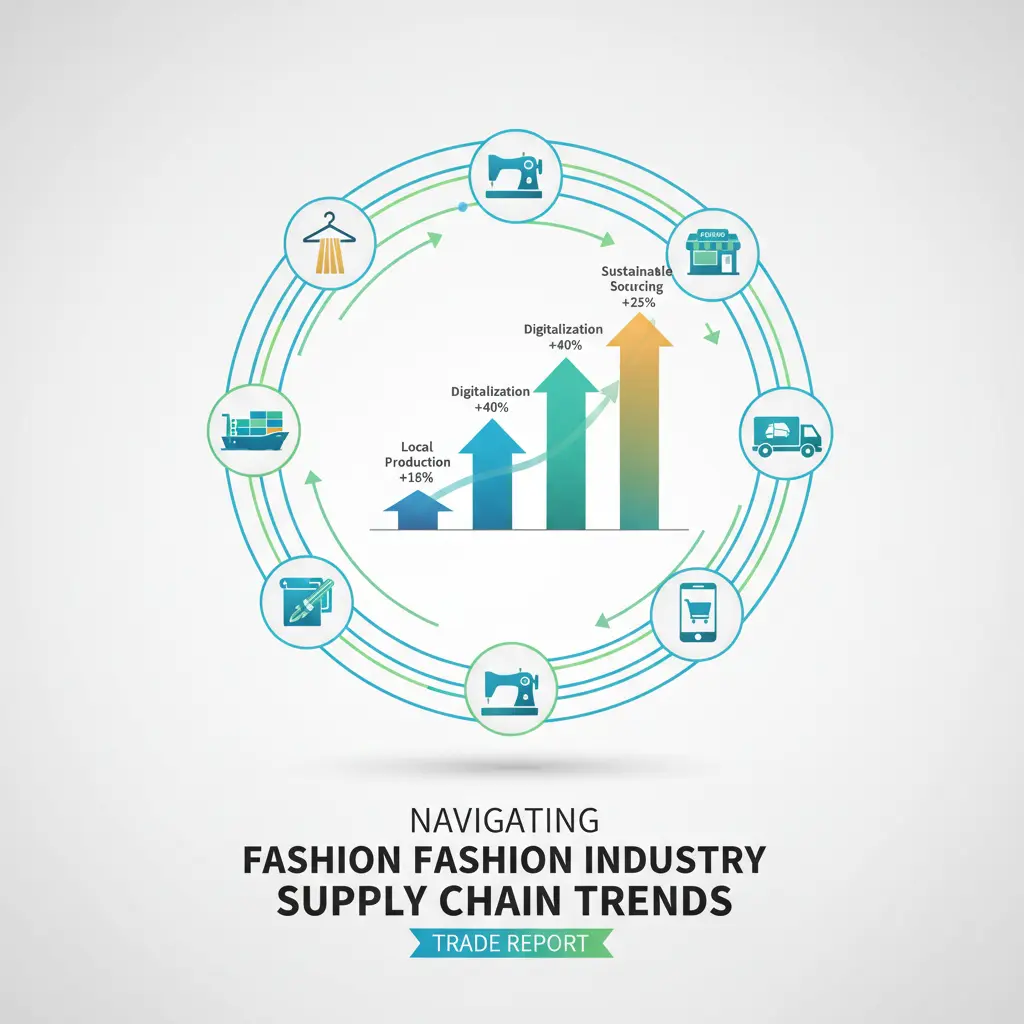
The global apparel sector is undergoing a profound transformation, driven by an intricate web of digitalization, evolving sourcing strategies, and increasingly complex consumer demands. Understanding these fashion industry supply chain trends is crucial for businesses aiming to maintain competitiveness and resilience in a volatile market. This exploration delves into the critical shifts impacting the industry, offering insights into how players can adapt and thrive. The overarching Global Apparel Trade Outlook is significantly shaped by these dynamic factors, necessitating strategic planning and agile execution from manufacturers, brands, and retailers alike.
Digitalization & Supply Chain Resilience
The imperative for greater supply chain resilience has propelled digitalization to the forefront of the fashion industry. Technologies such as Artificial Intelligence (AI), the Internet of Things (IoT), and blockchain are revolutionizing every stage from design to delivery. AI-driven demand forecasting tools enable brands to predict consumer preferences with unprecedented accuracy, minimizing overproduction and reducing waste – a critical consideration in the Global textile market analysis. IoT sensors provide real-time visibility into inventory levels and logistics, while blockchain offers immutable records for enhanced traceability and ethical compliance. This digital transformation is not merely about efficiency; it’s about building robust, agile supply chains capable of withstanding disruptions, from geopolitical tensions to unforeseen pandemics. Predictive analytics helps identify potential bottlenecks before they escalate, allowing for proactive mitigation strategies. Embracing these digital tools is no longer optional but essential for a competitive Global Apparel Trade Outlook.
Reshoring, Nearshoring, & Diversification
Decades of offshore manufacturing, primarily driven by cost advantages, are now giving way to more diversified and localized sourcing strategies. The vulnerabilities exposed by global events have accelerated trends like reshoring (bringing manufacturing back to the domestic country) and nearshoring (relocating to nearby countries). These shifts prioritize shorter lead times, reduced transportation costs, greater control over production quality, and improved responsiveness to market changes. For instance, while China remains a dominant force, countries like Vietnam have seen significant growth in their export capabilities, as reflected in Vietnam apparel export statistics. Diversification of the manufacturing base, spreading production across multiple regions, is a key risk mitigation strategy. This ensures that disruptions in one area do not cripple the entire supply chain. Analyzing Textile import export data reveals a dynamic landscape where proximity and resilience are increasingly valued alongside cost-effectiveness, reshaping the global flow of apparel goods.
Ethical Sourcing & Transparency Demands
Consumer and regulatory pressure for ethical and sustainable practices has reached an all-time high, fundamentally altering sourcing strategies. Brands are now expected to demonstrate transparency regarding labor practices, environmental impact, and material origins across their entire supply chain. This demand for ethical sourcing goes beyond mere compliance, becoming a core aspect of brand identity and consumer trust. Technologies like blockchain are proving instrumental in providing end-to-end traceability, allowing consumers to verify the journey of their garments from fiber to finished product. Industry standards and certifications for sustainable materials (e.g., organic cotton, recycled polyester) and fair labor practices are gaining prominence. Companies are investing in auditing and responsible manufacturing initiatives to ensure compliance and uphold their reputation. This heightened scrutiny means that the future Global Apparel Trade Outlook is intrinsically linked to a brand’s commitment to social and environmental responsibility, making ethical sourcing a strategic imperative rather than just a moral one.
Partner with Vietnam’s Leading Suppliers
Looking for reliable suppliers in Vietnam? Contact VietnamSuppliers.com today to connect with verified manufacturers and exporters across all industries.
—————————————
References
– Global Trade Trends in Textiles and Apparel – ITC: https://www.intracen.org/news/Global-Trade-Trends-in-Textiles-and-Apparel/
– World Trade Organization: https://www.wto.org/english/news_e/news_e.htm
– Vietnam Maintains Strong Textile Exports Despite Challenges – International Trade Centre News: https://www.itcnews.org/vietnam-maintains-strong-textile-exports-despite-challenges/
– Grand View Research – Global Textile Market Analysis: https://www.grandviewresearch.com/industry-analysis/textile-market
– Textile import export data from WTO: https://www.wto.org/english/res_e/statis_e/statis_e.htm