
Unveiling the Global Renewable Energy Landscape
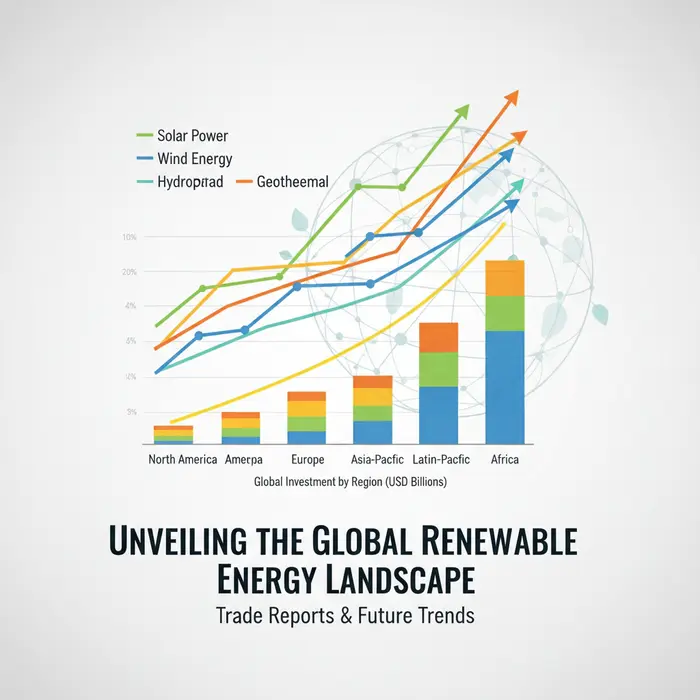
The global energy landscape is undergoing a profound transformation, driven by an urgent need to combat climate change, enhance energy security, and foster sustainable economic growth. At the heart of this shift lies the rapid expansion of renewable energy sources, which are increasingly dominating new power generation capacity additions worldwide. This section provides a comprehensive overview of the current state and future projections of the global renewable energy market, setting the essential context for understanding emerging Global Renewable Energy Trade Trends and the key influencing factors that shape them. From the burgeoning demand for solar photovoltaics to the robust growth in wind power, the international trade in clean energy technologies and services is a critical enabler of this transition, facilitating technology transfer, fostering competition, and accelerating deployment across diverse markets.
1. Defining Renewable Energy Trade: Scope and Importance
Renewable energy trade encompasses a broad spectrum of activities, extending beyond the mere exchange of raw materials or finished products. It includes the international movement of components, sub-assemblies, and complete systems for solar, wind, hydro, geothermal, and bioenergy installations. This scope also covers the trade in specialized services, such as engineering, procurement, construction (EPC), operation and maintenance (O&M), and even the licensing of intellectual property for advanced clean energy technologies. Understanding the nuances of this trade is paramount because it underpins the rapid global diffusion of renewable solutions. For instance, detailed Solar panel import export data reveals intricate supply chains spanning multiple continents, with components often sourced from one region, assembled in another, and deployed globally. Similarly, comprehensive Wind turbine market analysis highlights the international collaboration required to manufacture and install these massive structures, which are crucial for achieving decarbonization targets. The importance of this trade lies in its ability to optimize resource allocation, reduce technology costs through economies of scale, and accelerate the energy transition in countries that may lack indigenous manufacturing capabilities but possess abundant renewable resources. It fosters innovation and helps bridge the gap between technology developers and end-users, ensuring that the benefits of green energy are accessible worldwide.
2. Key Drivers Shaping the 2025 Market Dynamics
Several powerful forces are converging to shape the global renewable energy market leading up to 2025. Foremost among these are supportive government policies, including feed-in tariffs, tax incentives, renewable portfolio standards, and carbon pricing mechanisms, which create stable investment environments and drive demand. The relentless decline in technology costs, particularly for solar PV and wind power, continues to make renewables increasingly competitive against conventional fossil fuels. This cost advantage is a primary factor in the surging global investment in new clean energy projects. Furthermore, growing geopolitical tensions and concerns over energy security are prompting nations to diversify their energy mix, accelerating the adoption of indigenous renewable resources. Investor confidence is also bolstered by increased corporate commitments to sustainability and Environmental, Social, and Governance (ESG) criteria, leading to significant private sector investment. There’s also a burgeoning demand for Green energy supply chain insights as companies strive for transparency and ethical sourcing. This scrutiny opens up new Clean energy technology trade opportunities for nations specializing in sustainable manufacturing and innovation. Finally, technological advancements in energy storage, grid integration, and smart energy management systems are overcoming historical intermittency challenges, making renewables more reliable and dispatchable, thereby expanding their market penetration and further influencing Global Renewable Energy Trade Trends.
3. Methodology and Data Sources for This Report
The analysis presented in this report on Global Renewable Energy Trade Trends is built upon a robust methodology that combines qualitative insights with extensive quantitative data analysis. Our approach involves synthesizing information from a diverse array of authoritative and credible sources to ensure accuracy, comprehensiveness, and foresight. Key data sources include reports and statistics from international organizations such as the International Energy Agency (IEA), the International Renewable Energy Agency (IRENA), and the World Trade Organization (WTO). We also draw upon national energy agencies’ publications, market research firms specializing in renewable energy, and financial institutions’ investment analyses. Furthermore, industry association reports and academic studies provide valuable qualitative perspectives on emerging technologies, policy shifts, and market challenges. This multi-faceted data collection strategy allows for a nuanced understanding of trade flows, technology adoption rates, policy impacts, and investment patterns. By integrating historical performance data with forward-looking projections, this report aims to provide a reliable and actionable overview of the global renewable energy landscape, serving as a foundational reference for stakeholders navigating the complexities of the clean energy transition and identifying new Clean energy technology trade opportunities.
Solar Panel Trade Dynamics: Import Export Data Analysis
The global renewable energy landscape is continuously reshaped by the intricate dance of supply and demand, with solar photovoltaic (PV) technology at its heart. A comprehensive understanding of solar panel import export data is crucial for stakeholders across the clean energy technology trade opportunities spectrum. This analysis delves into the pivotal global trade patterns for solar panels, highlighting prominent exporting and importing nations, trade volumes, and dissecting the profound influence of evolving policy frameworks and geopolitical shifts on green energy supply chain insights. As nations accelerate their transition to sustainable energy, the dynamics of solar PV trade offer a compelling lens through which to view global renewable energy trade trends, uncovering both challenges and significant growth areas.
1. Leading Exporters and Importers of Solar PV Components
The global solar PV supply chain is dominated by a few key players, with Asia, particularly China, holding an overwhelming share in manufacturing and export. China has historically been the undisputed leader in solar cell and module production, accounting for the vast majority of global output. Its advanced manufacturing capabilities and economies of scale position it as the primary exporter of solar PV components. Other notable exporters, often benefiting from manufacturing shifts, include Southeast Asian nations like Vietnam, Malaysia, and Thailand, which have become significant hubs for module assembly, especially for exports to Western markets diversifying away from China.
On the import side, developed economies with aggressive renewable energy targets represent the largest markets. Europe, as a collective, remains a colossal importer, driven by ambitious decarbonization goals and strong policy support. Germany, the Netherlands, and Spain are among the top European importers. The United States is another major importing nation, despite efforts to bolster domestic manufacturing, with significant volumes arriving from international sources. India, with its burgeoning solar market, also features prominently as a key importer, balancing its domestic manufacturing ambitions with immediate demand for affordable solar modules. According to insights from the International Energy Agency, the global solar PV supply chain continues to face significant concentration risks, particularly in upstream manufacturing stages, influencing trade dynamics and prices worldwide. IEA Solar PV Global Supply Chains 2023
2. Impact of Geopolitics and Trade Tariffs on Solar Supply
The trajectory of the solar supply chain has been significantly molded by geopolitical tensions and the strategic application of trade tariffs. The most prominent example is the series of trade disputes, particularly between the United States and China, which have led to tariffs such as Section 201 duties and anti-dumping/countervailing duties (AD/CVD) on solar imports. These measures, intended to protect or stimulate domestic manufacturing, have often resulted in complex shifts in trade routes and supply chain restructuring. Manufacturers have responded by relocating production to countries not subject to tariffs, notably in Southeast Asia, creating new export corridors. This diversification, while challenging, also presents opportunities for new markets to emerge as manufacturing hubs.
Beyond tariffs, concerns over forced labor allegations in certain regions have prompted additional import restrictions and increased scrutiny, further complicating global supply chains. These geopolitical pressures not only impact the cost and availability of solar components but also compel companies to reassess their sourcing strategies, seeking greater resilience and compliance. Such shifts underscore the delicate balance between fostering local industries and maintaining a globally competitive and efficient solar market. For a broader perspective on how global policies influence renewable energy markets, exploring resources on Global Renewable Energy Trade Trends can provide deeper insights into these evolving dynamics.
3. Emerging Markets and Regional Solar Demand Forecasts
While established markets continue to drive significant solar demand, emerging economies are increasingly becoming powerhouses of future growth. Regions like Africa, Latin America, and emerging parts of Asia are poised for substantial solar expansion, fueled by falling technology costs, increasing electricity demand, and ambitious national renewable energy targets. Many of these nations possess abundant solar resources and are leveraging PV technology to address energy access gaps, reduce reliance on fossil fuel imports, and achieve sustainable development goals.
For instance, countries in Sub-Saharan Africa are witnessing a surge in off-grid and mini-grid solar solutions, while nations like Brazil, Mexico, and Vietnam are scaling up utility-scale projects. Government incentives, regulatory frameworks that favor renewables, and international financing mechanisms are critical in unlocking this potential. Forecasts indicate that these emerging markets will play an increasingly vital role in global solar deployment, driving a shift in traditional import-export dynamics. This growing demand not only presents new trade opportunities for module manufacturers but also for balance-of-system components, energy storage solutions, and localized service providers, thereby broadening the scope of the global green energy supply chain. The continued evolution of these regional demands will significantly influence future investment and trade flows within the solar industry.
Wind Turbine Market Analysis: Global Trade Flows
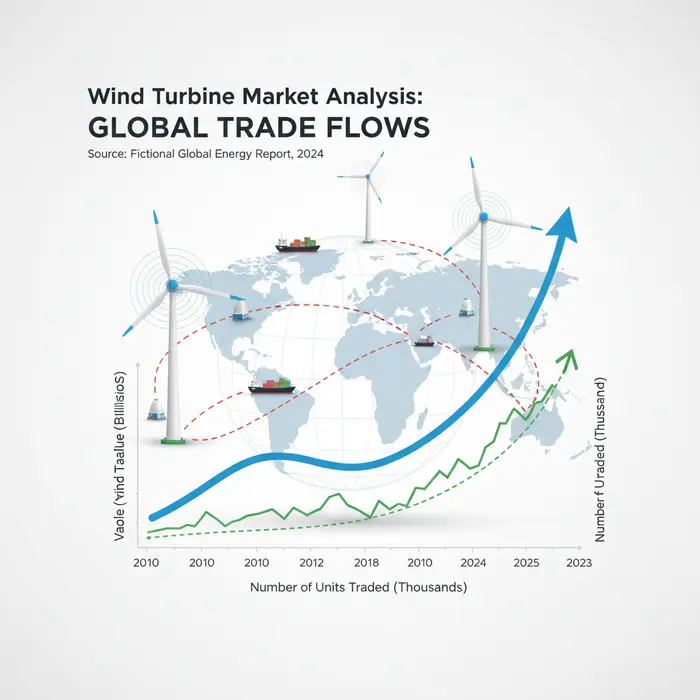
The global energy landscape is undergoing a profound transformation, with wind power emerging as a cornerstone of sustainable development. This shift is not just about domestic deployment but critically involves an intricate web of international trade. An in-depth look into the Global Renewable Energy Trade Trends reveals a dynamic marketplace for wind turbines and their sophisticated components, shaping manufacturing hubs, presenting complex logistical challenges, and driven by relentless market growth. Understanding these trade flows is essential for businesses, policymakers, and investors navigating the burgeoning clean energy sector. From the massive blades crafted in one continent and shipped to another, to the high-tech nacelles containing the heart of the turbine, the trade in wind energy technology is a testament to global collaboration and competition, influencing everything from local job creation to international decarbonization efforts.
1. Major Manufacturers and Supply Chain Concentrations
The global wind turbine manufacturing landscape is dominated by a few key players, primarily Vestas, Siemens Gamesa, GE Renewable Energy, Goldwind, and Envision. These giants operate extensive global supply chains, establishing manufacturing hubs in strategic locations to serve regional markets and optimize production costs. Europe, particularly countries like Denmark, Germany, and Spain, remains a powerhouse for R&D and high-value component manufacturing, while China has rapidly ascended to become the world’s largest producer and consumer of wind turbines, boasting significant manufacturing capabilities for components like blades, towers, and nacelles. India and the United States also feature as important manufacturing centers, often catering to their substantial domestic demand but increasingly participating in global export markets.
The supply chain for wind turbines is incredibly complex, involving thousands of specialized components from various global suppliers. This complexity, coupled with the sheer size and weight of components like blades (which can exceed 100 meters) and nacelles (weighing hundreds of tons), presents unique logistical hurdles. Strategic placement of manufacturing facilities near ports or major transportation arteries is crucial. The drive for greater efficiency and resilience in these supply chains is generating valuable Green energy supply chain insights, as companies seek to reduce lead times, mitigate risks, and lower overall costs. Geopolitical considerations and the push for localized content requirements are also reshaping these concentrations, influencing future investment and trade patterns in the wind turbine market analysis.
2. Offshore vs. Onshore Wind Turbine Trade Trends
The trade dynamics for onshore and offshore wind turbines exhibit distinct characteristics. Onshore turbines, while still significant in scale, generally present fewer logistical challenges compared to their offshore counterparts. Their components are typically transported by road or rail, making them more accessible to a wider range of markets and facilitating a more distributed manufacturing footprint. This has historically led to robust wind turbine market analysis and trade in established onshore markets across Europe, North America, and Asia.
Offshore wind turbines, however, represent a new frontier in trade. Their immense size and specialized installation requirements – including larger foundations, stronger towers, and significantly heavier nacelles and blades – necessitate highly specialized vessels and port infrastructure. This often means that while core components might be manufactured globally, final assembly and significant sub-component production tend to be concentrated near the installation sites or at major deep-water ports capable of handling such colossal cargo. The burgeoning offshore wind sector, particularly in Europe and Asia, is driving demand for these larger, more powerful units, creating distinct trade corridors for components and specialized services. This specialization is also reflected in broader Solar panel import export data and other clean energy technologies, where scale and niche applications dictate trade patterns.
3. Technological Advancements Driving Export Growth
Continuous technological innovation is a primary engine behind the expanding export growth of wind turbines. The relentless pursuit of higher efficiency, larger rotor diameters, and increased hub heights has led to the development of turbines with significantly higher energy capture capabilities. Modern turbines, with capacities often exceeding 10 MW for offshore models, are not only more powerful but also more reliable and durable, reducing the Levelized Cost of Energy (LCOE) and making wind power increasingly competitive against traditional fossil fuels. Advancements in materials science, such as lighter and stronger composites for blades, enable these larger designs while improving performance and longevity.
Furthermore, digital technologies play a crucial role. Predictive maintenance, powered by AI and IoT sensors, optimizes turbine performance and reduces downtime, enhancing their appeal in export markets. Innovations in modular design and advanced manufacturing techniques also streamline production and installation processes, facilitating easier transportation and deployment in diverse geographical locations. These continuous improvements create substantial Clean energy technology trade opportunities, as countries look to import the most advanced and cost-effective solutions to meet their renewable energy targets. The competitive landscape pushes manufacturers to continually invest in R&D, ensuring a steady flow of advanced, export-ready wind turbine technologies that fuel the Global Renewable Energy Trade Trends.
Green Energy Supply Chain Insights: Resiliency and Innovation
The clean energy sector is experiencing unprecedented growth, driven by urgent climate goals and evolving geopolitical landscapes. However, this rapid expansion also casts a spotlight on the inherent complexities and vulnerabilities within its global supply chains. Moving beyond traditional analyses of solar panel import export data and wind turbine market analysis, this section delves into the broader landscape of green energy supply chain insights. It explores the critical dependencies on raw materials, the intricate dance of global logistics, and the burgeoning opportunities for clean energy technology trade opportunities that demand innovative solutions and robust strategies for building resiliency. Understanding these dynamics is crucial for fostering sustainable growth and ensuring the uninterrupted transition to a decarbonized future.
1. Critical Raw Materials and Mineral Sourcing Challenges
At the bedrock of the green energy revolution lies an increasingly critical reliance on specific raw materials and minerals. From the lithium and cobalt essential for electric vehicle batteries and grid storage, to the rare earth elements vital for powerful wind turbine magnets, and the vast quantities of copper for electrification infrastructure, the demand for these resources is skyrocketing. This surge creates significant sourcing challenges, characterized by highly concentrated production, particularly in politically sensitive regions, and often complex extraction and refining processes. For instance, the Democratic Republic of Congo holds a dominant share of global cobalt production, while China controls a significant portion of rare earth processing. Such concentrations introduce geopolitical risks, price volatility, and ethical concerns regarding labor practices and environmental impact. The International Energy Agency highlights the urgent need for diversification of supply, enhanced recycling infrastructure, and the development of alternative materials to mitigate these risks. These critical raw material dependencies are shaping Global Renewable Energy Trade Trends and demanding innovative approaches to ensure the long-term viability of clean energy technology trade opportunities.
2. Logistics and Shipping in the Renewable Energy Sector
The logistics of the renewable energy sector present a unique set of challenges, distinct from conventional goods. Transporting massive components such as wind turbine blades, which can exceed 100 meters in length, or oversized solar panels, requires specialized vessels, heavy-lift equipment, and meticulously planned routes, often necessitating infrastructure upgrades at ports and along overland transport paths. Global shipping disruptions, exemplified by recent Suez Canal blockages or port congestions, can have ripple effects across the entire supply chain, delaying project timelines and escalating costs. Furthermore, the sheer volume of components involved in utility-scale projects, informed by evolving wind turbine market analysis and solar panel import export data, strains existing transport networks. Companies are increasingly exploring strategies to mitigate these issues, including nearshoring manufacturing to reduce shipping distances, optimizing multimodal transport solutions, and investing in localized distribution hubs. These efforts are central to developing robust green energy supply chain insights and ensuring the efficient deployment of renewable energy projects worldwide.
3. Building Resilient and Sustainable Supply Chains for Green Tech
Building truly resilient and sustainable supply chains for green technology is not merely about mitigating risks; it’s about embedding foresight, adaptability, and ethical considerations into every stage. Diversification of sourcing is a primary strategy, encouraging investment in new mining and processing capacities in politically stable and environmentally responsible regions, and fostering Global Renewable Energy Trade Trends that promote broader market participation. Advanced manufacturing techniques, such as additive manufacturing and automation, are also playing a pivotal role in localizing production and reducing reliance on distant suppliers. Furthermore, establishing circular economy principles, with a strong emphasis on recycling, reuse, and repair of components and materials, is essential to minimize waste and reduce the demand for virgin resources. Enhanced transparency throughout the supply chain, often aided by blockchain technology and robust auditing, helps ensure ethical labor practices and environmental compliance. Investing in research and development for substitute materials and more efficient processes represents a long-term strategy for resilience. These holistic green energy supply chain insights are crucial for securing future clean energy technology trade opportunities and accelerating the global transition to a sustainable energy system.
Clean Energy Technology Trade Opportunities & Future Outlook
The global energy landscape is undergoing a profound transformation, driven by an urgent need for decarbonization and energy independence. This shift is creating unprecedented trade avenues for emerging clean energy technologies, reshaping global supply chains, and demanding new policy approaches. Understanding these Global Renewable Energy Trade Trends is crucial for stakeholders aiming to identify new trade avenues, navigate policy influences, and implement strategic recommendations to capitalize on future growth in the green economy. As nations commit to ambitious climate targets, the trade in advanced renewable solutions, from solar panels to hydrogen systems, is poised for exponential expansion.

1. Emerging Technologies: Hydrogen, Battery Storage, Smart Grids
While solar photovoltaic (PV) and wind power have matured, a new wave of clean energy technologies is rapidly gaining traction, opening up significant Clean energy technology trade opportunities. Green hydrogen, produced through electrolysis powered by renewables, is emerging as a critical vector for decarbonizing hard-to-abate sectors like heavy industry, long-haul transport, and aviation. The trade in electrolyzers, hydrogen fuel cells, and specialized transport and storage infrastructure is expected to surge. Similarly, advanced battery storage solutions, essential for grid stability and electric vehicle integration, are seeing robust demand. The global market for grid-scale batteries, particularly lithium-ion and flow batteries, is projected to grow exponentially, driving demand for raw materials, manufacturing components, and integrated systems. Nations rich in renewable resources but lacking domestic battery production capabilities will become key importers, while advanced manufacturing hubs will be exporters. Furthermore, smart grid technologies, which optimize energy distribution and consumption through digital controls and AI, are vital for integrating intermittent renewables. The trade in smart meters, grid sensors, and energy management software presents another lucrative niche, enhancing Green energy supply chain insights and efficiency across the energy network.
2. Policy Frameworks and International Cooperation in Green Trade
The trajectory of clean energy technology trade is heavily influenced by national policy frameworks and international cooperation. Government incentives, such as production tax credits, investment subsidies, and favorable import/export tariffs, play a pivotal role in shaping market dynamics. For instance, policies promoting domestic manufacturing of solar panels or wind turbines can alter Solar panel import export data and Wind turbine market analysis significantly, potentially leading to increased protectionism or localized supply chains. Conversely, international agreements and collaborative initiatives, such as those under the World Trade Organization (WTO) or bilateral free trade agreements, aim to reduce trade barriers and harmonize standards, fostering a more open and competitive global market. Organizations like the International Renewable Energy Agency (IRENA) provide critical insights and platforms for cooperation, highlighting trends in renewable energy deployment and trade flows. The adoption of carbon pricing mechanisms and border adjustment taxes by major economies could also profoundly impact the competitiveness of clean energy products, favoring those manufactured with lower carbon footprints. Understanding these intricate policy landscapes is paramount for businesses and governments to formulate effective trade strategies and avoid potential disputes.
3. Investment Prospects and Strategic Recommendations
The burgeoning clean energy sector offers substantial investment prospects across the entire value chain, from raw material extraction and component manufacturing to project development and service provision. Venture capital and private equity are increasingly flowing into innovative startups developing next-generation clean technologies, while institutional investors are drawn to the long-term stability of utility-scale renewable energy projects. Strategic recommendations for stakeholders seeking to capitalize on these trends include diversifying supply chains to mitigate geopolitical risks and over-reliance on single markets. Businesses should invest in R&D to maintain a competitive edge, focusing on efficiency, cost reduction, and new technological breakthroughs in areas like advanced battery chemistries or modular hydrogen production. Governments are advised to foster an enabling regulatory environment, offering clear, stable, and long-term policy signals to attract foreign direct investment and stimulate domestic innovation. Promoting skills development and workforce training programs will also be crucial to meet the demand for specialized talent in manufacturing, installation, and maintenance of these advanced systems. Furthermore, establishing robust digital infrastructure and data analytics capabilities will be key for optimizing trade logistics and identifying new market niches. The global clean energy trade is poised for continuous growth, as indicated by IRENA’s comprehensive data on renewable energy, making strategic foresight and adaptive planning essential for all participants.
Partner with Vietnam’s Leading Suppliers
Looking for reliable suppliers in Vietnam? Contact VietnamSuppliers.com today to connect with verified manufacturers and exporters across all industries.
—————————————
References
– clean energy technologies: https://www.iea.org/reports/renewable-energy-market-update-2023
– IEA Solar PV Global Supply Chains 2023: https://www.iea.org/reports/solar-pv-global-supply-chains
– Wind Energy in Europe 2023 Statistics and the Outlook for 2024: https://windeurope.org/data-and-analysis/reports/wind-energy-in-europe-2023-statistics-and-the-outlook-for-2024/
– International Energy Agency: The Role of Critical Minerals in Clean Energy Transitions: https://www.iea.org/reports/the-role-of-critical-minerals-in-clean-energy-transitions
– IRENA’s comprehensive data on renewable energy: https://www.irena.org/Data

