Introduction to Global Supply Chain Resilience
In an era defined by constant flux and unprecedented disruptions, the concept of Global Supply Chain Resilience has transcended mere business jargon to become a fundamental imperative for survival and sustained growth. From geopolitical tensions and trade wars to public health crises, natural disasters, and rapid technological shifts, the intricate web of global trade faces an unpredictable future. Businesses worldwide are grappling with the immense challenge of maintaining operational continuity, managing costs, and meeting customer demands amidst this volatility. The traditional focus on efficiency and cost reduction, while still important, has been increasingly tempered by a critical need for robust strategies that enable adaptability, swift recovery, and proactive risk mitigation. This section sets the stage for understanding why building resilient supply chains is not just an advantage but a core strategic necessity in today’s dynamic and often unpredictable global trade environment, emphasizing the urgent need for robust strategies that safeguard against disruption and foster long-term stability.

1. Defining Global Supply Chain Resilience in a Volatile World
At its core, Global Supply Chain Resilience refers to the capacity of a supply chain to anticipate, absorb, adapt to, and rapidly recover from disruptions, ensuring the continuous flow of goods and services. It’s a multi-faceted concept encompassing robustness, the ability to withstand shocks; agility, the speed at which a chain can react and adapt; and reconfigurability, the capacity to redesign operations in response to new realities. In a volatile world characterized by “VUCA” (Volatility, Uncertainty, Complexity, Ambiguity), resilience is about more than just bouncing back; it’s about bouncing forward, learning from setbacks, and emerging stronger. This proactive approach involves understanding potential vulnerabilities across the entire value chain, from raw material sourcing to final delivery, and implementing safeguards to minimize the impact of unforeseen events. It requires a holistic view that integrates technology, people, processes, and strategic partnerships, moving beyond traditional, linear models to embrace networked, agile structures.
2. The Evolving Landscape of Global Trade and its Challenges
The global trade environment has undergone profound transformations in recent decades, giving rise to complex challenges that demand heightened resilience. The pursuit of “Global sourcing trends,” driven by cost efficiencies and access to specialized markets, has led to highly interconnected but also highly vulnerable supply networks. Geopolitical shifts, such as trade disputes and regional conflicts, can disrupt established routes and impose sudden tariffs, making international market entry strategy increasingly complex and risky. The COVID-19 pandemic starkly exposed the fragility of global “just-in-time” systems, leading to widespread shortages and significant economic losses. Moreover, the accelerating pace of climate change introduces new threats, from extreme weather events impacting production and logistics to increasing regulatory pressures for sustainable practices. Cybersecurity threats, technological obsolescence, and labor shortages further complicate the picture. Businesses must regularly conduct an “Export market analysis report” not only to identify opportunities but also to pinpoint potential chokepoints and dependencies that could jeopardize their operations. Recognizing these evolving challenges is the first step toward developing robust and adaptable supply chain frameworks. For deeper insights into navigating these complexities, the World Economic Forum provides valuable analyses on supply chain resilience, emphasizing the need for a collaborative and forward-thinking approach.
3. Implementing Proactive Strategies for Robust Supply Chains
Building robust global supply chains in this challenging environment necessitates a shift from reactive problem-solving to proactive risk management and strategic foresight. This involves the systematic deployment of “Supply chain risk management solutions” across all operational tiers. Key strategies include diversification of suppliers and geographical sourcing locations to reduce reliance on single points of failure. Adopting multi-shoring or near-shoring models can shorten lead times and mitigate geopolitical risks, even if it entails higher initial costs. Leveraging advanced technologies such as AI, machine learning, and blockchain can provide enhanced visibility into the supply chain, enabling predictive analytics for potential disruptions and improving traceability. Furthermore, fostering strong, collaborative relationships with suppliers, logistics partners, and even competitors through information sharing and joint planning initiatives can create a collective resilience. Developing comprehensive contingency plans, conducting regular stress tests, and investing in workforce training for adaptability are equally crucial. By integrating these proactive measures, companies can not only mitigate the impact of future disruptions but also transform their supply chains into a source of competitive advantage, ensuring continuity and reliability in an unpredictable world.
International Market Entry & Expansion Strategies
The pursuit of international market entry and sustained global growth offers immense opportunities for businesses, yet it comes with a complex array of risks. From geopolitical shifts and economic volatility to logistics hurdles and regulatory intricacies, navigating new territories demands robust strategic planning. At the heart of successful international expansion lies a critical factor: a resilient supply chain. Building such a supply chain doesn’t just mitigate risks; it actively enables confident market penetration and fosters long-term, sustainable growth by ensuring operational continuity, adaptability, and cost-efficiency in unfamiliar landscapes.
1. Leveraging Resilience for New Market Opportunities and International Entry
A truly resilient supply chain acts as the backbone for any ambitious international market entry strategy. It provides the agility and stability necessary for businesses to venture beyond domestic borders with confidence. When a supply chain is designed to withstand disruptions – be they natural disasters, trade disputes, or sudden shifts in demand – companies can allocate resources more effectively towards capitalizing on new market opportunities rather than constantly reacting to unforeseen operational setbacks. This foundational strength allows for faster adaptation to local market nuances, quicker scaling of operations, and the ability to maintain consistent product availability, which is paramount for establishing a strong foothold in competitive international markets. By having a clear grasp of their supply chain’s capabilities and vulnerabilities, businesses can make informed decisions about where and how to expand, reducing initial capital outlay for risk hedging and accelerating time-to-market. Ultimately, a proactive approach to building Global Supply Chain Resilience transforms potential threats into strategic advantages, paving the way for successful international ventures.
2. Understanding Export Market Dynamics and Opportunities
Successful international expansion hinges on a deep understanding of the target export market’s dynamics. Before committing significant resources, companies must conduct thorough due diligence, encompassing economic indicators, competitive landscapes, cultural preferences, and regulatory frameworks. An export market analysis report is an indispensable tool in this phase, providing critical insights into demand patterns, distribution channels, and potential barriers to entry. This analysis should also critically examine global sourcing trends, identifying where raw materials, components, or finished goods can be sourced most efficiently and reliably. Understanding these dynamics is not a one-off exercise but an ongoing process, as global markets are perpetually in flux. Businesses need to monitor evolving consumer behaviors, technological advancements, and geopolitical developments that could impact their supply chain and market position. By integrating this market intelligence with supply chain planning, companies can identify optimal entry points, tailor products to local needs, and build supply chain configurations that are both efficient and resilient. This proactive intelligence gathering mitigates the risks of misjudging market potential or overlooking critical operational considerations, setting the stage for sustainable growth.
3. Strategic Sourcing and Risk Mitigation for International Growth
For sustained international growth, strategic sourcing becomes a powerful lever for enhancing supply chain resilience and mitigating the inherent risks of operating across diverse geographies. This involves not just seeking the lowest price but identifying suppliers who offer reliability, quality, ethical practices, and geographical diversity. Diversifying the supplier base across multiple regions, for example, can significantly reduce exposure to localized disruptions, such as natural disasters, labor disputes, or political instability in a single country. Implementing robust supply chain risk management solutions is crucial here. These solutions often involve sophisticated analytics to map supply chain vulnerabilities, scenario planning to anticipate potential disruptions, and contingency plans to ensure continuity. For instance, creating buffer stock strategies, establishing alternative transportation routes, or qualifying backup suppliers in different regions can safeguard against unforeseen events. Furthermore, strategic sourcing extends to understanding and managing the carbon footprint and ethical implications of global operations, appealing to an increasingly conscientious global consumer base. Embracing digitalization, such as real-time tracking and predictive analytics, further empowers businesses to identify and respond to risks proactively, transforming potential weaknesses into sources of competitive advantage. As highlighted in a report by McKinsey & Company on supply chain resilience, the emphasis must shift from efficiency at any cost to resilience as a core strategic imperative for global success. This dual focus allows businesses to navigate complexities, seize new opportunities, and maintain a competitive edge on the international stage.
Global Sourcing Trends & Optimization
In an increasingly interconnected yet volatile world, the landscape of global sourcing is undergoing a profound transformation. Businesses are moving beyond purely cost-driven decisions to embrace strategies that prioritize Global Supply Chain Resilience. This pivotal shift is redefining how companies approach their sourcing networks, emphasizing diversification, regionalization, and sustainability as crucial pillars for navigating future disruptions and ensuring long-term operational stability. Understanding and adapting to these global sourcing trends is no longer optional; it’s a strategic imperative for survival and competitive advantage in the modern economy.

1. Analyzing Global Sourcing Trends for Risk Mitigation and Efficiency
The past decade has underscored the fragility of extended supply chains, prompting a strategic re-evaluation of global sourcing trends. From geopolitical tensions and trade wars to natural disasters and global pandemics, businesses have faced unprecedented challenges that exposed vulnerabilities in concentrated supply bases. This environment has driven a critical paradigm shift: from focusing solely on immediate cost efficiencies to a more holistic approach that integrates robust supply chain risk management solutions. Modern sourcing strategies now prioritize a balanced equation of cost, quality, lead time, and crucially, resilience. Companies are leveraging advanced analytics and AI to gain greater visibility across their multi-tier supply chains, enabling proactive identification and mitigation of potential disruptions. The aim is not just to react to crises but to build inherently agile and adaptable sourcing networks, capable of absorbing shocks and maintaining continuity, thereby significantly enhancing overall Global Supply Chain Resilience.
2. Ethical and Sustainable Sourcing Practices for Long-term Resilience
The imperative for ethical and sustainable sourcing has never been stronger, transitioning from a niche concern to a mainstream business necessity. Consumers, investors, and regulators alike are demanding greater transparency and accountability from companies regarding their environmental, social, and governance (ESG) performance. This pressure is reshaping global sourcing trends, pushing businesses to adopt practices that ensure fair labor conditions, minimize environmental impact, and promote responsible resource management throughout their supply chains. Sustainable sourcing directly contributes to Global Supply Chain Resilience by mitigating reputational risks, fostering stronger community relations, and securing access to resources in the long run. Embracing ethical sourcing involves rigorous due diligence, supplier audits, and collaboration to uplift standards across the entire value chain. As highlighted by analyses from leading firms, integrating sustainability into core sourcing strategies is crucial for future-proofing operations and building enduring value. Deloitte’s insights on the future of supply chains emphasize the increasing importance of these practices for long-term viability.
3. Strategic Regionalization and Diversification for Enhanced Agility
To bolster Global Supply Chain Resilience, businesses are actively pursuing strategies of regionalization and diversification. Regionalization, often termed nearshoring or friend-shoring, involves relocating production or sourcing closer to end markets or within geopolitically aligned blocs. This reduces lead times, transportation costs, and exposure to distant geopolitical risks. Concurrently, diversification entails broadening the supplier base across multiple geographies and even multiple suppliers within the same region to avoid over-reliance on a single source. This ‘China Plus One’ approach, or even ‘Plus Two or Three,’ is becoming standard practice. For companies considering an International market entry strategy for sourcing, a thorough export market analysis report is essential to identify new, viable production hubs and understand their regulatory environments and logistical capabilities. By strategically spreading risks and building redundant capabilities, companies can create more agile and adaptable supply chains, better equipped to withstand localized disruptions and maintain continuity of supply. These proactive measures are fundamental to building a robust and resilient global sourcing network.
In conclusion, the future of global sourcing is undeniably complex but also ripe with opportunities for those willing to adapt. By prioritizing diversification, regionalization, and sustainability, businesses can transform their supply chains from vulnerable cost centers into strategic assets that drive Global Supply Chain Resilience, operational efficiency, and long-term competitive advantage. Navigating these evolving global sourcing trends with foresight and agility will be paramount for success in the coming years.
Proactive Supply Chain Risk Management Solutions
In today’s interconnected yet unpredictable global economy, cultivating Global Supply Chain Resilience is no longer an option but a strategic imperative. Organizations face an escalating array of threats, from geopolitical tensions and climate change impacts to economic volatility and cyber disruptions. Effectively managing these complex risks requires a paradigm shift from reactive damage control to proactive, foresight-driven strategies. This section details effective approaches and advanced solutions for identifying, assessing, and mitigating various supply chain risks, ensuring operational continuity and competitive advantage.
1. Identifying Key Supply Chain Vulnerabilities and Threat Landscapes
The first step in building a resilient supply chain is a thorough understanding of its inherent vulnerabilities and the dynamic threat landscape. This involves a comprehensive audit of all tiers of the supply chain, mapping out dependencies, choke points, and potential single points of failure. Geopolitical risks, such as trade wars, sanctions, and regional conflicts, can suddenly disrupt established global trade routes and manufacturing hubs. Environmental factors, including extreme weather events, natural disasters, and regulatory changes driven by climate concerns, pose significant threats to physical assets and logistics networks. Economic instabilities, such as inflation, currency fluctuations, and shifts in consumer demand identified through meticulous Export market analysis report, can impact raw material costs, labor availability, and market access. Beyond these, operational risks like labor shortages, quality control issues, and technological failures (e.g., IT system outages, data breaches) must also be meticulously cataloged.
Advanced analytical tools play a crucial role in this identification phase. Risk mapping software can visualize the entire supply network, highlighting critical nodes and potential disruption points. Predictive analytics, leveraging big data and AI, can forecast potential disruptions based on historical patterns, real-time sensor data, and external indicators. Scenario planning allows organizations to model the impact of various catastrophic events, from port closures to widespread pandemics, enabling them to assess preparedness and identify critical gaps. This deep dive into vulnerabilities forms the bedrock for developing robust supply chain risk management solutions.
2. Implementing Advanced Supply Chain Risk Management Solutions
Once vulnerabilities are identified, the focus shifts to deploying sophisticated strategies and technologies to mitigate these risks. Diversification is a cornerstone of resilience; this includes multi-sourcing raw materials and components from different geographical regions, establishing alternative manufacturing sites, and utilizing multiple logistics providers and routes. These strategies reduce reliance on any single supplier, location, or transportation method, thereby minimizing the impact of localized disruptions. For instance, companies are increasingly exploring Global sourcing trends towards nearshoring or friend-shoring to shorten supply chains and mitigate geopolitical exposure.
Technology adoption is another critical enabler. Blockchain technology offers enhanced traceability and transparency across the supply chain, allowing for rapid identification of counterfeit products or origin issues. Artificial Intelligence and Machine Learning algorithms can optimize inventory levels, predict demand fluctuations, and automate parts of the logistics process, making the supply chain more agile and less susceptible to human error. Digital twin technology can create virtual models of the physical supply chain, enabling simulations and stress tests without impacting real operations. Furthermore, collaborative platforms foster real-time information sharing among supply chain partners, improving responsiveness to emerging threats. Developing a comprehensive International market entry strategy also necessitates a built-in risk mitigation plan, accounting for regulatory, cultural, and logistical challenges.
3. Fostering a Culture of Continuous Monitoring and Adaptation
Building Global Supply Chain Resilience is not a one-time project but an ongoing commitment requiring continuous monitoring and adaptive strategies. The threat landscape is constantly evolving, necessitating a dynamic risk management framework. Real-time data feeds, leveraging IoT sensors, satellite imagery, and social media monitoring, provide immediate insights into potential disruptions, from traffic jams and weather anomalies to civil unrest. This constant stream of information enables prompt decision-making and rapid activation of contingency plans.
Regular stress testing and simulation exercises are vital to assess the efficacy of existing mitigation strategies and to train teams in crisis response. Post-incident reviews, regardless of the scale of the disruption, offer invaluable lessons for refining protocols and strengthening vulnerabilities. Furthermore, fostering a culture of risk awareness throughout the organization, from top management to frontline workers, ensures that risk management is embedded in daily operations. This proactive mindset, combined with agile planning and continuous improvement, ensures that supply chains remain robust, flexible, and capable of navigating the complexities of the global marketplace. Embracing these advanced supply chain risk management solutions is paramount for sustained business success.
Future Outlook & Strategic Imperatives for 2025
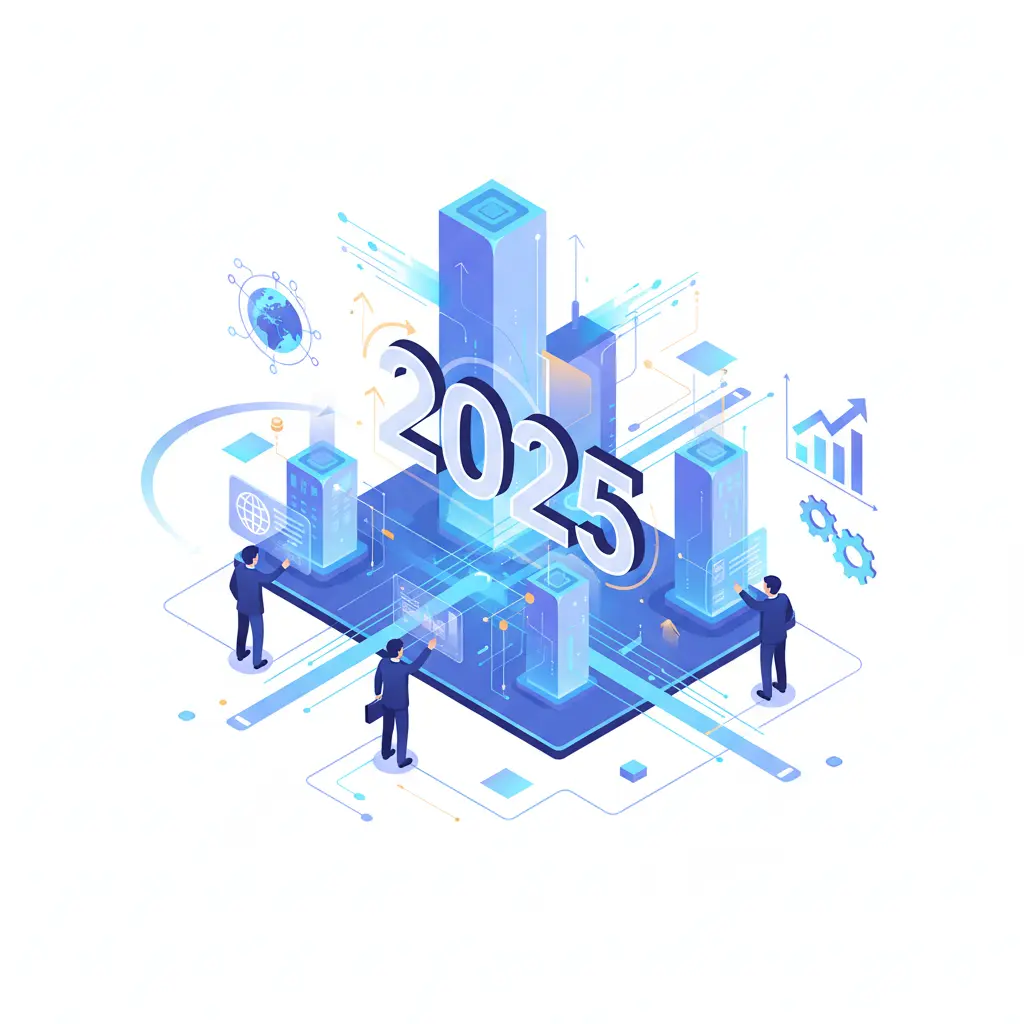
The global business landscape remains a crucible of unprecedented change, marked by geopolitical shifts, technological acceleration, and evolving consumer demands. For businesses to thrive, merely surviving disruptions is no longer sufficient; the imperative is to proactively build and maintain robust, resilient global supply chains. As we look towards 2025 and beyond, the focus shifts from pure efficiency to adaptive capacity, strategic foresight, and the ability to absorb shocks while maintaining continuity. The overarching goal is not just recovery, but accelerated evolution, ensuring that supply chains are not only resilient but also sustainable and competitive in an ever-fluctuating international arena.
1. Key Recommendations for Building Resilience Beyond 2025
To cultivate true global supply chain resilience, businesses must embrace a multi-faceted approach. Diversification is paramount; moving away from single-source reliance to multi-sourcing strategies across various geographies helps mitigate localized risks. This includes exploring new regions, understanding emerging global sourcing trends, and potentially leveraging nearshoring or friendshoring models to reduce lead times and geopolitical exposure. A critical element here is a well-researched international market entry strategy, carefully evaluating political stability, labor costs, infrastructure, and trade agreements before committing. Furthermore, enhanced visibility across the entire supply chain is crucial. Companies must invest in technologies that provide real-time data on inventory levels, shipment locations, and potential disruptions, enabling proactive decision-making rather than reactive responses. Collaborative relationships with suppliers, logistics partners, and even competitors through industry alliances can create a stronger collective defense against shocks. Regular scenario planning, informed by comprehensive export market analysis report, allows companies to simulate potential disruptions and pre-emptively develop contingency plans, transforming potential crises into manageable challenges. Implementing robust supply chain risk management solutions is not merely about identifying risks but about building an agile framework that can adapt quickly to unforeseen events.
2. The Role of Innovation and Digital Transformation in Future Supply Chains
Digital transformation is no longer an option but a strategic imperative for fostering future supply chain resilience. Emerging technologies are revolutionizing how supply chains operate, offering unparalleled opportunities for optimization, transparency, and adaptability. Artificial intelligence (AI) and Machine Learning (ML) can predict demand fluctuations with greater accuracy, identify potential bottlenecks before they materialize, and even optimize routing and inventory placement. Blockchain technology offers immutable records, enhancing traceability and trust across complex networks, particularly vital for verifying ethical sourcing and combating counterfeiting. The Internet of Things (IoT) provides real-time tracking of goods, environmental conditions, and asset performance, offering granular visibility from production to final delivery. Automation, through robotics and autonomous vehicles, promises increased efficiency, reduced labor costs, and faster processing in warehouses and logistics hubs. Moreover, the development of ‘digital twins’ – virtual replicas of physical supply chains – allows for simulation and testing of various scenarios without impacting real-world operations, enabling predictive maintenance and optimization. Embracing these innovations will not only bolster Global Supply Chain Resilience but also drive efficiency, sustainability, and competitive advantage in the years to come. The integration of these technologies into a cohesive digital ecosystem will be the cornerstone of agile, future-proof supply chains.
Partner with Vietnam’s Leading Suppliers
Looking for reliable suppliers in Vietnam? Contact VietnamSuppliers.com today to connect with verified manufacturers and exporters across all industries.
—————————————
References
– :
– McKinsey & Company on supply chain resilience: https://www.mckinsey.com/capabilities/operations/our-insights/building-supply-chain-resilience-for-the-next-normal
– The future of supply chains: Building resilience and agility – Deloitte: https://www2.deloitte.com/us/en/pages/operations/articles/future-of-supply-chains.html
– World Economic Forum Report on Supply Chain Resilience and Trade: https://www.weforum.org/agenda/2022/05/supply-chain-resilience-global-economic-forum-report/
– McKinsey & Company – Supply Chain Management: https://www.mckinsey.com/capabilities/operations/our-insights/supply-chain-management