Introduction to Global Supply Chain Optimization
In an era defined by rapid technological advancements, evolving geopolitical landscapes, and unprecedented consumer expectations, the global supply chain has transformed from a linear process into a complex, interconnected web. Modern businesses no longer compete solely on product quality or price, but increasingly on the efficiency, resilience, and adaptability of their supply networks. This intricate dance of sourcing, production, logistics, and distribution across continents presents both immense challenges and significant opportunities. Understanding these dynamics and embracing advanced Global Supply Chain Optimization Strategies is no longer a competitive advantage but an imperative for survival and growth in the global marketplace. This section sets the stage for dissecting the complexities of modern supply chains, highlighting the critical need for optimization, and exploring the forthcoming trends that will shape the industry.

1. Defining the Modern Global Supply Chain Landscape
The contemporary global supply chain is characterized by its sheer scale and intricate interdependencies. It spans multiple countries, diverse regulatory environments, and a multitude of stakeholders, from raw material suppliers to end-consumers. This landscape is constantly reshaped by factors such as fluctuating trade policies, technological innovation, and shifting consumer preferences for speed, transparency, and sustainability. The proliferation of e-commerce has blurred traditional geographical boundaries, making effective global supply chain management an even more complex undertaking. Companies must navigate a myriad of logistics challenges, including customs procedures, varying infrastructure quality, and the need for robust International Trade Route Planning to ensure timely and cost-effective delivery of goods.
2. Key Challenges and Opportunities for 2025
As we approach 2025, several critical challenges loom large for global supply chains. Geopolitical instabilities continue to disrupt traditional trade flows, necessitating agile responses and diversified sourcing strategies. Sustainability pressures are intensifying, with consumers, investors, and regulators demanding greater transparency and eco-friendly practices throughout the supply chain. Labor shortages, particularly in logistics and transportation, remain a persistent hurdle. Moreover, the pervasive threat of cyberattacks targeting supply chain data and infrastructure adds another layer of risk. Mitigating these challenges often involves sophisticated Freight Cost Reduction Techniques, often achieved through advanced analytics and optimization algorithms.
However, these challenges simultaneously unlock significant opportunities. Digital transformation, powered by technologies like Artificial Intelligence (AI), Machine Learning (ML), and the Internet of Things (IoT), promises unprecedented levels of visibility and predictive capabilities. Blockchain technology offers enhanced traceability and security. Companies embracing these innovations can gain a substantial competitive edge by optimizing inventory, streamlining operations, and improving responsiveness to market changes. The opportunity to build more resilient, agile, and sustainable supply chains is paramount.
3. The Imperative for Strategic Optimization and Future Trends
Given the complexities and opportunities outlined, strategic optimization is no longer optional but an absolute necessity. Businesses must move beyond reactive problem-solving to proactive, data-driven decision-making. This involves a holistic approach to Global Supply Chain Optimization Strategies, encompassing everything from supplier relationship management and production planning to demand forecasting and last-mile delivery. The integration of advanced Logistics Technology Solutions B2B, such as Transportation Management Systems (TMS) and Warehouse Management Systems (WMS), is crucial for achieving operational excellence and real-time visibility.
Looking ahead, several trends will further define the landscape. Hyper-personalization, driven by consumer demand for tailored products and delivery experiences, will push supply chains towards greater flexibility. The circular economy model, emphasizing resource recovery and waste reduction, will necessitate new reverse logistics capabilities. Autonomous logistics, including drones and self-driving vehicles, is poised to revolutionize freight movement and last-mile delivery. Furthermore, the emphasis on robust Export Logistics Management Best Practices will ensure seamless cross-border operations, mitigating risks and ensuring compliance. Those businesses that strategically invest in these areas, leveraging technology and fostering collaboration, will be best positioned to thrive in the dynamic global economy, transforming challenges into sustainable competitive advantages.
Strategic International Trade Route Planning
Strategic International Trade Route Planning is the cornerstone of modern Global Supply Chain Optimization Strategies, demanding a sophisticated blend of foresight, data analysis, and geopolitical awareness. In an increasingly interconnected yet volatile world, designing efficient and resilient international trade routes is not merely about moving goods from point A to point B; it’s about embedding competitive advantage, mitigating risks, and ensuring business continuity. This discipline focuses on advanced methodologies to navigate the complexities of global logistics, balancing speed, cost, reliability, and sustainability. Effective route planning significantly contributes to Freight Cost Reduction Techniques and enhances overall operational efficiency, transforming logistical challenges into strategic opportunities for businesses operating on an international scale.
1. Data-Driven Route Analysis and Selection
The foundation of robust International Trade Route Planning lies in comprehensive, data-driven analysis. Leveraging big data, artificial intelligence, and machine learning, businesses can move beyond traditional routing methods to dynamically optimize their supply chains. This involves scrutinizing vast datasets covering historical shipping performance, real-time traffic conditions, weather patterns, port congestion, carrier reliability, and fuel prices. Advanced Logistics Technology Solutions B2B provide the tools necessary to simulate various route scenarios, comparing transit times, direct and indirect costs, carbon footprints, and potential disruptions.
For instance, predictive analytics can forecast potential bottlenecks at critical chokepoints, allowing for proactive adjustments. Geospatial analysis helps identify the most efficient multimodal transport options, integrating sea, air, rail, and road freight to minimize lead times and maximize cost-efficiency. The objective is not just to find the cheapest route but the optimal one that balances cost, speed, reliability, and risk, aligning with specific business objectives and customer service level agreements. This meticulous approach ensures that every decision, from carrier selection to port of entry, is backed by actionable insights, leading to tangible Freight Cost Reduction Techniques and improved delivery performance.
2. Navigating Geopolitical Risks and Trade Regulations
The global trade landscape is perpetually shaped by geopolitical shifts and evolving trade regulations, posing significant challenges to International Trade Route Planning. A successful strategy must inherently incorporate robust risk assessment frameworks to identify, evaluate, and mitigate potential disruptions arising from political instability, trade wars, sanctions, tariffs, and non-tariff barriers. Companies must continuously monitor global events, utilizing intelligence from specialized risk consultancies and international bodies like the World Trade Organization (WTO) to anticipate and react to changes that could impact their supply chain.
For example, rerouting to avoid conflict zones, adapting to new customs procedures, or re-evaluating sourcing strategies in light of new tariffs are common scenarios. Compliance with international trade laws, customs regulations, and environmental standards across multiple jurisdictions is paramount. This demands meticulous attention to detail and often necessitates the implementation of sophisticated compliance software. Furthermore, developing strong relationships with local logistics partners and customs brokers can provide invaluable on-the-ground intelligence and facilitate smoother navigation of complex regulatory environments. Embracing Export Logistics Management Best Practices means building agility into route planning, enabling swift adaptation to unforeseen circumstances and safeguarding against potential penalties or costly delays.
3. Optimizing for Resilience and Cost-Efficiency
Beyond merely navigating existing challenges, strategic International Trade Route Planning actively seeks to build resilience and optimize for long-term cost-efficiency. Resilience in this context means designing supply chains that can withstand and rapidly recover from disruptions, whether they stem from natural disasters, pandemics, or geopolitical events. This often involves diversifying routes, carriers, and even production locations to avoid over-reliance on single points of failure. Contingency planning, including pre-approved alternative routes and backup transportation modes, is a critical component, ensuring that operations can continue even when primary routes become inaccessible.
Achieving sustained cost-efficiency extends beyond initial freight costs. It encompasses total landed cost analysis, factoring in duties, taxes, insurance, inventory holding costs, and the cost of potential delays. Embracing sustainable practices, such as optimizing vessel capacity utilization, selecting more fuel-efficient modes of transport, and consolidating shipments, not only aligns with corporate social responsibility goals but also leads to significant long-term Freight Cost Reduction Techniques. Integrating advanced Logistics Technology Solutions B2B, such as real-time tracking and predictive maintenance for vehicles, further enhances efficiency and reduces unexpected expenses. Ultimately, comprehensive Strategic International Trade Route Planning is a dynamic and continuous process of adaptation, optimization, and proactive risk management, central to achieving truly effective Global Supply Chain Optimization Strategies.
Mastering Freight Cost Reduction Techniques
In today’s volatile economic landscape, where Global Supply Chain Optimization Strategies are paramount, businesses are under constant pressure to enhance efficiency and reduce operational overheads. Among the most significant expenses is freight transportation. This section delves into actionable strategies and best practices for significantly lowering transportation expenses across all modes of freight without sacrificing reliability or service quality, providing a competitive edge in international trade.

1. Negotiation Strategies with Carriers and Forwarders
Effective negotiation is a cornerstone of successful Freight Cost Reduction Techniques. It’s not just about securing the lowest price, but about establishing long-term, mutually beneficial relationships that yield consistent savings and reliable service. Begin by understanding your freight profile comprehensively: volume, frequency, typical routes, and specific service requirements. This data empowers you during discussions.
When approaching carriers and forwarders, leverage your shipping volume to demand better rates. Consider bundling different lanes or types of services (e.g., FCL and LCL) to increase your attractiveness as a client. Don’t shy away from requesting tiered pricing structures or volume-based discounts. Furthermore, explore long-term contracts that provide price stability, especially in unpredictable markets. However, ensure these contracts include performance clauses and service level agreements (SLAs) to guarantee reliability and prevent hidden costs.
Benchmarking current rates against industry averages and competitors’ pricing is crucial. Utilize freight audit services to identify discrepancies and gain leverage. Be transparent about your annual spend and future projections, as this can incentivize carriers to offer more competitive bids. Finally, foster strong relationships; a good rapport can lead to flexible solutions during peak seasons or unexpected disruptions, aligning with best practices in freight procurement and negotiation for export logistics management.
2. Optimizing Load Consolidation and Multimodal Transport
One of the most impactful Freight Cost Reduction Techniques involves maximizing cargo space and strategically combining transport modes. Load consolidation, whether through Less-than-Truckload (LTL) or Less-than-Container-Load (LCL) shipments, ensures that you only pay for the space your goods occupy when full loads aren’t feasible. However, the ultimate goal is to achieve Full Truckload (FTL) or Full Container Load (FCL) status whenever possible, as these offer significant per-unit cost savings. This requires meticulous International Trade Route Planning and demand forecasting to accumulate sufficient cargo for full loads, often involving warehousing and cross-docking strategies.
Multimodal transport, the use of two or more modes of transport (e.g., sea-rail, air-road) under a single contract, presents another powerful avenue for savings. By shifting goods from more expensive modes (like air freight) to slower, but significantly cheaper, options (like sea or rail freight) for portions of the journey, businesses can dramatically cut costs without necessarily impacting overall delivery timelines for non-urgent cargo. For instance, combining ocean freight for long hauls with road or rail for inland distribution can be highly cost-effective, particularly for bulk goods or non-perishable items. This approach requires sophisticated logistics planning to ensure seamless transitions between modes, making it a critical component of Global Supply Chain Optimization Strategies and efficient Export Logistics Management Best Practices.
3. Leveraging Logistics Technology and Data Analytics
The digital transformation of supply chains offers unprecedented opportunities for freight cost reduction. Implementing robust Logistics Technology Solutions B2B, such as Transportation Management Systems (TMS), is no longer a luxury but a necessity. A TMS can automate freight tendering, optimize routing and load planning, manage carrier relationships, and provide real-time visibility into shipments. This automation reduces manual errors, saves administrative time, and identifies the most cost-effective shipping options instantly.
Beyond operational automation, the power of data analytics cannot be overstated. Collecting and analyzing historical freight data – including costs, transit times, carrier performance, and lane utilization – provides invaluable insights. Predictive analytics, often powered by AI and machine learning, can forecast demand fluctuations, identify optimal shipping windows, and even predict potential disruptions, allowing proactive adjustments. Freight audit software, for example, can automatically verify invoices against negotiated rates and identify billing errors, leading to substantial savings that often go unnoticed. By integrating these technologies, businesses can make data-driven decisions that continuously refine their Freight Cost Reduction Techniques, ensuring sustained efficiency and competitive advantage in their Global Supply Chain Optimization Strategies.
Leveraging Logistics Technology Solutions B2B
In the dynamic landscape of global commerce, the competitive edge for B2B enterprises increasingly hinges on the sophistication and efficiency of their logistics operations. Traditional logistics, often characterized by manual processes and siloed data, is giving way to a new era driven by cutting-edge digital technologies. These advanced Logistics Technology Solutions B2B are not merely incremental improvements but revolutionary tools fundamentally transforming how goods move from origin to destination. By embracing innovations ranging from artificial intelligence to blockchain, businesses can achieve unprecedented levels of visibility, operational efficiency, and resilience, which are crucial for effective Global Supply Chain Optimization Strategies.
The strategic implementation of these technologies addresses critical challenges in B2B logistics, such as optimizing complex supply chains, mitigating risks associated with international trade, and reducing operational costs. For companies engaged in export logistics, these solutions offer robust frameworks for managing compliance, ensuring timely deliveries, and enhancing customer satisfaction. The following sections delve into specific technological advancements that are reshaping the future of B2B logistics.
1. Implementing AI and Predictive Analytics in Logistics
Artificial Intelligence (AI) and predictive analytics are at the forefront of modern logistics transformation. These technologies empower B2B companies to move beyond reactive problem-solving towards proactive decision-making. AI-driven systems can analyze vast datasets, including historical shipment data, weather patterns, traffic conditions, and geopolitical events, to forecast demand with remarkable accuracy. This enhanced forecasting capability directly translates into optimized inventory levels, reducing carrying costs and minimizing stockouts.
Furthermore, AI algorithms excel at International Trade Route Planning. By simulating countless scenarios, AI can identify the most efficient and cost-effective routes, considering factors such as transit times, customs regulations, fuel prices, and potential disruptions. This not only leads to significant Freight Cost Reduction Techniques but also improves delivery reliability. Predictive analytics can also anticipate potential supply chain disruptions, such as port congestion or carrier delays, allowing logistics managers to implement contingency plans before issues escalate. In warehousing, AI optimizes picking routes, automates inventory management, and even manages robotic automation, further streamlining operations and enhancing overall efficiency. The ability of AI to learn and adapt continually ensures that logistics operations remain agile and responsive to ever-changing market conditions.
2. Blockchain for Supply Chain Transparency and Security
Blockchain technology, renowned for its decentralized and immutable ledger system, offers a powerful solution to some of the most persistent challenges in supply chain management: transparency and security. In a B2B context, where multiple stakeholders across different geographies are involved, tracking goods and verifying their authenticity can be arduous. Blockchain creates an unalterable record of every transaction and movement, from the raw material stage to final delivery. This provides end-to-end visibility, allowing all authorized parties—manufacturers, carriers, distributors, and even customers—to access real-time information about a product’s journey.
This heightened transparency is invaluable for ensuring compliance with regulatory standards and ethical sourcing guidelines, which is crucial for Export Logistics Management Best Practices. It significantly reduces the risk of fraud, counterfeiting, and disputes by offering verifiable proof of origin and chain of custody. Smart contracts, a core feature of blockchain, can automate payments and other contractual obligations once predefined conditions are met, eliminating manual paperwork and accelerating financial settlements. For complex international shipments, blockchain streamlines customs clearance processes by providing accessible and verifiable documentation, thereby reducing delays and enhancing overall supply chain efficiency and trust among trading partners.
3. IoT and Real-time Tracking for Enhanced Visibility
The Internet of Things (IoT) is revolutionizing logistics by embedding intelligence into physical assets, enabling real-time data collection and monitoring. IoT devices, such as GPS trackers, RFID tags, and environmental sensors, can be affixed to goods, vehicles, and containers, providing continuous updates on their location, condition, and status. This real-time visibility is a game-changer for B2B logistics, offering unparalleled insights into the movement of freight across various modes of transport.
For instance, temperature-sensitive goods can be monitored for deviations, triggering immediate alerts if conditions fall outside acceptable parameters, thus preventing spoilage and ensuring product integrity. Similarly, tracking vehicle performance and driver behavior through telematics helps optimize routes, improve fuel efficiency, and enhance fleet management. The constant stream of data from IoT devices feeds into analytics platforms, providing actionable intelligence for better decision-making. This includes identifying bottlenecks, predicting maintenance needs for equipment, and improving inventory accuracy. By knowing precisely where goods are and their condition at all times, businesses can respond proactively to unexpected events, provide accurate delivery estimates to customers, and significantly bolster their ability to execute Global Supply Chain Optimization Strategies with confidence and precision.
In conclusion, the integration of advanced Logistics Technology Solutions B2B is no longer optional but a strategic imperative. AI and predictive analytics offer intelligent forecasting and optimization, blockchain delivers unparalleled transparency and security, and IoT provides essential real-time visibility. Together, these technologies empower businesses to build more resilient, efficient, and cost-effective supply chains, transforming challenges into opportunities for growth and competitive advantage in the global marketplace.
Export Logistics Management Best Practices
The modern global marketplace demands unparalleled precision and strategic foresight in managing the flow of goods across borders. Effective export logistics management is not merely about shipping products; it’s about navigating a complex web of regulations, optimizing routes, and leveraging technology to ensure timely, cost-efficient, and compliant delivery. For businesses aiming for Global Supply Chain Optimization Strategies, mastering these practices is paramount to securing competitive advantage and fostering international growth. This comprehensive guide outlines best practices for managing export operations, ensuring compliance, efficiency, and ultimately, customer satisfaction in international markets.
1. Compliance and Documentation for International Exports
One of the most critical aspects of export logistics is adhering to the intricate tapestry of international trade regulations. Non-compliance can lead to severe penalties, delays, and damage to a company’s reputation. Best practices dictate a proactive and meticulous approach to documentation. This includes accurately completing commercial invoices, packing lists, certificates of origin, and obtaining necessary export licenses. Furthermore, understanding the various Incoterms® rules (International Commercial Terms) is vital for clearly defining responsibilities and costs between buyers and sellers. Staying updated with evolving customs laws, import restrictions, and specific country requirements is an ongoing challenge that necessitates dedicated resources or expert consultation. Embracing digital solutions for document management can significantly reduce errors and expedite processing, transforming a potential bottleneck into a streamlined operation. Adherence to trade facilitation agreements is crucial for smooth international transit and customs clearance.
2. Risk Mitigation in Global Export Operations
The journey of goods from exporter to international customer is fraught with potential risks, from unforeseen transit damage and theft to political instability and currency fluctuations. A robust risk mitigation strategy is essential for protecting investments and ensuring business continuity. This involves comprehensive cargo insurance, thorough vetting of logistics partners, and diversifying shipping routes where feasible to avoid high-risk areas. Implementing advanced tracking and monitoring systems provides real-time visibility, allowing for prompt intervention in case of deviations or incidents. Furthermore, businesses should establish clear emergency protocols for customs delays, natural disasters, or geopolitical disruptions. For financial risks, utilizing secure payment methods like letters of credit or export credit insurance can safeguard against non-payment. Proactive risk assessment and contingency planning are cornerstones of resilient Global Supply Chain Optimization Strategies, ensuring that potential threats are identified and addressed before they impact operations.
3. Leveraging Technology for Export Efficiency and Cost Reduction
In today’s digital age, technology is no longer an optional add-on but a fundamental pillar for achieving excellence in export logistics. Implementing advanced Logistics Technology Solutions B2B can revolutionize efficiency, reduce operational costs, and enhance overall visibility. Transportation Management Systems (TMS) allow for optimal International Trade Route Planning, carrier selection, and freight auditing, directly contributing to Freight Cost Reduction Techniques. Warehouse Management Systems (WMS) streamline inventory control and order fulfillment. Real-time tracking and telematics provide unparalleled transparency into shipment status, enabling proactive communication with customers and swift resolution of issues. Furthermore, artificial intelligence and machine learning are increasingly being employed for predictive analytics, demand forecasting, and identifying optimal shipping patterns, moving beyond traditional methods to anticipate challenges and opportunities. Cloud-based platforms facilitate seamless data exchange among all stakeholders – suppliers, carriers, customs brokers, and customers – creating a truly integrated supply chain. Embracing these technological advancements is vital for any company striving for 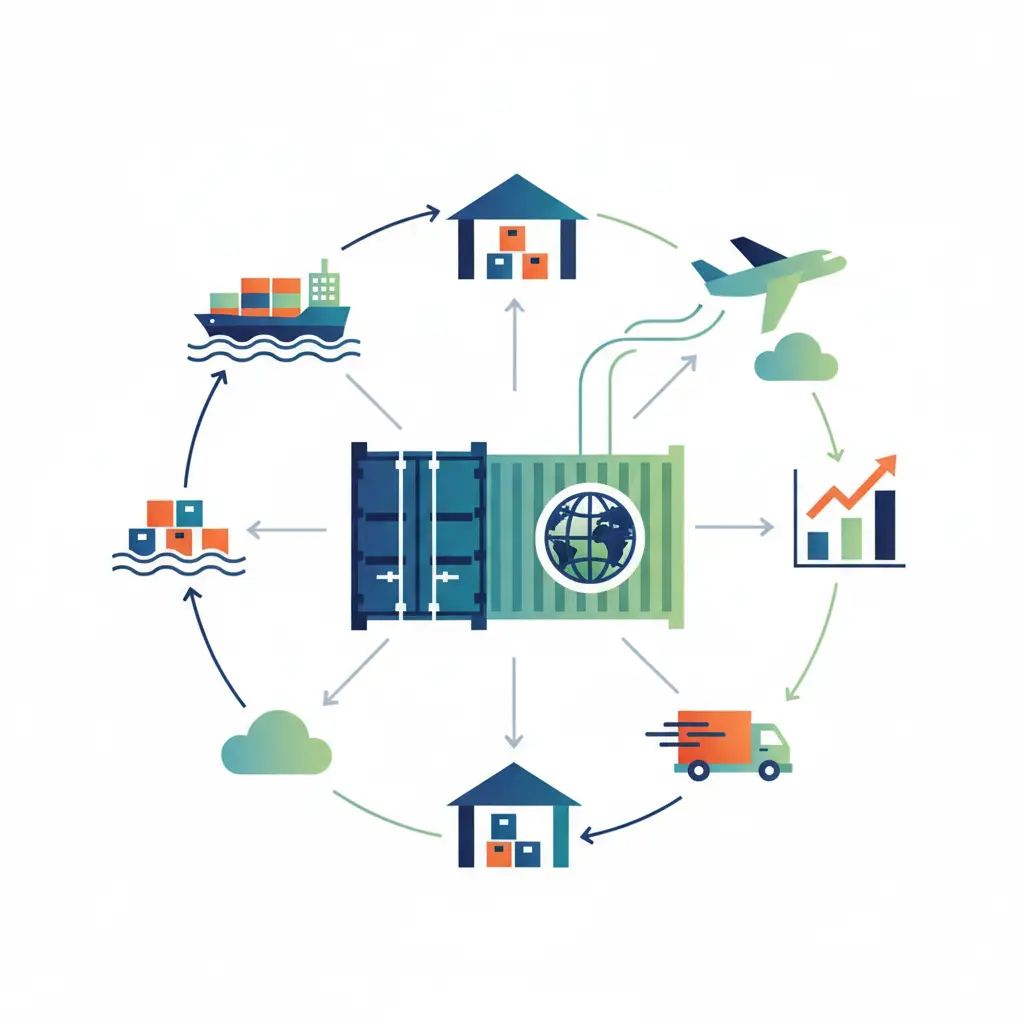 sustainable growth and competitive advantage in the global market.
By diligently applying these export logistics management best practices – from meticulous compliance and proactive risk mitigation to the strategic adoption of cutting-edge technology – businesses can transform their international operations. These strategies collectively contribute to robust and agile Global Supply Chain Optimization Strategies, ensuring products reach their destinations efficiently, compliantly, and reliably. The result is not just reduced costs and improved operational fluidity, but also enhanced customer satisfaction and a stronger foothold in the global economy.
Partner with Vietnam’s Leading Suppliers
Looking for reliable suppliers in Vietnam? Contact VietnamSuppliers.com today to connect with verified manufacturers and exporters across all industries.
—————————————
References
– McKinsey & Company: The future of supply chains: Building resilience and agility: https://www.mckinsey.com/capabilities/operations/our-insights/the-future-of-supply-chains-building-resilience-and-agility
– World Trade Organization (WTO): https://www.wto.org/
– Negotiating with carriers is critical in new transportation landscape: https://www.logisticsmgmt.com/article/negotiating_with_carriers_is_critical_in_new_transportation_landscape
– The Future of Supply Chain: Digital, Resilient, and Agile: https://www.mckinsey.com/capabilities/operations/our-insights/the-future-of-supply-chain-digital-resilient-and-agile
– WTO | Trade Facilitation: https://www.wto.org/english/tratop_e/tradfa_e/tradfa_e.htm