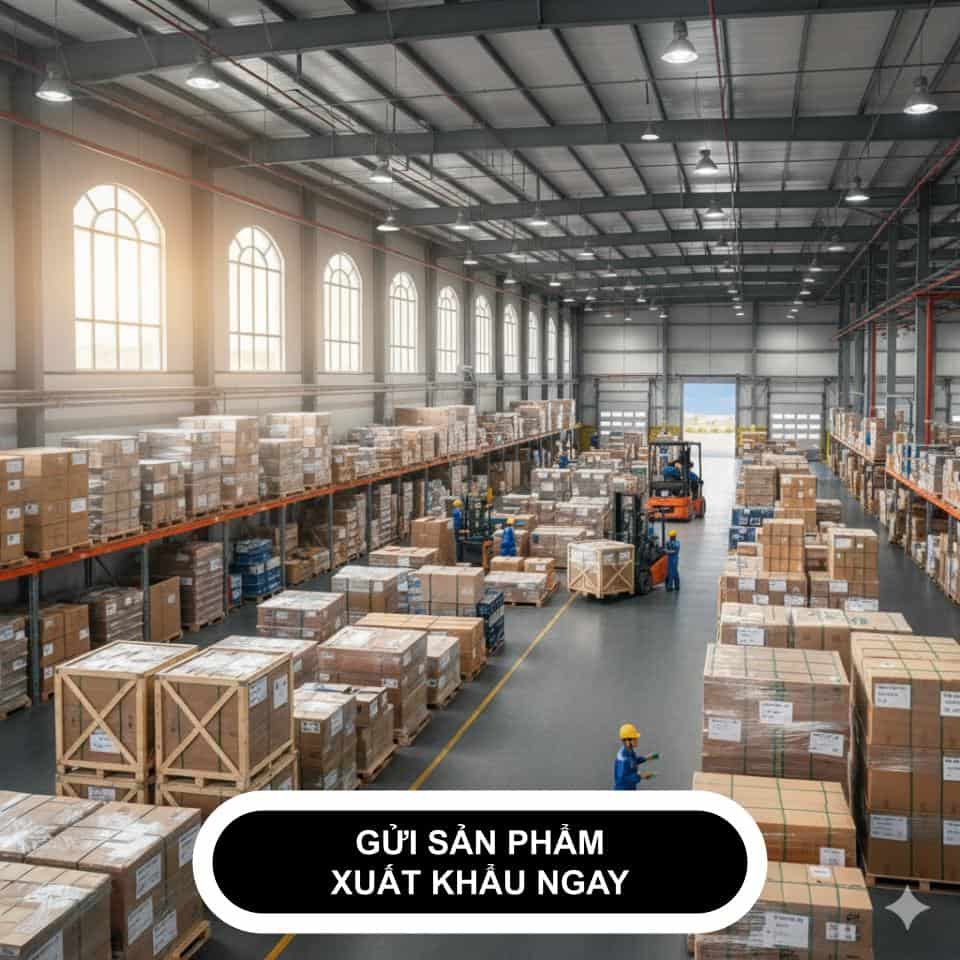
The Evolving Landscape of Global Trade in 2025
The global trade arena in 2025 is a complex tapestry woven with threads of economic shifts, geopolitical tensions, and rapid technological advancement. As businesses and nations navigate this intricate environment, understanding the overarching themes impacting international commerce becomes paramount for strategic planning and sustainable growth. The predictions for Global Trade Trends 2024 and beyond point towards a period of significant recalibration, characterized by both unprecedented challenges and new opportunities. From shifting consumer demands to reconfigured supply chains, the dynamism of the international market requires agility and foresight. This section provides a foundational understanding of the current global economic environment, highlighting the major forces at play that are redefining how goods and services move across borders.

1. Key Economic Drivers Shaping Global Trade
The bedrock of global trade lies in fundamental economic drivers. In 2025, these include a delicate balance of post-pandemic recovery, persistent inflationary pressures, and varying rates of economic growth across regions. Advanced economies are grappling with tighter monetary policies and the potential for slowed consumption, directly impacting global demand. Conversely, many emerging markets export opportunities are expanding as their domestic economies mature and their manufacturing capabilities grow. The B2B import export forecast for this period indicates a continued rebalancing, with certain sectors experiencing robust growth driven by digitalization and green technologies, while others face headwinds from decreased consumer spending or overcapacity. Commodity prices, particularly for energy and critical minerals, remain volatile, influencing production costs and trade balances worldwide. Furthermore, the push for economic diversification and localized production in many countries is reshaping traditional trade flows, encouraging new bilateral agreements and regional partnerships. According to the World Trade Organization (WTO), global merchandise trade volumes are projected to see moderate growth, albeit with persistent downside risks stemming from geopolitical tensions and economic fragmentation.
2. Geopolitical Factors and Their Impact on Trade Routes
Geopolitics continues to be a dominant force, profoundly altering traditional trade routes and relationships. The pursuit of global supply chain resilience has become a top priority for governments and corporations alike, catalyzed by recent disruptions. This translates into strategies like "friendshoring" and "nearshoring," where companies relocate production closer to home or to politically aligned nations, prioritizing security and reliability over purely cost-driven decisions. The ongoing U.S.-China trade dynamics, regional conflicts in Europe and the Middle East, and increasing protectionist sentiments in various economies are creating new barriers and redirecting trade flows. These factors compel businesses to re-evaluate their sourcing strategies and logistics networks. The formation and strengthening of regional trade blocs, such as the RCEP in Asia or the African Continental Free Trade Area (AfCFTA), are creating preferential trade zones, offering new market access but also potentially complicating trade for outsiders. For instance, the World Trade Organization’s recent outlook emphasizes how geopolitical fragmentation could significantly reduce global GDP and trade. Countries like Vietnam, with its strategic location and growing manufacturing base, are positioned to benefit from these shifts, presenting a favorable Vietnam export outlook as companies seek diversified and resilient supply chain partners. The emphasis on de-risking supply chains means that stability and predictable policy environments are increasingly valued attributes for trade partners.
3. Technological Disruptions and Digitalization in Trade
The digital revolution is not just influencing trade; it is fundamentally transforming it. Advancements in artificial intelligence (AI), blockchain, the Internet of Things (IoT), and big data analytics are streamlining logistics, enhancing transparency, and creating entirely new avenues for commerce. AI-driven predictive analytics are optimizing inventory management and forecasting demand, leading to more efficient B2B import export forecast models. Blockchain technology is improving the security and traceability of goods, reducing fraud and facilitating quicker customs clearance. The proliferation of e-commerce platforms, extending into the B2B space, is democratizing access to international markets for small and medium-sized enterprises (SMEs), allowing them to engage in global trade with unprecedented ease. Digital trade platforms are simplifying complex international transactions, from digital payment systems to online freight booking, making the entire process faster and more cost-effective. The integration of IoT devices provides real-time tracking of shipments, enhancing global supply chain resilience by offering immediate insights into potential disruptions. This digitalization is also fostering new forms of trade, such as the cross-border exchange of digital services and intellectual property, which are growing rapidly. Embracing these technological innovations is crucial for businesses aiming to remain competitive in the evolving landscape of global trade in 2025 and beyond. Staying informed about these Global Trade Trends 2024 is essential for navigating the opportunities and challenges ahead.
The evolving landscape of global trade in 2025 demands a proactive and adaptive approach. By understanding these key economic, geopolitical, and technological drivers, businesses can better position themselves to capitalize on emerging opportunities, mitigate risks, and foster resilient, sustainable growth in the interconnected world of international commerce.
B2B Import-Export Forecasts: Navigating Demand & Supply
As the global economy continues its dynamic recovery and transformation, businesses operating within the B2B import-export landscape face a complex interplay of opportunities and challenges. The quantitative predictions for B2B trade in 2025 highlight a landscape shaped by evolving consumer demands, technological advancements, and geopolitical shifts. Understanding these Global Trade Trends 2024 is crucial for strategic planning, enabling companies to identify burgeoning growth sectors and fortify against potential disruptions. This B2B import export forecast delves into the projections for various industries and regions, emphasizing the critical need for Global supply chain resilience in an increasingly interconnected yet volatile world.
1. Sector-Specific Growth Predictions (e.g., Tech, Green Energy, Healthcare)
The year 2025 is poised to witness robust growth in several key B2B sectors, driven by innovation, demographic shifts, and sustainability mandates. The Technology sector continues its upward trajectory, fueled by the relentless pace of digitalization, artificial intelligence (AI), and the Internet of Things (IoT). Demand for semiconductors, specialized components, data center equipment, and enterprise software services will remain exceptionally high. Companies sourcing and supplying these critical inputs will find significant Emerging markets export opportunities, particularly in regions investing heavily in digital infrastructure.
Green Energy stands out as a colossal growth area, driven by global commitments to decarbonization and the urgent need for sustainable solutions. The B2B trade in solar panels, wind turbine components, battery storage systems, electric vehicle (EV) parts, and renewable energy infrastructure will experience exponential expansion. Materials for hydrogen production, carbon capture technologies, and circular economy solutions will also see increased demand. Nations like Vietnam, with its strategic position and growing manufacturing capabilities, are emerging as critical hubs for green energy component production, shaping the Vietnam export outlook positively in this segment.
The Healthcare industry is another sector projected for sustained growth. An aging global population, coupled with ongoing advancements in medical technology and increased preparedness for future health crises, ensures a steady demand for pharmaceuticals, medical devices, diagnostic equipment, and biotech products. Specialized B2B services, from contract manufacturing for drugs to logistics for temperature-sensitive medical supplies, will also see expansion, making resilience and reliability paramount.
2. Commodity Price Volatility and Its B2B Implications
Commodity markets are expected to remain a significant source of uncertainty for B2B trade in 2025. Factors such as geopolitical tensions, extreme weather events driven by climate change, and persistent supply-demand imbalances in critical raw materials (e.g., rare earth minerals, industrial metals, energy inputs) contribute to this volatility. For businesses, this translates directly into fluctuating costs for raw materials, manufacturing inputs, and transportation. Companies reliant on stable commodity prices for their production chains will face continuous pressure on their profit margins and predictability.
The implications for B2B importers and exporters are profound. Unpredictable pricing can complicate long-term contracts, increase the risk of inventory holding, and make cost forecasting a formidable challenge. To mitigate these risks, businesses are increasingly adopting strategies such as diversification of sourcing channels, engaging in hedging mechanisms, and entering into long-term supply agreements with price caps or indexed adjustments. Enhancing Global supply chain resilience against commodity shocks is no longer an option but a strategic imperative, requiring real-time market intelligence and agile procurement practices. According to the WTO’s Global Trade Outlook and Statistics, commodity price fluctuations continue to pose significant risks to global trade stability, underscoring the need for robust risk management.
3. Trade Finance Innovations and Accessibility
Access to efficient and affordable trade finance remains a cornerstone of international B2B transactions. In 2025, the landscape of trade finance is being rapidly reshaped by technological innovations aimed at improving accessibility, reducing costs, and enhancing transparency. Traditional challenges, such as the high cost of cross-border transactions, limited access to credit for Small and Medium-sized Enterprises (SMEs), and complex documentation, are being addressed by a new wave of solutions.
Blockchain technology, for instance, is increasingly being leveraged to create immutable records of transactions, streamline documentation, and reduce fraud, leading to faster and more secure trade flows. Artificial Intelligence (AI) and machine learning are enhancing credit risk assessment, allowing for more precise lending decisions and expanding access to finance for a broader range of businesses, particularly those in Emerging markets export opportunities where traditional banking infrastructure might be less developed. Digital trade finance platforms are connecting buyers, sellers, and financial institutions in a more integrated and efficient manner, offering solutions like supply chain finance, forfaiting, and factoring with greater ease. These innovations are not only lowering barriers to entry for new exporters but also optimizing working capital for established players, fundamentally altering how B2B trade is financed and executed on a global scale.
Building Global Supply Chain Resilience
Exploring strategies and innovations for strengthening supply chains against future disruptions, a critical aspect post-pandemic, ensuring continuity and adaptability.
The global economic landscape continues to evolve at a rapid pace, shaped by geopolitical shifts, technological advancements, and the lingering lessons from recent disruptions. For businesses navigating the complexities of international commerce, understanding and adapting to the latest Global Trade Trends 2024 is paramount. A central theme emerging from these trends is the imperative to build robust global supply chain resilience, transforming vulnerabilities into strategic advantages. This means not only forecasting the B2B import export forecast but also proactively implementing measures to ensure uninterrupted flow of goods and services, embracing adaptability, and capitalizing on new Emerging markets export opportunities, particularly considering the dynamic Vietnam export outlook.
1. Diversification Strategies: Nearshoring and Friendshoring
One of the most significant shifts in supply chain strategy involves deliberate diversification away from over-reliance on single regions or suppliers. Two key approaches gaining traction are nearshoring and friendshoring. Nearshoring involves relocating production or sourcing closer to the ultimate consumer markets, often within the same continent or adjacent countries. This strategy aims to reduce lead times, lower transportation costs, and mitigate the risks associated with long-distance logistics and geopolitical instability. For instance, companies serving the North American market might nearshore manufacturing to Mexico, while European firms could look to Eastern Europe or North Africa.
Friendshoring, on the other hand, emphasizes building supply chain partnerships with countries that share similar values, economic principles, and geopolitical interests. This approach seeks to enhance security and predictability, safeguarding against potential disruptions caused by geopolitical tensions or protectionist policies. Both strategies create new Emerging markets export opportunities for nations like Vietnam, which offers a stable political environment, competitive labor costs, and growing infrastructure, making its Vietnam export outlook particularly strong as a friendshoring destination for many Western companies. By spreading their operational footprint, businesses can significantly enhance their global supply chain resilience.

2. Leveraging Data Analytics for Supply Chain Visibility
In an increasingly complex world, visibility across the entire supply chain is no longer a luxury but a necessity for building global supply chain resilience. Advanced data analytics, artificial intelligence (AI), and machine learning are revolutionizing how companies monitor, predict, and respond to supply chain events. By integrating data from various touchpoints – from raw material suppliers to logistics providers and end customers – businesses can gain real-time insights into inventory levels, transit times, and potential bottlenecks. Predictive analytics can forecast demand fluctuations and identify potential disruptions before they occur, allowing for proactive adjustments.
This enhanced visibility empowers businesses to make data-driven decisions, optimize inventory management, and improve the accuracy of their B2B import export forecast. Furthermore, AI-powered platforms can identify alternative sourcing routes or suppliers almost instantaneously during a crisis, significantly reducing downtime. Investing in robust digital infrastructure and analytics capabilities is therefore critical for any organization committed to maintaining competitive advantage and continuity amidst the evolving Global Trade Trends 2024.
3. Risk Mitigation and Contingency Planning
Beyond diversification and data-driven visibility, a proactive approach to risk mitigation and robust contingency planning forms the bedrock of global supply chain resilience. This involves systematically identifying potential risks – ranging from natural disasters and cyberattacks to geopolitical instability and labor shortages – and developing comprehensive plans to address them. Companies are increasingly adopting multi-tiered risk assessment frameworks, evaluating not just direct suppliers but also their suppliers’ suppliers (N-tier visibility).
Effective contingency planning includes establishing buffer stocks of critical components, diversifying logistics partners and transportation modes, and creating clear communication protocols for crisis management. Scenario planning, where companies simulate various disruption events, helps refine these plans and ensures that teams are prepared to react swiftly and effectively. The goal is to move from a reactive stance to a proactive one, minimizing the impact of unforeseen events and ensuring business continuity. A deeper understanding of these strategies for strengthening global supply chains is vital for long-term success.
In conclusion, building global supply chain resilience is an ongoing journey of adaptation and innovation. By embracing diversification through nearshoring and friendshoring, leveraging cutting-edge data analytics for unparalleled visibility, and instituting rigorous risk mitigation and contingency planning, businesses can not only withstand future disruptions but also emerge stronger. These strategies are crucial for navigating the dynamic Global Trade Trends 2024 and securing a competitive edge in the years to come, unlocking new Emerging markets export opportunities and ensuring a stable B2B import export forecast.
Emerging Markets: New Horizons for Export Opportunities
As businesses navigate the complexities of the modern global economy, identifying new frontiers for market expansion is paramount. The Global Trade Trends 2024 indicate a pivotal shift towards high-growth emerging economies, presenting significant potential for exporters and investors. These dynamic markets are not just new destinations for goods and services but also crucial partners in building resilient global supply chains. Understanding the Global Trade Trends 2024 is key for businesses looking to capitalize on the evolving landscape of international trade, especially in the context of the B2B import export forecast, which points to substantial growth in these regions. From burgeoning consumer bases to strategic resource endowments and rapidly industrializing sectors, emerging markets offer a diverse array of opportunities for strategic trade partnerships.
1. Africa’s Growing Consumer Market and Infrastructure Development
Africa stands out as a continent brimming with untapped potential, poised for remarkable economic transformation. Its demographic dividend, characterized by a rapidly growing and youthful population, is fueling an expanding consumer market. This growth, coupled with increasing urbanization and a rising middle class, is creating robust demand for a wide range of goods and services, from fast-moving consumer goods (FMCG) to digital solutions and renewable energy technologies. Exporters considering the B2B import export forecast for the coming years will find Africa’s infrastructural push particularly attractive. Significant investments in transport networks, energy projects, and digital infrastructure are enhancing connectivity and reducing the costs of doing business across the continent. Initiatives like the African Continental Free Trade Area (AfCFTA) are set to streamline intra-African trade, creating a single market of 1.3 billion people and a combined GDP of $3.4 trillion. This integration will not only simplify market access but also foster greater regional value chain development, making Africa a compelling destination for diverse export opportunities in sectors ranging from manufacturing and agriculture to ICT and green energy.
2. Latin America’s Role in Resource and Agricultural Exports
Latin America continues to solidify its indispensable position in the global economy, primarily driven by its vast natural resources and prolific agricultural sector. Countries like Brazil, Argentina, Chile, and Peru are critical suppliers of raw materials, minerals, and food products to the world. As Global Trade Trends 2024 highlight the importance of global supply chain resilience, Latin America’s consistent output of key commodities – including copper, lithium, iron ore, soybeans, coffee, and beef – underscores its strategic value. For exporters, this region presents opportunities not just in commodity trade but also in providing technologies and services that enhance productivity, sustainability, and value-addition in these sectors. The push towards sustainable mining practices, precision agriculture, and renewable energy projects creates demand for specialized equipment, innovative solutions, and environmental technologies. Furthermore, several Latin American economies are actively seeking to diversify their export base, moving beyond raw materials to manufactured goods and services, which opens new avenues for trade partnerships and investment in areas like automotive components, software development, and specialized machinery.
3. Southeast Asia Beyond Traditional Hubs
While established economies like Singapore and Malaysia have long been export powerhouses in Southeast Asia, the region’s true export dynamism in recent years has broadened significantly. Emerging markets such as Vietnam, the Philippines, Indonesia, and Cambodia are rapidly gaining prominence, offering fresh emerging markets export opportunities. Vietnam, in particular, has emerged as a manufacturing hub and a rising star in global trade, with its Vietnam export outlook remaining exceptionally strong. Favorable investment policies, a young and skilled workforce, and strategic geographical location have attracted significant foreign direct investment, bolstering its manufacturing capabilities in textiles, electronics, and furniture. Indonesia, with its massive domestic market and rich natural resources, is also actively diversifying its industrial base. The Philippines is seeing a boom in its digital economy and business process outsourcing (BPO) sectors, while Cambodia and Laos are integrating further into regional supply chains, especially in garments and agricultural processing. These countries offer competitive manufacturing costs, improving infrastructure, and increasing participation in regional trade agreements, making them attractive destinations for companies looking to diversify their manufacturing footprint and tap into growing consumer bases. Exporters should look beyond the traditional hubs and explore these burgeoning economies for robust trade and investment prospects.
Vietnam’s Export Outlook: A Case Study in Growth
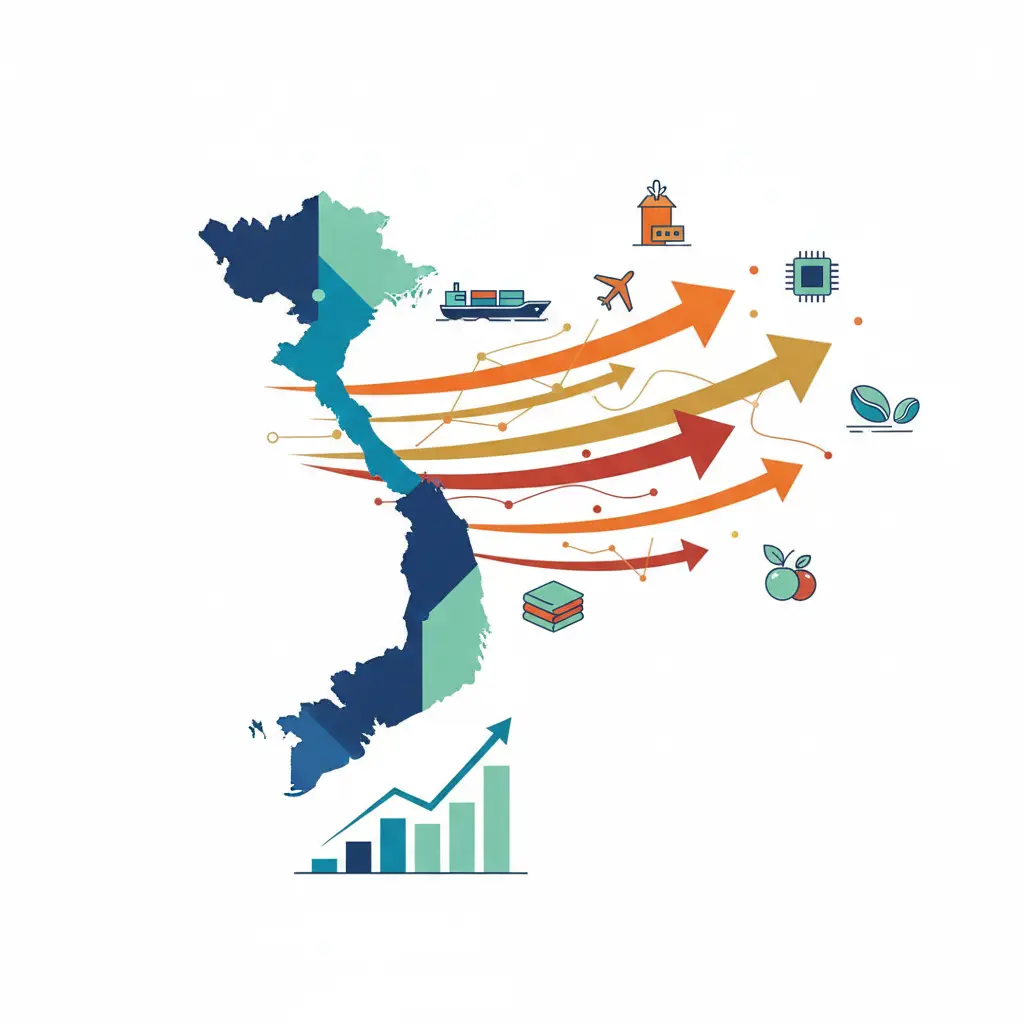
Vietnam has emerged as a compelling success story in the landscape of Global Trade Trends 2024, showcasing remarkable resilience and strategic growth. Once primarily an agricultural economy, it has rapidly transformed into a dynamic manufacturing and export powerhouse, drawing significant attention from global investors and businesses. This Southeast Asian nation’s strategic location, pro-business policies, and expanding network of free trade agreements have propelled its integration into global supply chains, making it an increasingly vital player in international commerce. As businesses around the world recalibrate their sourcing and production strategies, Vietnam stands out as a prime example of an economy adept at capitalizing on shifting global dynamics and promising a robust B2B import export forecast.
1. Key Export Sectors Driving Vietnam’s Economy
Vietnam’s economic ascent is largely attributed to the robust performance of several key export sectors. Electronics, particularly smartphones, components, and computing devices, have become the country’s leading export category, dominated by major international players who have established significant manufacturing bases here. Textiles and garments, along with footwear, remain traditional yet consistently strong contributors, benefiting from competitive labor costs and an improving manufacturing infrastructure. Furthermore, Vietnam is a global leader in agricultural exports, including coffee, rice, seafood, and cashew nuts, continuously enhancing product quality and market reach. The burgeoning furniture sector, known for its craftsmanship and sustainable practices, also plays a crucial role in diversifying the nation’s export basket. This diverse portfolio underscores Vietnam’s capability to meet varying global demands, ensuring a positive Vietnam export outlook for years to come.
2. Free Trade Agreements and Market Access for Vietnam
A cornerstone of Vietnam’s export success is its proactive engagement in international economic integration, primarily through an extensive network of Free Trade Agreements (FTAs). Key among these are the Comprehensive and Progressive Agreement for Trans-Pacific Partnership (CPTPP), the EU-Vietnam Free Trade Agreement (EVFTA), and the Regional Comprehensive Economic Partnership (RCEP). These agreements provide preferential access to major markets, significantly reducing tariffs and non-tariff barriers, thereby making Vietnamese goods more competitive globally. The EVFTA, for instance, offers Vietnamese exporters unparalleled access to the European Union, one of the world’s largest consumer markets. Similarly, the CPTPP and RCEP open doors to vast markets across Asia-Pacific and beyond, bolstering Global supply chain resilience by diversifying trade partners and reducing reliance on single markets. This strategic approach to market access is vital for Vietnam’s long-term export growth.
3. Challenges and Opportunities for Foreign Investors in Vietnam
While Vietnam presents a compelling growth narrative, foreign investors face both challenges and significant opportunities. Challenges include the need for continued infrastructure development, especially in logistics and transportation, and addressing potential shortages of highly skilled labor in specialized industries. Furthermore, navigating local regulatory frameworks can sometimes be complex, although the government is continuously working to streamline processes. However, the opportunities far outweigh these hurdles. Vietnam offers a politically stable environment, a strategic geographic location at the heart of Southeast Asia, and a young, dynamic workforce. Favorable investment policies, including tax incentives and eased business registration, attract substantial Foreign Direct Investment (FDI). Its deep integration into global supply chains, coupled with preferential market access via FTAs, positions Vietnam as an attractive manufacturing and export base. For businesses seeking Emerging markets export opportunities, Vietnam offers a robust and growing consumer market, strong government commitment to economic reforms, and a proven track record of export-led growth, making it an indispensable destination for global investment and trade. According to The World Bank, Vietnam’s economic outlook remains positive, driven by resilient domestic demand and export-oriented manufacturing.
Partner with Vietnam’s Leading Suppliers
Looking for reliable suppliers in Vietnam? Contact VietnamSuppliers.com today to connect with verified manufacturers and exporters across all industries.
—————————————
References
– World Trade Organization’s recent outlook: https://www.wto.org/english/news_e/pres24_e/pr955_e.htm
– WTO’s Global Trade Outlook and Statistics: https://www.wto.org/english/news_e/pres23_e/pr934_e.htm
– strategies for strengthening global supply chains: https://www.weforum.org/agenda/2022/05/global-supply-chain-crisis-resilience-lessons/
– WTO Global Trade Outlook and Statistics: https://www.wto.org/english/news_e/pres24_e/pr949_e.htm
– :