
The Current Landscape of Global Inflation
The global economy is currently navigating a complex period marked by persistent and widespread inflationary pressures. Emerging from the disruptions of the COVID-19 pandemic and exacerbated by geopolitical tensions, the surge in prices for goods, services, and commodities has become a defining characteristic of the post-pandemic era. This section delves into the prevailing global inflationary trends, analyzing their immediate and long-term implications, particularly focusing on the profound inflation impact on international trade dynamics, B2B sourcing strategies, and overall supply chain resilience.
1. Global Economic Indicators and Trade Volatility
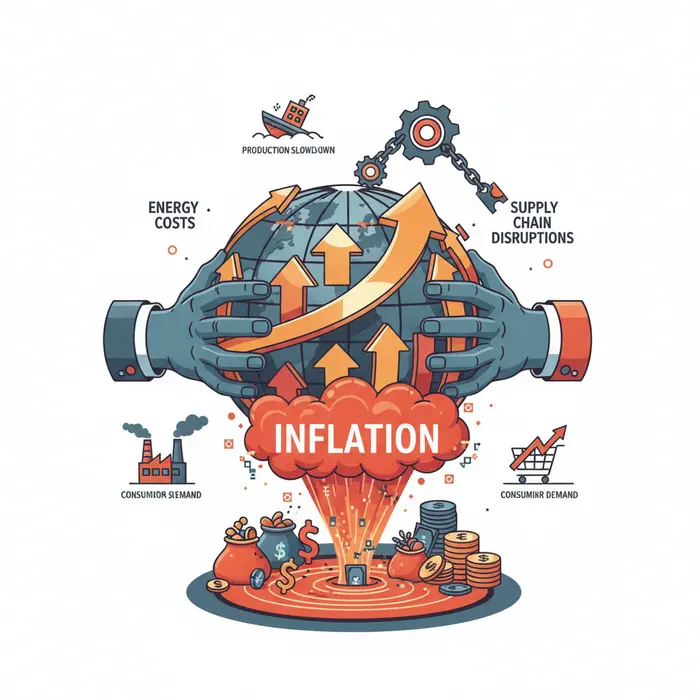
Inflationary pressures are manifesting across a broad spectrum of economic indicators, from surging Consumer Price Indices (CPI) to escalating Producer Price Indices (PPI). These metrics signal a fundamental shift in the cost of doing business and living, creating significant trade volatility. Central banks globally have responded with aggressive interest rate hikes, aiming to curb demand and bring inflation under control. While necessary, these monetary policy shifts introduce their own set of challenges, including potential economic slowdowns and currency fluctuations that directly influence international trade costs. Exchange rate volatility, in particular, can significantly erode profit margins for importers and exporters, making long-term contractual agreements riskier. Furthermore, the specter of stagflation, where high inflation coexists with sluggish economic growth, looms large in some regions, threatening to dampen global demand and trade volumes. Businesses engaged in international commerce must therefore closely monitor these macroeconomic shifts, as they dictate everything from raw material costs to consumer purchasing power in key markets.
2. Regional Inflation Hotspots and Their Spillover Effects
While inflation is a global phenomenon, its intensity varies significantly across regions, creating distinct hotspots with profound spillover effects on international trade. Countries heavily reliant on imported energy and food, for instance, have experienced disproportionately high inflation rates. Europe, grappling with energy supply concerns and the fallout from geopolitical conflicts, has seen significant price increases, impacting its manufacturing base and export competitiveness. Similarly, certain emerging markets face unique challenges, including currency depreciation against the U.S. dollar, which makes imported goods more expensive and fuels domestic inflation. These regional disparities lead to complex shifts in global supply chains. For example, a country facing severe inflation might see reduced purchasing power for imported luxury goods, while its own exports become more competitive due to a weaker currency (though input costs might still be high). This intricate web of regional pressures necessitates a flexible and adaptive B2B sourcing strategy inflation-conscious businesses. Understanding the persistent inflationary pressures in specific locales is crucial for forecasting commodity prices, managing supplier relationships, and identifying new opportunities or risks in different trade corridors. The interconnectedness of global trade means that inflation in one major economic bloc inevitably reverberates across borders, affecting pricing power, demand, and supply chain stability worldwide.
3. Implications for Global Supply Chains and Sourcing Strategies
The current inflationary environment compels businesses to fundamentally reassess their global supply chains and sourcing strategies. The era of just-in-time inventory and hyper-efficient, lean supply chains optimized solely for cost has given way to a greater emphasis on resilience and diversification. International trade cost management has become paramount, moving beyond simple negotiation to encompass hedging strategies, freight optimization, and a deeper analysis of total landed costs. Companies are increasingly exploring nearshoring or friend-shoring to mitigate geopolitical and logistical risks, even if it entails a slightly higher upfront cost. Furthermore, a proactive B2B sourcing strategy inflation-proofs businesses by seeking out suppliers in regions with more stable economic outlooks or diversified production capabilities. For instance, the commodity price outlook Vietnam might offer relative stability compared to other markets, making it an attractive sourcing destination. The supply chain diversification benefits are clear: reducing over-reliance on a single country or region minimizes exposure to localized inflation spikes, labor shortages, or policy changes. This strategic shift involves not only broadening the supplier base but also investing in robust risk management frameworks, embracing digital tools for real-time visibility, and fostering stronger, more collaborative relationships with key partners across the value chain. Ultimately, navigating this inflationary landscape requires agility, strategic foresight, and a willingness to invest in a more robust and adaptable global trade infrastructure.
Navigating B2B Sourcing Strategy Amidst Rising Costs
The global economic landscape has been profoundly reshaped by persistent inflationary pressures, forcing businesses to critically examine their operational expenditures. For B2B enterprises, the inflation impact on international trade presents a significant challenge, driving up the cost of raw materials, logistics, and labor across supply chains. Adapting a robust B2B sourcing strategy amidst inflation is no longer merely an option but a strategic imperative to maintain profitability and competitive advantage. This section explores proactive measures and innovative approaches businesses can adopt to mitigate these rising costs, focusing on smart procurement practices and resilient supplier relations.
1. Re-evaluating Supplier Contracts and Pricing Models
In an environment of fluctuating costs, traditional fixed-price contracts may no longer serve the best interests of buyers or suppliers. Businesses must proactively engage with their vendor base to re-evaluate existing agreements, seeking terms that offer flexibility and predictability. This involves moving beyond surface-level price negotiations to delve into the underlying cost drivers. Exploring alternative pricing models, such as cost-plus with transparent cost breakdowns, indexing prices to recognized commodity benchmarks, or implementing tiered pricing structures based on volume or lead time, can foster fairer and more sustainable partnerships. Strengthening supplier relationships through open communication and collaborative planning is crucial; understanding a supplier’s challenges can lead to mutually beneficial solutions, such as exploring alternative materials, optimizing order sizes, or consolidating shipments. Effective international trade cost management begins with transparent and adaptable contractual frameworks that can absorb market volatility without significant disruptions.
2. Leveraging Technology for Predictive Cost Analysis
The complexity of modern supply chains, coupled with rapid market shifts, necessitates sophisticated tools for informed decision-making. Technology, particularly advanced analytics and artificial intelligence (AI), offers powerful capabilities for predictive cost analysis. Implementing robust procurement software integrated with real-time market data can help businesses forecast future price movements for commodities and components. Tools can analyze historical data, geopolitical events, and economic indicators to provide a more accurate commodity price outlook, whether for global markets or specific regions like Vietnam. AI-driven platforms can identify potential cost escalations before they materialize, allowing procurement teams to explore alternative suppliers, negotiate proactively, or adjust inventory strategies. Furthermore, leveraging big data to analyze supplier performance, track lead times, and monitor geopolitical risks empowers organizations to make data-backed decisions that optimize spending and minimize exposure to inflationary shocks.
3. Strategic Inventory Management in Volatile Markets
The “just-in-time” inventory philosophy, while efficient in stable periods, has shown vulnerabilities during recent supply chain disruptions. In today’s volatile market, a more strategic approach to inventory management is essential. This doesn’t necessarily mean stockpiling; rather, it involves a calculated balance between maintaining sufficient buffer stock for critical components and avoiding excessive inventory that ties up capital and incurs storage costs. Businesses should leverage demand forecasting tools to anticipate shifts in consumer demand and potential supply bottlenecks more accurately. Implementing a tiered inventory strategy, where high-risk or long-lead-time items have larger safety stocks, while less critical items remain lean, can optimize working capital. Furthermore, embracing the benefits of supply chain diversification is paramount. Spreading sourcing across multiple geographies and suppliers reduces reliance on single points of failure, mitigates the impact of regional inflation spikes, and enhances overall resilience against unforeseen events. By proactively managing inventory and diversifying sourcing channels, companies can cushion themselves against price volatility and ensure continuity of operations.
Navigating the current inflationary environment requires a proactive, multi-faceted approach to B2B sourcing. By re-evaluating contracts, embracing technological advancements for predictive insights, and optimizing inventory management through strategic diversification, businesses can effectively mitigate rising costs and build more resilient, agile supply chains ready for future challenges.
International Trade Cost Management Strategies for 2025
The global economic landscape in 2025 continues to present complex challenges for businesses engaged in international trade, primarily driven by persistent inflationary pressures and geopolitical shifts. Controlling expenses and maintaining profitability requires proactive and sophisticated inflation impact on international trade strategies. This section details effective international trade cost management techniques and best practices to help companies navigate an inflationary environment, optimize operations, and safeguard their bottom line.

1. Optimizing Logistics and Freight Costs
Logistics and freight represent a significant portion of international trade costs, and their volatility has been exacerbated by rising fuel prices, labor shortages, and supply chain disruptions. To mitigate these expenses, companies must adopt a multi-faceted approach. Firstly, strategic carrier negotiation is paramount. Establishing long-term contracts with preferred logistics providers, especially during periods of lower demand, can lock in more favorable rates. Exploring multimodal transport options, such as combining sea freight with rail or road, can also yield cost savings and enhance resilience compared to relying solely on a single mode. Furthermore, optimizing cargo consolidation and warehousing strategies can reduce per-unit shipping costs and inventory holding expenses. Leveraging technology, such as real-time tracking, predictive analytics, and transportation management systems (TMS), enables better route optimization, demand forecasting, and inventory management, directly contributing to more efficient and cost-effective logistics operations. Proactive planning for peak seasons and understanding global shipping capacity trends are also critical components of effective logistics cost management.
2. Currency Hedging and Payment Term Adjustments
Currency fluctuations can significantly erode profit margins for businesses dealing in multiple currencies. Implementing robust currency hedging strategies is essential to minimize exchange rate risks. Common methods include forward contracts, currency options, and currency swaps, which allow companies to lock in an exchange rate for future transactions. However, a nuanced B2B sourcing strategy inflation also involves smart payment term adjustments. Negotiating longer payment terms with suppliers can improve cash flow, especially when facing rising commodity prices. Conversely, offering early payment discounts to buyers can accelerate cash collection. For sourcing from regions like Asia, understanding the commodity price outlook Vietnam specifically, can help in negotiating fixed-price contracts or setting up risk-sharing agreements with suppliers. Building strong supplier relationships based on transparency and mutual benefit can facilitate these discussions and lead to more flexible and advantageous payment arrangements, effectively buffering against the direct inflation impact on international trade.
3. Tariff and Non-Tariff Barrier Mitigation
Navigating the complex landscape of tariffs, quotas, and non-tariff barriers (NTBs) is crucial for effective international trade cost management. Companies must proactively analyze trade agreements, such as Free Trade Agreements (FTAs) and Preferential Trade Agreements (PTAs), to leverage reduced or eliminated tariffs. Origin verification and proper documentation are vital to claim these benefits. Beyond tariffs, NTBs like stringent import regulations, technical barriers, and complex customs procedures can add significant costs and delays. Investing in customs compliance expertise, engaging with trade facilitation programs, and utilizing customs brokers proficient in destination markets can streamline processes and reduce unexpected expenses. A key strategy for mitigating both tariff and non-tariff barriers, alongside enhancing supply chain resilience, is supply chain diversification benefits. This involves exploring alternative sourcing locations and production hubs to reduce reliance on single markets, thereby minimizing exposure to specific trade policies or regional disruptions. For example, expanding sourcing beyond traditional hubs to emerging markets like Vietnam can offer competitive advantages and buffer against trade tensions, as highlighted by efforts to reduce trade costs and improve trade efficiency globally. Strategic diversification not only mitigates trade policy risks but also enhances a company’s ability to adapt to a changing global trade environment, offering a robust defense against inflation and other external shocks.
Commodity Price Outlook and Regional Focus: Vietnam
The global economic landscape continues to be shaped by dynamic shifts in commodity markets, geopolitical tensions, and persistent inflationary pressures. Understanding the inflation impact on international trade is crucial for businesses navigating complex supply chains and formulating effective B2B sourcing strategy inflation. This section provides an overview of the global commodity price outlook, with a specific focus on Vietnam’s pivotal role in international trade and how local factors influence global supply chains, emphasizing the importance of international trade cost management and supply chain diversification benefits.
1. Key Commodity Price Trends for Raw Materials and Energy
Global commodity markets remain highly volatile, influenced by a confluence of factors including geopolitical conflicts, energy transition policies, and fluctuating demand from major economies. Energy prices, particularly crude oil and natural gas, have seen significant swings, impacting manufacturing and transportation costs worldwide. While there has been some easing from peak levels, the underlying structural issues, such as underinvestment in traditional energy sources and increased demand for renewables, suggest continued instability. Industrial metals like copper, aluminum, and steel also face varying pressures from global manufacturing output, infrastructure spending, and supply chain disruptions. Agricultural commodities, critical for food and biofuel production, are sensitive to weather patterns, fertilizer costs, and export restrictions, contributing to food price inflation globally. These trends collectively underscore the challenges in forecasting the future commodity price outlook Vietnam and beyond, necessitating agile strategies for procurement. According to the World Bank’s commodity market analysis, energy and food prices are expected to remain above pre-pandemic levels, exacerbating the inflation impact on international trade and creating ripples across global economies.
2. Vietnam’s Role in Global Manufacturing and Export Dynamics
Vietnam has firmly established itself as a critical player in global manufacturing and export dynamics, increasingly becoming a preferred destination for businesses seeking supply chain diversification benefits. Its strategic location, competitive labor costs, and a pro-business environment have attracted significant foreign direct investment (FDI), particularly in sectors such as electronics (e.g., Samsung, Intel), textiles and apparel, footwear, and agricultural products. The country’s robust network of free trade agreements, including the CPTPP, EVFTA, and RCEP, further enhances its attractiveness by providing preferential access to key international markets. This integration has bolstered Vietnam’s export volumes and diversified its product offerings, making it an indispensable link in many global supply chains. As companies re-evaluate their sourcing strategies in response to geopolitical risks and the inflation impact on international trade, Vietnam’s stability and growth trajectory position it as a resilient hub for manufacturing and export, contributing significantly to global trade stability and offering a strategic alternative for multinational corporations.
3. Assessing Local Production Costs and Trade Policies
For businesses considering Vietnam, a thorough assessment of local production costs and trade policies is paramount for effective international trade cost management. While labor costs in Vietnam have seen a gradual increase, they generally remain competitive compared to other major manufacturing hubs in Asia. Energy costs, particularly electricity, are a significant component of production expenses, influenced by global energy price trends. Logistics and infrastructure, though continually improving, still present challenges in certain regions, affecting transportation costs and lead times. The Vietnamese government actively promotes foreign investment through various incentives, including tax breaks, simplified administrative procedures, and the development of industrial parks and economic zones. Understanding the nuances of these policies, coupled with customs regulations and non-tariff barriers, is crucial for optimizing a B2B sourcing strategy inflation. The country’s commitment to trade liberalization and its active participation in multilateral trade frameworks provide a predictable and favorable environment for international businesses, making it a key focus for those monitoring the broader commodity price outlook Vietnam and its implications for global manufacturing.
Building Resilience Through Supply Chain Diversification
In an increasingly volatile global economy, characterized by persistent inflationary pressures, escalating geopolitical tensions, and unforeseen disruptions, the strategic imperative of supply chain diversification has never been more critical. Businesses worldwide are grappling with the profound inflation impact on international trade, which erodes profit margins and creates significant operational challenges. Diversifying supply chains is not merely a tactical adjustment; it is a fundamental shift towards building robust resilience, ensuring continuity, and safeguarding against future shocks. This section delves into how strategic diversification can transform vulnerability into strength, offering a comprehensive framework for navigating modern trade complexities.
1. Benefits of Multi-Regional Sourcing and Nearshoring
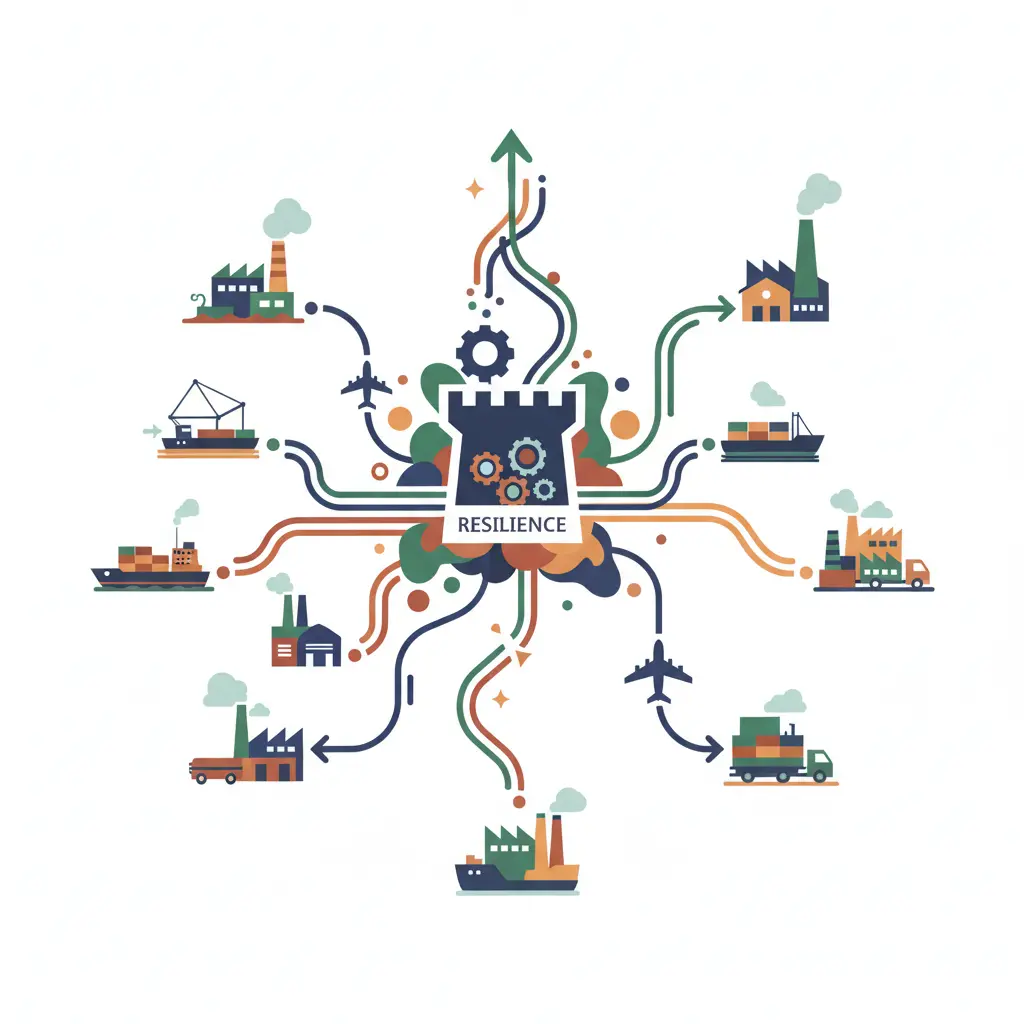
Multi-regional sourcing involves procuring materials and components from diverse geographical locations, rather than concentrating dependencies on a single country or region. Nearshoring, a complementary strategy, entails relocating production or services to closer, often neighboring, countries. The primary benefit of these approaches is a significant reduction in exposure to localized risks, whether they stem from natural disasters, political instability, or economic downturns. For instance, relying heavily on a single low-cost region can amplify the inflation impact on international trade when that region experiences supply shocks or currency fluctuations. By spreading production across multiple regions, companies can buffer against these specific challenges, ensuring that disruptions in one area do not halt global operations.
Furthermore, multi-regional sourcing enhances flexibility and agility. It allows businesses to pivot quickly to alternative suppliers if a primary source is compromised, thus maintaining production schedules and meeting customer demand. Nearshoring, in particular, offers the advantages of shorter lead times, reduced transportation costs, and often greater cultural and regulatory alignment. This can lead to more efficient international trade cost management and a quicker response to market changes. Implementing an effective B2B sourcing strategy inflation-proofs businesses by providing optionality, allowing them to shift orders to regions with more stable pricing or more favorable trade agreements, thereby mitigating the inflationary pressures that might arise from concentrated sourcing.
2. Risk Assessment and Supplier Relationship Management
Effective supply chain diversification is inherently linked to robust risk assessment and proactive supplier relationship management (SRM). Before engaging new suppliers or expanding into new regions, businesses must conduct thorough due diligence. This goes beyond assessing mere cost; it involves evaluating a supplier’s financial stability, operational capabilities, ethical practices, and adherence to quality standards. Understanding geopolitical risks, regulatory frameworks, and potential logistical hurdles in each prospective region is paramount. A comprehensive risk assessment helps identify vulnerabilities and ensures that diversification truly enhances resilience rather than merely spreading existing risks across more locations. According to McKinsey, supply chain resilience is often built through a combination of redundancy, flexibility, and collaboration, underscoring the importance of strategic supplier engagement. Read more about building supply chain resilience in a new era of uncertainty.
Once new suppliers are integrated, active supplier relationship management becomes critical. This involves fostering collaborative partnerships, establishing clear communication channels, and working together to address potential issues proactively. Strong relationships built on trust and transparency are invaluable during times of crisis, enabling quicker problem-solving and shared mitigation efforts. For example, open communication can help anticipate future price changes or supply shortages, allowing for adjustments in sourcing strategies. This proactive approach to supplier management is a cornerstone of effective international trade cost management, particularly in an environment where commodity prices and shipping costs are subject to rapid fluctuations.
3. Embracing Digitalization for Supply Chain Visibility
In today’s complex global landscape, achieving true supply chain diversification without robust digitalization is increasingly difficult. Digital tools and platforms are essential for gaining end-to-end visibility, which is the cornerstone of proactive risk management and efficient diversification. Technologies such as Artificial Intelligence (AI), Internet of Things (IoT), and blockchain can provide real-time data on everything from inventory levels and shipment locations to geopolitical events and supplier performance. This visibility allows businesses to monitor global events, predict potential disruptions, and respond with agility.
For example, advanced analytics powered by AI can help predict shifts in the commodity price outlook Vietnam or other key manufacturing hubs, enabling businesses to adjust their sourcing strategies before prices escalate significantly. IoT sensors can track goods in transit, providing real-time updates on delays or deviations, while blockchain can ensure the transparency and traceability of products from raw materials to final delivery. This enhanced visibility supports intelligent inventory management, optimized demand forecasting, and informed decision-making regarding alternative sourcing routes or suppliers. By leveraging digitalization, companies can not only monitor the health of their diversified supply chains but also optimize them for efficiency, cost-effectiveness, and unparalleled resilience against the myriad challenges of modern international trade.
Partner with Vietnam’s Leading Suppliers
Looking for reliable suppliers in Vietnam? Contact VietnamSuppliers.com today to connect with verified manufacturers and exporters across all industries.
—————————————
References
– IMF Blog: Global Inflation Peak is Behind Us, But Challenges Remain: https://www.imf.org/en/Blogs/Articles/2023/10/10/global-inflation-peak-is-behind-us-but-challenges-remain
– World Bank Commodity Markets: https://www.worldbank.org/en/topic/commoditymarkets
– WTO Trade Facilitation: https://www.wto.org/english/tratop_e/tradfac_e/tradfac_e.htm
– World Bank’s commodity market analysis: https://www.worldbank.org/en/research/commodity-markets
– building supply chain resilience in a new era of uncertainty: https://www.mckinsey.com/capabilities/operations/our-insights/supply-chain-resilience-in-a-new-era-of-uncertainty

