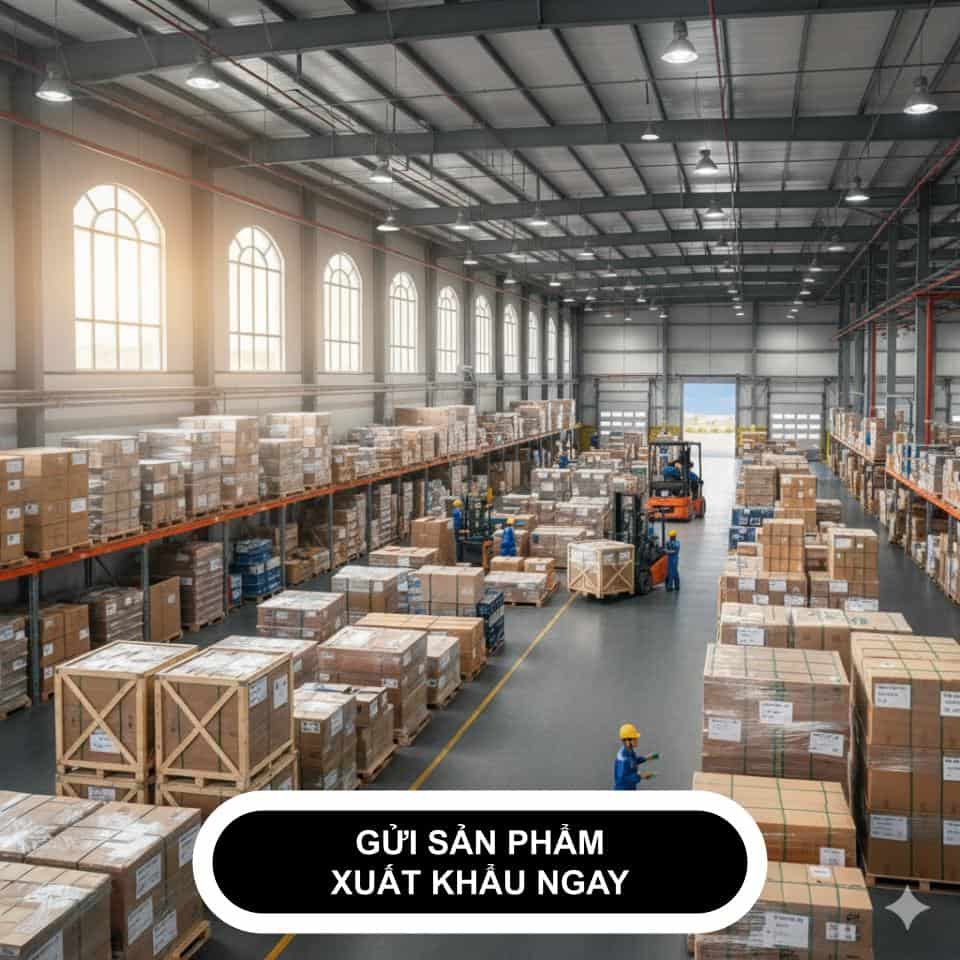
Understanding Global Port Logistics & Storage Solutions
The intricate web of global commerce hinges significantly on the efficiency and effectiveness of its maritime gateways. Global Port Logistics & Storage Solutions encompass the vast array of processes, technologies, and infrastructure required to move goods seamlessly through international ports, from vessel arrival to final distribution. Defining this scope is crucial, as the performance of these solutions directly impacts supply chain resilience, cost-efficiency, and a nation’s competitive edge in the global marketplace. Efficient port logistics and robust storage capabilities are not merely operational necessities; they are strategic assets that lubricate the gears of international trade, ensuring that everything from raw materials to finished products reaches their destination on time and within budget.
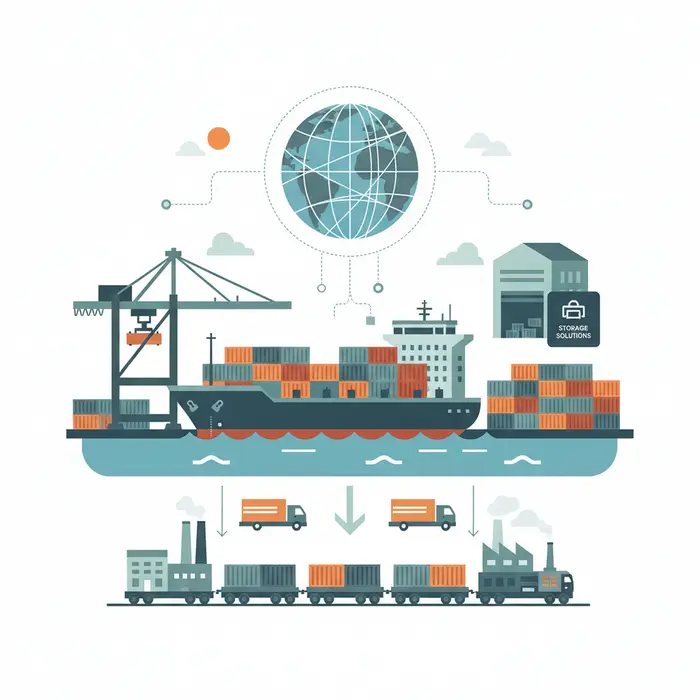
1. The Critical Role of Ports in International Trade
Ports serve as more than just points of embarkation and disembarkation; they are multimodal hubs that bridge sea, land, and sometimes air transport networks. They are the initial and final touchpoints for the vast majority of goods exchanged across borders, handling an staggering volume of containers, bulk cargo, and specialized shipments daily. The strategic importance of ports extends beyond mere cargo handling; they are economic engines, fostering regional development, creating employment, and attracting associated industries like manufacturing, processing, and distribution. A port’s efficiency, measured by factors such as vessel turnaround time, cargo processing speed, and connectivity to hinterland transportation networks, profoundly influences the overall cost and speed of global trade. Delays at a single major port can create ripple effects that disrupt entire global supply chains, leading to increased costs for businesses and consumers alike. Investments in advanced infrastructure, automation, and digital platforms are therefore paramount to maintaining and enhancing a port’s competitive standing and its capacity to facilitate unimpeded global commerce. Without robust and well-managed port operations, the very foundation of modern global commerce would falter, underscoring their indispensable role in linking producers with markets worldwide.
2. Evolving Challenges in Modern Storage & Logistics
While their importance is undeniable, ports and their associated logistics infrastructure face a complex array of evolving challenges. The sheer volume and velocity of international trade continue to escalate, placing immense pressure on existing capacities. Geopolitical shifts, trade tensions, and unforeseen events like pandemics or natural disasters can rapidly expose vulnerabilities, highlighting the urgent need for resilient and adaptable Global Port Logistics & Storage Solutions. Managing these complexities requires sophisticated approaches to inventory control, space utilization, and regulatory compliance. Factors such as fluctuating demand, peak seasons, and the increasing diversity of goods (from highly sensitive pharmaceuticals to oversized industrial equipment) demand flexible and scalable International Container Storage Rates and solutions.
Modern logistics also grapple with the need for greater visibility and data-driven decision-making. Companies are increasingly seeking integrated Warehousing and Distribution Services that extend beyond the port gate, offering end-to-end solutions that can handle everything from cargo consolidation and deconsolidation to value-added services like labeling, kitting, and final mile delivery. Furthermore, the intricacies of international customs regulations necessitate expert handling, making Customs Bonded Warehouse Solutions a vital component. These facilities allow goods to be stored, manipulated, or re-exported without immediate payment of duties, offering significant financial and operational flexibility for importers and exporters. The continuous drive for efficiency also pushes for advanced Port-side Logistics Optimization strategies, leveraging AI, IoT, and automation to streamline processes, reduce dwell times, and enhance security. From smart gates and automated stacking cranes to predictive analytics for traffic flow, the integration of technology is transforming how goods move through and are stored within port ecosystems. Addressing these challenges effectively is key to unlocking further efficiencies and maintaining competitive advantage in the dynamic world of international supply chains.
Navigating International Container Storage Rates
In the complex world of global trade, efficient supply chain management is paramount. A often-overlooked yet critical component of this efficiency is the effective management of Global Port Logistics & Storage Solutions, particularly concerning international container storage rates. These rates can significantly impact overall shipping costs and, if not properly managed, can erode profit margins. Understanding the nuances of these costs and implementing strategic optimization measures is crucial for businesses engaged in international shipping.
1. Key Factors Driving Container Storage Costs
International container storage costs are influenced by a myriad of factors, often stemming from port congestion, regulatory requirements, and carrier policies. The primary drivers include:
- Demurrage: This is a charge levied by the shipping line for the extended use of their container within the port terminal beyond the agreed-upon free time. Demurrage typically begins accumulating once the container has been discharged from the vessel and continues until it is picked up by the consignee for inland transport. Factors like port congestion, customs delays, or incomplete documentation often contribute to demurrage charges. For a comprehensive understanding of these charges, resources like BIMCO’s explanation of demurrage and detention can be invaluable.
- Detention: Unlike demurrage, detention charges are applied when the consignee holds the carrier’s container outside the port terminal beyond the allotted free time. This usually occurs during the unloading process at the consignee’s warehouse. Efficient drayage and rapid unloading are essential to avoid these costs, which can quickly escalate.
- Port Storage (Terminal Storage): Distinct from demurrage, port storage fees are charged by the port authority or terminal operator for containers occupying space on the terminal beyond a certain free period. These charges are related to the physical occupation of port space, regardless of whether the container is owned by the shipping line.
- Location and Seasonality: Storage rates can vary drastically based on the port’s geographical location, its volume of traffic, and seasonal demand. Major, high-volume ports often have higher rates and shorter free times due to limited space. Peak shipping seasons (e.g., pre-holiday rush) can exacerbate congestion, leading to increased costs and delays.
2. Strategies for Optimizing Container Storage Expenses
Proactive management and strategic planning are vital to mitigate the impact of high international container storage rates:
- Expedited Documentation and Customs Clearance: Timely preparation and submission of all necessary shipping documents and prompt customs clearance are critical. Delays in this area are a leading cause of demurrage and port storage charges. Leveraging digital platforms and working closely with experienced customs brokers can significantly streamline this process.
- Efficient Drayage and Unloading: Minimize detention by ensuring that logistics for container pickup, transport to the warehouse, and unloading are meticulously planned and executed. Having the necessary equipment and personnel ready can drastically reduce turnaround times.
- Negotiate Free Time: For high-volume shippers, it’s often possible to negotiate extended free time periods with shipping lines, especially for demurrage and detention. Strong relationships with carriers can yield significant cost savings over time.
- Utilize Customs Bonded Warehouse Solutions: For goods awaiting further processing, re-export, or duty payment, Customs Bonded Warehouse Solutions can provide a cost-effective alternative to accumulating port storage and demurrage. These facilities allow goods to be stored without immediate payment of duties and taxes, offering greater flexibility.
- Port-side Logistics Optimization: Implementing robust Port-side Logistics Optimization strategies, including pre-booking appointments for container pickup/drop-off and real-time tracking, can significantly reduce waiting times and associated costs.
3. Leveraging Technology and Strategic Partnerships for Long-term Savings
For sustainable cost optimization, businesses should look beyond immediate fixes and invest in long-term strategies:
- Advanced Logistics Software: Implementing sophisticated logistics management systems provides real-time visibility into shipment status, port conditions, and potential delays. Predictive analytics can help identify congestion hotspots and allow for proactive rerouting or scheduling adjustments.
- Data-Driven Decision Making: Analyzing historical data on demurrage, detention, and port storage charges can reveal patterns and root causes. This data can then inform decisions on carrier selection, port choices, and operational adjustments to prevent future costs.
- Strategic Partnerships: Collaborating with reliable 3PL (Third-Party Logistics) providers that offer comprehensive Warehousing and Distribution Services can be a game-changer. These partners often have established relationships with carriers and port authorities, better negotiation power, and the infrastructure to manage containers efficiently, including off-dock storage options.
- Supply Chain Resiliency: Building a resilient supply chain that can adapt to disruptions, such as port strikes or natural disasters, is key. Diversifying shipping routes and ports, where feasible, can reduce reliance on single points of failure that often lead to escalating storage costs.
Ultimately, navigating international container storage rates requires a holistic and proactive approach. By understanding the cost drivers, implementing effective operational strategies, and leveraging technology and strategic partnerships, businesses can transform potential liabilities into managed expenses, ensuring smoother and more profitable international trade operations.
Comprehensive Warehousing and Distribution Services
In the intricate landscape of modern commerce, the efficient movement and storage of goods are paramount to supply chain success. From raw materials to finished products, a robust warehousing and distribution strategy is not merely a cost center but a critical enabler of market responsiveness, customer satisfaction, and competitive advantage. This section explores diverse warehousing options and distribution strategies that are essential for ensuring seamless flow and timely delivery of goods, especially in the context of Global Port Logistics & Storage Solutions.
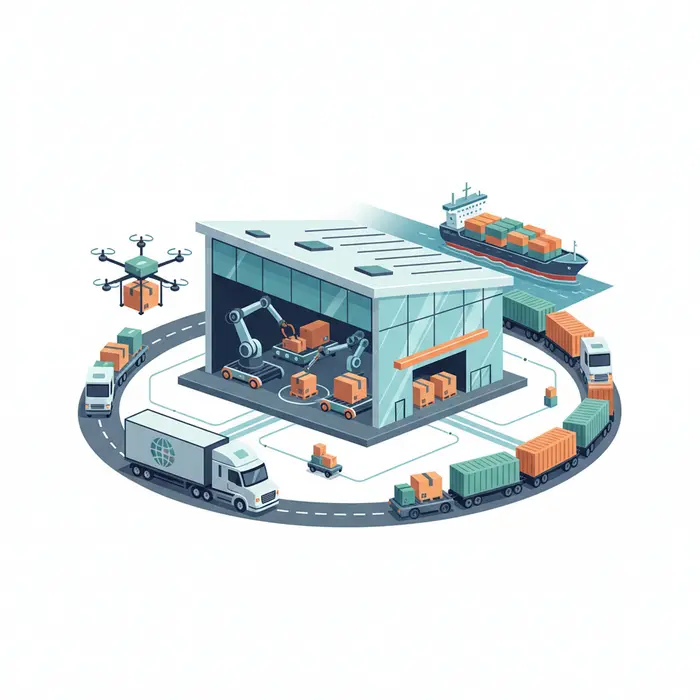
1. Types of Warehousing: Public, Private, and Contract Solutions
Understanding the various types of warehousing is the first step in optimizing your supply chain. Each option offers distinct benefits and caters to different operational needs.
- Public Warehouses: These facilities are open to multiple clients, offering flexible storage solutions for businesses with fluctuating inventory levels or those new to a market. They typically operate on a pay-per-use basis, reducing capital expenditure and providing scalability. Public warehouses are ideal for managing International Container Storage Rates effectively by only paying for the space and services used.
- Private Warehouses: Owned and operated by a single company, private warehouses provide maximum control over operations, security, and customization. While requiring significant capital investment, they are suitable for large enterprises with stable, high-volume inventory and specific handling requirements, offering strategic advantages in Port-side Logistics Optimization.
- Contract Warehouses: Also known as third-party logistics (3PL) warehouses, these facilities involve a long-term agreement between a client and a warehouse provider. The provider offers customized services, including storage, distribution, inventory management, and value-added services. Contract warehousing combines the expertise of a 3PL with dedicated resources, making it a powerful solution for complex Warehousing and Distribution Services needs without the overhead of private ownership. They often integrate advanced technologies for real-time tracking and efficient operations.
2. Efficient Distribution Networks and Last-Mile Delivery Innovations
Beyond storage, the effectiveness of an enterprise hinges on its distribution capabilities. An efficient distribution network ensures products move swiftly and cost-effectively from the warehouse to the end customer. This involves strategic planning of routes, modes of transport, and consolidation points. Modern distribution strategies leverage sophisticated software for demand forecasting, route optimization, and real-time tracking, minimizing transit times and reducing operational costs. For businesses engaged in Global Port Logistics & Storage Solutions, optimizing the onward distribution from port facilities is crucial.
Last-mile delivery, the final leg of the journey to the consumer, is often the most challenging and expensive. Innovations in this area are transforming the landscape, focusing on speed, cost-efficiency, and customer experience. This includes:
- Micro-fulfillment Centers: Smaller, strategically located urban warehouses that bring inventory closer to customers, enabling faster delivery.
- Automated Delivery Systems: The rise of drones and autonomous vehicles for package delivery, particularly in less congested areas, promises to revolutionize speed and reduce labor costs.
- Crowdsourced Delivery: Utilizing a network of independent drivers to fulfill deliveries, offering flexibility and scalability during peak demand.
- Click-and-Collect Services: Allowing customers to pick up online orders from a designated store or locker, bypassing home delivery entirely.
These innovations are critical for businesses seeking competitive International Container Storage Rates and aiming to provide superior Warehousing and Distribution Services, ensuring goods reach their destination efficiently and promptly.
3. Customs Bonded Warehouse Solutions and Regulatory Compliance
For international trade, Customs Bonded Warehouse Solutions are indispensable tools for managing imports and exports efficiently. A customs bonded warehouse is a secured area where imported goods can be stored, manipulated, or manufactured without payment of duties until they are withdrawn for consumption. This offers significant financial and operational advantages to businesses engaged in Global Port Logistics & Storage Solutions.
Key benefits include:
- Duty Deferral: Importers can defer payment of customs duties and taxes until goods are released from the warehouse, improving cash flow.
- Manipulation and Value-Added Services: Goods can be re-packaged, labeled, assembled, or processed within the bonded facility without incurring duties, allowing for greater flexibility in preparing products for specific markets.
- Reduced Customs Red Tape: Streamlined procedures for handling goods destined for re-export, often requiring less documentation and fewer inspections than direct imports.
- Long-Term Storage: Goods can typically be stored for extended periods, sometimes up to five years, providing flexibility for market entry or demand fluctuations.
Navigating the complexities of international trade requires robust compliance. Businesses must adhere to a myriad of regulations, from tariff classifications to import/export controls. Leveraging Customs Bonded Warehouse Solutions, particularly those near major ports, contributes significantly to Port-side Logistics Optimization by simplifying customs procedures and providing a strategic buffer for inventory. Furthermore, partnering with experienced logistics providers ensures adherence to evolving international trade laws and secures seamless operations across borders. For a deeper understanding of global trade regulations and supply chain best practices, insights from reputable sources like the World Trade Organization’s Trade Facilitation Agreement can be invaluable in shaping resilient Warehousing and Distribution Services.
Leveraging Customs Bonded Warehouse Solutions
In the dynamic world of international trade, businesses constantly seek strategies to optimize their supply chains, reduce costs, and enhance flexibility. Customs bonded warehouses emerge as a powerful solution, offering a secure, duty-deferred environment for goods involved in global commerce. These facilities, supervised by national customs authorities, allow importers and exporters to store, manipulate, or even manufacture goods without immediately paying import duties and taxes, significantly enhancing Global Port Logistics & Storage Solutions.
By understanding the intricate benefits and operational nuances of these specialized warehouses, companies can unlock substantial advantages, ranging from improved cash flow to streamlined regulatory compliance and efficient port-side logistics optimization.
1. Advantages of Customs Bonded Warehouses for Importers and Exporters
Customs bonded warehouses offer a strategic advantage, particularly for businesses dealing with high-value or high-volume goods. The most significant benefit is the deferral or suspension of import duties and taxes. Goods can reside in a bonded warehouse for extended periods – often up to five years, depending on the jurisdiction – without the importer having to pay duties until the products are withdrawn for domestic consumption. This provides immense relief to working capital, allowing businesses to allocate funds more strategically. For items destined for re-export, duties may be completely waived, streamlining the re-export process and avoiding complex duty drawback procedures.
Beyond duty deferral, these warehouses enable various forms of manipulation and processing. Importers can clean, sort, repackage, label, or even assemble goods within the bonded facility without incurring duties on the imported components until the final product enters the domestic market. This flexibility is crucial for adapting to market demands, performing quality control, or preparing goods for specific distribution channels, integrating seamlessly with comprehensive Warehousing and Distribution Services. Furthermore, storing goods in a customs bonded warehouse near major ports can lead to better International Container Storage Rates and provide buffer stock, mitigating risks associated with supply chain disruptions or sudden market shifts. This strategic positioning is vital for robust Port-side Logistics Optimization.
2. Regulatory Compliance and Operational Best Practices
Operating a customs bonded warehouse, or utilizing its services, demands rigorous adherence to regulatory compliance and the implementation of robust operational best practices. These facilities are under the strict supervision of customs authorities, such as the U.S. Customs and Border Protection (CBP), which mandates specific security measures, inventory control, and record-keeping protocols. Accurate and detailed record-keeping is paramount, tracking every movement of goods into, within, and out of the warehouse. This includes comprehensive documentation of receipts, withdrawals, manipulations, and any changes in product status.
High-level security is a non-negotiable requirement, typically involving restricted access, surveillance systems, and stringent personnel vetting to prevent theft or unauthorized access. Businesses utilizing Customs Bonded Warehouse Solutions must also ensure that their staff are adequately trained on customs regulations, inventory management systems, and the specific procedures for their goods. Regular internal audits, complemented by external customs audits, are essential to identify and rectify any discrepancies, ensuring continuous compliance and preventing costly penalties. Implementing advanced Warehouse Management Systems (WMS) that integrate with customs declarations can significantly enhance efficiency and accuracy in managing bonded inventory, making complex regulations more manageable.
3. Financial Benefits and Cash Flow Management
The financial implications of leveraging customs bonded warehouses extend far beyond simple duty deferral, offering profound advantages for cash flow and working capital management. By postponing the payment of duties and taxes, businesses can free up significant capital that would otherwise be tied up in inventory. This capital can then be reallocated to other critical areas, such as product development, marketing, or operational expansion, fostering greater financial agility.
Furthermore, bonded warehouses provide an effective mechanism for managing inventory risk. If market demand fluctuates or goods need to be re-exported, the duties would either not have been paid or can be claimed back with greater ease, reducing the financial exposure associated with unsold or obsolete stock. This is particularly valuable for seasonal goods or products with uncertain demand. For companies engaged in light manufacturing or assembly within the bonded environment, only the finished product (or its components upon withdrawal) is subject to duty, allowing for value-added processes to occur without immediate tax burden on raw materials. This strategic use of Customs Bonded Warehouse Solutions provides a predictable cost structure, enabling better financial planning and budgeting, ultimately enhancing a company’s overall profitability and competitive edge in the global marketplace.
Port-side Logistics Optimization & Future Trends 2025
The global supply chain landscape is undergoing a profound transformation, driven by an accelerating pace of technological innovation and an urgent call for greater resilience and sustainability. As we approach 2025, the focus on Port-side Logistics Optimization has intensified, recognizing ports not just as points of transit but as critical hubs for value creation. This section delves into cutting-edge technologies and strategic approaches poised to enhance efficiency at ports, examining emerging trends that will shape the future of Global Port Logistics & Storage Solutions worldwide. From managing complex International Container Storage Rates to optimizing Warehousing and Distribution Services and ensuring secure Customs Bonded Warehouse Solutions, the imperative is clear: adapt, innovate, and integrate for a competitive edge.

1. Implementing AI, IoT, and Automation for Port Efficiency
The integration of Artificial Intelligence (AI), the Internet of Things (IoT), and advanced automation is revolutionizing port operations, ushering in an era of unprecedented efficiency and responsiveness. AI algorithms are being deployed for predictive maintenance of equipment, optimizing vessel scheduling, and streamlining cargo flow, significantly reducing turnaround times and operational costs. IoT sensors provide real-time data on container location, environmental conditions, and equipment performance, creating a comprehensive digital twin of port activities. This granular visibility is crucial for proactive decision-making and enhancing overall Port-side Logistics Optimization. Furthermore, automation, ranging from autonomous guided vehicles (AGVs) transporting containers to automated stacking cranes and drones for inspection, minimizes human error, improves safety, and allows for 24/7 operations. These technologies collectively contribute to a smarter, more agile port ecosystem, essential for robust Global Port Logistics & Storage Solutions. The synergy between these innovations is not just incremental but foundational, redefining how goods move through global trade arteries.
2. Sustainable Practices and Resilience in Global Supply Chains
Beyond efficiency, the port industry is increasingly prioritizing sustainability and resilience. Environmental stewardship is becoming a core tenet, with ports investing heavily in green initiatives. This includes transitioning to renewable energy sources for port operations, electrifying container handling equipment, implementing cold ironing for vessels to reduce emissions at berth, and optimizing land use for ecological balance. The goal is to significantly reduce the carbon footprint and contribute to a healthier planet. Concurrently, building resilience into warehousing and distribution services and overall supply chains is paramount. Ports are developing robust strategies to mitigate risks from climate change, geopolitical instability, and unforeseen disruptions (like pandemics). This involves diversifying supply routes, enhancing infrastructure to withstand extreme weather, and establishing flexible Customs Bonded Warehouse Solutions that can rapidly adapt to changing trade requirements. Such forward-thinking approaches ensure the continuity of trade and safeguard economic stability, making sustainable and resilient ports crucial pillars of global commerce.
3. Digital Twins, Blockchain, and Collaborative Ecosystems
The future of Global Port Logistics & Storage Solutions will heavily rely on advanced digitalization and interconnectedness. Digital Twins, virtual replicas of physical port assets and processes, offer unprecedented capabilities for simulation, testing, and optimization before real-world implementation. They enable operators to predict bottlenecks, test new layouts, and fine-tune operational strategies, leading to superior Port-side Logistics Optimization. Complementing this, Blockchain technology is emerging as a powerful tool to enhance transparency, security, and traceability across the entire supply chain. By creating an immutable ledger of transactions and cargo movements, blockchain simplifies compliance, reduces fraud, and accelerates customs clearance, directly impacting elements like international container storage rates by improving flow efficiency. Furthermore, the development of collaborative ecosystems, often termed ‘Port Community Systems’ (PCS), is crucial. These platforms facilitate seamless information exchange among all stakeholders – port authorities, shipping lines, freight forwarders, customs, and logistics providers. Such integration fosters collective decision-making, streamlines complex administrative procedures, and drives overall port performance. According to Port Technology International, the smart port market is set to expand significantly, highlighting the growing adoption of these integrated digital solutions. These collaborative digital frameworks are essential for creating truly smart, efficient, and future-proof ports.
In conclusion, the trajectory for Global Port Logistics & Storage Solutions towards 2025 is marked by a blend of technological sophistication, environmental responsibility, and strategic resilience. The pervasive adoption of AI, IoT, and automation, coupled with a steadfast commitment to sustainable practices and robust supply chain resilience, will define the competitive landscape. The emergence of digital twins, blockchain for transparency, and collaborative digital ecosystems are not merely enhancements but fundamental shifts, ensuring that ports remain dynamic and efficient gateways for global trade. Embracing these trends is not just an option but a necessity for stakeholders aiming to thrive in the evolving global logistics paradigm.
Partner with Vietnam’s Leading Suppliers
Looking for reliable suppliers in Vietnam? Contact VietnamSuppliers.com today to connect with verified manufacturers and exporters across all industries.
—————————————
References
– Logistics Performance Index (LPI) | World Bank: https://lpi.worldbank.org/
– BIMCO’s explanation of demurrage and detention: https://www.bimco.org/news-and-trends/articles/2021/demurrage-and-detention-explained
– World Trade Organization’s Trade Facilitation Agreement: https://www.wto.org/english/tratop_e/tradfa_e/tradfa_e.htm
– U.S. Customs and Border Protection (CBP): https://www.cbp.gov/trade/bonded-warehouses
– Port Technology International: https://www.porttechnology.org/news/the-smart-port-market-will-reach-5-3-billion-by-2029/