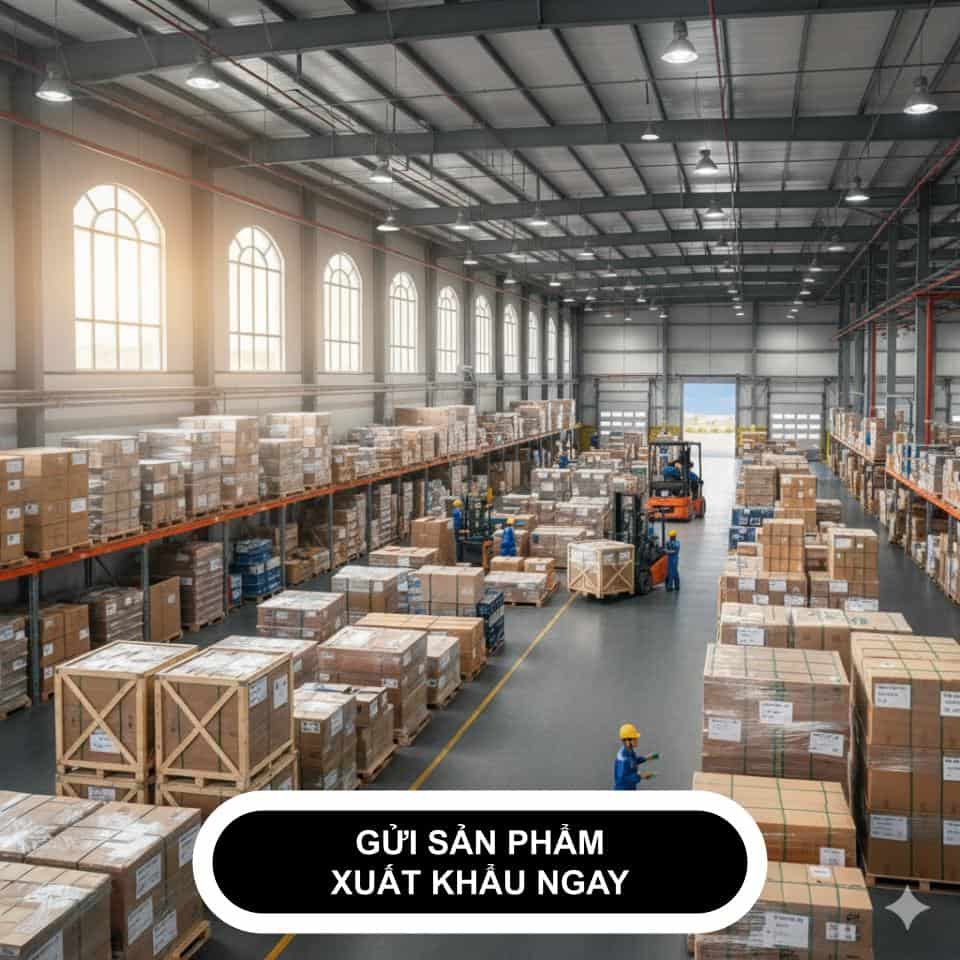
Overview of Global Trade Dynamics 2025
Global trade stands at a critical juncture, continuously reshaped by an intricate web of economic, geopolitical, and technological forces. The landscape of international commerce is more volatile and interconnected than ever, demanding sophisticated analysis and foresight. As businesses and policymakers prepare for 2025, understanding the current state and future trajectories of global trade is paramount. This necessitates a deep dive into reliable data – from international trade statistics to weekly shipping volume index – providing the crucial insights needed for strategic decision-making. The ability to interpret global import export trends and commodity trade analytics will be the cornerstone of successful navigation through the complexities of the coming year.
The past few years have underscored the fragility of global supply chains and rapid shifts in demand. From pandemic-induced disruptions to regional conflicts and inflationary pressures, the global trading system has been severely tested. Now, with an eye towards 2025, robust Global Trade Data analysis becomes not just an advantage but a necessity. It empowers stakeholders to anticipate shifts, mitigate risks, and identify emerging opportunities. This section will delve into the key drivers influencing this dynamic environment, offering a foundational understanding for businesses looking to optimize their strategies and gain a competitive edge in a rapidly evolving marketplace. For more detailed insights into specific data points, exploring resources like the World Trade Organization’s trade statistics can provide invaluable context.

1. Key Economic Drivers Affecting Global Trade
The pulse of global trade is inextricably linked to fundamental economic indicators. As we approach 2025, several key economic drivers are poised to significantly influence the flow of goods and services worldwide. Foremost among these are global inflation rates and central bank interest rate policies. Persistent inflation, particularly in major economies, continues to erode purchasing power and elevate production costs, impacting both consumer demand and corporate investment. In response, tightening monetary policies, characterized by higher interest rates, aim to cool economies but can also dampen trade activity by increasing the cost of financing.
Furthermore, varying rates of GDP growth across regions will dictate demand for imports and the capacity for exports. Emerging markets often present significant opportunities for export growth, provided their economic stability holds. Conversely, slower growth in developed economies could temper overall global demand. Supply chain resilience has also become a critical factor. Labor shortages, infrastructure limitations, and logistics bottlenecks continue to add costs and delays, affecting the reliability and efficiency of international trade. Understanding these interconnected economic forces through precise commodity trade analytics is essential for forecasting market shifts and making informed strategic decisions.
2. Geopolitical Influences on International Trade Routes
Geopolitical events have historically been powerful shapers of global trade, and their impact is intensifying as we head into 2025. Trade disputes, such as those between major economic blocs, continue to foster uncertainty, leading to tariffs, retaliatory measures, and the rerouting of supply chains. These disputes not only raise costs for businesses and consumers but also fragment global markets, encouraging regionalization over globalization.
Regional conflicts and political instabilities, from ongoing conflicts in Eastern Europe to tensions in the Middle East and maritime disputes, directly affect key international trade routes. Shipping lanes can become hazardous, insurance premiums may skyrocket, and the availability of certain commodities can be severely restricted. Such events necessitate swift adjustments in logistics and sourcing strategies. Moreover, evolving global alliances and policy shifts – including new trade agreements or protectionist measures – can either open up new markets or create barriers, compelling businesses to continuously monitor the political landscape. The Suez Canal, for instance, remains a critical artery for global shipping, and any disruption there has cascading effects on weekly shipping volume index worldwide. Navigating these complex geopolitical currents requires constant vigilance and adaptable business models.
3. The Role of Technology and Digitalization in Modern Trade
The acceleration of technological adoption and digitalization continues to redefine the mechanics and efficiency of global trade. In 2025, the integration of advanced technologies like Artificial Intelligence (AI), blockchain, and the Internet of Things (IoT) is moving beyond pilot programs to mainstream application. AI-driven analytics are revolutionizing the interpretation of global import export trends, enabling predictive modeling for demand forecasting, inventory management, and risk assessment with unprecedented accuracy.
Blockchain technology is enhancing transparency and security across supply chains. By creating immutable records of transactions and movements, it significantly reduces fraud, streamlines customs processes, and provides end-to-end visibility, from raw material sourcing to final delivery. This is particularly crucial for complex commodity trade analytics where provenance and authenticity are paramount. Furthermore, the IoT is enabling real-time tracking of goods, monitoring environmental conditions during transit, and predicting maintenance needs for shipping infrastructure. These digital advancements are fundamentally transforming trade logistics, making supply chains more resilient, efficient, and responsive to rapid market changes. Businesses that embrace these technological shifts will be better positioned to leverage Global Trade Data for competitive advantage and sustainable growth in the dynamic 2025 landscape. For more information on optimizing your supply chain through data, you can visit our internal resources on Global Trade Data.
International Trade Statistics: Regional & Global Deep Dive
Understanding the dynamics of international trade is crucial for businesses, policymakers, and economists alike. A deep dive into the latest international trade statistics reveals the shifting landscape of global commerce, highlighting key players, dominant trade blocs, and the burgeoning influence of emerging markets. This analysis provides valuable insights into global import export trends, offering a comprehensive overview that extends from weekly shipping volume index fluctuations to intricate commodity trade analytics. By examining these multifaceted data points, we can better comprehend the complex interdependencies that shape the world economy and identify opportunities for growth and resilience.
Analysis of Top Trading Nations and Their Performance
The global trade arena is continuously shaped by the performance of its leading economies. China, the United States, and Germany consistently rank among the top trading nations, each playing a pivotal role in global import export trends. China remains the world’s largest exporter, leveraging its vast manufacturing capabilities and extensive supply chain networks, particularly in electronics, machinery, and textiles, often resulting in significant trade surpluses driven by strong global demand.
The United States, a major exporter of high-value goods such as aerospace products and technology, is also the world’s largest importer. This robust import activity is fueled by strong domestic consumer demand, making the U.S. market critical for global suppliers. Germany, a powerhouse in Europe, maintains its position as a leading exporter of automobiles, machinery, and chemicals, underpinned by its renowned engineering prowess and commitment to quality.
Their performance is influenced by geopolitical stability, technological innovation, and adaptability to evolving international trade statistics and market demands. Their collective output and consumption patterns significantly impact the overall weekly shipping volume index and global economic stability.
Major Trade Blocs: Growth, Challenges, and Agreements
Regional trade blocs are fundamental structures that facilitate and often dictate the flow of global trade data. The European Union (EU) remains the world’s largest single market and a highly integrated economic bloc, fostering extensive intra-regional trade. Despite recent challenges, the EU continues to pursue deeper economic integration and expand its network of free trade agreements, influencing commodity trade analytics and global standards.
The United States-Mexico-Canada Agreement (USMCA) governs a substantial portion of North American trade, aiming to modernize rules, protect intellectual property, and enhance labor and environmental standards. This fosters stable and predictable trade relations, shaping industrial landscapes and global import export trends across the three nations.
In Asia, the Association of Southeast Asian Nations (ASEAN) is steadily growing in economic importance, attracting significant foreign investment and promoting regional integration. Similarly, the African Continental Free Trade Area (AfCFTA) aims to create a single market across Africa, promising to boost intra-African trade and unlock significant economic potential. These blocs, with preferential tariffs and harmonized regulations, simplify customs procedures and reduce trade barriers, profoundly influencing international trade statistics and global commerce efficiency. For more comprehensive insights into such global movements and their statistical breakdowns, refer to official sources like the World Trade Organization’s statistics gateway.
Emerging Markets and Future Trade Outlook
Emerging markets are rapidly gaining prominence, reshaping global import export trends. Nations like India, Vietnam, Brazil, Indonesia, and Mexico are becoming significant manufacturing hubs and burgeoning consumer markets. Their growth, characterized by economic diversification and rising middle classes, drives both demand and supply. Vietnam, for example, is a key player in global supply chains, attractive for foreign direct investment and competitive manufacturing in electronics and textiles.
The future of international trade will be defined by several key trends. Digitalization, accelerated by the COVID-19 pandemic, is transforming trade processes and opening new avenues for SMEs. E-commerce and digital logistics are vital in connecting global buyers and sellers. Sustainability is another critical factor; growing pressure for eco-friendly and ethical sourcing impacts commodity trade analytics and investment decisions.
Geopolitical shifts and evolving trade policies will continue to influence the global trade landscape. Despite potential protectionist sentiments, the drive for global connectivity and market access persists. Supply chain resilience and adaptability will be paramount. For insights into these trends and various markets, exploring detailed Global Trade Data is essential for informed decision-making. These markets offer immense opportunities for businesses, influencing the overall weekly shipping volume index and international trade patterns.
In today’s interconnected global economy, understanding the real-time movement of goods is paramount for businesses, policymakers, and investors alike. The Global Trade Data landscape is constantly shifting, influenced by geopolitical events, economic fluctuations, and technological advancements. This section delves into crucial international trade statistics, focusing on the dynamic indicators that provide deep logistics insights into the health and efficiency of the worldwide supply chain. By analyzing the Weekly shipping volume index, prevailing freight rates, and overall supply chain efficiency, we gain a comprehensive picture of global import export trends and commodity trade analytics.
Monitoring these metrics offers a forward-looking perspective on market demand, production capacities, and potential bottlenecks. For businesses engaged in international commerce, these insights are indispensable for strategic planning, inventory management, and risk mitigation. A detailed examination of the shipping volume index, for instance, can signal shifts in consumer demand or production patterns well before they are reflected in traditional economic reports, providing a competitive edge in rapidly evolving markets.

1. Global Container Shipping Trends and Port Congestion
The backbone of global commerce, container shipping, continues to exhibit complex trends. The Weekly shipping volume index for containerized cargo serves as a vital barometer for global trade activity. Recent data highlights a mixed picture, with some routes experiencing robust demand while others contend with capacity surpluses or deficits. Freight rates, a key indicator of supply-demand dynamics, have seen volatility driven by factors such as fluctuating fuel prices, vessel availability, and geopolitical tensions. Increases in demand or disruptions can rapidly inflate costs, directly impacting profit margins for importers and exporters.
Port congestion remains a persistent challenge, significantly impacting supply chain efficiency and transit times. Major global hubs, particularly in Asia, Europe, and North America, frequently grapple with vessel backlogs, labor shortages, and infrastructure limitations. These bottlenecks lead to substantial delays, increased demurrage and detention charges, and contribute to inflationary pressures on goods. Analyzing the turnaround times at key ports, alongside the overall Weekly shipping volume index, provides crucial global trade statistics for anticipating and mitigating these disruptions. Understanding these trends is critical for businesses looking to optimize their logistics networks and avoid costly delays in their global import export trends.
2. Air Freight Dynamics, Cargo Capacity, and Disruptions
While sea freight handles the bulk of global trade by volume, air freight is indispensable for high-value, time-sensitive goods. The dynamics of air cargo capacity and freight rates are highly sensitive to market fluctuations and unforeseen events. Post-pandemic, passenger flight schedules, which carry a significant portion of belly cargo, have gradually recovered, easing some capacity constraints. However, dedicated cargo flights continue to play a critical role, especially for e-commerce and pharmaceutical sectors.
Disruptions in air freight can arise from various sources, including extreme weather conditions, labor strikes at major airports, or geopolitical conflicts impacting airspace access. These events can lead to immediate price spikes and extended transit times, forcing businesses to seek alternative, often more expensive, solutions. Monitoring air cargo load factors and available capacity via Weekly shipping volume index for air freight offers crucial insights into potential bottlenecks. For industries reliant on just-in-time inventory, staying abreast of these dynamics is non-negotiable for maintaining efficient commodity trade analytics and ensuring business continuity.
3. Emerging Logistics Technologies and Future Outlook
The future of logistics and supply chain management is being profoundly shaped by technological innovation. Advanced data analytics, artificial intelligence (AI), and machine learning are revolutionizing how Global Trade Data is processed and utilized, enabling predictive analysis for demand forecasting, route optimization, and risk assessment. Blockchain technology is enhancing transparency and traceability across the supply chain, reducing fraud and improving accountability from source to consumer.
Automation in warehouses, along with autonomous vehicles and drones for last-mile delivery, promises to significantly boost efficiency and reduce operational costs. These technologies are not just improving existing processes; they are fundamentally reshaping how goods move across borders. Looking ahead, the emphasis will continue to be on building more resilient, agile, and sustainable supply chains. Integrating real-time international trade statistics with these technological advancements will empower businesses to navigate the complexities of global import export trends, adapt swiftly to disruptions, and maintain a competitive edge in an ever-evolving global marketplace. The continuous evolution of the Weekly shipping volume index will be heavily influenced by the adoption and integration of these smart logistics solutions, driving enhanced efficiency and responsiveness across all modes of transport.
Global Import-Export Trends and Market Shifts
The global economy is a complex, interconnected web, constantly reshaped by evolving import-export dynamics. Understanding these shifts is paramount for businesses, policymakers, and investors navigating the international marketplace. This detailed analysis delves into current Global Trade Data, identifying crucial growth sectors, emerging regional powerhouses, and potential challenges that define modern international commerce. From rapid technological advancements to changing consumer behaviors and geopolitical realignments, the forces influencing global import export trends are more dynamic than ever.
1. Sector-Specific Import/Export Growth Areas and Declines
The landscape of global trade is marked by significant divergences across sectors. While some industries experience unprecedented growth, others grapple with declining demand or shifting production paradigms. High-tech goods, particularly semiconductors, AI-related hardware, and specialized electronics, continue to dominate import and export growth charts, driven by relentless innovation and increasing global digitalization. The renewable energy sector, encompassing solar panels, wind turbines, and battery technologies, is another rapidly expanding area, fueled by global sustainability mandates and significant investments in green infrastructure. Pharmaceuticals and medical devices also show robust growth, especially post-pandemic, as healthcare remains a top global priority. Conversely, some traditional manufacturing sectors, such as textiles in certain regions or specific raw material commodities, face headwinds due to oversupply, increased local production in consumer markets, or shifts in consumer preferences. International trade statistics reveal a clear pivot towards value-added goods and services, underscoring the importance of innovation and specialized manufacturing in maintaining competitive import-export positions. Commodity trade analytics further illustrate how volatile prices and supply chain disruptions can impact the profitability and volume of raw material exports, necessitating flexible sourcing and distribution strategies.
2. Impact of Digitalization and E-commerce on Trade Flows
The digital revolution has profoundly reshaped the mechanics and reach of international trade. E-commerce platforms have democratized global markets, enabling small and medium-sized enterprises (SMEs) to access international customers with unprecedented ease, bypassing traditional intermediaries. This direct-to-consumer (D2C) international shipping model has led to an explosion in parcel volumes, dramatically influencing the Weekly shipping volume index. Logistics providers are adapting rapidly, investing in advanced tracking, expedited customs processes, and last-mile delivery solutions to meet the demands of this fast-paced segment. Beyond e-commerce, digitalization is streamlining various aspects of the trade process, from electronic documentation and blockchain-enabled supply chains to AI-driven demand forecasting and automated customs declarations. These technological advancements reduce administrative burdens, enhance transparency, and accelerate the flow of goods across borders. The ability to leverage real-time Global Trade Data and analytics allows businesses to optimize inventory, predict market trends, and make more informed decisions regarding sourcing and distribution, fundamentally altering traditional trade flows and opening new avenues for efficiency and growth in international trade statistics.
3. Geopolitical Influences and Trade Policies
Geopolitical dynamics and evolving trade policies are increasingly dictating the rhythm and direction of global import export trends. Trade agreements, ranging from bilateral pacts to multilateral frameworks, can significantly alter market access and competitive landscapes. Conversely, the imposition of tariffs, sanctions, or non-tariff barriers can redirect trade flows, disrupt established supply chains, and necessitate diversification strategies. The trend of nearshoring and reshoring, driven by a desire for supply chain resilience and national security concerns, is gaining momentum, particularly in strategic sectors. Countries are increasingly scrutinizing their dependencies on single-source suppliers and investing in domestic production capabilities or relocating manufacturing closer to home markets. This re-evaluation of global sourcing strategies impacts everything from raw material imports to finished goods exports, potentially leading to new regional trade blocs and altered shipping routes. Navigating this complex interplay of policy and geopolitics requires businesses to maintain agile strategies, monitor international relations closely, and adapt to rapidly changing regulatory environments. Understanding these macro-level shifts through comprehensive Global Trade Data and predictive analytics is crucial for anticipating market challenges and identifying new opportunities in international trade statistics.
Commodity Trade Analytics and Future Outlook
In an increasingly interconnected global economy, understanding commodity market dynamics is paramount. Robust Global Trade Data and sophisticated commodity trade analytics provide insights into price fluctuations, demand-supply imbalances, and future market trajectories. This section explores key commodity sectors, forecasts future trade dynamics, and identifies emerging investment opportunities.
1. Performance of Energy, Metals, and Agricultural Commodities
The global commodity market is volatile, influenced by geopolitical tensions, economic policies, technology, and climate events. International trade statistics reveal distinct performance patterns:

Energy Commodities: Oil and natural gas remain cornerstone commodities. Recent years saw unprecedented volatility from supply disruptions (geopolitical conflicts, OPEC+ decisions) and demand shifts (post-pandemic recovery, energy transition). Weekly shipping volume index for crude oil and LNG provides real-time indicators for market shifts. Renewable energy reshapes long-term fossil fuel demand.
Metals: Industrial metals (copper, aluminum, iron ore) are crucial for manufacturing and infrastructure; precious metals (gold, silver) are safe-haven assets. Industrial metal prices link to global economic growth. Precious metals react to inflation, interest rates, and geopolitical instability.
Agricultural Commodities: Grains, softs, and livestock are fundamental to global food security. Prices are sensitive to weather, disease, and agricultural policies. Supply chain disruptions, highlighted by global import export trends, escalate volatility. Climate change presents a significant long-term challenge, impacting yields and water availability.
2. Forecasting Future Trade Dynamics and Investment Opportunities
Accurately forecasting commodity trade dynamics offers a competitive advantage. This requires sophisticated commodity trade analytics synthesizing vast datasets, including historical prices, macroeconomic indicators, and environmental factors. Key drivers include:
- Geopolitical Shifts: Conflicts, trade disputes, and alliances impact supply routes, production, and market access, causing price volatility and supply chain reconfigurations.
- Technological Advancements: Innovation in extraction, processing, and logistics alters supply costs. Growth in electric vehicles and renewable energy creates new demand for critical minerals.
- Climate Change and Environmental Policies: Extreme weather directly affects agricultural output. Stricter environmental regulations and the low-carbon transition reshape fossil fuel demand, boosting ‘green’ commodities. The World Bank offers insights into how global trade policies are adapting.
Investment opportunities span traditional futures to ETFs and companies involved in green transition commodities. Infrastructure projects focused on sustainable energy also represent long-term avenues. Analyzing global trade flows and anticipating demand-supply equilibrium shifts is crucial.
3. Technological Advancements in Commodity Market Analysis
Technology has profoundly transformed commodity market analysis. Big data, artificial intelligence (AI), and machine learning (ML) are pivotal tools for interpreting immense Global Trade Data. These methods enable real-time shipping tracking, satellite imagery for crop yield forecasts, and predictive modeling of demand-supply shocks. Blockchain enhances transparency and traceability. Embracing these advancements is crucial for resilience and informed strategic decision-making.
In summary, the complex world of commodity trade demands a robust analytical framework. Leveraging comprehensive Global Trade Data and advanced tools, stakeholders can better understand performance, anticipate trends, and capitalize on opportunities across energy, metals, and agricultural markets. Staying abreast of geopolitical, technological, and environmental shifts, combined with sophisticated data interpretation, is key to navigating volatility and unlocking value.
Partner with Vietnam’s Leading Suppliers
Looking for reliable suppliers in Vietnam? Contact VietnamSuppliers.com today to connect with verified manufacturers and exporters across all industries.
—————————————
References
– World Trade Organization’s trade statistics: https://www.wto.org/english/res_e/statis_e/statis_e.htm
– :
– UNCTAD Trade and Development Report: https://unctad.org/topic/trade-and-development-report
– International Trade Statistics – WTO: https://www.wto.org/english/res_e/statis_e/wts2023_e/wts2023_e.pdf
– global trade policies: https://www.worldbank.org/en/topic/trade