
Understanding Government Export Incentives in 2025
As businesses increasingly look beyond domestic borders for growth, understanding and leveraging government export incentives becomes paramount. In 2025, these incentives are not just supplementary aids but crucial enablers for international expansion, offering a competitive edge in a dynamic global marketplace. Governments worldwide recognize the profound impact exports have on national economies, driving job creation, technological innovation, and overall prosperity. Therefore, they actively design programs to mitigate risks, reduce costs, and provide essential support for companies venturing into new territories. Anticipating the key trends shaping these policies in the coming year is vital for strategic planning and maximizing the benefits available to your enterprise.
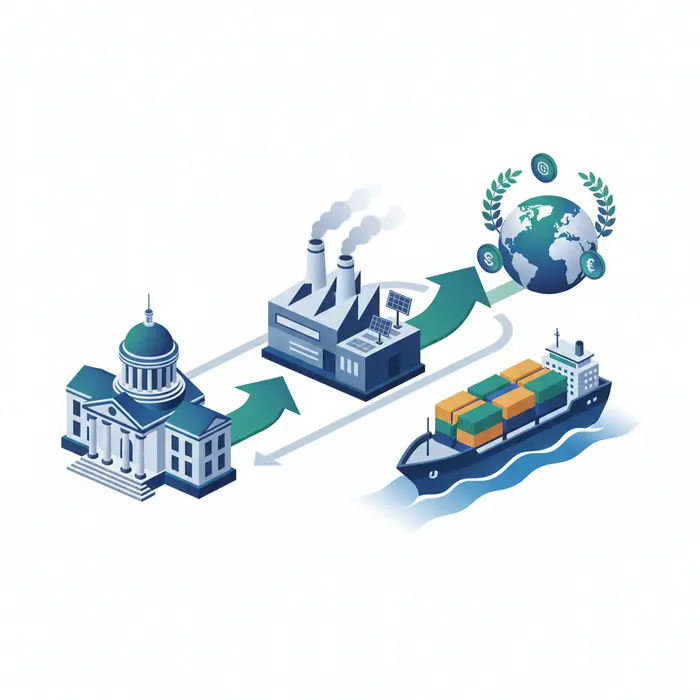
1. Why Export Incentives Matter for Business Growth
For any business contemplating international expansion, the initial hurdles can seem formidable, ranging from market research and compliance to financing and logistics. This is precisely where proactive government export incentives play a transformative role. These programs are designed to lower barriers to entry and enhance competitiveness, making global markets more accessible, especially for small and medium-sized enterprises (SMEs).
One of the most significant benefits comes in the form of export financing programs. These often include loan guarantees, direct loans, and credit insurance, which protect exporters against the risk of non-payment and provide the working capital necessary to fulfill large international orders. Without such financial backing, many businesses would struggle to take on the inherent risks of international trade.
Additionally, trade promotion organizations assistance is invaluable. Government-backed agencies offer a wealth of resources, including market intelligence, trade fair participation support, and matchmaking services to connect businesses with potential buyers and partners abroad. This assistance can significantly reduce the cost and complexity of identifying viable markets and establishing a presence, helping businesses navigate cultural nuances and regulatory landscapes.
Ultimately, by mitigating financial risks, providing essential information, and opening doors to new markets, government incentives empower businesses to grow beyond their domestic limits, fostering innovation and contributing to sustainable economic development.
2. Key Trends Shaping 2025 Export Policies and Programs
The landscape of international trade is perpetually evolving, and 2025 will see several pivotal trends influencing how government export incentives are structured and implemented. Businesses must stay abreast of these shifts to effectively leverage available support.
Firstly, **digital transformation** will continue to streamline export processes. Governments are investing in digital platforms for customs, certification, and trade finance, making it easier for businesses to access services and comply with regulations. This also impacts the reach of trade promotion organizations assistance, with more virtual trade missions and online market research tools becoming standard.
Secondly, **sustainability and green trade** will take center stage. There’s a growing global emphasis on environmentally friendly practices, and export incentives will increasingly favor businesses that demonstrate strong ESG (Environmental, Social, and Governance) commitments. This could manifest as preferential export financing programs for eco-friendly products or processes, and new requirements for duty drawback schemes international trade to align with green initiatives.
Thirdly, **supply chain resilience** remains a critical concern post-pandemic. Governments will prioritize incentives that support diversification of supply chains and nearshoring/friendshoring strategies, aiming to reduce dependency on single regions. This will lead to more robust support for businesses looking to export to a broader range of markets or those integrating into resilient regional supply networks.
Lastly, geopolitical shifts and the proliferation of free trade agreements will continuously reshape market access and competitive dynamics. Businesses need to monitor these agreements closely, as they often unlock new opportunities for tariff reductions and enhanced trade support. Understanding these evolving global trade policies is crucial for any exporter, as highlighted by organizations like the International Trade Centre (ITC), which champions SME competitiveness in global markets.
3. Navigating Regional Opportunities: A Look at Vietnam’s Export Support
While global trends set the overarching direction, regional specifics offer unique opportunities. Vietnam, for instance, has emerged as a powerhouse in global manufacturing and trade, making its Vietnam government export support particularly relevant for businesses looking to tap into Southeast Asian markets or optimize their supply chains.
The Vietnamese government actively promotes exports through various mechanisms, reflecting its commitment to becoming a key player in international trade. These include a range of government export incentives such as preferential tax treatments for export-oriented businesses, land rent exemptions or reductions in industrial zones, and financial assistance for R&D in high-tech export sectors. Furthermore, Vietnam’s extensive network of Free Trade Agreements (FTAs) with major economic blocs, including the EU (EVFTA) and the CPTPP, provides Vietnamese exporters with significant tariff advantages and enhanced market access globally.
Beyond financial incentives, Vietnam’s trade promotion organizations offer valuable assistance in market entry, trade fair participation, and capacity building for local and foreign-invested enterprises looking to export from Vietnam. For businesses considering sourcing from or investing in Vietnam, understanding these targeted support programs is crucial. They can significantly reduce operational costs, streamline export processes, and provide strategic advantages, solidifying Vietnam’s position as an attractive export hub for diverse industries, from textiles and electronics to agricultural products.
Navigating Export Financing Programs for Growth
For businesses aspiring to expand their reach into international markets, securing adequate financing is often a critical hurdle. The complexities of cross-border transactions, coupled with inherent payment risks and working capital demands, can deter even the most ambitious exporters. Fortunately, numerous government export incentives and robust export financing programs are specifically designed to bridge these gaps, offering vital support that mitigates financial risks and facilitates global trade. These programs, often provided through national export-import banks, small business administrations, and various trade promotion organizations assistance, empower companies to compete effectively on the global stage, ensuring they have the necessary capital and risk protection to fulfill international orders. Understanding and leveraging these resources is paramount for sustainable export growth.
1. Government-Backed Working Capital Guarantees
Government-backed working capital guarantees are foundational export financing programs that address one of the most common challenges for exporters: having sufficient cash flow to produce goods or provide services for international buyers. These guarantees typically involve government agencies providing a guarantee to commercial lenders, encouraging them to extend loans to exporters for specific export-related activities. For instance, in the United States, programs like the Export-Import Bank of the U.S. (EXIM Bank) Working Capital Guarantee Program and the Small Business Administration (SBA) Export Working Capital Program offer guarantees that cover a significant percentage of the loan principal and interest. This reduces the risk for banks, making them more willing to lend to businesses that might otherwise struggle to obtain financing due to perceived international risks or lack of collateral.
These guarantees enable exporters to obtain pre-export financing for various needs, including purchasing raw materials, manufacturing inventory, marketing, and even covering the costs of foreign travel to secure contracts. They are particularly beneficial for small and medium-sized enterprises (SMEs) that may have limited access to conventional credit lines. By securing these guarantees, businesses can confidently accept larger export orders, knowing they have the financial backing to produce and deliver on time, thereby boosting their competitiveness and growth trajectory.
2. Export Credit Insurance and Buyer Financing Solutions
Navigating the uncertainties of international trade requires robust risk management, and export credit insurance stands as a cornerstone of this strategy. This type of insurance protects exporters against the risk of non-payment by foreign buyers due to commercial risks (e.g., bankruptcy, protracted default) or political risks (e.g., currency inconvertibility, war, revolution). Agencies such as EXIM Bank, Coface, Hermes, and Euler provide policies that can cover a substantial portion of the invoice value, offering peace of mind and allowing exporters to offer more competitive credit terms to their buyers. This not only safeguards the exporter’s receivables but also enhances their ability to expand into new, potentially higher-risk markets.
Beyond risk mitigation, buyer financing solutions are another critical component provided by government programs. These solutions enable foreign buyers to secure direct loans or loan guarantees from export credit agencies to purchase goods and services from domestic exporters. For example, EXIM Bank’s Direct Loan and Loan Guarantee programs help foreign buyers access financing, making it easier for them to afford U.S. exports. This effectively transforms a potentially risky open account transaction into a cash sale for the exporter, while simultaneously making the exporter’s products more attractive to international customers by offering extended payment terms. For countries like Vietnam, accessing similar Vietnam government export support can significantly boost their export sector, making their products more competitive globally.
3. Specialized Export Loan Programs for SMEs
Recognizing the unique challenges faced by small and medium-sized enterprises (SMEs) in accessing export finance, many governments and trade promotion organizations assistance provide specialized loan programs tailored to their needs. These programs are designed to be more accessible and less cumbersome than traditional commercial loans, focusing on helping SMEs overcome capital constraints and expand their international footprint.
Examples include direct loans for specific export projects, facilities for export equipment, or lines of credit specifically designated for export activities. These loans often come with more flexible repayment terms, lower interest rates, or reduced collateral requirements compared to conventional bank financing. For instance, the SBA offers various export loan programs, including the Export Express and International Trade Loan programs, which provide capital for export development and cover the costs of expanding into new markets. While less directly a financing program, the concept of duty drawback schemes international trade is also a form of government support that can indirectly free up capital for SMEs by refunding duties paid on imported materials subsequently exported, further aiding their financial health. These specialized loans, coupled with general government export incentives, are vital for fostering a vibrant SME export sector, which is often the backbone of a nation’s trade economy. Businesses seeking to leverage these opportunities should actively engage with their local trade agencies and financial institutions to explore the full spectrum of available support.
Leveraging Trade Promotion Organizations Assistance
For businesses looking to expand their reach beyond domestic borders, the journey into international markets can seem daunting, often fraught with regulatory hurdles, financial uncertainties, and cultural differences. However, a wealth of resources exists to simplify this complex process, primarily through the invaluable support offered by government agencies and trade promotion organizations (TPOs). These entities play a crucial role in demystifying global trade, providing essential government export incentives, comprehensive market intelligence, and practical assistance designed to foster successful international ventures. From navigating complex international regulations and securing financing to identifying promising markets and connecting with potential partners, TPOs act as critical strategic allies, significantly easing the burden of market entry and accelerating global growth for businesses of all sizes.

Market Research and Entry Strategy Support
One of the foundational and most critical steps in any international expansion is thorough market research. Trade Promotion Organizations excel in providing comprehensive, actionable data and incisive analysis that would be prohibitively costly and time-consuming for individual businesses to acquire independently. They offer deep insights into market demand, competitive landscapes, cultural nuances, consumer preferences, and potential barriers to entry specific to various regions. Many TPOs, including those providing direct government export incentives and support, conduct detailed sector-specific studies and provide access to proprietary databases rich with economic indicators, demographic profiles, and prevailing consumer trends. This robust support extends beyond mere data provision; TPOs actively assist companies in developing robust and tailored entry strategies, whether through direct export, establishing licensing agreements, forming joint ventures, or setting up a local physical presence. For instance, TPOs frequently leverage their extensive networks to connect businesses with credible local partners, reliable distributors, or expert legal advisors in target countries, thereby significantly de-risking the initial phases of market penetration. Countries like Vietnam, through various governmental bodies and dedicated agencies, offer substantial Vietnam government export support, guiding businesses through the intricacies of the local market and identifying sectors ripe for foreign investment and export opportunities.
Participation in Trade Missions and Exhibitions
Beyond providing invaluable market intelligence, TPOs are instrumental in facilitating direct, tangible engagement with international markets through expertly organized trade missions and exhibitions. These high-impact events offer unparalleled opportunities for businesses to physically showcase their products or services, forge crucial relationships with potential buyers and partners face-to-face, and gain invaluable first-hand market experience. TPOs frequently subsidize participation costs, manage complex logistical arrangements, and provide essential pre-event briefing and targeted matchmaking services, ensuring businesses connect with the most relevant contacts. This comprehensive support significantly reduces both the financial and operational burden on businesses, making international exposure far more accessible, even for small and medium-sized enterprises (SMEs). For businesses actively seeking export financing programs, participating in such government-backed events can also open doors to specialized credit lines, export credit insurance, or guarantee schemes specifically designed to mitigate risks associated with international transactions. These programs represent a direct and potent form of government export incentives, actively encouraging companies to venture into new territories with enhanced financial security and confidence. The collective presence under a prominent national pavilion, meticulously orchestrated by a TPO, often lends a degree of credibility, visibility, and market penetration that individual companies might struggle to achieve alone.
Compliance and Regulatory Guidance for New Markets
Navigating the labyrinthine world of international regulations, varied tariffs, and stringent compliance requirements is arguably one of the most challenging and critical aspects of global trade. Here, trade promotion organizations assistance becomes truly invaluable, offering expert, up-to-date guidance on diverse legal frameworks, product standards, necessary certification processes, robust intellectual property protection strategies, and intricate customs procedures specific to myriad target markets. They are pivotal in helping businesses understand and meticulously adhere to local laws, thereby preventing costly mistakes, avoiding potential penalties, and circumventing significant delays. Furthermore, TPOs often provide critical insights into beneficial schemes such as duty drawback schemes international trade, which permit exporters to recover duties, taxes, or fees paid on imported materials or components that are subsequently used in products later exported. This directly reduces production costs, enhances price competitiveness, and improves overall profit margins. Many agencies also offer specialized training programs and workshops on essential topics like export documentation, Incoterms rules, and ethical trading practices. For companies strategically eyeing the robust economic growth and burgeoning markets of Southeast Asia, understanding and leveraging Vietnam government export support mechanisms, particularly for regulatory compliance, can provide a significant competitive advantage, ensuring smooth market entry and sustained, compliant operations within this dynamic and rapidly expanding market. By effectively leveraging this specialized regulatory guidance, businesses can ensure full compliance, adeptly avoid legal pitfalls, and optimize their entire international trade operations for maximum efficiency and success.
Duty Drawback Schemes International Trade & Tax Benefits
In the fiercely competitive landscape of global commerce, governments worldwide recognize the critical role of exports in driving economic growth and creating employment. To empower domestic businesses and enhance their standing on the international stage, numerous government export incentives and support programs have been established. These initiatives are designed to reduce the cost of exporting, streamline trade processes, and ultimately boost a nation’s international competitiveness. Among the most impactful are duty drawback schemes, various tax-related exemptions, and the strategic advantages offered by Free Trade Zones. Understanding and leveraging these provisions can significantly improve an exporter’s profit margins and operational efficiency.
1. Understanding Duty Drawback Mechanisms and Eligibility
Duty drawback is a powerful mechanism that allows exporters to recover customs duties, taxes, and fees previously paid on imported goods when those goods are subsequently exported. This critical trade incentive effectively eliminates the embedded cost of imported components or materials in an exported product, making the final export more competitively priced. For instance, if a manufacturer imports raw materials, pays duty on them, and then uses those materials to produce finished goods that are exported, the duty paid on the original imports can be ‘drawn back’ or refunded.
There are several types of duty drawback, each with specific rules and applications:
- Unused Merchandise Drawback: Applies when imported goods are exported in the same condition as imported, without being used in manufacturing or altered significantly.
- Manufacturing Drawback: The most common type, where imported merchandise is used in the manufacture or production of an article that is then exported.
- Substitution Drawback: Allows a refund even if imported goods are not directly tracked to the exported product, as long as commercially interchangeable domestic goods were used in the export.
Eligibility for duty drawback schemes international trade generally hinges on meticulous record-keeping, strict adherence to time limits (often within three to five years from import), and proper documentation demonstrating the import, duty payment, and subsequent export. Utilizing these schemes can be complex, often requiring specialized knowledge, but the financial benefits in reducing production costs and enhancing global pricing power are substantial.
2. VAT Refunds and Other Export-Related Tax Exemptions
Beyond customs duties, Value Added Tax (VAT) and other domestic taxes can significantly impact the cost of goods for export. Many countries implement VAT systems where goods are taxed at each stage of production. However, to ensure that exports are not burdened by domestic taxes, most jurisdictions offer VAT refunds or zero-rating for exported goods. This means that while exporters may pay VAT on their inputs (raw materials, services, etc.), they can claim a refund for this VAT or charge a 0% VAT rate on the exported goods, preventing the tax from accumulating on products destined for international markets.
Furthermore, various export-related tax exemptions extend beyond VAT. These can include exemptions from excise duties on certain products when exported, or deferrals/exemptions from other domestic taxes designed to incentivize export-oriented industries. Such measures are crucial for improving an exporter’s cash flow and making their products more attractive price-wise to international buyers. Many export financing programs and support initiatives complement these tax benefits by providing capital or guarantees, further easing the financial burden on exporters. For companies seeking to explore various government export incentives, understanding the full spectrum of tax relief available is paramount.
3. Benefits of Operating within Free Trade Zones
Free Trade Zones (FTZs), often referred to as Special Economic Zones (SEZs) in many parts of the world, are designated geographic areas where goods can be imported, manufactured, reconfigured, or stored without being subject to standard customs duties. These zones are powerful tools for promoting trade and investment by offering significant operational and tax advantages.
The primary benefits for exporters operating within FTZs include:
- Duty Deferral and Exemption: Customs duties are deferred until goods leave the FTZ for domestic consumption, or eliminated entirely if the goods are re-exported. This can be especially beneficial for processing imported components into finished goods for export.
- Reduced Customs Procedures: FTZs often feature streamlined customs clearance processes, reducing delays and administrative burdens.
- Tax Incentives: Beyond customs duties, businesses in FTZs may qualify for corporate tax holidays, reduced income tax rates, or other local tax breaks, making them highly attractive for manufacturing and logistics operations geared towards export.
- Improved Cash Flow: By deferring duty payments and avoiding taxes on inventory held within the zone, businesses can significantly improve their working capital management.
These zones are often supported by trade promotion organizations assistance, which helps businesses navigate the setup and operational requirements. For example, countries like Vietnam actively promote their SEZs and offer robust Vietnam government export support through a network of industrial parks and export processing zones, providing a competitive edge to companies focused on global trade.
Spotlight: Vietnam Government Export Support Initiatives
A focused look at how the Vietnamese government actively incentivizes and supports its exporters to boost international trade and economic growth.
Vietnam has emerged as a formidable player in the global trade arena, a testament to its dynamic economic policies and strategic integration into international markets. A cornerstone of this success is the proactive stance of the Vietnamese government in fostering an environment conducive to export growth. Through a comprehensive suite of programs and policies, the government actively provides significant government export incentives, encouraging local businesses to expand their reach and compete effectively on a global scale. These initiatives are designed not only to boost export volumes but also to enhance the competitiveness and quality of Vietnamese products and services.

1. Key Export Promotion Policies and Strategies in Vietnam
At the heart of Vietnam’s export success lies a clear and well-defined set of promotion policies and strategies. The government, primarily through the Ministry of Industry and Trade (MOIT) and other relevant agencies, meticulously crafts and implements frameworks aimed at market diversification, product quality enhancement, and value chain integration. A key strategy involves actively pursuing and leveraging Free Trade Agreements (FTAs) with major economic blocs and countries worldwide. These FTAs, such as the CPTPP, EVFTA, and RCEP, significantly reduce tariff barriers and simplify customs procedures, offering Vietnamese exporters preferential access to vast consumer markets. Furthermore, the government focuses on developing key export sectors like textiles, footwear, electronics, agriculture, and aquaculture, providing tailored support and promoting their brand image internationally. These concerted export support initiatives are instrumental in positioning Vietnam as a reliable and competitive global supplier. The long-term vision includes moving up the value chain, encouraging innovation, and fostering sustainable export practices.
2. Financial and Technical Assistance for Vietnamese Exporters
Understanding that financial and technical hurdles can impede export growth, the Vietnamese government has rolled out various support mechanisms. Among the most critical are the government export incentives, which often manifest as crucial export financing programs. These programs include preferential credit lines, export credit guarantees, and insurance schemes designed to mitigate risks associated with international trade, especially for small and medium-sized enterprises (SMEs). For instance, state-owned commercial banks and development funds offer loans at reduced interest rates or with extended repayment periods for businesses involved in export activities. Additionally, the implementation of duty drawback schemes international trade provides a refund of customs duties paid on imported materials when the finished goods are subsequently exported, significantly reducing production costs for exporters. Beyond financial aid, comprehensive trade promotion organizations assistance is available. Organizations such as VIETRADE (Vietnam Trade Promotion Agency) offer vital services, including market research, trade fair participation support, buyer-seller matching programs, and training on international trade regulations and standards. This technical assistance helps businesses improve their export readiness and navigate the complexities of global markets. Such robust support systems are crucial in empowering Vietnamese companies to confidently engage in international commerce.
3. Future Outlook for Vietnam’s International Trade Landscape
The future for Vietnam’s international trade landscape appears exceptionally promising, with the government continually refining its strategies to sustain and accelerate export growth. A significant focus is being placed on digital transformation within trade, leveraging e-commerce platforms and digital marketing to reach wider international audiences. The government is investing in infrastructure development, including logistics and port facilities, to enhance efficiency and reduce transportation costs for exporters. Furthermore, there’s a strong push towards developing high-tech and value-added products, shifting away from labor-intensive manufacturing. Vietnam is also committed to strengthening its participation in global supply chains, aiming to become a hub for regional production and distribution. Emphasis on sustainable development and green exports is also gaining traction, aligning with global consumer trends and environmental responsibilities. As highlighted by the World Bank, Vietnam’s ongoing economic reforms and commitment to trade integration are key drivers of its impressive growth trajectory. These forward-looking strategies, combined with adaptive policy-making and continued government export incentives, are set to solidify Vietnam’s position as a dynamic and increasingly important player in the global economy, ensuring sustained economic growth through international trade. For more detailed insights into Vietnam’s economic performance and outlook, refer to the World Bank on Vietnam’s Economy.
Partner with Vietnam’s Leading Suppliers
Looking for reliable suppliers in Vietnam? Contact VietnamSuppliers.com today to connect with verified manufacturers and exporters across all industries.
—————————————
References
– International Trade Centre (ITC) – Promoting SME Competitiveness: https://www.intracen.org/what-we-do/promoting-sme-competitiveness/
– Export-Import Bank of the United States Programs: https://www.exim.gov/products
– Export Solutions – International Trade Administration: https://www.trade.gov/export-solutions
– U.S. Customs and Border Protection – Duty Drawback: https://www.cbp.gov/trade/basic-import-export/drawback
– World Bank on Vietnam’s Economy: https://www.worldbank.org/en/country/vietnam/overview

