
The Rise of Vietnamese Coffee in Global Markets
Vietnam has rapidly transformed from a relatively minor player to an indispensable giant in the global coffee arena. In just a few decades, it has cemented its position as the world’s second-largest coffee exporter, and crucially, the undisputed leader in Robusta coffee production. This meteoric rise highlights a strategic agricultural shift, governmental support, and a keen understanding of global market demands. As 2025 approaches, Vietnam’s influence is not just sustained but projected to expand, making it a critical focus for global coffee roasters, traders, and consumers alike. Understanding the dynamics of Vietnamese coffee suppliers is paramount for anyone involved in the industry.

1. Vietnam’s Dominance in Robusta Production
The backbone of Vietnam’s coffee success lies firmly in its exceptional capacity to produce Robusta beans. Blessed with ideal climatic conditions, particularly in the Central Highlands regions like Dak Lak, Lam Dong, and Gia Lai, the country’s fertile basaltic soils and favorable rainfall patterns create a perfect environment for robusta cultivation. This geographical advantage, coupled with efficient farming techniques and a vast network of smallholder farmers, has propelled Vietnam to become the world’s largest producer of Robusta, accounting for over 40% of global Robusta output. This dominance is not merely in volume; Vietnamese Robusta is integral to countless blends worldwide, providing the strong body, intense flavor, and crema highly valued by espresso makers and instant coffee manufacturers. The sheer scale of production ensures a consistent supply of Vietnamese coffee suppliers who are also prominent Vietnam Robusta coffee exporters. This strong presence ensures competitive pricing and reliable bulk availability of green coffee beans Vietnam bulk for international buyers seeking large quantities.
2. Key Export Figures and Market Share Projections
Vietnam’s coffee export figures underscore its indispensable role. Annually, the country exports an average of 1.5 to 1.8 million metric tons of coffee, with the vast majority being Robusta. This volume translates into significant market share, consistently positioning Vietnam as the second-largest overall coffee exporter globally, behind only Brazil. Looking towards 2025, market projections indicate a continued upward trajectory. Factors such as improved infrastructure, enhanced logistics, and a growing emphasis on direct trade are expected to further solidify Vietnam’s standing. While traditional markets in Europe and North America remain strong, there’s increasing penetration into Asia-Pacific countries, driven by rising coffee consumption. Buyers frequently assess the Vietnamese coffee FOB price, which remains highly competitive due to economies of scale and efficient supply chains. According to a recent USDA’s Foreign Agricultural Service report, global coffee production is projected to increase, with Vietnam playing a crucial role in meeting the demand for Robusta, further strengthening its market share. This growth is a testament to the sector’s resilience and adaptability.
3. Sourcing Strategies and Future Outlook for Vietnamese Coffee
For international roasters and distributors, sourcing coffee from Vietnam B2B is no longer just about securing cheap bulk Robusta; it’s evolving into a nuanced process that values quality, sustainability, and direct relationships. While large-scale commodity trading remains a cornerstone, there’s a burgeoning segment focused on specialty Robusta and sustainably certified beans. Farmers and cooperatives are increasingly adopting practices like Rainforest Alliance, UTZ, and 4C certifications, responding to global consumer demand for ethical and environmentally conscious products. This shift is leading to better quality control, improved traceability, and premium offerings that broaden Vietnam’s appeal beyond conventional robusta. The future outlook for Vietnamese coffee is one of strategic diversification. Challenges such as climate change, water scarcity, and price volatility require ongoing innovation in farming practices and market access. However, opportunities abound in developing higher-value products, expanding into instant and roasted coffee exports, and promoting the unique characteristics of Vietnamese Robusta. Investment in processing technology, farmer training, and marketing will be key to unlocking the next phase of growth, ensuring Vietnam remains a dynamic and influential force in the global coffee landscape for decades to come.
Identifying Top Vietnamese Robusta Coffee Exporters
Vietnam stands as the world’s second-largest coffee producer and the undisputed leader in Robusta coffee exports. For businesses looking to source high-volume, cost-effective, and quality Robusta, navigating the landscape of Vietnamese coffee suppliers is crucial. This guide provides an in-depth look at identifying reliable and high-volume Vietnamese coffee suppliers, focusing on key players, regional strengths, and essential considerations for successful B2B sourcing.
1. Leading Exporting Companies and Cooperatives
The Vietnamese coffee export sector is dominated by a mix of large corporations and a growing number of well-organized cooperatives, all adept at handling significant volumes of Vietnamese Robusta coffee exports. Understanding these key players is the first step in successful sourcing coffee from Vietnam B2B.
Among the giants, companies like Intimex Group consistently rank as top exporters, handling millions of tons of green coffee beans annually. Their vast network, robust infrastructure, and long-standing relationships with farmers make them a preferred partner for bulk purchases. Similarly, companies such as Vinh Hiep Co. Ltd. and Mascopex (Mekong Agricultural Products Joint Stock Company) are prominent figures, known for their capacity to deliver consistent quality and quantity of green coffee beans Vietnam bulk to international markets. These large exporters often operate state-of-the-art processing facilities, ensuring adherence to international standards for sorting, grading, and packaging.
Beyond the major corporations, a significant portion of Vietnam’s coffee production is managed by cooperatives. These entities, often farmer-owned, have increasingly professionalized their operations, offering direct access to producers and often boasting certifications like UTZ, Fair Trade, or Rainforest Alliance. Examples include cooperatives in the Central Highlands, which consolidate smallholder farmer production, enhance quality control, and streamline export processes. Partnering with such cooperatives can offer a more direct supply chain and potentially better insight into sustainable farming practices, though volumes might be smaller than the largest corporate exporters. When considering Vietnam Robusta coffee exporters, evaluating their track record, certifications, and logistical capabilities is paramount.
2. Geographical Hubs for Premium Robusta Sourcing
Vietnam’s Central Highlands region is the heartland of its Robusta coffee production, boasting ideal climatic conditions and fertile basaltic soil. Understanding the specific strengths of these geographical hubs is vital for buyers seeking particular qualities or profiles in their green coffee beans Vietnam bulk.
- Dak Lak Province: Often referred to as the “Coffee Capital of Vietnam,” Dak Lak is the largest coffee-growing province. Buon Ma Thuot, its provincial capital, is a major trading hub. Robusta from Dak Lak is highly sought after for its consistent quality, bold flavor, and strong body, making it ideal for espresso blends and instant coffee production. Many major Vietnam Robusta coffee exporters have their main operations here.
- Lam Dong Province: While also known for Arabica, Lam Dong produces significant volumes of Robusta, particularly in districts like Di Linh and Bao Loc. The slightly higher altitudes here can impart a nuanced flavor profile to Robusta, often characterized by less bitterness and more complexity compared to lower-altitude beans.
- Gia Lai and Kon Tum Provinces: These provinces also contribute substantially to Vietnam’s Robusta output. Coffee from these areas often shares characteristics with Dak Lak Robusta, offering robust flavors suitable for various commercial applications. Exporters from these regions are often well-versed in handling large shipments and ensuring quality control.
- Dong Nai Province: Located closer to Ho Chi Minh City, Dong Nai’s coffee-growing areas benefit from proximity to major ports, potentially offering logistical advantages for exports.
When sourcing coffee from Vietnam B2B, buyers should consider the origin of the beans. Reputable Vietnamese coffee suppliers will be transparent about the specific province or district their coffee originates from, allowing buyers to make informed decisions based on desired flavor profiles and logistical considerations. Understanding the regional nuances can also impact the Vietnamese coffee FOB price, with certain origins commanding slight premiums due to perceived quality or specific certifications.
In conclusion, identifying top Vietnamese Robusta coffee exporters involves a combination of recognizing leading companies and understanding the geographical strengths of Vietnam’s coffee regions. By focusing on established players, exploring cooperative networks, and considering the origin of the beans, businesses can confidently secure high-quality green coffee beans Vietnam bulk for their needs, fostering reliable long-term partnerships in the dynamic Vietnamese coffee market.
Sourcing Green Coffee Beans from Vietnam (Bulk)
Vietnam stands as a titan in the global coffee market, particularly renowned as the world’s leading producer of Robusta coffee. For businesses looking to source high-quality green coffee beans in bulk, exploring Vietnamese coffee suppliers offers a strategic advantage. This guide delves into the intricate process of purchasing substantial quantities of green coffee from Vietnam, emphasizing critical considerations from quality assurance to robust logistics and transparent supply chain management. Sourcing green coffee beans Vietnam bulk provides not only cost efficiencies but also access to a consistent supply of a versatile bean cherished for its strong flavor profile and excellent crema in espresso blends. Navigating the market requires a keen understanding of local practices and international standards to ensure a smooth and successful procurement experience for any serious buyer engaging with sourcing coffee from Vietnam B2B.
Quality Standards and Certifications (e.g., UTZ, Fairtrade)
Ensuring the quality of green coffee beans is paramount, especially when dealing with large volumes. Reputable Vietnam Robusta coffee exporters adhere to stringent quality control measures, evaluating beans based on defect count, moisture content, bean size (screen size), and aroma profile. Typical robusta grades in Vietnam range from Grade 1 to Grade 3, often specified with maximum defect percentages and minimum screen sizes. Beyond physical attributes, buyers increasingly prioritize ethical and sustainable sourcing. Certifications like UTZ (now part of Rainforest Alliance), Fairtrade, Organic, and 4C (Common Code for the Coffee Community) play a crucial role. These certifications verify that coffee is produced according to specific social, environmental, and economic standards, providing assurance to consumers and stakeholders. For instance, Fairtrade guarantees minimum prices and premiums for farmers, while organic certification ensures cultivation without synthetic pesticides or fertilizers. When engaging with Vietnamese coffee suppliers, inquiring about their adherence to these standards and the availability of certified beans is essential for market differentiation and responsible sourcing.
Logistics and Packaging for Large-Scale Orders
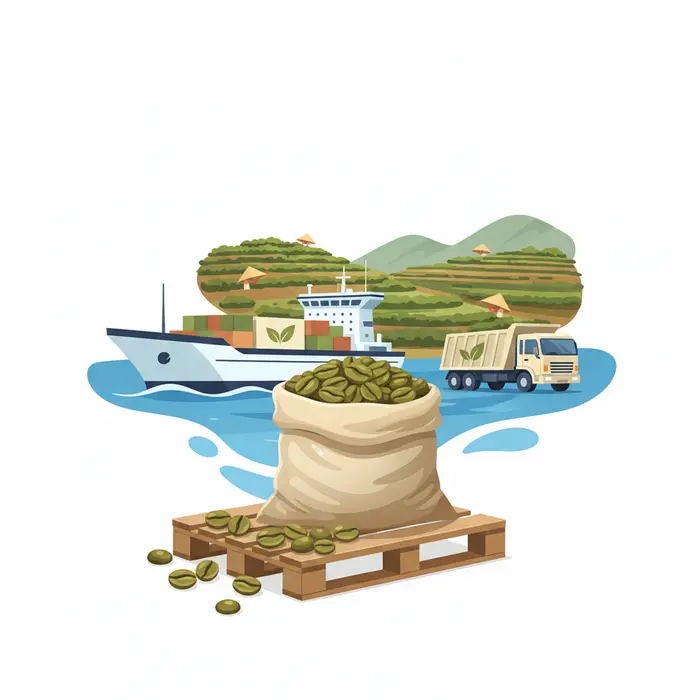
Efficient logistics are the backbone of bulk green coffee bean procurement from Vietnam. Standard packaging for bulk orders typically involves 60-kilogram or 60.00-kilogram jute bags, often lined with GrainPro or similar hermetic packaging to protect against moisture and pests during transit. For even larger volumes, Flexible Intermediate Bulk Containers (FIBCs), also known as “big bags,” capable of holding up to 1,000 kg, are also common. Shipping is predominantly done via 20-foot or 40-foot containers, with a 20-foot container holding approximately 19.2 metric tons (320 bags) and a 40-foot container about 24 metric tons (400 bags), depending on the specific bean density and packaging. Understanding Incoterms like FOB (Free On Board) is critical, as the Vietnamese coffee FOB price determines the cost up to the port of shipment, with the buyer responsible for freight and insurance thereafter. Other terms, such as CIF (Cost, Insurance, and Freight), might also be negotiated. Clear communication with Vietnam Robusta coffee exporters regarding documentation – including phytosanitary certificates, certificates of origin, and bills of lading – is crucial to ensure smooth customs clearance at the destination port.
Supply Chain Transparency and Ethical Sourcing
In today’s global market, consumers and businesses alike demand greater transparency and ethical practices within supply chains. For sourcing coffee from Vietnam B2B, this means understanding the journey of the beans from farm to port. Reputable Vietnamese coffee suppliers are increasingly implementing traceability systems, allowing buyers to track their coffee back to specific growing regions, cooperatives, or even individual farms. This transparency not only builds trust but also facilitates responsible sourcing by verifying fair labor practices, safe working conditions, and environmental stewardship at the cultivation level. Engaging in direct trade relationships where possible can further enhance transparency and foster long-term partnerships with growers, often leading to better quality and more consistent supply. Evaluating a supplier’s commitment to social responsibility, environmental impact, and economic sustainability within their operations is a vital step for any buyer seeking to align with global best practices and meet the growing demand for ethically sourced green coffee beans Vietnam bulk. Choosing partners who prioritize these values contributes positively to both brand reputation and the livelihoods of coffee farmers.
Understanding Vietnamese Coffee FOB Prices
Navigating the global coffee market, especially when sourcing from a dominant producer like Vietnam, requires a nuanced understanding of Free On Board (FOB) prices. FOB prices for Vietnamese coffee reflect not just the cost of the green beans themselves but also a myriad of other factors up to the point of loading onto a vessel at a Vietnamese port. For businesses engaged in Vietnamese coffee suppliers and sourcing coffee from Vietnam B2B, deciphering these components is crucial for successful procurement and profitable operations. This section delves into the key influences on Vietnamese coffee FOB prices and outlines strategies for effective negotiation and market navigation.
1. Factors Influencing FOB Price Fluctuations and Trends
Vietnamese coffee FOB prices are highly dynamic, swayed by a complex interplay of global and local forces. Understanding these factors is fundamental for any buyer looking to purchase green coffee beans Vietnam bulk.
- Global Commodity Prices: The most significant driver is the global robusta futures market, primarily traded on the ICE Futures Europe (formerly LIFFE). Vietnam is the world’s largest robusta producer, so global robusta prices directly impact local farm gate prices and, consequently, FOB offers. Buyers often monitor International Coffee Organization (ICO) indicators for broader market trends.
- Supply and Demand Dynamics: Vietnam’s harvest outlook plays a pivotal role. Favorable weather conditions leading to bumper crops can depress prices, while adverse weather (droughts, excessive rain) impacting yield can drive them up. Global demand for robusta, influenced by consumption trends and stock levels in importing countries, also contributes to price movements.
- Exchange Rates: Fluctuations in the Vietnamese Dong (VND) against major currencies, particularly the US Dollar (USD), directly affect FOB prices. A stronger VND makes coffee more expensive for international buyers, while a weaker VND can make it more competitive.
- Logistics and Shipping Costs: The cost of transporting coffee from farms to ports, port handling fees, and international freight rates (container costs, fuel surcharges) are integral to the FOB calculation. Supply chain disruptions, port congestion, and changes in oil prices can significantly impact these costs.
- Quality and Certification: Higher grades of robusta, specific processing methods, and certifications (e.g., UTZ, Rainforest Alliance, Fair Trade) command premium prices due to added production costs and market demand for ethical and sustainable sourcing.
- Government Policies and Taxes: Export duties, support programs for farmers, and trade agreements can all influence the final FOB price offered by Vietnam Robusta coffee exporters.
2. Negotiating Best Prices and Payment Terms
Successful procurement of Vietnamese coffee involves more than just finding the lowest price; it requires strategic negotiation and establishing favorable payment terms. For those sourcing coffee from Vietnam B2B, these steps are crucial.
- Thorough Market Research: Before entering negotiations, arm yourself with current market data, including ICE robusta futures, local farmgate prices, and prevailing FOB offers from various Vietnamese coffee suppliers. Understanding typical spreads and seasonal trends provides leverage.
- Build Strong Relationships: Long-term partnerships with reliable Vietnam Robusta coffee exporters often lead to more favorable pricing, flexibility, and priority during tight supply periods. Trust and consistent business can be more valuable than a one-off low bid.
- Volume and Consistency: Committing to larger volumes or regular purchases of green coffee beans Vietnam bulk can result in better per-unit pricing due to economies of scale for the exporter.
- Clear Specifications: Be precise about your desired quality, moisture content, defect levels, and other specifications. Ambiguity can lead to disputes or pricing based on a higher standard than needed.
- Payment Terms: Common payment methods include Letter of Credit (LC), Telegraphic Transfer (TT) with a percentage upfront, or full prepayment. Negotiate terms that balance risk for both buyer and seller. For new relationships, an LC or a smaller upfront TT might be preferred, while established partners might offer more flexible options. Understand the impact of payment terms on the overall Vietnamese coffee FOB price.
3. Strategies for Navigating Market Volatility and Risk Management
The inherent volatility of commodity markets necessitates robust strategies to mitigate risks and capitalize on opportunities when engaging with Vietnamese coffee suppliers.
- Hedging Strategies: For large-volume buyers and sellers, utilizing futures contracts on ICE can help lock in prices and protect against adverse market movements. This involves either buying futures to secure purchase prices or selling futures to secure selling prices.
- Diversification of Supply: While Vietnam is a major source, considering other robusta-producing countries can spread risk, especially during periods of localized supply issues or extreme price spikes in Vietnam.
- Forward Contracts: Negotiating forward contracts with Vietnam Robusta coffee exporters allows buyers to lock in prices for future delivery. This provides price certainty but also requires careful consideration of potential market downturns.
- Buffer Stock Management: Maintaining an appropriate level of buffer stock can help absorb short-term supply disruptions or price increases, giving businesses more time to react to market changes without immediate impact on production or sales.
- Continuous Market Monitoring: Regularly track global coffee news, weather forecasts in Vietnam, exchange rate movements, and logistics updates. Timely information enables proactive decision-making and better negotiation positions. This constant vigilance is key for effective sourcing coffee from Vietnam B2B.
Strategic Sourcing: B2B for Vietnamese Coffee
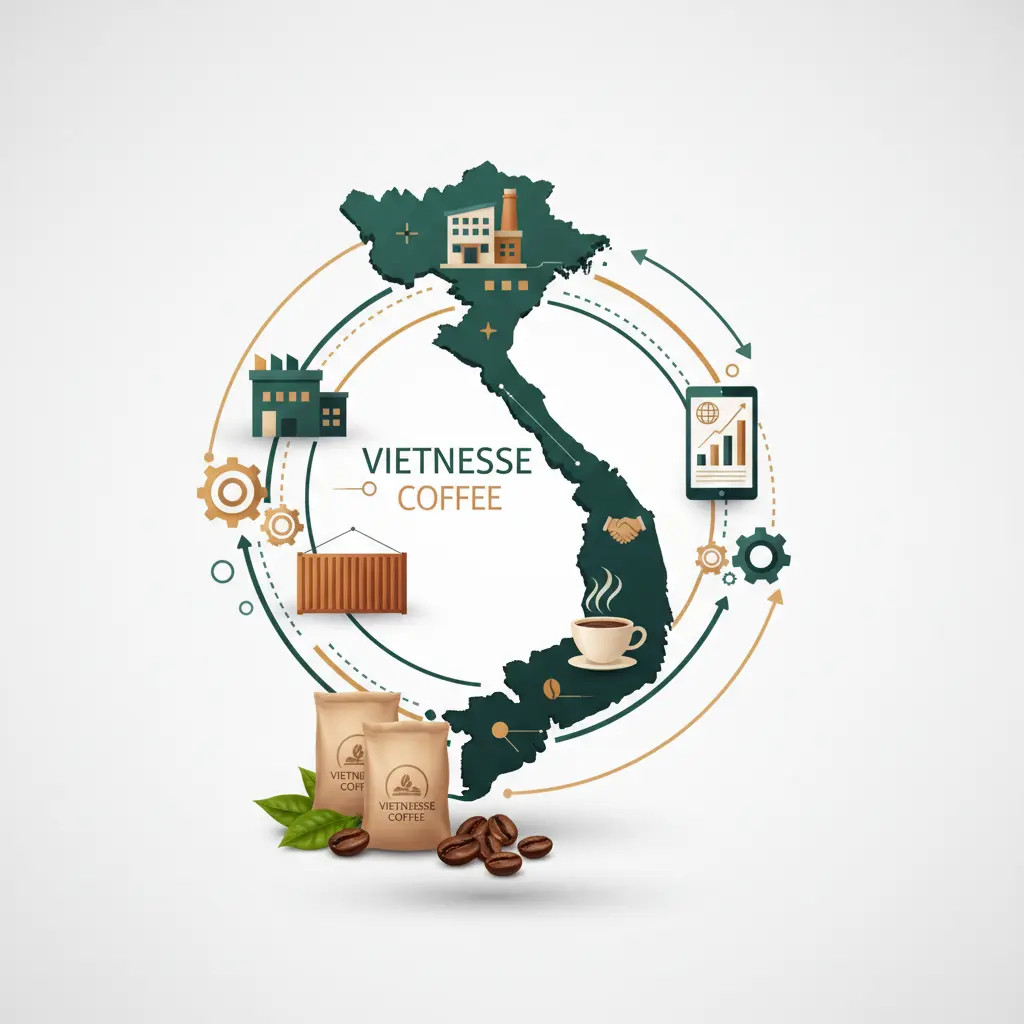
Vietnam stands as a dominant force in the global coffee market, particularly renowned for its robust Robusta beans. For businesses worldwide, establishing effective B2B partnerships and robust sourcing channels for coffee from Vietnam is a strategic imperative. This guide provides actionable insights for navigating the complexities and capitalizing on the opportunities presented by the Vietnamese coffee industry, helping you secure high-quality supply and foster sustainable relationships.
1. Building Long-Term Supplier Relationships and Trust
The foundation of successful Vietnamese coffee suppliers engagement lies in building strong, trust-based relationships. This involves extensive due diligence to verify potential partners’ legitimacy, production capacity, ethical practices, and adherence to quality certifications. Prioritize suppliers who demonstrate transparency in their operations, from farm to export. Effective communication, coupled with a deep understanding of local business culture, is crucial for fostering mutual respect and collaboration. Investing time in site visits, attending industry trade shows, and engaging in direct dialogue can significantly strengthen these bonds. Long-term partnerships often result in more consistent supply, preferential pricing structures, and early access to new crop harvests, which is vital for any business sourcing coffee from Vietnam B2B.
2. Navigating Import Regulations and Trade Agreements
Understanding the intricate landscape of import regulations and trade agreements is paramount for efficient Vietnamese coffee suppliers transactions. Businesses must be aware of tariffs, quotas, and specific sanitary and phytosanitary requirements of their importing country. Vietnam has numerous free trade agreements (FTAs), such as the EU-Vietnam Free Trade Agreement (EVFTA), which can significantly reduce or eliminate tariffs and streamline customs procedures, thereby lowering the overall Vietnamese coffee FOB price. Key documentation typically includes the Certificate of Origin, Bill of Lading, Commercial Invoice, Packing List, and potentially phytosanitary certificates. Working with experienced customs brokers and logistics partners who are well-versed in both Vietnamese export and your country’s import regulations is highly recommended to avoid delays and unexpected costs.
3. Ensuring Quality Control and Sustainability
Maintaining consistent quality for green coffee beans Vietnam bulk is critical. Establish clear specifications with your Vietnam Robusta coffee exporters regarding moisture content, defect count, bean size, and taste profile. Implementing robust quality control measures, such as pre-shipment inspections (PSI) conducted by independent third-party agencies, can safeguard against discrepancies. Requesting samples from specific lots before committing to bulk purchases is also a best practice. Beyond quality, the focus on sustainability is increasingly vital for consumers and regulatory bodies. Partner with suppliers who demonstrate commitments to environmental stewardship (e.g., water conservation, responsible waste management) and social responsibility (e.g., fair wages, safe working conditions). Certifications like Rainforest Alliance, Fair Trade, or UTZ can provide assurance, but direct engagement to understand farming practices and support farmer livelihoods can build even stronger, more ethical supply chains.
Partner with Vietnam’s Leading Suppliers
Looking for reliable suppliers in Vietnam? Contact VietnamSuppliers.com today to connect with verified manufacturers and exporters across all industries.
—————————————
References
– USDA’s Foreign Agricultural Service report: https://apps.fas.usda.gov/psdonline/circulars/coffee.pdf
– ICO Country Profile: Vietnam Coffee Statistics: https://www.ico.org/documents/cy2022-23/COC-vietnam.pdf
– Rainforest Alliance: https://www.rainforest-alliance.org/
– International Coffee Organization (ICO) indicators: https://www.ico.org/prices/m3index.htm
– USDA Foreign Agricultural Service – Vietnam: https://www.fas.usda.gov/regions/east-asia-pacific/vietnam

