The Rising Tide of Vietnam Supply Chain Diversification
The global economic landscape is in constant flux, marked by rapid technological advancements, evolving consumer demands, and significant geopolitical shifts. Amidst this dynamic environment, the concept of supply chain resilience has moved from a strategic priority to an urgent imperative for businesses worldwide. Disruptions from pandemics, trade disputes, and regional conflicts have exposed vulnerabilities in concentrated supply chains, compelling companies to rethink their global manufacturing and sourcing strategies. This evolving reality has cast a bright spotlight on Vietnam, positioning it as an increasingly vital player in the quest for supply chain diversification. The nation’s strategic location, pro-business policies, and growing industrial capabilities are attracting significant foreign direct investment (FDI), transforming it into a formidable hub for manufacturing and exports.

1. Global Shifts Driving Vietnam’s Appeal
Geopolitical tensions, particularly the prolonged US-China trade disputes, have served as a powerful catalyst for businesses seeking to de-risk their operations. Companies, once heavily reliant on a single manufacturing base, are now actively pursuing a “China Plus One” strategy, with Vietnam frequently emerging as the primary alternative. This shift isn’t merely about avoiding tariffs; it’s about building a more robust and resilient supply chain capable of withstanding unforeseen shocks. The drive for Vietnam Supply Chain Diversification reflects a broader global re-evaluation of risk, where geographical concentration is increasingly seen as a liability. Furthermore, rising labor costs and stricter environmental regulations in traditional manufacturing powerhouses have made countries like Vietnam more economically attractive. As a result, there’s been a surge in inquiries for Vietnam manufacturing suppliers across various sectors, from electronics and textiles to furniture and automotive components. The imperative to diversify is no longer a niche strategy but a mainstream business practice aimed at safeguarding future operations and ensuring continuity.
2. Key Drivers for Diversification into Vietnam
Vietnam’s appeal as a diversification hub is multifaceted, driven by a combination of strategic advantages. Firstly, its competitive labor costs continue to be a significant draw, offering a cost-effective alternative to more expensive regions. However, it’s not just about cost; the Vietnamese workforce is increasingly skilled, adaptable, and industrious, capable of supporting sophisticated manufacturing processes. Secondly, the Vietnamese government has actively cultivated a pro-investment environment, characterized by favorable tax incentives, streamlined business regulations, and robust infrastructure development. The country has also been a prolific signatory to numerous Free Trade Agreements (FTAs), including the Comprehensive and Progressive Agreement for Trans-Pacific Partnership (CPTPP) and the EU-Vietnam Free Trade Agreement (EVFTA). These agreements provide preferential access to major global markets, significantly enhancing Vietnam’s export opportunities and making it an attractive base for companies targeting international sales. The strategic imperative for a sound Vietnam sourcing strategy is clear: leverage these FTAs to optimize costs, reduce trade barriers, and expand market reach. The ongoing development of ports, roads, and logistics networks further strengthens Vietnam’s position as an efficient global supply chain node.
3. Economic Growth and Stability in Vietnam
Beyond its immediate manufacturing advantages, Vietnam boasts a track record of impressive and consistent economic growth, coupled with remarkable political stability. For decades, the nation has maintained one of the fastest-growing GDP rates in Southeast Asia, fueled by strong exports, increasing domestic consumption, and continuous foreign direct investment. This stability provides a reassuring backdrop for long-term business planning and investment, mitigating many of the risks associated with emerging markets. The government’s commitment to economic reform and integration into the global economy is unwavering, fostering a predictable and business-friendly environment. Furthermore, significant investments have been made in improving logistics infrastructure, including modernizing ports, expanding road networks, and developing industrial parks. These enhancements directly impact the efficiency and shipping from Vietnam cost, making the country an even more attractive destination for manufacturers and distributors. As global companies increasingly prioritize resilience and efficiency, Vietnam’s blend of dynamic economic growth, political stability, and improving logistical capabilities solidifies its role as an indispensable component of future global supply chain architectures.
Unlocking Vietnam Manufacturing & Supplier Potential
Vietnam has rapidly emerged as a pivotal global manufacturing hub, offering compelling advantages for businesses seeking to optimize their production and distribution networks. As companies worldwide look to build more resilient and diversified supply chains, the strategic importance of Vietnam continues to grow. Its dynamic economy, proactive government policies, and burgeoning industrial infrastructure present significant Vietnam Supply Chain Diversification opportunities, making it an attractive destination for foreign direct investment and a cornerstone for future growth.
1. Key Industries Attracting Investment and Production
Vietnam’s manufacturing sector is characterized by its broad capabilities and a diverse range of key industries that consistently attract substantial foreign investment and production. Electronics, particularly consumer electronics and components, leads the charge, with major global players establishing significant manufacturing footprints. The country is also a global powerhouse in textiles, apparel, and footwear, leveraging a skilled workforce and competitive labor costs. Beyond these traditional sectors, there’s growing interest in furniture, automotive components, and high-tech manufacturing, driven by an educated workforce and a commitment to technological advancement. Vietnam’s extensive network of Free Trade Agreements (FTAs), including the Comprehensive and Progressive Agreement for Trans-Pacific Partnership (CPTPP) and the EU-Vietnam Free Trade Agreement (EVFTA), further enhances its global market access, creating abundant export opportunities and solidifying its position as a reliable link in international supply chains. This strategic integration allows manufacturers in Vietnam to benefit from preferential tariffs, making their products more competitive in diverse markets.
2. Finding Reliable Vietnam Manufacturing Suppliers
Identifying and partnering with reliable Vietnam manufacturing suppliers is paramount for successful sourcing and mitigating risks. A robust Vietnam sourcing strategy begins with thorough due diligence. Businesses should utilize a multi-pronged approach, including engaging reputable sourcing agents or consultants with local expertise, attending industry-specific trade shows in Vietnam, and leveraging B2B online platforms. When evaluating potential partners, key considerations include their production capacity, quality control systems (e.g., ISO certifications), communication efficiency, ethical labor practices, and financial stability. Site visits and third-party audits are invaluable for verifying claims and assessing operational capabilities firsthand. Furthermore, establishing clear contracts that define quality standards, delivery schedules, payment terms, and intellectual property protection is crucial. Building long-term relationships based on transparency and mutual trust will ultimately lead to more consistent quality and fewer disruptions, proving the value of a meticulously selected supplier base.
3. Navigating Local Regulations and Compliance
Successfully engaging with Vietnam’s manufacturing sector requires a comprehensive understanding of local regulations, compliance requirements, and logistical intricacies. Navigating the legal landscape involves adhering to Vietnamese business laws, including foreign investment regulations, labor laws, and intellectual property rights protection. It is advisable to consult with local legal experts to ensure full compliance and avoid potential pitfalls. Customs procedures and import/export documentation must be meticulously managed to prevent delays and penalties. Furthermore, understanding the nuances of logistics and infrastructure is critical. Vietnam boasts a developing network of ports (like Hai Phong and Ho Chi Minh City), airports, and road networks, but efficient freight forwarding is essential. Factors influencing Shipping from Vietnam cost include the mode of transport (sea, air, rail), cargo volume, destination, and any specific customs requirements. Proactive planning for shipping, insurance, and local transportation can significantly impact overall costs and delivery timelines, making it a vital component of maximizing Vietnam export opportunities and ensuring a smooth supply chain operation.
Seizing Vietnam Export Opportunities
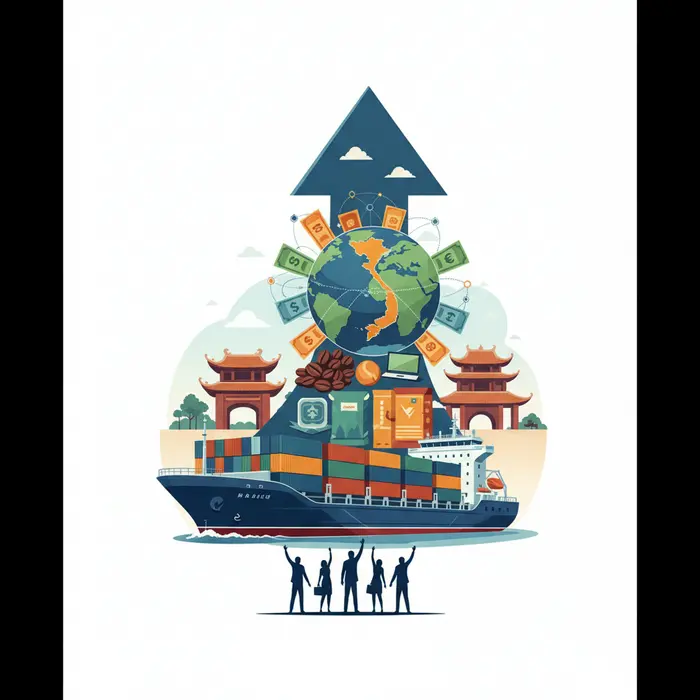
Vietnam has firmly established itself as a global manufacturing powerhouse, offering significant potential for businesses seeking to diversify their supply chains and tap into dynamic export markets. Driven by strategic economic reforms and a proactive approach to international trade, the nation presents unparalleled Vietnam export opportunities for companies looking for robust Vietnam manufacturing suppliers. Understanding these burgeoning sectors and crafting an effective Vietnam sourcing strategy is crucial for leveraging this growth and optimizing shipping from Vietnam cost, ultimately strengthening global Vietnam Supply Chain Diversification efforts.
1. Emerging Export Sectors and Markets
Vietnam’s export landscape is continuously evolving, moving beyond traditional textiles and footwear to embrace higher-value manufactured goods. While these foundational industries remain strong, significant growth is now seen in electronics, machinery, and automotive components. Major global tech giants have established production bases, driving a surge in the export of smartphones, computers, and related parts. Additionally, processed agricultural products, aquaculture, and furniture are experiencing robust demand, particularly from markets in North America, Europe, and increasingly, other ASEAN nations. The shift towards sustainable manufacturing practices also positions Vietnam favorably for green tech and renewable energy components. For businesses, this means exploring opportunities with Vietnam manufacturing suppliers that specialize in these advanced sectors. A strategic approach involves conducting thorough market research to identify specific product niches where Vietnamese manufacturers hold a competitive edge in quality and cost, considering the long-term implications for shipping from Vietnam cost and logistics efficiency.
2. Government Initiatives Supporting Exports
The Vietnamese government actively supports export growth through various policies and incentives designed to attract foreign direct investment (FDI) and boost local production capabilities. These initiatives include tax holidays, reduced corporate income tax rates for specific industries, and streamlined customs procedures. Furthermore, the government is heavily investing in infrastructure development, such as new ports, highways, and logistics hubs, which directly addresses concerns regarding shipping from Vietnam cost and transit times. Support for small and medium-sized enterprises (SMEs) to integrate into global supply chains is also a priority, often through training programs and access to financing. Businesses looking to engage with Vietnam manufacturing suppliers should investigate the specific incentives available for their industry, as these can significantly impact profitability and operational efficiency. Leveraging these government-backed programs can substantially de-risk new ventures and enhance the overall competitiveness of a Vietnam sourcing strategy.
3. Market Access and Trade Agreements Benefits
A cornerstone of Vietnam’s export success is its extensive network of free trade agreements (FTAs). Key agreements such as the Comprehensive and Progressive Agreement for Trans-Pacific Partnership (CPTPP), the EU-Vietnam Free Trade Agreement (EVFTA), and the Regional Comprehensive Economic Partnership (RCEP) provide preferential market access to major global economies. These FTAs reduce or eliminate tariffs, simplify customs procedures, and enhance regulatory cooperation, making Vietnamese goods more competitive internationally. For businesses, this translates into lower import duties for their products in target markets and improved predictability in trade. When developing a Vietnam sourcing strategy, it’s vital to understand how these agreements can benefit specific product categories and target markets. For instance, the EVFTA opens significant Vietnam export opportunities for agricultural products, textiles, and electronics into the European Union. Similarly, the CPTPP facilitates trade with countries like Canada, Mexico, and Japan. Companies should work with knowledgeable partners to navigate the rules of origin and certification requirements to fully capitalize on these trade pacts, ultimately optimizing both sourcing efficiency and shipping from Vietnam cost for enhanced Vietnam Supply Chain Diversification. According to the World Bank, Vietnam’s robust participation in global trade agreements is a key driver of its economic growth, positioning it as an increasingly attractive hub for global manufacturing and export.
Optimizing Your Vietnam Sourcing Strategy
Provide actionable advice on developing and implementing an effective Vietnam sourcing strategy, including best practices for supplier selection and relationship management.
Building a Robust Vietnam Sourcing Strategy
To effectively capitalize on Vietnam’s burgeoning manufacturing landscape, a meticulously planned and executed sourcing strategy is paramount. This isn’t merely about finding the lowest price; it’s about establishing long-term, resilient supply chains that deliver consistent quality and value. The initial phase involves comprehensive market research to identify key manufacturing hubs relevant to your product category. Understanding regional strengths – for instance, textiles in the north, electronics in the south – will guide your search for potential Vietnam manufacturing suppliers. Due diligence extends beyond basic checks; it encompasses evaluating a supplier’s production capacity, quality control systems, ethical labor practices, and financial stability. Site visits and third-party audits are invaluable steps in verifying these capabilities. Furthermore, establishing clear communication protocols and performance metrics from the outset is crucial for fostering a transparent and accountable relationship. A robust Vietnam sourcing strategy prioritizes not just immediate cost savings but also the long-term potential for growth, innovation, and reliable supply. Considering Vietnam’s increasing participation in free trade agreements, understanding the Vietnam export opportunities can further refine your selection process, ensuring suppliers are well-versed in international trade regulations and logistics.
Risk Management in Vietnam Sourcing
Diversifying your supply chain to include Vietnam inherently brings a new set of risks and opportunities that require proactive management. Geopolitical shifts, natural disasters, and unexpected economic fluctuations can impact production and shipping from Vietnam cost. A critical aspect of risk mitigation is developing a diversified supplier base within Vietnam, or even across multiple countries, to avoid over-reliance on a single entity or region. This approach bolsters your overall Vietnam Supply Chain Diversification efforts. Intellectual property protection is another vital consideration; ensure robust legal agreements and non-disclosure clauses are in place, alongside regular audits to verify compliance. Quality control processes must be stringent, with clear specifications and inspection points throughout the production cycle. Logistics can present unique challenges, ranging from port congestion to customs delays, making it essential to partner with experienced freight forwarders who understand the nuances of the region. Building strong relationships with local partners and staying informed about market conditions are key to anticipating and navigating potential disruptions. For a comprehensive overview of Vietnam’s economic outlook and trade relations, insights from authoritative sources like the World Bank can provide valuable context for risk assessment.
Technology and Innovation in Vietnam Supply Chains
The future of optimizing your Vietnam Supply Chain Diversification heavily relies on embracing technology and fostering innovation. Modern supply chain management tools, such as Enterprise Resource Planning (ERP) systems and Warehouse Management Systems (WMS), can provide real-time visibility into inventory levels, production schedules, and shipment statuses. This transparency is crucial for making informed decisions and responding quickly to changes. Beyond traditional software, exploring advanced technologies like blockchain for enhanced traceability and authenticity, or IoT devices for monitoring environmental conditions during transit, can significantly improve efficiency and reliability. Many Vietnam manufacturing suppliers are investing in automation and data analytics to optimize their operations, reduce lead times, and enhance product quality. Collaborating with your suppliers on these technological advancements can lead to mutual benefits, driving continuous improvement and fostering a more responsive and agile supply chain. Furthermore, encouraging sustainable practices and green manufacturing initiatives within your Vietnamese supplier network can not only align with global environmental goals but also create a more resilient and ethically sound supply chain, critical for long-term success in the dynamic global market.
Navigating Logistics: Understanding Shipping from Vietnam Cost & Efficiency
As global supply chains continue to evolve, Vietnam has emerged as a powerhouse for manufacturing and a crucial hub for Vietnam Supply Chain Diversification. However, successfully leveraging Vietnam’s potential requires a thorough understanding of its logistics landscape. From managing freight expenses to navigating complex customs procedures, efficient shipping from Vietnam is paramount to maintaining competitive advantage and ensuring timely delivery of goods. This section delves into the practical aspects of logistics, shedding light on factors influencing costs, vital routes, and best practices for customs compliance, helping businesses optimize their Vietnam sourcing strategy.

1. Factors Influencing Shipping from Vietnam Cost
Understanding the variables that contribute to shipping from Vietnam cost is crucial for effective budgeting and negotiation. The primary drivers include the mode of transport, with air freight being significantly faster but more expensive than sea freight, suitable for high-value or time-sensitive goods. Sea freight, while slower, offers cost-effectiveness for bulkier and less urgent shipments. Global freight rates are subject to volatile market conditions, influenced by fuel prices, geopolitical events, demand-supply imbalances, and seasonal peaks, such as those leading up to major holidays. The volume and weight of your cargo directly impact costs, often leveraging economies of scale for larger shipments (Full Container Load – FCL vs. Less than Container Load – LCL). Origin and destination specifics also play a significant role, factoring in inland transportation costs from factory to port, port congestion surcharges, and the final delivery point. Furthermore, value-added services like cargo insurance, specialized handling for fragile or hazardous materials, and warehousing solutions can add to the overall expenditure. Savvy businesses working with Vietnam manufacturing suppliers continually monitor these factors to optimize their logistics spend as part of their broader Vietnam Supply Chain Diversification efforts.
2. Key Shipping Routes, Ports, and Air Cargo Hubs
Vietnam boasts a robust network of sea ports and air cargo hubs vital for international trade. The country’s primary maritime gateways include Cat Lai Port in Ho Chi Minh City, the largest and busiest port, serving southern Vietnam and connecting to major international shipping lanes. Hai Phong Port in the north is crucial for businesses operating near Hanoi and industrial zones in the Red River Delta. Da Nang Port in Central Vietnam offers a strategic link to the Laos-Cambodia-Vietnam economic corridor. These ports provide direct services or efficient transshipment options to key markets in North America, Europe, and other Asian countries. For time-critical shipments, Vietnam relies on its international air cargo hubs: Noi Bai International Airport (Hanoi) and Tan Son Nhat International Airport (Ho Chi Minh City). These airports handle a substantial volume of air freight, connecting Vietnam to major global logistics networks. Choosing the right port or airport depends on the origin of goods within Vietnam, the urgency of delivery, and the final destination. A well-considered Vietnam sourcing strategy integrates knowledge of these routes to enhance speed and reduce costs, ensuring seamless integration into global Vietnam Supply Chain Diversification plans.
3. Customs, Tariffs, and Documentation Best Practices
Navigating the customs landscape is a critical component of efficient shipping from Vietnam. Accurate and complete documentation is paramount to avoiding delays, penalties, and unexpected costs. Essential documents typically include the Bill of Lading (for sea freight) or Air Waybill (for air freight), Commercial Invoice, Packing List, and Certificate of Origin. The Certificate of Origin is particularly important as Vietnam is a signatory to numerous Free Trade Agreements (FTAs), such as the EU-Vietnam Free Trade Agreement (EVFTA) and the Comprehensive and Progressive Agreement for Trans-Pacific Partnership (CPTPP). These agreements can significantly reduce or eliminate tariffs on goods, enhancing Vietnam export opportunities and improving competitiveness. Importers must ensure their products meet the rules of origin to qualify for preferential tariff treatment. Best practices include meticulous attention to detail in all documentation, pre-clearing shipments where possible, and collaborating with experienced customs brokers. These professionals can guide businesses through complex regulations, classification codes, and ensure compliance, thereby streamlining the customs process and safeguarding the integrity of your Vietnam Supply Chain Diversification strategy.
Partner with Vietnam’s Leading Suppliers
Looking for reliable suppliers in Vietnam? Contact VietnamSuppliers.com today to connect with verified manufacturers and exporters across all industries.
—————————————
References
– Vietnam Overview – World Bank: https://www.worldbank.org/en/country/vietnam/overview
– World Bank Overview of Vietnam: https://www.worldbank.org/en/country/vietnam/overview
– World Bank: Vietnam Overview: https://www.worldbank.org/en/country/vietnam/overview
– World Bank: https://www.worldbank.org/en/country/vietnam/overview
– EU-Vietnam Trade and Investment Agreements: https://policy.trade.ec.europa.eu/eu-trade-relationships-country-and-region/countries-and-regions/vietnam_en