The Evolving Landscape of Sustainable Sourcing in the EU
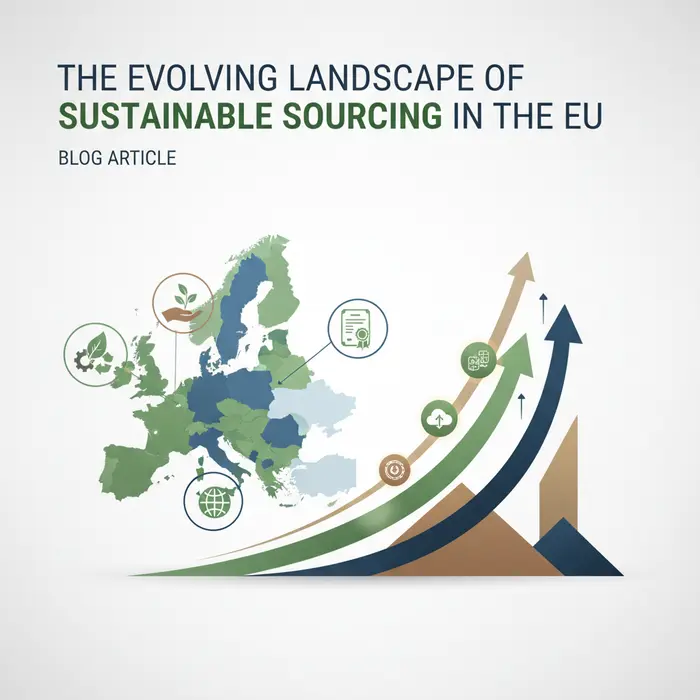
The European Union stands at the forefront of a global paradigm shift towards sustainability, making Sustainable sourcing EU market not just a trend, but a critical imperative for businesses worldwide. The importance and complexity of ethical and environmentally responsible supply chains are rapidly escalating within the EU, driven by an intricate web of ambitious regulatory frameworks, surging consumer expectations, and significant investor scrutiny. For any entity engaged in trade with the EU, understanding this evolving landscape is no longer optional; it’s fundamental to market access, competitiveness, and long-term viability. This dynamic environment sets the stage for new operational standards, demanding greater transparency and accountability across global supply networks.
1. Why Sustainability Matters More Than Ever for EU Trade
For businesses seeking to thrive or even just participate in the EU market, sustainability has transitioned from a niche concern to a core business strategy. The drivers are multifaceted. Firstly, there’s a growing moral and ethical imperative, with consumers and civil society increasingly demanding that products are free from exploitation and environmental harm. Beyond ethics, reputational risk has become a powerful motivator; instances of unsustainable practices can lead to significant brand damage, boycotts, and loss of market share. Conversely, a strong commitment to sustainable sourcing offers a competitive advantage, differentiating businesses in a crowded marketplace. EU sustainable procurement regulations, such as those encouraging green public purchasing, are also increasingly integrating sustainability criteria into official tenders, making it a prerequisite for securing lucrative public contracts. The shift from voluntary initiatives to mandatory due diligence frameworks underscores the EU’s commitment to embedding sustainability throughout value chains, requiring companies to actively identify, prevent, and mitigate adverse impacts.
2. Key Drivers: Consumer Demand and Investor Pressure
The propulsion towards sustainable sourcing is largely fueled by two powerful forces: the informed consumer and the responsible investor. EU consumers are increasingly conscious of the environmental and social footprint of their purchases. They demand transparency regarding product origins, production methods, and labor conditions, often demonstrating a willingness to pay a premium for ethically sourced and eco-friendly goods. This evolving consumer behavior necessitates that companies demonstrate credible sustainability credentials. Simultaneously, investor pressure, particularly concerning Environmental, Social, and Governance (ESG) factors, has become a significant catalyst. Institutional investors, pension funds, and asset managers are increasingly integrating ESG compliance for EU imports into their investment decisions. Companies with poor ESG performance face higher capital costs, divestment, and difficulty attracting investment, while those demonstrating robust sustainability practices are rewarded with lower risk profiles and increased access to capital. The EU’s Sustainable Finance Disclosure Regulation (SFDR) further amplifies this, pushing financial market participants to disclose how sustainability risks are integrated into their investment processes.
3. Impact of Global Climate Goals on EU Imports
Global climate goals, epitomized by the Paris Agreement and translated into regional ambitions like the EU Green Deal, have a profound and direct impact on EU imports and the structure of green supply chains Europe. These overarching commitments necessitate a dramatic reduction in carbon emissions and a fundamental shift towards a circular economy. Policies emerging from these goals, such as the Carbon Border Adjustment Mechanism (CBAM), aim to prevent ‘carbon leakage’ by imposing a levy on carbon-intensive imports, directly affecting the cost of goods from less environmentally regulated regions. Furthermore, new EU regulations on deforestation-free products mandate due diligence to ensure imported commodities like coffee, cocoa, and palm oil do not contribute to global deforestation. This requires unprecedented levels of traceability and transparency throughout the supply chain. For exporters looking at how to export eco-friendly products to EU, it means adapting to stringent product standards, verifiable sustainability claims, and comprehensive due diligence processes that cover not just environmental but also social aspects of production. The cumulative effect is a reshaping of international trade, prioritizing partners who can demonstrate a genuine commitment to climate action and sustainable practices.
Decoding EU Sustainable Procurement Regulations 2025
The European Union is at the forefront of global efforts to foster sustainability, and its ambitious legislative agenda is rapidly reshaping the landscape for businesses engaged in sustainable sourcing EU market. As 2025 approaches, companies exporting to or operating within the EU must navigate a complex web of EU sustainable procurement regulations, designed to ensure products and supply chains meet stringent environmental, social, and governance (ESG) criteria. Understanding these upcoming mandates is crucial for maintaining competitiveness, achieving ESG compliance for EU imports, and contributing to a greener supply chain Europe.
1. Overview of Key EU Green Directives
The foundation of the EU’s sustainable procurement framework rests on several pivotal directives and regulations. Two of the most impactful for businesses are the Corporate Sustainability Due Diligence Directive (CSDDD) and the Ecodesign for Sustainable Products Regulation (ESPR).
- Corporate Sustainability Due Diligence Directive (CSDDD): This landmark directive aims to foster sustainable and responsible corporate behavior throughout global value chains. It mandates that large companies operating in the EU identify, prevent, mitigate, and account for adverse human rights and environmental impacts in their own operations, their subsidiaries, and their value chains (suppliers and distributors). This extends beyond direct suppliers to encompass upstream impacts like raw material extraction. Non-compliance can lead to significant penalties, emphasizing the need for robust due diligence processes across the entire supply chain. Companies will need to develop and implement effective due diligence policies, establish grievance mechanisms, and integrate due diligence into all their contractual agreements.
- Ecodesign for Sustainable Products Regulation (ESPR): Building upon the existing Ecodesign Directive, the ESPR significantly broadens its scope beyond energy-related products to almost all physical goods placed on the EU market. The regulation introduces stringent requirements for product durability, reparability, recyclability, and energy and resource efficiency. A cornerstone of the ESPR is the introduction of a ‘Digital Product Passport,’ which will provide detailed, accessible information about a product’s sustainability attributes, supply chain, and circularity potential. This transparency will enable both consumers and businesses to make more informed choices, pushing manufacturers towards designing more sustainable and circular products from the outset.
Other notable regulations impacting sustainable trade include the EU Deforestation Regulation (EUDR) and the Carbon Border Adjustment Mechanism (CBAM), all contributing to the overarching goal of greening the EU market.
2. Upcoming Changes: What to Expect in 2025
While some of these regulations have already entered into force, their full impact and implementation will be increasingly felt from 2025 onwards. Businesses must prepare for a phased but rapid transition to mandatory compliance.
- CSDDD Implementation Phasing: The CSDDD will be implemented progressively. The largest companies (e.g., those with over 5,000 employees and €1.5 billion net turnover) will be covered first, with obligations commencing in 2027. Smaller companies meeting specific thresholds will follow in subsequent years. However, businesses of all sizes, especially those in the supply chains of large EU companies, will feel the ripple effects much sooner, as larger entities push their due diligence requirements upstream.
- ESPR Product Group Specification: The ESPR officially entered into force in June 2024, but the specific ecodesign requirements for different product groups will be detailed through delegated acts over the coming years, starting with high-impact sectors. By 2025, we can expect clarity on product passports and specific design criteria for several initial product categories. This means companies need to monitor these developments closely and begin adapting their product development and manufacturing processes.
- Increased Data and Transparency Demands: Both CSDDD and ESPR necessitate unprecedented levels of data collection and transparency across value chains. Companies must be prepared to provide detailed information on their environmental and social impacts, product composition, and circularity metrics. Investing in robust data management systems and engaging in collaborative partnerships with suppliers will be critical. This shift marks a move from voluntary disclosures to legally binding reporting, significantly impacting how to export eco-friendly products to EU.
3. Sector-Specific Regulations and Their Implications
While the CSDDD and ESPR provide overarching frameworks, their implications will manifest uniquely across different sectors, often complemented by existing or new sector-specific legislation.
- Textile and Apparel Sector: This sector faces intense scrutiny regarding material sourcing, production practices, and end-of-life management. The ESPR will likely introduce strict requirements for textile durability, reparability, and recyclability, pushing for circular business models and the reduction of microplastic pollution.
- Electronics Sector: Already subject to Ecodesign principles, the electronics industry will see enhanced ‘right to repair’ provisions, mandatory digital product passports, and greater emphasis on critical raw material traceability and responsible sourcing. This will significantly impact product design, manufacturing, and after-sales services.
- Food and Agriculture Sector: The EU Deforestation Regulation (EUDR), effective from December 2024 for larger operators, mandates that specific commodities (e.g., soy, palm oil, coffee, beef) and their derived products entering the EU market are deforestation-free and produced in accordance with relevant local legislation. Companies must establish robust traceability systems to verify the origin of these products, profoundly affecting agricultural supply chains globally.
These regulations are not merely compliance hurdles but also present significant opportunities. Businesses that proactively embed sustainability into their strategies, invest in EU’s Corporate Sustainability Due Diligence Directive (CSDDD) due diligence, and innovate for circularity will gain a competitive edge in the evolving EU market. The shift signifies a clear message: sustainability is no longer optional but a fundamental prerequisite for doing business with Europe.
Achieving ESG Compliance for EU Imports
For non-EU businesses aiming to access the lucrative European Union market, understanding and achieving Environmental, Social, and Governance (ESG) compliance is no longer optional; it’s a strategic imperative. The EU is at the forefront of global sustainability efforts, translating its commitments into stringent regulations that significantly impact global supply chains. Non-compliance can lead to market exclusion, reputational damage, and financial penalties. Therefore, businesses exporting to the EU must adopt comprehensive ESG frameworks, moving beyond mere box-ticking to genuinely integrate sustainability into their core operations and sustainable sourcing EU market strategies.
ESG compliance for EU imports entails demonstrating adherence to high standards across environmental protection, social equity, and robust corporate governance. This involves meticulous reporting and due diligence throughout the entire value chain, from raw material extraction to product delivery. Businesses need to prepare for evolving EU sustainable procurement regulations and proactively embed these principles to ensure long-term market access and competitiveness.
1. Environmental Compliance: Carbon Footprint & Resource Efficiency
Environmental compliance for EU imports focuses on minimizing ecological impact. This dimension requires non-EU businesses to demonstrate responsible environmental stewardship throughout their production and supply chains, ensuring their products meet the EU’s Green Deal ambitions.
- Carbon Footprint Reduction: Exporters must measure, report, and actively reduce their greenhouse gas (GHG) emissions. This includes emissions from manufacturing processes, transportation (logistics for Green supply chain Europe), and even upstream activities. Future regulations, such as the Carbon Border Adjustment Mechanism (CBAM), will directly tax the carbon content of certain imported goods, making robust carbon accounting and reduction strategies essential for competitive pricing and how to export eco-friendly products to EU.
- Resource Efficiency & Circularity: The EU prioritizes the efficient use of resources, waste reduction, and the adoption of circular economy principles. This means businesses should focus on sustainable material sourcing, eco-design, product longevity, recyclability, and minimizing waste throughout their production cycles. Responsible water management, pollution prevention, and sustainable land use are also critical components.
- Chemical Management: Adherence to EU chemical regulations, such as REACH (Registration, Evaluation, Authorisation and Restriction of Chemicals), is paramount, ensuring products do not contain restricted substances above permissible limits.
2. Social Responsibility: Labor Rights & Human Rights Due Diligence
Social responsibility in the context of ESG compliance for EU imports means upholding human and labor rights across operations and supply chains. The EU is increasingly demanding that businesses identify, prevent, mitigate, and account for negative human rights impacts.
- Labor Rights: This encompasses adherence to international labor standards, including those from the International Labour Organization (ILO). Key areas include ensuring fair wages, safe and healthy working conditions, freedom of association, the right to collective bargaining, and strict prohibitions against child labor, forced labor, and discrimination. Businesses must be able to demonstrate these protections for all workers involved in producing goods destined for the EU.
- Human Rights Due Diligence (HRDD): With upcoming legislation like the Corporate Sustainability Due Diligence Directive (CSDDD), non-EU companies will be required to implement robust HRDD processes. This involves identifying potential and actual human rights impacts, taking appropriate measures to prevent or mitigate them, and providing remedies where adverse impacts occur. This applies across the entire value chain, including sub-suppliers, necessitating deep supply chain transparency.
- Community Engagement: Respect for community rights, particularly for indigenous peoples, and ensuring fair compensation and consultation where operations impact local communities, also falls under this pillar.
3. Governance Standards: Transparency & Anti-Corruption Measures
Governance standards are the foundation upon which environmental and social commitments are built. Strong governance ensures that ESG policies are effectively implemented, monitored, and reported.
- Transparency & Reporting: Businesses are expected to maintain high levels of transparency regarding their ESG performance, internal controls, and overall business conduct. This includes accurate and timely disclosure of relevant sustainability data, often in line with frameworks like the Global Reporting Initiative (GRI) or the Task Force on Climate-related Financial Disclosures (TCFD), as well as compliance with EU disclosure requirements.
- Anti-Corruption & Ethical Conduct: Implementing robust anti-bribery and anti-corruption policies is crucial. This involves clear codes of conduct, whistleblower protection mechanisms, and stringent internal controls to prevent illicit practices within the company and among its supply chain partners. Ethical leadership and a culture of integrity are paramount.
- Board Oversight & Accountability: Effective governance also involves clear roles and responsibilities at the board level for overseeing ESG strategy and performance. This includes integrating sustainability into risk management frameworks and ensuring accountability for achieving ESG objectives.
Achieving ESG compliance for EU imports is a continuous journey that demands proactive engagement, comprehensive due diligence, and a commitment to continuous improvement. By embracing these standards, non-EU businesses can not only secure their access to the lucrative EU market but also build more resilient, ethical, and sustainable operations for the long term.
Building a Resilient Green Supply Chain for Europe
As the European Union intensifies its commitment to environmental sustainability and responsible consumption, businesses seeking to thrive in or access the EU market face an undeniable imperative: building a resilient green supply chain. This is no longer merely a competitive advantage but a fundamental requirement for market access and compliance, driven by evolving regulations and consumer demand. Developing an environmentally friendly and transparent supply chain is crucial for long-term success, ensuring not only regulatory adherence but also enhanced brand reputation and operational efficiency. Here, we outline practical steps and strategies to achieve robust sustainable sourcing EU market practices.
1. Mapping Your Supply Chain for Sustainability Risks
The first critical step towards a greener supply chain is a comprehensive understanding of its entire scope and inherent sustainability risks. This goes beyond tier-one suppliers to encompass raw material extraction, manufacturing processes, logistics, and end-of-life management. Businesses must identify environmental hotspots such as high carbon emissions, excessive water usage, waste generation, and pollution at every stage. Equally important is assessing social risks, including labor practices, human rights, and community impacts, which are increasingly under scrutiny by EU sustainable procurement regulations. Tools like Life Cycle Assessments (LCAs) can provide data-driven insights into the environmental footprint of products and processes. Engaging with suppliers through detailed questionnaires, audits, and certifications helps identify weak links and areas for improvement. This initial mapping forms the baseline for setting realistic sustainability targets and monitoring progress effectively, crucial for maintaining long-term market access and compliance with strict EU standards.
2. Implementing Traceability and Transparency Solutions
Once risks are mapped, the next challenge is to implement robust traceability and transparency solutions throughout the supply chain. EU consumers and regulators demand clear visibility into product origins, components, and the ethical and environmental conditions under which they were produced. This means moving beyond simple declarations to verifiable data. Technologies like blockchain, RFID, and advanced digital platforms can track materials from source to shelf, providing immutable records of their journey. This level of granular data is essential for achieving ESG compliance for EU imports and demonstrating adherence to environmental and social standards. Implementing such systems not only facilitates compliance but also enhances trust with consumers who are increasingly making purchasing decisions based on a brand’s sustainability credentials. For businesses looking to understand how to export eco-friendly products to EU, verifiable transparency is paramount for proving genuine environmental claims and avoiding accusations of greenwashing.
3. Collaborating with Sustainable Suppliers and Partners
A truly resilient Green supply chain Europe cannot be built in isolation. It requires active collaboration with sustainable suppliers and partners who share your commitment to environmental stewardship and ethical practices. This involves rigorous vetting processes that extend beyond price and quality to include their environmental policies, certifications (e.g., ISO 14001, SA8000), waste management practices, and labor standards. Establish clear sustainability clauses in supplier contracts, set performance indicators, and conduct regular audits. Furthermore, consider capacity-building initiatives, such as training programs or sharing best practices, to help your partners improve their own sustainability performance. This collaborative approach fosters a network of responsible actors, strengthens the entire supply chain, and minimizes risks associated with non-compliance. By forging strong, transparent partnerships, businesses can collectively drive positive change, ensuring continuous access to the demanding yet lucrative EU market while contributing to a more sustainable global economy.
Exporting Eco-Friendly Products to the EU: Best Practices
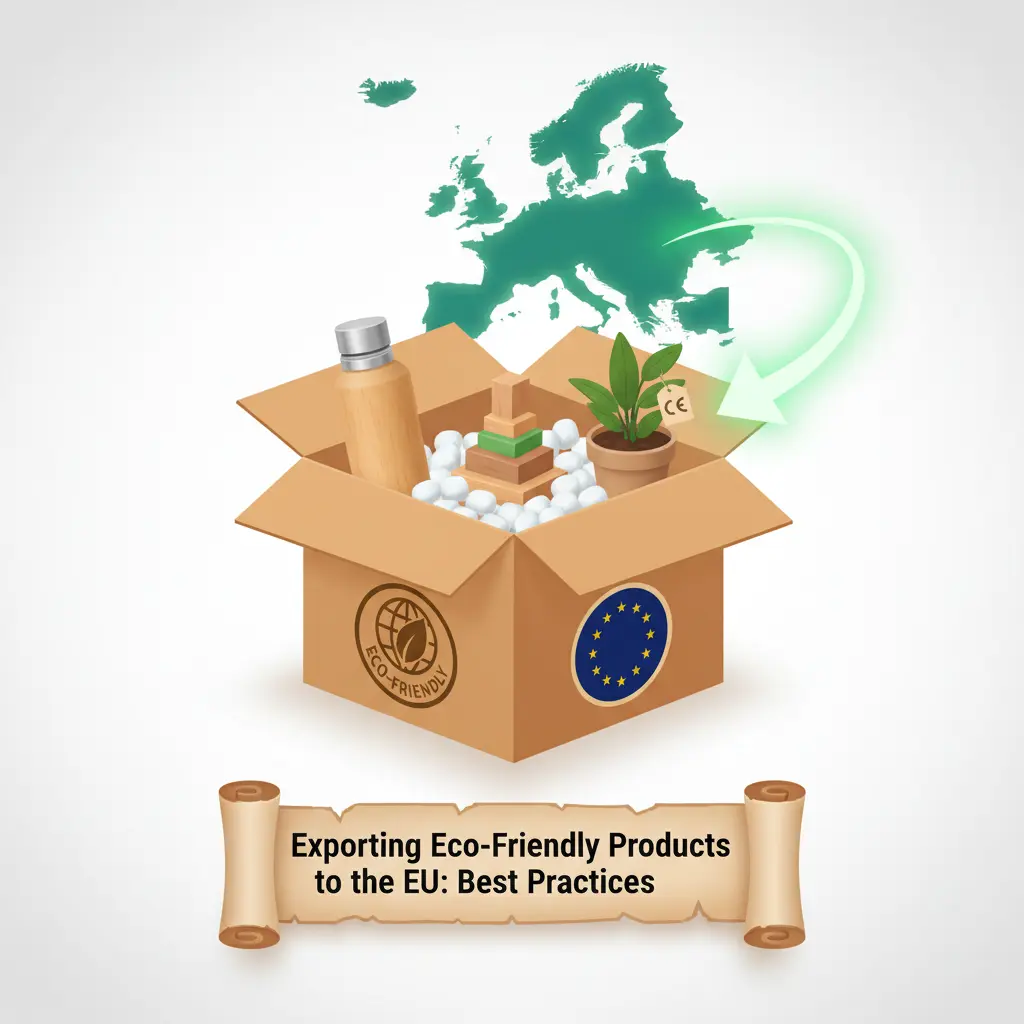
The European Union represents a lucrative yet challenging market for eco-friendly products. With increasingly stringent environmental regulations and a growing consumer demand for sustainable goods, companies aiming to succeed here must adopt robust strategies. This section offers actionable advice and insights for businesses looking to navigate the complexities of exporting eco-friendly products to the EU, focusing on critical certification processes, effective marketing, and forward-thinking market entry strategies.
1. Navigating EU Ecolabels and Certifications
Achieving market access and consumer trust in the EU heavily relies on demonstrating genuine environmental credentials through recognized ecolabels and certifications. The EU has a complex regulatory landscape, with initiatives like the EU Ecolabel, a voluntary scheme promoting products with a reduced environmental impact throughout their life cycle. Beyond this official label, various private certifications such as FSC (Forest Stewardship Council) for wood and paper products, GOTS (Global Organic Textile Standard) for textiles, and B Corp for overall social and environmental performance, play a crucial role. Understanding and adhering to these standards is paramount. Businesses must also prepare for upcoming legislation like the Green Claims Directive and the Ecodesign for Sustainable Products Regulation (ESPR), which aim to combat greenwashing and make product sustainability more transparent and verifiable.
Compliance with these frameworks is not just about ticking boxes; it’s about embedding sustainability into your core operations. Robust due diligence in your supply chain is essential, especially concerning EU sustainable procurement regulations. Companies must ensure their ESG compliance for EU imports extends from raw material acquisition to manufacturing and distribution. This proactive approach to certification and regulatory adherence is key to unlocking the full potential of the European market, making your products verifiable and trustworthy. Effective sustainable sourcing EU market practices are the foundation upon which these certifications are built.
2. Marketing Your Sustainable Value Proposition to EU Consumers
Once your eco-friendly products meet the necessary certifications, the next step is to effectively communicate their value to the discerning EU consumer. Greenwashing is a significant concern in Europe, making transparency and authenticity non-negotiable. Your marketing strategy should clearly articulate the specific environmental benefits of your products, backed by verifiable data and your acquired certifications. Avoid vague claims; instead, focus on concrete impacts, such as reduced carbon footprint, use of recycled materials, biodegradability, or ethical labor practices.
Storytelling can be a powerful tool. Share the journey of your product, from its sustainable sourcing to its end-of-life considerations. Highlight how your product contributes to a circular economy or supports specific environmental goals. Leveraging digital platforms and social media to engage with eco-conscious consumers and build a community around your brand can significantly boost market penetration. Educate consumers about the value proposition, emphasizing not just the environmental benefits but also the quality, durability, and health advantages often associated with sustainable goods. This holistic approach is crucial for understanding how to export eco-friendly products to EU successfully and resonate with their values.
3. Future-Proofing Your Business for Continuous Compliance
The landscape of sustainability regulations in the EU is dynamic and constantly evolving. What is compliant today might require adjustments tomorrow. To future-proof your business, adopt a strategy of continuous monitoring and adaptation. Regularly review updates from the European Commission and national regulatory bodies regarding environmental policy, product standards, and due diligence requirements. Invest in robust internal systems for data collection and reporting on your environmental performance.
Developing a resilient green supply chain Europe is paramount. This involves not only selecting eco-conscious suppliers but also implementing processes that allow for traceability, transparency, and quick adaptation to new standards. Consider forming partnerships with local experts or consultants who specialize in EU environmental law and market entry. Proactive engagement with policy changes, coupled with a commitment to innovation in sustainable product design and production, will ensure your business remains competitive and compliant. The EU’s commitment to the European Green Deal signals a long-term shift towards a greener economy, making continuous improvement in your sustainability practices an ongoing imperative for success.
Partner with Vietnam’s Leading Suppliers
Looking for reliable suppliers in Vietnam? Contact VietnamSuppliers.com today to connect with verified manufacturers and exporters across all industries.
—————————————
References
– Corporate sustainability due diligence: https://commission.europa.eu/business-economy-euro/doing-business-eu/corporate-sustainability-due-diligence_en
– EU’s Corporate Sustainability Due Diligence Directive (CSDDD): https://commission.europa.eu/business-economy-eu/doing-business-eu/corporate-sustainability-due-diligence_en
– Green Deal ambitions: https://ec.europa.eu/environment/eu-green-deal/index_en.htm
– Corporate Sustainability Due Diligence: https://commission.europa.eu/business-economy-eu/doing-business-eu/corporate-sustainability-due-diligence_en
– The European Green Deal: https://ec.europa.eu/info/strategy/priorities-2019-2024/european-green-deal_en