Introduction to Foreign Trade Zones
In an increasingly interconnected global economy, businesses constantly seek strategies to optimize supply chains, reduce costs, and enhance competitiveness. One powerful tool available in the United States, designed precisely for these objectives, is the Foreign Trade Zone (FTZ). Often misunderstood, an FTZ serves as a critical facilitator for international trade, allowing companies to manage imports and exports more efficiently while navigating complex customs regulations.
1. Defining a Foreign Trade Zone (FTZ)
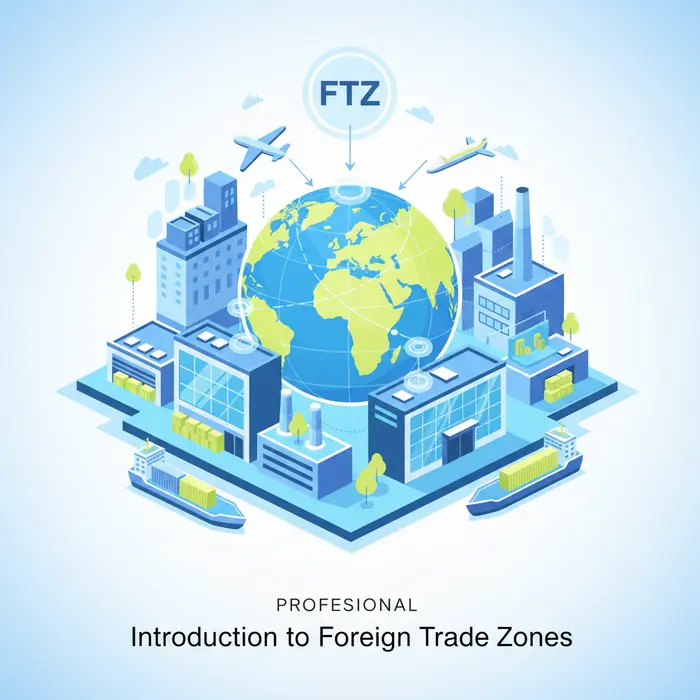
At its core, a Foreign Trade Zone (FTZ) is a designated geographical area within the United States that, for customs purposes, is considered to be outside the U.S. customs territory. This seemingly paradoxical definition is central to understanding its utility. While physically located on U.S. soil and subject to U.S. laws and regulations, goods entering an FTZ are treated as if they have not yet entered the country for customs duty assessment. The fundamental purpose of an FTZ is to encourage and facilitate international trade and investment in the United States by providing duty relief, simplifying customs procedures, and enhancing cash flow for businesses involved in importing, exporting, and manufacturing. By deferring, reducing, or even eliminating customs duties, what is a foreign trade zone offers significant advantages, particularly for companies dealing with high-value goods or extensive supply chains. These zones are typically located near ports of entry, such as seaports, airports, and border crossings, to streamline logistics and address concerns related to customs duties in a foreign trade zone context.
2. How FTZs Operate in the US
The operational framework of FTZs in the U.S. is governed by the Foreign-Trade Zones Act of 1934 and administered by the U.S. Customs and Border Protection (CBP) and the Foreign-Trade Zones Board. Goods can be brought into an FTZ without formal customs entry or the payment of U.S. customs duties and certain excise taxes. Within the zone, these goods can be stored, exhibited, repacked, inspected, mixed with domestic or foreign goods, processed, assembled, manufactured, or manipulated in various ways. It is only when the goods leave the FTZ and enter the U.S. domestic market that duties become payable. For goods re-exported directly from an FTZ, no U.S. customs duties are ever paid, offering a substantial advantage for international distribution centers. This mechanism provides numerous Foreign Trade Zone Benefits, including duty deferral until goods leave the zone, duty elimination on scrap or waste, and duty reduction if the finished product has a lower duty rate than its components (inverted tariff). Furthermore, FTZ advantages for importers also include streamlined weekly entry procedures, which reduce merchandise processing fees (MPF) and administrative burdens, significantly improving cash flow and inventory management. Businesses operating within these zones must adhere to strict foreign trade zone regulations set forth by CBP, ensuring security and compliance.
3. Historical Context and Evolution
The concept of free zones dates back centuries, but modern Foreign Trade Zones in the U.S. were established with the Foreign-Trade Zones Act of 1934. This legislation emerged during a period of high tariffs, notably following the Smoot-Hawley Tariff Act of 1930, which severely hindered international trade. The initial intent was to provide American businesses with a competitive edge by allowing them to engage in foreign commerce without incurring prohibitive duties on goods merely passing through or undergoing minor manipulation in the U.S. Originally, FTZs were primarily used for storage and transshipment. However, over the decades, their scope has significantly evolved. Amendments and policy changes have expanded their utility to include manufacturing, assembly, and processing operations, making them integral to complex global supply chains. This evolution reflects the changing nature of international trade and the U.S.’s ongoing commitment to fostering economic growth and attracting foreign direct investment. Today, FTZs are not just about duty deferral but are strategic locations that enable companies to operate more flexibly, respond quickly to market demands, and reduce overall operational costs, thereby supporting thousands of jobs and billions in economic activity across the country. They remain a dynamic and essential part of the U.S. trade infrastructure, continually adapting to the needs of modern global commerce.
Key Customs Duty Advantages for Importers
Operating a business within a Foreign Trade Zone (FTZ) offers a strategic advantage, directly impacting a company’s bottom line through significant savings on customs duties, tariffs, and taxes. For importers, understanding what is a foreign trade zone and its specific regulations is paramount to unlocking these financial benefits. An FTZ is a secured area under U.S. Customs and Border Protection (CBP) supervision, considered outside the customs territory of the United States for duty purposes. This unique status provides a powerful toolkit for businesses to manage their inventory, supply chain, and cash flow more effectively, offering substantial FTZ advantages for importers. Let’s delve into the core customs duty benefits.
1. Duty Deferral and Elimination on Re-exports
One of the most compelling customs duties foreign trade zone benefits is the ability to defer or even eliminate duties. When foreign goods enter an FTZ, duties and federal excise taxes are not paid until the goods leave the zone and enter the U.S. commerce. This duty deferral offers a direct cash flow advantage, as businesses don’t tie up capital in duties on inventory that might sit for weeks or months. This is particularly beneficial for companies dealing with large volumes of imported goods or those with long sales cycles.
The financial gains become even more pronounced for goods intended for re-export. If products are imported into an FTZ, stored, manipulated, processed, or even manufactured, and subsequently re-exported to another country, U.S. customs duties are never paid. This “duty elimination” is a game-changer for businesses involved in global supply chains, such as those assembling components from various countries for re-export, or distribution centers serving multiple international markets. It removes the burden of paying duties upfront and then applying for duty drawbacks, a process that can be administratively complex and time-consuming. Instead, the duty liability simply never arises for re-exported merchandise, streamlining operations and significantly reducing costs.
2. Inverted Tariff Benefits and Duty Reduction
The “inverted tariff” scenario presents a unique opportunity for duty reduction within an FTZ. An inverted tariff occurs when the U.S. duty rate on a foreign-sourced component or raw material is higher than the duty rate on the finished product that incorporates that component. This can be a significant cost burden for manufacturers importing parts to assemble a final product that faces a lower tariff.
Within an FTZ, importers gain the flexibility to choose whether to pay duties on the foreign components when they enter the zone or on the finished product when it leaves the zone for U.S. consumption. If an inverted tariff situation exists, the company can opt to pay the lower duty rate of the finished product, rather than the higher rates on its individual components. For example, if raw material X has a 5% duty and finished product Y (made from X) has a 2% duty, operating outside an FTZ would mean paying 5% on X. Inside an FTZ, the importer can choose to pay 2% on Y, leading to substantial savings. This strategic advantage allows businesses to align their duty payments with the most favorable tariff classification, directly translating into lower costs for imported goods and enhanced competitiveness in the market. Understanding these foreign trade zone regulations is key to maximizing such benefits.
3. Reduced Merchandise Processing Fees (MPF)
Beyond duties and tariffs, FTZ advantages for importers also extend to reducing other import-related fees, particularly Merchandise Processing Fees (MPF). MPF is a fee assessed by U.S. Customs and Border Protection on most imported merchandise entered into the U.S. It is calculated at a rate of 0.3464% of the entered value, with a minimum of $29.66 and a maximum of $575.35 per formal entry (as of current rates, subject to change).
For importers operating outside an FTZ, each formal entry typically incurs its own MPF, potentially hitting the maximum cap multiple times a day or week depending on shipment frequency. However, businesses within an FTZ can significantly reduce their MPF expenditures. Instead of paying MPF on each individual shipment that arrives, FTZ operators are often permitted to file a single, consolidated entry with CBP on a weekly basis, covering all merchandise admitted into the zone during that period. This weekly entry is subject to a single MPF assessment, meaning the maximum fee of $575.35 is applied only once a week, regardless of the number of individual shipments or their combined value. This consolidation dramatically lowers the total annual MPF costs, especially for high-volume importers with frequent, smaller shipments. The ability to cap MPF payments on a weekly basis represents a substantial financial relief and a powerful incentive for leveraging foreign trade zone regulations.
Operational and Logistical Efficiencies
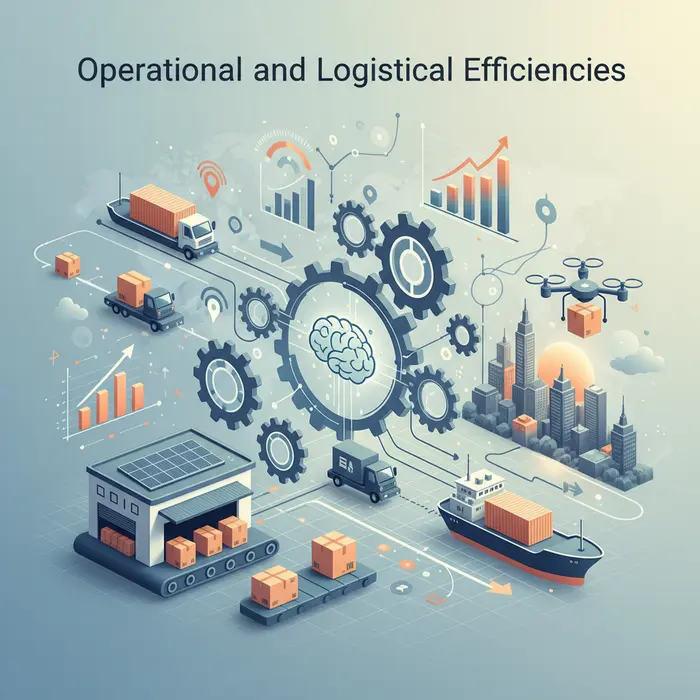
Foreign Trade Zones (FTZs) represent a powerful tool for businesses aiming to optimize their global supply chains. By designating specific areas within a country as outside its customs territory, FTZs offer a unique environment where imported goods can be stored, manufactured, or processed without immediately incurring U.S. customs duties. This strategic advantage underpins significant Foreign Trade Zone Benefits, fundamentally reshaping how companies manage their operations and logistics. Understanding how FTZs streamline supply chain operations, improve inventory management, and contribute to overall logistical optimization is crucial for businesses navigating the complexities of international trade.
At their core, FTZs are designed to enhance efficiency and reduce costs, providing a competitive edge for importers, manufacturers, and distributors. From simplifying import-export documentation to offering flexible inventory solutions, the operational benefits are extensive, directly impacting a company’s bottom line and market responsiveness.
1. Streamlined Import-Export Processes
One of the primary FTZ advantages for importers lies in the significant streamlining of import and export procedures. To understand what is a foreign trade zone in practical terms, it’s an area where goods can enter without formal customs entry, duty payment, or quota restrictions until they leave the zone for domestic consumption. This deferral or elimination of duties significantly reduces the upfront cash outlay for businesses. Furthermore, FTZs allow for consolidated weekly entry filing (rather than individual entries for each shipment), dramatically cutting down on paperwork and administrative burdens. This not only accelerates customs clearance but also reduces merchandise processing fees (MPF). Companies operating under strict foreign trade zone regulations can benefit from direct delivery authorizations, allowing goods to move directly from the port of entry to the FTZ without prior CBP review, thereby minimizing delays and enhancing throughput efficiency. The ability to perform manufacturing, assembly, or processing within the zone, and then export the finished product, can also lead to duty exemption on components, further boosting export competitiveness.
2. Improved Inventory Management and Control
FTZs offer unparalleled flexibility for inventory management and control, a critical component of logistical optimization. Within an FTZ, goods can be stored indefinitely without incurring customs duties foreign trade zone regulations until they are withdrawn for U.S. consumption. This deferral allows businesses to hold larger inventories to meet fluctuating market demands without immediate duty payment, preserving working capital. It also supports “just-in-time” inventory strategies by providing a buffer for supply chain disruptions. Companies can use FTZs for quality control, inspection, repair, or even re-labeling of goods before they officially enter U.S. commerce. If defective or non-compliant goods are discovered, they can be re-exported from the FTZ without ever paying duties, preventing unnecessary costs. This capability enhances product quality, reduces waste, and provides a robust framework for managing returns and rework. The strategic placement of inventory in an FTZ also facilitates postponement strategies, where final assembly or customization occurs only when a firm order is received, adapting products to specific market needs while minimizing inventory risk.
3. Reduced Transit Times and Storage Costs
The structure of FTZs inherently leads to reduced transit times and significant savings on storage costs. By allowing goods to be imported into an FTZ without immediate customs formalization, the typical delays associated with port congestion and customs processing are mitigated. Direct delivery to the FTZ minimizes handling and speeds up the flow of goods. Furthermore, the ability to store goods in an FTZ without immediate duty payment eliminates the need for expensive bonded warehousing, which often comes with higher fees and more restrictive regulations. Businesses can consolidate multiple foreign and domestic shipments within the FTZ, optimizing transportation loads and reducing freight expenses. The flexibility to stage goods for distribution, perform light manufacturing, or package products within the zone before their final destination also reduces the need for multiple trans-shipments and associated costs. Ultimately, the comprehensive operational environment of an FTZ fosters a lean and agile supply chain, translating into faster market entry for products and substantial reductions in overall logistical expenditure.
In conclusion, Foreign Trade Zones are not merely customs designations; they are strategic operational hubs that unlock substantial efficiencies for businesses engaged in international trade. From streamlining complex import-export processes and providing superior inventory management capabilities to drastically cutting transit times and storage expenses, the Foreign Trade Zone Benefits are multifaceted and profound. For companies seeking to optimize their supply chain, enhance cash flow, and maintain a competitive edge in the global marketplace, leveraging the advantages of an FTZ is an indispensable strategy.
Strategic Benefits for Businesses and Manufacturers
Delve into the broader strategic advantages that Foreign Trade Zones (FTZs) offer, including enhanced global competitiveness, flexibility, and economic impact. Understanding these Foreign Trade Zone Benefits is crucial for businesses aiming to optimize their operations and maximize profitability in an interconnected world. At its core, what is a foreign trade zone? It is a designated geographic area within the United States, in or near a U.S. Customs port of entry, where foreign and domestic merchandise is considered outside U.S. Customs territory for duty purposes. This unique status allows companies to defer, reduce, or even eliminate customs duties foreign trade zone on imported goods, offering a powerful tool for strategic supply chain management.
Competitive Edge in Global Markets
For businesses operating in an increasingly globalized economy, gaining a competitive edge is paramount. Foreign Trade Zones provide significant FTZ advantages for importers and manufacturers by directly impacting their bottom line and operational efficiency. One of the most compelling benefits is the ability to defer, reduce, or eliminate duties. Goods brought into an FTZ are not subject to U.S. Customs duties until they leave the zone and enter the U.S. commerce. This deferral significantly improves cash flow, as duties are only paid when the product is sold or consumed domestically. Furthermore, companies can often choose to pay duties on either the foreign components or the finished product, whichever results in a lower duty rate—a concept known as “inverted tariffs.” For goods that are re-exported directly from the FTZ, no U.S. Customs duties are ever paid, making the U.S. an attractive hub for distribution and value-added manufacturing for international markets. Manufacturers can import raw materials and components, assemble or manufacture products within the FTZ, and then export the finished goods without incurring tariffs, dramatically lowering their cost of goods sold and enhancing their price competitiveness on the global stage. Reduced Merchandise Processing Fees (MPF) on consolidated weekly entries further contribute to cost savings, making operations within an FTZ considerably more economical.
Flexibility in Supply Chain Management
Modern supply chains demand agility and resilience. FTZs offer unparalleled flexibility, enabling businesses to adapt quickly to market changes, optimize inventory, and streamline logistics. Merchandise can be stored, manipulated, or manufactured within an FTZ indefinitely without incurring duties. This allows companies to consolidate multiple shipments into a single customs entry, reducing administrative burden and costs. Within the zone, activities such as quality control, testing, labeling, relabeling, repackaging, and assembly can be performed on imported goods before they officially enter U.S. commerce. This flexibility allows businesses to maintain higher quality standards, customize products for different markets, or even reconfigure goods to meet specific demands without the immediate burden of duties. For instance, a manufacturer might import components, assemble them into various product configurations based on real-time orders, and only pay duties on the specific configuration entering the U.S. market. The strategic advantage of duty deferral also supports “Just-in-Time” (JIT) inventory strategies, allowing goods to be stored near consumption points without financial penalty, thereby minimizing warehousing costs and reducing lead times. Understanding the foreign trade zone regulations is key to maximizing these operational advantages.
Attracting Foreign Investment and Job Creation
Beyond individual business benefits, Foreign Trade Zones play a vital role in regional and national economic development. They serve as powerful magnets for attracting foreign direct investment (FDI). International companies are incentivized to establish manufacturing, assembly, and distribution operations within the U.S. due to the cost savings and operational efficiencies offered by FTZs. This influx of foreign capital directly translates into significant job creation across various sectors—from warehouse and logistics personnel to skilled manufacturing workers, administrative staff, and management. The presence of FTZs stimulates local economies by increasing demand for auxiliary services, real estate, and infrastructure development. Communities with active FTZs often experience sustained economic growth, improved employment rates, and a more robust industrial base. By fostering an environment conducive to international trade and manufacturing, FTZs contribute to strengthening the U.S. position in the global economy, making it a more attractive destination for businesses looking to expand their global footprint and create value within a strategically advantageous framework. These broader economic Foreign Trade Zone Benefits underscore their importance as a tool for long-term prosperity.
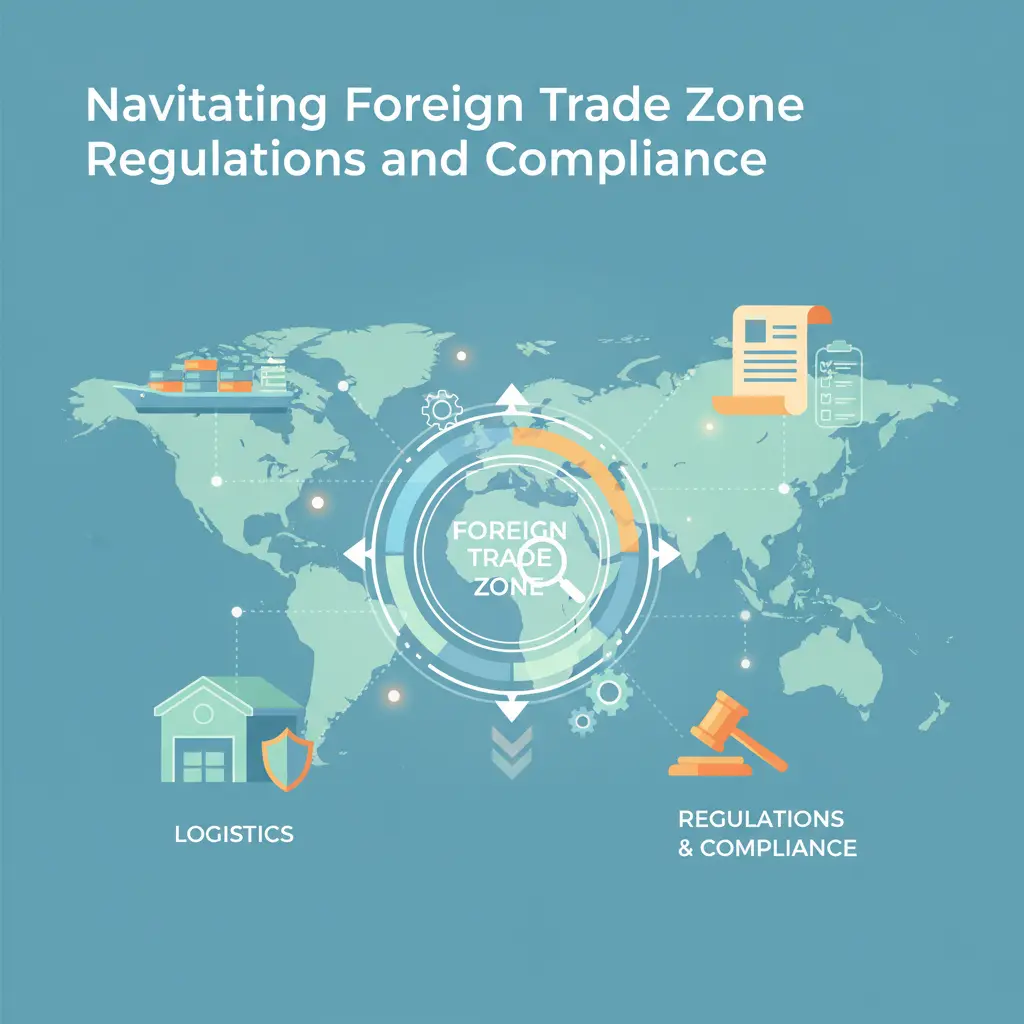
Navigating Foreign Trade Zone Regulations and Compliance
Establishing a Foreign Trade Zone (FTZ) presence offers substantial Foreign Trade Zone Benefits, from deferred duties to enhanced supply chain flexibility. However, unlocking these advantages requires a comprehensive understanding of the intricate regulatory landscape. This section will guide importers, manufacturers, and logistics providers through the essential aspects of FTZ compliance, clarifying what is a foreign trade zone from a regulatory standpoint and outlining the steps to maintain good standing with federal authorities. Navigating the rules effectively ensures businesses can fully capitalize on the cost savings and operational efficiencies FTZs provide.
1. Understanding FTZ Board and CBP Regulations
At the heart of Foreign Trade Zone operations lie the regulations set forth by two primary federal bodies: the U.S. Foreign-Trade Zones Board (FTZ Board) and U.S. Customs and Border Protection (CBP). The FTZ Board is responsible for granting authority to establish and operate FTZs, approving activation, and overseeing the scope of activities permitted within the zones. Their regulations, found in 15 CFR Part 400, govern the administrative aspects of FTZ designation and operation. CBP, on the other hand, is tasked with the day-to-day enforcement of customs laws within FTZs. CBP regulations, primarily 19 CFR Part 146, dictate the entry, exit, and accountability of merchandise, including procedures for deferred or reduced customs duties foreign trade zone status. Understanding the interplay between these two sets of rules is critical. For instance, while the FTZ Board approves the establishment of a zone, it’s CBP that authorizes activation of specific sites or facilities within the zone for customs purposes. Companies must adhere to both sets of rules, ensuring their operations align with the specific type of FTZ they utilize—whether it’s a general-purpose zone managed by a public grantee or a subzone designated for a specific company’s manufacturing or distribution operations. For detailed information, consult the official U.S. Foreign-Trade Zones Board website.
2. The Application and Activation Process for FTZ Status
Obtaining and activating Foreign Trade Zone status involves a structured, multi-step process that requires careful planning and execution. The journey typically begins with the application for zone designation or expansion to the FTZ Board, often submitted by a public or private entity acting as the “grantee” of the zone. This initial phase involves demonstrating economic benefit, community support, and the operational viability of the proposed zone. Once the FTZ Board grants general authority for a zone, individual companies wishing to operate within it must then seek approval for their specific facilities. This involves working with the zone’s grantee and submitting a detailed application to CBP for activation. The CBP activation process ensures that the facility meets all security, inventory control, and operational requirements necessary for customs supervision. This includes establishing robust record-keeping systems and demonstrating the ability to accurately track all merchandise entering, stored in, and exiting the zone. The activation application details the types of activities to be conducted (e.g., storage, manufacturing, manipulation) and how the company will comply with customs regulations. Successful activation is the gateway to realizing significant FTZ advantages for importers, as it permits the deferral, reduction, or even elimination of duties on eligible merchandise.
3. Maintaining Compliance: Record-Keeping and Audits
Achieving FTZ status is only the first step; ongoing compliance is paramount to retaining the associated benefits and avoiding penalties. The core of maintaining foreign trade zone regulations compliance lies in meticulous record-keeping. Companies operating within an FTZ must maintain accurate, auditable records for all merchandise movements, manipulations, manufacturing processes, and inventory levels. This includes detailed information on entry documents, permits, customs forms, and inventory control and recordkeeping system (ICRS) data. These records must clearly demonstrate the status of goods (e.g., privileged foreign, non-privileged foreign, domestic) and ensure proper accountability for duties, taxes, and fees. CBP regularly conducts audits and reviews of FTZ operations to verify compliance. These audits can range from routine checks to in-depth investigations triggered by discrepancies or suspected non-compliance. Preparing for audits means having all documentation readily accessible, ensuring ICRS accuracy, and having personnel trained to understand and explain FTZ procedures. Proactive compliance, regular internal audits, and staying updated on any changes in FTZ Board or CBP regulations are essential strategies for avoiding penalties, maintaining operational efficiency, and fully leveraging the strategic advantages offered by Foreign Trade Zones.
Partner with Vietnam’s Leading Suppliers
Looking for reliable suppliers in Vietnam? Contact VietnamSuppliers.com today to connect with verified manufacturers and exporters across all industries.
—————————————
References
– U.S. Customs and Border Protection on Foreign Trade Zones: https://www.cbp.gov/trade/free-trade-zones
– U.S. Customs and Border Protection – Foreign Trade Zones: https://www.cbp.gov/trade/zones/foreign-trade-zones
– FTZ advantages for importers: https://www.cbp.gov/trade/free-trade-zones
– U.S. Customs and Border Protection – Foreign-Trade Zones: https://www.cbp.gov/trade/free-trade-zones
– U.S. Foreign-Trade Zones Board website: https://www.ftz.gov/