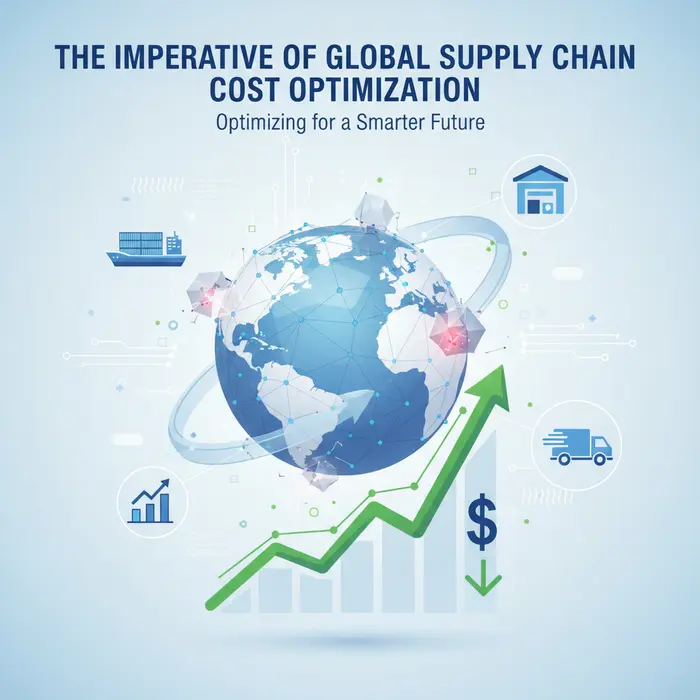
The Imperative of Global Supply Chain Cost Optimization
The global supply chain landscape is currently a tumultuous sea, characterized by unprecedented volatility, geopolitical shifts, inflationary pressures, and a renewed focus on sustainability. Businesses worldwide are grappling with the aftermath of recent disruptions, from the COVID-19 pandemic to regional conflicts and energy price spikes, all of which have exposed vulnerabilities and escalated operational expenses. In this challenging environment, the urgent need for strategic cost reduction and efficiency is paramount. Proactive engagement with Global Supply Chain Cost Optimization Strategies is no longer merely a strategic advantage but a critical imperative for survival and sustained growth in the coming year and beyond. Organizations must move beyond reactive measures to implement robust, forward-looking strategies that build resilience while simultaneously driving down costs.
1. Understanding Current Supply Chain Volatility and Pressures
To effectively optimize costs, businesses must first thoroughly understand the intricate web of pressures impacting their supply chains today. The past few years have unveiled a landscape where disruptions are the norm, not the exception. Factors such as port congestion, labor shortages, raw material scarcity, and fluctuating consumer demand have created an environment of unpredictability, leading to significant increases in lead times and operational costs. For instance, an in-depth International Freight Cost Analysis frequently reveals skyrocketing shipping rates, fuel surcharges, and unexpected demurrage fees that erode profit margins.
Furthermore, geopolitical tensions and trade policy shifts introduce significant uncertainty, directly impacting sourcing decisions and logistical pathways. Companies must also contend with the escalating costs associated with compliance, sustainability mandates, and heightened expectations for ethical sourcing. Understanding these dynamics is crucial for identifying areas where Supply Chain Risk Management Costs can be mitigated and where strategic interventions for cost reduction will yield the greatest impact. Without this foundational understanding, cost optimization efforts risk being misdirected or insufficient.
2. The Strategic Advantage of Proactive Cost Management
In today’s competitive environment, reactive cost-cutting measures are often too late and can even undermine long-term stability. Instead, a proactive approach to cost management offers a distinct strategic advantage. Embracing comprehensive Global Supply Chain Cost Optimization Strategies means looking beyond immediate expenses to build a more resilient, efficient, and competitive supply chain infrastructure. This involves a meticulous Total Landed Cost Calculation, which encompasses not just the purchase price, but also freight, insurance, duties, taxes, handling fees, and even the cost of capital tied up in inventory. By understanding the true cost of bringing a product to market, businesses can make informed decisions about sourcing, logistics, and inventory levels.
Proactive cost management also involves leveraging technology for better visibility, optimizing inventory through demand forecasting, negotiating favorable terms with suppliers, and streamlining logistics operations. This holistic approach ensures that cost savings are not achieved at the expense of quality, speed, or customer satisfaction. Instead, it fosters an environment where efficiency gains contribute directly to enhanced profitability and market differentiation.
3. Setting the Stage for Sustainable Savings
True cost optimization transcends one-off savings; it’s about embedding a culture of efficiency and continuous improvement that delivers sustainable savings over the long term. This requires a systematic approach to identifying and eliminating waste across the entire supply chain. Key areas include optimizing transportation networks, consolidating shipments, and leveraging advanced analytics to predict and prevent disruptions. Furthermore, businesses can achieve significant savings through Import Duty and Tax Minimization by understanding trade agreements, utilizing free trade zones, and ensuring accurate customs classifications.
Investing in digital tools for supply chain visibility, automation, and predictive analytics can significantly reduce operational overheads and human error. Developing strong, collaborative relationships with suppliers and logistics partners can also unlock mutual benefits and efficiencies. By establishing clear KPIs, regularly auditing processes, and fostering an agile decision-making framework, companies can ensure their Global Supply Chain Cost Optimization Strategies are robust, adaptable, and capable of generating sustained value. This strategic foresight not only reduces costs but also fortifies the supply chain against future uncertainties, positioning the business for enduring success.
Mastering Total Landed Cost (TLC) Calculation and Analysis
In today’s interconnected world, where Global Supply Chain Cost Optimization Strategies are paramount, understanding the true cost of bringing a product to market is no longer a luxury but a necessity. The purchase price displayed on an invoice tells only a fraction of the story. Hidden expenses, international logistics complexities, and unpredictable market variables can significantly inflate the final cost, impacting profitability and competitive advantage. This deep dive into Total Landed Cost (TLC) guides businesses to accurately calculate every expense, uncover those elusive hidden costs, and leverage granular TLC data for superior informed decision-making and potent supplier negotiation.
1. Components of a Comprehensive TLC Model
A truly comprehensive Total Landed Cost model transcends simple procurement costs, encompassing every expense from the factory floor to the customer’s hands. Its robust framework integrates a multitude of cost categories, providing a holistic view essential for effective international freight cost analysis and import duty and tax minimization. Key components include:
- Product Cost: The initial purchase price, including raw materials, manufacturing labor, tooling, packaging, and quality control fees.
- Logistics & Freight Costs: All transportation expenses from origin to destination, including international ocean/air freight, domestic trucking, port/terminal charges, warehousing, customs brokerage, and cargo insurance.
- Duties & Taxes: Import duties, tariffs, VAT, GST, excise taxes, and any other governmental levies at the point of entry or sale, which vary significantly by product, origin, and destination.
- Risk & Compliance Costs: Often overlooked, these include regulatory compliance (certifications, testing), currency hedging, inventory carrying costs (warehousing, obsolescence, capital tied up), and potential costs from supply chain disruptions or quality failures.
- Administrative & Operational Overheads: Bank fees, letter of credit charges, payment processing, communication, and internal labor costs for managing the international supply chain.
- Hidden Costs: Delays leading to lost sales, quality issues requiring rework, intellectual property risks, or environmental impact offset costs.
Accurately capturing and attributing these diverse elements is the cornerstone of effective TLC calculation, providing the foundation for strategic cost reduction.
2. Tools and Technologies for Accurate TLC Visibility
Achieving granular visibility into Total Landed Cost requires more than just manual spreadsheets; it demands sophisticated tools and technologies capable of integrating data across disparate systems. These solutions streamline the collection, analysis, and interpretation of complex cost data, supporting robust supply chain risk management costs assessment and optimization:
- ERP & SCM Systems: Modern ERPs and dedicated Supply Chain Management platforms integrate purchase orders, freight invoices, customs declarations, and inventory data, serving as a central repository for many TLC components and offering advanced functionalities for logistics planning and supplier management.
- Transportation Management Systems (TMS): Specialize in optimizing freight movements, providing detailed insights into international and domestic transportation costs, carrier performance, and potential savings.
- Customs & Trade Compliance Software: Automates duty/tax calculations, manages declarations, identifies free trade opportunities, and ensures compliance, directly impacting import duty and tax minimization.
- Data Analytics & BI Tools: Aggregate data from various sources, create dynamic TLC dashboards, perform scenario analysis (e.g., what-if for different routes/suppliers), and identify cost trends.
- Cloud-based TLC Platforms: Emerging dedicated solutions offer sophisticated modeling capabilities, allowing comparison of costs across different suppliers, routes, and Incoterms, providing a predictive edge.
Implementing these technologies transforms TLC from a reactive accounting exercise into a proactive strategic lever, empowering businesses with actionable insights.
3. Applying TLC Insights to Sourcing and Inventory Management
The true power of Total Landed Cost calculation lies in its application to strategic decision-making, particularly in sourcing and inventory management. By shifting focus from mere purchase price to the complete TLC, businesses can unlock significant value and drive Global Supply Chain Cost Optimization Strategies.
- Strategic Sourcing Decisions: TLC analysis allows evaluation of suppliers or manufacturing locations not just on unit price but on total cost impact. A seemingly cheaper supplier might become more expensive when factoring in longer lead times, higher freight, increased duties, or greater risk. This insight provides powerful leverage in supplier negotiations, enabling demands for better terms, optimized Incoterms, or exploration of alternative sourcing strategies like nearshoring if TLC justifies it. It transforms sourcing into a strategic differentiator.
- Optimizing Inventory Management: Understanding how each TLC component affects inventory carrying costs (warehousing, insurance, obsolescence, capital holding costs) is crucial. Businesses use TLC data to refine inventory policies, determining optimal order quantities (EOQ), reorder points, and safety stock. For instance, TLC analysis can determine the break-even point where faster air delivery, despite higher upfront costs, outweighs reduced inventory holding costs. This granular understanding ensures inventory decisions align with overall profitability, balancing service levels with cost efficiency.
By integrating TLC into every facet of supply chain operations, businesses can move beyond reactive cost-cutting to proactive, data-driven strategic planning, ultimately enhancing profitability and resilience.
Advanced International Freight Cost Analysis and Reduction
In today’s interconnected world, managing international freight expenses is a critical component of successful business operations. Effective Global Supply Chain Cost Optimization Strategies are no longer a luxury but a necessity for competitive advantage. This section delves into proactive approaches for meticulously analyzing international freight expenses across various transportation modes, identifying substantial savings opportunities, and skillfully negotiating favorable terms with carriers. By mastering these strategies, businesses can significantly reduce their overall logistics expenditures, enhance profitability, and build more resilient supply chains through astute International Freight Cost Analysis.

1. Demystifying Incoterms and Their Impact on Freight Costs
Understanding Incoterms® rules is fundamental to any robust International Freight Cost Analysis. Incoterms, short for International Commercial Terms, are globally recognized rules published by the International Chamber of Commerce (ICC) that define the responsibilities of buyers and sellers for the delivery of goods. They specify who is responsible for paying and managing freight, insurance, customs, and other logistics costs, as well as when the risk of loss or damage transfers from seller to buyer.
Choosing the right Incoterm can profoundly impact your Total Landed Cost Calculation. For example, Ex Works (EXW) places maximum responsibility and cost on the buyer, while Delivered Duty Paid (DDP) places the full burden of transport, insurance, and import duties on the seller. A meticulous International Freight Cost Analysis involves evaluating how each Incoterm affects your financial outlay, administrative burden, and risk exposure. Strategically selecting Incoterms allows businesses to control specific cost components, such as main carriage and terminal handling charges, directly influencing the final landed cost of goods.
2. Negotiation Tactics for Carrier Contracts and Volume Discounts
Securing competitive rates and favorable terms with carriers is a cornerstone of effective Global Supply Chain Cost Optimization Strategies. Successful negotiation involves building strategic partnerships, leveraging volume, and understanding market dynamics. Key tactics include consolidating freight volumes across multiple shipments or even multiple clients to achieve greater leverage. Carriers often offer significant volume discounts for guaranteed freight commitments over a specified period, optimizing their capacity utilization and revenue streams.
Beyond price per unit, negotiate comprehensive service level agreements (SLAs) that define transit times, reliability metrics, and communication protocols. Long-term contracts provide stability and predictable pricing, mitigating volatility in freight markets. Businesses should present clear projections of their shipping needs, highlighting consistency and potential growth. Considering bundled services (e.g., customs clearance, warehousing) from a single provider can unlock further savings. Addressing potential Supply Chain Risk Management Costs during negotiations, such as liability limits and insurance clauses, ensures comprehensive protection and cost control in unforeseen circumstances.
3. Optimizing Shipping Routes, Modes, and Consolidation Strategies
Strategic optimization of shipping routes, transportation modes, and freight consolidation methods offers another powerful avenue for cost reduction. A thorough International Freight Cost Analysis involves evaluating the trade-offs between speed, cost, and reliability across different modes—sea, air, road, and rail. While air freight offers speed, sea freight is significantly more cost-effective for large volumes over long distances. Multi-modal solutions, combining strengths of different modes, can often strike an optimal balance, for instance, using sea freight for the main leg and then rail or road for inland distribution.
Consolidation strategies are equally vital. For less-than-container-load (LCL) shipments, pooling goods from multiple shippers into a single full container load (FCL) can drastically reduce per-unit freight costs. This is particularly effective for small or sporadic shipments. Furthermore, consider multi-country consolidation (MCC) hubs, where goods from various origins are collected, consolidated, and then shipped as FCL to the final destination region. This not only cuts down on freight costs but also streamlines customs procedures and can lead to significant Import Duty and Tax Minimization by optimizing declarations and potentially qualifying for favorable trade agreements. Regular review of routes and modes ensures adaptability to changing market conditions, fuel prices, and capacity availability, further refining cost efficiency.
Strategic Import Duty and Tax Minimization Techniques
In the intricate landscape of global commerce, managing import duties, tariffs, and taxes is paramount for businesses striving to maintain profitability and competitive pricing. These governmental levies significantly impact a product’s Total Landed Cost Calculation, making their minimization a critical component of any robust Global Supply Chain Cost Optimization Strategies. Beyond simply paying fees, a proactive and strategic approach to Import Duty and Tax Minimization involves leveraging legal frameworks and understanding customs regulations. By meticulously analyzing international trade agreements, refining product classification, and utilizing available duty recovery programs, companies can significantly enhance their bottom line and secure a stronger position in the global market. This section explores effective methods to achieve these cost savings.
1. Leveraging Free Trade Agreements (FTAs) and Preferential Origin
Free Trade Agreements (FTAs) are bilateral or multilateral treaties that reduce or eliminate tariff barriers between signatory countries, facilitating trade. Leveraging these agreements is a cornerstone of effective Import Duty and Tax Minimization. To qualify for preferential treatment, goods must meet specific Rules of Origin (ROO), defining where goods originate based on criteria like being wholly obtained or undergoing sufficient processing. Understanding and accurately applying ROO is crucial; misinterpretations can lead to denial of preferential treatment and penalties. Businesses must meticulously document product origin, often requiring a Certificate of Origin. Proactively identifying applicable FTAs and ensuring compliance with origin rules can lead to substantial duty savings, directly impacting your Total Landed Cost Calculation and enhancing international freight cost analysis.
2. Best Practices for Customs Valuation and Product Classification
Accurate customs valuation and product classification are fundamental to proper duty assessment. Customs valuation determines the monetary value of imported goods for calculating duties and taxes. The primary method, established by the World Trade Organization (WTO), is the transaction value—the price actually paid or payable. Errors can result in penalties or overpayment. Equally critical is product classification, where goods are assigned a specific Harmonized System (HS) code. This international system determines the applicable duty rate, restrictions, and data. Misclassification, whether intentional or accidental, leads to incorrect duty payments, delays, and potential fines. Businesses should invest in expert knowledge for precise HS code assignment, considering product characteristics and intended use. Regular audits and updated tariff schedules are best practices for minimizing duty exposure and optimizing International Freight Cost Analysis. For comprehensive guidance on global customs valuation, consult the WTO Agreement on Customs Valuation.
3. Utilizing Duty Drawback and Special Programs for Cost Recovery
Even after duties are paid, opportunities for cost recovery exist through various special programs like duty drawback. Duty drawback allows for a refund of duties, taxes, and fees paid on imported merchandise subsequently exported or destroyed under customs supervision. This benefits manufacturers who import raw materials, process them, and then export the final product. Different drawback types include unused merchandise, manufacturing, and substitution. Other special customs programs offer significant savings, such as operating within bonded warehouses or Foreign-Trade Zones (FTZs), where imported goods can be stored or processed without duties until they enter domestic commerce or are re-exported duty-free. Temporary importation under bond (TIB) allows goods imported for a specific purpose to be re-exported without duty payment. Proactive utilization of these programs is crucial for effective Supply Chain Risk Management Costs and directly lowers the Total Landed Cost Calculation. By strategically recovering duties, businesses enhance global supply chain efficiency.
Implementing these strategic import duty and tax minimization techniques requires a deep understanding of international trade regulations, meticulous documentation, and continuous monitoring. By proactively leveraging FTAs, ensuring accurate customs valuation and classification, and utilizing duty drawback and other special programs, companies can significantly reduce their import-related costs. This strategic approach is indispensable for achieving genuine Global Supply Chain Cost Optimization Strategies, securing competitive pricing, and fostering sustainable growth in today’s complex global marketplace.
Integrating Supply Chain Risk Management for Cost Stability
Understanding how proactive supply chain risk management can prevent costly disruptions, ensuring continuity and maintaining cost stability in an unpredictable global environment.
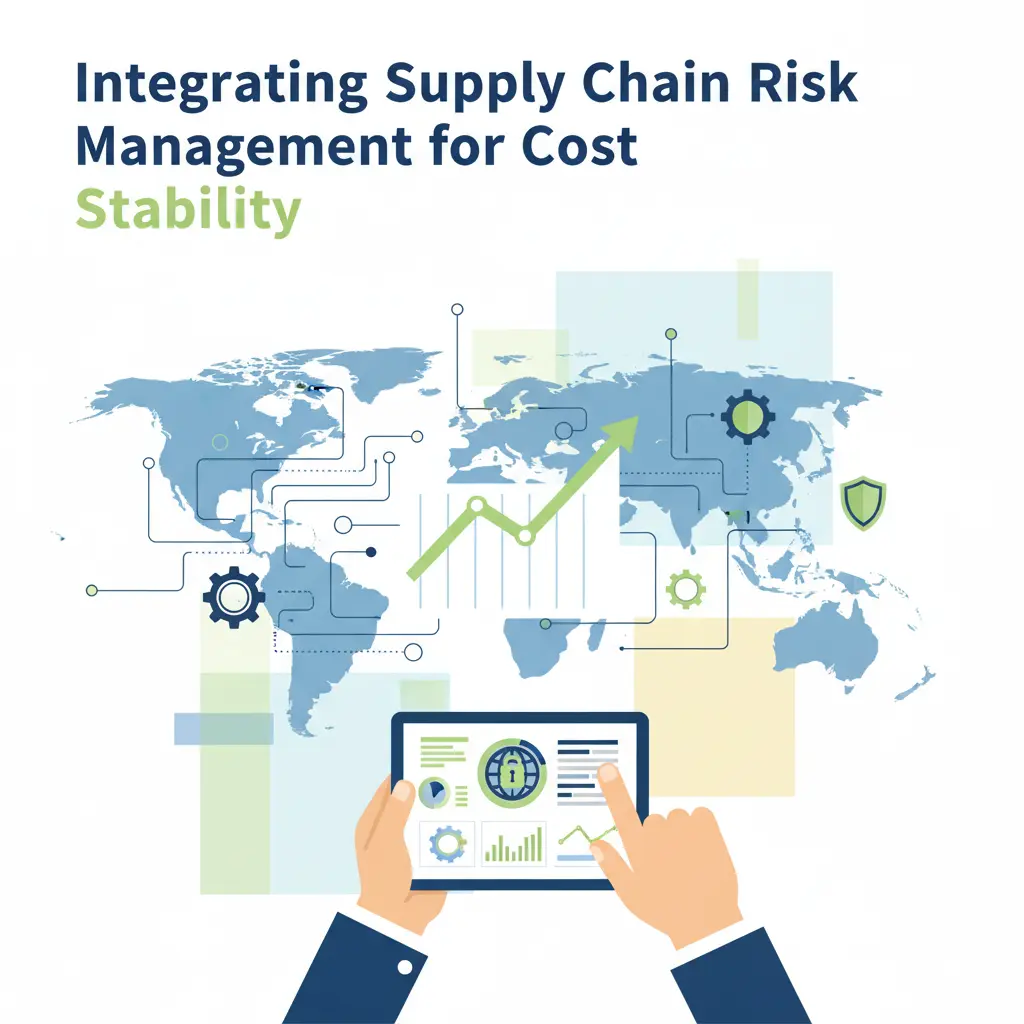
In today’s volatile global economy, businesses face an array of uncertainties, from geopolitical shifts and natural disasters to trade wars and pandemics. These unpredictable events can severely disrupt supply chains, leading to soaring costs, production delays, and ultimately, impacting profitability. Integrating Global Supply Chain Cost Optimization Strategies through robust risk management is no longer a luxury but a necessity for maintaining cost stability. Proactive supply chain risk management (SCRM) provides a framework to identify, assess, mitigate, and monitor potential risks, transforming potential liabilities into opportunities for resilience and competitive advantage. By understanding and addressing vulnerabilities before they escalate, companies can safeguard their financial health and ensure uninterrupted operations.
1. Quantifying the Hidden Costs of Supply Chain Risks
The immediate cost of a supply chain disruption – such as an increase in International Freight Cost Analysis due to rerouting or expedited shipping – often pales in comparison to the hidden, indirect expenses that accumulate over time. These include lost sales from stockouts, damaged brand reputation, contract penalties, increased inventory holding costs (as a compensatory measure), and even the cost of obsolescence for products stuck in transit or at customs. Crucially, an accurate Total Landed Cost Calculation must extend beyond raw material and transport expenses to encompass potential risk-related costs. For instance, unforeseen tariffs or complex customs procedures can significantly inflate Import Duty and Tax Minimization efforts, turning planned savings into unexpected expenditures. By understanding the full financial impact of potential disruptions, businesses can justify investment in Supply Chain Risk Management Costs, viewing them not as an overhead but as a critical investment that yields long-term cost savings and operational stability. Ignoring these hidden costs can lead to a false sense of security regarding supply chain efficiency, only for businesses to be caught off guard by the true financial repercussions of an unmanaged risk event.
2. Building Resilience: Diversification and Contingency Planning
A cornerstone of effective supply chain risk management is building inherent resilience. This involves strategically diversifying sourcing channels, manufacturing locations, and logistics partners to avoid over-reliance on a single point of failure. Geographical diversification, for instance, can mitigate risks associated with regional political instability, natural disasters, or labor strikes. Beyond diversification, robust contingency planning is paramount. This includes developing clear, actionable plans for various disruption scenarios: identifying alternative suppliers, establishing backup transportation routes, and creating buffer stock strategies for critical components or finished goods. These plans should be regularly reviewed, tested, and updated to remain relevant in a dynamic global environment. While maintaining buffer stock or investing in alternative supplier relationships might appear to increase immediate operational costs, these are essentially insurance policies against potentially catastrophic disruptions. The ability to pivot swiftly in the face of unexpected events ensures continuity of supply, protects revenue streams, and ultimately, stabilizes overall supply chain costs. Companies that embed these resilience strategies into their operational blueprint are better equipped to navigate market volatility and maintain a competitive edge.
3. Technology’s Role in Risk Monitoring and Predictive Analysis
In the quest for proactive risk management, technology serves as an indispensable ally. Advanced analytics, Artificial Intelligence (AI), and Machine Learning (ML) can sift through vast amounts of data to identify emerging risks, predict potential disruptions, and recommend mitigation strategies before they impact operations. Real-time visibility platforms, powered by IoT sensors and cloud computing, provide end-to-end transparency across the supply chain, allowing businesses to monitor shipments, inventory levels, and production schedules instantaneously. This level of insight enables rapid response to unfolding events, minimizing their financial impact. For example, AI-driven predictive analytics can forecast demand fluctuations or potential supplier failures, allowing companies to adjust inventory or reallocate resources proactively. Blockchain technology offers unprecedented transparency and traceability, verifying the origin and movement of goods, thereby reducing risks associated with counterfeit products or ethical sourcing concerns. Furthermore, sophisticated risk intelligence platforms aggregate data from global news, weather patterns, and economic indicators to provide early warnings of potential disruptions. Embracing these technological solutions not only enhances a company’s ability to monitor and respond to risks but also provides the data-driven insights necessary for continuous improvement in building supply chain resilience strategies, ensuring long-term cost stability and operational efficiency.
Integrating comprehensive supply chain risk management is not merely about reacting to crises; it is about building a proactive, resilient framework that inherently supports Global Supply Chain Cost Optimization Strategies. By quantifying hidden costs, fostering diversification and contingency planning, and leveraging cutting-edge technology for predictive analysis, businesses can transform an unpredictable global environment into a predictable operational landscape. This strategic approach ensures continuity, minimizes financial losses from supply chain disruptions, and ultimately secures long-term profitability and market leadership.
Partner with Vietnam’s Leading Suppliers
Looking for reliable suppliers in Vietnam? Contact VietnamSuppliers.com today to connect with verified manufacturers and exporters across all industries.
—————————————
References
– The future of supply chains: A new era of resilience and efficiency: https://www.mckinsey.com/industries/operations/our-insights/the-future-of-supply-chains-a-new-era-of-resilience-and-efficiency
– World Bank Group: Trade & Logistics: https://www.worldbank.org/en/topic/trade/brief/trade-logistics
– Incoterms® rules: https://iccwbo.org/resources-for-business/incoterms-rules/
– WTO Agreement on Customs Valuation: https://www.wto.org/english/tratop_e/cusval_e/cusval_e.htm
– building supply chain resilience strategies: https://www.mckinsey.com/capabilities/operations/our-insights/building-supply-chain-resilience-lessons-from-covid-19