
The Rise of Vietnam in Global Supply Chains
Vietnam has rapidly emerged as a formidable player in the global manufacturing landscape, transforming from an agrarian economy into a dynamic manufacturing and export powerhouse. This meteoric rise has positioned the country as an indispensable link in international trade, prompting businesses worldwide to increasingly prioritize Vietnam Sourcing strategies to diversify and strengthen their supply chains. Its ascent is driven by a confluence of strategic advantages, favorable policies, and a resilient economic framework that continues to attract significant foreign investment.

1. Strategic Location & Trade Agreements
Vietnam’s geographical position is a cornerstone of its success. Located at the crossroads of major shipping routes in Southeast Asia, it offers unparalleled access to key regional and international markets, including China, Japan, and the ASEAN bloc. This strategic advantage significantly reduces logistics costs and transit times, making it an attractive hub for export-oriented production.
Beyond geography, Vietnam has proactively cultivated an extensive network of Free Trade Agreements (FTAs) that underpin its integration into the global economy. Landmark agreements such as the Comprehensive and Progressive Agreement for Trans-Pacific Partnership (CPTPP), the EU-Vietnam Free Trade Agreement (EVFTA), and the Regional Comprehensive Economic Partnership (RCEP) provide preferential market access and significantly reduce tariffs for a wide array of products. These agreements have been pivotal in shaping positive Vietnam export trends 2024, driving strong growth in sectors like electronics, textiles, footwear, and furniture. For businesses seeking to offer competitive Wholesale products Vietnam, these trade pacts offer a crucial competitive edge by enabling tariff-free or reduced-tariff access to major consumer markets.
2. Favorable Economic Policies & Investment Climate
The Vietnamese government has played a crucial role in fostering an attractive environment for foreign direct investment (FDI). Its commitment to economic reform and pro-business policies is evident through various initiatives, including generous tax incentives, simplified administrative procedures, and robust intellectual property protection. These measures significantly reduce the barriers to entry for international companies looking to establish or expand manufacturing operations.
Furthermore, continuous investment in infrastructure development has dramatically enhanced Vietnam’s industrial capabilities. Modern seaports like Cai Mep-Thi Vai, an expanding network of highways, and the development of specialized industrial parks equipped with world-class facilities provide the necessary backbone for efficient manufacturing and logistics. Coupled with a young, educated, and cost-competitive labor force, these factors create a compelling proposition for global manufacturers. Navigating this dynamic landscape often requires local expertise, making the services of a Sourcing agent Vietnam invaluable for companies aiming to identify reliable partners and access a comprehensive Vietnam manufacturers directory.
3. Diversification from Other Asian Hubs
A significant driver of Vietnam’s growth in recent years has been the global adoption of the “China Plus One” strategy. As companies seek to mitigate risks associated with over-reliance on a single manufacturing base, particularly in the wake of geopolitical tensions, trade disputes, and supply chain disruptions exacerbated by recent global events, Vietnam has emerged as the preferred alternative. Its political stability, consistent economic growth, and increasingly sophisticated manufacturing capabilities offer a compelling option for supply chain diversification.
Many international corporations are relocating or expanding their production facilities to Vietnam, attracted by its ability to produce a broad spectrum of goods, from high-tech electronics and automotive components to apparel, footwear, and agricultural products. This diversification strategy helps businesses build more resilient supply chains while tapping into Vietnam’s growing capacity for quality production. The breadth of industries thriving in Vietnam further solidifies its position as a go-to destination for businesses seeking a diverse range of Wholesale products Vietnam can offer, ensuring continuity and flexibility in their sourcing strategies.
In conclusion, Vietnam’s rise in global supply chains is a testament to its strategic foresight, economic resilience, and adaptability. With its strategic location, extensive trade agreements, supportive government policies, and an attractive investment climate, Vietnam is not just an alternative but a primary choice for businesses focusing on robust and competitive Vietnam Sourcing. Its trajectory suggests an even more prominent role in shaping the future of international trade and manufacturing.
Finding Reliable Vietnam Manufacturers
Navigating the vibrant manufacturing landscape of Vietnam offers immense opportunities for businesses seeking diverse, cost-effective, and high-quality production. From textiles to electronics, furniture to agricultural products, Vietnam has solidified its position as a global manufacturing hub. Successfully engaging with Vietnamese suppliers, however, requires a strategic approach to locating, thoroughly vetting, and cultivating strong relationships with reputable manufacturers. This comprehensive guide provides actionable insights for effective Vietnam Sourcing, helping you unlock the potential of this dynamic market.
1. Leveraging Vietnam Manufacturers Directories
One of the most efficient starting points for identifying potential partners is through specialized Vietnam manufacturers directories. These platforms serve as invaluable databases, categorizing manufacturers by industry, product type, production capacity, and even certifications. Utilizing a robust Vietnam Sourcing strategy often begins here. Directories can significantly narrow down your search, presenting a curated list of companies that match your specific requirements. Look for directories that offer detailed company profiles, including their history, product range, minimum order quantities (MOQ), and export experience. Some directories also feature user reviews or ratings, which can provide preliminary insights into a manufacturer’s reliability and customer service. While these directories offer a broad overview, they are best used as an initial screening tool. They can help you compile a shortlist of potential suppliers, but subsequent, more in-depth due diligence is always essential before committing to a partnership. Always cross-reference information found in directories with other sources to ensure accuracy and current operational status.
2. Trade Shows & B2B Platforms for Connection
Beyond digital directories, physical trade shows and online Business-to-Business (B2B) platforms offer exceptional avenues for connecting directly with Vietnamese manufacturers. Trade shows held within Vietnam, such as Vietnam Expo, VIFA-EXPO (furniture), or SaigonTex (textiles), provide a unique opportunity to meet manufacturers face-to-face, inspect product samples, discuss capabilities, and assess their professionalism firsthand. Engaging in direct conversations allows for a deeper understanding of their production processes, quality control measures, and willingness to customize. If on-the-ground visits aren’t feasible, global B2B platforms like Alibaba, Global Sources, or regionally focused platforms can also connect you with suppliers offering wholesale products Vietnam. When using these platforms, pay close attention to supplier verification badges, transaction history, and detailed product listings. Additionally, considering a Sourcing agent Vietnam can be highly beneficial. These agents possess local knowledge, language skills, and established networks, allowing them to attend trade shows on your behalf, conduct initial factory visits, and negotiate more effectively, streamlining your sourcing process significantly.
3. Due Diligence & Vetting Process for Partners
Once you’ve identified potential manufacturers, a rigorous due diligence and vetting process is paramount to mitigate risks and ensure a successful partnership. This stage goes beyond initial contact and delves into the operational integrity and reliability of the supplier. Key steps include requesting detailed company registration documents, business licenses, and certifications (e.g., ISO, BSCI, SA8000), which attest to their quality management and ethical practices. Conduct factory audits, either in person or through a trusted third-party inspection service, to assess production capabilities, machinery, working conditions, and adherence to quality standards. Requesting samples of their work is crucial to evaluate product quality firsthand. Furthermore, checking references from other international clients can provide valuable insights into their past performance and reliability. Staying informed about broader economic factors, such as Vietnam export trends 2024, can also give you context on the market’s stability and a manufacturer’s potential for growth or challenges. A thorough vetting process establishes trust, ensures compliance with your standards, and lays the groundwork for a long-term, mutually beneficial relationship.
Working with a Sourcing Agent in Vietnam
As Vietnam continues to solidify its position as a global manufacturing hub, businesses worldwide are increasingly looking to source products from its diverse and rapidly expanding industrial base. Navigating a foreign market, however, can present significant challenges, from language barriers and cultural nuances to intricate logistics and quality control issues. This is where partnering with a local sourcing agent becomes invaluable. A reputable Vietnam Sourcing agent acts as your eyes and ears on the ground, streamlining the entire procurement process and ensuring your investment is well-protected.
1. Why Use a Sourcing Agent Vietnam?
The primary benefit of utilizing a Sourcing agent Vietnam is their profound local market knowledge. They possess an intimate understanding of the manufacturing landscape, supplier capabilities, and pricing structures that are often inaccessible to foreign buyers. This insight allows them to efficiently identify reliable Wholesale products Vietnam suppliers, negotiate better terms, and prevent common pitfalls.
Moreover, agents bridge critical communication gaps. They are fluent in Vietnamese and English, facilitating clear and accurate exchanges between you and potential manufacturers, thereby minimizing misunderstandings and ensuring specifications are met precisely. Quality control is another crucial area where an agent excels. They can conduct on-site factory audits, monitor production progress, and perform pre-shipment inspections, significantly reducing the risk of receiving substandard goods. Beyond quality, a good agent manages the complexities of logistics, from coordinating freight and customs clearance to ensuring timely delivery, allowing you to focus on your core business operations while they handle the intricacies of Vietnam’s supply chain.
2. What to Look for in a Reputable Agent
Selecting the right sourcing agent is paramount to your success. Start by evaluating their experience and specialization. An agent with a proven track record in your specific industry will have an established network of trusted manufacturers and a deeper understanding of relevant product standards and materials. Transparency and communication skills are non-negotiable; your agent should provide regular, detailed updates and operate with complete honesty regarding supplier dealings, costs, and potential challenges. Look for agents who offer clear service agreements outlining their scope of work, fees, and performance metrics.
A reputable agent should also have a strong network and the ability to provide access to a comprehensive Vietnam manufacturers directory. Ask for references and scrutinize their client testimonials. Ethical practices are also key; ensure they adhere to fair labor standards and environmental regulations, aligning with your company’s values. Finally, consider their understanding of current economic trends and their ability to leverage these for your benefit. For instance, staying abreast of Vietnam export trends 2024 can inform strategic sourcing decisions and help predict market shifts.

3. Managing the Relationship & Expectations Effectively
A successful partnership with your sourcing agent hinges on effective relationship management and clear expectation setting. Before commencing, define a detailed scope of work that clearly outlines responsibilities, deliverables, and timelines. Establish a communication protocol, including preferred methods (email, calls, video conferences) and frequency of updates. Regular communication ensures both parties are aligned and any issues can be addressed promptly.
It’s vital to provide your agent with comprehensive product specifications, quality standards, and any compliance requirements upfront. The more information they have, the better they can execute on your behalf. Implement a system for tracking progress and performance, such as shared documents or project management tools. Be prepared for occasional setbacks, as is common in any international trade, and maintain open dialogue to resolve them collaboratively. Transparent payment terms and a clear understanding of commission structures or flat fees will prevent disputes. By fostering a collaborative and trusting relationship, you empower your agent to be a true extension of your business, leading to more efficient sourcing, higher quality products, and ultimately, greater success in the Vietnamese market.
Key Vietnam Export Trends 2024 & Beyond
Vietnam continues to solidify its position as a global manufacturing hub and a crucial player in international trade. As businesses worldwide increasingly look for resilient and cost-effective supply chains, understanding the evolving Vietnam export trends 2024 and beyond is paramount. This analysis delves into the current and emerging export landscape, highlighting promising product categories and shifts in market demand for the coming years, crucial information for anyone engaged in Vietnam Sourcing.
1. Emerging Product Categories
Vietnam’s export portfolio is diversifying and moving up the value chain, presenting new opportunities for buyers and investors. While traditional sectors remain strong, several categories are showing accelerated growth:
- Electronics and Components: This sector continues to be a powerhouse, with Vietnam becoming a major hub for smartphone, computer, and electronic component manufacturing. Multinational tech giants have significant operations, driving sophisticated production capabilities. The focus is increasingly shifting towards higher-value components, R&D, and smart device manufacturing. If you’re looking for advanced electronic wholesale products Vietnam offers a robust supply chain.
- Textiles and Apparel: While a long-standing strength, the textile industry is transforming. There’s a growing emphasis on high-quality, fashion-forward designs, and specialized technical textiles. Vietnamese manufacturers are also increasingly integrating sustainable materials and production processes to meet global demand.
- Furniture: Vietnam has emerged as a leading furniture exporter, known for its craftsmanship and competitive pricing. Beyond traditional wooden furniture, there’s a surge in demand for modern, smart, and eco-friendly furniture designs. Buyers can find an extensive Vietnam manufacturers directory dedicated to high-quality furniture.
- Agri-food & Processed Foods: Leveraging its rich agricultural base, Vietnam is expanding its exports of processed agricultural products, seafood, and specialty foods. Value-added processing ensures higher quality, longer shelf life, and compliance with international food safety standards.
2. Sustainability & Ethical Sourcing Demand
The global shift towards ethical consumption and environmental responsibility is profoundly impacting export markets. Buyers are no longer solely focused on price and quality; sustainability, fair labor practices, and supply chain transparency are now critical decision factors. Vietnam’s export sector is responding proactively:
- Green Manufacturing: Many Vietnamese factories are investing in energy-efficient technologies, renewable energy sources, and waste reduction programs. This commitment to ‘green’ production enhances their appeal to international buyers with stringent environmental policies.
- Certifications & Standards: There’s a rising trend for Vietnamese exporters to obtain international certifications such as LEED, SA8000 (social accountability), Fair Trade, and various organic standards. These certifications provide verifiable proof of sustainable and ethical practices.
- Supply Chain Traceability: Demand for full traceability from raw material to finished product is increasing. Exporters are implementing robust systems to track their goods, ensuring compliance with ethical sourcing guidelines. Engaging a knowledgeable Sourcing agent Vietnam can be invaluable in identifying and vetting suppliers who meet these demanding sustainability criteria.
3. Digitalization of Export Processes & E-commerce Growth
The digital transformation is streamlining Vietnam’s export ecosystem, making it more efficient and accessible for businesses of all sizes:
- B2B E-commerce Platforms: The rise of dedicated business-to-business (B2B) e-commerce platforms is enabling Vietnamese exporters to connect directly with global buyers, bypassing traditional intermediaries. This provides greater market reach and reduces transaction costs.
- Automated Customs & Logistics: Vietnam is continuously improving its digital infrastructure for trade, including electronic customs clearance, online permit applications, and integrated logistics platforms. This significantly speeds up the export process and reduces bureaucratic hurdles.
- Data Analytics & AI in Supply Chain: Exporters are increasingly leveraging data analytics and artificial intelligence to optimize inventory management, forecast demand, and enhance logistics efficiency. This adoption of advanced technology improves reliability and responsiveness for international buyers. This digital push is a key component of current Vietnam export trends 2024, promising more seamless trade.
In conclusion, Vietnam’s export landscape is dynamic, characterized by diversification, a strong commitment to sustainability, and rapid digitalization. For businesses looking to optimize their Vietnam Sourcing strategies, understanding these trends is crucial for forging successful and resilient partnerships in the years ahead.
Maximizing Wholesale Opportunities from Vietnam
Strategies for businesses looking to efficiently purchase wholesale products from Vietnam, covering product selection, negotiation, and logistics.
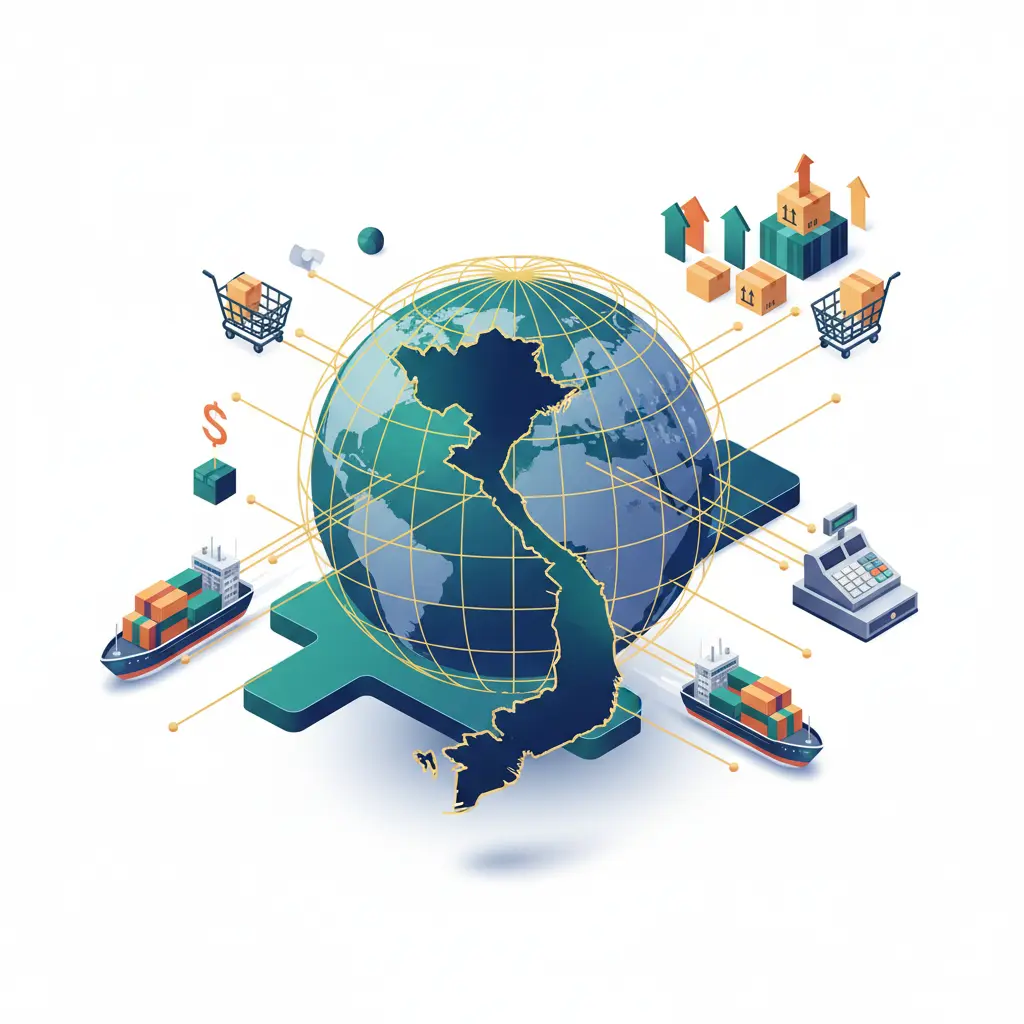
Vietnam has rapidly emerged as a global manufacturing powerhouse, offering diverse wholesale products for businesses worldwide. Its strategic location, competitive labor costs, increasingly sophisticated supply chains, and favorable trade agreements (like the CPTPP and EVFTA) make it an attractive destination for companies seeking to diversify their sourcing strategies. Navigating this dynamic market requires a clear understanding of product selection, effective negotiation tactics, and robust logistics planning. This comprehensive guide provides essential strategies to help businesses efficiently purchase wholesale products from Vietnam, unlocking significant opportunities for growth and profitability in an ever-evolving global market.
1. Popular Wholesale Products Vietnam Offers
Vietnam’s manufacturing capabilities span a broad spectrum, making Vietnam Sourcing highly versatile. The country is renowned for textiles and apparel (including sportswear), footwear, furniture (indoor and outdoor), diverse agricultural products (coffee, rice, cashews), electronics components, and intricate handicrafts. Recent Vietnam export trends 2024 demonstrate sustained growth, particularly in high-value manufacturing and processed exports, signaling a move up the value chain. When considering popular wholesale products Vietnam offers, businesses should conduct thorough market research to identify high-demand sectors with stable supply and competitive pricing. Engaging a reputable Sourcing agent Vietnam can be invaluable here; they possess deep local market intelligence and can help navigate the vast Vietnam manufacturers directory. Such agents assist in vetting suppliers for specific product categories, ensuring adherence to quality standards and international compliance, thereby minimizing risks. Focus on products where Vietnam has a clear competitive advantage and a well-established infrastructure for optimal efficiency.
2. Negotiating Prices & Minimum Order Quantities (MOQs)
Successful wholesale purchasing from Vietnam heavily relies on effective negotiation, significantly impacting your bottom line. When approaching potential suppliers, understand that quoted prices are often flexible, especially for larger orders or long-term commitments. Conduct comprehensive research on typical market prices for your desired products to establish a strong baseline. Be prepared to discuss not only unit price but also critical elements like payment terms, lead times, packaging, and stringent quality control standards. Many Vietnamese manufacturers operate with Minimum Order Quantities (MOQs) to ensure production efficiency. While MOQs can sometimes be a barrier, they are often negotiable. Express your long-term interest and potential for repeat orders; this frequently persuades suppliers to lower initial MOQs. Building a strong, transparent relationship with your supplier is paramount. Clear communication about your needs and expectations fosters trust and can lead to more favorable terms. Utilizing a local sourcing agent can significantly enhance your negotiation leverage, as they understand cultural nuances and established trade practices, ensuring you secure the best possible deal. For broader economic insights, consider authoritative sources like the World Bank’s overview of Vietnam’s economy, which provides data on trade and manufacturing.
3. Logistics, Shipping & Customs Considerations
Efficient logistics are paramount to maximizing wholesale opportunities from Vietnam and ensuring a smooth supply chain. Businesses must carefully plan shipping methods, considering cost-effectiveness, transit speed, and product characteristics. Air freight is faster but more expensive, suitable for high-value or time-sensitive goods. Sea freight offers a significantly more cost-effective solution for bulkier, less urgent shipments, albeit with longer transit times. Understanding Incoterms (International Commercial Terms) is vital, as these rules define responsibilities for shipping costs, insurance, and risk transfer between buyer and seller. Popular Incoterms include FOB (Free On Board) and CIF (Cost, Insurance, and Freight).
Customs procedures can be complex, involving tariffs, duties, and extensive documentation. It’s crucial to be aware of both Vietnam’s export regulations and your destination country’s import laws. Partnering with experienced freight forwarders specializing in shipping from Vietnam can dramatically streamline this process. They expertly handle customs clearance, manage necessary documentation (bills of lading, commercial invoices, packing lists, certificates of origin), and ensure full compliance, minimizing potential delays and unexpected costs. Additionally, research and confirm any product-specific certifications, quality standards, or labeling requirements in your target market. Proactive planning and professional assistance in logistics will ensure your wholesale products from Vietnam reach their destination efficiently and without unnecessary hurdles, solidifying your competitive edge.
Partner with Vietnam’s Leading Suppliers
Looking for reliable suppliers in Vietnam? Contact VietnamSuppliers.com today to connect with verified manufacturers and exporters across all industries.
—————————————
References
– World Bank Vietnam Economic Update April 2024: https://www.worldbank.org/en/country/vietnam/publication/vietnam-economic-update-april-2024
– World Bank’s Vietnam Overview: https://www.worldbank.org/en/country/vietnam/overview
– Vietnam’s exports rise in Jan, GDP expands in Q4: https://www.reuters.com/markets/asia/vietnams-january-exports-rise-gdp-expands-q4-2024-01-29/
– Vietnam Economic Update: https://www.worldbank.org/en/news/press-release/2023/12/12/vietnam-economic-update-december-2023-renewing-momentum-for-sustainable-growth
– World Bank’s overview of Vietnam’s economy: https://www.worldbank.org/en/country/vietnam/overview

