The Rise of Vietnam Manufacturing: A Global Hub
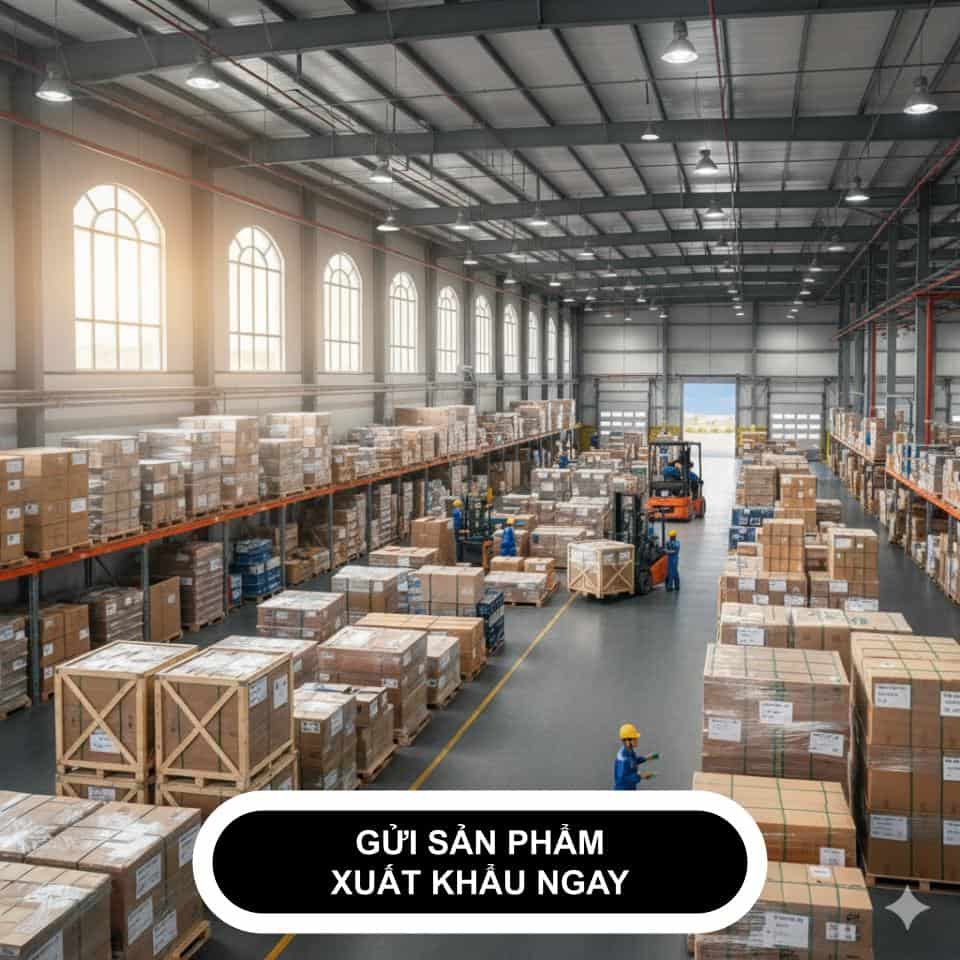
In recent decades, Vietnam has transformed from a primarily agrarian economy into a dynamic global manufacturing powerhouse, attracting significant international attention and investment. This remarkable evolution positions Vietnam as a pivotal player in the global supply chain, offering a compelling alternative to traditional manufacturing hubs. The country’s strategic location, attractive Vietnam manufacturing costs, and a proactive government have collectively fueled its ascent, making Vietnam Manufacturing a cornerstone of its economic success and a critical consideration for businesses worldwide.

1. Historical growth and current market position
Vietnam’s manufacturing journey began in earnest during the late 1980s and early 1990s with the implementation of the Doi Moi (Renovation) economic reforms. These reforms opened the economy to international trade and investment, laying the groundwork for industrialization. Initially, growth was concentrated in labor-intensive sectors like textiles, apparel, and footwear, leveraging the country’s abundant and cost-effective workforce. Over the past two decades, this growth has accelerated dramatically. Today, Vietnam holds a prominent position in the global manufacturing landscape, with its economic transformation documented extensively by international bodies like the World Bank.
Currently, Vietnam is a major exporter of electronics, machinery, furniture, and processed foods, in addition to its traditional strengths. Global brands increasingly rely on Vietnam contract manufacturing for diverse products, from smartphones and computer components to sportswear and luxury goods. This shift is not merely about production volume but also about moving up the value chain, embracing more sophisticated manufacturing processes and technologies. The country’s export-oriented manufacturing sector has made it a crucial node for companies seeking diversified supply chains and resilient production capabilities.
2. Government initiatives and foreign investment appeal
A significant driver of Vietnam’s manufacturing boom has been the government’s unwavering commitment to fostering a favorable business environment for foreign direct investment (FDI). Through a series of strategic initiatives, Vietnam has actively sought to attract international companies. These include attractive tax incentives, simplified investment procedures, and the establishment of numerous industrial parks and special economic zones that offer ready infrastructure and logistical advantages. The government has also proactively pursued free trade agreements (FTAs) with major economies, such as the Comprehensive and Progressive Agreement for Trans-Pacific Partnership (CPTPP), the EU-Vietnam Free Trade Agreement (EVFTA), and the Regional Comprehensive Economic Partnership (RCEP). These agreements provide preferential market access, significantly boosting Vietnam’s appeal as an export base.
The consistent inflow of FDI is a testament to the country’s appeal. Multinationals are drawn by Vietnam’s political stability, its young and increasingly skilled workforce, and its strategic location within Southeast Asia, offering easy access to key markets. These factors, combined with competitive Vietnam manufacturing costs compared to some regional peers, make it an irresistible destination. For businesses looking to expand their global footprint, working with experienced Vietnam sourcing agents can streamline the process of identifying reliable partners and navigating the local business landscape. To find Vietnam suppliers who meet specific production needs, companies often leverage these local experts and platforms.
3. Diversification of manufacturing sectors
While textiles and footwear laid the foundation, the current landscape of Vietnam Manufacturing showcases impressive diversification. The country has successfully transitioned into higher-value and technology-intensive sectors. Electronics manufacturing, spearheaded by giants like Samsung and LG, has become a cornerstone of the economy, producing everything from complex circuit boards to complete consumer electronics. Automotive assembly, machinery production, and advanced plastics are also rapidly growing sectors, reflecting an increasing sophistication in manufacturing capabilities.
This diversification is supported by continuous investments in infrastructure, vocational training, and technology adoption. The government’s ‘Industry 4.0’ strategy aims to propel Vietnam further into advanced manufacturing, smart factories, and digital transformation. This strategic shift not only reduces reliance on a few key industries but also enhances the country’s resilience to global economic fluctuations. Companies exploring opportunities in this evolving market will find a robust and expanding ecosystem capable of supporting diverse production requirements, from precision engineering to mass consumer goods.
In conclusion, Vietnam’s trajectory as a global manufacturing hub is underpinned by its adaptive economic policies, strategic trade agreements, and a committed workforce. As global supply chains continue to reconfigure, Vietnam’s role is set to become even more critical, cementing its reputation as a reliable and dynamic destination for manufacturing investment and production. Its ability to offer competitive Vietnam manufacturing costs while upgrading its industrial capabilities ensures its continued prominence on the world stage.
Understanding Vietnam Contract Manufacturing Opportunities
In recent years, Vietnam has emerged as a powerhouse in the global supply chain, drawing significant attention from companies looking to diversify their manufacturing bases. The appeal of Vietnam Manufacturing is multifaceted, driven by a strategic location, a young and increasingly skilled workforce, and a supportive government. This section will delve into the specifics of Vietnam contract manufacturing, covering its compelling advantages, inherent challenges, and identifying the ideal industries for outsourcing production to this dynamic Southeast Asian nation. For businesses seeking to optimize their supply chains and reduce Vietnam manufacturing costs, understanding these nuances is crucial for successful engagement.
1. Benefits of outsourcing to Vietnam
The decision to outsource production to Vietnam is often driven by a compelling list of economic and strategic advantages. Foremost among these is cost-effectiveness. While labor costs have seen a gradual increase, they generally remain significantly lower than in traditional manufacturing hubs, offering substantial savings on operational expenses. This advantage extends beyond labor to include lower energy prices and land lease rates. Vietnam’s strategic geographic location at the heart of Southeast Asia provides excellent access to major shipping routes and key Asian markets, reducing logistics costs and transit times. The country benefits from a robust network of free trade agreements (FTAs), including the CPTPP, EVFTA, and RCEP, which provide preferential access to numerous global markets, reducing tariffs and streamlining customs procedures. Furthermore, the Vietnamese government actively promotes foreign investment, fostering a stable and growth-oriented business environment. Infrastructure continues to develop rapidly, with ongoing investments in ports, roads, and industrial parks further enhancing manufacturing capabilities. These benefits present a powerful case for leveraging competitive Vietnam manufacturing costs and expanding into Vietnam.
2. Key industries for contract manufacturing
Vietnam’s manufacturing landscape is diverse, with several sectors particularly well-suited for contract manufacturing. The electronics industry stands out, with Vietnam becoming a crucial hub for the production of smartphones, computers, and various electronic components. Giants like Samsung and Intel have significant operations here, attracting a robust ecosystem of suppliers and skilled labor. The textile and apparel sector has a long-standing history in Vietnam, leveraging its skilled workforce for everything from intricate garment production to footwear. Global brands often find Vietnam suppliers for high-quality, cost-effective production in this domain. Similarly, furniture manufacturing is thriving, capitalizing on local raw materials and skilled craftsmanship. The automotive components industry is also growing, supported by increasing domestic demand and foreign investment. Beyond these, sectors like plastic and rubber products, food processing, and medical devices are witnessing significant expansion, driven by improved technologies and an increasingly sophisticated workforce. When looking to find Vietnam suppliers, businesses should identify a Vietnam sourcing agent with specific industry expertise to navigate this diverse market effectively.
3. Navigating quality control and intellectual property
While the opportunities in Vietnam contract manufacturing are abundant, navigating potential pitfalls related to quality control and intellectual property (IP) is paramount for long-term success. Quality control requires a proactive and meticulous approach. This begins with establishing clear, measurable specifications and quality standards in your contracts. Regular factory audits, conducted either by internal teams or reputable third-party inspection services, are essential to ensure adherence throughout the production process. Implementing a robust communication strategy with your manufacturer and potentially engaging a Vietnam sourcing agent on the ground can help bridge cultural and operational gaps, ensuring that quality issues are identified and resolved promptly. When it comes to intellectual property protection, Vietnam has strengthened its legal framework, aligning with international standards. However, vigilance is still necessary. Companies should register their patents, trademarks, and copyrights in Vietnam, and ensure these are explicitly addressed in all manufacturing contracts with strong confidentiality clauses and non-disclosure agreements. Thorough due diligence on potential manufacturing partners, including checking their reputation and track record, is crucial. Consulting with local legal experts and experienced Vietnam sourcing agents provides invaluable support, safeguarding investments and innovations in this burgeoning market. According to the World Bank: Vietnam Overview, Vietnam’s ongoing economic reforms and integration into the global economy continue to enhance its business environment, making it increasingly attractive but still requiring careful navigation of local practices and regulations to ensure successful manufacturing partnerships.
In conclusion, Vietnam offers a compelling proposition for contract manufacturing, blending cost advantages with strategic access and a developing industrial base. By understanding the specific benefits, identifying suitable industries, and diligently addressing challenges related to quality control and intellectual property, businesses can successfully leverage Vietnam’s potential to enhance their global competitiveness and build resilient supply chains. Engaging with experienced partners and understanding the local landscape are key to unlocking these vast opportunities.
Navigating Manufacturing Costs & Economic Factors in Vietnam
Vietnam has solidified its position as a global manufacturing powerhouse, attracting significant foreign direct investment (FDI) due to its strategic location, skilled workforce, and pro-business environment. However, understanding the intricate landscape of manufacturing costs and the broader economic factors is crucial for businesses looking to optimize their operations in the country. This section provides an in-depth analysis of the cost structure, encompassing labor, raw materials, and logistics, alongside an economic outlook for 2025, offering valuable insights for anyone engaged in Vietnam Manufacturing.

1. Comparative labor costs vs. regional competitors
Labor costs remain a cornerstone of Vietnam’s competitive edge in manufacturing. While wages have seen a gradual increase, reflecting the country’s economic development and rising living standards, they generally remain significantly lower than in established manufacturing hubs like China and even more competitive than in regional peers such as Thailand and Malaysia. For businesses evaluating Vietnam manufacturing costs, this differential can translate into substantial savings, particularly for labor-intensive industries. Furthermore, Vietnam boasts a young, adaptable, and increasingly skilled workforce, eager to embrace new technologies and production methods. Government initiatives focusing on vocational training and skill development are continuously improving labor productivity, offsetting some of the wage increases. This combination of competitive wages and a productive workforce positions Vietnam as an attractive destination for companies seeking cost-effective production without compromising on quality or efficiency.
2. Raw material sourcing and supply chain resilience
The cost and availability of raw materials are critical components of the total manufacturing cost in Vietnam. Traditionally, Vietnam has relied heavily on imported raw materials, particularly from China, South Korea, and other ASEAN countries, for sectors like electronics, textiles, and plastics. This reliance can expose manufacturers to global commodity price fluctuations and supply chain disruptions. However, there’s a growing national push towards localizing raw material supply chains to enhance resilience and reduce lead times. Businesses looking to Find Vietnam suppliers for raw materials are increasingly finding domestic options, particularly in agricultural products, basic chemicals, and certain industrial components. The development of industrial clusters also fosters local backward linkages. Diversifying sourcing strategies and engaging with experienced Vietnam sourcing agents can mitigate risks, ensuring a stable and cost-effective supply, which is paramount for maintaining competitive pricing and production schedules.
3. Logistics and infrastructure impact on costs
Efficient logistics and robust infrastructure are vital for managing manufacturing costs, impacting everything from raw material inbound to finished goods outbound. Vietnam has made significant strides in upgrading its infrastructure, with substantial investments in new highways, deep-sea ports (e.g., Cai Mep-Thi Vai, Lach Huyen), and expanded airports. These improvements have dramatically reduced transit times and freight costs for inter-regional and international shipments. However, challenges persist, particularly concerning last-mile delivery, congestion in urban areas, and the need for further integration of different transport modes. For businesses involved in Vietnam contract manufacturing, understanding and optimizing their logistics strategy is key. Leveraging Vietnam’s extensive coastline and river networks can offer cost-effective alternatives to road transport for bulk goods. Continued government investment, alongside the emergence of advanced logistics services providers, is expected to further enhance efficiency and reduce logistics-related costs, bolstering Vietnam’s appeal as a manufacturing hub.
Looking ahead to 2025, Vietnam’s economic outlook remains largely positive and resilient. The International Monetary Fund (IMF) and World Bank project robust GDP growth, driven by strong export performance, continued foreign direct investment, and a burgeoning domestic consumer market. The government’s commitment to economic reforms, trade liberalization through various Free Trade Agreements (FTAs) like the EVFTA and CPTPP, and a stable political environment are significant draws for foreign investors. While global economic slowdowns, inflationary pressures, and energy price volatility present potential headwinds, Vietnam’s diversified economy and proactive policy responses are expected to cushion these impacts. The manufacturing sector, a primary engine of growth, is poised for continued expansion, benefiting from ongoing shifts in global supply chains (“China+1” strategy) and increasing demand for high-tech products. This sustained growth trajectory, coupled with a focus on improving the business environment, reinforces Vietnam’s position as a dynamic and attractive destination for long-term manufacturing investments. World Bank on Vietnam’s Economy
Finding & Partnering with Vietnam Suppliers & Sourcing Agents
Vietnam has rapidly emerged as a powerhouse in the global supply chain, making Vietnam Manufacturing an increasingly attractive option for businesses seeking diversified production capabilities. Navigating this dynamic market requires a strategic approach, from identifying potential partners to establishing robust, long-term relationships. This practical guide outlines effective strategies for finding, vetting, and collaborating with both manufacturing suppliers and professional sourcing agents in Vietnam.
1. Strategies for finding reliable suppliers
Identifying reliable manufacturing partners in Vietnam is the foundational step for successful operations. A multi-pronged approach often yields the best results.
Online Platforms: The digital age offers numerous avenues to Find Vietnam suppliers. Global B2B marketplaces like Alibaba and Global Sources host vast directories of Vietnamese manufacturers. While convenient for initial discovery, it’s crucial to use these platforms with caution. Look for suppliers with verified badges, long operating histories, and positive reviews. Beyond global giants, local Vietnamese B2B platforms can also offer specialized options. Always cross-reference online information. For more insights into the Vietnamese manufacturing landscape and to Find Vietnam suppliers, visit our comprehensive database.
Trade Shows and Exhibitions: Attending industry-specific trade shows, both within Vietnam and international events featuring Vietnamese exhibitors, provides an invaluable opportunity for direct engagement. Events like Vietnam Manufacturing Expo allow you to meet potential partners face-to-face, inspect product samples, and discuss capabilities. These interactions are crucial for gauging a supplier’s professionalism, communication style, and commitment, offering a better feel for their operations than digital interactions alone.
Industry Networks and Referrals: Leveraging professional networks and seeking referrals from trusted industry peers can significantly streamline the search process. A recommendation from someone with direct experience in Vietnam contract manufacturing often comes with pre-vetting and insights. Chambers of commerce (e.g., AmCham Vietnam, EuroCham Vietnam) and industry associations are excellent resources for connecting with reputable businesses and gaining sector-specific insights.
2. The role and benefits of Vietnam sourcing agents
For many international businesses, particularly SMEs or those new to the region, partnering with Vietnam sourcing agents can be a game-changer. These professionals act as your local representatives, bridging cultural, linguistic, and operational gaps.
Local Market Expertise & Communication: Sourcing agents possess in-depth knowledge of the Vietnamese market, including local regulations, business practices, and the supplier landscape. They can identify niche manufacturers and understand industry nuances. Overcoming language barriers is a significant benefit, as agents facilitate clear and effective communication between you and the factory, ensuring specifications are accurately conveyed.
Supplier Vetting & Negotiation: A professional sourcing agent will conduct initial vetting, saving you time. They perform factory audits, check business licenses, and assess production capabilities. Crucially, they are skilled negotiators, often securing better pricing and terms than foreign buyers might achieve alone, helping to optimize Vietnam manufacturing costs.
Quality Control & Production Monitoring: Agents implement robust quality control (QC) protocols throughout production. They act as your eyes and ears on the ground, providing regular updates, addressing issues promptly, and ensuring deadlines are met. This oversight is vital for maintaining product standards, especially for Vietnam contract manufacturing. As Vietnam continues to attract manufacturing investment due to its strategic location, competitive labor costs, and supportive policies, the role of local experts becomes even more critical.
Logistics & Compliance: Beyond manufacturing, sourcing agents assist with logistics coordination, customs clearance, and ensuring compliance with local export regulations, streamlining the entire supply chain. Their expertise significantly de-risks the sourcing process.
3. Due diligence and vetting processes for new partners
Once potential suppliers or agents are identified, rigorous due diligence and vetting are paramount to mitigate risks and ensure a successful partnership.
Background Checks and Verification: Start by verifying legal documentation, including business licenses, export permits, and relevant industry certifications (e.g., ISO, BSCI). Conduct online searches for company reviews, news, or any red flags. Financial stability checks assess their capacity to handle orders.
Factory Audits and Site Visits: If feasible, conduct a physical factory audit or commission a third-party audit. This allows you to inspect production facilities, machinery, QC systems, and working conditions, providing invaluable insights into their actual capabilities. Pay attention to cleanliness, organization, worker safety, and equipment condition.
Sample Production and Quality Control: Requesting samples of your specific product or a similar item is non-negotiable. Evaluate samples for quality, adherence to specifications, materials, and finishing. Discuss their internal quality control procedures: how do they monitor quality at each stage? Understanding their QC philosophy is key to consistent product quality.
Communication and Responsiveness: Assess their communication effectiveness. Are they responsive to inquiries? Do they provide clear, concise answers? Good communication is vital for resolving issues, tracking progress, and maintaining a healthy working relationship in Vietnam manufacturing.
Contractual Agreements: Ensure comprehensive contracts are in place, detailing product specifications, pricing, payment terms, delivery schedules, quality standards, intellectual property protection, and dispute resolution mechanisms. This legal framework provides clarity and protection for both parties. While striving for competitive Vietnam manufacturing costs, never compromise on thorough vetting, as a reliable partner ultimately saves money and protects your brand.
By diligently following these steps, businesses can significantly increase their chances of forging productive and lasting partnerships within Vietnam’s dynamic manufacturing landscape, transforming potential challenges into strategic advantages.
Future Trends & Challenges for Vietnam Manufacturing in 2025
As 2025 approaches, Vietnam’s manufacturing sector continues its remarkable trajectory, positioning itself as a global hub for diversified production. Bolstered by strategic investments, a dynamic workforce, and favorable trade policies, the landscape of Vietnam manufacturing is set for significant evolution. Businesses operating or planning to enter this vibrant market must navigate a complex interplay of emerging trends, potential challenges, and strategic opportunities. A forward-looking analysis reveals critical areas demanding attention, from technological integration to sustainable practices and geopolitical shifts.

1. Automation and Industry 4.0 Adoption
The first major trend reshaping Vietnam contract manufacturing is the accelerated adoption of automation and Industry 4.0 technologies. This encompasses a broad spectrum of innovations, including artificial intelligence (AI), the Internet of Things (IoT), robotics, big data analytics, and cloud computing. Driven by rising labor costs and the need for enhanced efficiency and precision, Vietnamese factories are increasingly investing in smart manufacturing solutions. This shift promises significant productivity gains, improved product quality, and greater flexibility in production lines. However, the path to full Industry 4.0 integration is not without its hurdles. Significant initial capital investment is required, posing a challenge for smaller and medium-sized enterprises (SMEs). Furthermore, a critical skills gap in areas like data science, robotics engineering, and advanced IT infrastructure needs to be addressed through robust training programs and educational reforms. The government’s proactive stance, outlined in its national digital transformation strategy, aims to foster an environment conducive to technological uptake, yet businesses must proactively seek partnerships and upskill their workforce to truly capitalize on these advancements. According to a report by the World Bank, Vietnam’s digital economy is growing rapidly, underscoring the potential for manufacturing.
2. Sustainability and Ethical Manufacturing Practices
The second dominant trend is the growing imperative for sustainability and ethical manufacturing practices. Global consumers and international brands are increasingly demanding environmentally friendly products and socially responsible supply chains. This translates into pressure on Vietnam manufacturing costs, as factories are expected to adopt greener production methods, minimize waste, reduce their carbon footprint, and ensure fair labor conditions. Compliance with international environmental standards (e.g., ISO 14001) and social audits (e.g., SA8000) will become non-negotiable for market access, especially in developed economies. Vietnamese manufacturers are exploring renewable energy sources, water conservation techniques, and circular economy principles, which involve designing waste out of the system. While this presents an initial investment challenge, it also unlocks new market opportunities and enhances brand reputation. Businesses failing to adapt risk reputational damage, market exclusion, and potentially higher operational costs due to non-compliance penalties. Partnering with experienced Vietnam sourcing agents who understand and can audit for these increasingly stringent requirements will be vital for successful procurement and ethical supply chain management.
3. Geopolitical Impacts and Trade Agreements
Finally, the future of Vietnam manufacturing in 2025 will be significantly shaped by ongoing geopolitical dynamics and an evolving landscape of trade agreements. Global trade tensions, particularly between major economic powers, have accelerated the diversification of supply chains, with Vietnam emerging as a prime beneficiary. The “China Plus One” strategy continues to drive foreign direct investment (FDI) into Vietnam. Additionally, Vietnam’s participation in numerous free trade agreements (FTAs) such as the EU-Vietnam Free Trade Agreement (EVFTA), the Comprehensive and Progressive Agreement for Trans-Pacific Partnership (CPTPP), and the Regional Comprehensive Economic Partnership (RCEP) provides preferential access to vast markets. These agreements lower tariffs, streamline customs procedures, and enhance regulatory predictability, making Vietnam an even more attractive manufacturing base. However, businesses must also contend with potential disruptions from future geopolitical shifts, supply chain vulnerabilities highlighted by recent global crises, and the increasing complexity of rules of origin requirements under FTAs. Strategic planning for supply chain resilience, diversification of markets, and a deep understanding of trade policy will be paramount for sustained growth in the sector.
In conclusion, 2025 presents both immense opportunities and formidable challenges for Vietnam manufacturing. Success will hinge on a proactive approach to technological adoption, a steadfast commitment to sustainability, and astute navigation of global trade dynamics. By embracing these trends, businesses can solidify their position and thrive in Vietnam’s evolving industrial landscape.
Partner with Vietnam’s Leading Suppliers
Looking for reliable suppliers in Vietnam? Contact VietnamSuppliers.com today to connect with verified manufacturers and exporters across all industries.
—————————————
References
– Vietnam Country Overview – World Bank: https://www.worldbank.org/en/country/vietnam/overview
– World Bank: Vietnam Overview: https://www.worldbank.org/en/country/vietnam/overview
– World Bank on Vietnam’s Economy: https://www.worldbank.org/en/country/vietnam/overview
– Why Vietnam Is Emerging As A Global Manufacturing Hub: https://www.forbes.com/sites/forbesbusinesscouncil/2023/10/05/why-vietnam-is-emerging-as-a-global-manufacturing-hub/?sh=6a12b84234c0
– World Bank Vietnam Overview: https://www.worldbank.org/en/country/vietnam/overview