Introduction to Transshipment
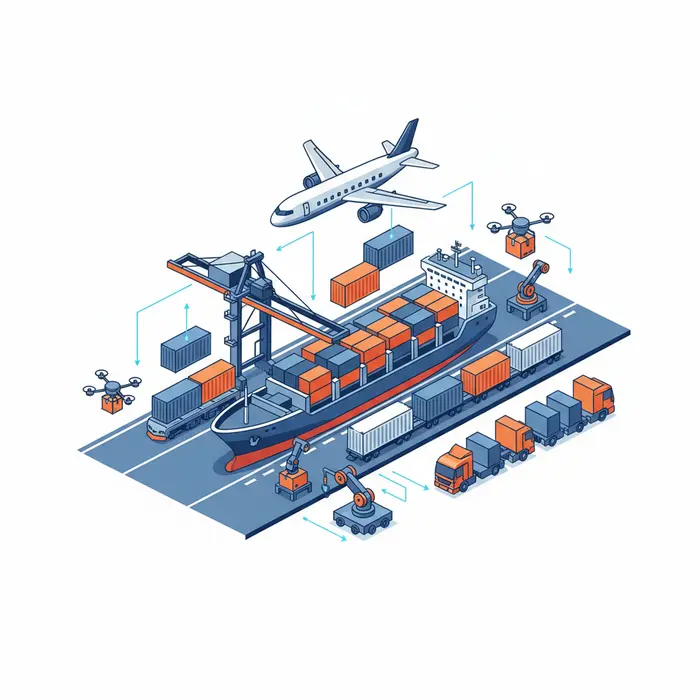
In the intricate tapestry of modern logistics, transshipment stands as a critical and often indispensable process, enabling the seamless movement of goods across vast geographical distances and complex networks. Far more than just a momentary stop, transshipment defines a strategic maneuver where cargo is transferred from one vessel or mode of transport to another at an intermediate point, rather than traveling directly from origin to destination. This fundamental practice underpins the efficiency, cost-effectiveness, and reach of global supply chains, making it a cornerstone for businesses engaged in international trade. Understanding transshipment is paramount for anyone looking to navigate the complexities of global commerce, offering insights into how products efficiently make their way from factory floor to consumer doorstep, often crossing multiple continents and oceans.
1. What is Transshipment?
At its core, transshipment in global supply chain refers to the act of transferring goods from one shipping container, vehicle, or vessel to another during a single journey. This intermediate transfer typically occurs at major transshipment ports, logistics hubs, or distribution centers. Unlike direct shipping, where cargo remains on the same transport mode from start to finish, transshipment involves an intentional break in the journey to re-route or consolidate goods. This practice is particularly prevalent in container shipping, where massive vessels known as mother ships transport thousands of TEUs (Twenty-foot Equivalent Units) between major global hubs. Smaller feeder vessels then distribute these containers to regional ports that cannot accommodate the largest ships. This multi-leg journey optimizes vessel utilization and port efficiency.
The concept extends beyond sea freight to include air cargo, rail, and road transport. For instance, air cargo might be offloaded from a long-haul flight at a major international airport and then loaded onto a regional flight for its final leg. Similarly, goods arriving by rail at a central hub might be transferred to trucks for last-mile delivery. The key differentiator for transshipment vs direct shipping lies in this planned intermediate transfer, which allows for greater flexibility and strategic routing in logistics planning.
2. Why Transshipment Matters in 2025
As we navigate the dynamic landscape of 2025, transshipment’s significance is amplified by several converging factors. Firstly, the relentless drive for efficiency and cost reduction remains a primary motivator. By consolidating cargo onto larger vessels and optimizing routes, shipping lines can achieve economies of scale, translating into lower freight costs for businesses. This is particularly crucial in an era of fluctuating fuel prices and increasing operational expenses. Secondly, the expansion of global trade networks, coupled with the rising complexity of supply chains, necessitates flexible and adaptable logistics solutions. Transshipment allows goods to reach destinations that might not have direct shipping routes from every origin, effectively broadening market access for importers and exporters alike.
Furthermore, major transshipment ports around the world, such as Singapore, Hong Kong, Busan, and Rotterdam, have evolved into sophisticated logistics ecosystems, offering advanced transshipment logistics services including cargo handling, warehousing, customs clearance, and value-added services. These hubs act as critical nodes, facilitating the smooth flow of international commerce. In an increasingly interconnected world, the ability to leverage these strategic points offers significant benefits of transshipment for importers exporters, including reduced transit times for certain routes, access to better shipping frequencies, and the ability to combine shipments from various origins into a single consignment for onward travel.
The geopolitical landscape and environmental considerations also play a role. Transshipment can sometimes offer more resilient routing options, allowing supply chains to adapt to disruptions like port congestion, canal blockages, or regional conflicts. Moreover, by optimizing vessel fill rates and reducing the number of partially loaded ships, transshipment contributes to a more sustainable shipping industry by potentially lowering carbon emissions per unit of cargo. The World Shipping Council highlights the critical role container shipping plays in global trade, a role significantly enhanced by efficient transshipment practices.
3. Common Scenarios for Transshipment
Transshipment manifests in various practical scenarios across the global supply chain:
- Feeder Services: This is perhaps the most common scenario. Large container ships (post-Panamax, ultra-large container vessels) only call at major deep-water ports. Cargo destined for smaller regional ports or landlocked countries is offloaded at these hubs and then transferred to smaller feeder vessels or land transport networks.
- Route Optimization: When a direct route from origin to destination is unavailable, too costly, or inefficient, transshipment offers a viable alternative. For example, cargo from a less-trafficked port might be shipped to a major hub and then joined with other cargo on a direct service to its final destination.
- Consolidation and Deconsolidation: Less-than-container-load (LCL) shipments frequently undergo transshipment. Goods from multiple shippers destined for the same region might be consolidated into a full container at one port and then deconsolidated at a transshipment hub for individual distribution.
- Change of Transport Mode: Goods arriving at a seaport might be transferred to rail or road for inland distribution, especially in large continents like Europe or North America. Conversely, air cargo might be transferred to ground transport for its final journey.
- Responding to Disruptions: In instances of port strikes, natural disasters, or geopolitical issues, transshipment allows logistics providers to reroute cargo through alternative ports or hubs, mitigating potential delays and ensuring continuity of supply. This flexibility underscores the strategic importance of transshipment in maintaining resilient global supply chains.
Ultimately, transshipment is not merely a logistical necessity but a strategic advantage, enabling businesses to access global markets, reduce costs, and build more robust and responsive supply chains in an ever-evolving world.
Transshipment vs. Direct Shipping: A Comparison
In the intricate world of global logistics, businesses constantly seek optimal strategies to move goods efficiently and cost-effectively. Two primary methods for international freight movement are transshipment and direct shipping, each offering distinct advantages and disadvantages. Understanding these differences is crucial for any importer or exporter aiming to streamline their transshipment in global supply chain operations and make informed decisions that impact transit times, costs, and supply chain resilience. This comparison delves into the nuances of each method, helping identify the ideal use cases for various business needs.
1. Direct Shipping Explained
Direct shipping, as the name suggests, involves the movement of goods from their origin port to the final destination port without any intermediate unloading or reloading onto another vessel. The cargo remains on the same ship or mode of transport throughout its sea journey. This method is often perceived as the most straightforward approach, minimizing complexity and potential points of failure.
The primary advantage of direct shipping lies in its simplicity and often quicker transit times, especially for high-volume routes where dedicated direct services are available. With fewer handling points, there’s a reduced risk of damage, theft, or misplacement of cargo. This can be particularly beneficial for delicate, high-value, or time-sensitive goods. Customs clearance procedures might also be simpler, as the goods typically only clear customs at the final destination.
However, direct shipping has its limitations. Direct routes are not always available for all origin-destination pairs, particularly for less common trade lanes or smaller ports. In such scenarios, opting for a direct service might mean longer waits for vessel availability or significantly higher freight costs due to less efficient vessel utilization. This lack of flexibility can limit market reach for businesses trading with diverse global partners.
2. Key Differences & Cost Implications
The distinction between transshipment and direct shipping becomes clearer when examining their operational models and cost structures. While direct shipping offers a single, continuous journey, transshipment logistics services involve an intermediate stop at a hub port where cargo is transferred from one vessel to another before continuing its journey. This multi-leg approach significantly impacts key aspects of the shipping process.
One of the most significant differences lies in **transit time**. Direct shipping, when available, is generally faster as it avoids the dwell time associated with unloading and reloading at a transshipment port. Conversely, transshipment inherently adds time due to the transfer process, potential waiting periods for connecting vessels, and congestion at major transshipment ports like Singapore, Rotterdam, or Jebel Ali. However, transshipment often offers more frequent sailing options, as goods can connect to various services departing from major hubs, potentially reducing overall waiting time for a vessel.
**Cost implications** are paramount in the transshipment vs direct shipping debate. For niche routes or smaller ports, transshipment can often be more cost-effective. Shipping lines consolidate cargo from various origins onto larger vessels heading to major transshipment hubs, and then distribute them onto smaller feeder vessels. This economies of scale approach allows them to offer more competitive rates than a direct service that might need to operate an underfilled vessel. The benefits of transshipment for importers exporters often include access to a wider network of destinations at lower per-unit freight costs, especially for smaller, less time-sensitive shipments.
**Risk factors** also diverge. Direct shipping minimizes handling, thus reducing the risk of damage, loss, or theft. Transshipment, with its multiple handling points and potential exposure during transfer, carries a slightly elevated risk profile, though modern transshipment facilities are highly optimized to mitigate these concerns. **Flexibility** is another key differentiator; transshipment offers greater route flexibility and access to a broader range of global destinations, making it suitable for businesses expanding into diverse markets.
3. Choosing the Right Method for Your Business
Deciding between transshipment and direct shipping is not a one-size-fits-all solution; it requires a strategic evaluation of various factors specific to your business and shipment characteristics. The optimal choice depends heavily on the nature of the goods, urgency, budget, and the specific origin-destination pair.
Consider direct shipping if:
- Your cargo is highly time-sensitive or perishable.
- The origin and destination are well-connected by direct, high-frequency services.
- Minimizing handling and potential risks is a top priority.
- Your shipment volume is high enough to justify the potentially higher direct freight costs.
Opt for transshipment if:
- Cost-effectiveness for a less common or complex route is your primary concern.
- Your cargo is less time-sensitive and can withstand longer transit times.
- You require access to a wider network of destinations or more frequent sailing options from major hubs.
- You are consolidating multiple smaller shipments to achieve economies of scale.
Ultimately, a thorough analysis of freight rates, transit times, reliability records of shipping lines, and your supply chain’s specific needs will guide the decision. Consulting with experienced freight forwarders can also provide invaluable insights, helping businesses navigate the complexities of global shipping and select the most appropriate method for their transshipment in global supply chain strategy.
Major Global Transshipment Ports and Their Impact
In the intricate web of international commerce, transshipment ports stand as pivotal nodes, facilitating the movement of goods across vast distances and diverse markets. These strategically located hubs are instrumental in optimizing global shipping routes, reducing transportation costs, and enhancing supply chain efficiency. Understanding transshipment in the global supply chain is crucial for businesses aiming to navigate the complexities of international trade, especially when considering the significant differences between transshipment vs direct shipping. While direct shipping offers simplicity, transshipment provides flexibility and access to a broader network, making it a cornerstone of modern logistics.
1. Top Transshipment Ports Worldwide
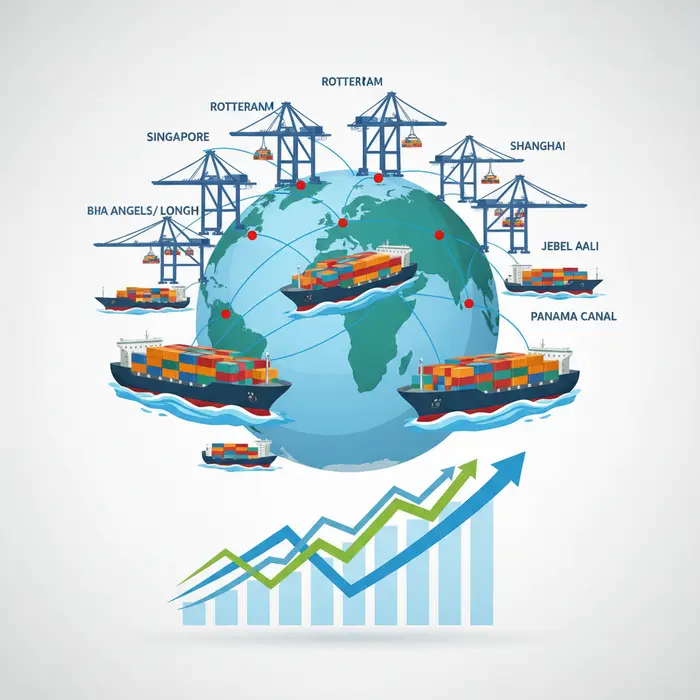
The global trade landscape is profoundly shaped by a select group of major transshipment ports that handle an immense volume of container traffic. These include:
- Port of Singapore: Consistently ranked among the world’s busiest, Singapore leverages its strategic location at the crossroads of major shipping lanes to connect markets across Asia, Europe, and the Americas. Its advanced infrastructure and efficient operations make it a dominant force.
- Port of Shanghai, China: As the busiest container port globally, Shanghai serves as a gateway to the vast Chinese market and a crucial hub for East Asian trade, facilitating extensive transshipment activities to destinations worldwide.
- Port of Hong Kong: Despite increasing competition, Hong Kong remains a vital transshipment point, particularly for intra-Asia trade, known for its swift turnaround times and excellent connectivity.
- Port of Jebel Ali, Dubai, UAE: This port is the largest in the Middle East and a critical link between Asia, Africa, and Europe. Its strategic position makes it essential for facilitating trade across these continents.
- Port of Busan, South Korea: Busan acts as a primary maritime gateway for Northeast Asia, processing significant transshipment volumes and supporting South Korea’s robust export-driven economy.
- Port of Rotterdam, Netherlands: Europe’s largest port, Rotterdam is a leading transshipment hub for goods entering and leaving the European continent, boasting excellent intermodal connections via rail, road, and inland waterways.
These ports invest heavily in state-of-the-art facilities, automation, and digital solutions to manage the complex logistics of millions of containers annually.
2. Strategic Importance of Hubs
The strategic importance of these global transshipment hubs cannot be overstated. They function as critical pressure valves and accelerators for international trade, offering unparalleled advantages:
- Route Optimization: By consolidating cargo from various smaller feeder vessels onto larger mother vessels, these hubs enable shipping lines to achieve economies of scale, making long-haul voyages more cost-effective.
- Flexibility and Connectivity: Ports like Singapore and Rotterdam provide an extensive network of connections, allowing shippers to reach virtually any destination worldwide, even those not directly served by major shipping lines. This flexibility is crucial for adapting to evolving market demands and geopolitical shifts.
- Enhanced Efficiency: Through sophisticated transshipment logistics services, including efficient container handling, customs clearance, and warehousing, these ports significantly reduce transit times and operational complexities. This efficiency is critical for maintaining lean supply chains and timely delivery.
- Risk Mitigation: Centralized hubs can help mitigate risks by providing alternative routing options during disruptions, such as canal blockages or port strikes, ensuring continuity in the flow of goods.
The operational excellence of these hubs is continuously refined through technological advancements and strategic planning, as highlighted in reports on global maritime trade dynamics. For a deeper understanding of these trends, insights from authoritative sources like the UNCTAD Review of Maritime Transport offer valuable perspectives on the sector’s evolution.
3. Impact on Regional Economies
The presence of major transshipment ports has a profound and multifaceted impact on their regional economies. These ports are not merely points of cargo transfer; they are engines of economic growth and development:
- Job Creation: Ports generate extensive direct and indirect employment opportunities, ranging from stevedores and logistics managers to administrative staff, customs agents, and support service providers.
- Infrastructure Development: To support port operations, significant investments are made in surrounding infrastructure, including road networks, rail lines, airports, industrial parks, and Free Trade Zones. This development benefits not only the port but also the entire region.
- Trade Facilitation and Investment: By offering world-class facilities and connectivity, transshipment hubs attract international businesses and foreign direct investment, transforming the region into a magnet for trade and manufacturing activities.
- Increased Competitiveness: The benefits of transshipment for importers and exporters are substantial. They gain access to a wider array of shipping routes and carriers, allowing them to optimize costs, reduce lead times, and reach new markets more effectively. This increased market access boosts the competitiveness of local industries.
- Service Sector Growth: A robust port sector stimulates the growth of related service industries, including banking, insurance, legal services, and maritime technology, further diversifying the regional economy.
In essence, major global transshipment ports are more than just transit points; they are complex ecosystems that drive global trade, foster economic prosperity, and shape the interconnectedness of the modern world.
Navigating Transshipment Logistics Services
In the intricate web of global commerce, transshipment in global supply chain plays a pivotal role, offering a strategic alternative to direct shipping. Unlike transshipment vs direct shipping, where goods travel from origin to destination without intermediate stops, transshipment involves unloading cargo from one vessel or mode of transport and reloading it onto another for the onward journey. This multi-modal approach leverages major transshipment ports around the world, enabling businesses to access a wider range of destinations, optimize costs, and enhance supply chain flexibility. However, successful transshipment hinges on robust transshipment logistics services, encompassing a range of specialized operations from expert freight management to stringent customs navigation and cutting-edge technology integration. Understanding these services is crucial for importers and exporters seeking to harness the benefits of transshipment for importers exporters, such as reduced freight costs, improved transit times in certain scenarios, and access to less common routes.
1. Role of Freight Forwarders
At the heart of seamless transshipment operations are freight forwarders – expert intermediaries who manage the complex logistics on behalf of shippers. A freight forwarder acts as a critical link, coordinating the movement of goods across various carriers and modes, especially when a direct route is unavailable or uneconomical. For transshipment, their responsibilities are manifold:
- Route Optimization and Carrier Selection: Forwarders identify the most efficient and cost-effective transshipment routes, considering factors like transit time, frequency, cost, and port capabilities. They leverage extensive networks to select optimal carriers for each leg of the journey.
- Consolidation and Deconsolidation: They often consolidate smaller shipments into larger units for the main leg, then deconsolidate them at the transshipment point for onward distribution, optimizing space and cost.
- Documentation Management: This involves meticulous preparation and verification of all necessary shipping documents, including bills of lading, manifests, and customs declarations, ensuring compliance at every stage.
- Tracking and Communication: Freight forwarders provide real-time updates on cargo status, managing potential delays and communicating proactively with all stakeholders, minimizing disruptions.
Their expertise is invaluable in navigating the complexities of multiple jurisdictions and transport methods inherent in transshipment, minimizing risks and ensuring timely delivery.
2. Customs and Documentation Requirements
One of the most challenging aspects of transshipment logistics is complying with the diverse and often stringent customs and documentation requirements of multiple countries. Unlike direct shipping, transshipment often means dealing with customs regulations at the origin, the transshipment port, and the final destination. Importers and exporters must be acutely aware of these demands to avoid costly delays, fines, or even seizure of goods.
- Key Documents: Essential documents include the Bill of Lading (often a through Bill of Lading for transshipment), Commercial Invoice, Packing List, Certificate of Origin, and various permits or licenses specific to the goods being shipped or the countries involved. Each document must accurately reflect the cargo details, value, and origin/destination.
- Customs Procedures at Transshipment Ports: Goods undergoing transshipment may be placed under a transit regime or bonded status, allowing them to pass through a country without payment of duties, provided they meet specific criteria and are re-exported within a defined timeframe. This requires meticulous adherence to local customs protocols, often involving specific declarations and inspections.
- Compliance and Risk Management: Ensuring compliance with international trade regulations, sanctions, and specific product standards is paramount. Errors in documentation or non-compliance can lead to significant disruptions. Freight forwarders often advise on and manage these complex requirements, drawing on their deep knowledge of international customs laws. The World Customs Organization (WCO) provides guidelines and instruments to harmonize customs procedures globally, aiding in smoother cross-border movements, including transshipment.
3. Technology in Transshipment Logistics
Modern transshipment logistics is increasingly reliant on advanced technology to enhance efficiency, visibility, and control across the supply chain. Technological innovation transforms how goods are tracked, managed, and optimized, providing significant benefits of transshipment for importers exporters.
- Real-time Tracking and Visibility: IoT sensors, GPS tracking, and advanced telematics provide end-to-end visibility of cargo location and condition. This allows proactive management of potential issues as goods move between different modes and transshipment hubs.
- Supply Chain Management (SCM) Software: Integrated SCM platforms streamline operations from order placement to final delivery. These systems manage inventory, optimize routes, automate documentation, and facilitate communication, critical for coordinating complex transshipment schedules.
- Artificial Intelligence (AI) and Machine Learning (ML): AI and ML algorithms are used for predictive analytics, forecasting demand, identifying optimal shipping routes, and predicting potential delays (e.g., weather, port congestion). This leads to more agile and resilient transshipment operations.
- Blockchain Technology: Blockchain offers enhanced transparency and security for supply chain data. By creating immutable, decentralized ledgers, it securely records every transaction and movement of goods, improving trust, simplifying audits, and reducing fraud in complex transshipment scenarios.
By integrating these technologies, businesses can achieve unparalleled control over their transshipment processes, leading to reduced operational costs, faster transit times, and ultimately, greater customer satisfaction. The strategic application of technology makes transshipment a more viable and attractive option for global trade.
Benefits of Transshipment for Importers & Exporters
Transshipment, a pivotal strategy in modern logistics, involves moving goods from one vessel or mode of transport to another during their journey from origin to destination. Far from being a mere intermediary step, transshipment offers a compelling suite of advantages to businesses engaged in international trade, significantly impacting their operational efficiency, market reach, diligence, and supply chain resilience. For both importers seeking diverse product sources and exporters aiming to broaden their global footprint, understanding the benefits of transshipment is crucial for optimizing their transshipment in global supply chain strategies, leading to substantial cost savings, expanded market access, and unparalleled flexibility.
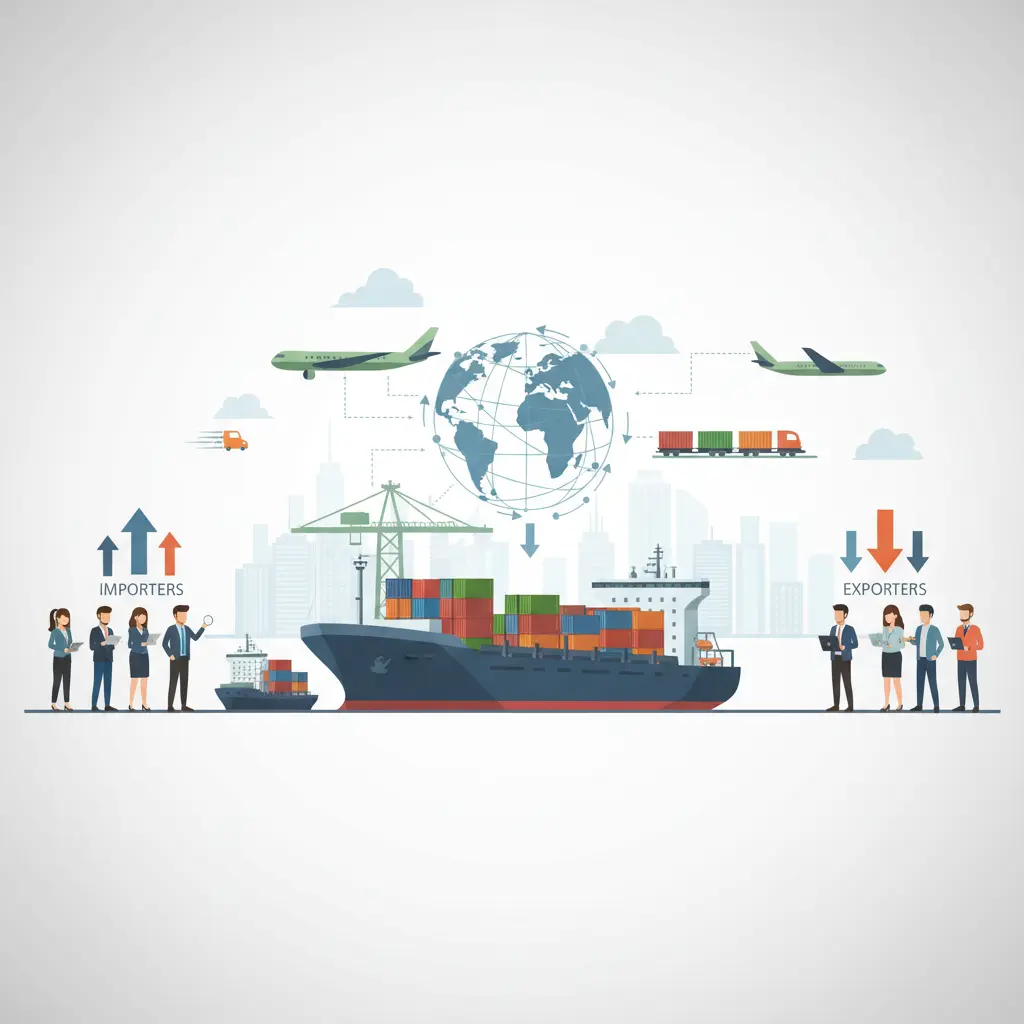
1. Cost Efficiency and Route Optimization
One of the primary drivers for adopting transshipment strategies is the potential for significant cost reductions. By consolidating cargo onto larger vessels that travel along high-volume main trade routes, businesses can leverage economies of scale that would be impossible with direct shipping to smaller, less frequented ports. These mega-vessels offer lower per-unit freight costs, making the overall transportation more economical. When considering transshipment vs direct shipping, the former often proves more cost-effective for destinations that lack direct, frequent liner services. Instead of chartering smaller, more expensive vessels for a specific, infrequent route, goods are first sent to a major transshipment hub and then transferred to a feeder vessel for the final leg. This strategic routing minimizes empty container mileage and optimizes vessel utilization, directly translating into savings for importers and exporters. Furthermore, by optimizing routes and utilizing established hub-and-spoke networks, companies can reduce transit times on certain legs, contributing to overall supply chain efficiency and reducing inventory holding costs.
2. Expanded Market Access
Transshipment acts as a critical enabler for global trade, significantly expanding the market access available to businesses. Many smaller or less developed ports around the world do not have the volume or infrastructure to support direct calls from large container ships. Through transshipment, these ports become accessible by connecting to the vast network of global shipping lines via major transshipment ports. These hubs, such as Singapore, Hong Kong, Rotterdam, and Dubai, serve as vital nodes where cargo is efficiently transferred between mother vessels and feeder ships. This connectivity means that exporters can reach new, previously inaccessible markets without incurring prohibitive costs, while importers gain access to a wider range of suppliers and products from diverse geographical regions. This expanded reach fosters greater competition, potentially leading to better pricing and quality for consumers, and opening up new growth opportunities for businesses. The ability to connect virtually any port in the world to another through a series of transfers is a fundamental benefit of transshipment for importers exporters, enhancing their global competitive edge. According to the UNCTAD Review of Maritime Transport, maritime transport remains the backbone of global trade, with transshipment playing a crucial role in enabling this interconnectedness and ensuring comprehensive market reach.
3. Flexibility and Reliability
In an increasingly volatile global landscape, characterized by unpredictable disruptions ranging from natural disasters to geopolitical events, flexibility and reliability are paramount for supply chain success. Transshipment inherently offers greater adaptability compared to rigid direct shipping routes. If a particular direct route faces an unexpected disruption—be it port congestion, adverse weather conditions, or canal blockages—transshipment allows for alternative routes or hubs to be utilized. Cargo can be diverted to another nearby transshipment port and re-routed, mitigating delays and ensuring continuity of supply. This built-in redundancy provides a critical layer of resilience, safeguarding against costly interruptions. Moreover, the availability of specialized transshipment logistics services at major hubs ensures efficient handling, storage, and transfer of goods, further enhancing the reliability of the entire shipping process. Businesses can work with logistics providers who specialize in managing complex transshipment operations, ensuring seamless transitions between vessels and modes. This enhanced flexibility not only reduces risks but also allows businesses to respond quickly to changing market demands or unforeseen circumstances, making transshipment a cornerstone of a robust and adaptive global supply chain.
Partner with Vietnam’s Leading Suppliers
Looking for reliable suppliers in Vietnam? Contact VietnamSuppliers.com today to connect with verified manufacturers and exporters across all industries.
—————————————
References
– The World Shipping Council highlights the critical role container shipping plays in global trade: https://www.worldshipping.org/about-the-industry/global-trade/container-shipping-the-world-and-you
– CSCMP Supply Chain Glossary: https://www.cscmp.org/supply-chain-management-resources/glossary/supply-chain-glossary/t/
– UNCTAD Review of Maritime Transport: https://unctad.org/publication/review-maritime-transport-2023
– World Customs Organization (WCO) Guidelines: https://www.wcoomd.org/en/topics/facilitation/instruments-and-tools/~/media/A6D565BF08574C328E2B2A3B3D28EF29.ashx
– UNCTAD Review of Maritime Transport: https://unctad.org/publication/review-maritime-transport-2023