The global trade landscape in 2025 is navigating an increasingly intricate web of international trade sanctions, profoundly shaping supply chains, financial flows, and geopolitical relations. As nations leverage economic tools to achieve foreign policy objectives, businesses worldwide face heightened scrutiny and complex compliance challenges. Understanding the dynamic nature of these measures, their strategic intent, and the key players is paramount for anyone involved in global commerce. The overarching International Trade Sanctions Impact extends far beyond targeted entities, creating ripple effects across industries and demanding robust adaptation strategies.
1. Defining Modern Trade Sanctions & Their Objectives
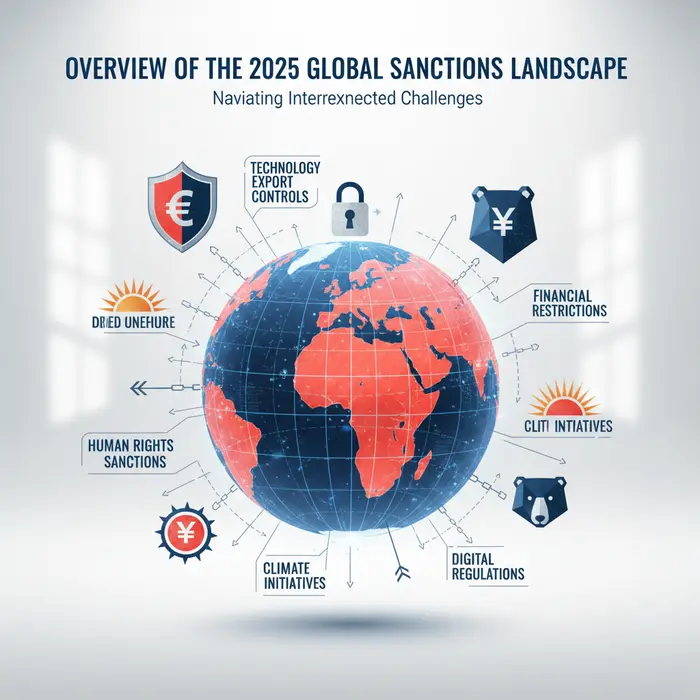
Modern trade sanctions are economic and political measures imposed by one or more countries against a target country, entity, or individual. Far from being mere punitive actions, they are sophisticated instruments of foreign policy designed to achieve specific strategic objectives without resorting to military force. These objectives typically include compelling a change in a target’s behavior (e.g., abandoning nuclear weapons programs, improving human rights records), deterring undesirable actions, punishing illicit activities, or signaling strong disapproval. Sanctions can range from comprehensive embargoes that restrict all trade and financial transactions to more targeted measures (often called “smart sanctions”) that focus on specific sectors, individuals, or entities, aiming to minimize humanitarian impact while maximizing pressure on decision-makers. The goal is to inflict sufficient economic pain or isolation to force a policy shift, making the targeted behavior too costly to maintain. For businesses, the primary challenge lies in navigating these restrictions, ensuring sanctions compliance in international trade to avoid severe penalties, reputational damage, and operational disruptions.
2. Key Global Sanctioning Bodies & Regimes (e.g., US, EU, UN)
Several influential bodies and regimes dictate the global sanctions landscape, each with distinct mandates and enforcement capabilities. The **United States**, primarily through the Office of Foreign Assets Control (OFAC) of the Treasury Department, remains the most active and arguably the most impactful sanctioning authority. Its unilateral sanctions often carry extraterritorial reach, particularly given the dominance of the U.S. dollar in international finance, compelling non-U.S. entities to comply to avoid being cut off from the U.S. financial system. Key U.S. programs target countries like Russia, Iran, Cuba, North Korea, and Venezuela, alongside individuals and entities involved in terrorism, proliferation, and human rights abuses.
The **European Union** implements sanctions as part of its Common Foreign and Security Policy, focusing on upholding international law, human rights, and regional stability. EU sanctions are legally binding on all member states and are often coordinated with international partners, including the U.S. and UK. The **United Nations Security Council (UNSC)** also imposes mandatory sanctions resolutions, which are legally binding on all UN member states under Chapter VII of the UN Charter. These UN sanctions, often targeting arms embargoes, travel bans, and asset freezes, require national implementation by member states. Beyond these, countries like the **United Kingdom** (post-Brexit), **Canada**, and **Australia** also maintain robust independent sanctions regimes, adding layers of complexity to global **sanctions compliance international trade** efforts.
3. Recent High-Profile Sanction Implementations & Geopolitical Context
The period leading into 2025 has seen several significant sanction implementations, profoundly shaping geopolitical realities and global commerce. The ongoing conflict between Russia and Ukraine has triggered an unprecedented wave of comprehensive sanctions against Russia, targeting its financial sector, energy industry, defense complex, and key oligarchs. These measures have led to widespread supply chain disruption sanctions, rerouting energy flows, and necessitating rapid **alternative sourcing strategies** for raw materials and components. Businesses have had to divest from Russia, sever ties, and re-evaluate their risk exposure.
Elsewhere, sanctions against China, though often framed as **export control regulations update** related to sensitive technologies and human rights concerns (e.g., in Xinjiang), continue to create friction. The U.S. has maintained technology restrictions on certain Chinese companies, impacting global semiconductor supply chains and pushing for diversification. Iran remains under a multi-layered sanctions regime concerning its nuclear program and support for regional proxies, continuing to isolate its economy. North Korea faces stringent UN, U.S., and other unilateral sanctions aimed at curbing its weapons of mass destruction programs. These high-stakes implementations underscore the pervasive **International Trade Sanctions Impact**, compelling companies to continuously monitor geopolitical shifts, adapt their **export control regulations update** strategies, and invest heavily in compliance infrastructure to navigate a turbulent and unpredictable global trading environment.
Navigating Sanctions Compliance in International Trade
In an increasingly interconnected yet politically fragmented world, businesses engaged in international trade face a constantly evolving labyrinth of sanctions regulations. The International Trade Sanctions Impact on global supply chains, financial transactions, and operational strategies is profound, necessitating a proactive and sophisticated approach to compliance. Adherence to these complex rules is not merely a legal obligation but a critical element of risk management and maintaining business continuity. Failure to comply can result in severe penalties, reputational damage, and significant supply chain disruption sanctions. As global geopolitics shift, so do the lists of sanctioned entities, individuals, and jurisdictions, making robust sanctions compliance international trade a non-negotiable imperative for any enterprise operating beyond its domestic borders. This section explores key strategies for mitigating risks and ensuring steadfast adherence to these dynamic regulations.
1. Enhanced Due Diligence & Risk Assessment Strategies
Effective sanctions compliance begins with a thorough and ongoing commitment to enhanced due diligence and a comprehensive risk assessment framework. Businesses must look beyond the immediate transaction to understand all parties involved—customers, suppliers, intermediaries, and their ultimate beneficial owners. This requires meticulous screening against all relevant international sanctions lists, including those maintained by the United States (OFAC), the European Union, the United Kingdom, and the United Nations. A robust strategy involves identifying country-specific risks, sector-specific vulnerabilities (e.g., finance, technology, defense), and transaction-specific red flags. Companies must establish clear procedures for flagging high-risk scenarios and escalating them for further review. Continuous monitoring is paramount, as sanctioned entities can change ownership or re-register under different names. Proactive risk assessments, incorporating geopolitical analysis and scenario planning, help anticipate future regulatory changes and potential export control regulations update. Consulting authoritative sources like the U.S. Department of the Treasury’s Office of Foreign Assets Control (OFAC) is crucial for staying abreast of the latest guidance and enforcement actions.
2. Technological Solutions for Compliance Monitoring & Screening
Given the sheer volume and complexity of global trade and the ever-expanding sanctions lists, manual compliance processes are increasingly inadequate and prone to error. Leveraging cutting-edge technological solutions has become indispensable for effective sanctions compliance international trade. Advanced screening software, often powered by AI and machine learning, can automatically check potential partners and transactions against multiple global sanctions lists (e.g., SDN, consolidated lists, sectoral sanctions) in real-time. These tools can identify complex ownership structures, flag potential matches with fuzzy logic, and reduce false positives. Transaction monitoring systems can analyze payment flows for suspicious patterns or links to high-risk jurisdictions. Furthermore, technology facilitates robust record-keeping, audit trails, and reporting, which are vital for demonstrating compliance to regulatory bodies. Integrating these solutions with existing Enterprise Resource Planning (ERP) and Customer Relationship Management (CRM) systems streamlines operations, minimizes human intervention, and significantly enhances the accuracy and speed of compliance checks, thus mitigating the risk of inadvertent sanctions breaches.
3. Developing Robust Internal Policies & Employee Training Programs
Even with the best technology, human oversight and a strong organizational culture of compliance are essential. Businesses must develop clear, comprehensive internal policies and procedures that outline their commitment to sanctions compliance. These policies should cover all aspects of international trade, including export controls, import regulations, due diligence protocols, data management, and incident response plans for potential breaches. Critically, these policies need to be communicated effectively throughout the organization. Regular, mandatory, and tailored employee training programs are non-negotiable, ensuring that all staff—from senior management to sales, procurement, and logistics personnel—understand their roles and responsibilities in upholding sanctions regulations. Training should be dynamic, reflecting the latest export control regulations update and emerging risks. Establishing clear reporting mechanisms for suspicious activities, alongside a non-retaliation policy, encourages employees to raise concerns without fear. By fostering a strong compliance culture and exploring alternative sourcing strategies in high-risk areas, companies can build resilience against sanctions-related disruptions and safeguard their international operations.
Supply Chain Disruption from Sanctions: Strategies for Resilience
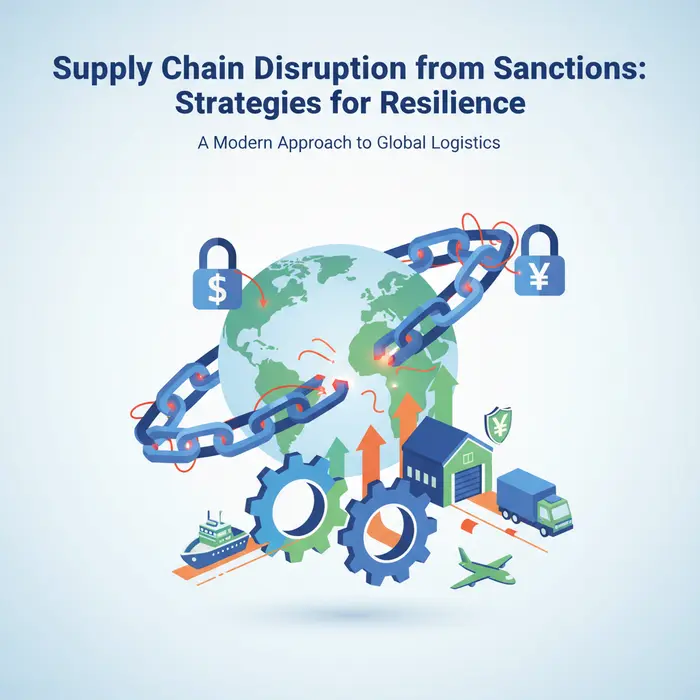
The global economic landscape is increasingly shaped by geopolitical tensions, with international trade sanctions impact becoming a critical factor for businesses worldwide. These sanctions, imposed by governments or international bodies, directly and indirectly disrupt established supply chains, challenging the efficiency and stability of global procurement and logistics. From blocking access to key markets and materials to complicating financial transactions, the repercussions are far-reaching. Businesses must develop robust strategies to build resilience and adaptability, transforming potential vulnerabilities into sources of competitive advantage.
Understanding the multifaceted nature of these disruptions is the first step. Sanctions can lead to increased operational costs, extended lead times, and even complete unavailability of critical components or raw materials. Navigating this complex environment requires a proactive approach that incorporates diligent risk assessment, strategic diversification, and continuous monitoring of global trade policies. By implementing effective measures, companies can mitigate the impact of sanctions compliance international trade regulations and ensure business continuity.
1. Identifying & Mapping Vulnerabilities in Global Networks
The foundation of a resilient supply chain in an era of heightened sanctions involves a meticulous process of identifying and mapping vulnerabilities across global networks. This goes beyond tier-one suppliers, requiring companies to deep-dive into sub-tier suppliers, manufacturing locations, and transit routes. Businesses must ascertain the origin of every component and material, scrutinizing each node for potential exposure to existing or prospective sanctions regimes. Key questions include: Are critical components sourced from or routed through sanctioned countries? Do any of our suppliers rely heavily on entities or individuals that might face future restrictions? A comprehensive mapping exercise helps uncover single points of failure, geographical concentrations of suppliers, and dependencies on specific logistics corridors that could be at risk of supply chain disruption sanctions. Furthermore, it’s crucial to understand the intricate web of ownership and control within supplier networks to preemptively identify entities that might be indirectly affected by evolving regulations.
2. Geopolitical Factors, Logistical Challenges, and Cost Implications
Geopolitical shifts are the primary drivers of new sanctions, and their implications ripple directly through global logistics and procurement. When new sanctions are imposed or existing ones are expanded, companies often face immediate and severe logistical challenges. Shipping routes may become inaccessible, necessitating costly and time-consuming rerouting. Insurance premiums for goods traveling through or originating from high-risk areas can skyrocket, or coverage may become unavailable altogether. Export control regulations update frequently, demanding continuous vigilance and adaptation in shipping documentation and customs procedures. The direct cost implications are significant: higher freight charges, increased warehousing expenses due to delays, the need for specialized legal and compliance teams, and potential penalties for non-compliance. Moreover, the disruption can lead to scarcity of certain goods, driving up procurement costs and eroding profit margins. Understanding these dynamic factors is paramount for effective risk management and strategic planning.
3. Building Resilient & Diversified Supply Chains Post-Sanctions
Moving beyond identification and understanding, the ultimate goal is to proactively build resilient and diversified supply chains capable of withstanding future shocks. This involves a multi-pronged strategy. Firstly, **diversification of sourcing** is critical. Instead of relying on a single country or region for key components, businesses should cultivate a network of suppliers across multiple geographical locations. This includes exploring alternative sourcing strategies, such as near-shoring or friend-shoring, to reduce reliance on potentially volatile regions. Secondly, **strategic inventory management** can provide a buffer against sudden disruptions, though this must be balanced against carrying costs. Thirdly, **enhancing supply chain visibility** through advanced analytics and digital tools allows for real-time monitoring of risks and faster response times. Fourthly, fostering **strong relationships with multiple logistics providers** ensures flexibility in transportation options. Finally, cultivating a culture of **agility and continuous assessment** within the organization allows for quick pivots in response to new sanctions or geopolitical developments. By embracing these strategies, companies can transform the challenge of supply chain disruption sanctions into an opportunity to forge stronger, more adaptable global procurement and logistics networks.
In conclusion, the era of international trade sanctions demands a sophisticated and proactive approach to supply chain management. By meticulously identifying vulnerabilities, understanding geopolitical and logistical complexities, and implementing robust diversification and resilience strategies, businesses can not only mitigate risks but also enhance their competitive standing in a continuously evolving global marketplace.
Export Control Regulations Update & Their Implications
The landscape of international trade is perpetually shaped by geopolitical shifts and technological advancements, leading to frequent adjustments in export control regulations. For businesses engaged in global commerce, understanding and adapting to these changes is not merely a matter of good practice but a critical determinant of operational continuity and legal compliance. The recent wave of updates, driven by national security concerns, human rights considerations, and economic competition, has significantly intensified the focus on International Trade Sanctions Impact, demanding proactive strategies from all players. Failing to navigate this complex environment can lead to severe penalties, reputational damage, and significant disruptions to global supply chains.
Key Changes in Dual-Use Goods & Technology Regulations
One of the most significant areas of recent regulatory evolution pertains to dual-use goods and technologies – items that have both commercial and military applications. Governments worldwide are broadening the scope of what constitutes controlled technology, particularly in emerging and foundational technologies such as artificial intelligence (AI), quantum computing, biotechnology, and advanced manufacturing. This expansion often involves revising control lists (e.g., the Commerce Control List in the U.S. or the Wassenaar Arrangement lists internationally) to include previously unrestricted items. Furthermore, there’s an increasing emphasis on controlling ‘intangible technology’ transfers, encompassing not just physical hardware but also software, blueprints, technical data, and even expert knowledge shared through consultations or training. Businesses must meticulously re-evaluate their product portfolios and intellectual property to identify newly designated dual-use items, ensuring that their internal classification systems are current and robust. The implications extend to a wider range of industries, from semiconductor manufacturing to medical device producers, all of whom now face heightened scrutiny over their technological exports.
Impact on Licensing Requirements & Technology Transfers
These changes directly translate into more stringent and complex licensing requirements. Exporters might find that goods previously shippable under a general license now require specific, often time-consuming, individual licenses. The regulatory bodies are also applying a more rigorous “catch-all” approach, where items not explicitly listed on control lists may still require a license if they are destined for an end-user or end-use of concern. This adds layers of due diligence to every transaction. Technology transfers, particularly across borders, face increased scrutiny. Companies engaging in international collaborations, joint ventures, or even providing technical support to overseas subsidiaries must assess whether these activities constitute a “deemed export” or “re-export” requiring authorization. The challenges posed by sanctions compliance international trade are further compounded by these evolving technology controls, potentially leading to significant supply chain disruption sanctions. To mitigate this, companies are increasingly exploring alternative sourcing strategies and localizing production to reduce reliance on cross-border technology sharing that could fall under new restrictions. Proactive engagement with legal counsel and trade compliance experts is crucial to navigate these intricate new rules and avoid costly missteps.
Enforcement Trends, Penalties, and Best Practices for Adherence
Regulatory authorities globally are demonstrating a clear trend towards increased enforcement and higher penalties for export control violations. This includes significant monetary fines, loss of export privileges, and even criminal charges for individuals involved. The focus of enforcement actions is broadening beyond traditional weapons proliferation to include violations related to human rights, cyber security, and emerging technology transfers to adversarial states. To ensure adherence, businesses must adopt robust, comprehensive compliance programs. Key best practices include:
- Regular Risk Assessments: Continuously evaluate the export control risks associated with your products, services, customers, and geographic markets.
- Enhanced Due Diligence: Implement thorough screening processes for all parties involved in a transaction – including end-users, intermediaries, and ultimate consignees – to identify potential red flags or sanctioned entities.
- Employee Training: Conduct regular and comprehensive training for all relevant personnel, from sales and logistics to R&D and senior management, on the latest regulations and internal compliance procedures.
- Internal Control Systems: Develop and maintain strong internal controls, including robust record-keeping, classification procedures, and export documentation protocols.
- Technology Solutions: Leverage compliance software for automated screening, license management, and audit trails to streamline processes and reduce human error.
- Stay Updated: Proactively monitor changes in export control regulations directly from authoritative sources like the Bureau of Industry and Security (BIS).
The overarching message is clear: passive compliance is no longer sufficient. Businesses must embrace a culture of active vigilance and continuous adaptation to manage the growing International Trade Sanctions Impact and evolving export control environment effectively, safeguarding their operations and global reputation.
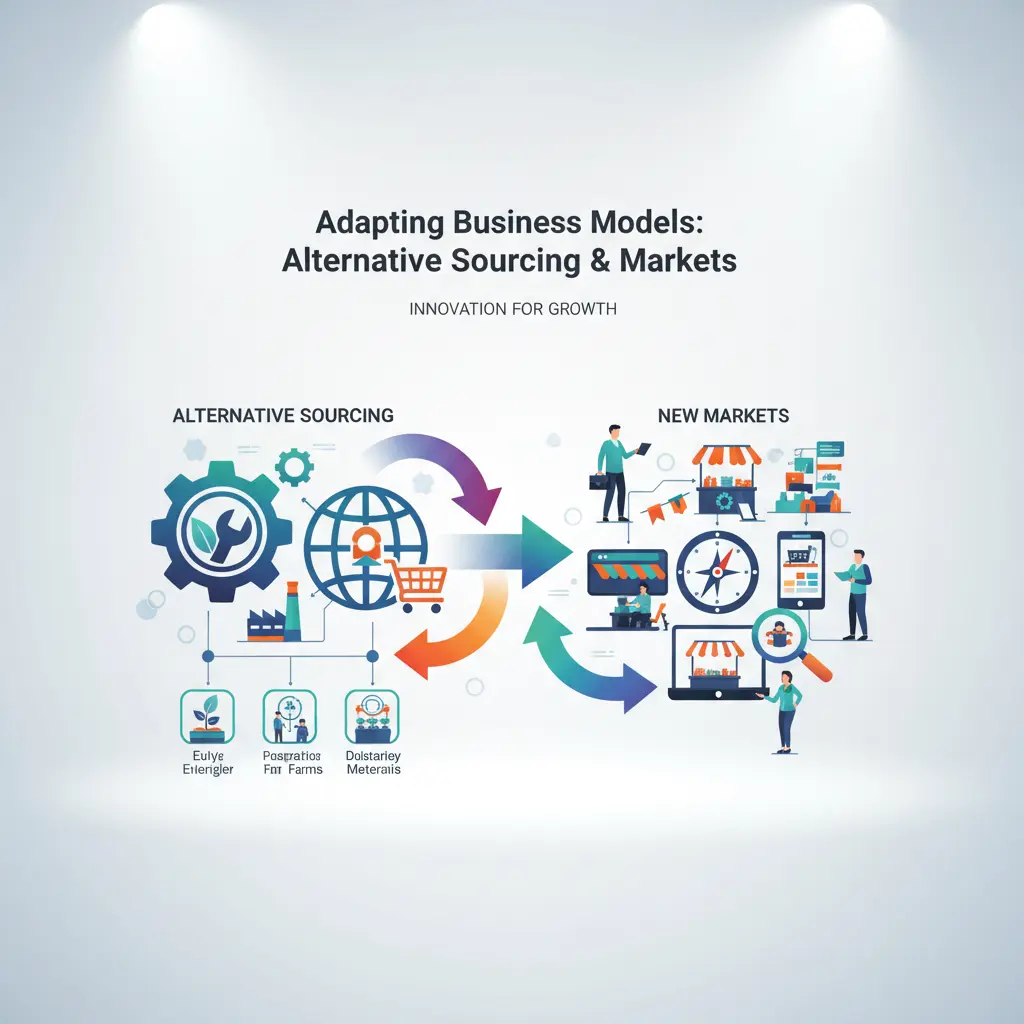
Adapting Business Models: Alternative Sourcing & Markets
In an increasingly interconnected yet volatile global economy, businesses frequently face unprecedented challenges, particularly stemming from International Trade Sanctions Impact. These sanctions, often implemented due to geopolitical shifts, can severely disrupt established supply chains, restrict access to traditional markets, and necessitate a fundamental re-evaluation of operational strategies. For companies to not only survive but thrive in such environments, proactive adaptation of business models, focusing on alternative sourcing and market exploration, becomes paramount. This section delves into actionable strategies for navigating complex trade landscapes, ensuring sanctions compliance international trade, and fostering long-term resilience.
1. Exploring New Markets & Diversifying Trade Routes
One of the most immediate and impactful responses to trade restrictions is the strategic pivot towards new markets. Businesses heavily reliant on sanctioned regions must meticulously research and identify emerging economies or previously untapped territories that offer growth potential and fewer regulatory hurdles. This involves comprehensive market analysis, understanding local consumer behavior, regulatory frameworks, and competitive landscapes. Furthermore, diversifying trade routes is critical. Traditional shipping lanes or logistics hubs might become unviable due to sanctions or associated risks. Exploring alternative ports, overland routes, or even air freight options, despite potentially higher costs, can ensure continuity of supply and market access. Companies should also assess political stability and economic growth trajectories of potential new markets to mitigate future risks, transforming potential supply chain disruption sanctions into opportunities for growth and resilience.
2. Developing Alternative Sourcing & Supplier Networks
The backbone of any business model under sanction pressure is its supply chain. Alternative sourcing strategies are no longer a contingency plan but a core operational imperative. This involves identifying and qualifying new suppliers from non-sanctioned countries or regions. Businesses should prioritize building a diverse supplier network, reducing over-reliance on a single geographical area or vendor. This process demands rigorous due diligence, including assessing potential suppliers’ production capabilities, quality control, ethical standards, and, crucially, their own exposure to sanctions or high-risk jurisdictions. Developing robust relationships with these new partners, often involving long-term contracts and collaborative innovation, can solidify a resilient supply chain. Additionally, companies might explore localized production or near-shoring options to shorten supply lines and reduce vulnerability to global geopolitical events. Navigating the nuances of export control regulations update requires constant vigilance and adaptable sourcing practices to ensure continuous operations.
3. Leveraging Free Trade Agreements & International Partnerships
Navigating the complexities of international trade sanctions can be significantly eased by strategically leveraging Free Trade Agreements (FTAs) and fostering robust international partnerships. FTAs can provide preferential tariffs, streamlined customs procedures, and clearer rules of origin, effectively reducing trade barriers and making new markets more accessible. Businesses should thoroughly review existing and emerging FTAs to identify opportunities for duty-free or reduced-duty trade, which can enhance competitiveness and profitability when entering new territories or sourcing from alternative locations. Beyond formal agreements, developing strong alliances with international partners, such as distributors, logistics providers, or even competitors in non-overlapping markets, can create synergistic benefits. These partnerships can offer localized expertise, shared market intelligence, and collective lobbying power against restrictive trade policies. Understanding the intricacies of compliance, including the latest export control regulations update, is vital for successful engagement in these partnerships. Proactive engagement with industry associations and governmental trade bodies can also provide invaluable insights and support in adapting to dynamic global trade environments.
In conclusion, the impact of international trade sanctions necessitates a paradigm shift in business strategy. By proactively exploring new markets, diversifying supply chains through alternative sourcing, and strategically utilizing free trade agreements and international partnerships, businesses can transform adversity into opportunity, ensuring long-term sustainability and growth in an ever-evolving global trade landscape.
Partner with Vietnam’s Leading Suppliers
Looking for reliable suppliers in Vietnam? Contact VietnamSuppliers.com today to connect with verified manufacturers and exporters across all industries.
—————————————
References
– sanctions compliance in international trade: https://www.state.gov/sanctions-programs/
– U.S. Department of the Treasury’s Office of Foreign Assets Control (OFAC): https://home.treasury.gov/policy-issues/office-of-foreign-assets-control-ofac
– :
– Bureau of Industry and Security (BIS): https://www.bis.doc.gov/
– OFAC Sanctions Programs and Information: https://home.treasury.gov/policy-issues/office-of-foreign-assets-control-sanctions-programs-and-information