
The Imperative of Supplier Transparency B2B in 2025
In the dynamic and often unpredictable landscape of global commerce, supplier transparency B2B has transcended from a desirable trait to an undeniable imperative. As we navigate 2025, businesses operating across borders face unprecedented scrutiny from all angles – consumers, regulators, and even their own stakeholders. The days of opaque supply chains and guarded information are rapidly fading, replaced by an urgent demand for clarity, accountability, and ethical conduct. This shift isn’t merely about good PR; it’s a critical business driver that underpins resilience, fosters trust, and unlocks competitive advantages in the complex tapestry of international trade. Without a clear window into their partners’ operations, B2B entities risk not only reputational damage but also significant financial and operational setbacks, making robust supplier transparency B2B strategies non-negotiable for sustainable growth.

1. Evolving Consumer & Regulatory Demands
The global marketplace is experiencing a profound transformation, driven by increasingly informed and ethically conscious consumers. These end-users, especially Gen Z and millennials, demand to know the origins of products, the labor conditions under which they were made, and the environmental footprint of their production. This pressure cascades through the entire value chain, directly impacting B2B relationships. Suppliers are now expected to provide comprehensive data on their manufacturing processes, labor practices, and environmental compliance, impacting even large-scale supplier transparency B2B procurement decisions. Simultaneously, regulatory bodies worldwide are enacting stricter laws concerning supply chain due diligence, anti-slavery acts, and environmental reporting. For instance, the EU’s proposed Corporate Sustainability Due Diligence Directive mandates companies to identify and, where necessary, prevent, end, or mitigate adverse impacts of their activities on human rights and the environment. Non-compliance with these evolving regulations can lead to hefty fines, legal liabilities, and severe damage to a company’s reputation. Supplier transparency B2B is thus not just about meeting consumer expectations but also about navigating a complex and ever-tightening legal framework, making supply chain sustainability a core component of risk management and brand integrity.
2. Mitigating Supply Chain Risks and Disruptions
The past few years have highlighted the fragility of global supply chains, from pandemics to geopolitical tensions and natural disasters. A lack of supplier transparency B2B often blinds companies to potential vulnerabilities, leaving them exposed to significant risks. Without clear insights into sub-tier suppliers, manufacturing locations, and logistics pathways, businesses struggle to anticipate disruptions, assess the impact of unforeseen events, or implement effective contingency plans. Global supply chain visibility solutions are paramount, offering real-time data on inventory, production schedules, and logistics. This visibility extends beyond immediate suppliers, delving into their partners and their respective ethical and operational standards. For instance, understanding a supplier’s raw material sources can prevent exposure to forced labor allegations or environmental contamination. Proactive risk management, enabled by deep transparency, allows businesses to identify single points of failure, diversify their supplier base, and react swiftly to disruptions, ensuring continuity of operations and maintaining customer trust. This proactive stance is invaluable for maintaining business resilience and securing consistent supply, particularly in complex areas like transparent pricing international trade.
3. Gaining a Competitive Advantage in Global Markets
In an increasingly competitive global landscape, supplier transparency B2B is a powerful differentiator. Companies that openly share information about their processes, ethical standards, and pricing build stronger, more resilient relationships with their partners and customers. This openness fosters building trust with overseas buyers, which is crucial for long-term collaborations and market penetration. When buyers have confidence in a supplier’s integrity and practices, they are more likely to commit to enduring partnerships, often overlooking minor price differences for the assurance of reliability and ethical compliance. Furthermore, demonstrating commitment to ethical sourcing B2B and environmental responsibility can unlock access to new markets and attract a growing segment of conscious consumers and investors. Transparent operations also lead to greater internal efficiencies. By shedding light on every stage of the supply chain, companies can identify inefficiencies, reduce waste, and optimize costs, leading to more competitive offerings in the global market. In essence, while implementing comprehensive global supply chain visibility solutions requires initial investment, the returns in terms of enhanced reputation, stronger partnerships, reduced risks, and operational excellence provide a distinct and sustainable competitive edge, making it an indispensable strategy for success in 2025 and beyond.
Achieving Transparent Pricing in International Trade
In the complex world of international trade, fostering clear and honest pricing models across borders is not merely a best practice, but a critical imperative. Transparent pricing strategies boost buyer confidence, mitigate risks, and are fundamental to cultivating enduring, mutually beneficial long-term partnerships. For any B2B enterprise engaged in global sourcing, understanding and implementing effective Supplier transparency B2B is paramount to success and sustainability.
The journey towards full pricing transparency involves a combination of meticulous cost analysis, strategic technological adoption, and robust negotiation tactics. By illuminating every component of a product’s journey, from factory floor to final destination, businesses can establish a foundation of trust that transcends geographical and cultural boundaries. This proactive approach to price visibility not only safeguards against hidden costs but also empowers both buyers and suppliers to make informed decisions, fostering an environment of fairness and accountability.
1. Breaking Down Cost Components: From Production to Logistics
Achieving true transparent pricing international trade begins with a comprehensive deconstruction of every cost element. It’s not enough to receive a single lump sum; buyers need to understand the granular details that contribute to the final price. This involves a collaborative effort with overseas suppliers to itemize expenses, providing clarity and establishing a baseline for fair valuation.
Key components typically include raw material costs, labor (direct and indirect), manufacturing overheads, quality control, packaging, and specific compliance fees. Crucially, logistics and shipping costs – covering freight, insurance, customs duties, and local delivery – represent a significant variable that must be clearly outlined. Understanding the chosen Incoterms (International Commercial Terms) is vital here, as they define where cost and risk transfer from seller to buyer. Detailed breakdowns minimize the potential for hidden charges and unexpected surcharges, significantly building trust with overseas buyers.
By dissecting these costs, buyers gain valuable insights into a supplier’s operational efficiency and cost structure. This detailed understanding allows for more intelligent comparative analysis between different suppliers and markets, ensuring that the quoted price reflects actual value rather than opaque estimations. It also enables suppliers to demonstrate their commitment to fairness and provide justification for their pricing, strengthening their credibility.
2. Leveraging Technology for Price Visibility and Negotiation
The digital age offers powerful tools to enhance pricing transparency across global supply chains. Advanced technologies such as Enterprise Resource Planning (ERP) systems, specialized Supply Chain Management (SCM) software, and even blockchain are emerging as vital global supply chain visibility solutions. These platforms can integrate data from various points in the supply chain, providing real-time insights into production costs, inventory levels, and logistics movements.
These technological solutions enable businesses to track raw material prices, monitor labor costs in different regions, and gain visibility into freight rates and customs fees. Real-time data analytics can highlight discrepancies, identify potential cost savings, and provide benchmarks for negotiation. For instance, an integrated platform can flag sudden price increases for a component, prompting immediate inquiry and negotiation rather than discovery after the fact. This proactive monitoring is key to maintaining Supplier transparency B2B.
Furthermore, digital platforms facilitate more transparent communication and documentation. Secure portals can host detailed contracts, cost breakdowns, audit trails, and performance metrics, creating a shared source of truth accessible to both buyer and supplier. This digital footprint reduces ambiguity, mitigates disputes, and streamlines the negotiation process, making it more efficient and based on verifiable data rather than assumptions.
3. Negotiating Fair & Open Terms with Overseas Suppliers
Beyond technology and cost breakdowns, the art of negotiation plays a pivotal role in establishing transparent pricing. It’s about cultivating a relationship built on mutual respect and long-term vision, rather than simply driving down prices. Open communication from the outset, coupled with a willingness to understand the supplier’s challenges, forms the bedrock of fair and transparent pricing international trade agreements.
Buyers should prepare by understanding market rates, their own cost sensitivities, and what constitutes a fair profit margin for the supplier. Requesting detailed cost sheets is one step; being prepared to discuss them constructively is another. This approach also intertwines with ethical sourcing B2B practices, ensuring that cost savings aren’t achieved at the expense of fair labor or environmental standards. A commitment to ethical sourcing often means paying a fair price that enables suppliers to maintain high standards.
Ultimately, successful negotiations prioritize creating win-win scenarios. This might involve agreeing on longer-term contracts, volume commitments, or even joint improvement initiatives that benefit both parties. By demonstrating a commitment to a sustainable partnership, buyers can foster an environment where suppliers are more willing to share granular cost data, resulting in consistent building trust with overseas buyers and more resilient supply chains. The holistic pursuit of Supplier transparency B2B in pricing is an investment in stability, reliability, and sustained growth for all stakeholders involved.
Building Trust with Overseas Buyers Through Visibility
In the complex landscape of international trade, establishing unwavering trust with overseas buyers is paramount for long-term success. While quality products and competitive pricing are foundational, true partnership blossoms from open communication and shared information. This section delves into practical steps for cultivating robust, trust-based relationships by embracing comprehensive supplier transparency B2B, offering a clear window into your operations and values.

1. Proactive Communication and Regular Reporting
One of the most effective strategies for building trust with overseas buyers is to initiate and maintain a consistent flow of information. Proactive communication goes beyond merely responding to inquiries; it involves anticipating buyer needs and providing regular, detailed updates on all stages of the production and delivery process. This includes sharing progress reports, potential challenges, and resolutions in real-time. Transparent financial dealings, including clear and transparent pricing international trade, should be a standard practice. Offering a detailed breakdown of costs, production timelines, and logistics schedules demonstrates an honest approach and helps manage expectations effectively. Regular reporting—whether weekly production updates, monthly performance summaries, or quarterly business reviews—fosters a sense of partnership, showing that you value their business enough to keep them fully informed. This level of openness minimizes misunderstandings and allows both parties to address issues collaboratively before they escalate, solidifying the foundation of trust.
2. Utilizing Certifications and Audits as Trust Builders
In a global market where claims can be difficult to verify remotely, third-party certifications and independent audits serve as powerful trust-building tools. For international partners, these documents offer tangible proof that your operations adhere to recognized industry standards for quality, environmental responsibility, and social compliance. Showcasing certifications like ISO 9001 (quality management), ISO 14001 (environmental management), or SA8000 (social accountability) demonstrates a commitment to excellence and ethical practices. Regularly conducted factory audits, covering areas from worker safety to product quality control, further enhance global supply chain visibility solutions. Sharing audit reports, even those with minor non-conformities and subsequent corrective action plans, reinforces your dedication to continuous improvement and accountability. This commitment to ethical sourcing B2B, validated by external bodies, significantly mitigates risk and builds confidence among international buyers who prioritize responsible and sustainable supply chains.
3. Navigating Cultural Nuances in Transparency and Disclosure
While the principle of transparency is universal, its application and interpretation can vary significantly across cultures. Successfully building trust with overseas buyers requires an understanding of these cultural nuances in communication and disclosure. In some cultures, direct and exhaustive disclosure might be expected and appreciated, signaling honesty and respect. In others, too much immediate detail could be perceived as overwhelming or even distrustful, suggesting you anticipate problems. It’s crucial to research and adapt your transparency approach to the specific cultural context of your international partners. This involves understanding their communication styles, preferences for formality, and expectations regarding information sharing. For example, some cultures might prefer face-to-face discussions for sensitive information, while others are content with detailed written reports. By demonstrating cultural intelligence and adapting your level and method of disclosure, you can ensure that your efforts at transparency are not just understood, but genuinely appreciated, thereby strengthening the relationship and fostering deeper mutual trust.
Ethical Sourcing B2B: Beyond Compliance to Commitment
In today’s interconnected global economy, the pressure on B2B companies to demonstrate robust ethical practices extends far beyond mere regulatory compliance. While adherence to laws and minimum standards is foundational, true leadership in ethical sourcing demands a profound commitment to integrity, human rights, and environmental stewardship throughout the entire supply chain. This shift from obligation to dedication is not just about mitigating risks; it’s about building enduring value, enhancing brand reputation, and fostering genuine trust with partners and end-consumers alike. Achieving deep Supplier transparency B2B is paramount, laying the groundwork for verifiable claims and authentic relationships.
1. Identifying and Vetting Truly Ethical Suppliers
The journey towards a truly ethical supply chain begins with meticulous identification and vetting of partners. Moving beyond superficial certifications, companies must develop rigorous due diligence processes to uncover the genuine ethical stance of their suppliers. This involves on-site audits, worker interviews, and a comprehensive review of labor practices, environmental policies, and community engagement. For businesses engaged in international trade, building trust with overseas buyers requires an understanding of diverse cultural contexts alongside universal ethical standards. Robust frameworks for assessing potential suppliers should scrutinize their commitment to fair wages, safe working conditions, and responsible resource management. The goal is to partner with organizations that not only meet compliance benchmarks but actively champion ethical operations as a core business principle, demonstrating their adherence to Supplier transparency B2B in all facets of their operations.
2. Implementing Social and Environmental Responsibility Metrics
Once ethical suppliers are identified, the next crucial step is embedding quantifiable social and environmental responsibility metrics into daily operations and long-term strategic planning. This moves the needle from abstract intentions to measurable impact. B2B companies need to implement global supply chain visibility solutions that track key performance indicators (KPIs) related to environmental footprint, labor standards, and community impact. Examples include measuring carbon emissions across logistics, monitoring water usage in manufacturing, ensuring fair labor practices through third-party audits, and tracking waste reduction initiatives. These metrics should be integrated into supplier contracts and performance reviews, fostering a culture of continuous improvement. Organizations like the UN Global Compact provide comprehensive frameworks, with principles guiding businesses in human rights, labor, environment, and anti-corruption. Adopting such guidelines elevates ethical sourcing B2B from a periodic check-box exercise to an ongoing, data-driven commitment, allowing for proactive identification of risks and opportunities in the pursuit of sustainable practices. Transparent pricing in international trade also becomes a measurable metric of fair dealing, ensuring equitable practices across the value chain.
3. Storytelling for Brand Credibility and Consumer Engagement
In an era where consumers and B2B clients alike demand authenticity, effectively communicating your ethical sourcing journey is vital for brand credibility and engagement. This isn’t about greenwashing; it’s about transparently sharing the efforts, challenges, and successes in building a responsible supply chain. Storytelling for B2B goes beyond simple marketing; it involves providing verifiable data from your global supply chain visibility solutions and showcasing the human impact of your ethical choices. Highlight the tangible benefits of fair labor practices, sustainable production methods, and commitment to transparent pricing international trade. By sharing narratives of partnerships forged on mutual respect and shared values, companies can differentiate themselves in competitive markets. This approach fosters deeper trust, not just with end-consumers, but with business partners, investors, and employees who are increasingly prioritizing purpose-driven organizations. Such authentic communication amplifies the positive impact of ethical sourcing B2B initiatives, turning commitment into a powerful competitive advantage and attracting conscious buyers worldwide.
Ultimately, transitioning from mere compliance to a deep commitment in ethical sourcing represents a fundamental paradigm shift for B2B companies. It’s an investment in long-term resilience, brand integrity, and a sustainable future. By embracing rigorous vetting, implementing comprehensive metrics, and engaging in transparent storytelling, businesses can truly embody their ethical values, creating value that extends far beyond the bottom line.
Global Supply Chain Visibility Solutions for the Future
In an increasingly interconnected yet volatile world, the demand for robust and resilient supply chains has never been higher. Geopolitical shifts, climate events, and rapid consumer expectation changes underscore the critical need for enhanced end-to-end visibility. This section provides an overview of technological advancements and strategic approaches designed to illuminate every dark corner of complex global supply chains, fostering unprecedented levels of supplier transparency B2B.
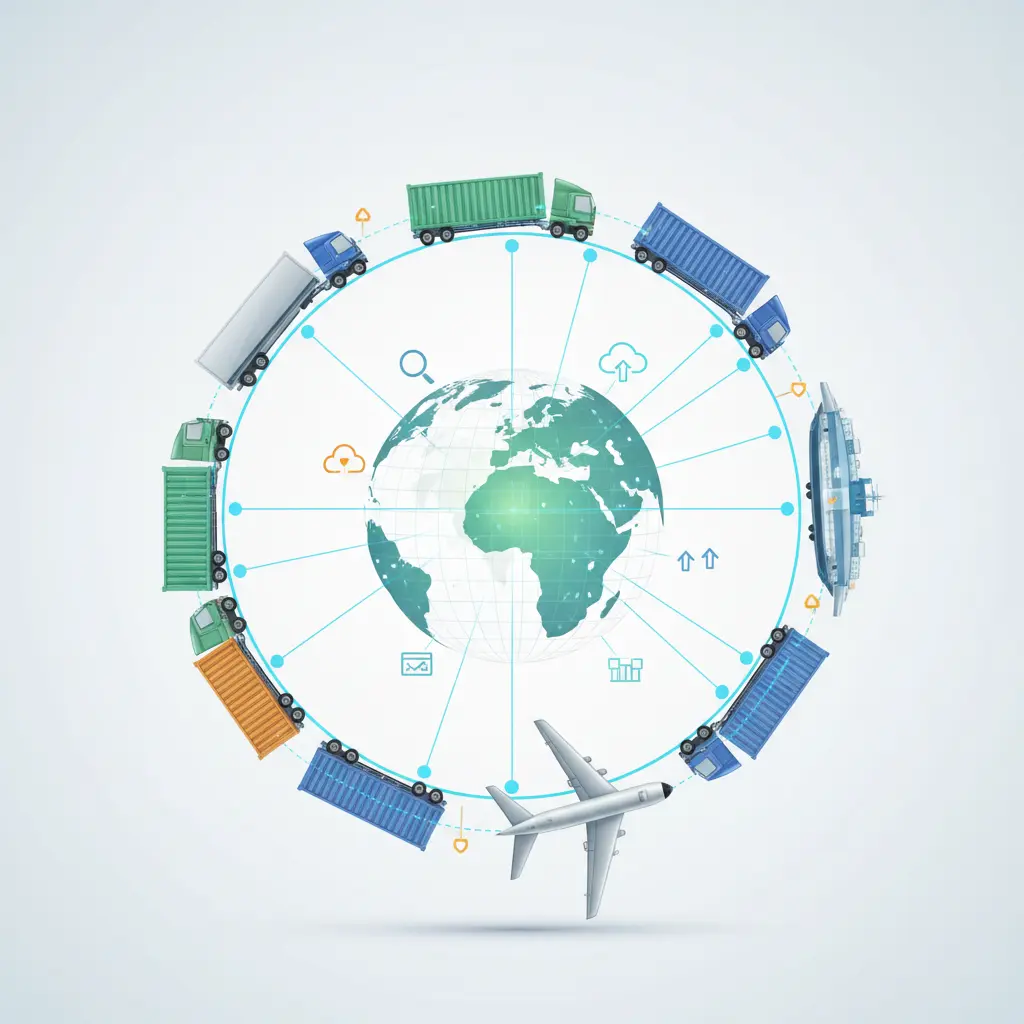
Achieving true visibility goes beyond simply knowing where a product is at any given moment; it involves understanding the origins of raw materials, the conditions of transport, labor practices, and even the environmental impact at each stage. Such comprehensive insight is crucial for risk mitigation, operational efficiency, and, fundamentally, for building trust with overseas buyers and partners alike. The future of global trade hinges on our ability to implement sophisticated global supply chain visibility solutions that leverage cutting-edge technology and foster collaborative ecosystems.
1. Blockchain & Distributed Ledger Technology for Traceability
Blockchain and Distributed Ledger Technology (DLT) are revolutionizing supply chain traceability by providing an immutable and transparent record of transactions and product movements. Each step, from raw material sourcing to final delivery, can be recorded as a block in a chain, accessible to all authorized participants. This creates a tamper-proof audit trail that significantly enhances ethical sourcing B2B practices, allowing companies to verify claims of sustainability, fair labor, and origin with unprecedented accuracy. For instance, a coffee bean’s journey from farm to cup can be meticulously documented, detailing its cultivation, processing, shipping, and certifications. This level of granular traceability is invaluable for compliance, mitigating fraud, and empowering consumers with confidence in the products they purchase. Furthermore, DLT can streamline customs procedures and reduce paperwork, leading to more efficient international trade and a deeper understanding of the entire supply chain network.
2. AI/ML for Predictive Analytics and Risk Management
Artificial Intelligence (AI) and Machine Learning (ML) are transforming supply chain management from reactive to proactive. By processing vast datasets – including historical performance, weather patterns, geopolitical news, economic indicators, and real-time sensor data – AI/ML algorithms can identify patterns, predict potential disruptions, and recommend optimal courses of action. For instance, AI can forecast demand fluctuations with greater accuracy, anticipate logistical bottlenecks, and predict supplier failures before they occur. This predictive capability allows businesses to pre-emptively adjust inventory levels, reroute shipments, or identify alternative suppliers, thereby minimizing costly delays and maintaining operational continuity. Moreover, AI can play a pivotal role in achieving transparent pricing international trade by analyzing cost drivers across the chain, identifying inefficiencies, and providing clearer insights into pricing structures. The ability to model various scenarios and assess their impact on the supply chain equips decision-makers with the foresight needed to navigate complex global markets effectively.
3. Data Integration and Collaborative Platforms for Shared Insights
The true potential of supply chain visibility can only be unlocked through seamless data integration and collaborative platforms that facilitate shared insights among all stakeholders. Historically, supply chains have operated in silos, with each participant holding their own segment of information. Modern solutions aim to break down these barriers, creating centralized or federated platforms where data from ERP systems, IoT devices, logistics providers, and suppliers can be aggregated and analyzed. These collaborative environments enable real-time information exchange, allowing manufacturers, logistics companies, distributors, and retailers to work in concert. Shared dashboards provide a holistic view of inventory levels, shipment statuses, production schedules, and potential risks across the entire network. This collective intelligence not only optimizes individual operations but also fosters a stronger, more resilient ecosystem. As a leading voice in the industry explains, “the future of supply chains is collaborative, connected, and intelligent,” emphasizing the shift towards integrated data for competitive advantage. By enabling all parties to access relevant, up-to-date information, these platforms significantly enhance accountability, drive efficiency, and solidify relationships, ultimately leading to greater trust and performance across the global supply chain.
Partner with Vietnam’s Leading Suppliers
Looking for reliable suppliers in Vietnam? Contact VietnamSuppliers.com today to connect with verified manufacturers and exporters across all industries.
—————————————
References
– supply chain sustainability: https://www2.deloitte.com/us/en/pages/consulting/articles/supply-chain-sustainability.html
– Deloitte: Supply chain transparency: Moving beyond compliance: https://www2.deloitte.com/us/en/pages/insights/articles/supply-chain-transparency-moving-beyond-compliance.html
– Building a Sustainable Supply Chain: A Practical Guide: https://www.unglobalcompact.org/library/382
– UN Global Compact: Ten Principles for Sustainable Business: https://www.unglobalcompact.org/what-is-gc/mission/principles
– :

