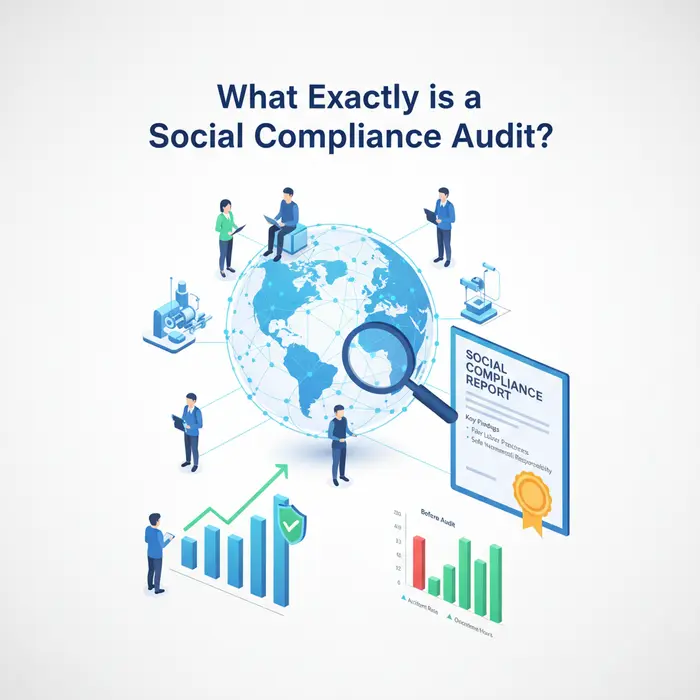
What Exactly is a Social Compliance Audit?
In an increasingly interconnected global economy, businesses are under immense pressure to ensure their products are manufactured ethically and responsibly. A Social Compliance Audit serves as a critical tool in this endeavor, providing a comprehensive assessment of working conditions within a supplier’s facility. It’s a proactive measure designed to verify that factories and workplaces adhere to local and international labor laws, industry standards, and ethical considerations. For companies involved in complex global supply chains, understanding and implementing social compliance audits are fundamental to achieving ethical sourcing, demonstrating supply chain due diligence, and upholding their brand reputation.
1. Defining Social Compliance Audits
A social compliance audit, often referred to as a factory social audit, is a formal, independent examination of a facility’s labor practices, health and safety protocols, and environmental impact. Conducted by trained auditors, these assessments scrutinize a wide array of areas including, but not limited to, child labor, forced labor, discrimination, freedom of association, working hours, wages and benefits, disciplinary practices, and occupational health and safety. Unlike quality or technical audits that focus on product specifications or manufacturing processes, social compliance audits zero in on the human element and the operational environment. They aim to identify any non-compliance issues with established codes of conduct, often based on internationally recognized frameworks like the International Labour Organization (ILO) conventions or specific industry standards. The goal is not just to point out flaws but to facilitate continuous improvement in working conditions, fostering a more sustainable and humane workplace.
2. Key Objectives and Scope of Audits
The primary objective of a social compliance audit is multifaceted. Firstly, it helps businesses mitigate risks associated with unethical labor practices, such as reputational damage, legal penalties, and supply chain disruptions. By verifying adherence to labor laws and ethical standards, companies can safeguard their brand image and maintain consumer trust. Secondly, these audits support responsible sourcing standards by providing transparency and accountability throughout the supply chain. This transparency allows brands to make informed decisions about their suppliers and work towards building more sustainable partnerships. The scope of an audit is typically extensive, involving a combination of methods: thorough documentation review (payroll records, timecards, licenses, permits), confidential worker interviews (to understand actual working conditions), and a comprehensive physical inspection of the facility (checking for safety hazards, proper ventilation, living conditions if applicable). Auditors also review management systems to assess the factory’s capacity for ongoing compliance and improvement, ensuring that any identified issues are addressed systematically rather than as one-off fixes.
3. Beyond Legal Requirements: Ethical Imperatives
While legal compliance forms the bedrock of any social compliance audit, the scope often extends significantly beyond the minimum requirements mandated by law. Many global brands and industry associations adopt codes of conduct that incorporate higher ethical standards, reflecting a commitment to human rights and fair labor practices that surpass national regulations. For instance, a country’s minimum wage might be legally compliant, but an ethical imperative might push for a ‘living wage’ that allows workers to meet their basic needs. Similarly, while local laws might permit certain working hours, a company’s ethical stance might demand stricter limits to ensure worker well-being. This distinction highlights the shift from mere legal adherence to a broader commitment to ethical labor practices. Businesses engaged in global commerce recognize that consumer expectations and stakeholder demands now require them to consider the moral implications of their sourcing decisions, making supply chain due diligence not just a legal obligation but a moral imperative to ensure fair treatment and safe working conditions for all.
Ultimately, a robust social compliance audit program is indispensable for any business aiming to build a resilient, ethical, and responsible global supply chain. It’s an investment in sustainable business practices that benefits workers, brands, and consumers alike.
Why Are Social Compliance Audits Crucial in 2025?
As we navigate 2025, the global business landscape is marked by unprecedented scrutiny and accountability. Social compliance audits are no longer merely a “nice-to-have” but a fundamental pillar of resilient and responsible business operations. The evolving expectations of consumers, the increasing complexity of regulatory frameworks, and the ever-present threat of reputational damage demand a proactive and robust approach to ethical sourcing and supply chain integrity. Businesses that fail to prioritize these audits risk significant financial penalties, operational disruptions, and severe brand erosion in an interconnected and transparent world.
1. Navigating New Regulatory Landscapes and Trade Terms
The year 2025 sees an intensified global push towards mandatory human rights and environmental due diligence. Jurisdictions like the European Union continue to implement comprehensive directives, such as the Corporate Sustainability Due Diligence Directive (CSDDD), requiring companies to identify, prevent, mitigate, and account for adverse human rights and environmental impacts in their value chains. Similarly, the United States’ Uyghur Forced Labor Prevention Act (UFLPA) sets a high bar for proving that goods are not produced with forced labor, effectively reversing the burden of proof for importers.
These regulations are not isolated incidents; they represent a growing global consensus that companies bear responsibility for the social and environmental footprint of their entire supply network. For businesses operating internationally, adherence to these diverse and stringent laws is paramount for market access and avoiding hefty fines. The OECD Due Diligence Guidance for Responsible Business Conduct provides a foundational framework, but granular, on-the-ground social compliance audit processes are essential to verify adherence. Without robust supply chain due diligence validated by such audits, companies risk exclusion from key markets and entanglement in complex legal battles, making compliance not just a legal obligation but a strategic imperative for global trade.
2. Meeting Consumer and Stakeholder Demands for Transparency
Today’s consumers are more informed and ethically conscious than ever before. Social media and instant news cycles amplify concerns about working conditions, fair wages, and environmental impact, transforming consumer sentiment into potent market pressure. Research consistently shows a growing preference for brands that demonstrate clear commitments to ethical sourcing and responsible manufacturing practices. In 2025, this demand for transparency extends beyond individual consumers to encompass a broader spectrum of stakeholders, including investors, employees, and advocacy groups.
Shareholders are increasingly incorporating ESG (Environmental, Social, and Governance) factors into their investment decisions, viewing strong social compliance as an indicator of long-term stability and responsible management. Employees, particularly younger generations, seek employers who align with their values, making ethical practices a crucial component of talent attraction and retention. A credible factory social audit provides verifiable evidence of adherence to responsible sourcing standards, allowing companies to transparently communicate their efforts. This not only builds consumer trust and loyalty but also satisfies the rigorous demands of institutional investors and fosters a positive internal culture, reinforcing the brand’s reputation as a responsible global citizen.
3. Mitigating Reputational, Financial, and Operational Risks
The risks associated with poor social compliance are multi-faceted and potentially catastrophic in 2025. Reputational damage from exposé concerning labor abuses, unsafe working conditions, or environmental negligence can spread globally within hours, leading to boycotts, loss of brand value, and erosion of consumer trust that can take years, if not decades, to rebuild. Financially, non-compliance can result in substantial fines, legal costs, cancelled contracts, and decreased sales, directly impacting a company’s bottom line.
Beyond external pressures, operational risks also loom large. Unethical practices in the supply chain can lead to disruptions, such as product recalls, customs delays, and even seizure of goods, all of which compromise supply chain stability and efficiency. Proactive social compliance audits serve as critical risk mitigation tools, identifying potential vulnerabilities before they escalate into crises. By regularly assessing and improving working conditions, environmental practices, and overall responsible sourcing standards, companies can preemptively address issues, build more resilient supply chains, and protect their brand’s integrity, ensuring long-term sustainability and competitive advantage in a demanding global market. In 2025, these audits are not just about avoiding penalties; they are about safeguarding the very future of the business.
The Social Compliance Audit Process: A Step-by-Step Guide
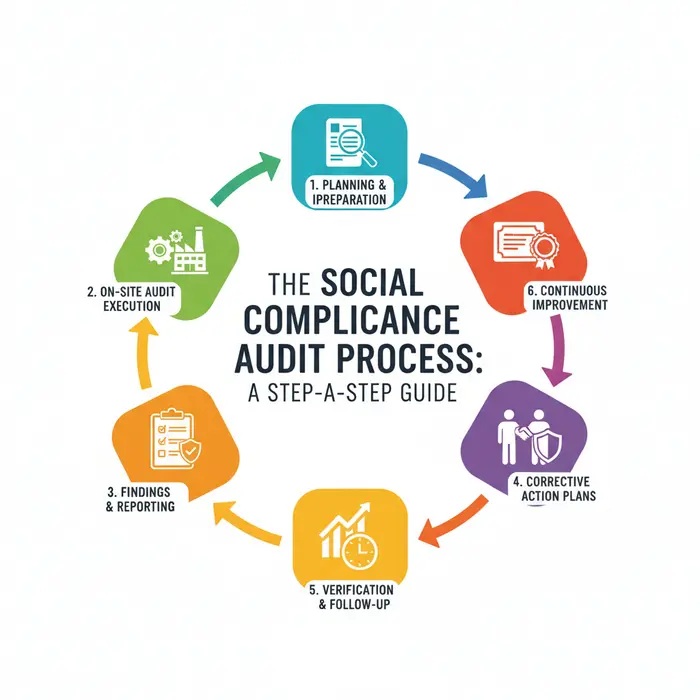
In an increasingly interconnected global economy, ensuring ethical sourcing and maintaining robust supply chain due diligence are paramount for businesses committed to responsible practices. A Social Compliance Audit serves as a critical mechanism to assess a factory’s adherence to labor laws, human rights, and ethical standards, thereby safeguarding brand reputation and fostering a fair working environment. This comprehensive guide outlines the typical stages of a factory social audit, from meticulous planning to impactful follow-up, ensuring responsible sourcing standards are upheld at every turn.
Pre-Audit Preparation and Documentation Review
The journey of a successful social compliance audit begins long before the auditor sets foot in the factory. This initial phase involves comprehensive preparation and a thorough review of available documentation to establish the audit’s scope and identify potential areas of concern. Key steps include initial communication and scheduling with the factory, defining the specific standards against which the audit will be conducted (e.g., SA8000, BSCI, EICC, or client-specific Codes of Conduct), and gathering essential preliminary documents. These documents often encompass business licenses, production permits, HR records such as wage registers, time cards, employee contracts, age verification documents, and health and safety policies. This pre-screening process is vital for the audit team to understand the factory’s operational context, identify potential discrepancies, and tailor their on-site approach, making the subsequent stages more efficient and targeted.
On-Site Factory Social Audit Execution and Methodology
The on-site visit is the core of the social compliance audit, where observations are made, and data is collected firsthand. The audit typically commences with an opening meeting, where auditors introduce themselves, outline the audit plan, and emphasize the confidential nature of the process. This is followed by a detailed facility walk-through, allowing auditors to inspect working conditions, assess safety equipment, check emergency exits, evaluate hygiene in dormitories and canteens, and review environmental waste management practices. A crucial element of this stage is confidential worker interviews. These interviews, conducted privately and off-site if necessary, involve a diverse cross-section of employees (different genders, departments, and seniority levels) to gather unbiased insights into wages, working hours, freedom of association, disciplinary practices, and any instances of harassment or discrimination. Simultaneously, an in-depth review of factory documentation is conducted on-site, cross-referencing time records, payrolls, production logs, and HR files against the actual observations. The day concludes with a closing meeting, where preliminary findings and areas of concern are discussed with factory management, ensuring transparency and providing an initial opportunity for dialogue.

Reporting, Corrective Action Plans, and Verification
Following the on-site execution, the auditor compiles a comprehensive audit report detailing all findings, observations, and identified non-compliances, categorizing them by severity. This report serves as a factual record of the factory’s adherence to the specified social compliance standards. Upon receiving the report, the factory is required to develop a Corrective Action Plan (CAP). The CAP outlines specific actions to address each non-compliance, assigns responsibilities, and sets realistic deadlines for completion. The effectiveness of a social compliance audit hinges on the successful implementation and verification of these corrective actions. This often involves a follow-up process, which can range from a desk review of submitted evidence (e.g., updated policies, training records, new equipment invoices) to a subsequent on-site verification audit for more critical issues. This verification stage is vital to ensure that the identified issues have been genuinely resolved, promoting continuous improvement rather than a one-off compliance check. Adherence to standards like the SA8000® Standard often includes rigorous follow-up protocols to ensure lasting change.
Engaging in a structured and transparent social compliance audit process is indispensable for any brand committed to ethical sourcing and mitigating supply chain risks. By systematically addressing labor practices, environmental impacts, and human rights, companies not only protect their reputation but also contribute significantly to the well-being of workers and the sustainability of global supply chains. This diligent approach to factory social audit forms the backbone of true responsible sourcing standards, fostering trust and long-term partnerships.
Key Pillars of Responsible Sourcing Standards
In an increasingly interconnected global economy, responsible sourcing is no longer a niche concern but a fundamental expectation from consumers, regulators, and investors alike. A comprehensive Social Compliance Audit serves as the bedrock for ensuring ethical and sustainable supply chains. This critical assessment delves into various facets of a supplier’s operations, detailing the critical areas covered to ensure adherence to international labor standards, human rights, health and safety protocols, and environmental stewardship. It emphasizes robust supply chain due diligence, moving beyond mere box-ticking to foster a culture of continuous improvement and genuine responsibility.
1. Labor Practices and Human Rights (Wages, Hours, Child Labor)
At the core of any responsible sourcing initiative lies the unwavering commitment to ethical labor practices and the protection of human rights. A thorough factory social audit meticulously examines several critical areas to ensure compliance with international and local labor laws. This includes scrutinizing wage structures to verify that workers receive at least minimum wage, and often a living wage, along with appropriate overtime compensation. Auditors also assess working hours, ensuring they do not exceed legal limits and that adequate rest periods are provided, safeguarding against excessive overtime and forced labor. The egregious practice of child labor is a primary focus, with auditors diligently checking age verification documents and interviewing workers to confirm that no individuals below the legal working age are employed. Furthermore, issues such as discrimination, harassment, freedom of association, and the right to collective bargaining are investigated to ensure a respectful and equitable working environment. Any instances of forced labor, debt bondage, or restrictions on movement are immediate red flags, triggering severe corrective actions. These checks are vital for ethical sourcing and upholding fundamental human dignity throughout the supply chain.
2. Health, Safety, and Environmental Standards
Beyond fair labor, a robust Social Compliance Audit critically evaluates a supplier’s commitment to providing a safe and healthy working environment, alongside their environmental impact. This pillar assesses the physical conditions of the workplace, including the structural integrity of buildings, fire safety systems (exits, extinguishers, alarms), and the availability of personal protective equipment (PPE) for all relevant tasks. Auditors verify that machinery is properly maintained and guarded, electrical systems are safe, and emergency procedures are clearly communicated and regularly practiced. Access to clean drinking water, sanitary facilities, and adequate first aid provisions are also essential components. On the environmental front, the audit examines practices related to waste management, including proper disposal and recycling initiatives. It investigates the handling and storage of hazardous substances, ensuring compliance with environmental regulations and minimizing pollution. Energy consumption, greenhouse gas emissions, and water usage are also reviewed, encouraging suppliers to adopt more sustainable practices. Adherence to these health, safety, and environmental standards is paramount not only for worker well-being but also for mitigating operational risks and fostering long-term responsible sourcing standards.
3. Management Systems and Supply Chain Due Diligence
The effectiveness of responsible sourcing standards ultimately hinges on the strength of a supplier’s management systems and their proactive approach to supply chain due diligence. A Social Compliance Audit doesn’t just look at conditions on a single day; it assesses the underlying systems designed to maintain compliance over time. This includes reviewing policies and procedures related to all audited areas, ensuring they are clearly documented, communicated to all employees, and regularly updated. Auditors examine the company’s internal audit processes, corrective action plans, and grievance mechanisms, verifying that workers have avenues to raise concerns without fear of retaliation. Furthermore, this pillar delves into the supplier’s own due diligence efforts concerning their sub-suppliers and raw material providers. Are they conducting their own factory social audits? Do they have processes in place to trace the origin of materials and ensure they too meet ethical and environmental benchmarks? This holistic approach ensures transparency and accountability throughout the extended supply chain, safeguarding against unforeseen risks and bolstering the overall integrity of ethical sourcing initiatives. Strong management systems are key to translating audit findings into sustainable improvements and embedding responsible practices deeply within the organization.
Choosing the Right Audit Partner & Future Trends in Ethical Sourcing
In today’s increasingly interconnected and scrutinized global market, ensuring ethical sourcing practices is no longer just a good-to-have but a critical imperative for business continuity and brand reputation. A robust Social Compliance Audit is the cornerstone of any effective ethical sourcing strategy, providing transparency and accountability across complex supply chains. However, merely conducting an audit isn’t enough; selecting the right audit partner and understanding the evolving landscape of social compliance are paramount. This section delves into the essential criteria for choosing a qualified social audit firm and explores cutting-edge trends shaping the future of responsible sourcing, from technological integration to continuous improvement methodologies, all aimed at building truly resilient and responsible supply chains.

Criteria for Selecting a Qualified Social Audit Firm
The integrity and effectiveness of your ethical sourcing program heavily depend on the competence and impartiality of your chosen social audit firm. When embarking on supply chain due diligence, several key criteria must guide your selection process. Firstly, look for firms with internationally recognized accreditations and certifications, such as SA8000, BSCI, or SMETA (Sedex Members Ethical Trade Audit). These accreditations signal adherence to rigorous audit protocols and global responsible sourcing standards.
Secondly, consider the firm’s industry-specific expertise and local knowledge. An audit firm specializing in your sector will have a deeper understanding of relevant labor laws, cultural nuances, and common compliance challenges, which is crucial for a meaningful factory social audit. Their auditors should possess extensive training, experience, and the ability to communicate effectively with factory management and workers, ensuring a thorough and unbiased assessment. Transparency in reporting and a clear methodology for corrective action plans are also non-negotiable. A reputable firm will provide detailed, actionable reports and offer guidance on post-audit follow-up, transforming audit findings into tangible improvements rather than just a checklist exercise. Prioritize firms that demonstrate true independence and a commitment to ethical conduct in their own operations.
Leveraging Technology for Enhanced Social Compliance
The future of ethical sourcing is inextricably linked with technological innovation. The traditional, often periodic and manual, Social Compliance Audit model is evolving, propelled by advancements that offer greater efficiency, accuracy, and real-time visibility. Data analytics and Artificial Intelligence (AI) are revolutionizing risk assessment, allowing companies to proactively identify potential compliance issues in their supply chains by analyzing vast datasets, including past audit results, geographic risks, and supplier performance metrics.
Blockchain technology offers unprecedented traceability, creating immutable records of product journeys from raw materials to finished goods, verifying claims of origin and ethical production at every step. Remote monitoring tools, such as satellite imagery or IoT sensors in factories, can provide continuous oversight of working conditions and environmental impact, supplementing on-site audits. Furthermore, digital platforms for supplier management facilitate streamlined communication, document sharing, and performance tracking, making it easier for brands to collaborate with their suppliers on ethical sourcing initiatives. These technologies not only enhance the depth and breadth of compliance monitoring but also empower businesses to move from reactive problem-solving to proactive risk management, fostering a more sustainable and transparent supply chain.
Continuous Improvement and Building Resilient, Responsible Supply Chains
Beyond periodic audits and technological tools, the ultimate goal in ethical sourcing is to cultivate a culture of continuous improvement and build inherently resilient and responsible supply chains. This paradigm shift moves away from a pass/fail audit mentality towards ongoing engagement, capacity building, and collaborative approaches. Brands are increasingly working alongside their suppliers, offering training and resources to help them meet and exceed responsible sourcing standards, rather than simply penalizing non-compliance.
Continuous monitoring, supported by technology, allows for more frequent check-ins and quicker responses to emerging issues. This fosters a dynamic relationship where improvements are integrated into daily operations. Furthermore, integrating sustainability and social compliance into core business strategies – from procurement decisions to product design – ensures that ethical considerations are not an afterthought but a fundamental driver. By focusing on long-term partnerships, mutual accountability, and fostering transparency throughout the entire value chain, companies can move beyond mere compliance to establish truly ethical and robust supply chains that are prepared to face future challenges while delivering positive social and environmental impact. This holistic approach builds trust, mitigates risks, and ultimately enhances brand value in the eyes of consumers and stakeholders alike.
Partner with Vietnam’s Leading Suppliers
Looking for reliable suppliers in Vietnam? Contact VietnamSuppliers.com today to connect with verified manufacturers and exporters across all industries.
—————————————
References
– SA8000® Standard | Social Accountability International: https://www.sa-intl.org/standards/sa8000/
– :
– :
– OHCHR – Due Diligence: https://www.ohchr.org/en/resources/business-and-human-rights/due-diligence
– SA8000® Standard | Social Accountability International: https://sa-intl.org/programs/sa8000/