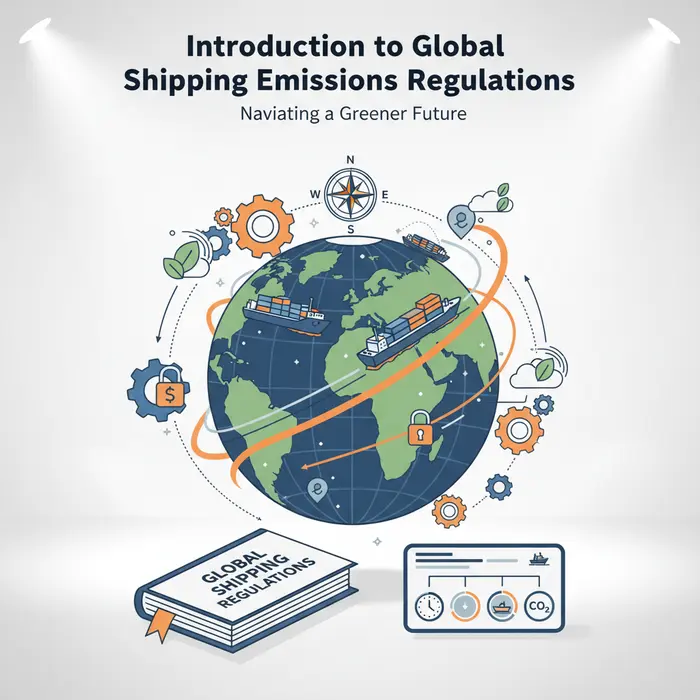
Introduction to Global Shipping Emissions Regulations
The global maritime industry, a cornerstone of international trade, is increasingly under pressure to address its substantial environmental footprint. Shipping, responsible for transporting over 80% of global goods by volume, is a significant contributor to greenhouse gas (GHG) emissions, air pollution, and marine degradation. Recognizing this urgent need, a complex web of current and upcoming Global shipping emissions regulations trade impact is rapidly reshaping operational paradigms, driving innovation, and redefining what constitutes sustainable shipping. These regulations are not merely environmental mandates; they represent a fundamental shift in economic strategies, influencing everything from vessel design and fuel choices to supply chain logistics and ultimately, the cost of goods. This section delves into the critical drivers behind these regulatory shifts and explores the key frameworks shaping the maritime industry’s decarbonization journey.
1. The Urgency for Maritime Decarbonization
The necessity for maritime decarbonization stems from compelling environmental and economic factors. Shipping’s contribution to global CO2 emissions is estimated to be around 2-3%, a figure projected to rise significantly if left unchecked, potentially reaching 50-250% of 2012 levels by 2050 under business-as-usual scenarios. Beyond CO2, ships emit harmful pollutants such as sulfur oxides (SOx), nitrogen oxides (NOx), and particulate matter (PM), which contribute to acid rain, respiratory diseases, and coastal pollution. The scientific consensus on climate change, coupled with growing public and investor demand for corporate social responsibility, has pushed sustainability to the forefront of maritime strategy.
Consequently, stakeholders across the shipping value chain are now prioritizing robust Maritime decarbonization strategies. This involves exploring alternative fuels like ammonia, hydrogen, methanol, and biofuels; adopting energy-efficient technologies such as wind-assisted propulsion and optimized hull designs; and implementing operational efficiencies like slow steaming and route optimization. The transition, however, is capital-intensive and presents considerable challenges for shipowners, operators, and cargo owners alike. The long lifespan of vessels means that investment decisions made today will have implications for decades, necessitating clear regulatory signals and financial incentives to accelerate the shift towards a greener fleet. Ensuring sustainable shipping supply chain costs remain competitive while meeting stringent environmental targets is a delicate balancing act that requires collaborative efforts across the entire industry.
2. Key International & Regional Regulatory Frameworks (IMO, EU ETS)
The regulatory landscape governing shipping emissions is multifaceted, with both international and regional bodies playing pivotal roles.
The International Maritime Organization (IMO): As the United Nations specialized agency responsible for the safety and security of shipping and the prevention of marine and atmospheric pollution by ships, the IMO sets global standards. Its initial strategy to reduce GHG emissions from ships, adopted in 2018, aims to cut total annual GHG emissions by at least 50% by 2050 compared to 2008 levels, while pursuing efforts towards phasing them out entirely. Key IMO measures include:
- Energy Efficiency Design Index (EEDI): Mandatory for new ships, ensuring they are built to be more energy-efficient.
- Ship Energy Efficiency Management Plan (SEEMP): Mandatory for all ships, requiring a plan to improve energy efficiency in operation.
- Carbon Intensity Indicator (CII): From 2023, ships are required to calculate their annual CII, which measures carbon efficiency, and obtain a rating (A to E). A ship’s CII rating determines whether corrective actions are needed to improve efficiency.
- IMO Fuel EU Maritime Initiative (upcoming): Aims to boost the demand for and supply of renewable and low-carbon fuels in shipping.
The European Union Emissions Trading System (EU ETS): The EU has taken a pioneering regional approach by extending its ETS to cover CO2 emissions from maritime transport. From January 1, 2024, shipping companies operating within the EU or calling at EU ports from outside the EU must surrender allowances for a portion of their emissions, incrementally increasing to 100% by 2026. This move has profound implications, particularly concerning the EU ETS shipping impact on international trade. It introduces a direct financial cost for emissions, incentivizing the adoption of greener logistics solutions and low-carbon fuels. The scheme applies to 50% of emissions from voyages between an EU port and a non-EU port, and 100% of emissions from voyages between EU ports. This regulatory pressure is expected to drive significant changes in vessel routing, fuel sourcing, and potentially, the competitive landscape for B2B sourcing of goods, as businesses seek green logistics solutions to mitigate these new costs. The EU ETS serves as a powerful regional precedent, demonstrating how carbon pricing can accelerate decarbonization in the maritime sector, influencing global discussions and potentially inspiring similar schemes elsewhere.
The interplay between these global and regional regulations creates a dynamic and challenging environment for the shipping industry, demanding proactive engagement and substantial investment to navigate the transition towards a sustainable, decarbonized future.
Direct Trade Impact of Emissions Regulations
The global maritime industry, responsible for over 80% of international trade by volume, is at the forefront of the battle against climate change. With increasing pressure to decarbonize, new Global shipping emissions regulations trade impact is becoming a critical consideration for businesses engaged in international commerce. These stringent environmental mandates, designed to curb greenhouse gas emissions from ships, are far from abstract policy discussions; they directly translate into tangible changes across trade routes, significantly inflate shipping costs, and necessitate substantial adjustments in operational logistics for businesses worldwide. Understanding these direct impacts is paramount for maintaining competitive advantage and ensuring supply chain resilience in a rapidly evolving regulatory landscape.
1. Rising Freight Costs and Surcharges (e.g., EU ETS Carbon Costs)
Perhaps the most immediate and palpable impact of new emissions regulations is the inevitable rise in freight costs. Regulations like the European Union’s Emission Trading System (EU ETS), which began including maritime shipping from January 2024, require ship operators to purchase and surrender allowances for their greenhouse gas emissions. Initially covering 40% of emissions in 2024, this will escalate to 70% in 2025 and 100% from 2026 for voyages to and from EU ports. This regulatory mechanism directly imposes a carbon cost on shipping companies. These additional operational expenses are not absorbed by carriers; instead, they are passed on to shippers through various surcharges, commonly referred to as EU ETS surcharges, Carbon Surcharges, or Green Surcharges.
The calculation of these surcharges can be complex, often varying by trade lane, vessel type, and cargo volume, but the outcome is consistently higher shipping bills. For businesses, this means a direct increase in sustainable shipping supply chain costs. Companies importing goods into or exporting from the EU are particularly affected, as the EU ETS charges apply to 50% of emissions for voyages between an EU and a non-EU port, and 100% for intra-EU voyages. This “EU ETS shipping impact on international trade” forces companies to re-evaluate their product pricing strategies, profit margins, and overall financial planning. The financial burden is not uniform; industries with low-margin, high-volume goods often feel the pinch more acutely, potentially jeopardizing the viability of certain trade lanes or product lines.
2. Route Adjustments and Supply Chain Realignment
Beyond direct costs, emissions regulations are compelling shipping lines to reconsider their traditional operational models, leading to significant route adjustments and subsequent supply chain realignments. To comply with emissions intensity targets set by regulations such as the IMO’s Carbon Intensity Indicator (CII), carriers may adopt “slow steaming” – reducing vessel speed to conserve fuel and lower emissions per nautical mile. While beneficial for the environment, slow steaming extends transit times, which can disrupt just-in-time supply chains and demand more substantial inventory holdings for businesses.
Furthermore, carriers might optimize routes to minimize exposure to high-cost regulatory zones, potentially leading to fewer direct calls at certain ports or the consolidation of services. This search for Green logistics solutions B2B sourcing can involve using alternative fuels, optimizing vessel design, or investing in new, more efficient ships. For businesses, this translates into a need for greater flexibility in their logistics planning. They may need to explore new port options, adjust lead times, or even rethink their entire sourcing and distribution networks. This dynamic environment requires proactive engagement with logistics partners and a keen understanding of evolving “maritime decarbonization strategies” to adapt efficiently and maintain operational fluidity.
3. Impact on Specific Industries and Commodities
The direct trade impact of emissions regulations is not uniform across all industries and commodities; rather, it creates differentiated challenges and opportunities. Industries dealing with bulk commodities, such as agriculture, minerals, and heavy machinery, often operate on tighter margins and are highly sensitive to freight cost fluctuations. For these sectors, even a moderate increase in shipping expenses can significantly erode profitability and affect global competitiveness. For example, a bulk carrier transporting iron ore from Brazil to Europe will face substantial EU ETS costs, which could ultimately be passed onto steel manufacturers.
Conversely, high-value, time-sensitive goods might be less impacted by a percentage increase in freight costs but more by extended transit times resulting from slow steaming or route changes. Companies in electronics, fashion, or pharmaceuticals might prioritize speed and reliability, potentially pushing them towards air freight for critical shipments, further diversifying their carbon footprint. The uneven impact also has implications for global sourcing strategies. Businesses might reconsider sourcing from distant locations if the increased shipping costs and complexities outweigh the benefits of lower production costs. This could lead to a re-evaluation of global supply chains, potentially favoring regional sourcing or nearshoring to mitigate the escalating costs and compliance burdens associated with long-haul international shipping under stringent new emissions regimes.
Maritime Decarbonization Strategies & Innovations
The global maritime industry, responsible for transporting over 80% of world trade, faces immense pressure to drastically reduce its environmental footprint. With escalating concerns over climate change and tightening international mandates, maritime decarbonization strategies are no longer optional but critical for survival and competitiveness. Regulatory frameworks like the IMO’s GHG strategy and the EU ETS shipping impact on international trade are compelling shipping companies to invest in innovative technologies and operational shifts. This section delves into the key strategies being adopted to navigate this complex transition, addressing both the technological advancements and the operational adjustments necessary for a greener future, while considering the sustainable shipping supply chain costs and the broader Global shipping emissions regulations trade impact.
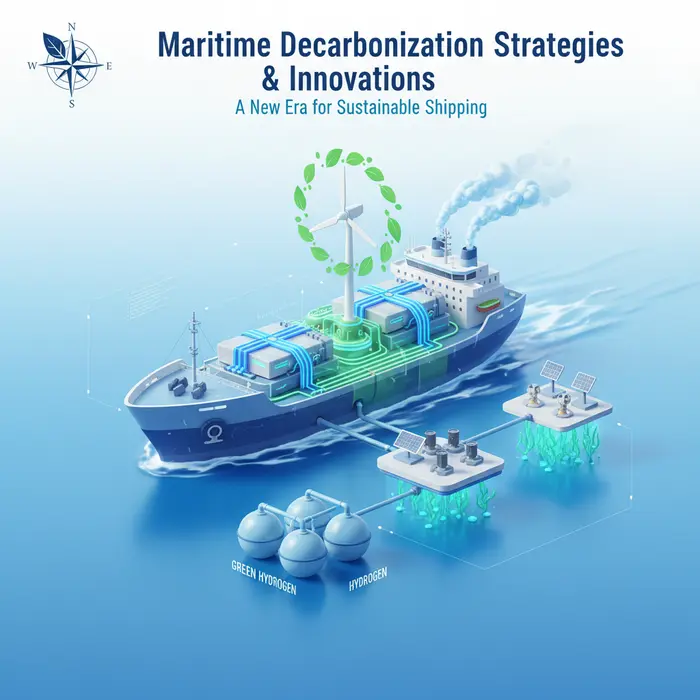
Adoption of Alternative Fuels (LNG, Methanol, Ammonia, Hydrogen)
The transition to low-carbon and zero-carbon fuels stands as a cornerstone of maritime decarbonization strategies. While liquefied natural gas (LNG) has served as a transitional fuel, offering immediate reductions in sulfur oxides (SOx), nitrogen oxides (NOx), and particulate matter, its methane slip remains a concern. The industry is rapidly shifting focus towards next-generation fuels like methanol, which can be produced from renewable sources and offers a relatively straightforward integration into existing vessel designs. Ammonia, another promising zero-carbon fuel, is gaining traction due to its high energy density and the absence of carbon emissions, although challenges related to toxicity and infrastructure are significant. Hydrogen, particularly green hydrogen, represents the ultimate long-term zero-emission solution, despite its current hurdles in storage, bunkering, and energy efficiency. The choice of alternative fuel profoundly impacts sustainable shipping supply chain costs, influencing everything from bunkering infrastructure development to engine modifications and the overall economics of international trade. The long-term viability of these fuels is heavily influenced by evolving global shipping emissions regulations and the availability of scalable, green production methods.
Vessel Efficiency Improvements & Fleet Modernization
Beyond fuel switching, enhancing the energy efficiency of vessels is a direct and immediate pathway to reducing emissions and managing sustainable shipping supply chain costs. This involves a multi-pronged approach encompassing technological upgrades and operational adjustments. On the technological front, innovations include improved hull designs to reduce hydrodynamic resistance, advanced propeller systems, air lubrication systems, and waste heat recovery units that capture and convert engine heat into usable energy. Retrofitting existing vessels with these technologies, alongside the construction of new, more efficient ships (fleet modernization), significantly lowers fuel consumption per nautical mile. Operationally, practices such as slow steaming – reducing vessel speed to optimize fuel burn – continue to be highly effective. Furthermore, sophisticated trim and ballast optimization systems ensure vessels operate at their most efficient draft, while advanced antifouling coatings minimize biofouling and drag. These measures collectively contribute to substantial emissions reductions and are often seen as cost-effective maritime decarbonization strategies in the short to medium term, helping companies adapt to stringent mandates like the EU ETS shipping impact on international trade.
Digitalization and Route Optimization for Green Logistics
The digital revolution is playing a pivotal role in optimizing shipping operations and fostering green logistics solutions B2B sourcing. Advanced data analytics, artificial intelligence (AI), and machine learning algorithms are being deployed to enhance vessel performance and minimize environmental impact. Route optimization software, for instance, considers real-time weather conditions, ocean currents, and port congestion to calculate the most fuel-efficient and timely routes, reducing transit times and fuel consumption. Predictive maintenance systems leverage sensor data to anticipate equipment failures, ensuring optimal engine performance and preventing unscheduled downtime. Furthermore, enhanced communication and data sharing between vessels, ports, and logistics providers facilitate just-in-time arrivals, reducing idling times at anchor and associated emissions. This digital transformation provides a competitive edge, allowing shipping companies to not only comply with global shipping emissions regulations but also to offer more reliable and environmentally friendly services, addressing the growing demand for sustainable supply chains from their B2B partners. This integrated approach is crucial for navigating the complexities of modern shipping and minimizing the carbon footprint across the entire logistics chain.
The journey towards maritime decarbonization is multifaceted, requiring a strategic blend of technological innovation, operational excellence, and digital transformation. By embracing alternative fuels, investing in vessel efficiency improvements, and leveraging digitalization for route optimization, shipping companies can significantly reduce their carbon footprint. These maritime decarbonization strategies are essential not only for environmental stewardship but also for economic viability, mitigating the rising sustainable shipping supply chain costs and navigating the evolving landscape of regulations such as the EU ETS shipping impact on international trade. The continued collaborative efforts across the industry, supported by robust policy frameworks, will be instrumental in achieving the ambitious goal of a truly green and sustainable global shipping sector, impacting global trade positively.
Sustainable Shipping Supply Chain Costs & B2B Sourcing
The global maritime industry is at a pivotal juncture, grappling with escalating environmental concerns and stringent new regulations. For shippers, this translates into a complex landscape of rising operational costs and an urgent demand for sustainable logistics. Businesses are now compelled to adapt their B2B sourcing and procurement strategies to navigate these changes effectively, ensuring resilience and maintaining competitiveness in an evolving marketplace. The Global shipping emissions regulations trade impact is profound, pushing companies to re-evaluate every aspect of their supply chain, from fuel choices to carrier partnerships.
Regulatory frameworks such as the EU Emission Trading System (EU ETS) are introducing direct financial implications for shipping lines, which are inevitably passed down to cargo owners. This necessitates a proactive approach to understanding and mitigating sustainable shipping supply chain costs. Beyond compliance, consumer and investor pressure for greater corporate social responsibility is also driving demand for greener practices, making sustainable logistics not just a regulatory burden but a strategic imperative. Adapting B2B sourcing means looking beyond traditional metrics and integrating environmental performance into core decision-making processes.
1. Analyzing Total Cost of Ownership (TCO) for Sustainable Logistics
Analyzing Total Cost of Ownership (TCO) for Sustainable Logistics involves a comprehensive evaluation of all direct and indirect costs associated with a particular logistics solution throughout its entire lifecycle, extending beyond the initial purchase price or freight rate. In the context of sustainable shipping, TCO includes not only the visible costs like freight, port fees, and insurance, but also the less obvious yet increasingly significant costs related to environmental compliance, such as carbon pricing, penalties for non-compliance, and investments in cleaner fuels or technologies. It also factors in the potential long-term benefits, such as enhanced brand reputation, access to new markets demanding green supply chains, and improved operational efficiency through optimized routes or more advanced, eco-friendly vessels.
For example, the EU Emission Trading System (EU ETS) for the maritime sector, which came into effect in 2024, mandates that shipping companies pay for their greenhouse gas emissions. This directly impacts the EU ETS shipping impact on international trade, as carriers will pass these costs on to shippers, often through surcharges. By adopting a TCO perspective, businesses can accurately compare the true cost of a conventional shipping route versus a more sustainable alternative that might have a higher upfront cost but lower long-term environmental penalties and better market positioning. This holistic view enables better-informed procurement decisions, balancing immediate expenditures with future financial and reputational returns.
2. Supplier Selection Criteria for Green Logistics Solutions
Supplier Selection Criteria for Green Logistics Solutions refers to the expanded set of benchmarks businesses now employ when choosing logistics providers, shifting focus beyond traditional metrics like price, speed, and reliability to include environmental performance and sustainability commitments. As demand for sustainable practices grows, merely meeting basic service level agreements is no longer sufficient; suppliers must demonstrate a clear commitment to reducing their environmental footprint.
Key criteria include a carrier’s investment in maritime decarbonization strategies, such as the use of alternative fuels (e.g., LNG, biofuels, ammonia, hydrogen), deployment of energy-efficient vessel designs, and participation in carbon offsetting programs. Shippers should assess a supplier’s transparency in reporting emissions, their adherence to international environmental standards (e.g., IMO 2020), and their adoption of technologies for optimized routing and real-time fuel consumption monitoring. Certifications from recognized bodies (e.g., ISO 14001, EcoVadis ratings) can serve as valuable indicators of a supplier’s environmental integrity. Incorporating these criteria into B2B sourcing agreements ensures that businesses partner with providers genuinely committed to reducing their ecological impact, contributing to a more sustainable supply chain.
3. Opportunities for Collaborative Green Sourcing and Partnerships
Opportunities for Collaborative Green Sourcing and Partnerships highlights the immense potential for businesses to achieve sustainability goals and manage costs more effectively by joining forces with other stakeholders in the supply chain. Rather than operating in isolation, companies can leverage collective action to drive innovation, share risks, and gain economies of scale in sustainable logistics initiatives. This involves forming alliances with other shippers, logistics providers, technology firms, and even competitors to collectively invest in or procure greener solutions.
Examples include co-investing in alternative fuel infrastructure at ports, jointly procuring sustainable shipping services to secure better rates for green logistics solutions B2B sourcing, or pooling resources for research and development into new decarbonization technologies. Collaborative platforms can facilitate shared vessel capacity, optimize routing across multiple cargo owners, and reduce empty backhauls, thereby cutting emissions and mitigating individual sustainable shipping supply chain costs. Such partnerships not only accelerate the transition to sustainable shipping but also foster a more resilient and innovative supply chain ecosystem, offering a strategic advantage in a rapidly changing regulatory and market environment.
Future Outlook & Strategic Adaptation for 2025 and Beyond
As the global economy continues to evolve, the maritime sector faces unprecedented pressure to decarbonize. The convergence of escalating environmental concerns, technological advancements, and a complex regulatory landscape necessitates a proactive approach from businesses involved in international trade. This section delves into the long-term trends shaping the shipping industry, anticipates potential future regulatory evolutions, and offers strategic recommendations to ensure businesses remain competitive, compliant, and sustainable in the years leading up to 2025 and well beyond. Understanding the profound Global shipping emissions regulations trade impact is critical for all stakeholders.
1. Forecasting Future Regulatory Evolution & Market Dynamics
The trajectory of future maritime regulations is largely set by international bodies such as the International Maritime Organization (IMO) and regional frameworks like the European Union’s initiatives. The IMO’s revised Greenhouse Gas (GHG) Strategy, for instance, sets ambitious targets for reducing GHG emissions from international shipping, including an aim for net-zero by or around 2050. This commitment will inevitably lead to more stringent measures, expanding beyond the current Carbon Intensity Indicator (CII) and Energy Efficiency Existing Ship Index (EEXI) to potentially include fuel standards, operational limits, and even port-specific requirements. The IMO’s comprehensive strategy for reducing GHG emissions from ships serves as a foundational document for these future shifts. Businesses must prepare for an environment where carbon pricing mechanisms, similar to the EU ETS shipping impact on international trade, become more globally prevalent. This will directly translate into higher operational costs for non-compliant vessels and, consequently, increased sustainable shipping supply chain costs. Market dynamics will also shift, favoring carriers demonstrating robust maritime decarbonization strategies and offering ‘green shipping’ options. Importers and exporters will increasingly scrutinize their logistics partners’ environmental credentials, driving demand for transparency and certified sustainable practices. The advent of digital twins and advanced data analytics will become indispensable for optimizing routes, predicting compliance risks, and managing carbon footprints effectively.
2. Investment in Green Technologies and Infrastructure
To navigate the evolving regulatory landscape, significant investment in green technologies and infrastructure is paramount. This includes accelerating the adoption of alternative fuels such as green methanol, ammonia, hydrogen, and biofuels. While these technologies are still maturing and face infrastructure challenges, early adopters stand to gain a competitive advantage and mitigate future compliance risks. Businesses should explore partnerships with technology providers, port authorities, and energy companies to facilitate the transition. Investments in energy-efficient vessel designs, propulsion systems, and operational technologies (e.g., shore power connectivity, wind-assisted propulsion) will also yield substantial long-term benefits. Beyond vessels, the supporting infrastructure at ports for bunkering alternative fuels, cold ironing, and waste management will need considerable upgrades. This also presents opportunities for green logistics solutions B2B sourcing, where companies can procure services and technologies that enhance their entire supply chain’s environmental performance. Forward-thinking companies are already integrating sustainability metrics into their procurement processes, favoring suppliers who can demonstrate a clear pathway to reduced emissions. The initial capital outlay for these investments may be significant, but the long-term returns in terms of regulatory compliance, reduced operational costs (especially as carbon prices rise), enhanced brand reputation, and access to environmentally conscious markets will outweigh the challenges.
3. Policy Advocacy and International Cooperation
Given the global nature of shipping, effective strategic adaptation extends beyond individual corporate actions to active participation in policy advocacy and international cooperation. Businesses have a crucial role in contributing to the development of pragmatic and achievable regulations that foster innovation without unduly stifling economic activity. Engaging with industry associations, trade bodies, and governmental organizations can help shape future policies, ensuring they are scientifically sound, technologically feasible, and economically viable. International cooperation is equally vital in harmonizing global standards and avoiding a patchwork of conflicting regional regulations that could impede international trade. Supporting initiatives that promote technology transfer, capacity building, and financial mechanisms for developing countries to adopt cleaner shipping practices will be essential for an equitable transition. By collectively advocating for clear, stable, and predictable regulatory frameworks, the industry can create an environment conducive to long-term investment in decarbonization. This collaborative approach not only influences the pace and direction of regulatory change but also helps to mitigate the broader impact of global shipping emissions regulations on trade, fostering a more sustainable and resilient global supply chain for all.
Partner with Vietnam’s Leading Suppliers
Looking for reliable suppliers in Vietnam? Contact VietnamSuppliers.com today to connect with verified manufacturers and exporters across all industries.
—————————————
References
– UNCTAD – Shipping Sector Decarbonization: https://unctad.org/news/shipping-sector-must-decarbonize-now-or-face-higher-costs-later
– European Parliament – Emissions trading system (ETS) for maritime transport: https://www.europarl.europa.eu/factsheets/en/sheet/153/emissions-trading-system-ets-for-maritime-transport
– IMO GHG Emissions Reduction Strategy: https://www.imo.org/en/OurWork/Environment/Pages/GHG-Emissions.aspx
– Commission welcomes entry into force of Emission Trading System for maritime sector: https://commission.europa.eu/news/commission-welcomes-entry-force-emission-trading-system-maritime-sector-2023-01-01_en
– :