The Imperative for Supply Chain Diversification
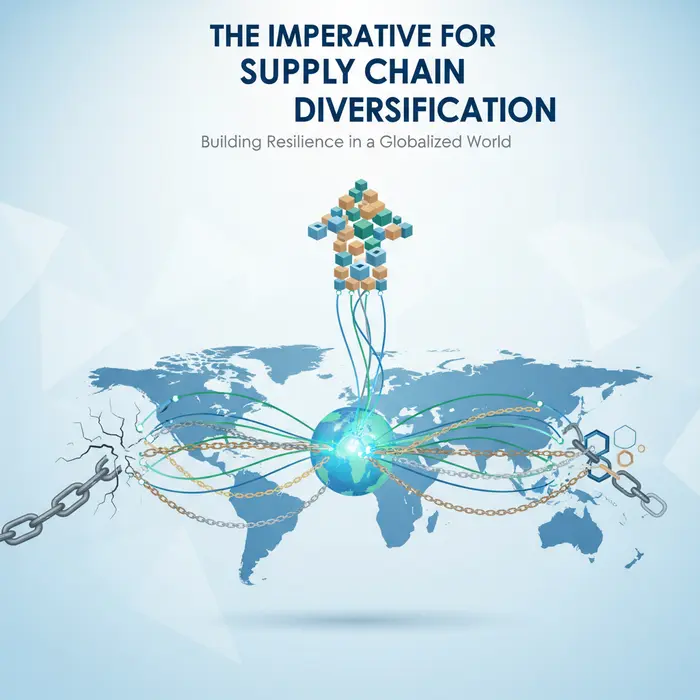
In an increasingly interconnected yet volatile world, the concept of a monolithic, single-source supply chain has become an untenable risk for global retail businesses. The past few years have vividly demonstrated that relying heavily on one region or supplier exposes companies to a cascade of disruptions, from geopolitical tensions and economic downturns to natural disasters and public health crises. Therefore, prioritizing Global Retail Supply Chain Diversification is no longer merely a strategic advantage but an existential imperative. Retailers must move beyond traditional models, seeking to build robust, agile, and geographically dispersed networks that can withstand shocks and ensure long-term stability and profitability.
1. Geopolitical Volatility and Economic Uncertainties
The global landscape is perpetually shifting, marked by an intricate web of geopolitical tensions and unpredictable economic shifts. Trade wars, tariff impositions, sanctions, and regional conflicts can rapidly transform a stable sourcing market into a high-risk zone. For instance, evolving trade relations between major economic blocs can lead to abrupt cost increases, delays, or even outright bans on imports. Furthermore, currency fluctuations, inflation, and varying labor costs continually impact profitability and sourcing decisions. Businesses focused on the Asia retail supply chain outlook 2024 are keenly aware of these dynamics, understanding that political stability in one nation might not extend to its neighbors, necessitating a broader spread of manufacturing and logistics hubs. Diversifying supply chains mitigates the impact of such localized or regional instability, ensuring that if one supply route or manufacturing hub is compromised, alternative channels are readily available, safeguarding consistent product flow.
2. Lessons from Recent Global Disruptions
The recent past has served as a harsh, undeniable lesson in the fragility of concentrated supply chains. The COVID-19 pandemic exposed critical vulnerabilities, halting production, disrupting logistics, and creating unprecedented demand surges. Factories shut down, ports became backlogged, and shipping costs skyrocketed, leading to widespread stockouts and significant financial losses for retailers. Subsequent events, such as the Suez Canal blockage and regional energy crises, further highlighted how single points of failure could cripple global trade. These disruptions underscored the urgent need for effective E-commerce supply chain resilience strategies, particularly as online retail experienced explosive growth. Companies that had already begun to explore multi-sourcing or regional hubs were better positioned to pivot, demonstrating superior resilience. The primary takeaway is clear: expecting the unexpected and building in redundancy is a foundational requirement for survival in modern retail.
3. Building Proactive Resilience and Agility
Moving forward, the focus for global retailers must shift from reactive crisis management to proactive resilience building. This involves a strategic re-evaluation of the entire supply network to embed agility and robustness at every level. A key strategy is multi-sourcing, involving partnerships with suppliers across diverse geographic locations. For example, exploring Vietnam sourcing for retail imports has become a popular choice for many Western businesses seeking alternatives or complements to traditional manufacturing bases, driven by competitive costs, growing infrastructure, and stable political environments. Beyond geographical diversification, retailers are also adopting advanced technologies like AI for enhanced visibility and predictive analytics, allowing for quicker responses to potential disruptions. Furthermore, an emphasis on Sustainable retail import practices is intertwining with diversification efforts. Sourcing from multiple regions often allows for a more careful selection of partners committed to ethical labor and environmental standards, aligning with consumer demand for transparency. Implementing robust global supply chain resilience strategies means leveraging localized distribution centers, optimizing last-mile delivery, and maintaining strategic buffer stocks. By fostering a network of diverse suppliers and logistics partners, retailers can create a shock-absorbent supply chain, ready to adapt to whatever challenges the future may bring. This comprehensive approach to building resilience is central to the long-term success of global retail operations.
In conclusion, the imperative for Global Retail Supply Chain Diversification is undeniable. From navigating geopolitical complexities and economic uncertainties to internalizing the stark lessons of recent global crises, retailers must evolve their strategies. By embracing multi-sourcing, exploring new regions like Vietnam, and integrating advanced technologies with sustainable practices, businesses can construct supply chains that are not just resilient but inherently agile. This proactive approach ensures stability, mitigates risks, and ultimately safeguards the future profitability and customer loyalty of global retail enterprises.
Vietnam: A Strategic Hub for Retail Import Sourcing
In an era defined by geopolitical shifts, trade uncertainties, and the imperative for Global Retail Supply Chain Diversification, Vietnam has rapidly emerged as a formidable alternative sourcing destination for retail imports. Businesses globally are re-evaluating their dependency on single-country supply chains, seeking robust E-commerce supply chain resilience strategies and more balanced risk profiles. Vietnam’s strategic location, burgeoning manufacturing sector, and proactive economic policies position it as a critical player in the Asia retail supply chain outlook 2024 and beyond, offering compelling advantages for companies engaged in Vietnam sourcing for retail imports.
1. Key Industries Attracting Retail Investment
Vietnam’s manufacturing prowess extends across a diverse range of sectors, making it highly attractive for retailers looking to diversify their product sourcing. Traditionally strong in textiles and apparel, the country has significantly expanded its capabilities into footwear, furniture, electronics, and plastics. This broad industrial base provides retailers with a wide spectrum of products, from high-volume consumer goods to specialized components. The Vietnamese workforce is increasingly skilled, adapting quickly to modern production techniques and quality standards demanded by international markets. For instance, its robust textile and garment industry, coupled with competitive labor costs and a growing network of local material suppliers, makes Vietnam sourcing for retail imports particularly appealing for fashion brands. Similarly, the country’s rising prominence in electronics assembly, including components for smart devices and home appliances, underscores its versatility and potential for further growth in high-value manufacturing for global retail.
2. Infrastructure Development and Trade Agreements
A cornerstone of Vietnam’s appeal as a sourcing hub is its continuous investment in infrastructure coupled with an aggressive strategy of forging international trade agreements. The government has poured resources into upgrading its port facilities, including key international gateways like Hai Phong and Cai Mep-Thi Vai, and improving road and rail networks, significantly enhancing logistics efficiency. These infrastructure advancements are crucial for supporting the volume and speed required by modern retail supply chains. Furthermore, Vietnam is a signatory to numerous Free Trade Agreements (FTAs) that provide preferential market access and reduced tariffs, making its exports highly competitive. Key agreements include the Comprehensive and Progressive Agreement for Trans-Pacific Partnership (CPTPP), the EU-Vietnam Free Trade Agreement (EVFTA), and the Regional Comprehensive Economic Partnership (RCEP). These FTAs not only lower costs but also streamline customs procedures and encourage foreign direct investment, solidifying Vietnam’s role in Global Retail Supply Chain Diversification and shaping a positive Asia retail supply chain outlook 2024. According to a report by The World Bank, Vietnam continues to demonstrate strong economic resilience and remains a magnet for FDI, partly due to its robust integration into global trade networks.
3. Navigating Logistics, Costs, and Regulatory Frameworks
While Vietnam offers substantial advantages, businesses must strategically navigate its operational landscape. Logistics, though improving, still require careful planning, especially regarding shipping routes, lead times, and last-mile delivery. Retailers should consider partnering with experienced local logistics providers or 3PLs to optimize freight movement and manage inventory efficiently. Cost structures in Vietnam are generally competitive, offering a compelling alternative to higher-cost regions, though rising labor costs and land prices in certain industrial zones are factors to monitor. Understanding and complying with Vietnam’s regulatory frameworks, including customs declarations, product safety standards, and labor laws, is paramount for smooth operations. Moreover, as global consumers increasingly demand ethical production, adopting Sustainable retail import practices is not just a regulatory compliance issue but a brand imperative. This includes ensuring fair labor practices, environmental stewardship, and transparency throughout the supply chain. Proactive engagement with local authorities and a clear understanding of cultural nuances can significantly enhance the success of E-commerce supply chain resilience strategies rooted in Vietnam.
E-commerce Supply Chain Resilience Strategies for Retailers
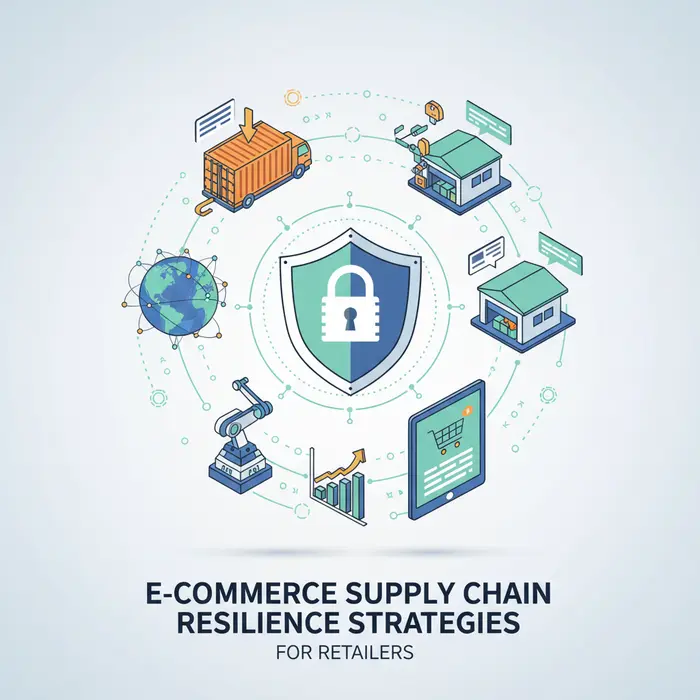
E-commerce has fundamentally reshaped the retail landscape, driving unprecedented demand for speed, accuracy, and convenience. While offering immense growth opportunities, this digital transformation also exposes retailers to complex supply chain vulnerabilities, from geopolitical shifts and natural disasters to port congestion and labor shortages. Building robust and resilient supply chains is no longer a luxury but a strategic imperative for sustained success in the online marketplace. Retailers must actively embrace E-commerce supply chain resilience strategies that proactively mitigate risks, adapt to disruptions, and maintain seamless operations. A critical component of this resilience involves a comprehensive Global Retail Supply Chain Diversification strategy, moving beyond traditional single-source dependencies to create a more robust and adaptable network. This section outlines specific strategies and technologies retailers can employ to build robust, resilient supply chains tailored for e-commerce, addressing the Asia retail supply chain outlook 2024.
1. Leveraging AI and Data Analytics for Predictive Insights
In the unpredictable world of e-commerce, foresight is power. Leveraging advanced AI and data analytics stands as a cornerstone for building a truly resilient supply chain. These technologies move beyond reactive problem-solving, enabling retailers to anticipate disruptions, optimize processes, and make data-driven decisions. By analyzing vast datasets – including sales, market trends, weather patterns, and geopolitical events – AI algorithms can identify subtle patterns and predict potential bottlenecks, demand surges, or supply shortages. For instance, predictive analytics can forecast demand fluctuations with greater accuracy, allowing for smarter inventory positioning and reducing instances of stockouts or overstock. Furthermore, AI-powered systems can optimize shipping routes, identify the most efficient carriers, and even predict potential delays at ports or customs, aiding in Vietnam sourcing for retail imports by highlighting best routes or alternative logistics options. Real-time data visibility across the entire supply chain, from raw material procurement to last-mile delivery, empowers retailers to respond swiftly to unforeseen events. This proactive approach not only minimizes the impact of disruptions but also enhances operational efficiency, reduces costs, and ultimately improves customer satisfaction. This data-driven strategy is vital for navigating sustainable retail import practices and ensuring efficient sourcing.
2. Optimizing Last-Mile Delivery and Fulfillment Networks
The final leg of the e-commerce journey – last-mile delivery – is often the most complex and expensive, yet it profoundly impacts customer satisfaction. Optimizing this crucial phase is paramount for E-commerce supply chain resilience strategies. Retailers must focus on creating agile and diversified fulfillment networks that can withstand shocks and cater to evolving customer expectations. This involves strategic placement of micro-fulfillment centers, urban warehouses, or even leveraging existing brick-and-mortar stores as local hubs. Such decentralization reduces reliance on a single, large distribution center and brings inventory closer to the customer, drastically cutting delivery times and costs. Integrating multiple logistics providers, including regional couriers, parcel lockers, or even drone/autonomous vehicle solutions where feasible, creates a more robust system. Technologies like dynamic routing software, real-time tracking, and automated sorting systems enhance efficiency and transparency. These tools not only optimize routes for faster delivery but also provide customers with precise updates, managing expectations and building trust. By investing in a resilient last-mile network, retailers can maintain delivery promises even amidst unforeseen challenges, a key factor for success in the competitive Asia retail supply chain outlook 2024.
3. Implementing Agile Inventory Management Systems
Agile inventory management is the bedrock of a resilient e-commerce supply chain. Unlike traditional models, agile systems prioritize flexibility, responsiveness, and adaptability to fluctuating demand and supply disruptions. This approach involves moving away from static inventory levels towards dynamic, data-driven adjustments. Key strategies include establishing safety stock protocols for critical items, utilizing multi-echelon inventory planning to distribute stock strategically across various nodes in the network, and embracing just-in-time (JIT) principles where appropriate, balanced with a buffer for high-risk items. Technology plays a pivotal role, with advanced Inventory Management Systems (IMS) integrating with AI-powered demand forecasting to optimize stock levels in real-time. These systems can trigger automatic reorders based on predictive analytics, minimizing human error and ensuring continuous availability. Furthermore, visibility into supplier inventory and production schedules is vital, allowing retailers to proactively adjust procurement strategies. This adaptability is relevant for sustainable retail import practices, enabling efficient resource allocation and reducing waste. Embracing such systems allows retailers to quickly pivot their sourcing and fulfillment strategies, for example, by shifting orders from one supplier to another or rerouting shipments in response to disruptions, ensuring continuity of service and meeting customer demand effectively. This approach also supports Global Retail Supply Chain Diversification by enabling swift shifts between diversified supplier bases, including those from hubs like Vietnam sourcing for retail imports.
Building resilient e-commerce supply chains requires a holistic and proactive approach. By strategically leveraging AI and data analytics for predictive insights, optimizing last-mile delivery and fulfillment networks, and implementing agile inventory management systems, retailers can transform vulnerabilities into strengths. These E-commerce supply chain resilience strategies are not merely about mitigating risks; they are about fostering agility, efficiency, and sustainability. As the Asia retail supply chain outlook 2024 continues to evolve, embracing such advanced strategies and pursuing robust Global Retail Supply Chain Diversification, including viable options like Vietnam sourcing for retail imports, will be critical for retailers aiming to thrive in an increasingly dynamic and competitive digital marketplace while upholding sustainable retail import practices.
Integrating Sustainable Practices in Retail Import Operations
In an era defined by increased consumer awareness and stringent regulatory landscapes, the integration of sustainable practices within retail import operations is no longer optional but imperative. Environmental, Social, and Governance (ESG) factors now play a pivotal role in shaping consumer choices, investor decisions, and a brand’s overall reputation. For retailers navigating complex Global Retail Supply Chain Diversification, embedding sustainability across the entire value chain is crucial for long-term viability and competitiveness. This commitment extends beyond mere compliance, driving innovation and fostering resilience, especially in a dynamic market influenced by the Asia retail supply chain outlook 2024.
1. Ethical Sourcing and Supplier Transparency Initiatives
Ethical sourcing and supplier transparency initiatives are fundamental pillars of sustainable retail import practices. This involves ensuring that products are manufactured under fair labor conditions, free from child labor or forced labor, and in an environmentally responsible manner. Implementing robust supplier codes of conduct, conducting regular third-party audits, and engaging in continuous dialogue with suppliers are critical steps. For instance, companies engaging in Vietnam sourcing for retail imports must diligently vet their partners to confirm adherence to international labor standards and environmental regulations. Leveraging blockchain technology or digital platforms can enhance transparency, allowing consumers and stakeholders to trace products from origin to shelf, thereby building trust and accountability across the E-commerce supply chain resilience strategies. This proactive approach not only mitigates reputational risks but also fosters a more equitable and sustainable global trade ecosystem.
2. Reducing Carbon Footprint in Global Logistics
Reducing the carbon footprint in global logistics is paramount for retailers aiming to achieve their sustainability goals. This involves scrutinizing every stage of the transportation process, from factory to final delivery. Strategies include optimizing shipping routes for fuel efficiency, transitioning to lower-emission transportation modes (e.g., rail or sea freight over air freight where feasible), and investing in electric or hybrid delivery vehicles for last-mile operations. Additionally, intelligent warehouse design that incorporates renewable energy sources and energy-efficient equipment significantly contributes to carbon reduction. Retailers are also exploring innovative packaging solutions that are lightweight, recyclable, or compostable, thereby minimizing waste and transport emissions. According to the EPA, supply chain emissions often represent the largest portion of a company’s total greenhouse gas emissions, underscoring the urgency of these efforts. Embracing these measures not only lessens environmental impact but can also lead to significant operational cost savings and improved supply chain efficiency.
3. Circular Economy Principles in Retail Value Chains
Integrating circular economy principles into retail value chains represents a transformative shift from the traditional linear ‘take-make-dispose’ model. This approach focuses on designing products for longevity, reusability, repairability, and recyclability, thereby minimizing waste and maximizing resource utility. Retailers are increasingly adopting initiatives such as product take-back programs, offering repair services, and investing in material innovation to create items from recycled content or renewable resources. For example, clothing brands might design garments that can be easily disassembled for recycling or offer rental services to extend product life. Embracing these principles requires collaboration across the entire supply chain, from product designers and manufacturers to logistics providers and consumers. It not only reduces environmental impact but also unlocks new revenue streams, enhances brand loyalty among environmentally conscious consumers, and contributes significantly to building more resilient and sustainable Global Retail Supply Chain Diversification.
The journey towards fully sustainable retail import operations is continuous, demanding ongoing innovation, collaboration, and commitment. By prioritizing ethical sourcing, actively reducing carbon footprints in logistics, and embedding circular economy principles, retailers can not only meet evolving consumer and regulatory expectations but also build robust, responsible, and future-proof supply chains. These strategic investments in sustainability are vital for resilience and competitive advantage in the ever-evolving global market.
Asia Retail Supply Chain Outlook 2024 and Future Trends
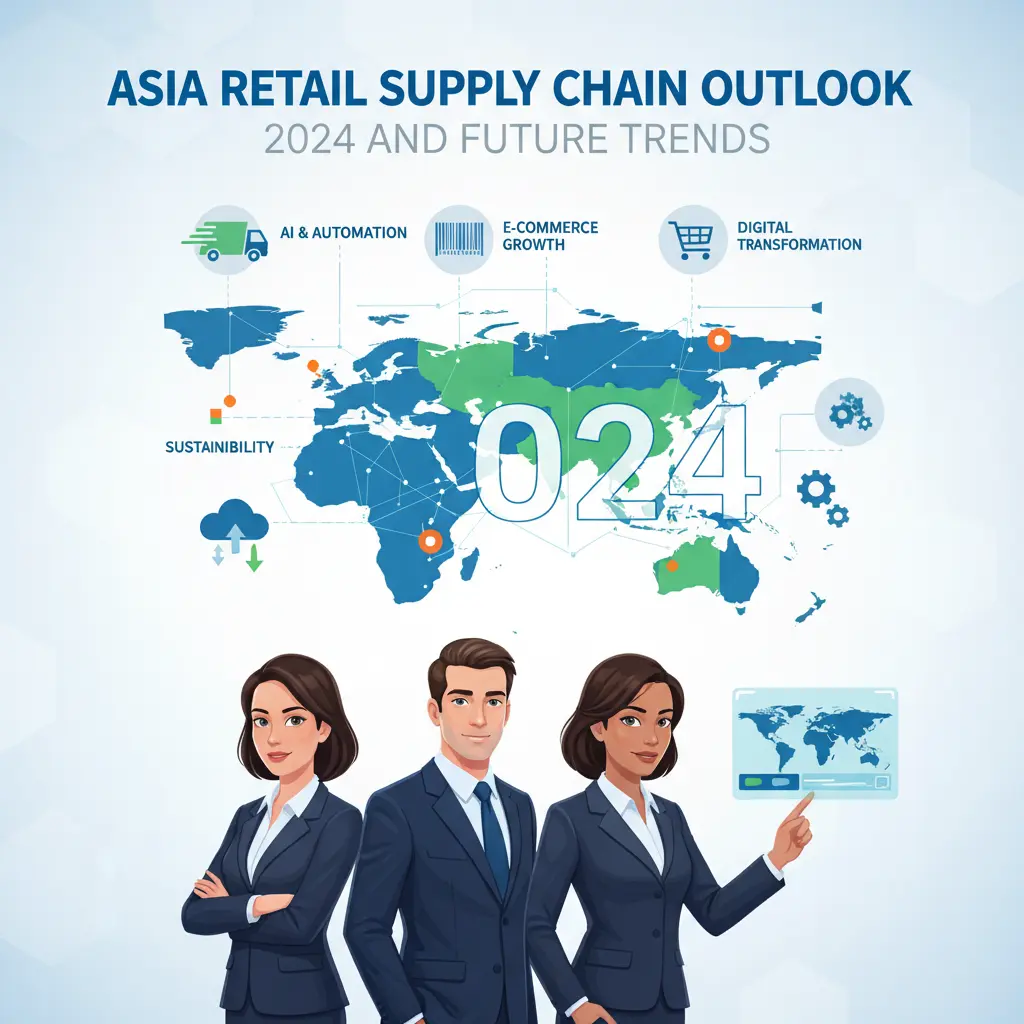
The Asian retail landscape is undergoing a profound transformation, driven by evolving consumer demands, technological innovations, and geopolitical realignments. As businesses navigate a volatile global economy, a forward-looking analysis of the region’s supply chain is crucial. The Asia retail supply chain outlook 2024 and beyond points towards increased agility, sustainability, and a significant shift in manufacturing footprints. This era is defined by the imperative for Global Retail Supply Chain Diversification, moving beyond traditional hubs to create more resilient and adaptable networks capable of weathering future disruptions. The push for efficiency and ethical practices will redefine sourcing, logistics, and last-mile delivery across the continent.
1. Beyond China: Emerging Manufacturing Powerhouses
The past decade has underscored the risks associated with over-reliance on a single manufacturing base, accelerating the trend towards Global Retail Supply Chain Diversification. While China remains an indispensable player, the search for alternative production sites has intensified, driven by rising labor costs, trade tensions, and the desire for greater operational flexibility. Southeast Asian nations, in particular, are emerging as attractive alternatives. Vietnam sourcing for retail imports, for example, has seen exponential growth across various sectors, from textiles and footwear to electronics and furniture. Its strategic location, competitive labor costs, and increasingly sophisticated manufacturing capabilities make it a prime destination for retailers seeking to diversify their portfolios. Other nations like Indonesia, Thailand, Malaysia, and India are also bolstering their manufacturing infrastructure, offering diverse capabilities and competitive advantages. This multi-nodal approach not only mitigates risk but also opens up new avenues for innovation and specialized production, creating a more robust and responsive supply ecosystem for global retail. This strategic shift is vital for long-term resilience.
2. Technological Advancements Reshaping Asian Logistics
Technology is the undisputed catalyst for the modernization of Asian logistics, offering solutions for enhanced efficiency, transparency, and resilience. In 2024 and beyond, the integration of Artificial intelligence (AI), machine learning (ML), and predictive analytics will become commonplace, optimizing inventory management, demand forecasting, and route planning. Automation, including robotics in warehouses and autonomous vehicles for last-mile delivery, addresses labor shortages and speeds up processing times. Blockchain technology offers unprecedented transparency across the supply chain, tracking products from origin to shelf, ensuring authenticity and ethical sourcing—a critical component of E-commerce supply chain resilience strategies. The Internet of Things (IoT) will provide real-time data on cargo conditions, enabling proactive problem-solving for perishable goods and high-value items. These advancements are not merely about efficiency; they are fundamental to building the kind of agile, data-driven supply chains that can rapidly adapt to disruptions, cater to surging e-commerce demands, and meet consumer expectations for faster, more reliable deliveries. Embracing these technologies is paramount for any retailer aiming to maintain a competitive edge in Asia.
3. Impact of Regional Trade Pacts and Geopolitical Shifts
The geopolitical landscape continues to exert significant influence over Asian retail supply chains, necessitating agile strategic responses. Regional trade agreements such as the Regional Comprehensive Economic Partnership (RCEP) and the Comprehensive and Progressive Agreement for Trans-Pacific Partnership (CPTPP) are reshaping trade flows by reducing tariffs and streamlining customs procedures among member states. These pacts facilitate easier movement of goods and components, making intra-Asian trade more attractive and fostering deeper regional integration. However, ongoing geopolitical tensions, particularly those between the US and China, continue to prompt companies to re-evaluate their sourcing and manufacturing strategies. This environment reinforces the need for sustainable retail import practices, as businesses seek not only cost-efficiency but also stability and reduced exposure to political volatility. Companies are increasingly adopting a “China plus one” or “plus many” strategy, exploring diverse sourcing options to de-risk their operations. This dynamic environment encourages retailers to invest in more robust scenario planning and to build relationships with suppliers across multiple geographies, further strengthening the drive for Global Retail Supply Chain Diversification and ensuring long-term operational viability in a complex world. The World Trade Organization (WTO) highlights the importance of such diversification in its Global Trade Outlook and Statistics, emphasizing adaptation to global shifts.
The Asia retail supply chain outlook 2024 presents a complex yet opportunity-rich landscape. Retailers must embrace Global Retail Supply Chain Diversification, invest heavily in technological integration, and remain acutely aware of geopolitical shifts. By doing so, they can build resilient, sustainable, and future-proof supply chains capable of thriving in Asia’s dynamic market. For more insights on optimizing your supply chain, visit vietnamsuppliers.com.
Partner with Vietnam’s Leading Suppliers
Looking for reliable suppliers in Vietnam? Contact VietnamSuppliers.com today to connect with verified manufacturers and exporters across all industries.
—————————————
References
– McKinsey on Supply Chain Resilience: https://www.mckinsey.com/capabilities/operations/our-insights/supply-chain-resilience-in-a-post-pandemic-world
– The World Bank in Vietnam: https://www.worldbank.org/en/country/vietnam/overview
– Supply chain resilience in a new era: https://www.mckinsey.com/capabilities/operations/our-insights/supply-chain-resilience-in-a-new-era
– supply chain efficiency: https://www.epa.gov/climateleadership/scope-3-emissions-value-chain-ghg-measurement-and-reporting
– Global Trade Outlook and Statistics: https://www.wto.org/english/news_e/news23_e/gc_24oct23_e.htm