What is a Multimodal Transport Document?
In the intricate world of global logistics and supply chains, the movement of goods often involves a complex dance between various modes of transportation. From sea vessels and air cargo planes to trains and road trucks, products traverse continents, requiring robust documentation to ensure smooth transit. At the heart of this complex orchestration lies the Multimodal Transport Document Explained, a critical instrument that streamlines international trade by encompassing an entire journey under a single contract.
This document is indispensable for facilitating seamless global trade, providing a unified framework for the carriage of goods from origin to final destination, irrespective of the number of carriers or transport modes involved. It addresses the challenges of fragmented responsibility and excessive paperwork, making it a cornerstone for modern multimodal freight forwarding services.

1. Definition and Core Functionality
A Multimodal Transport Document (MTD) is a single contract of carriage that covers the entire journey of goods, involving at least two different modes of transport (e.g., sea and road, air and rail, or a combination). Unlike traditional transport documents that cover only one segment or mode, the MTD offers a comprehensive solution, reducing administrative burdens and operational complexities. Its primary purpose is to simplify the logistics process by consolidating multiple contracts into one, providing a clear chain of responsibility from the point of origin to the final destination.
The core functionality of an MTD revolves around three key aspects: it serves as a receipt for the goods, confirming that they have been received by the Multimodal Transport Operator (MTO) in apparent good order and condition; it acts as a contract of carriage, outlining the terms and conditions under which the goods will be transported; and, crucially, it can function as a document of title, meaning the lawful holder of the document has the right to claim the goods at their destination. This ‘door-to-door’ or ‘port-to-door’ scope makes it an invaluable tool for importers, exporters, and logistics providers alike, particularly in complex international shipments.
2. Key Characteristics of the Document
Several distinct characteristics define a Multimodal Transport Document, distinguishing it from other shipping papers. Firstly, it establishes a single point of responsibility. The Multimodal Transport Operator (MTO), who issues the document, takes full contractual liability for the entire transit, even if different sub-carriers are engaged for various legs of the journey. This dramatically simplifies claims processes and accountability for the shipper.
Secondly, the MTD typically details all planned stages of the journey, specifying the various modes of transport to be utilized, the transhipment points, and the estimated transit times. This transparency offers shippers and consignees a clear overview of their cargo’s progress. Thirdly, the document can be issued in negotiable form, allowing the consignee to transfer the ownership of the goods to another party by endorsing and surrendering the original document. This feature is vital for trade finance, as banks often require such documents for letters of credit.
One of the most widely recognized forms is the FIATA Multimodal Transport Bill of Lading (FBL), a standardized document developed by the International Federation of Freight Forwarders Associations, designed to meet international standards and facilitate global trade. The significant multimodal transport advantages derived from this unified approach include increased efficiency, reduced administrative overhead, and minimized risks associated with handovers between different carriers. While often confused, it’s important to note the difference between a Multimodal vs intermodal transport document: multimodal features a single contract and liability, whereas intermodal involves separate contracts for each mode of transport, even if coordinated by one provider.
3. Legal Implications and International Scope
The legal framework surrounding Multimodal Transport Documents is crucial for their international acceptance and enforceability. These documents are generally governed by international conventions and rules, most notably the UNCTAD/ICC Rules for Multimodal Transport Documents. These rules provide a globally recognized framework for the rights and obligations of the MTO and the cargo owner, helping to standardize practices across different jurisdictions. This international scope ensures that an MTD issued in one country is recognized and respected in another, thereby facilitating cross-border transactions.
A key aspect of the legal implications concerns liability. The MTO’s liability for loss, damage, or delay to the goods is typically determined by a ‘network liability system.’ This means that if the stage of transport where the incident occurred can be identified, the MTO’s liability will be governed by the specific international convention or national law applicable to that particular mode of transport (e.g., Hague-Visby Rules for sea carriage, CMR for road transport). If the stage cannot be identified, a uniform liability regime, as stipulated in the MTD’s terms and conditions, often applies.
The MTD’s role in international trade finance is also paramount. Banks frequently accept Multimodal Transport Documents as valid shipping documents under letters of credit, enabling secure payment mechanisms for goods being transported across multiple modes. This robust legal and financial acceptance underscores the vital importance of the Multimodal Transport Document as a cornerstone of modern global supply chain management and international commerce.
The FIATA Multimodal Transport Bill of Lading (FBL)
In the intricate world of global trade, the efficient movement of goods across borders relies heavily on standardized documentation. Among the most crucial documents for modern logistics is the Multimodal Transport Document Explained, and at its forefront stands the FIATA Multimodal Transport Bill of Lading (FBL). This document, issued by freight forwarders who are members of the International Federation of Freight Forwarders Associations (FIATA), serves as a cornerstone for facilitating seamless multimodal journeys, offering unparalleled reliability and recognition across various modes of transport.
The FBL is not merely a piece of paper; it represents a legally binding contract that simplifies complex shipping operations involving sea, air, rail, and road transport. Its significance lies in its ability to consolidate multiple legs of a journey under a single, internationally recognized document, thereby streamlining customs procedures, payment processes, and overall supply chain management. Understanding the nuances of the FIATA FBL is essential for anyone involved in international freight, from shippers and carriers to logistics providers.
1. Understanding the FIATA FBL’s Role
At its core, the FIATA FBL acts as a tri-functional document. Firstly, it serves as a receipt for the goods, confirming that the freight forwarder has taken possession of the cargo in good order and condition. This receipt is issued at the point of origin, regardless of the subsequent modes of transport. Secondly, the FBL embodies the contract of carriage, outlining the terms and conditions under which the goods will be transported from the point of receipt to their final destination, spanning all multimodal legs. This includes responsibilities, liabilities, and the scope of service provided by the freight forwarder as a multimodal transport operator.
Thirdly, and perhaps most crucially in international trade, the FIATA Multimodal Transport Bill of Lading is a document of title. This means it grants the lawful holder the right to claim the goods at their destination, and it can be negotiated, transferred, or assigned to another party, facilitating trade finance and credit arrangements. Unlike traditional single-mode bills of lading (e.g., an Ocean Bill of Lading), the FBL covers the entire journey, even if it involves multiple carriers and transport types. This comprehensive coverage significantly reduces administrative burdens and potential disputes that might arise from coordinating multiple separate transport documents.
2. Benefits for Shippers and Carriers
The adoption of the FIATA FBL offers substantial multimodal transport advantages for both shippers and carriers, contributing to more efficient and secure global supply chains. For shippers, the primary benefit is simplicity. Instead of managing an array of documents for each segment of a multimodal journey, they deal with a single, universally accepted FBL. This reduces paperwork, minimizes administrative costs, and provides a clear, single point of accountability – the FIATA freight forwarder – for the entire transit. It also offers enhanced security, as the FBL is backed by the financial standing and professional competence of FIATA member forwarders, who are often subject to stringent insurance requirements.
For carriers and freight forwarders providing multimodal freight forwarding services, the FBL streamlines operations and clarifies liability. By consolidating the contract of carriage, it reduces the complexity of handling goods that transition between different transport modes. While some might consider a multimodal vs intermodal transport document distinction, the FBL inherently supports a truly multimodal operation, where the forwarder assumes responsibility for the entire journey, regardless of the carriers involved in individual legs. This clarity in responsibility minimizes potential legal disputes and simplifies claims processes, enhancing trust and efficiency within the logistics ecosystem. The global recognition of the FBL also facilitates smoother handovers at transit points and quicker customs clearance.
3. How FIATA Ensures Standardization
The strength and reliability of the FIATA FBL stem directly from FIATA’s commitment to global standardization and professional conduct. FIATA, as a non-governmental organization representing freight forwarders worldwide, meticulously designs and updates its transport documents to comply with international conventions and industry best practices. The FBL, for instance, adheres to the UNCTAD/ICC Rules for Multimodal Transport Documents, providing a robust legal framework that is understood and respected across jurisdictions.
Crucially, only FIATA members who meet specific professional and financial criteria are authorized to issue the FBL. This exclusivity ensures that every FBL is issued by a competent and reliable freight forwarder, thereby upholding the document’s integrity and credibility. FIATA also provides guidelines and training to its members, ensuring consistent application and understanding of the FBL’s terms and conditions. This rigorous oversight means that when a party receives a FIATA Multimodal Transport Bill of Lading, they can have confidence in its validity and the competence of the issuer. This commitment to standardization significantly contributes to mitigating risks in international trade, providing a unified and secure foundation for multimodal logistics operations globally.
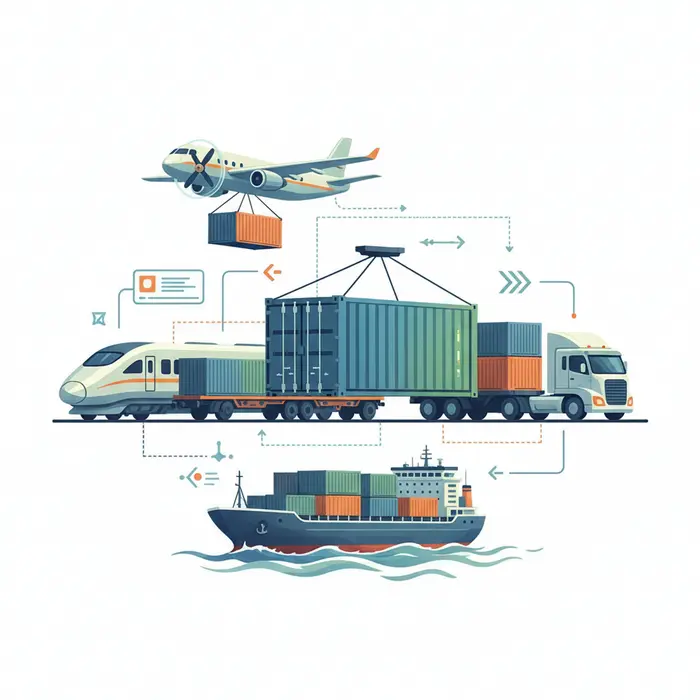
Modern global supply chains demand agile and efficient logistics solutions. Multimodal transport, the integration of multiple transportation modes—such as sea, rail, road, and air—under a single contract, has emerged as a cornerstone for optimizing freight movement. This approach not only streamlines operations but also offers significant competitive advantages. Understanding the core concept of a Multimodal Transport Document Explained is crucial for grasping how these benefits are realized, as it underpins the legal and operational framework of this sophisticated system.
1. Enhanced Cost-Effectiveness and Efficiency
One of the primary multimodal transport advantages is its ability to deliver substantial cost savings and operational efficiencies. By strategically combining different transport modes, logistics providers can leverage the unique strengths of each. For instance, bulk goods can be moved cost-effectively by sea or rail for long distances, then transferred to trucks for last-mile delivery. This optimization avoids the inefficiencies of relying on a single mode for an entire journey, which might be overly expensive or slow. The consolidation of cargo across various modes further enables economies of scale, reducing per-unit shipping costs.
Furthermore, multimodal transport significantly reduces administrative burdens. Instead of managing separate contracts, invoices, and communication channels for each leg of a journey, a single multimodal transport operator (MTO) issues one contract and a single FIATA Multimodal Transport Bill of Lading. This standardized document simplifies paperwork, minimizes potential for errors, and streamlines the entire shipping process, from booking to delivery. This efficiency extends to customs clearance and documentation, making international trade smoother and less prone to delays. The reduction in administrative overheads directly translates into lower operational costs for businesses engaging in global trade.
2. Reduced Transit Times and Optimized Routes
Multimodal transport excels in optimizing transit times and route flexibility, a critical factor in today’s fast-paced markets. By carefully selecting the most appropriate mode for each segment of the journey, goods can be moved with greater speed and precision. For example, high-value or time-sensitive cargo might utilize air freight for international stretches and then rail or road for domestic distribution, balancing speed with cost. This flexibility allows supply chain managers to design routes that circumvent bottlenecks, adapt to unforeseen disruptions (like port congestion or road closures), and respond dynamically to market demands.
The strategic planning inherent in multimodal freight forwarding services ensures that cargo moves seamlessly between modes, minimizing dwell times. This differs fundamentally from traditional intermodal transport, where each segment might involve separate contractual arrangements and potentially more handovers, impacting overall speed. While the concept of Multimodal vs intermodal transport document often arises, the key distinction in multimodal lies in the single contract and unified responsibility, which simplifies coordination and typically results in more fluid transitions and hence, faster overall delivery. This operational synergy ensures that products reach their destination faster, improving customer satisfaction and reducing inventory holding costs.
3. Improved Security and Cargo Tracking
Security and visibility are paramount in modern logistics, and multimodal transport offers significant enhancements in both areas. The use of standardized shipping containers across different modes greatly improves cargo security. Containers are sealed at the point of origin and typically remain unopened until they reach their final destination, reducing the risk of theft, damage, or tampering during transfers between modes. This ‘sealed box’ approach is a fundamental security benefit.
Advanced tracking technologies, including GPS and IoT sensors, are integrated into multimodal systems, providing real-time visibility of cargo location and status throughout its journey. Shippers and consignees can monitor their goods from origin to destination, receiving instant updates and alerts. This enhanced transparency not only contributes to better planning and inventory management but also allows for quicker responses to any potential issues or deviations. Moreover, the consolidated responsibility under a single Multimodal Transport Document simplifies accountability and claims processes should any incident occur. The expertise of multimodal freight forwarding services often includes robust risk management strategies and insurance solutions, further bolstering the security framework and offering peace of mind to businesses reliant on global supply chains.
Multimodal vs. Intermodal Transport Document: Key Differences
In the complex world of global logistics, understanding the nuances between transport documents is crucial for efficient supply chain management and risk mitigation. While often used interchangeably, multimodal and intermodal transport documents represent fundamentally different contractual and operational frameworks. This distinction is vital for shippers, freight forwarders, and carriers alike to clarify common confusions in logistics terminology and ensure proper execution of freight movements. Properly understanding these differences is key to optimizing logistics planning and managing expectations regarding liability and coordination.
1. Single vs. Multiple Transport Contracts
The most significant distinction between multimodal and intermodal transport documents lies in the contractual relationship they establish. A multimodal transport document, such as the FIATA Multimodal Transport Bill of Lading (FBL), represents a single contract for the entire journey of goods, even if multiple modes of transport (sea, air, rail, road) are utilized. Under this single contract, one party – the Multimodal Transport Operator (MTO) – assumes responsibility for the cargo from the point of origin to the final destination, providing a seamless legal framework. This means the shipper deals with only one entity for the entire transit, simplifying administrative overhead.
Conversely, an intermodal transport operation, while also utilizing multiple transport modes, typically involves multiple transport contracts. Each leg of the journey (e.g., sea freight, then road transport) might be covered by a separate contract, even if coordinated by a single freight forwarder. While the physical handling of cargo in intermodal transport might involve standardized loading units like containers that move seamlessly between modes, the underlying documentation and contractual agreements are distinct for each segment. This necessitates a more detailed understanding of each contract’s terms and conditions, as well as distinct documentation for each carrier involved.
2. Liability Structures and Carrier Responsibility
The contractual difference directly translates into distinct liability structures, profoundly impacting carrier responsibility. In Multimodal Transport Document Explained scenarios, the MTO issuing the multimodal transport document takes on through-transport liability. This means the MTO is responsible for loss, damage, or delay to the goods throughout the entire journey, regardless of which specific carrier or mode of transport was responsible for the incident. This ‘network liability’ approach simplifies the claims process for the shipper, as they only need to claim against the MTO, who then bears the burden of identifying the negligent party among their sub-carriers.
For intermodal transport, liability is often more fragmented. Since there are typically separate contracts for each leg, liability usually rests with the specific carrier responsible for the goods at the time and location of the incident. If damage occurs during the sea leg, the ocean carrier is liable; if it happens during road transport, the road carrier is responsible. This can complicate the claims process significantly for the shipper, requiring them to pinpoint the exact moment and location of loss or damage and then pursue claims against the relevant individual carrier. The complexity of determining liability in Multimodal vs intermodal transport document scenarios is a key differentiator.
3. Operational Impact on Logistics Planning
The choice between multimodal and intermodal transport documents has substantial operational implications for logistics planning and execution. Multimodal transport, facilitated by a single document and single point of contact (the MTO), offers significant multimodal transport advantages. It streamlines administrative processes, reduces paperwork, and simplifies communication. Shippers can benefit from better overall visibility and control through one responsible party, leading to more predictable supply chains. This integrated approach is often championed by multimodal freight forwarding services that aim to provide end-to-end solutions.
Intermodal transport, while offering flexibility in selecting individual carriers for specific legs and potentially lower costs on certain segments, demands more intricate logistics planning. It requires careful coordination between multiple carriers, managing separate booking references, and tracking distinct documents for each leg. While a forwarder might coordinate these separate contracts, the underlying legal responsibility often remains fragmented. This can lead to increased administrative burden and potential delays if transfers between modes are not meticulously managed. Therefore, understanding the scope of each document is not merely academic; it directly influences operational efficiency, risk management, and ultimately, the success of global trade movements.
Leveraging Multimodal Freight Forwarding Services
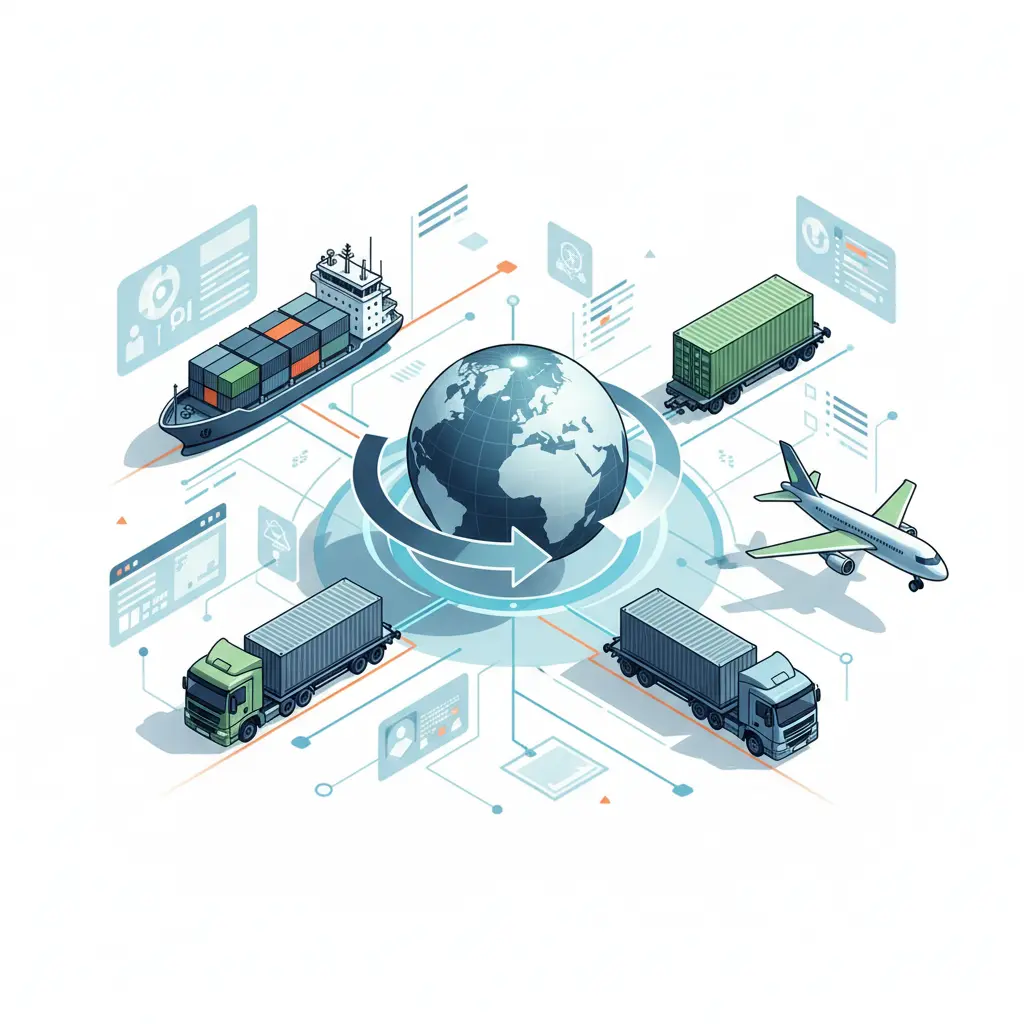
International trade, with its intricate web of regulations, diverse transportation modes, and geographical complexities, presents significant challenges for businesses. Navigating these complexities efficiently is crucial for supply chain resilience and cost-effectiveness. This is where multimodal freight forwarding services become indispensable. By expertly coordinating the movement of goods across various transport modes – such as sea, air, rail, and road – under a single contract and a unified Multimodal Transport Document Explained, businesses can significantly streamline their international shipments. These specialized services offer a comprehensive solution that goes beyond mere transportation, encompassing everything from customs clearance and warehousing to risk management and real-time tracking. Embracing a multimodal approach allows companies to leverage the strengths of each transport mode, optimizing transit times, reducing costs, and enhancing overall supply chain visibility, particularly vital for complex global routes.
1. The Role of a Multimodal Freight Forwarder
A multimodal freight forwarder acts as a central orchestrator for international cargo movements. Unlike traditional forwarders who might specialize in a single mode, a multimodal expert takes responsibility for the entire journey, from origin to final destination, irrespective of the number of transport modes involved. Their primary function is to issue a Multimodal Transport Document Explained, often referred to as a FIATA Multimodal Transport Bill of Lading (FBL), which serves as a contract of carriage, a receipt for goods, and sometimes, a document of title. This single document simplifies administration and assigns clear liability to the forwarder for the entire transit. Their expertise covers route optimization, carrier selection, consolidation of cargo, and adherence to international regulations. They are adept at handling customs declarations, managing transshipments, and mitigating potential disruptions, offering businesses a single point of contact and accountability for complex logistics operations. This expertise is particularly valuable when dealing with diverse geographical challenges and regulatory landscapes, ensuring smooth and efficient delivery.
2. Selecting the Right Service Provider
Choosing the appropriate multimodal freight forwarding service provider is a critical decision that can significantly impact a company’s operational efficiency and bottom line. When evaluating potential partners, businesses should consider several key factors. Firstly, look for providers with extensive experience and a proven track record in handling similar types of cargo and destinations. Their network of global partners and understanding of local customs and regulations are paramount. Secondly, assess their technological capabilities, including robust tracking systems and digital platforms that offer real-time visibility into your shipments. This helps in understanding the Multimodal transport advantages they offer, such as improved transparency and proactive problem-solving. It’s also vital to understand the difference between a multimodal vs intermodal transport document; while both involve multiple modes, multimodal transport is under a single contract and document, offering greater simplicity and accountability. A reputable provider will issue a comprehensive multimodal transport document, streamlining legal and financial aspects. Finally, evaluate their customer service and responsiveness. A strong partnership is built on clear communication and the ability to adapt to unforeseen circumstances. For more insights into international shipping standards, consult resources from organizations like FIATA, the International Federation of Freight Forwarders Associations, which provides guidelines for multimodal transport.
3. Future Trends in Multimodal Logistics Solutions
The landscape of global logistics is continuously evolving, driven by technological advancements, environmental concerns, and shifting consumer expectations. Future trends in multimodal freight forwarding services are set to enhance efficiency, sustainability, and transparency. Digitization and automation will play an even more significant role, with AI-powered route optimization, blockchain for secure documentation, and IoT sensors providing granular real-time data on cargo conditions and location. This will lead to more predictive logistics, allowing forwarders to anticipate and mitigate disruptions before they impact supply chains. Sustainability is another major driver, pushing for greener logistics solutions that prioritize lower carbon emissions through optimized mode selection and the increased use of electric vehicles and alternative fuels. The integration of various data sources will further refine the multimodal vs intermodal transport document discussion by making the single-contract multimodal approach even more robust and transparent. Furthermore, increased collaboration between different transport operators and logistics providers will foster more integrated and seamless services, moving towards a truly interconnected global supply chain. Businesses that embrace these emerging multimodal logistics solutions will be better positioned to navigate future challenges, achieve greater operational efficiencies, and meet the growing demands for faster, more reliable, and environmentally responsible international shipping.
Partner with Vietnam’s Leading Suppliers
Looking for reliable suppliers in Vietnam? Contact VietnamSuppliers.com today to connect with verified manufacturers and exporters across all industries.
—————————————
References
– FIATA Multimodal Transport Bill of Lading: https://fiata.com/what-we-do/transport-logistics-documents/fiata-bill-of-lading-fbl.html
– FIATA Multimodal Transport Bill of Lading: https://fiata.com/what-we-do/transport-logistics-documents.html
– FIATA Multimodal Transport Bill of Lading: https://fiata.org/documents/multimodal-transport.html
– FIATA Documents – FIATA: https://fiata.com/what-we-do/transport-logistics-tools/fiata-documents.html
– FIATA, the International Federation of Freight Forwarders Associations: https://fiata.org/what-we-do/transport-logistics/multimodal-transport.html