Introduction to HS Code Changes 2025
In the dynamic realm of international trade, a universal language is vital for seamless transactions. The Harmonized System (HS) Code serves this purpose, forming the backbone of global commerce from customs duties to trade statistics. However, as the global economy constantly evolves with new technologies, environmental concerns, and shifting trade patterns, the system for classifying goods must adapt. This continuous evolution necessitates regular updates, such as the anticipated HS Code Changes 2024, which will lead into 2025. These are not just administrative adjustments but crucial elements for maintaining the integrity and efficiency of global trade.
For businesses, customs brokers, and policymakers, understanding these updates, their implications, and the underlying review process is paramount. This section will define HS Codes, highlight their indispensable role in international trade, and explain why their regular review is critical, setting the stage for the significant revisions expected in 2025.

1. What are HS Codes and Why They Matter for Global Trade
An HS Code is a standardized numerical classification system for traded products, developed and maintained by the World Customs Organization (WCO). It provides a six-digit code structured into 99 chapters, 21 sections, and over 5,000 subheadings. Participating countries may extend these codes to 8 or 10 digits for national tariff or statistical purposes.
The significance of HS Codes is profound. They are the universal identifiers dictating:
- Tariff Rates: Directly linked to import duties and taxes.
- Trade Statistics: Essential for government data collection and economic policy.
- Rules of Origin: Impacts eligibility for preferential tariffs.
- Customs Control: Assists in monitoring restricted goods and enforcing trade agreements.
- Logistics & Documentation: Crucial for efficient paperwork and supply chain communication.
Misclassification, whether accidental or intentional, can lead to severe consequences, including delays, fines, penalties, and legal action. Therefore, meticulous Customs compliance HS code adherence is fundamental for international trade.
2. Understanding the Biennial Review Process of the Harmonized System
The global trade landscape constantly evolves, driven by technological advancements, consumer demands, and global challenges. Recognizing this, the WCO continually reviews the Harmonized System through a biennial process, leading to major comprehensive amendments typically implemented every five years. The latest major update, HS 2022, underscores this cycle, creating anticipation for changes impacting 2025. This rigorous process involves extensive consultations among member countries, industry experts, and international organizations.
The reviews serve multiple purposes:
- To accommodate new products from technological innovation (e.g., advanced electronics, specific medical devices).
- To reflect environmental and social concerns (e.g., classifications for waste management or renewable energy).
- To enhance clarity and accuracy of existing descriptions.
- To improve data collection for products of global significance.
HS 2022 introduced over 350 sets of amendments, classifying products like smartphones and 3D printers. The upcoming cycle, with changes taking effect in 2025 (often discussed and planned as New HS codes 2024), promises further significant HS Code classification updates to ensure the system remains current and responsive to modern trade realities.
3. Preparing for the 2025 HS Code Revisions: Key Impacts and Proactive Measures
The impending HS Code Changes 2024, to be implemented in 2025, will present both challenges and opportunities. These revisions are more than cosmetic; they can profoundly impact international supply chains. Products previously classified under one HS Code may fall under a new or amended heading, leading to direct and significant Harmonized System tariff implications, potentially altering import duties, taxes, and preferential trade eligibility.
Beyond tariffs, the impact extends to:
- Supply Chain Management: ERP and customs systems require updates to avoid delays.
- Legal & Contractual Obligations: Existing contracts referencing HS Codes may need review.
- Product Development: New classifications can simplify trade for innovative or eco-friendly products.
- Data Analysis: Trade statistics and market analysis must adjust to new classifications.
Proactive engagement is crucial. Businesses should monitor WCO and national customs announcements for specific amendments. Investing in training, auditing current classifications, and updating internal systems are essential steps. By preparing for these Harmonized System tariff implications and classification shifts, companies can mitigate risks, ensure continuous customs compliance, and capitalize on new opportunities within the evolving global trade framework.
Key Updates and New HS Codes for 2025
The global trade landscape is in constant evolution, driven by technological advancements, environmental concerns, and shifting economic policies. Central to navigating this complex environment are Harmonized System (HS) codes, the international standard for classifying traded products. As 2025 approaches, businesses worldwide must prepare for significant new HS codes for 2025 announcements and modifications. These HS Code Changes 2024, largely finalized in the preceding year for implementation, are poised to redefine product classifications across various sectors, demanding meticulous attention from importers and exporters to maintain seamless customs compliance HS code processes and avoid costly disruptions.
The World Customs Organization (WCO) regularly updates the Harmonized System to reflect advancements in technology, environmental protection, health and safety, and socio-economic factors. The forthcoming revisions for 2025 are no exception, aiming to enhance the accuracy and relevance of trade statistics while facilitating smoother international commerce. Understanding these changes proactively is not merely a matter of compliance but a strategic imperative to manage potential Harmonized System tariff implications and optimize supply chain operations.
1. Major Sectoral Impacts from New HS Code Classifications
The HS Code classification updates for 2025 are expected to bring about substantial impacts across several key industrial sectors. One of the most prominent areas of focus is likely to be high-tech goods and emerging technologies. Products like advanced robotics, artificial intelligence components, specialized medical devices, and sophisticated telecommunications equipment often outpace existing classification structures. The 2025 updates will likely introduce more granular codes for these items, allowing for better tracking and more precise application of duties and trade agreements.
Environmental goods and sustainable products are another sector anticipating significant modifications. As global efforts to combat climate change intensify, there’s a growing need to distinctly classify products related to renewable energy (e.g., advanced solar panel components, wind turbine parts), waste management (e.g., specific types of e-waste, recycling machinery), and eco-friendly materials. These new classifications can influence tariff rates, subsidies, and trade restrictions, reflecting countries’ commitments to green initiatives.
Furthermore, the agricultural and food sectors often see nuanced changes, especially concerning novel foods, plant-based alternatives, and highly processed ingredients. The updates could also target specific chemicals, pharmaceuticals, and textile products, where new manufacturing processes or compositions necessitate revised classifications. These adjustments are vital for ensuring accurate trade data and for applying appropriate health, safety, and environmental regulations globally.
2. Specific Product Classification Shifts and Their Reasons
Delving into specific product categories, the new HS codes for 2025 will likely address several areas requiring finer distinctions. For instance, the rapid evolution of Unmanned Aerial Vehicles (UAVs), commonly known as drones, has created a need for more precise classification beyond general aircraft or toys. New subheadings could distinguish between recreational drones, commercial survey drones, delivery drones, and military-grade UAVs, each potentially subject to different regulations and tariffs. Similarly, sophisticated 3D printing technologies and their specialized materials might receive dedicated codes, moving beyond general machinery classifications.
In the realm of electronics, the increasing miniaturization and multi-functionality of devices present ongoing classification challenges. Components that once served a single purpose now integrate multiple functions, blurring traditional HS lines. The 2025 updates may introduce codes to better define integrated circuits, sensors, and modules designed for specific applications, such as automotive electronics or smart home devices. Another significant shift is anticipated for e-waste and circular economy products. Enhanced granularity in classifying various types of electronic waste, recyclable materials, and refurbished goods will facilitate their tracking and management, aligning with global efforts to promote resource efficiency and reduce environmental impact. For comprehensive details on the Harmonized System and its periodic amendments, the World Customs Organization serves as the primary authority.
These shifts are predominantly driven by a combination of technological progress, environmental imperatives, and the need for improved statistical data. Governments and international bodies require more precise data to analyze trade flows, negotiate trade agreements, and enforce regulations effectively. The goal is to ensure that the HS nomenclature remains a relevant and robust tool for international trade.
3. Anticipated Changes to HS Code Structure and Nomenclature
Beyond individual product shifts, the 2025 revisions could also introduce broader changes to the overall HS Code structure and nomenclature. While the fundamental 6-digit structure typically remains stable for long periods (the most recent major overhaul was HS2022), subsequent updates like those for 2025 often involve the creation of new subheadings at the 8-digit or 10-digit level, or the re-arrangement of existing codes within chapters. This fine-tuning is crucial for adapting the system without completely disrupting existing frameworks.
Key areas where structural adjustments might occur include chapters dealing with complex manufactured articles, which often group diverse products under broad headings. The WCO continuously reviews these sections to identify where greater specificity is needed. Furthermore, there might be efforts to consolidate or clarify certain ambiguous classifications that have historically led to disputes or inconsistencies among customs authorities. The general trend is towards increased specificity to better reflect the realities of modern manufacturing and trade.
For businesses, this implies the need for a thorough review of their entire product catalog against the new nomenclature. This process extends beyond simply updating internal systems; it requires re-evaluating sourcing strategies, understanding potential shifts in duties or taxes, and ensuring that all trade documentation aligns perfectly with the new codes. Proactive engagement with customs brokers, trade consultants, and national customs authorities well in advance of the 2025 implementation date is highly recommended to ensure a smooth transition and maintain uninterrupted trade flows.
Navigating HS Code Classification Updates & Challenges
In the dynamic world of international trade, accurate product classification is paramount. The Harmonized System (HS) Code, a globally recognized nomenclature, forms the bedrock of customs duties, taxes, and trade statistics. However, these codes are not static; they undergo periodic revisions to reflect technological advancements, environmental concerns, and evolving trade patterns. Businesses must navigate these crucial HS Code Changes 2024 to avoid costly errors, ensure seamless customs clearance, and maintain robust supply chains. This section addresses the practical challenges of identifying and applying HS Code classification updates, offering guidance on avoiding common errors and ensuring accurate product categorization in an ever-changing global trade landscape.
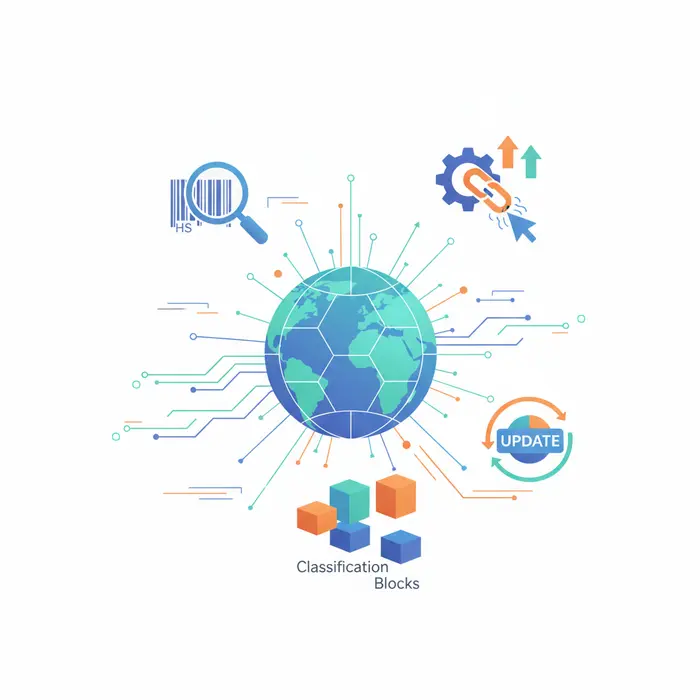
1. Identifying Relevant New HS Codes for Your Products
Staying abreast of HS Code Changes 2024 is a proactive measure essential for any entity involved in international trade. The World Customs Organization (WCO) typically updates the Harmonized System every five years, with the latest major amendment implemented in 2022. However, national customs authorities often introduce minor adjustments or interpretative changes annually. Identifying relevant New HS codes 2024 for your specific product portfolio requires diligent monitoring.
Begin by regularly checking the official websites of the customs authorities in both your exporting and importing countries. These platforms are the primary source for national tariff schedules and classification rulings. Subscribe to their newsletters or alerts to receive direct notifications about HS Code classification updates. Pay close attention to changes at the six-digit international level, as these will affect all trading partners, but also be mindful of additional digits (seven to ten) specific to national tariffs. Focus on product categories that are complex, technologically evolving, or subject to new trade agreements or environmental regulations. Proactive identification prevents delays and ensures that your declarations align with the most current classification standards, safeguarding your Customs compliance HS code strategy.
2. Common Misclassification Errors and How to Prevent Them
Despite best intentions, misclassification remains a prevalent issue, leading to severe consequences such as customs delays, fines, penalties, and even seizure of goods. One common error is relying on outdated tariff schedules or incorrect interpretations of the Harmonized System’s General Interpretative Rules (GIRs). The GIRs provide the foundational principles for classification, and a misapplication can lead to incorrect categorization, particularly for multi-component products or goods that don’t fit neatly into a single heading.
Another frequent pitfall is insufficient product detail. Vague descriptions or a lack of technical specifications can lead customs officers to make assumptions, potentially assigning a higher duty rate or subjecting goods to additional scrutiny. To prevent these errors, companies should implement a robust internal classification process. This includes maintaining comprehensive product databases with detailed specifications, materials composition, intended use, and manufacturing processes. Regular training for staff involved in classification is crucial. Furthermore, cross-referencing classification decisions with official rulings and consulting the World Customs Organization (WCO) Harmonized System explanatory notes can provide invaluable clarity. Accurate classification is the cornerstone of effective Customs compliance HS code and directly impacts Harmonized System tariff implications.
3. Leveraging Resources for Accurate HS Code Determination
Navigating the complexities of HS Code classification requires access to reliable and authoritative resources. Beyond national customs websites, which offer national tariff databases and binding classification rulings, the World Customs Organization (WCO) provides several essential tools. The WCO’s Harmonized System Explanatory Notes offer detailed interpretations of each heading and subheading, while its Compendium of Classification Opinions presents specific classification decisions for a vast range of products. These are indispensable for understanding the nuances and intent behind the codes.
For businesses dealing with a high volume or diverse range of products, specialized classification software can streamline the process, though human oversight remains critical. Engaging reputable customs brokers or trade consultants, especially for complex or ambiguous products, is another highly effective strategy. Their expertise and direct interaction with customs authorities can ensure accurate classification and mitigate risks. By strategically leveraging these resources and committing to ongoing vigilance regarding HS Code classification updates, businesses can maintain high levels of Customs compliance HS code, optimize Harmonized System tariff implications, and minimize potential trade disruptions.
Customs Compliance and Harmonized System Tariff Implications
The dynamic landscape of international trade necessitates a keen understanding of global customs regulations. Among the most critical elements impacting businesses involved in cross-border commerce are HS Code changes 2024. These updates to the Harmonized System (HS) code framework have a direct and profound impact on customs compliance HS code requirements, import/export duties, and the broader Harmonized System tariff implications. For businesses, staying abreast of new HS codes 2024 is not merely an administrative task but a strategic imperative to maintain operational efficiency, minimize costs, and avoid potential disruptions.
1. Impact on Import/Export Declarations and Documentation
One of the immediate and most tangible effects of HS Code classification updates is on the accuracy and completeness of import/export declarations and documentation. Every product crossing international borders must be classified under a specific HS code, which dictates its treatment by customs authorities. When new HS codes 2024 are introduced or existing ones are revised, businesses must promptly update their product databases and documentation. Failure to do so can lead to significant discrepancies between declared goods and their actual classification.
This discrepancy can manifest as incorrect duty calculations, necessitating amendments to declarations, which are often time-consuming and can incur additional administrative fees. Furthermore, inaccurate HS codes can trigger customs queries, leading to delays in cargo clearance at ports and borders. For businesses with tight supply chain schedules, such delays can result in missed deadlines, increased storage costs, and even perishable goods spoilage. Proactive management of HS code changes ensures that commercial invoices, packing lists, certificates of origin, and other essential customs documents reflect the correct classification, streamlining the entire import/export process.
2. Adjusting Tariffs, Duties, and Trade Agreements
The Harmonized System is the foundation upon which national tariffs and duties are built. Consequently, any HS Code classification updates directly translate into adjustments in the tariffs and duties applied to specific goods. When new HS codes 2024 come into effect, a product that was previously subject to one duty rate might suddenly fall under a different, higher, or lower rate. This can significantly impact the landed cost of imported goods and the competitiveness of exported products.
Beyond standard tariffs, HS code changes also have profound Harmonized System tariff implications for preferential trade agreements. Many Free Trade Agreements (FTAs) specify rules of origin based on HS codes. A reclassification could potentially alter a product’s eligibility for preferential treatment under an FTA, leading to the application of standard, non-preferential duties. Businesses must meticulously review their product classifications against the updated HS nomenclature and the specific provisions of their trade agreements. This review is crucial for identifying potential duty savings opportunities or, conversely, for preparing for increased costs, allowing for proactive adjustments to pricing strategies or sourcing decisions. Staying informed about these changes is vital for strategic planning and maintaining financial predictability in international trade. The World Customs Organization (WCO) provides comprehensive resources on the Harmonized System and its periodic updates.
3. Avoiding Penalties and Delays Through Proactive Compliance
The risks associated with non-compliance in the realm of customs regulations are substantial. Incorrect or outdated HS code classification can lead to a range of penalties, including fines, confiscation of goods, and even prosecution in severe cases of repeated non-compliance. Customs authorities worldwide are increasingly employing advanced data analytics and risk management tools to identify discrepancies, making it more challenging for non-compliant shipments to go unnoticed. The financial repercussions of penalties, combined with potential reputational damage, underscore the importance of robust customs compliance HS code strategies.
Proactive compliance involves establishing internal processes for monitoring HS Code changes 2024, training staff on new classification requirements, and regularly auditing product classifications. Investing in specialized software or consulting with customs brokers and trade compliance experts can also be invaluable. By addressing HS code classification updates before they lead to problems, businesses can ensure smooth customs clearance, avoid costly delays, and mitigate the risk of penalties. For more insights on navigating these crucial changes, you can explore resources on HS Code Changes 2024.
Preparing Your Business for HS Code Changes 2025
The global trade landscape is constantly evolving, and one of the most significant recurring changes that impact businesses worldwide is the update to the Harmonized System (HS) codes. As we approach the anticipated HS Code Changes 2025, proactive preparation is not just advisable; it’s essential for ensuring a smooth transition, maintaining customs compliance, and sustaining trade efficiency. These updates, often referred to as new HS codes 2024 or subsequent revisions, can significantly alter product classifications, tariffs, and regulatory requirements. Businesses that fail to adapt risk costly delays, fines, and disruptions to their supply chains. This section provides actionable strategies and best practices to help your business navigate the upcoming changes effectively.
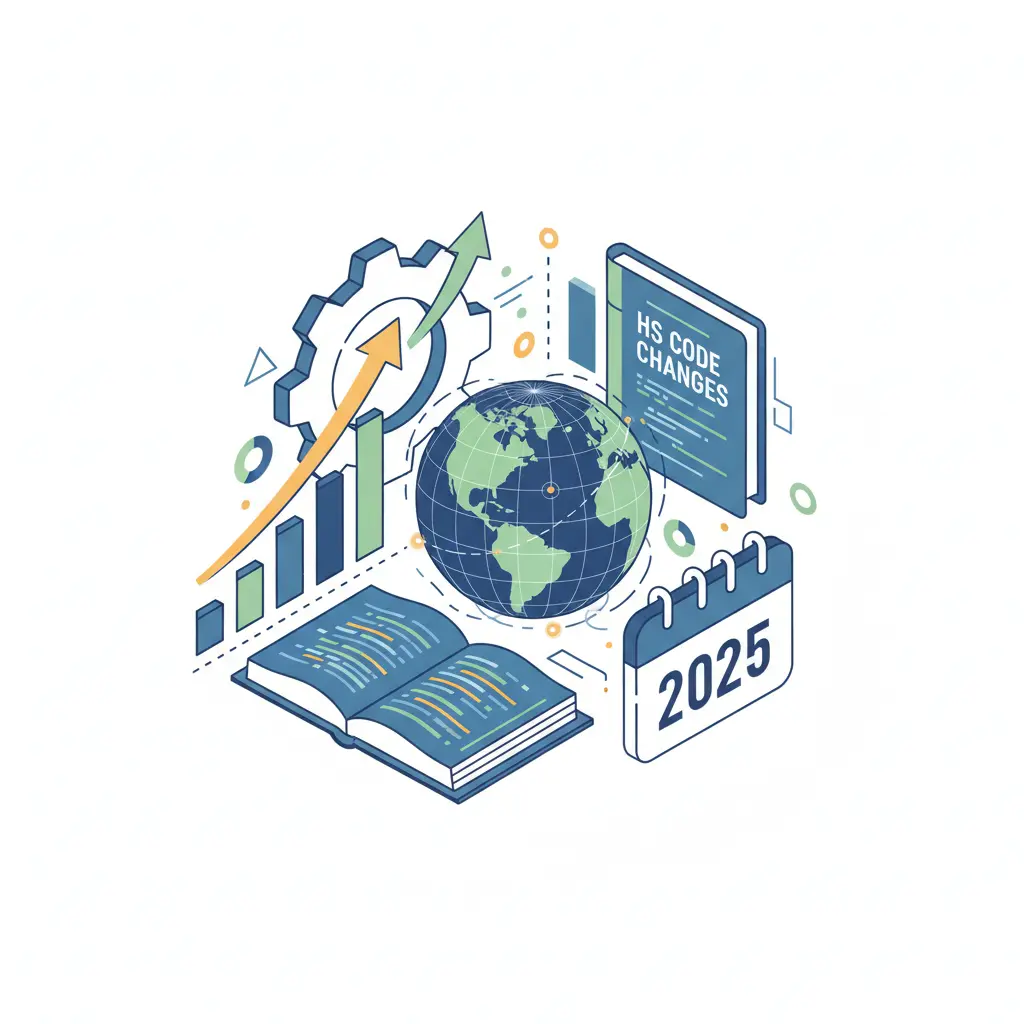
Conducting Internal Audits and Employee Training Programs
The first step in preparing for any HS Code classification updates is a thorough internal audit of your existing product classifications. Begin by reviewing your entire product catalog, identifying all items currently assigned an HS code. Compare these against the proposed or anticipated changes for 2025, paying close attention to product categories known to frequently undergo revisions, such as chemicals, machinery, and textiles. This audit should highlight potential areas of reclassification, allowing you to assess the impact on tariffs, duties, and any preferential trade agreements you utilize. Simultaneously, investing in comprehensive employee training is paramount. All relevant departments – including import/export, logistics, procurement, sales, and finance – must be aware of the impending changes and their implications. Training programs should cover the fundamentals of the Harmonized System, specific updates for 2025, and how to correctly apply the new codes. This ensures that your team possesses the necessary expertise to accurately classify goods and handle documentation, minimizing errors and maintaining strict customs compliance.
Leveraging Technology and Software for Enhanced Compliance
In an era of complex global supply chains and high-volume trade, relying solely on manual classification processes for Customs compliance HS code updates is increasingly inefficient and prone to error. Leveraging technology and specialized software solutions can significantly enhance your compliance efforts. Trade management systems, global trade compliance platforms, and dedicated HS code classification software offer automated tools to manage product databases, identify potential classification changes, and streamline the update process. These systems can cross-reference your product descriptions with vast classification databases, flagging items that may require re-evaluation under the new HS codes 2024. Furthermore, many solutions offer features for duty and tariff calculation, allowing you to instantly see the financial implications of reclassifications. Implementing such technology not only reduces human error and accelerates the classification process but also provides a clear audit trail, demonstrating due diligence to customs authorities.
Future-Proofing Your Supply Chain and Trade Strategy
The HS Code Changes 2025 extend beyond mere classification; they can have profound Harmonized System tariff implications that directly affect your supply chain costs and overall trade strategy. It’s crucial to analyze how potential tariff shifts will impact your product profitability and competitiveness in different markets. Engage with your suppliers and customers early to ensure they are also aware of and preparing for the changes. Discuss how reclassifications might affect existing contracts, pricing, and delivery schedules. Consider diversifying your sourcing or manufacturing locations if certain changes introduce unfavorable tariffs or regulatory hurdles in current trade lanes. Additionally, review any free trade agreements (FTAs) or preferential schemes your business utilizes, as the origin rules or product descriptions within these agreements might be tied to specific HS codes. A change in an HS code could potentially alter a product’s eligibility for preferential treatment, leading to increased duties. By taking a holistic approach and integrating these considerations into your long-term trade strategy, your business can mitigate risks, capitalize on new opportunities, and ensure a resilient, compliant, and cost-effective supply chain in the face of evolving trade regulations.
Partner with Vietnam’s Leading Suppliers
Looking for reliable suppliers in Vietnam? Contact VietnamSuppliers.com today to connect with verified manufacturers and exporters across all industries.
—————————————
References
– WCO Harmonized System 2022: https://www.wcoomd.org/en/topics/nomenclature/instrument-and-tools/harmonized_system_2022/hs-nomenclature-2022.aspx
– World Customs Organization: https://www.wcoomd.org/en/topics/nomenclature/instrument-and-tools/harmonized_system_factsheet.aspx
– :
– World Customs Organization (WCO) provides comprehensive resources: https://www.wcoomd.org/en/topics/nomenclature/instrument-and-tools/harmonized_system.aspx
– What is the Harmonized System: https://www.wcoomd.org/en/topics/nomenclature/overview/what-is-the-harmonized-system.aspx