Introduction & Market Overview
In an increasingly interconnected world, the intricate dance of international commerce underpins global economic prosperity. At the heart of this complex ecosystem lies trade finance – a specialized domain crucial for facilitating transactions across borders. This section introduces the fundamental concepts of trade finance, highlights its indispensable role in global trade, and provides a snapshot of the market’s current landscape, including its size, key segments, and regional distribution. Understanding the dynamics of the Global Trade Finance Market Report is essential for businesses, financial institutions, and policymakers navigating the nuances of international trade.
What is Trade Finance?
Trade finance encompasses a range of financial instruments and services designed to mitigate risks and facilitate international trade and commerce. Essentially, it bridges the gap of trust and distance between importers and exporters, ensuring that goods are delivered and payments are made as agreed. These solutions address various risks, including commercial risks (such as non-payment or non-delivery), political risks (like trade embargoes or currency controls), and foreign exchange risks. Key components of trade finance include traditional methods like Letters of Credit (LCs), Bank Guarantees, and Documentary Collections, as well as more modern approaches such as Supply Chain Finance (SCF) and Export Credit Agency (ECA) backed finance. It provides the necessary liquidity and security that enables businesses, especially Small and Medium-sized Enterprises (SMEs), to engage in cross-border transactions with greater confidence, thereby fueling global economic activity and fostering international partnerships.
Importance of Global Trade & Commerce
Global trade and commerce serve as vital engines for economic growth, innovation, and job creation worldwide. It allows countries to specialize in producing goods and services where they have a comparative advantage, leading to greater efficiency, lower costs, and a wider variety of products for consumers. Trade finance is the grease in the wheels of this global machinery, enabling seamless transactions across diverse legal, regulatory, and financial landscapes. Without robust trade finance mechanisms, the scale and speed of international trade would be severely hampered, limiting access to global markets for many businesses and constraining economic development. It ensures that capital flows freely and securely, supporting the intricate web of global supply chains that deliver everything from raw materials to finished consumer goods. The increasing complexity of these supply chains and the rise of e-commerce further underscore the critical nature of adaptable and efficient trade finance solutions, which are continually evolving to meet new demands and challenges, as highlighted in various reports detailing trade finance industry trends.
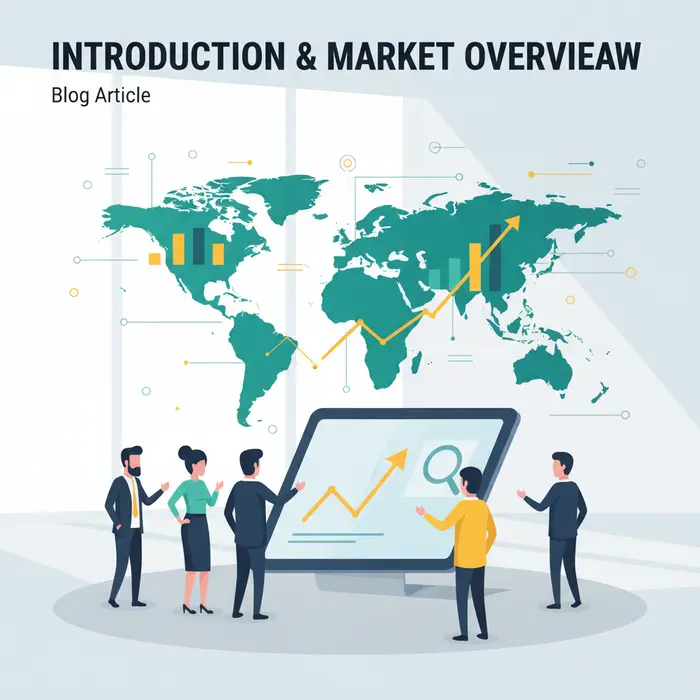
Market Size, Segmentation, and Regional Breakdown
The global trade finance market is a colossal sector, estimated to be worth trillions of dollars annually, underscoring its pivotal role in facilitating a significant portion of international trade volumes. Its substantial size reflects the sheer volume and value of goods and services exchanged across borders daily. The market can be broadly segmented in several ways: by product type (e.g., traditional trade finance, such as LCs and guarantees; and modern solutions like supply chain finance and open account financing), by end-user (e.g., large corporations, SMEs, financial institutions), and by geographical region. Key growth drivers include the ongoing globalization of economies, the expansion of cross-border e-commerce, and the increasing demand from emerging markets. Asia-Pacific, driven by powerhouse economies like China and India, consistently represents the largest share of the market, followed by Europe and North America. These regions boast mature financial infrastructures and significant trade flows. However, rapidly developing economies in Latin America and Africa are also emerging as crucial growth hubs, presenting new opportunities and challenges for providers of trade finance. Insights from a World Trade Organization (WTO) statistical review provide further context on global trade flows. Ongoing analysis of the Supply chain finance market report and Export finance market insights indicates a shift towards digital solutions and a greater emphasis on risk management and transparency, which will shape the Global trade finance forecast for years to come.
Key Trade Finance Industry Trends & Drivers
The global trade finance industry is a dynamic and essential component of international commerce, constantly evolving in response to a complex interplay of forces. Understanding these major trends and underlying drivers is crucial for businesses, financial institutions, and policymakers seeking to navigate the landscape and capitalize on emerging opportunities. From revolutionary technological advancements to profound macroeconomic and geopolitical shifts, the sector is undergoing a significant transformation, necessitating a forward-looking perspective often captured in a comprehensive Global Trade Finance Market Report.
1. Digitalization & Technology Adoption (Blockchain, AI)
Perhaps the most transformative force shaping modern trade finance is the rapid adoption of digital technologies. The drive for greater efficiency, transparency, and security has propelled innovations like blockchain and Artificial Intelligence (AI) to the forefront of trade finance industry trends. Blockchain technology offers an immutable, distributed ledger that can significantly reduce friction in cross-border transactions by streamlining documentation, verifying identities, and enabling smart contracts. This not only enhances trust among trading parties but also drastically cuts down processing times and operational costs, making trade finance more accessible and efficient. For instance, platforms leveraging blockchain are simplifying Letter of Credit (LC) processes and enhancing supply chain visibility.
Artificial Intelligence (AI), on the other hand, is revolutionizing risk assessment, fraud detection, and compliance. AI algorithms can analyze vast datasets to identify patterns and anomalies, providing more accurate credit risk evaluations, flagging suspicious transactions in real-time, and automating compliance checks against complex regulatory frameworks like Anti-Money Laundering (AML) and Know Your Customer (KYC). Machine learning capabilities are also being utilized to predict market movements and optimize financing structures, offering unprecedented export finance market insights. The integration of these technologies promises to create a more resilient, responsive, and data-driven trade finance ecosystem, moving away from antiquated paper-based processes towards a truly digital future.
2. ESG & Sustainable Finance Initiatives
Environmental, Social, and Governance (ESG) factors have rapidly moved from a niche consideration to a central pillar of global finance, profoundly influencing the trade finance sector. There is an increasing demand from regulators, investors, and consumers for businesses to operate sustainably and ethically. This trend is driving the development of new financial products and services, such as green trade finance facilities, sustainability-linked loans, and supply chain finance solutions tied to ESG performance metrics. Financial institutions are now integrating ESG criteria into their lending decisions, assessing not just the financial viability but also the environmental impact and social responsibility of their clients.
This push towards sustainable finance is creating new opportunities for companies that can demonstrate strong ESG credentials, often providing them with preferential access to capital and more favorable financing terms. Conversely, firms with poor ESG performance may face increased scrutiny, higher borrowing costs, or even divestment. The emphasis on ethical supply chains is particularly relevant, with buyers demanding greater transparency regarding labor practices, environmental stewardship, and resource management from their suppliers. This movement is fundamentally reshaping the criteria for eligibility in a comprehensive global trade finance forecast, making sustainability a key differentiator and a critical component of risk management and long-term value creation.
3. Geopolitical Shifts and Trade Policy Impact
The global trade finance industry is acutely sensitive to geopolitical shifts and evolving trade policies. Events such as trade wars, protectionist measures, sanctions regimes, and changes in international trade agreements have a direct and often immediate impact on trade flows and the underlying financing mechanisms. For example, tariffs imposed by major economies can disrupt established supply chain finance market report dynamics, forcing companies to reconsider sourcing strategies and potentially leading to a fragmentation of global supply chains. Similarly, sanctions against specific countries or entities can restrict cross-border transactions, requiring financial institutions to enhance their due diligence and compliance frameworks significantly.
The pursuit of supply chain resilience, intensified by recent global events, is also a significant driver. Companies are increasingly looking to diversify their supplier bases, near-shore, or re-shore production to mitigate risks associated with geopolitical instability and supply chain disruptions. This shift necessitates flexible and adaptable trade finance solutions that can support these evolving supply chain configurations. Furthermore, the rise of regional trade blocs and bilateral agreements can create both opportunities and challenges, shaping where and how trade finance capital flows. Staying abreast of these complex geopolitical developments and their implications is paramount for any stakeholder in the trade finance sector to adapt strategies and manage risks effectively.
In conclusion, the global trade finance market is undergoing a profound transformation driven by digitalization, the imperative for sustainability, and a volatile geopolitical landscape. Navigating these interconnected trends requires agility, strategic foresight, and a deep understanding of market dynamics, reinforcing the indispensable role of a detailed Global Trade Finance Market Report for informed decision-making.
Supply Chain & Export Finance Market Insights
The global trade landscape is a complex tapestry, continuously shaped by evolving economic dynamics, geopolitical shifts, and technological advancements. Within this intricate ecosystem, Global Trade Finance Market Reports consistently underscore the pivotal roles played by supply chain finance (SCF) and export finance (EF). These specialized financial instruments are not merely transactional tools; they are critical enablers of international commerce, addressing the unique working capital needs and risk mitigation requirements of businesses engaged in cross-border trade. This section delves into the specific dynamics of SCF and EF, offering a focused analysis of their distinct challenges, unparalleled growth opportunities, and their collective contribution to the broader financial market. Understanding these elements is crucial for businesses, financial institutions, and policymakers aiming to navigate the complexities and capitalize on the immense potential within the global trade arena.
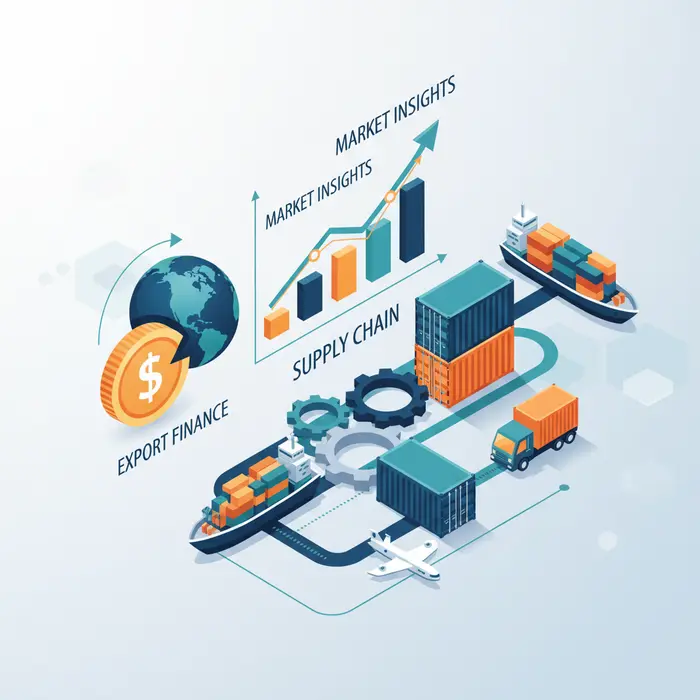
1. Growth of Supply Chain Finance Solutions
Supply Chain Finance (SCF) encompasses a suite of solutions designed to optimize working capital for both buyers and suppliers within a trading relationship. Fundamentally, SCF leverages a buyer’s strong credit rating to provide financing to their suppliers, often at more favorable terms than the suppliers could obtain independently. This mechanism streamlines cash flow, reduces supply chain risk, and enhances efficiency across the entire value chain. The remarkable growth in SCF solutions is a direct response to the increasing globalization of supply chains and the persistent demand for efficient working capital management. As companies expand their sourcing and sales networks globally, the need to manage payment terms and liquidity across diverse geographical and regulatory environments becomes paramount. Technology has been a significant catalyst, with platforms enabling automation, transparency, and the integration of financial services directly into enterprise resource planning (ERP) systems. Innovations like blockchain also promise enhanced security and efficiency, further fueling expansion. Supply chain finance market reports consistently highlight the surging adoption of techniques such as reverse factoring and dynamic discounting, which allow suppliers to get paid earlier while buyers can extend payment terms, creating a win-win scenario. This growth trajectory is a key component of current trade finance industry trends, reflecting a broader shift towards more collaborative and technology-driven financial ecosystems that support global commerce.
2. Challenges and Opportunities in Export Finance
Export Finance (EF) refers to the financial products and services that facilitate international trade by providing exporters with the necessary working capital, managing payment risks, and ensuring the smooth flow of goods and services across borders. While SCF focuses on intra-supply chain dynamics, EF addresses the broader spectrum of risks inherent in cross-border sales, including political risk, commercial risk (buyer default), and currency fluctuation risk. The sector faces several persistent challenges. Geopolitical tensions, volatile commodity prices, and an increasingly complex regulatory environment can deter exporters, particularly small and medium-sized enterprises (SMEs) who may lack the resources to navigate these complexities. Access to affordable finance remains a significant hurdle for many, exacerbated by a perceived higher risk profile from traditional lenders. However, these challenges also present substantial opportunities. Governments worldwide are increasingly recognizing the importance of exports for economic growth and are implementing schemes like export credit insurance and guarantees to mitigate risks and encourage trade. Digitalization is transforming EF, offering platforms for faster transaction processing, enhanced risk assessment through data analytics, and improved access to financing for a wider range of exporters. Furthermore, the diversification of global trade routes and the emergence of new markets present fertile ground for export growth. Understanding these dynamics is crucial for any export finance market insights analysis, which often points towards leveraging technology and strategic partnerships to overcome existing barriers. According to the ICC Global Trade Finance Survey 2023, the global trade finance gap remains substantial, indicating both a significant unmet demand and a clear opportunity for innovation and expansion in the sector.
3. The Role of Emerging Markets in Trade Finance
Emerging markets are rapidly becoming the engine of global economic growth, and their escalating participation in international trade is profoundly reshaping the landscape of trade finance. Countries in Asia, Africa, and Latin America are not only major recipients of imports but are also growing powerhouses in exports, driving demand for both SCF and EF solutions. This surge is fueled by several factors: a growing middle class leading to increased consumption, significant infrastructure development, and a strategic integration into global supply chains. For trade finance providers, these markets represent immense, often untapped, potential. While they offer high growth prospects, they also come with unique complexities, including higher perceived risks, less developed financial infrastructures, and varying regulatory frameworks. Consequently, there is a strong demand for tailored, innovative finance solutions that can adapt to local market conditions. Fintech innovations, in particular, are playing a crucial role in bridging financing gaps in these regions, offering digital platforms that connect SMEs with funders and simplify cross-border transactions. As these economies continue to mature and integrate further into the global trading system, their influence on the Global Trade Finance Market Report will only intensify. The Global Trade Finance Forecast anticipates a sustained increase in trade volumes originating from and destined for emerging markets, making their financial needs a central focus for future developments in trade finance. This pivotal role underscores the need for robust, flexible, and inclusive financial mechanisms to support their continued expansion and integration into the global economy.
Competitive Landscape & Key Players Analysis
The global trade finance market is a complex and evolving ecosystem, characterized by a dynamic interplay between established financial giants and innovative technology-driven disruptors. This section examines the competitive environment, profiling leading banks, financial institutions, and emerging fintech companies that are influencing the market, while also highlighting critical Global Trade Finance Market Report findings and prevailing global trade volumes that shape industry trends. The market is witnessing profound shifts, driven by digitalization, regulatory changes, and the imperative for greater efficiency and transparency across global supply chains. Understanding these players and their strategies is crucial for comprehending the future trajectory of trade finance.
1. Leading Global Banks & Financial Institutions
Traditional banking behemoths continue to anchor the global trade finance landscape, leveraging their extensive international networks, robust capital reserves, and decades-long client relationships. Institutions like HSBC, Citi, JP Morgan Chase, Standard Chartered, BNP Paribas, and Deutsche Bank command a significant share of the market, particularly in large-scale and complex cross-border transactions. Their dominance stems from their ability to offer a comprehensive suite of traditional trade finance products, including Letters of Credit (L/Cs), Standby Letters of Credit (SBLCs), guarantees, and export credit agency-backed financing. They possess the infrastructure and regulatory expertise to navigate diverse legal and economic environments, which is critical for managing global export finance market insights.
However, these established players are not static. Faced with increasing competition, evolving customer demands, and the need for greater operational efficiency, they are heavily investing in digital transformation. Many are integrating advanced analytics, Artificial Intelligence (AI), and blockchain technology into their trade finance operations to streamline processes, enhance risk management, and improve customer experience. Their focus is on modernizing existing infrastructure, participating in industry consortia for blockchain-based trade platforms, and developing sophisticated supply chain finance market report solutions to support their corporate clients more effectively across the entire trade lifecycle.
2. Emerging Fintech Competitors and Innovators
The rise of fintech companies has brought a transformative wave to the trade finance sector. These agile innovators are challenging traditional models by addressing long-standing pain points such as slow processing times, high costs, lack of transparency, and the accessibility gap for Small and Medium-sized Enterprises (SMEs). Fintechs are leveraging cutting-edge technologies like blockchain, AI, machine learning, and cloud computing to offer more efficient, transparent, and often more affordable alternatives.
Key areas of innovation include digital platforms for trade documentation, real-time tracking of goods and payments, automated compliance checks, and alternative funding solutions. Examples include blockchain consortia like Marco Polo Network (powered by R3 Corda) and We.trade, which aim to digitize trade processes and facilitate secure information exchange. Other innovators are focusing on specific niches, such as invoice financing platforms, AI-driven credit risk assessment for SMEs, and tools that simplify cross-border payments. These firms are rapidly shaping trade finance industry trends by demonstrating viable, scalable digital solutions that often bypass the legacy systems of traditional banks, catering particularly to underserved segments of the market and enhancing overall efficiency in the global trade finance forecast.
3. Strategic Partnerships & Acquisition Trends
The competitive landscape is increasingly defined by collaboration rather than outright confrontation between traditional banks and fintechs. Recognizing the strengths each brings, a significant trend is the formation of strategic partnerships. Banks are actively engaging with fintech startups, either by investing in them, participating in blockchain consortia, or white-labeling their innovative solutions. This allows banks to integrate cutting-edge technology and agility without the massive capital expenditure and time associated with in-house development, while fintechs gain access to banks’ extensive client bases, regulatory expertise, and financial backing.
Furthermore, merger and acquisition (M&A) activity is also on the rise, with larger financial institutions and even tech giants acquiring promising fintech companies to expand their digital capabilities, gain a foothold in new market segments, or absorb innovative technologies. These strategic moves are blurring the lines between traditional financial services and technology providers, fostering a hybrid ecosystem. This convergence is not only redefining how trade finance services are delivered but also driving continuous innovation and efficiency across the entire market, ensuring a more resilient and responsive global trade finance infrastructure. The evolving nature of these alliances underscores the collaborative imperative in navigating the complexities and opportunities presented by the modern trade environment.
Global Trade Finance Forecast 2025 & Beyond
The Global Trade Finance Market Report for 2025 and beyond indicates a landscape ripe with both substantial growth opportunities and evolving challenges. As global economies navigate post-pandemic recovery, geopolitical shifts, and rapid technological advancements, the trade finance industry is poised for significant transformation. This forward-looking perspective offers crucial insights into market growth projections, identifies future opportunities driven by innovation, and discusses potential hurdles that stakeholders must prepare for in the coming years.
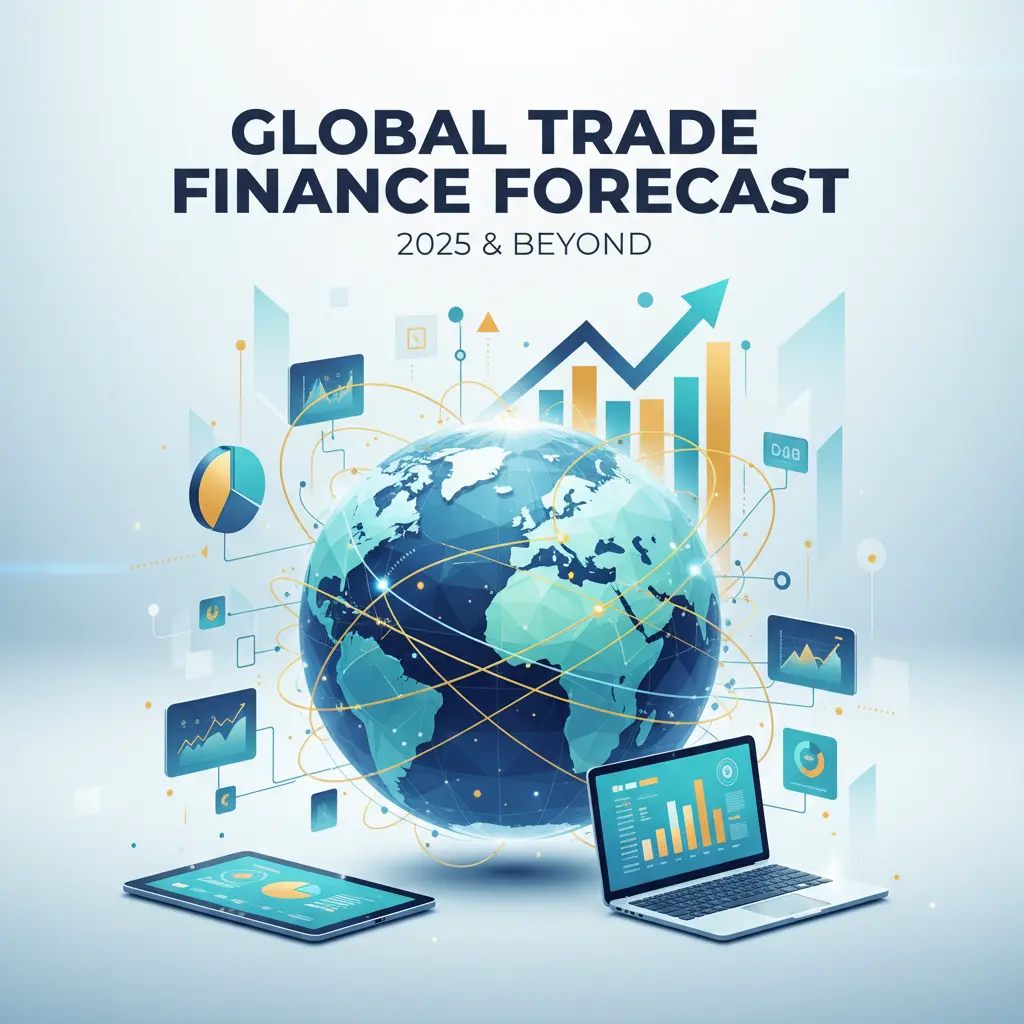
1. Market Growth Projections and CAGR (2025-2030)
According to a recent comprehensive report on the trade finance market, the global trade finance market is projected to demonstrate robust expansion between 2025 and 2030, driven by increasing globalization, the rise of emerging markets, and growing cross-border trade volumes. Analysts forecast a Compound Annual Growth Rate (CAGR) in the range of 5.5% to 7.0% for this period, pushing the market valuation well beyond previous estimates. This growth will be particularly pronounced in Asia-Pacific, Latin America, and Africa, where burgeoning economies and expanding trade corridors are fueling demand for traditional and digital trade finance solutions. The shift towards diversified supply chains, reducing reliance on single regions, will also contribute to a broader distribution of trade finance activities. The increasing adoption of electronic trade documents and blockchain-backed platforms is set to streamline operations, reduce processing times, and enhance accessibility, further stimulating market expansion. The trade finance industry trends suggest a sustained upward trajectory, making it a critical area for investment and development.
2. Future Opportunities & Innovation Hotspots
The coming years will unveil a plethora of opportunities for innovation within the trade finance sector. Digitalization remains a primary driver, with blockchain, Artificial Intelligence (AI), and Machine Learning (ML) emerging as key technologies to transform operations. Blockchain promises enhanced transparency, security, and efficiency in transaction processing and document management, reducing fraud and operational costs. AI and ML are set to revolutionize credit assessment, risk management, and predictive analytics, enabling faster and more accurate decision-making. Furthermore, the growing focus on Environmental, Social, and Governance (ESG) principles presents a significant opportunity for green trade finance. Products supporting sustainable supply chains and environmentally friendly trade practices are expected to gain traction, aligning with global commitments to climate action. The supply chain finance market report highlights the increasing demand for integrated solutions that offer visibility and financing across complex, multi-tiered supply chains. FinTech partnerships will continue to disrupt traditional models, fostering collaborative ecosystems that deliver advanced, client-centric solutions. Platforms facilitating cross-border B2B e-commerce will also create new avenues for growth, requiring scalable and agile trade finance mechanisms.
3. Anticipated Challenges (Economic Volatility, Cyber Threats)
Despite promising growth, the global trade finance forecast is not without its significant challenges. Economic volatility, exacerbated by geopolitical tensions, inflationary pressures, and interest rate fluctuations, poses a continuous threat to trade volumes and financing stability. Companies and financial institutions must navigate unpredictable market conditions, currency risks, and potential trade barriers. Regulatory complexities, including evolving compliance standards and anti-money laundering (AML) protocols across different jurisdictions, remain a substantial burden, requiring significant investment in technology and expertise. Perhaps one of the most pressing concerns in an increasingly digitalized environment is the rise of cyber threats. As more trade finance operations move online, they become vulnerable to sophisticated cyber-attacks, data breaches, and ransomware. Protecting sensitive financial data and ensuring the integrity of digital transactions will be paramount. The shortage of skilled professionals in trade finance, particularly those proficient in new technologies, also presents a bottleneck. Addressing these challenges will require robust risk management frameworks, continuous technological upgrades, international collaboration, and a proactive approach to talent development to secure the future of the Global Trade Finance Market Report.
Partner with Vietnam’s Leading Suppliers
Looking for reliable suppliers in Vietnam? Contact VietnamSuppliers.com today to connect with verified manufacturers and exporters across all industries.
—————————————
References
– World Trade Organization (WTO) statistical review: https://www.wto.org/english/res_e/statis_e/statis_e.htm
– global trade finance forecast: https://iccwbo.org/trade-finance/
– ICC Global Trade Finance Survey 2023: https://www.iccwbo.org/publication/icc-global-trade-finance-survey-2023/
– WTO – Global trade statistics and outlook: https://www.wto.org/english/news_e/pres22_e/pr906_e.htm
– recent comprehensive report on the trade finance market: https://www.grandviewresearch.com/industry-analysis/trade-finance-market