
Introduction to Global Trade Diversion
In an increasingly interconnected yet fragmented world, understanding the nuances of global commerce is paramount for businesses, policymakers, and supply chain strategists. As we look towards 2025, one concept gaining significant traction due to its profound implications on economic stability and geopolitical relations is trade diversion. Far from a mere theoretical economic concept, trade diversion is now a tangible reality shaping international trade flows, demanding acute attention and sophisticated Global Trade Diversion Analysis.
1. What is Trade Diversion?
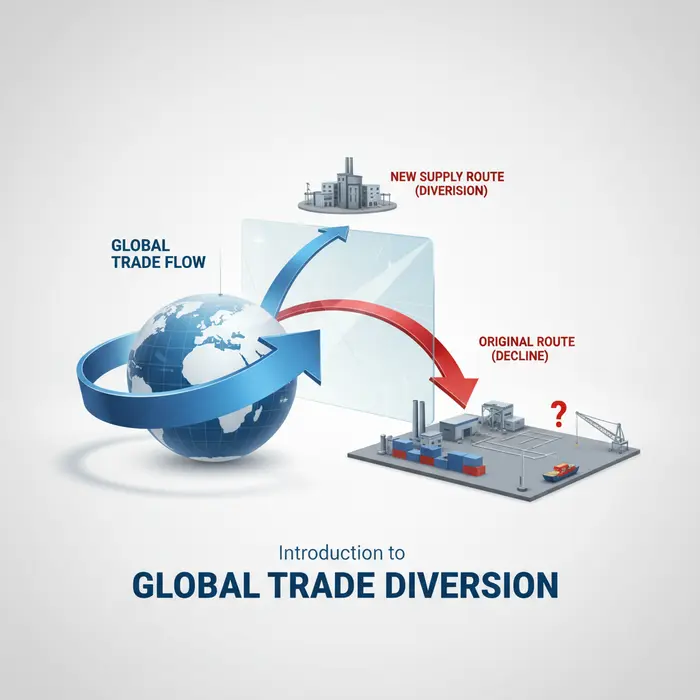
At its core, trade diversion refers to a shift in the origin of imports from a more efficient, lower-cost producer to a less efficient, higher-cost producer, resulting from changes in trade policy. Typically, this phenomenon occurs when a country or bloc imposes tariffs, quotas, or sanctions on goods from a specific trading partner, or conversely, offers preferential trade agreements to another. For instance, if Country A imposes high tariffs on products from Country B, but not on identical products from Country C (which may be a less efficient producer), importers in Country A might switch from buying from B to C. This shift, while potentially achieving policy goals like protection of domestic industries or geopolitical pressure, often leads to economic inefficiency, as resources are allocated based on policy incentives rather than comparative advantage. From a business perspective, it manifests as higher procurement costs, longer lead times, and potentially diminished product quality, all stemming from artificial distortions in the global market.
2. Key Drivers in the Current Geopolitical Landscape
The contemporary geopolitical environment is a powerful catalyst for trade diversion, escalating its prevalence and complexity. Several factors stand out:
- Geopolitical Conflicts & Sanctions Regimes: Ongoing conflicts and subsequent multilateral sanctions imposed by blocs like the EU and G7 on nations such as Russia and Iran directly force businesses to seek alternative supply sources. This has dramatically increased third country transshipment risks, as goods might be re-routed through intermediary nations to circumvent restrictions, making Sanctions circumvention analytics an indispensable tool for compliance.
- Trade Wars & Protectionism: The resurgence of protectionist policies, marked by tariff hikes and non-tariff barriers, particularly between major economic powers, compels companies to re-evaluate their supply chains. Businesses are actively seeking to avoid punitive tariffs by shifting manufacturing or sourcing to countries not subject to these duties.
- Supply Chain Resilience & Friend-Shoring: Lessons from the COVID-19 pandemic and rising geopolitical tensions have spurred a drive for supply chain resilience. Companies are increasingly “friend-shoring” or “near-shoring,” prioritizing suppliers in geopolitically aligned or geographically closer nations, even if it means slightly higher costs. This strategic realignment, while aimed at reducing vulnerability, inherently diverts trade from traditional, often more efficient, global hubs.
- Technological Rivalry: The race for technological dominance, particularly in critical sectors like semiconductors and AI, often leads to export controls and restrictions. These measures can force businesses to develop or acquire technologies from less optimal sources, causing significant trade shifts and challenging global technology supply chains.
3. Why Global Trade Diversion Analysis is Crucial Today
The escalating drivers of trade diversion make its comprehensive analysis not just beneficial, but critical for navigating the complexities of 2025 and beyond. For businesses, effective Global Trade Diversion Analysis enables:
- Risk Mitigation: Identifying potential shifts in trade flows helps businesses anticipate and mitigate risks associated with sudden policy changes, tariffs, or sanctions. This includes assessing Trade compliance risk assessment to avoid penalties and reputational damage from inadvertent engagement in circumvention schemes.
- Strategic Sourcing & Supply Chain Optimization: By understanding where trade is being diverted, companies can proactively adjust their sourcing strategies, identify new potential suppliers, and optimize their global supply chain networks to maintain efficiency and cost-effectiveness amidst changing geopolitical realities. This insight is vital for developing a robust Global supply chain vulnerability report, allowing for informed decision-making.
- Competitive Advantage: Businesses that can foresee and adapt to trade diversion patterns are better positioned to maintain market access, control costs, and sustain competitiveness compared to those caught off guard.
- Investment Decisions: For investors and governments, understanding trade diversion trends provides critical data for evaluating market stability, identifying growth opportunities in new trade corridors, and formulating effective economic policies to support domestic industries and international trade relations.
In essence, as global trade becomes an increasingly politicized and fragmented landscape, the ability to analyze, anticipate, and respond to trade diversion will be a hallmark of resilient and successful enterprises. It requires a blend of economic acumen, geopolitical awareness, and robust data analytics to transform potential threats into strategic opportunities.
Understanding Third Country Transshipment Risks
In the intricate web of Global Trade Diversion Analysis, few threats are as insidious and economically damaging as third-country transshipment. This sophisticated tactic involves rerouting goods through intermediate nations to obscure their true origin or ultimate destination, primarily to evade legitimate trade regulations, tariffs, or international sanctions. Such activities pose significant third country transshipment risks, undermining global economic stability and national security. Businesses and governments worldwide face a pressing challenge in identifying and mitigating these complex schemes, which demand rigorous trade compliance risk assessment and advanced sanctions circumvention analytics.
1. Mechanisms of Third-Country Transshipment
Third-country transshipment schemes are often multifaceted and designed to exploit loopholes in international trade oversight. Understanding these mechanisms is the first step in effective mitigation. Common methods include:
- False Documentation and Misdeclaration: Perpetrators falsify bills of lading, certificates of origin, and invoices to misrepresent the goods’ origin, destination, or nature. For example, goods from a sanctioned country might be declared as originating from the intermediate transshipment point.
- Repackaging and Relabeling: Products are physically altered in a third country, stripped of original packaging, repackaged, and relabeled to appear as if manufactured there. This can involve complete rebranding, effectively erasing the trail back to the original source.
- Exploitation of Free Trade Zones (FTZs): FTZs, designed for trade facilitation, can become unwitting hubs for illicit transshipment. Goods enter with minimal scrutiny, undergo repackaging, and are re-exported with new documentation claiming the FTZ or its host country as origin.
- Use of Shell Companies and Intermediaries: Complex networks of shell companies or front companies are established in various jurisdictions, including the transshipment country, acting as ostensible buyers or sellers. These entities add layers of opacity, hindering traceability of beneficial ownership and ultimate consignee.
- Minor Processing or Assembly: Goods may undergo minimal processing or assembly in the third country to claim “substantial transformation,” justifying a new country of origin under rules of origin criteria. This mimics legitimate manufacturing, making detection challenging.
2. Identifying High-Risk Jurisdictions and Products
Effective Global Trade Diversion Analysis requires keen ability to identify specific jurisdictions and product categories frequently exploited for transshipment. High-risk jurisdictions often share characteristics such as:
- Geographic Proximity to Sanctioned Regions: Countries bordering or near sanctioned nations are often preferred transshipment points due to logistical ease.
- Weak Governance and Corruption: Jurisdictions with lax customs enforcement, prevalent corruption, or insufficient regulatory oversight present fertile ground for illicit trade.
- High Volume of Re-exports: Unusually high re-export volumes, especially in specific product categories, relative to domestic production or consumption, serve as red flags.
- Inconsistent Trade Data: Discrepancies between reported export data from one country and import data from another for the same trade lane strongly indicate potential diversion.
Certain products are inherently more susceptible to transshipment, including advanced electronics, military-grade components, luxury goods, specific raw materials, and regulated chemicals. The US Department of the Treasury’s Office of Foreign Assets Control (OFAC) frequently issues guidance on identifying and mitigating sanctions evasion risks. Businesses can refer to authoritative sources such as the OFAC Compliance Guidance for comprehensive frameworks to navigate complex sanctions landscapes.
3. Impact on Original Exporting/Importing Nations
The implications of third-country transshipment extend far beyond individual transactions, posing systemic threats to both the original exporting and importing nations, as well as the global economy. These impacts include:
- Economic Loss and Unfair Competition: Exporting nations suffer significant revenue losses from evaded tariffs and duties. Legitimate businesses face unfair competition from those circumventing regulations, leading to market distortion.
- Erosion of Sanctions Effectiveness: Successful rerouting of prohibited goods directly undermines international sanctions’ efficacy. This weakens foreign policy tools, prolonging geopolitical disputes.
- National Security Risks: The most critical implication is national security. Transshipment facilitates illicit trade of dual-use technologies, weapons components, and sensitive items to hostile actors, fueling instability and proliferation. This creates a severe global supply chain vulnerability report for nations controlling strategic goods.
- Reputational Damage: Countries and companies, even unwitting participants, can suffer severe reputational damage. This can lead to increased scrutiny and stricter compliance requirements.
- Increased Compliance Burden: Governments implement more stringent regulations and enforcement due to transshipment risks. While necessary, this increases compliance burden, adding costs and complexity to legitimate trade operations.
Mitigating these third country transshipment risks demands continuous vigilance, advanced analytics, and robust international cooperation. A proactive approach to trade compliance risk assessment is essential for safeguarding economic integrity and national security in an increasingly complex global trade environment.
Sanctions Circumvention Analytics & Detection
The intricate web of international commerce, while facilitating global trade, concurrently presents a fertile ground for the circumvention of international sanctions. As geopolitical tensions escalate and sanctions regimes become more stringent, illicit actors continuously devise sophisticated methods to bypass restrictions, exploiting vulnerabilities within global supply chains and financial systems. Detecting and preventing this circumvention requires a proactive and advanced analytical approach, moving beyond traditional compliance checks to embrace cutting-edge technologies capable of dissecting complex trade routes and identifying veiled shell entities. The challenge lies not just in identifying known risks, but in predicting and uncovering novel evasion tactics, making Global Trade Diversion Analysis an indispensable tool in modern trade compliance.
Evolving Tactics for Sanctions Evasion
This section explores the sophisticated and constantly changing methods entities employ to bypass international sanctions, highlighting the dynamic nature of illicit trade practices.
Sanctions evaders are perpetually innovating, employing a diverse array of tactics to obscure the true origin, destination, and ownership of goods and funds. A common method involves the use of shell companies and complex, multi-layered ownership structures across various jurisdictions, often in countries with lax regulatory oversight. These entities serve as conduits, creating a veil of legitimacy for transactions involving sanctioned parties or goods. Another prevalent tactic involves exploiting third country transshipment risks, where goods are routed through multiple intermediary nations that are not subject to the same sanctions, thereby masking the ultimate prohibited destination. This often involves manipulating shipping documents, mislabeling cargo, or undervaluing/overvaluing goods to avoid detection or generate illicit profits. Furthermore, the rise of digital assets and decentralized finance has introduced new avenues for evasion, with cryptocurrencies sometimes utilized to transfer funds anonymously, complicating traditional financial surveillance. The challenge for compliance professionals is to keep pace with these evolving methods, recognizing that static blacklists are insufficient against such adaptive adversaries.
Leveraging Data Analytics for Detection
This section details how cutting-edge data analytics and technological solutions are employed to identify and counter sanctions circumvention efforts.
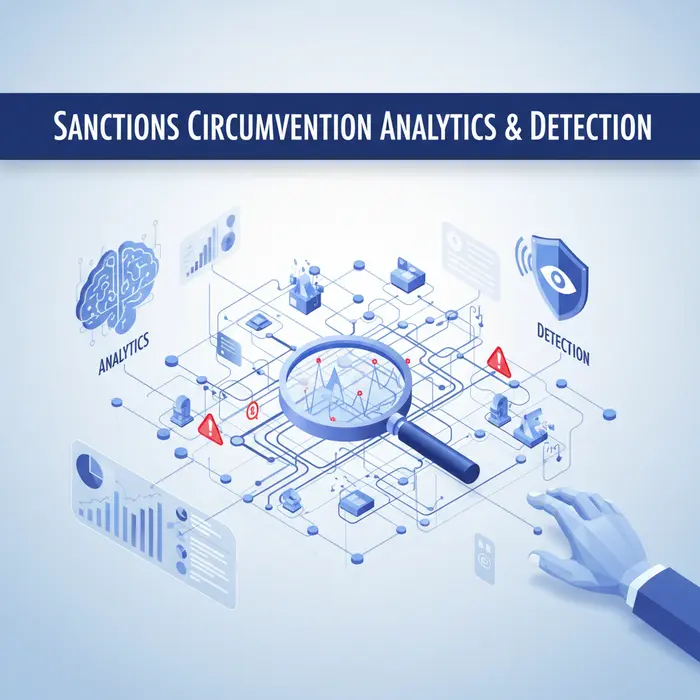
To combat the sophisticated evasion tactics, advanced data analytics has become the frontline defense. Modern sanctions circumvention analytics leverages artificial intelligence (AI) and machine learning (ML) algorithms to process vast datasets from various sources, including global shipping manifests, customs declarations, financial transactions, corporate registries, and open-source intelligence. These analytical tools excel at identifying anomalies, unusual patterns, and hidden relationships that human analysts might miss. Network analysis, for instance, can map complex ownership structures and trade routes, revealing beneficial owners or interconnected entities that might be part of an evasion scheme. Predictive analytics can forecast potential evasion hotspots or emerging methods based on historical data and real-time intelligence. Techniques such as anomaly detection flag transactions or shipping patterns that deviate significantly from established norms, indicating potential illicit activity. For example, a sudden surge in specific goods transiting through a new intermediary country, coupled with changes in financial flows, could trigger an alert for further investigation. The integration of these analytical capabilities into a comprehensive trade compliance risk assessment framework is crucial for proactive identification of high-risk scenarios. OFAC’s guidance on compliance commitments emphasizes the importance of risk assessments and analytics in building robust sanctions compliance programs.
Case Studies: Recent Sanctions Bypasses
This section presents real-world examples and hypothetical scenarios illustrating the common patterns and challenges in detecting recent sanctions bypasses.
Examining recent instances of sanctions circumvention provides invaluable insights into the practical application of detection methods and the enduring challenges. Consider a scenario where dual-use goods, critical for both civilian and military applications, are shipped to a non-sanctioned country but then re-exported to a sanctioned entity through a series of shell companies. Detection often involves tracking discrepancies between declared end-users and the actual recipients, identifying unusual payment patterns, or observing sudden changes in trade volumes with specific jurisdictions. Another common bypass involves the falsification of certificates of origin or end-user certificates, designed to obscure the true destination of controlled items. Recent public reports have highlighted how certain entities establish elaborate logistics networks, often involving multiple freight forwarders and customs brokers across various countries, to move prohibited items to sanctioned nations. These cases underscore the importance of a holistic approach that combines sophisticated sanctions circumvention analytics with human intelligence and international cooperation. A comprehensive global supply chain vulnerability report, continuously updated with lessons learned from these bypasses, can empower organizations to strengthen their defenses, understand their exposure to illicit networks, and adapt their compliance strategies effectively to mitigate evolving threats.
Trade Compliance Risk Assessment Strategies
In today’s interconnected global economy, businesses and governments face an ever-evolving landscape of trade regulations, geopolitical shifts, and sophisticated attempts at evasion. Effective trade compliance risk assessment is no longer a luxury but a fundamental necessity. Failing to identify and mitigate risks associated with trade diversion, non-compliance, and sanctions circumvention can lead to severe penalties, reputational damage, and significant operational disruptions. This section outlines best practices for conducting thorough risk assessments to safeguard against these exposures, with a particular focus on proactive strategies for identifying and preventing illicit trade activities.
1. Developing Robust Compliance Frameworks
Developing robust compliance frameworks involves establishing a foundational structure of policies, procedures, and internal controls designed to ensure adherence to all relevant trade laws and regulations. A comprehensive framework serves as the backbone for any effective trade compliance risk assessment. Key elements include clear written policies on export controls, sanctions, customs valuation, and origin; detailed operational procedures for screening parties, products, and destinations; and regular training programs for all personnel involved in international trade activities. Implementing strong internal audit mechanisms allows organizations to regularly review the efficacy of their controls, identify potential weaknesses, and address them before they escalate into violations. Furthermore, integrating sanctions circumvention analytics into these frameworks helps in identifying unusual patterns or intermediaries that might be used to bypass restrictive measures, thereby bolstering resilience against illicit financial and trade flows.
2. Due Diligence in Global Supply Chains
Thorough due diligence in global supply chains is critical for mitigating trade risks, especially those related to third country transshipment risks. This involves a comprehensive understanding of all parties involved in a transaction – from suppliers and manufacturers to freight forwarders and end-users – and the routes goods take. Businesses must go beyond initial vetting and engage in continuous monitoring of their supply chain partners, assessing their ownership structures, financial health, operational capabilities, and adherence to compliance standards. Identifying red flags such as unusual payment methods, circuitous routing, vague descriptions of goods, or reluctance to provide end-use certificates is paramount. Regular assessments should also produce a Global supply chain vulnerability report, highlighting potential weak points susceptible to exploitation for illicit purposes. Proactive Global Trade Diversion Analysis is essential here, leveraging data to detect anomalies that suggest goods are being rerouted to avoid tariffs, quotas, or sanctions. This vigilance helps prevent goods from ending up in prohibited destinations or in the hands of restricted parties, protecting the integrity of legitimate trade.
3. Technology Solutions for Enhanced Compliance
Leveraging technology solutions has become indispensable for enhanced trade compliance, offering capabilities that far surpass manual processes. Governance, Risk, and Compliance (GRC) software platforms provide centralized management for compliance programs, automating tasks like denied party screening, license management, and export control classification. Artificial Intelligence (AI) and Machine Learning (ML) play a transformative role, enabling sophisticated Global Trade Diversion Analysis by analyzing vast datasets to identify complex patterns, anomalies, and potential circumvention schemes that would be impossible for human analysts to detect. Predictive analytics can forecast potential risks based on geopolitical developments or changes in trade flows. Blockchain technology also offers potential for enhancing supply chain transparency and traceability, making it harder for illicit actors to conceal the true origin or destination of goods. By investing in these advanced tools, businesses and governments can build more robust export compliance programs, ensuring higher accuracy, efficiency, and real-time responsiveness to emerging threats. These technologies are crucial for organizations aiming to adhere to best practices in export compliance and secure their global trade operations.
Implementing these strategies – from establishing strong frameworks and conducting rigorous due diligence to deploying cutting-edge technology – creates a multi-layered defense against trade compliance risks. A proactive and continuous approach to risk assessment is vital for navigating the complexities of global trade, protecting against penalties, and sustaining legitimate business operations in a volatile world.
Global Supply Chain Vulnerability Report: Implications for 2025
The global economic landscape continues to evolve, presenting both opportunities and significant challenges for businesses worldwide. Among the most pressing concerns impacting resilience and integrity is the pervasive issue of trade diversion. This phenomenon, often driven by geopolitical tensions, protectionist policies, and the pursuit of competitive advantage, involves the re-routing of goods through intermediary countries to circumvent tariffs, quotas, sanctions, or other regulatory hurdles. A comprehensive Global Trade Diversion Analysis reveals that these practices not only distort market dynamics but also introduce profound vulnerabilities into complex supply networks, making them less predictable and more susceptible to disruption. As we look towards 2025, understanding and mitigating the implications of trade diversion becomes paramount for safeguarding economic stability and ensuring compliant, robust supply chains. This report explores the various facets of trade diversion, from mapping hidden risks to outlining strategic solutions for building more resilient and transparent global trade systems.
1. Mapping Vulnerabilities in Complex Supply Networks
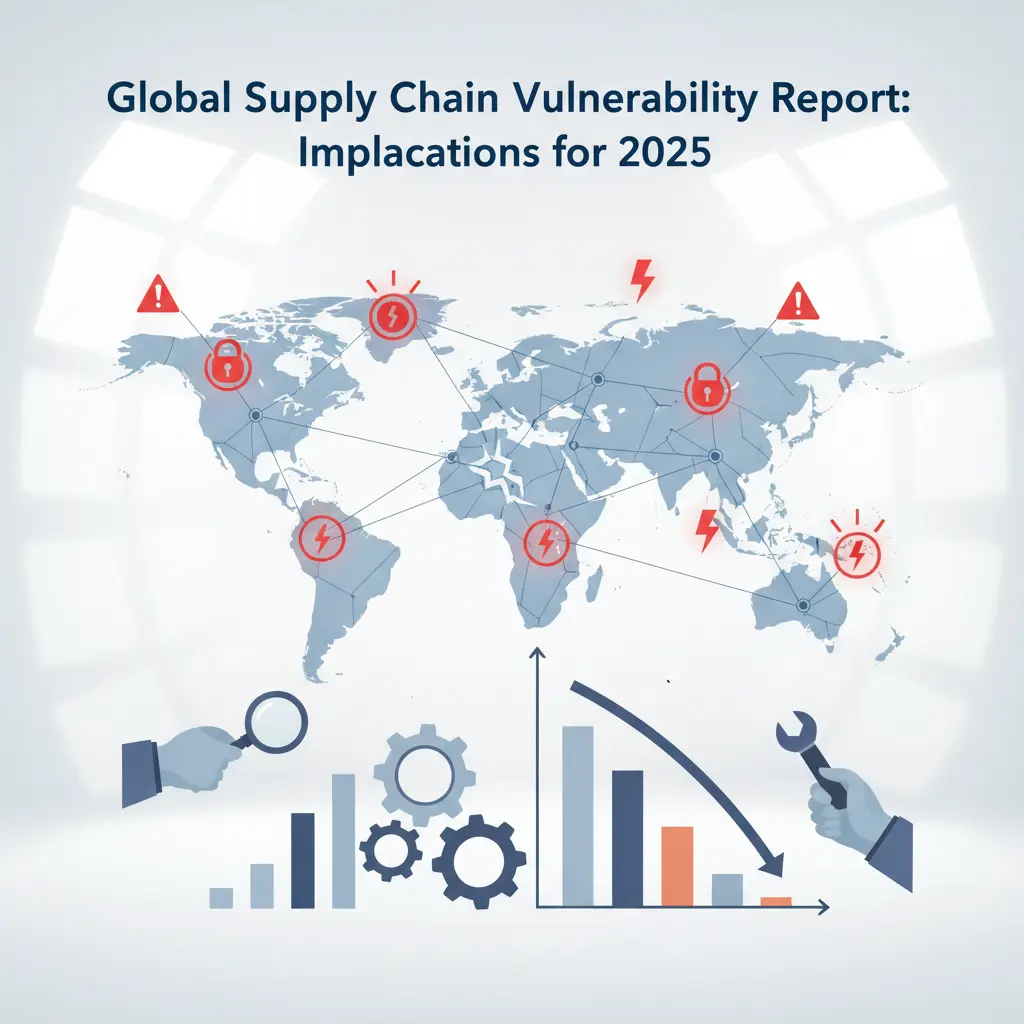
The intricate web of modern supply chains, while efficient, also presents numerous entry points for illicit trade practices. Trade diversion exploits these complexities, creating a lack of transparency that obscures the true origin and destination of goods. A critical component of a proactive Global Trade Diversion Analysis involves identifying and understanding these hidden pathways. Enterprises must contend with escalating third country transshipment risks, where products are temporarily sent to an intermediate country to obscure their actual source or intended market, often to bypass trade restrictions or benefit from preferential trade agreements. This practice not only complicates logistics but also renders traditional due diligence insufficient, making it exceedingly difficult to verify compliance with international trade regulations. Without robust mechanisms to track goods through every leg of their journey, companies face heightened exposure to regulatory penalties, reputational damage, and ethical dilemmas. Effective trade compliance risk assessment frameworks are essential, requiring a multi-layered approach that goes beyond direct supplier relationships to scrutinize all entities involved in the extended supply network. Strengthening visibility across the entire chain is the first step in addressing these systemic weaknesses, preventing firms from inadvertently becoming complicit in illegal activities. For more insights on mitigating such risks, visit our resources on Global Trade Diversion Analysis.
2. Economic Repercussions of Diversion on Supply Chains
The economic ramifications of trade diversion extend far beyond simple tariff avoidance, significantly impacting the integrity and profitability of global supply chains. Companies involved, whether wittingly or unwittingly, face substantial financial penalties, including fines, tariffs, and potential seizure of goods. Moreover, the hidden costs associated with increased customs scrutiny, legal challenges, and the need for enhanced verification processes can erode profit margins. Trade diversion distort market prices, undermines fair competition, and can lead to retaliatory trade measures between nations, further destabilizing global trade flows. The rise of sanctions circumvention analytics highlights the growing sophistication of methods used to bypass international restrictions, posing severe risks to businesses that fail to conduct thorough due diligence. Such circumvention can lead to severe reputational damage, loss of market access, and withdrawal of financial services, impacting long-term viability. According to a report by the World Trade Organization, trade barriers and restrictions, which trade diversion seeks to bypass, can significantly impact global trade volumes and create economic inefficiencies. The ripple effect can disrupt entire industry sectors, particularly those reliant on complex, multi-national sourcing strategies. Businesses must recognize that the perceived short-term gains from diversion are overwhelmingly outweighed by the potential for long-term economic instability and legal liabilities. Deeper analysis of these economic impacts is available through our dedicated section on Global Trade Diversion Analysis.
3. Building Resilient and Compliant Supply Chains
Mitigating the risks posed by trade diversion requires a proactive and multifaceted approach focused on enhancing both resilience and compliance. The future of global supply chains hinges on the ability of organizations to implement robust strategies that prevent and detect illicit trade practices. A key pillar is the adoption of advanced technological solutions, such as blockchain for end-to-end traceability and artificial intelligence for predictive risk assessment. These tools can provide real-time visibility into product movements and flag anomalous patterns indicative of diversion attempts. Furthermore, strengthening internal trade compliance risk assessment protocols is crucial. This involves not only comprehensive vetting of suppliers and logistics partners but also continuous monitoring of geopolitical developments and regulatory changes. Companies must invest in training their personnel to identify red flags associated with third country transshipment risks and develop clear escalation procedures. Collaboration across the supply chain, including sharing best practices and intelligence, can significantly bolster collective defenses against diversion. Governments and industry bodies also have a vital role in establishing clearer guidelines and enforcing international trade agreements. By integrating these strategies, businesses can build supply chains that are not only efficient but also inherently more resistant to manipulation and compliant with global standards. For detailed guidance on enhancing supply chain resilience, explore our articles on Global Supply Chain Vulnerability Report and best practices in Sanctions Circumvention Analytics.
In conclusion, trade diversion poses a formidable challenge to the integrity and resilience of global supply chains as we approach 2025. Its hidden costs, legal ramifications, and market distortions demand urgent attention. Through a rigorous Global Trade Diversion Analysis, proactive risk mapping, robust compliance frameworks, and technological innovation, businesses can transform vulnerabilities into opportunities for stronger, more ethical, and truly resilient supply networks. The future belongs to those who prioritize transparency and unwavering commitment to global trade compliance.
Partner with Vietnam’s Leading Suppliers
Looking for reliable suppliers in Vietnam? Contact VietnamSuppliers.com today to connect with verified manufacturers and exporters across all industries.
—————————————
References
– WTO Agreement on Subsidies and Countervailing Measures: https://www.wto.org/english/thewto_e/whatis_e/tif_e/agrm8_e.htm
– OFAC Compliance Guidance: https://home.treasury.gov/policy-issues/financial-sanctions/sanctions-programs-and-country-information
– OFAC’s Framework for OFAC Compliance Commitments: https://home.treasury.gov/policy-issues/financial-sanctions/ofac-compliance-framework
– U.S. Bureau of Industry and Security (BIS): https://www.bis.doc.gov/
– World Trade Organization: https://www.wto.org/english/news_e/archive_e/an05_e.htm

