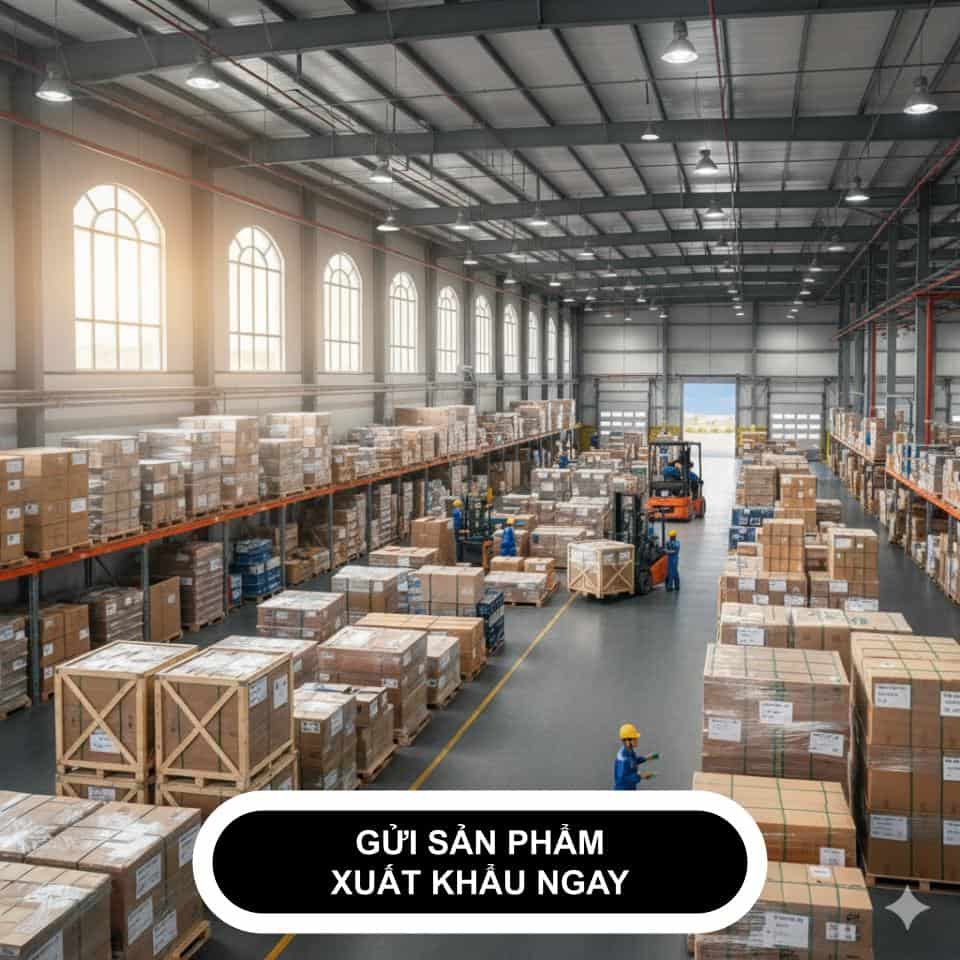
Executive Summary: Key Findings & Projections
The global logistics landscape is undergoing an unprecedented transformation, driven by a confluence of economic shifts, technological advancements, and evolving consumer demands. This Global Logistics Capacity Report offers a critical overview of the most significant insights and forecasts shaping the industry in 2025, highlighting key opportunities and challenges for businesses navigating this dynamic environment. Our analysis pinpoints areas of significant growth, identifies persistent bottlenecks, and provides actionable intelligence on how stakeholders can optimize their supply chains for resilience and efficiency. The coming year is set to redefine operational norms, placing a premium on agility, digital integration, and sustainable practices across the entire value chain.

1. Overall Global Capacity Overview
As we approach 2025, the global logistics capacity presents a nuanced picture. While there has been some easing in certain segments following the peak disruptions of previous years, the overall balance remains delicate. International warehouse space availability continues to be a critical factor, with a persistent demand-supply imbalance in prime urban and industrial corridors, particularly in North America and Europe. Emerging markets, however, show varied trends, with some regions experiencing rapid infrastructure development and others still struggling with connectivity and modernization. Air freight capacity has largely stabilized, yet ocean freight, despite new vessel deliveries, faces ongoing challenges related to port congestion, labor disputes, and geopolitical tensions. The capacity crunch is less about a lack of physical assets and more about inefficient utilization, fragmented networks, and the need for greater digital integration to optimize existing resources. This complex interplay significantly influences the cost and speed of goods movement globally, impacting every facet of the supply chain.
2. Key Economic Drivers & Impact
Several potent economic drivers are set to dictate the global logistics market outlook for 2025. Persistent, albeit moderating, inflation rates in major economies continue to drive up operational costs, from fuel and labor to warehousing and transportation. High interest rates are impacting investment decisions, potentially slowing down new infrastructure projects and technology adoption, particularly for smaller players. Geopolitical instability, including ongoing conflicts and trade policy shifts, introduces considerable uncertainty, compelling businesses to re-evaluate their sourcing strategies and embrace diversification. Consumer spending patterns, especially the sustained shift towards online retail, continue to fuel demand for robust e-commerce logistics capacity. Conversely, a potential economic slowdown in certain regions could temper demand, leading to increased competition among logistics providers. These macro-economic forces underscore the need for strategic foresight and adaptive supply chain warehousing trends, pushing companies to build more resilient and responsive logistics frameworks capable of withstanding external shocks.
3. Top Trends Shaping the 2025 Outlook
The global logistics landscape in 2025 will be profoundly shaped by several transformative trends. Firstly, the exponential growth of e-commerce continues to be a primary driver, demanding ever-more sophisticated and efficient e-commerce logistics capacity, particularly in last-mile delivery and reverse logistics. Automation and robotics are no longer futuristic concepts but essential tools being rapidly integrated into warehouses and distribution centers to mitigate labor shortages and enhance operational speed. Secondly, sustainability is moving from a buzzword to a core strategic imperative, with increasing pressure from consumers, regulators, and investors for greener supply chains. This includes the adoption of electric vehicles, optimized routing to reduce emissions, and eco-friendly packaging. Thirdly, the ongoing digital revolution, encompassing AI, IoT, and blockchain, is providing unprecedented visibility, predictive analytics, and process optimization across the supply chain, enabling more proactive decision-making. Finally, supply chain regionalization, including reshoring and nearshoring initiatives, is gaining traction as companies seek to reduce geopolitical risks and improve supply chain resilience, leading to localized shifts in international warehouse space availability and infrastructure investment. These trends collectively underscore a move towards more intelligent, sustainable, and localized logistics operations, demanding continuous innovation and adaptation from all market participants.
International Warehouse Space Availability
The landscape of global commerce hinges significantly on the availability and efficiency of warehouse space. As highlighted in any comprehensive Global Logistics Capacity Report, understanding current utilization rates, vacancy trends, and future projections for 2025 is paramount for businesses navigating an increasingly complex supply chain. The demand for international warehouse space availability continues to soar, driven by e-commerce expansion, inventory rebalancing, and geopolitical shifts, all contributing to a dynamic global logistics market outlook.
1. Regional Breakdown: Asia, Europe, North America
A granular look at global capacity reveals distinct characteristics across major continents:
- Asia: This region remains a powerhouse for both manufacturing and consumption, driving immense demand for warehousing. Hotspots like China, India, and Southeast Asian nations (Vietnam, Indonesia, Thailand) are witnessing rapid development. E-commerce logistics capacity in Asia is expanding at an unprecedented pace, necessitating modern, multi-story facilities, particularly in densely populated urban centers. Utilization rates are consistently high, often exceeding 90% in prime locations, fueled by domestic consumption and an ever-growing export industry. While new supply is coming online, demand frequently outstrips it, leading to persistent shortages in strategic hubs.
- Europe: The European market is characterized by mature logistics infrastructure but faces unique pressures. Key markets include Germany, the UK, France, and the Netherlands, with emerging hubs in Eastern Europe (Poland, Czech Republic) benefiting from nearshoring trends and lower operational costs. E-commerce continues to be a primary driver, alongside the need for specialized storage for cold chain and last-mile delivery. Post-Brexit adjustments and geopolitical events have also influenced supply chain warehousing trends, with companies optimizing distribution networks to mitigate new trade barriers and enhance resilience. Vacancy rates, while still low, have seen slight increases in some submarkets as economic uncertainties temper some expansion plans.
- North America: The United States, Canada, and Mexico form a robust logistics corridor. The U.S. market, especially, has experienced unprecedented demand, with critical hubs around major ports (Los Angeles, New York/New Jersey, Savannah) and inland distribution centers (Dallas-Fort Worth, Chicago, Atlanta) operating at near full capacity. The surge in online retail and the imperative to hold larger safety stocks post-pandemic have significantly tightened the market. Mexico, benefiting from nearshoring initiatives by companies seeking to reduce reliance on distant supply chains, is also seeing substantial investment in industrial real estate, positioning it as a growing player in international warehouse space availability.
2. Vacancy Rates and Rental Price Trends
Globally, industrial vacancy rates have been at historic lows over the past few years, a testament to the surging demand for logistics infrastructure. While the peak tightness seen in 2021-2022 has somewhat eased, particularly in certain markets with new supply deliveries, vacancy rates generally remain below pre-pandemic averages. This sustained tightness has put significant upward pressure on rental prices across all major regions. In premium locations, year-over-year rental growth has often been in the double digits, making warehouse space a considerable operational expense. For instance, data from leading real estate firms indicates a continued robust performance in the industrial sector, as detailed in reports like the CBRE Global Industrial & Logistics MarketView. This trend is projected to moderate slightly in 2025 as a pipeline of new construction comes online, but significant relief in pricing is unlikely given the underlying structural demand drivers from e-commerce growth and ongoing adjustments in supply chain warehousing trends.
3. Challenges in Storage and Distribution Hotspots
Despite the ongoing development, several critical challenges persist in storage and distribution hotspots. Land scarcity, particularly in established urban and peri-urban areas, drives up land costs and limits expansion possibilities. Labor shortages for warehouse operations, including skilled forklift drivers and logistics managers, continue to be a significant bottleneck, impacting operational efficiency and costs. Infrastructure bottlenecks, such as congested road networks leading to ports and distribution centers, further exacerbate delays and increase transportation expenses. Furthermore, evolving regulatory environments and permitting complexities can slow down development timelines, creating a lag between demand and supply. Addressing these challenges requires strategic investment in automation, smart warehousing technologies, and effective workforce development programs to maintain agile and resilient e-commerce logistics capacity.
In conclusion, the outlook for international warehouse space availability remains tight through 2025, with strong demand drivers offsetting new supply in many key markets. Businesses must remain agile, leverage technology, and continually review their supply chain networks to secure optimal storage solutions amidst these evolving global logistics market outlook conditions. For a deeper dive into the metrics and forecasts, refer to our comprehensive Global Logistics Capacity Report.
Global Logistics Market Outlook & Trends
The global logistics landscape is a dynamic ecosystem, constantly shaped by an intricate web of market forces, geopolitical shifts, and rapid technological advancements. Understanding these elements is crucial for businesses navigating the complexities of modern supply chains and for assessing the overall Global Logistics Capacity Report. From the availability of international warehouse space availability to evolving consumer demands driven by e-commerce, every facet of the supply chain environment is under constant pressure to adapt and innovate. This section provides an examination of the broader trends influencing the Global logistics market outlook, offering insights into the future of freight, warehousing, and last-mile delivery.

1. Geopolitical Impact on Supply Chains
Geopolitical events have emerged as significant disruptors, often redefining the structure and resilience of global supply chains. From regional conflicts and trade wars to political instability and protectionist policies, these factors directly influence shipping routes, lead times, and overall logistics capacity. For instance, disruptions in key maritime passages can reroute vessels, increasing transit times and fuel costs, while trade disputes can lead to tariffs, forcing companies to re-evaluate sourcing strategies and manufacturing locations. The ongoing shifts necessitate a greater emphasis on supply chain diversification and regionalization, with companies seeking to mitigate risks by establishing manufacturing hubs closer to end markets or by diversifying their supplier base across different geographies. This reactive approach impacts international warehouse space availability as demand shifts to new strategic locations, creating both shortages and surpluses in various regions. Geopolitical events also underscore the need for enhanced visibility and robust risk management frameworks to anticipate and respond to unforeseen disruptions effectively. According to a report by the World Economic Forum, building resilient global supply chains amidst geopolitical uncertainty requires a multi-faceted approach, focusing on collaboration, transparency, and diversification.
2. Technological Innovations (AI, Automation, IoT)
The logistics sector is undergoing a profound transformation driven by cutting-edge technological innovations, fundamentally reshaping supply chain warehousing trends and operational efficiencies. Artificial Intelligence (AI) is at the forefront, powering predictive analytics for demand forecasting, optimizing complex routing algorithms, and enhancing inventory management. AI-driven systems can anticipate potential delays, suggest alternative routes, and even predict equipment failures, leading to significant cost savings and improved service levels. Automation, particularly in warehousing and fulfillment centers, addresses labor shortages and boosts throughput. Robotic picking systems, autonomous guided vehicles (AGVs), and automated storage and retrieval systems (AS/RS) are becoming commonplace, streamlining operations and maximizing warehouse space utilization. The Internet of Things (IoT) provides real-time visibility across the entire supply chain, with sensors tracking everything from package location and environmental conditions to fleet performance. This data enables proactive decision-making, reduces spoilage, and improves security. For the rapidly expanding E-commerce logistics capacity, these technologies are indispensable, allowing for faster processing, more accurate deliveries, and a superior customer experience. The integration of these innovations is not just about efficiency; it’s about building intelligent, self-optimizing supply chains capable of adapting to rapid market changes.
3. Sustainability and Green Logistics Demands
Sustainability has transitioned from a niche concern to a central pillar of the Global logistics market outlook, driven by increasing environmental regulations, consumer demand for eco-friendly practices, and corporate social responsibility initiatives. Green logistics encompasses a broad range of practices aimed at minimizing the environmental impact of supply chain activities, including transportation, warehousing, and packaging. This involves adopting cleaner energy sources for fleets, optimizing delivery routes to reduce fuel consumption and emissions, and investing in sustainable warehouse designs that utilize renewable energy and efficient waste management systems. The push for circular economy principles is also influencing logistics, with a greater focus on reverse logistics for returns, repairs, and recycling. Companies are increasingly scrutinized for their carbon footprint, prompting investments in electric vehicles, hydrogen fuel cells, and multimodal transportation solutions that reduce reliance on single, high-emission modes. Furthermore, sustainable packaging solutions, such as biodegradable materials and optimized package sizing, are gaining traction to minimize waste. Embracing green logistics is not merely a regulatory compliance issue; it’s a strategic imperative that can enhance brand reputation, attract environmentally conscious consumers, and potentially unlock long-term cost efficiencies through reduced energy consumption and waste. The future of global logistics is undeniably green, demanding innovative solutions that balance operational efficiency with environmental stewardship.
Supply Chain Warehousing Trends & Challenges
The modern supply chain stands at a critical juncture, facing unprecedented pressures that demand continuous evolution in warehousing strategies. From the relentless surge of e-commerce to geopolitical shifts and economic volatility, warehouses are no longer merely storage facilities but dynamic hubs pivotal to global logistics capacity. Understanding the evolving landscape, as highlighted in comprehensive analyses like the Global Logistics Capacity Report, is essential for businesses striving to maintain robust supply chain resilience and efficiency.
The global logistics market outlook indicates a complex interplay of challenges and opportunities. While the demand for efficient product movement continues to grow, factors such as international warehouse space availability remain tight in key regions, compounded by significant operational headwinds. This section delves into the critical supply chain warehousing trends, examining how labor shortages, inflation, and the imperative for agility are reshaping the industry.
1. Labor Shortages and Automation Adoption
One of the most persistent and impactful challenges facing warehousing operations globally is the acute shortage of labor. The physical demands of warehouse work, combined with competitive wages in other sectors and an aging workforce, have created a significant gap in the availability of skilled and unskilled labor. This deficit directly impacts processing times, order fulfillment rates, and overall operational capacity, posing a severe threat to e-commerce logistics capacity, especially during peak seasons.
In response, the industry is witnessing a dramatic acceleration in automation adoption. Warehouses are increasingly investing in a range of technologies, from robotic picking systems (AMRs – Autonomous Mobile Robots) and automated storage and retrieval systems (AS/RS) to sophisticated warehouse management systems (WMS) and artificial intelligence (AI)-powered forecasting tools. These solutions not only help mitigate the impact of labor shortages by performing repetitive and strenuous tasks but also significantly enhance operational efficiency, accuracy, and throughput. For instance, robotics can operate 24/7, reducing errors and increasing the speed of order fulfillment. However, the initial capital investment for such technologies can be substantial, requiring careful cost-benefit analysis and strategic planning to ensure a positive return on investment.
2. Inflation, Rising Costs, and Efficiency Pressures
The current economic climate, characterized by high inflation, has placed immense pressure on warehousing operational costs. Energy prices, labor wages, and real estate costs for warehouse space have all seen significant increases. Fuel costs impact inbound and outbound logistics, while rising utility bills directly affect the operational expenses of temperature-controlled storage and general facility maintenance. Moreover, the cost of raw materials and components for packaging and processing has also escalated, squeezing profit margins across the supply chain.
These rising costs mandate a renewed focus on efficiency. Warehousing managers are compelled to explore every avenue for optimization, from lean inventory management techniques to maximizing storage density and optimizing picking routes. Data analytics plays a crucial role here, enabling real-time insights into performance bottlenecks, inventory turnover, and energy consumption. The goal is to do more with less – to process higher volumes of goods with the same or even reduced operational footprint, thereby safeguarding supply chain capacity against inflationary pressures. This emphasis on cost control and efficiency is a defining characteristic of the current global logistics market outlook.
3. Building Resilience and Agility in Warehousing Operations
The disruptions of recent years – pandemics, geopolitical conflicts, and extreme weather events – have underscored the critical need for resilience and agility within supply chain warehousing. A robust supply chain can no longer rely on single points of failure or rigid operational models. Instead, it requires flexible and adaptable warehousing networks capable of responding swiftly to unforeseen challenges and shifts in demand.
Building resilience involves diversifying warehouse locations to mitigate regional risks and enhance international warehouse space availability, implementing advanced risk management protocols, and fostering greater visibility across the entire supply chain. Agility, on the other hand, is achieved through technologies like cloud-based WMS, which allows for real-time data sharing and rapid adjustments to operations, and through the development of multi-modal transportation strategies. Micro-fulfillment centers closer to urban areas are emerging as a way to enhance last-mile delivery agility for e-commerce logistics capacity. Furthermore, cross-docking strategies and flexible workforce management can help warehouses pivot quickly to changing demands, ensuring that capacity remains robust and responsive. The ability to quickly scale up or down, reconfigure layouts, or even reroute inventory through alternative hubs is paramount for maintaining uninterrupted flow in an unpredictable world.
In conclusion, the warehousing sector is navigating a period of profound transformation. Addressing labor shortages through strategic automation, mitigating the impact of inflation through rigorous efficiency drives, and cultivating resilient and agile operations are not just trends but imperative strategies for success. Businesses that proactively embrace these changes will be better positioned to overcome challenges and thrive in the complex global supply chain environment.
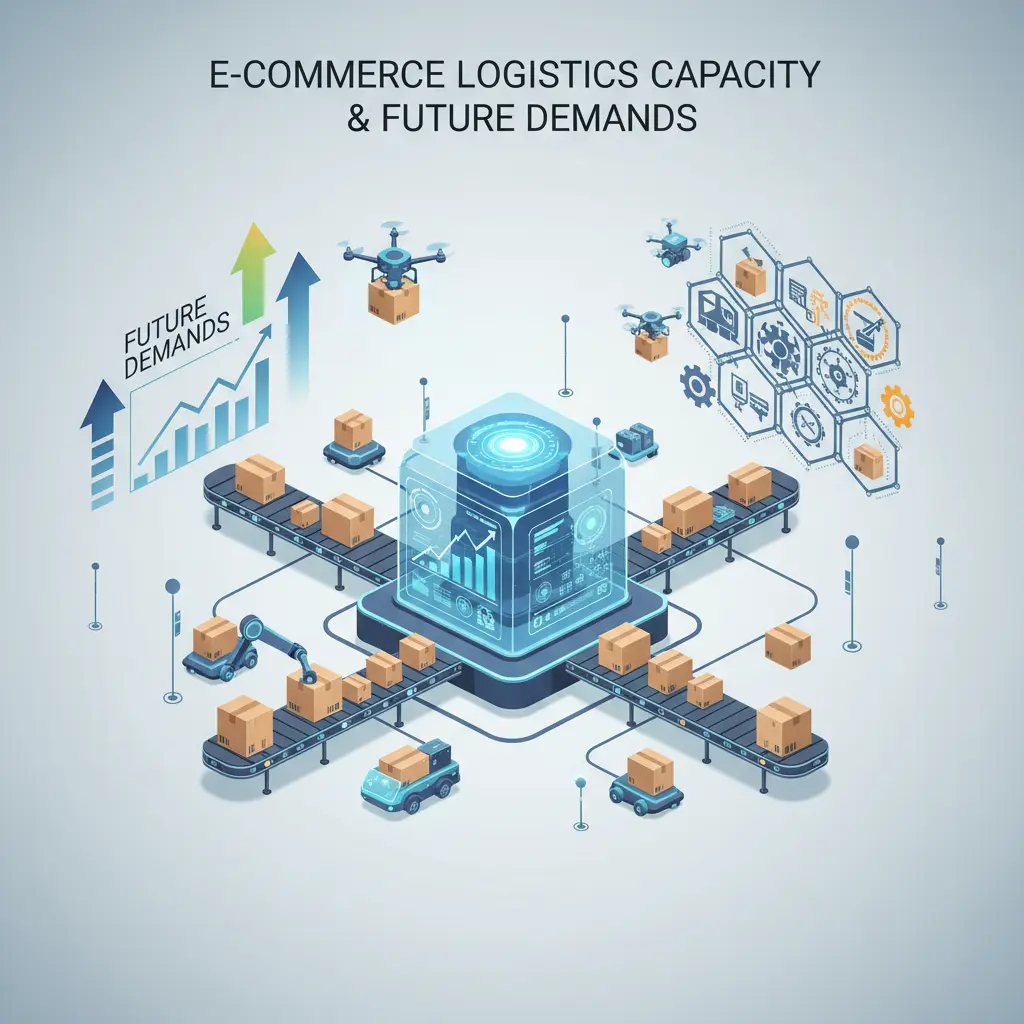
E-commerce Logistics Capacity & Future Demands
The relentless expansion of the e-commerce sector has fundamentally reshaped the global logistics landscape, creating both unprecedented opportunities and significant operational challenges. As consumers increasingly turn to online shopping for everything from daily essentials to luxury goods, the demand on supply chains has intensified, pushing the boundaries of existing logistics infrastructure and capacity. This shift necessitates a deeper dive into how businesses are adapting to these evolving dynamics, particularly concerning last-mile delivery, the complexities of returns, and the imperative to meet volatile peak season demands. Understanding these pressures is crucial for any comprehensive Global Logistics Capacity Report.
1. Last-Mile Delivery Capacity Challenges
Last-mile delivery, the final leg of a product’s journey from a distribution hub to the customer’s doorstep, remains one of the most complex and costly aspects of e-commerce logistics. The expectation for rapid, often same-day or next-day delivery, coupled with the rising volume of parcels, places immense strain on urban logistics networks. Congestion, environmental concerns, and the sheer inefficiency of delivering single packages to disparate locations drive up operational costs and impact profitability. Businesses are exploring innovative solutions to enhance e-commerce logistics capacity in this critical phase. This includes the strategic deployment of micro-fulfillment centers in urban areas, leveraging gig economy drivers for flexible delivery networks, and investing in advanced route optimization software. The future may also see greater adoption of autonomous delivery vehicles and drones, though regulatory and infrastructural hurdles remain significant. Addressing these challenges is paramount for sustaining growth in the global logistics market outlook.
2. Returns Logistics and Reverse Supply Chains
The convenience of online shopping often comes with the caveat of a higher return rate compared to traditional retail. This “free returns” culture, while a powerful customer acquisition tool, creates a colossal reverse logistics challenge. Processing returns effectively involves inspection, repackaging, refurbishment, or disposal—all resource-intensive activities. An inefficient reverse supply chain can quickly erode profits, tie up valuable international warehouse space availability, and damage brand reputation. Modern logistics strategies are now heavily focused on streamlining this process, transforming it from a cost center into a potential value-add. This includes implementing advanced analytics to predict return patterns, automating parts of the returns process, and strategically locating return processing centers closer to customer hubs. Furthermore, companies are exploring environmentally sustainable solutions for returned goods, aiming to reduce waste and contribute to a circular economy, influencing the growing reverse logistics market.
3. Meeting Peak Season and Consumer Demand Fluctuations
E-commerce logistics must contend with extreme fluctuations in demand, particularly during peak seasons like Black Friday, Cyber Monday, and holiday shopping periods. These sporadic surges can see order volumes increase by multiples, stretching existing infrastructure to its breaking point. Successfully navigating these peaks requires meticulous planning, flexible capacity solutions, and robust technological integration. Strategies include pre-positioning inventory, utilizing temporary staffing and additional transport fleets, implementing flexible warehousing solutions (pop-up warehouses or shared space), and leveraging predictive analytics to forecast demand more accurately. The ability to scale operations rapidly without incurring prohibitive costs is a key differentiator for success in the e-commerce realm. This proactive approach to capacity planning is a central theme in any comprehensive analysis of the Global Logistics Capacity Report, highlighting the need for agility and resilience in the face of unpredictable consumer behavior.
In conclusion, the e-commerce boom continues to redefine logistics requirements, demanding a perpetual evolution of strategies and infrastructure. From optimizing the costly last mile to mastering complex reverse supply chains and anticipating demand surges, businesses must embrace innovation and data-driven decisions to thrive. The future of global logistics capacity will undoubtedly be shaped by its ability to adapt to these dynamic e-commerce forces.
Partner with Vietnam’s Leading Suppliers
Looking for reliable suppliers in Vietnam? Contact VietnamSuppliers.com today to connect with verified manufacturers and exporters across all industries.
—————————————
References
– International warehouse space availability: https://www.statista.com/outlook/logistics/worldwide#forecast
– CBRE Global Industrial & Logistics MarketView Q4 2023: https://www.cbre.com/insights/research-reports/global-industrial-logistics-marketview-q4-2023
– World Economic Forum: https://www.weforum.org/agenda/2023/10/how-to-build-a-resilient-global-supply-chain-amid-geopolitical-uncertainty/
– Worldwide Warehouse Automation Market Size: https://www.statista.com/statistics/1230045/worldwide-warehouse-automation-market-size/
– Reverse Logistics Market Size Worldwide: https://www.statista.com/statistics/1231668/reverse-logistics-market-size-worldwide/