
Setting the Stage: The Current Global Inflation Landscape
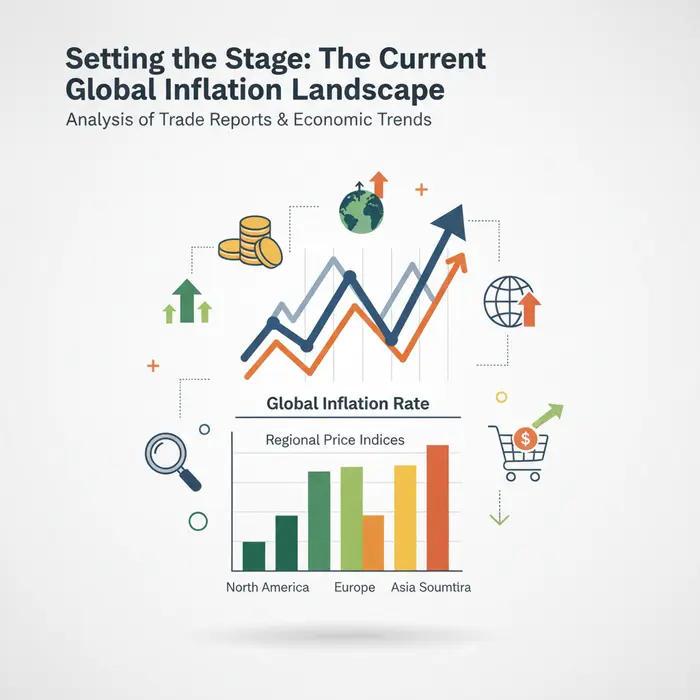
The global economy has been grappling with persistent and often volatile inflation, a phenomenon that has reshaped economic outlooks and profoundly influenced international trade dynamics. After decades of relative price stability, the post-pandemic recovery, coupled with a series of unforeseen geopolitical events, triggered a surge in consumer prices across most major economies. This section provides an essential overview of current inflation trends worldwide and delves into their underlying causes, setting the critical context for understanding the multifaceted Global Inflation Impact on Trade.
1. Key Inflation Drivers (Energy, Food, Geopolitics)
The recent inflationary period is not a monolithic event but rather a confluence of distinct yet interconnected factors. At its core, the spike in inflation has been largely driven by three primary forces:
- Energy Prices: The rebound in global demand post-COVID-19 lockdowns, combined with supply constraints and geopolitical repercussions, sent oil and natural gas prices soaring. Energy is a foundational input for nearly all economic activity, from manufacturing to transportation. Higher energy costs directly translate into increased production expenses and elevated utility bills, fueling inflationary pressures.
- Food Prices: Similar to energy, food markets experienced significant disruption. Adverse weather events, supply chain bottlenecks, and export restrictions led to substantial increases in global food commodity prices. The conflict in Ukraine, a major exporter of grains and fertilizers, further intensified these pressures, impacting global food security and contributing significantly to the cost of living crisis.
- Geopolitical Tensions: Beyond direct impact on energy and food, broader geopolitical tensions have played a crucial role. Trade disputes, sanctions, and conflicts have disrupted established supply routes, forced businesses to re-evaluate sourcing strategies, and introduced uncertainty. This increased risk premium, coupled with efforts towards supply chain resilience, has contributed to higher Supply Chain Cost Optimization challenges, as companies seek alternatives that may be more expensive but less vulnerable.
2. Regional Disparities in Inflation Rates
While inflation is a global phenomenon, its intensity and trajectory vary significantly across different regions. Advanced economies initially saw inflation driven by demand-side factors (e.g., robust consumer spending, fiscal stimulus) alongside supply shocks. However, as monetary policy tightened, inflation has shown signs of moderation. Conversely, many emerging markets have often experienced higher and more persistent inflation, frequently due to greater exposure to global commodity price fluctuations, weaker currencies, and less fiscal space.
These regional disparities are critical for international trade. Divergent inflation rates lead to varying central bank responses, which, in turn, influence interest rate differentials and contribute to heightened Exchange Rate Volatility Import Export. A stronger dollar, for instance, makes imports cheaper for U.S. consumers but makes U.S. exports more expensive for buyers abroad, affecting trade balances and competitiveness. Businesses engaged in international transactions face increased complexities in Trade Finance Risk Management, needing to hedge against currency risks and adapt to fluctuating import/export costs. According to the IMF World Economic Outlook, understanding these regional nuances is key to forecasting global economic trends and their trade implications.
3. Historical Context: Lessons from Past Inflationary Periods
To fully grasp the current landscape, it is beneficial to look back at historical inflationary periods. The 1970s, characterized by oil shocks and wage-price spirals, offers a stark reminder of how entrenched inflation can become and the difficulty of taming it. Lessons from that era emphasize the importance of independent central banks, credible monetary policy, and managing inflation expectations. However, the current period also presents unique features. Unlike the 1970s, today’s labor markets are more flexible, and globalization has generally fostered greater competition. Yet, the interconnectedness of global supply chains means that shocks can propagate more quickly.
Examining past cycles highlights the crucial role of policy responses. Governments and central banks are now acutely aware of the risks of allowing inflation to become embedded. The aggressive monetary tightening witnessed globally since 2022 reflects this learning, aiming to prevent a repeat of sustained high inflation. For businesses, this historical perspective underscores the need for robust planning and adaptation. Strategies for navigating potential future price shocks, hedging against currency fluctuations, and optimizing supply chains are paramount for a resilient International Trade Forecast 2024 and beyond.
In conclusion, the current global inflation landscape is a complex tapestry woven from supply-side shocks, demand-side pressures, and geopolitical instability. Its regional variations and historical parallels offer critical insights into its potential evolution. For international trade, this environment translates into heightened costs, increased financial risks, and the imperative for strategic adaptation, laying the groundwork for a deeper exploration of its specific implications.
Exchange Rate Volatility and Its Ripple Effects on Trade
Exchange rate volatility, often a direct consequence of global inflation trends, introduces a significant layer of uncertainty and risk into international trade. When inflation rates diverge significantly between countries, or when market sentiment shifts rapidly, currency values can fluctuate dramatically. These fluctuations profoundly impact import and export costs, reshaping the competitive landscape for businesses and directly influencing their overall profitability. Understanding these dynamics is crucial for any enterprise engaged in cross-border commerce, especially when considering the Global Inflation Impact on Trade.
1. Impact on Import Costs and Consumer Prices
For nations heavily reliant on imported goods, a weakening domestic currency can have immediate and far-reaching consequences. When the local currency loses value against major trading currencies, the cost of acquiring foreign goods and raw materials denominated in those stronger currencies rises. This directly translates into higher import costs for businesses. Manufacturers, for instance, who source essential components or raw materials from abroad, will face increased production expenses. These elevated costs are often passed on to consumers in the form of higher prices for finished goods, contributing to domestic inflation. From consumer electronics to food products and energy, the ripple effect of a depreciating currency can be felt across the entire economy, squeezing household budgets and potentially dampening consumer demand. Businesses must therefore prioritize Supply Chain Cost Optimization to mitigate these rising expenditures and maintain competitive pricing in their local markets, navigating the challenges posed by Exchange Rate Volatility Import Export dynamics.
2. Export Competitiveness and Revenue Generation
Conversely, exchange rate movements also dramatically affect a country’s export competitiveness. A weaker domestic currency generally makes a nation’s exports more attractive and cheaper for foreign buyers. This can provide a significant boost to export volumes and market share, leading to increased revenue generation for businesses. However, this advantage can be a double-edged sword; while sales volumes might increase, the actual value of those sales when converted back into the domestic currency might be lower than anticipated if the currency weakens further after the sale but before payment. Conversely, a strengthening domestic currency makes exports more expensive for foreign buyers, potentially reducing demand and eroding Export Competitiveness. This can severely impact businesses operating on thin margins or those with long production cycles, making accurate International Trade Forecast 2024 particularly challenging. The unpredictable nature of these fluctuations makes revenue planning and budgeting exceedingly difficult, demanding agile financial strategies from exporters.
3. Strategies for Hedging Currency Risks
Given the inherent risks posed by exchange rate volatility, businesses engaged in international trade must implement robust strategies for Trade Finance Risk Management. One of the most common approaches is currency hedging, which involves using financial instruments to lock in an exchange rate for a future transaction. Forward contracts, for example, allow a business to agree today on an exchange rate for a currency transaction that will occur at a specified date in the future, providing certainty for both import and export costs. Currency options offer another flexible hedging solution, providing the right, but not the obligation, to exchange currency at a predetermined rate. While these instruments come with associated costs, they can provide invaluable protection against adverse currency movements, safeguarding profit margins and ensuring financial stability. Effective hedging requires a clear understanding of exposure, careful analysis of market trends, and often, collaboration with financial institutions. By proactively managing currency risks, businesses can mitigate the financial impact of Exchange Rate Volatility Import Export, allowing them to focus on core operations and long-term growth in a turbulent global economic environment.
Navigating Trade Finance Risks in an Inflationary Environment
In an era defined by persistent inflationary pressures, the global trade landscape faces unprecedented challenges. Businesses engaged in international commerce are grappling with a complex web of risks that threaten profitability, stability, and growth. The Global Inflation Impact on Trade has amplified traditional trade finance risks, making robust risk management strategies more critical than ever. From soaring commodity prices to fluctuating exchange rates and tightened monetary policies, the ripple effects of inflation permeate every facet of trade transactions. This section delves into the heightened credit risks, potential payment delays, and escalating financing costs confronting traders, while outlining effective mitigation strategies essential for navigating this volatile environment. Understanding and proactively addressing these evolving challenges is paramount for maintaining competitive advantage and ensuring the resilience of supply chains.
Credit Risk and Buyer Solvency Concerns
One of the most immediate and significant consequences of inflation on trade finance is the exacerbation of credit risk. As input costs rise, businesses often face eroding profit margins, particularly those operating with tight pricing structures or long payment cycles. This scenario directly impacts buyer solvency. Companies that were once considered low-risk may find their financial health deteriorating rapidly due to increased operational expenses, higher borrowing costs (see point 2), and potentially reduced consumer demand. The volatility inherent in Exchange Rate Volatility Import Export adds another layer of complexity, as unexpected currency fluctuations can drastically alter the real cost of imports and the value of export revenues, further straining a buyer’s ability to pay. Effective Trade Finance Risk Management in this context requires heightened vigilance. Lenders and exporters must undertake more rigorous due diligence, constantly re-evaluating the creditworthiness of their trading partners. Shortening payment terms, where feasible, can reduce exposure, but the most robust defense often lies in securing credit insurance or implementing confirmed letters of credit to safeguard against potential defaults. This proactive approach helps to mitigate the financial fallout from a buyer’s unexpected insolvency.
Rising Cost of Capital and Trade Financing
The global fight against inflation has led central banks worldwide to implement aggressive monetary tightening policies, primarily through significant interest rate hikes. While intended to cool economies and curb price increases, these measures directly translate into a higher cost of capital for businesses. For international trade, this means that financing trade transactions, such as obtaining working capital, opening letters of credit, or securing post-shipment financing, becomes considerably more expensive. Higher interest rates increase the overall cost of goods for importers and reduce the competitiveness of exporters who rely on financed production or deferred payment terms. This directly impacts Supply Chain Cost Optimization efforts, as financing expenses become a more substantial component of the total cost of ownership. Businesses are compelled to re-evaluate their financing structures, exploring options beyond traditional bank loans. Supply chain finance solutions, factoring, and invoice discounting might offer more flexible and cost-effective alternatives. Furthermore, hedging strategies against interest rate fluctuations and careful cash flow management become indispensable tools for minimizing the impact of rising financing costs and maintaining financial liquidity in a tightened credit market.
Insuring Against Non-Payment and Political Risk
In an inflationary environment, the interconnectedness of economic pressures and geopolitical stability cannot be overstated. High inflation can breed social unrest, lead to abrupt changes in government policy, or even trigger political instability, all of which elevate political risk in international trade. These risks manifest as trade barriers, expropriation, currency inconvertibility, or even outright conflict, making the repayment of trade debts uncertain. Simultaneously, the increased financial strain on buyers (as discussed in point 1) amplifies the risk of non-payment. This dual challenge underscores the critical importance of comprehensive insurance solutions. Trade credit insurance, which protects exporters against buyer non-payment due to commercial risks (insolvency, protracted default) and sometimes political risks, becomes an invaluable asset. Government-backed export credit agencies (ECAs) and private insurers offer a range of products designed to cover these eventualities, providing peace of mind and financial security. As the International Trade Forecast 2024 suggests continued volatility, businesses must thoroughly assess their exposure to both commercial and political risks, carefully selecting insurance policies that offer robust coverage. Diversifying market exposure and maintaining strong relationships with reliable partners also contribute significantly to mitigating these multifaceted risks.
Supply Chain Resilience and Cost Optimization Strategies
Examines how inflation directly affects supply chain costs (logistics, raw materials, labor) and outlines practical strategies businesses can adopt for optimization and building greater resilience.
The Global Inflation Impact on Trade has reshaped the landscape for businesses worldwide, pushing supply chain resilience and cost optimization to the forefront of strategic priorities. Persistent inflationary pressures, driven by geopolitical tensions, energy price spikes, and strong consumer demand, directly inflate operational expenditures across the supply chain. Companies navigating this volatile environment must develop robust strategies to mitigate these impacts, ensuring business continuity and competitive pricing.
1. Rising Logistics and Transportation Costs
One of the most immediate and significant impacts of inflation on supply chains is the escalation of logistics and transportation costs. Fuel prices, a major component of freight expenses, are highly susceptible to global market fluctuations and geopolitical events. Beyond fuel, labor shortages in the trucking and shipping industries, coupled with increased demand for expedited services, drive up wages and operational overheads. Furthermore, port congestion and delays contribute to higher demurrage and detention charges, compounding the financial burden.
Strategies for Optimization:
- Route Optimization and Load Consolidation: Implementing advanced logistics software to optimize delivery routes, reduce mileage, and maximize cargo capacity per shipment can significantly cut fuel consumption and transportation costs.
- Diversified Shipping Modes: Exploring alternative transportation methods such as rail, intermodal, or sea freight for less time-sensitive goods can offer cost savings compared to solely relying on air or truck freight.
- Long-Term Carrier Contracts: Negotiating stable, long-term contracts with trusted logistics providers can help hedge against sudden price spikes, providing more predictable budgeting.
- Warehouse Network Optimization: Strategically locating distribution centers closer to key markets or suppliers can reduce last-mile delivery costs and transit times.
2. Raw Material Price Volatility Management
Inflationary environments are often characterized by significant raw material price volatility, posing substantial challenges for manufacturers. Factors such as supply disruptions, increased global demand, and currency fluctuations, often contributing to Exchange Rate Volatility Import Export, can lead to unpredictable pricing for essential inputs. This unpredictability complicates budgeting, inventory management, and ultimately, product pricing, affecting profitability and overall Supply Chain Cost Optimization.
Strategies for Optimization:
- Diversified Sourcing: Establishing relationships with multiple suppliers across different geographical regions can reduce dependence on a single source and mitigate risks associated with regional disruptions or price hikes.
- Hedging Strategies: Utilizing financial instruments to hedge against future price increases for critical raw materials can provide a degree of price stability. This is a key aspect of Trade Finance Risk Management.
- Inventory Management: Implementing just-in-time (JIT) inventory systems cautiously, or conversely, strategically increasing safety stock for critical components during periods of expected price hikes, requires careful balancing. Predictive analytics can aid in forecasting demand and supply fluctuations.
- Product Redesign and Material Substitution: Innovating product designs to use more readily available or less expensive alternative materials, without compromising quality, can be a long-term solution.
3. Labor Costs and Wage Inflation Pressures
The global inflationary trend has also fueled significant upward pressure on labor costs. Wage inflation, driven by labor shortages, increased cost of living, and demands for better compensation, impacts every stage of the supply chain, from manufacturing to logistics and retail. This directly increases operational expenses and necessitates a careful balance between competitive compensation and cost control.
Strategies for Optimization:
- Automation and Technology Adoption: Investing in automation for repetitive tasks in warehouses, manufacturing plants, and even administrative functions can reduce reliance on manual labor, leading to long-term cost savings and improved efficiency.
- Workforce Planning and Training: Optimizing shift schedules, cross-training employees, and investing in skill development can improve productivity and reduce the need for additional hires.
- Performance-Based Incentives: Implementing incentive programs tied to productivity and efficiency metrics can motivate the existing workforce and drive better output without solely relying on base wage increases.
- Strategic Outsourcing/Nearshoring: While requiring careful consideration of quality and control, strategically outsourcing certain functions or nearshoring production to regions with more favorable labor costs can be an option.
In conclusion, building Supply Chain Cost Optimization and resilience in an era of global inflation demands a multi-faceted approach. By proactively addressing rising logistics, raw material, and labor costs through strategic planning, technological adoption, and diversified sourcing, businesses can not only weather the current economic climate but also emerge stronger and more agile. Effective Trade Finance Risk Management becomes crucial for managing the financial implications of these strategies, ensuring sustainable growth amidst ongoing market volatility. The International Trade Forecast 2024 suggests continued volatility, underscoring the importance of these proactive measures for long-term success.
International Trade Forecast 2025: Outlook and Recommendations
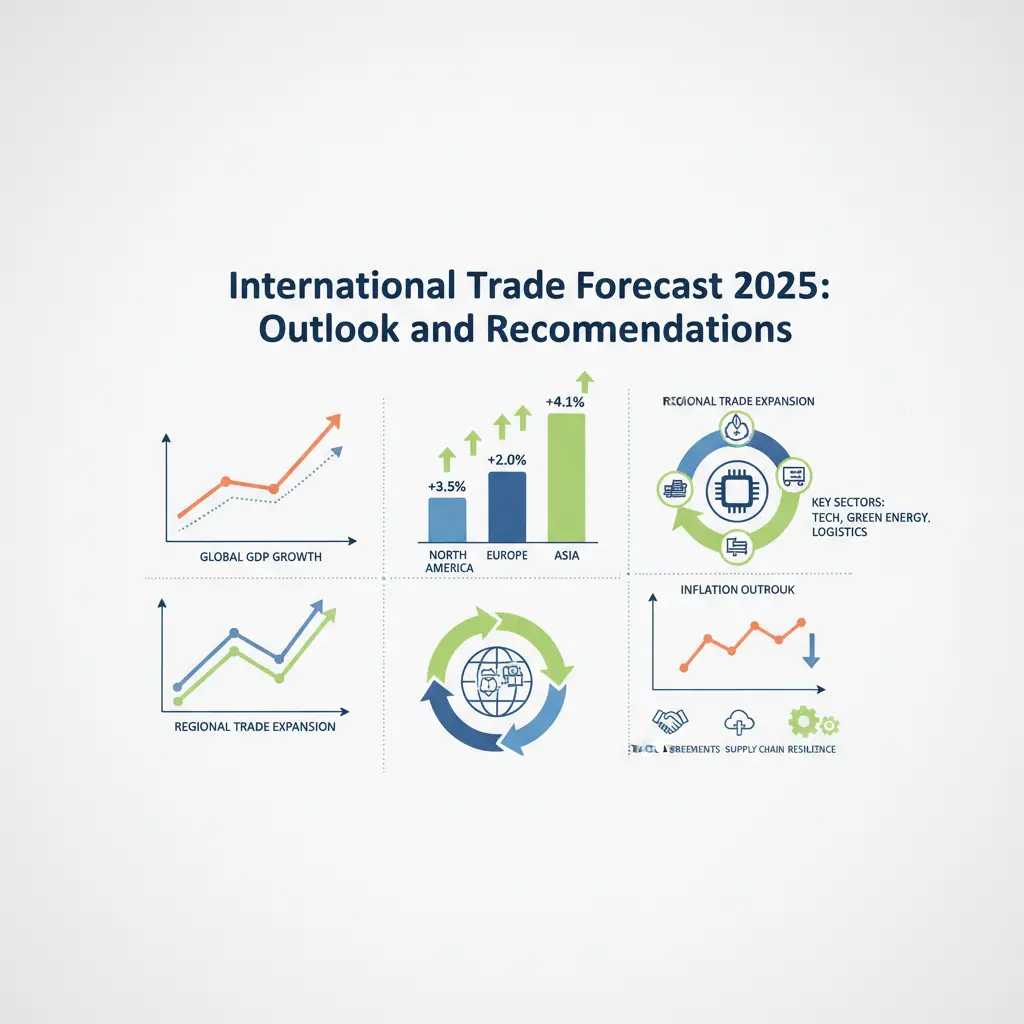
The global trade landscape continues its dynamic evolution, facing both formidable challenges and burgeoning opportunities as we look towards 2025. This forward-looking perspective aims to distill anticipated trends, offering actionable recommendations for businesses and policymakers striving to navigate the complexities ahead. A central theme will undoubtedly be the sustained Global Inflation Impact on Trade, which continues to ripple through supply chains and consumer demand worldwide. Understanding these macroeconomic currents is paramount for strategic planning and ensuring resilience in a rapidly changing international market. Geopolitical shifts, technological advancements, and the ongoing pursuit of sustainable practices will also significantly shape the contours of global commerce, demanding agile responses from all stakeholders.
1. Projected Global Trade Growth Scenarios (Optimistic vs. Pessimistic)
The outlook for global trade growth in 2025 presents a bifurcated path, influenced by a confluence of economic and geopolitical factors.
Optimistic Scenario: Under an optimistic lens, 2025 could see a gradual easing of global inflationary pressures, particularly if central banks successfully anchor inflation expectations without triggering a severe economic downturn. This scenario anticipates a stabilization of energy and commodity prices, fostering renewed consumer confidence and business investment. Furthermore, a concerted effort towards digital trade facilitation and the resolution of some geopolitical tensions could unlock new market access and streamline customs procedures. Regional trade agreements might gain momentum, creating more robust intra-regional supply chains and mitigating some of the previous decade’s reliance on singular global manufacturing hubs. A moderate growth rate, perhaps aligning with pre-pandemic averages, could be achievable, driven by technology adoption and increased cross-border services trade.
Pessimistic Scenario: Conversely, a pessimistic scenario for 2025 envisions a prolonged period of elevated inflation, exacerbated by persistent supply-side shocks or renewed geopolitical conflicts. This enduring Global Inflation Impact on Trade would depress real incomes, dampen consumer spending, and increase input costs for manufacturers, leading to a significant slowdown or even contraction in global trade volumes. Escalating trade protectionism, fragmentation of global value chains, and a lack of multilateral cooperation could further compound these issues. High interest rates, maintained to combat inflation, would also stifle investment and increase the cost of trade finance, making cross-border transactions more expensive and riskier. This outlook suggests a challenging environment, where businesses must prioritize cost efficiency and supply chain resilience above all else. The International Trade Forecast 2024 showed signs of this volatility, and 2025 could extend those trends if adverse conditions persist.
2. Emerging Markets’ Role in Trade Resilience
Emerging markets are poised to play an increasingly critical role in buttressing global trade resilience in 2025. As traditional trade routes and manufacturing centers face disruption and increased costs, businesses are actively seeking diversification. Emerging economies, particularly those in Southeast Asia, Latin America, and parts of Africa, offer alternative production bases, growing domestic consumer markets, and often more competitive labor costs. This shift is not merely about finding cheaper alternatives but about creating diversified and robust supply chains less susceptible to single-point failures. For instance, according to the World Trade Organization (WTO), emerging markets continue to be significant drivers of global trade growth, offering diversification opportunities for businesses.
However, trading with and within emerging markets comes with its own set of complexities, notably Exchange Rate Volatility Import Export. Fluctuating currency values can significantly impact profitability, making financial hedging strategies and robust risk management essential for importers and exporters. Despite these challenges, the demographic dividends, infrastructure development, and increasing digitalization in many emerging markets present substantial opportunities for trade expansion. However, these opportunities exist within a broader economic context where the Global Inflation Impact on Trade can significantly influence their growth trajectories and investment attractiveness. Companies that strategically invest in these regions, understanding local market dynamics and regulatory frameworks, will be better positioned to capitalize on future growth and enhance their overall trade resilience. Their rising middle classes also present new consumer markets for diverse goods and services, shifting the demand landscape globally.
3. Policy Recommendations for Governments and Central Banks
To navigate the anticipated 2025 trade landscape, governments and central banks must adopt forward-thinking and coordinated policy measures.
Combating Inflation and Ensuring Financial Stability: Central banks must continue their delicate balancing act of taming inflation without stifling economic growth. Clear communication regarding monetary policy intentions will be crucial to reduce market uncertainty. Governments should complement these efforts with fiscal policies that support productive investment and avoid exacerbating inflationary pressures. Ensuring the stability of the global financial system is paramount, particularly through effective Trade Finance Risk Management, to prevent credit crunches that could choke off cross-border transactions.
Fostering Open and Fair Trade: While national security concerns and supply chain resilience remain priorities, policymakers should resist the urge for excessive protectionism. Instead, efforts should focus on strengthening multilateral trade frameworks, resolving trade disputes, and reducing non-tariff barriers. Investing in trade-enabling infrastructure, both physical (ports, roads) and digital (customs modernization), is vital for reducing costs and improving efficiency. Policies that promote Supply Chain Cost Optimization through cross-border collaboration and technology adoption should be encouraged. This includes supporting green trade initiatives and harmonizing standards to facilitate environmental goods and services.
Supporting Digitalization and Green Trade: Governments should actively promote the digitalization of trade processes, from e-invoicing to blockchain-based logistics, to enhance transparency, reduce paperwork, and improve efficiency. Additionally, policies that incentivize green trade – such as tax breaks for sustainable products or investment in renewable energy technologies for production – will align trade with global climate goals, opening new markets and fostering long-term resilience. International cooperation on carbon border adjustments and shared environmental standards will be key to preventing trade friction in this evolving area.
In conclusion, 2025 promises a complex but navigable international trade environment. While the spectre of Global Inflation Impact on Trade looms large, strategic foresight, adaptive business models, and supportive government policies can transform challenges into opportunities for growth and resilience. The ability to embrace diversification, manage risk, and leverage technological advancements will distinguish the leaders in tomorrow’s global marketplace.
Partner with Vietnam’s Leading Suppliers
Looking for reliable suppliers in Vietnam? Contact VietnamSuppliers.com today to connect with verified manufacturers and exporters across all industries.
—————————————
References
– IMF World Economic Outlook: https://www.imf.org/en/Publications/WEO
– Exchange Rate Swings Weigh on Global Trade: https://www.imf.org/en/Blogs/Articles/2018/01/29/exchange-rate-swings-weigh-on-global-trade
– IMF World Economic Outlook October 2023: https://www.imf.org/en/Publications/WEO/Issues/2023/10/10/world-economic-outlook-october-2023
– International Monetary Fund World Economic Outlook: https://www.imf.org/en/Publications/WEO
– World Trade Organization (WTO): https://www.wto.org/english/news_e/pres23_e/pr934_e.htm

