Understanding the Global Cold Chain Landscape
The global cold chain landscape is a dynamic and essential component of modern logistics, underpinning the safe and efficient transport of temperature-sensitive products across vast distances. From pharmaceuticals to fresh produce, and from delicate flowers to frozen foods, the integrity of these goods hinges on an unbroken chain of refrigerated storage and transportation. This overview delves into the current state and future projections for the Global Cold Chain Logistics Market Outlook, highlighting its immense growth potential, the key drivers propelling its expansion, and the challenges and opportunities that define this critical industry.
1. Market Size and Growth Projections to 2025
The global cold chain logistics market is experiencing robust growth, driven by increasing consumer demand for fresh and frozen products, the expansion of the pharmaceutical industry, and the complexities of international trade. Experts project the market size to continue its upward trajectory, with significant growth anticipated through 2025 and beyond. Recent analyses indicate that the global cold chain market, valued at hundreds of billions of dollars, is set for a compound annual growth rate (CAGR) exceeding 10% in the coming years. This expansion is fueled by investments in infrastructure, advanced refrigeration technologies, and specialized services for international temperature controlled shipping. Emerging economies, particularly in Asia-Pacific, are becoming major hubs for cold chain development, contributing significantly to the overall market expansion as their populations grow and demand for diverse goods rises.
2. Key Drivers Shaping the Cold Chain Industry
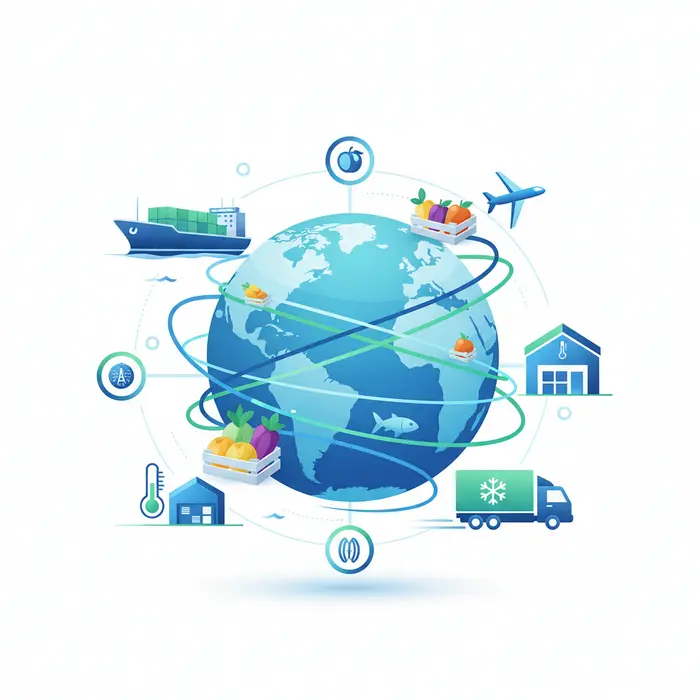
Several potent factors are at play, dramatically shaping and expanding the cold chain industry worldwide. Firstly, the burgeoning global population and rising disposable incomes are leading to increased consumption of perishable foods, including fresh fruits, vegetables, meat, and dairy products. This heightened demand necessitates sophisticated perishable goods export logistics. Secondly, the pharmaceutical and biotechnology sectors are witnessing unprecedented growth, with a continuous stream of new temperature-sensitive drugs, vaccines, and biologics requiring stringent cold chain conditions from manufacturing to patient delivery. The rise of e-commerce, especially in the grocery and meal-kit delivery segments, is a third critical driver, pushing cold chain providers to innovate last-mile delivery solutions. Lastly, globalization of trade, particularly in agricultural products, has amplified the need for efficient and reliable cold chain networks. For instance, the growth of Vietnam agricultural export logistics relies heavily on robust cold chain capabilities to deliver products like exotic fruits and seafood to international markets while maintaining quality and freshness.
3. Challenges and Opportunities in Global Cold Chain
Despite its promising growth, the global cold chain industry faces a unique set of challenges. High operational costs, primarily associated with energy consumption for refrigeration and specialized equipment, remain a significant hurdle. Infrastructure gaps, particularly in developing regions, can create bottlenecks and compromise the integrity of the cold chain. Regulatory complexities and varying international standards also pose challenges for seamless international temperature controlled shipping. Furthermore, sustainability concerns are prompting a push for greener cold chain solutions, adding another layer of complexity. However, these challenges also present substantial opportunities. Technological advancements are revolutionizing the sector; cold chain technology trends such as IoT sensors for real-time monitoring, AI-driven predictive analytics for route optimization, blockchain for enhanced traceability, and eco-friendly refrigerants are improving efficiency, reducing waste, and mitigating environmental impact. The demand for specialized cold chain solutions for sensitive cargo like vaccines or organic produce offers niche market opportunities. Moreover, investment in digital platforms and integrated logistics solutions promises to streamline operations and enhance transparency across the entire cold chain, creating a more resilient and responsive global network. According to a detailed report on the global cold chain market, these technological integrations are pivotal for future growth and overcoming current limitations.
Navigating International Temperature Controlled Shipping
The global movement of temperature-sensitive products presents a complex yet critical challenge for logistics providers and exporters alike. From pharmaceuticals to fresh produce, maintaining a consistent cold chain across international borders is paramount to product integrity, safety, and market value. This intricate process demands meticulous planning, adherence to diverse regulatory frameworks, and the strategic deployment of advanced cold chain technologies. Understanding the nuances of cross-border logistics for temperature-sensitive products is essential for businesses looking to expand their reach in the increasingly interconnected global marketplace. The Global Cold Chain Logistics Market Outlook continues to show robust growth, driven by consumer demand and pharmaceutical innovations, making efficient international temperature controlled shipping a competitive differentiator.
1. Regulatory Compliance and Standards for Cross-Border Transport
Navigating the intricate web of international regulations and standards is perhaps the most formidable challenge in perishable goods export logistics. Each country may impose its own specific requirements regarding temperature ranges, packaging materials, labeling, and documentation for imported temperature-sensitive goods. For instance, pharmaceutical products are often subject to stringent Good Distribution Practices (GDP) guidelines, which dictate every aspect of the supply chain, from manufacturing to delivery. Food products, on the other hand, must comply with sanitary and phytosanitary (SPS) measures, often regulated by agencies like the FDA in the US or EFSA in Europe, alongside specific import permits and health certificates. Beyond national laws, international bodies like the International Air Transport Association (IATA) set standards for air cargo, especially for dangerous goods and perishable items, while the World Health Organization (WHO) provides guidance for vaccine and pharmaceutical distribution. Exporters must invest in thorough research, employ compliance officers, or partner with experienced freight forwarders who specialize in international temperature controlled shipping to ensure all legal obligations are met. Non-compliance can lead to significant delays, product spoilage, costly fines, or even rejection at customs, making a proactive approach to regulatory adherence indispensable. Ensuring adherence to globally recognized standards, such as those detailed by organizations like the World Health Organization (WHO) for cold chain best practices, is crucial for maintaining product efficacy and safety, especially for critical medical supplies.
2. Optimizing Routes and Modes for Global Cold Shipments
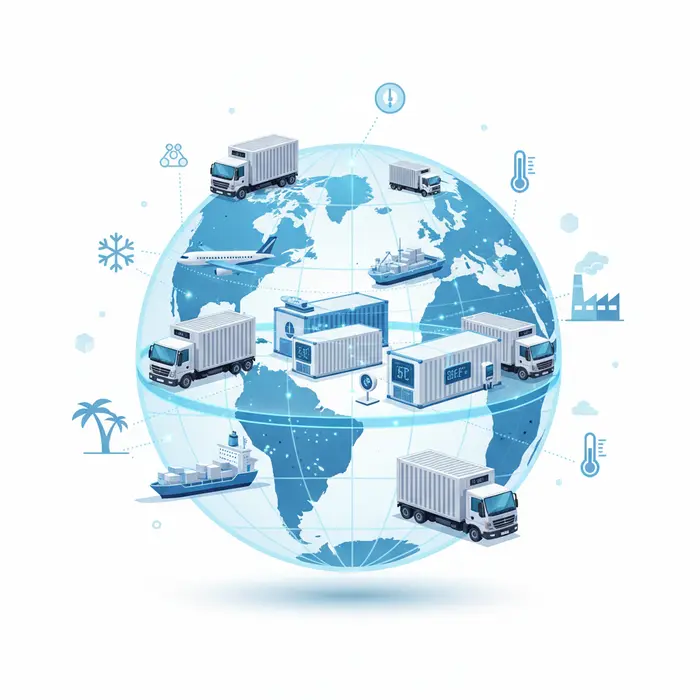
The strategic selection of transportation routes and modes is pivotal for the success of international perishable transport. The primary objective is to minimize transit times and potential temperature excursions while balancing cost-effectiveness. Air freight offers the fastest transit, making it ideal for high-value, highly perishable goods or urgent shipments, albeit at a higher cost. Ocean freight, particularly utilizing reefer containers (refrigerated containers), provides a more economical solution for larger volumes and less time-sensitive products, such as frozen foods or certain agricultural exports like those from Vietnam. Road transport plays a crucial role for first-mile and last-mile deliveries, connecting ports and airports to distribution centers, and often involves specialized refrigerated trucks. The choice of mode also impacts the type of cold chain technology trends that can be leveraged, from advanced telematics in trucks to smart containers with real-time temperature monitoring. When optimizing routes, factors such as geopolitical stability, infrastructure quality, and customs efficiency along the proposed path must be carefully evaluated. For instance, for Vietnam agricultural export logistics, choosing direct shipping lanes to key markets like Europe or North America, or leveraging transshipment hubs with reliable cold storage facilities, can significantly reduce risks and improve delivery times. Consolidating shipments, utilizing cross-docking facilities, and employing multi-modal strategies can further enhance efficiency and reduce overall logistics costs.
3. Risk Management in International Perishable Transport
Mitigating risks is central to successful international temperature controlled shipping. The primary risks include temperature deviations, product damage, theft, customs delays, and unforeseen disruptions like adverse weather or port strikes. Effective risk management begins with comprehensive pre-shipment planning, including thorough packaging to protect against physical damage and insulate against temperature fluctuations. Employing advanced cold chain technology trends, such as IoT-enabled temperature sensors, GPS tracking, and real-time data logging, provides critical visibility into the shipment’s condition and location, allowing for immediate intervention if issues arise. Developing robust contingency plans is equally vital. This includes identifying alternative routes, securing backup refrigeration equipment, and establishing clear communication protocols with all stakeholders—carriers, customs brokers, and consignees. Insurance coverage tailored to perishable goods, which often includes spoilage clauses, is a non-negotiable safeguard. For sensitive sectors like pharmaceuticals or high-value food items, implementing robust security measures to prevent theft or tampering is also essential. Regularly reviewing and updating risk assessment strategies, learning from past incidents, and fostering strong partnerships with reliable logistics providers are fundamental to building a resilient and secure international perishable transport operation. The complex nature of global supply chains for temperature-sensitive goods necessitates a holistic and proactive approach to risk, ensuring product integrity from origin to final destination, especially as demand for international temperature controlled shipping continues to rise.
Strategies for Perishable Goods Export Logistics
The global trade of perishable goods, from fresh produce to seafood and pharmaceuticals, is a complex logistical challenge demanding precision and speed. With consumer demand for exotic and out-of-season items consistently rising, successful international temperature controlled shipping has become paramount. Mastering perishable goods export logistics requires a multi-faceted approach, integrating cutting-edge technology, stringent compliance, and innovative solutions to maintain product integrity from farm to fork. The future growth of this sector heavily relies on advancements within the Global Cold Chain Logistics Market Outlook, pushing exporters to adopt robust strategies to navigate the intricacies of cross-border trade.
1. Packaging Innovations for Extended Shelf Life
Effective packaging is the first line of defense in perishable goods export logistics, crucial for extending shelf life and preventing spoilage during transit. Traditional packaging methods are often insufficient for the rigors of global shipping, necessitating continuous innovation. Advanced solutions include Modified Atmosphere Packaging (MAP), which alters the air composition inside a package to slow respiration and microbial growth, thereby preserving freshness. Active packaging technologies, such as oxygen scavengers, ethylene absorbers, and antimicrobial films, further enhance preservation by interacting directly with the product or its environment. Smart packaging, incorporating time-temperature indicators or ripeness sensors, provides visual cues regarding product quality, empowering handlers to make informed decisions. Furthermore, the development of biodegradable and sustainable packaging materials addresses environmental concerns while maintaining protective properties. These innovations are vital for ensuring that products, especially from rapidly expanding agricultural hubs like those involved in Vietnam agricultural export logistics, arrive at their destination in optimal condition, securing their market value and reducing waste.
2. Customs Clearance and Border Control for Perishables
Navigating customs clearance and border control is arguably the most time-sensitive and critical aspect of exporting perishable goods. Delays at borders can render entire shipments worthless, making efficient processing indispensable. Successful strategies involve meticulous pre-planning and preparation of all necessary documentation, including phytosanitary certificates, health certificates, and import permits, often facilitated by digital platforms for faster submission and verification. Exporters must be intimately familiar with the specific import regulations of each target country, including adherence to international standards like the WTO’s Sanitary and Phytosanitary (SPS) Measures agreement. Utilizing expedited customs lanes, where available, and leveraging trusted trader programs can significantly reduce inspection times. Furthermore, working with experienced customs brokers specializing in perishables can mitigate risks and streamline the process, ensuring swift transit and preventing quality degradation. For nations heavily reliant on food exports, such as those engaged in Vietnam agricultural export logistics, optimizing these procedures is key to market access and competitiveness.
3. Traceability and Transparency in the Perishable Supply Chain
Consumer demand for information regarding product origin, safety, and journey is at an all-time high, making traceability and transparency indispensable components of modern perishable goods export logistics. Implementing robust traceability systems allows stakeholders to track a product’s entire journey, from its source through every stage of the international temperature controlled shipping process to the final consumer. This is increasingly driven by cold chain technology trends, utilizing IoT sensors, RFID tags, GPS tracking, and even blockchain technology. These tools provide real-time data on critical parameters like temperature, humidity, and location, allowing for immediate intervention should deviations occur. Such transparency not only builds consumer trust and enhances brand reputation but also facilitates rapid recall management and compliance with increasingly stringent food safety regulations. For businesses aiming to capitalize on the opportunities presented in the growing Global Cold Chain Logistics Market Outlook, investing in these advanced traceability solutions is not merely an option but a strategic imperative for ensuring quality, safety, and market competitiveness across global supply chains.
Emerging Cold Chain Technology Trends
The Global Cold Chain Logistics Market Outlook is continuously shaped by relentless innovation, particularly in technological advancements designed to enhance the integrity and efficiency of temperature-controlled supply chains. As demand for international temperature controlled shipping and perishable goods export logistics continues to surge, driven by global trade and consumer expectations, the imperative for sophisticated solutions becomes paramount. From safeguarding sensitive pharmaceuticals to ensuring the freshness of exotic fruits destined for distant markets, new technologies are fundamentally transforming how goods are transported, stored, and managed. This section delves into the cutting-edge developments that are poised to redefine the landscape of cold chain operations, offering unprecedented levels of visibility, automation, and optimization. The future of the cold chain is here, characterized by smart, interconnected, and highly efficient systems.
1. IoT and Sensor Technology for Real-time Monitoring
The Internet of Things (IoT) and advanced sensor technology are revolutionizing real-time monitoring within the cold chain. These sophisticated systems deploy a network of smart sensors capable of continuously tracking critical environmental parameters such as temperature, humidity, light exposure, and shock. Integrated with GPS, these devices provide precise location data, ensuring that valuable cargo is always traceable. For industries like pharmaceuticals, where strict temperature ranges are non-negotiable, or for Vietnam agricultural export logistics, which often involves highly sensitive produce, this level of granular data is invaluable. Data collected by these sensors is transmitted wirelessly, often via cloud platforms, allowing stakeholders to access real-time insights from anywhere in the world. This immediate visibility enables proactive intervention in case of deviations, significantly reducing spoilage and waste. Beyond mere reporting, predictive analytics, powered by accumulated sensor data, can identify potential risks before they materialize, allowing for route adjustments or preemptive maintenance. The advent of low-cost, high-efficiency sensors and robust communication protocols means that comprehensive monitoring is now accessible across the entire supply chain, from farm to consumer, bolstering cold chain integrity and ensuring compliance with stringent regulatory standards. Indeed, the global IoT market size, which includes its application in logistics, is projected for substantial growth, highlighting its critical role in future operations.
2. Automation and Robotics in Cold Storage Facilities
The demand for enhanced efficiency, improved safety, and reduced operational costs is propelling the integration of automation and robotics into cold storage facilities. Traditionally labor-intensive and challenging due to extreme temperatures, cold warehouses are now adopting a range of automated solutions. Automated Storage and Retrieval Systems (AS/RS) are at the forefront, utilizing robotic cranes and shuttles to move products within towering rack structures, maximizing space utilization and minimizing human exposure to frigid environments. Robotic arms are increasingly employed for tasks such as picking, packing, and sortation, handling delicate items with precision and speed that surpass manual processes. Furthermore, Autonomous Guided Vehicles (AGVs) and more advanced Autonomous Mobile Robots (AMRs) navigate warehouses independently, transporting pallets and goods, thereby streamlining internal logistics. These technologies not only boost throughput and accuracy but also significantly reduce energy consumption by optimizing storage density and minimizing open doors or human entry that can lead to temperature fluctuations. The adoption of these automated systems is crucial for businesses engaged in perishable goods export logistics, enabling faster turnaround times and maintaining product integrity during storage. As cold chain technology trends continue to evolve, robotics are becoming indispensable, promising a future where cold warehouses operate with minimal human intervention, offering unparalleled efficiency and reliability.
3. AI and Blockchain for Supply Chain Optimization
Artificial intelligence (AI) and blockchain technology are emerging as powerful tools for optimizing the entire cold chain, moving beyond mere monitoring to predictive intelligence and immutable traceability. AI algorithms leverage vast datasets—including historical sales, weather patterns, traffic conditions, and real-time sensor data—to provide highly accurate demand forecasting. This enables companies to optimize inventory levels, reducing both overstocking (and associated waste) and stockouts. AI also plays a crucial role in dynamic route optimization, finding the most efficient and temperature-stable paths for international temperature controlled shipping, adapting to unforeseen delays or environmental changes. This predictive capability translates into significant cost savings and enhanced service reliability.
Complementing AI, blockchain technology offers an unprecedented level of transparency and traceability throughout the cold chain. By creating a decentralized, immutable ledger, every transaction, temperature reading, and movement of a product is recorded and accessible to authorized parties. This provides a verifiable audit trail from origin to destination, crucial for ensuring compliance with food safety regulations and pharmaceutical standards. Smart contracts, built on blockchain, can automatically trigger payments or actions once predefined conditions (e.g., specific temperature thresholds maintained throughout transit) are met, enhancing trust and efficiency among multiple stakeholders. For Vietnam agricultural export logistics, where product origin and journey integrity are paramount for international buyers, blockchain offers a robust solution against counterfeiting and ensures accountability. Together, AI and blockchain are not just improving parts of the cold chain; they are fundamentally reshaping the entire Global Cold Chain Logistics Market Outlook, promising a future of intelligent, transparent, and highly resilient supply chains.
Vietnam Agricultural Export Logistics: A Case Study
Examining the specific challenges and growth opportunities in Vietnam’s agricultural export logistics, a rapidly developing market.
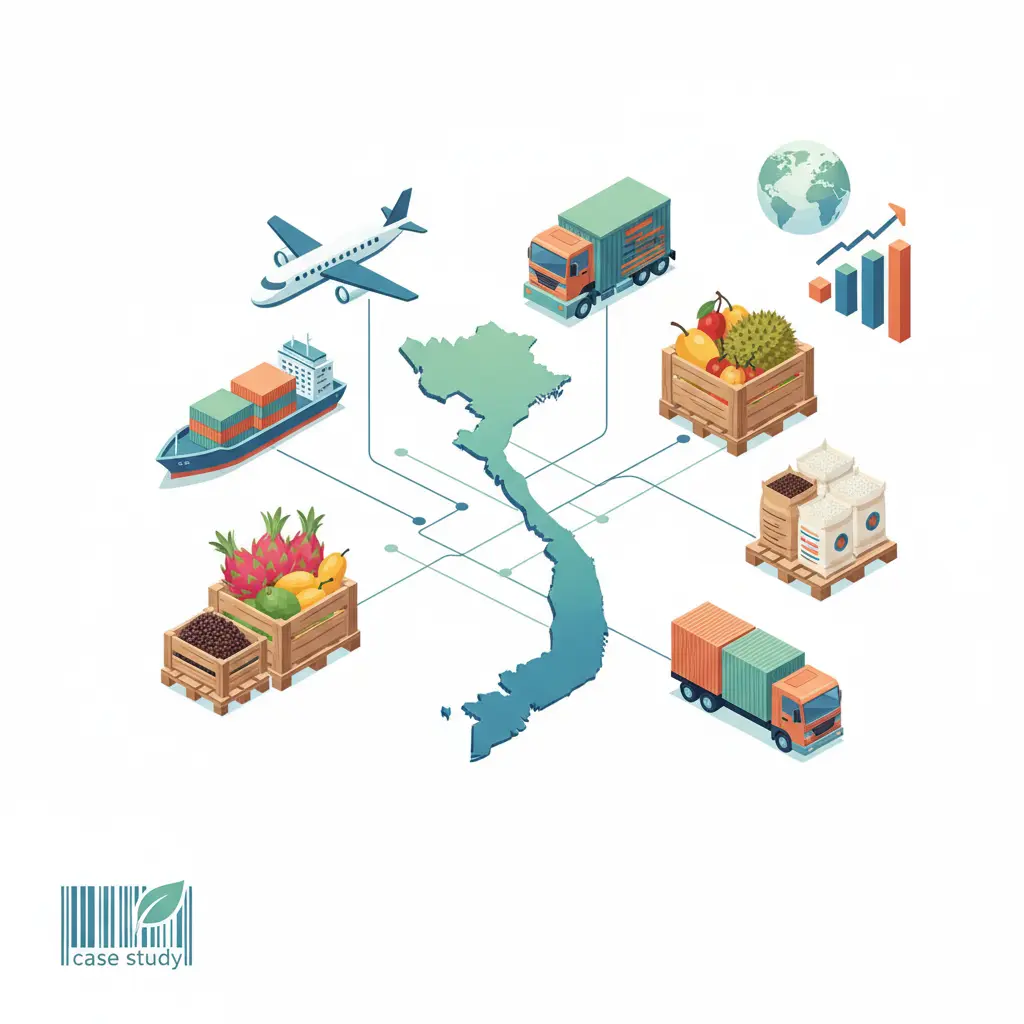
Vietnam has emerged as a powerhouse in the global agricultural sector, with its diverse range of products increasingly sought after in international markets. This rapid expansion, however, brings to the forefront the critical role of efficient logistics, particularly the Global Cold Chain Logistics Market Outlook, in sustaining growth. The country’s ability to move perishable goods from farm to foreign consumer relies heavily on robust infrastructure, advanced technology, and streamlined processes. This case study delves into the intricacies of Vietnam’s agricultural export logistics, highlighting its current standing, the hurdles it faces, and the promising trajectory ahead.
1. Vietnam’s Role in Global Agricultural Exports
Vietnam’s agricultural sector is a cornerstone of its economy, contributing significantly to its GDP and employment. The nation has cemented its position as a leading exporter of various agricultural commodities, including rice, coffee, black pepper, cashews, and a rapidly growing portfolio of fresh fruits and seafood. The increasing demand for high-quality, exotic produce from Vietnam across Asia, Europe, and North America underscores the country’s rising prominence. This boom in exports is driven by favorable climate conditions, fertile land, and a dedicated farming community. However, the journey from cultivation to international markets for these perishable goods export logistics is fraught with challenges, making the efficiency of the cold chain paramount. As global consumption patterns shift towards healthier and diverse food options, Vietnam’s agricultural offerings are perfectly poised to capture a larger market share, provided its logistics capabilities can keep pace.
2. Infrastructure Development and Investment in Vietnam’s Cold Chain
Recognizing the immense potential and the inherent bottlenecks, Vietnam has made significant strides in bolstering its cold chain infrastructure. Both government initiatives and private investments are channeling resources into upgrading ports, building modern refrigerated warehouses, and enhancing transportation networks. Major ports like Cai Mep – Thi Vai and Haiphong are expanding their capacities to handle more refrigerated containers, while new cold storage facilities are emerging in key agricultural hubs such as the Mekong Delta and the Central Highlands. The adoption of cold chain technology trends, including IoT-enabled monitoring systems, advanced refrigeration units, and real-time tracking, is gradually transforming the landscape. International temperature controlled shipping is becoming more sophisticated, with logistics providers investing in specialized fleets and cold storage solutions to maintain optimal conditions for sensitive products. Foreign direct investment (FDI) has also played a crucial role, bringing expertise and capital to develop state-of-the-art logistics centers. These developments are critical for Vietnam agricultural export logistics to meet stringent international quality and safety standards, reducing spoilage and waste, and ultimately boosting export competitiveness.
3. Challenges and Future Outlook for Vietnamese Perishable Exports
Despite the notable progress, Vietnam’s agricultural export logistics still faces considerable challenges. High logistics costs, often attributed to fragmented supply chains and inadequate last-mile delivery solutions, remain a significant hurdle. A recent report by the World Bank highlighted the need for continued investment in infrastructure and a more integrated approach to logistics planning. Outdated facilities in rural areas, coupled with a shortage of skilled labor trained in cold chain management, also pose operational difficulties. Moreover, maintaining consistent quality control and traceability throughout the entire supply chain is essential for meeting the stringent import regulations of developed markets. Competition from other agricultural giants further necessitates continuous innovation.
However, the future outlook for Vietnam agricultural export logistics is overwhelmingly positive. Free trade agreements (FTAs) like the EVFTA and CPTPP are opening new markets and reducing tariffs, creating unprecedented opportunities. The global demand for healthy, sustainably sourced food products continues to rise, perfectly aligning with Vietnam’s strengths. Investments in digital transformation, such as blockchain for traceability and AI for demand forecasting, promise to enhance efficiency and transparency. Furthermore, a growing focus on sustainable practices and eco-friendly packaging can further elevate Vietnam’s position in the global market. With continued strategic investment in infrastructure, technology, and human capital, alongside fostering strong collaborations between public and private sectors, Vietnam is well-positioned to strengthen its role in the global cold chain logistics market and ensure a prosperous future for its perishable exports.
Partner with Vietnam’s Leading Suppliers
Looking for reliable suppliers in Vietnam? Contact VietnamSuppliers.com today to connect with verified manufacturers and exporters across all industries.
—————————————
References
– global cold chain market: https://www.grandviewresearch.com/industry-analysis/cold-chain-market
– World Health Organization (WHO) for cold chain best practices: https://www.who.int/teams/supply-chain/cold-chain
– WTO’s Agreement on the Application of Sanitary and Phytosanitary Measures: https://www.wto.org/english/tratop_e/sps_e/sps_e.htm
– IoT Market Size Worldwide: https://www.statista.com/statistics/1376872/internet-of-things-iot-market-size-worldwide/
– cold chain logistics market: https://www.statista.com/statistics/1271106/cold-chain-logistics-market-size-worldwide/