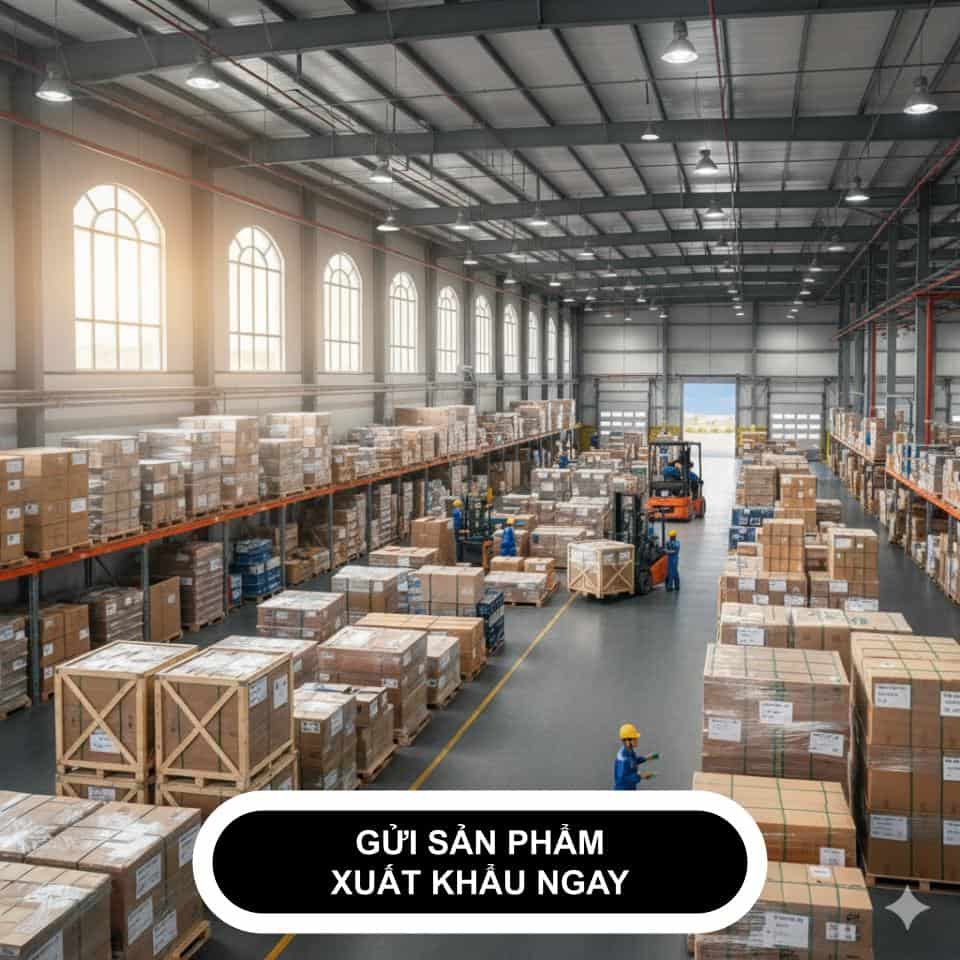
Introduction to Factory Audit Services
In an increasingly interconnected global economy, businesses frequently source products and components from international suppliers. This global reach offers immense opportunities but also introduces a complex web of risks. This section clarifies the critical role of Factory Audit Services, explaining their function, why they are indispensable for businesses engaged in international sourcing, and how they serve as a cornerstone for robust risk mitigation strategies in global supply chains. Understanding and implementing these services can significantly impact a company’s bottom line, brand reputation, and overall operational efficiency.

1. What are Factory Audit Services and Why Are They Crucial?
Factory Audit Services are comprehensive evaluations of a potential or existing supplier’s manufacturing facility, processes, quality management systems, and operational capabilities. These detailed assessments go beyond simple product inspections, aiming to provide a holistic view of a factory’s ability to consistently meet contractual obligations, quality standards, and ethical requirements. Guided by a meticulous Factory Audit Checklist, these audits scrutinize various aspects, including production capacity, machinery maintenance, worker qualifications, adherence to safety protocols, and environmental impact.
For businesses sourcing internationally, factory audits are not merely a recommendation but a crucial necessity. The vast geographical distances, cultural differences, varying regulatory landscapes, and potential communication barriers inherent in global supply chains make direct oversight challenging. Without a thorough audit, companies risk partnering with unreliable suppliers, leading to significant issues such as poor product quality, production delays, non-compliance with international standards, and severe brand damage. These `Supplier Audit Services` act as your eyes and ears on the ground, providing an independent, objective assessment that builds trust and transparency.
2. Key Benefits of Proactive Supplier Audits
Engaging in proactive Factory Audit Services offers a multitude of benefits. Firstly, and perhaps most importantly, they ensure consistent product quality. By evaluating a factory’s quality control procedures and production capabilities upfront, businesses can mitigate the risk of receiving substandard goods, which can incur costly recalls, returns, and damage to customer loyalty. Secondly, audits prevent costly production delays by identifying potential bottlenecks, capacity issues, or inefficient processes before production even begins, ensuring smoother operations and on-time delivery.
Furthermore, these audits are instrumental in safeguarding brand reputation. In today’s transparent market, consumers and stakeholders increasingly demand ethical sourcing and manufacturing practices. A `Social Compliance Audit`, often integrated into broader factory audits, verifies that suppliers adhere to fair labor practices, safe working conditions, and environmental regulations, protecting the brand from association with unethical manufacturing. For companies operating or sourcing from specific regions, specialized `Quality Control Services Vietnam` can offer targeted expertise, ensuring local compliance and quality benchmarks are met. Proactive audits empower businesses to make informed decisions, foster stronger supplier relationships built on trust, and ultimately enhance their competitive edge.
3. Mitigating Risks with Pre-Production & In-Process Audits
Risk mitigation is at the core of effective global supply chain management, and factory audits play an indispensable role throughout various stages of production. `Pre-production audits`, conducted before manufacturing commences, are vital for verifying that the factory understands product specifications, has all necessary materials and tooling, and possesses the technical capability to produce the goods as required. This early intervention can prevent critical errors that might otherwise surface much later in the production cycle, saving time and resources. For instance, an audit might reveal that a factory’s machinery isn’t properly calibrated for a specific tolerance, allowing corrective action before any components are even made.
Equally critical are `In-process audits` (also known as DUPRO or During Production Inspections). These assessments occur while goods are being manufactured, allowing auditors to monitor production lines, check the quality of semi-finished goods, and identify any deviations from quality standards or production schedules in real-time. This continuous oversight ensures that quality is built into the product from the start, rather than relying solely on final inspections. By catching potential issues early – such as incorrect material usage, faulty assembly, or inconsistent finishes – businesses can address problems immediately, minimizing waste, reducing rework, and ensuring that the final product meets all specifications. As highlighted by the American Society for Quality (ASQ), effective auditing is a critical tool for continuous improvement and maintaining compliance within manufacturing processes.
Comprehensive Supplier Audit Services
In today’s globalized economy, ensuring the reliability, quality, and ethical conduct of your supply chain is paramount. Factory Audit Services are no longer just a luxury but a critical necessity for businesses looking to mitigate risks, maintain brand reputation, and ensure compliance. From bustling manufacturing hubs like Vietnam to diverse production zones worldwide, comprehensive Supplier Audit Services offer invaluable insights into potential issues before they escalate. These audits delve deep into various aspects, including product quality, ethical labor practices, and environmental compliance, providing a holistic view of your supplier’s operations and capabilities.
1. Quality Management System (QMS) Audits
A Quality Management System (QMS) audit is a systematic evaluation of a supplier’s internal processes and documentation against established quality standards, most commonly ISO 9001. The primary goal of a QMS audit is to ensure that a supplier has robust systems in place to consistently produce products or services that meet specified requirements and customer expectations. This type of audit is crucial for businesses operating in sectors where product consistency and reliability are non-negotiable, such as electronics, automotive, or consumer goods. Our Quality Control Services Vietnam often begin with a thorough QMS evaluation.
During a QMS audit, our experts utilize a detailed Factory Audit Checklist to assess various elements. This includes reviewing quality policy and objectives, management responsibility, resource management (including human resources and infrastructure), product realization processes (design, purchasing, production, service provision), measurement, analysis, and improvement (monitoring, internal audits, control of non-conforming products, corrective and preventive actions). By identifying weaknesses in a supplier’s QMS, businesses can work proactively to implement improvements, reduce defects, minimize returns, and ultimately enhance overall product quality and customer satisfaction.
2. Social Compliance Audit & Ethical Sourcing
A Social Compliance Audit assesses a supplier’s adherence to labor laws, international conventions, and ethical standards related to worker welfare and human rights. This audit is vital for ensuring ethical sourcing and preventing issues such as forced labor, child labor, discrimination, unsafe working conditions, and exploitative wages. In an era where consumers and stakeholders demand greater transparency and corporate social responsibility, conducting regular Social Compliance Audits safeguards your brand’s reputation and ensures that your supply chain operates with integrity. Standards like SA8000 or client-specific Codes of Conduct form the backbone of these evaluations.
Key areas examined during a social compliance audit include working hours, compensation and benefits, health and safety protocols, freedom of association, non-discrimination policies, and disciplinary practices. Auditors typically review documentation, conduct interviews with management and workers, and perform site inspections to verify conditions. By partnering with experts in Social Compliance Audit, companies can confidently demonstrate their commitment to ethical practices and responsible sourcing, building trust with their customers and partners. For a deeper understanding of global social accountability standards, refer to Social Accountability International (SAI).
3. Environmental, Security, & C-TPAT Audits
Beyond quality and social aspects, a comprehensive supplier assessment often extends to environmental sustainability and supply chain security. An Environmental Audit evaluates a supplier’s compliance with local and international environmental regulations, focusing on aspects like waste management, pollution control (air, water, noise), hazardous materials handling, energy consumption, and environmental management systems (e.g., ISO 14001). This ensures that your suppliers operate sustainably, minimizing their ecological footprint and reducing potential liabilities associated with environmental damage.
Security Audits, on the other hand, focus on protecting goods and data throughout the supply chain. These audits assess physical security measures, access control, personnel security, cargo handling procedures, and information technology security. For businesses importing into the United States, a C-TPAT (Customs-Trade Partnership Against Terrorism) Audit is particularly crucial. C-TPAT is a voluntary government-business initiative aimed at strengthening international supply chains and improving U.S. border security. A C-TPAT audit verifies that a supplier meets specific security criteria designed to deter terrorism, including container security, procedural security, physical access controls, and security training. By integrating these specialized audits, businesses can cultivate a resilient, secure, and environmentally responsible global supply chain, protecting their interests from multiple angles.
The Essential Factory Audit Checklist
In the complex global supply chain, ensuring a supplier’s reliability, quality, and ethical practices is paramount. A factory audit serves as a critical due diligence tool, offering an in-depth evaluation of a potential or existing supplier’s operational integrity and capabilities. This systematic approach is not merely about finding faults but about building a robust, transparent, and trustworthy partnership. By thoroughly assessing various facets of a manufacturing facility, businesses can mitigate risks, ensure product quality, and align with their corporate social responsibility objectives. This comprehensive guide outlines the key components typically covered in a thorough factory audit, emphasizing a systematic approach to evaluating a supplier’s operational integrity and capabilities, which is crucial for successful outsourcing, especially for businesses leveraging Quality Control Services Vietnam.

1. Key Areas: Quality, Production, & Operations Assessment
The core of any supplier audit services lies in evaluating the factory’s ability to consistently produce goods that meet specified quality standards and deliver them on time. This section dives deep into the operational heart of the facility:
- Quality Management Systems (QMS): Auditors examine the factory’s QMS, which typically aligns with international standards like ISO 9001. This includes reviewing quality policy, objectives, organizational structure, and responsibilities. Key checks involve incoming material inspection, in-process quality control, final product inspection procedures, and non-conformance management. Are there clear protocols for defect detection, analysis, and corrective/preventative actions?
- Production Capacity and Planning: This assessment evaluates the factory’s machinery, equipment maintenance schedules, production lines, and overall capacity. Auditors verify production planning systems, lead time management, and the ability to scale production up or down based on demand. Effective resource allocation and bottleneck identification are crucial indicators here.
- Operational Efficiency and Workflow: The audit scrutinizes the factory layout, material flow, and overall operational efficiency. This includes an assessment of waste reduction initiatives (e.g., Lean manufacturing principles), energy efficiency, and general workplace organization (5S methodology).
- Social Compliance Audit: An increasingly vital component, the social compliance audit ensures that the factory adheres to ethical labor practices. This includes verifying fair wages, working hours, child labor laws, health and safety regulations, anti-discrimination policies, and freedom of association. It’s about ensuring a safe, respectful, and legally compliant working environment for all employees.
2. Financial Stability and Business Integrity Checks
Beyond operational capabilities, understanding a supplier’s financial health and ethical backbone is critical for long-term partnership sustainability. This segment of the factory audit checklist focuses on:
- Financial Health Assessment: Auditors review financial statements, credit reports, and business registration documents to gauge the factory’s solvency and financial stability. This helps identify potential risks related to cash flow issues, bankruptcy, or inability to fund production, which could severely impact supply chain continuity.
- Business Registration and Legal Compliance: Verification of valid business licenses, export/import permits, and adherence to local laws and regulations is essential. This includes environmental compliance, intellectual property protection, and any industry-specific certifications.
- Ethical Practices and Anti-Corruption Policies: This involves assessing the factory’s commitment to ethical business conduct, including anti-bribery policies, conflict of interest declarations, and a transparent grievance mechanism. It ensures that the supplier operates with integrity and aligns with your company’s ethical standards.
3. Documentation Review & Record Keeping Best Practices
Robust documentation and meticulous record-keeping are hallmarks of a well-managed factory. They provide verifiable evidence of processes, decisions, and compliance. This audit area includes:
- Process Documentation: Review of Standard Operating Procedures (SOPs) for all key manufacturing processes, quality control checks, equipment maintenance, and packaging. These documents should be clear, current, and accessible to relevant personnel.
- Quality Records: Examination of records for incoming material inspection, in-process quality checks, final product inspection reports, calibration records for equipment, and records of corrective and preventive actions (CAPA). Traceability records, linking raw materials to finished products, are also crucial.
- Training Records: Verification that employees receive adequate and ongoing training relevant to their roles, especially concerning quality, safety, and operational procedures. Records should show training dates, topics, and attendees.
- Supply Chain Transparency and Traceability: Assessment of the factory’s ability to trace components and raw materials back to their origin, and finished products forward through the distribution channel. This is particularly important for industries with strict regulatory requirements or high consumer expectations for ethical sourcing.
A comprehensive factory audit goes beyond a simple checkbox exercise; it’s a strategic investment in securing reliable supply chains and ensuring product excellence. By systematically reviewing these critical areas, businesses gain invaluable insights into their suppliers’ true capabilities, fostering stronger partnerships built on trust and mutual success.
Maximizing Quality Control Services in Vietnam
As global supply chains continue to evolve, Vietnam has solidified its position as a burgeoning manufacturing hub, attracting significant foreign investment and offering diverse production capabilities. Its strategic location, competitive labor costs, and robust trade agreements make it an attractive alternative to traditional sourcing locations. However, capitalizing on Vietnam’s potential requires navigating a unique set of challenges to ensure product quality and compliance. Specialized quality control services are not just an advantage; they are an absolute necessity for maintaining product excellence and protecting brand reputation in this dynamic market.
1.
Navigating Sourcing in Vietnam: Challenges & Advantages
Vietnam’s appeal as a manufacturing destination is multifaceted. The country boasts a rapidly growing economy, a young and increasingly skilled workforce, and a government proactive in fostering international trade through agreements like the CPTPP and EVFTA. Its strategic proximity to other Asian markets further enhances its logistical advantages. This growth, however, comes with its own set of complexities. Challenges often include variations in infrastructure quality across different regions, cultural and language barriers that can impede communication, and differences in local business practices and regulatory interpretations. Furthermore, rapid industrialization can sometimes lead to inconsistencies in manufacturing processes and quality standards if not properly managed. To mitigate these risks, businesses must implement rigorous oversight. Comprehensive Factory Audit Services become crucial, offering an initial assessment of potential partners. These services often include detailed Supplier Audit Services, which delve into a manufacturer’s operational capabilities, management systems, and ethical practices, laying a solid foundation for a successful partnership.
2.
Tailored QC Solutions for Vietnamese Factories
Generic quality control approaches often fall short in the Vietnamese manufacturing landscape. What’s needed are tailored solutions that understand the nuances of local production environments and worker practices. Effective Quality Control Services Vietnam leverage local expertise and on-the-ground presence to provide real-time oversight and intervention. These services span the entire production lifecycle, starting with pre-production inspections to verify raw materials and initial samples, continuing with during-production checks to monitor consistency and address issues early, and culminating in crucial pre-shipment inspections to ensure finished goods meet all specifications before dispatch. A robust Factory Audit Checklist is an indispensable tool in this process, guiding inspectors through critical evaluation points such as machinery maintenance, worker training, quality management systems, and environmental controls. By proactively identifying potential quality deviations and implementing corrective actions, these specialized QC services safeguard product integrity and minimize costly reworks or recalls.
3.
Ensuring Compliance with Local Regulations & Standards
Beyond product quality, adherence to local and international standards is paramount for businesses operating in Vietnam. The regulatory landscape, while evolving, demands careful attention to labor laws, environmental protection, and product safety. Ignoring these can lead to significant legal repercussions, financial penalties, and irreversible damage to brand reputation. This is where comprehensive Factory Audit Services extend their value, often incorporating vital elements like a Social Compliance Audit. A social compliance audit meticulously evaluates working conditions, wages, working hours, child labor policies, health and safety protocols, and environmental practices against established international benchmarks and local regulations. Ensuring compliance not only mitigates risks but also aligns with global ethical sourcing mandates, appealing to an increasingly conscientious consumer base. Moreover, the evolving global supply chain landscape, as highlighted by reports such as PwC’s analysis on shifting global supply chains to Vietnam, underscores the importance of resilient and compliant supply chains. By partnering with expert quality control providers, companies can confidently navigate Vietnam’s regulatory environment, ensuring that their products are not only high-quality but also ethically and legally produced, fostering long-term success and sustainability.
Choosing the Right Factory Audit Partner for 2025
As global supply chains become increasingly complex, the importance of robust quality control and ethical sourcing has never been more critical. For businesses aiming to mitigate risks, ensure product quality, and uphold brand reputation in 2025 and beyond, selecting the right factory audit partner is paramount. This guide outlines the essential criteria for choosing an expert and reliable firm, ensuring your Factory Audit Services provide not just reports, but actionable insights for continuous improvement and sustainable growth. The expertise of your audit partner is vital for a resilient procurement strategy.

1. Expertise & Industry-Specific Knowledge
The foundation of any effective audit lies in the auditor’s deep understanding of your industry, product type, and specific compliance requirements. When evaluating potential Supplier Audit Services providers, look beyond generic certifications. A truly effective partner possesses specialized knowledge, including:
- Product-Specific Standards: Understanding material specifications, manufacturing processes, and quality benchmarks unique to your items.
- Local Regulations & Culture: Navigating the legal and operational landscape, such as labor laws and business practices, especially crucial when engaging Quality Control Services Vietnam.
- Technical Competence: Auditors should identify manufacturing flaws, assess equipment, and evaluate production efficiency with an expert eye.
- Comprehensive Factory Audit Checklist & Standards: A seasoned firm utilizes a detailed, adaptable checklist covering everything from raw material inspection to final packaging. They should also be well-versed in international quality standards and certifications, ensuring audits align with global best practices.
A firm with proven experience in your sector can anticipate challenges, provide more relevant recommendations, and ensure an efficient, thorough audit, offering insights a generalist might miss.
2. Impartiality, Independence, & Objectivity
The integrity of a factory audit hinges on the auditor’s unwavering impartiality and independence. A conflict of interest can undermine credibility, rendering results unreliable and potentially exposing your business to undue risks. When selecting your partner, prioritize firms that demonstrate a clear commitment to:
- Ethical Guidelines: Adherence to strict codes of conduct that prohibit any form of bribery, undue influence, or personal gain.
- Organizational Independence: The audit firm should be entirely separate from the audited factory. This ensures findings are purely based on factual observations and objective assessments, free from pressure.
- Transparency in Operations: A reliable partner openly discusses their methodologies, auditor training, and internal quality control processes, affirming their commitment to objectivity.
This independence is especially crucial for audits addressing sensitive areas like Social Compliance Audit, where human rights, labor conditions, and environmental impact are under scrutiny. An impartial auditor provides an unbiased perspective, giving you confidence in the accuracy of findings and the robustness of your supply chain’s ethical standing.
3. Transparent Reporting Standards & Actionable Insights
A well-conducted audit is only as valuable as its report. The best factory audit partners deliver not just data, but clear, concise, and actionable insights. Their reporting standards should be:
- Comprehensive & Evidence-Based: Reports should detail findings with supporting evidence, including photos and documentation, making it easy to understand non-conformities.
- Clear & Understandable: Jargon should be minimized, and complex technical issues explained accessibly, enabling all stakeholders to grasp the implications.
- Actionable Recommendations: Beyond identifying problems, the report should offer practical, implementable solutions and a clear roadmap for improvement, including prioritizing issues and outlining preventative measures.
- Follow-Up & Continuous Improvement: An excellent partner will also propose mechanisms for follow-up audits to ensure identified issues are effectively addressed and sustained improvements are made. This long-term partnership approach fosters continuous enhancement of quality and compliance.
Ultimately, the goal is to transform audit findings into tangible improvements. A partner committed to transparent reporting and actionable insights becomes an invaluable extension of your quality assurance team, helping you resolve issues efficiently, leading to stronger supplier relationships and a more resilient supply chain.
Choosing the right factory audit partner for 2025 is an investment in your company’s future. By prioritizing expertise, independence, and transparent, actionable reporting, you equip your business with the tools to navigate complex global manufacturing landscapes with confidence and ensure consistent quality and compliance across your supply chain.
Partner with Vietnam’s Leading Suppliers
Looking for reliable suppliers in Vietnam? Contact VietnamSuppliers.com today to connect with verified manufacturers and exporters across all industries.
—————————————
References
– American Society for Quality (ASQ): https://asq.org/quality-resources/auditing
– Social Accountability International (SAI): https://sa-intl.org/
– ISO 9001 Quality Management: https://www.iso.org/iso-9001-quality-management.html
– Shifting global supply chains to Vietnam: https://www.pwc.com/vn/en/industries/manufacturing/global-supply-chains-to-vietnam.html
– ISO 9001 Quality Management: https://www.iso.org/iso-9001-quality-management.html