The Evolving Landscape of Export Control Enforcement
The global regulatory environment governing international trade is in a perpetual state of flux, shaped by geopolitical tensions, technological advancements, and a heightened focus on national security and human rights. For businesses engaged in cross-border transactions, navigating this complex web of rules is no longer merely a bureaucratic hurdle but a critical imperative. The evolving landscape of Export Control Compliance Enforcement demands unprecedented vigilance, strategic foresight, and robust compliance frameworks. The stakes have never been higher, with non-compliance leading to severe financial penalties, reputational damage, and even criminal charges. Understanding the current challenges and trends is paramount for any enterprise seeking to operate successfully and ethically in the international marketplace.

1. Key Regulatory Updates & Trends
The past few years have witnessed a rapid acceleration in regulatory changes, making it challenging for businesses to keep pace. Governments worldwide are continually updating and expanding their export control lists, particularly concerning dual-use items and emerging technologies like artificial intelligence, quantum computing, and biotechnology. These updates are often driven by national security concerns, aiming to prevent adversaries from acquiring sensitive technologies. Furthermore, there’s an increasing emphasis on end-use and end-user controls, requiring companies to go beyond the immediate transaction and assess the ultimate recipient and intended application of their goods, software, or technology. Effective Bureau of Industry and Security (BIS) guidance and compliance with various international sanctions regimes are more critical than ever, necessitating sophisticated sanctions compliance best practices. This includes thorough due diligence in international trade to identify red flags and ensure all parties involved in a transaction are legitimate and not on any restricted party lists. Continuous monitoring of regulatory developments, coupled with adaptable internal policies, is essential for maintaining compliance.
2. Increased Scrutiny and Penalties
Regulators are not just updating rules; they are also significantly stepping up enforcement actions. There’s a global trend towards increased scrutiny, with authorities demonstrating a willingness to impose substantial fines, revoke export privileges, and pursue criminal charges against individuals and corporations found in violation. The focus extends beyond direct exporters to include freight forwarders, financial institutions, and even technology providers who facilitate transactions. This intensified enforcement environment underscores the need for proactive trade compliance risk management strategies. Businesses must not only implement robust compliance programs but also regularly audit and test their effectiveness. Preparing for potential Customs audit preparation is no longer an optional exercise but a fundamental component of good governance. Companies should foster a culture of compliance from the top down, ensuring all employees understand their responsibilities and the severe consequences of non-compliance, both for the company and for individuals.
3. Impact of Geopolitical Shifts on Trade Controls
Geopolitical events are increasingly having a direct and profound impact on trade controls. Conflicts, such as the war in Ukraine, have triggered unprecedented levels of sanctions and export restrictions targeting specific countries, industries, and individuals. Tensions between major economic powers, like the U.S. and China, have led to a complex web of technology controls and retaliatory measures, creating supply chain disruptions and forcing businesses to re-evaluate their global strategies. The concept of “de-risking” supply chains and diversifying sourcing has become a strategic imperative for many organizations. These shifts mean that the regulatory landscape can change rapidly and unpredictably, often with little warning. Businesses must develop agile compliance programs capable of adapting quickly to new restrictions and prohibitions. This requires real-time intelligence gathering, scenario planning, and robust internal communication to ensure that changes are disseminated and implemented across all relevant departments without delay. Staying informed and flexible is key to mitigating risks in this volatile global environment.
Sanctions Compliance Best Practices for Global Trade
In an increasingly interconnected yet politically volatile world, global trade presents both immense opportunities and significant regulatory challenges. Central among these challenges is robust sanctions compliance. Businesses engaged in international commerce must navigate a complex web of regulations imposed by various national and international bodies, such as the U.S. Office of Foreign Assets Control (OFAC), the European Union, and the United Nations. Failure to adhere to these rules can result in severe penalties, including hefty fines, reputational damage, and even criminal charges. Therefore, implementing a comprehensive and dynamic sanctions compliance program is not just a regulatory obligation but a strategic imperative for sustainable global operations. Effective Export Control Compliance Enforcement is the bedrock upon which successful international trade is built, ensuring that companies operate within legal boundaries and mitigate risks effectively.
1. Effective Denied Party Screening (DPS)
Denied Party Screening (DPS) is the cornerstone of any robust sanctions compliance program. It involves rigorously checking all potential and existing customers, vendors, agents, and other third parties against various government-issued denied party lists, embargoed entities, and specially designated nationals. This process is crucial to prevent transactions with individuals or entities that are prohibited from engaging in international trade due to their involvement in terrorism, proliferation of weapons of mass destruction, human rights abuses, or other illicit activities. To ensure effective DPS, businesses should:
- Automate Screening: Manual screening is prone to human error and inefficiency. Implement automated software solutions that can screen large volumes of data against multiple global watchlists simultaneously and provide audit trails.
- Regularly Update Lists: Sanctions lists are dynamic, with new entries and removals occurring frequently. Ensure your screening system automatically updates its databases daily or in real-time to reflect the latest changes.
- Conduct Multi-Tier Screening: Beyond direct counterparties, screen ultimate beneficial owners (UBOs), board members, and key stakeholders to uncover hidden risks.
- Understand Fuzzy Logic: Screening tools must incorporate ‘fuzzy logic’ to catch variations in names, spellings, and aliases, which sanctioned entities often use to evade detection.
These sanctions compliance best practices are vital for mitigating transactional risks and demonstrating due diligence.
2. Geographic and Sectoral Sanctions: What to Watch
Beyond individual entities, sanctions can be broad, targeting entire countries or specific sectors within certain economies. Geographic sanctions often impose comprehensive embargoes on trade with particular nations (e.g., Cuba, Iran, North Korea, Syria), while sectoral sanctions typically target specific industries within a country (e.g., Russia’s financial, energy, or defense sectors). Businesses must:
- Monitor Geopolitical Developments: Stay abreast of international relations and potential shifts in sanctions policies. Geopolitical events can rapidly lead to the imposition or alteration of sanctions.
- Understand the Scope: Differentiate between comprehensive embargoes and more targeted restrictions. For instance, while general trade with a country might be permitted, specific transactions (e.g., involving certain types of technology or financial services) might be prohibited.
- Exercise Enhanced Due Diligence: When engaging with entities in or connected to sanctioned geographies or sectors, apply heightened scrutiny. This includes understanding the full supply chain, the end-use of products, and the ultimate beneficiaries of transactions. This level of due diligence international trade is paramount.
- Consult Legal Experts: The nuances of geographic and sectoral sanctions can be incredibly complex. Engage legal counsel specializing in trade compliance for clarification and guidance, especially for high-risk transactions.
Proactive monitoring of these sanction types is a critical component of effective trade compliance risk management.
3. Implementing a Risk-Based Sanctions Program
A one-size-fits-all approach to sanctions compliance is often inefficient and ineffective. Instead, businesses should implement a risk-based program that allocates resources according to the level of exposure. This involves:
- Risk Assessment: Identify and assess your company’s unique sanctions risks. Factors include the nature of your products/services, target markets, customer base, geographic footprint, and business partners. High-risk areas (e.g., transactions involving dual-use goods, dealings with intermediaries in high-risk jurisdictions) warrant greater scrutiny.
- Develop Clear Policies and Procedures: Document clear, concise, and actionable policies that outline your company’s commitment to sanctions compliance, along with detailed procedures for screening, approval, reporting, and record-keeping.
- Employee Training: Regularly train all relevant employees—from sales and procurement to finance and logistics—on sanctions regulations, internal policies, and their roles in maintaining compliance. Training should be tailored to their specific responsibilities.
- Internal Controls and Auditing: Establish robust internal controls to detect and prevent non-compliance. Conduct regular internal and external audits to test the effectiveness of your program, identify weaknesses, and ensure continuous improvement. Strong internal controls are essential for Customs audit preparation.
- Record-Keeping: Maintain meticulous records of all compliance activities, including screening results, due diligence efforts, internal approvals, and training records. These records are vital for demonstrating compliance to regulators.
By tailoring compliance efforts to specific risk profiles, companies can optimize their resources while significantly strengthening their defense against sanctions violations.
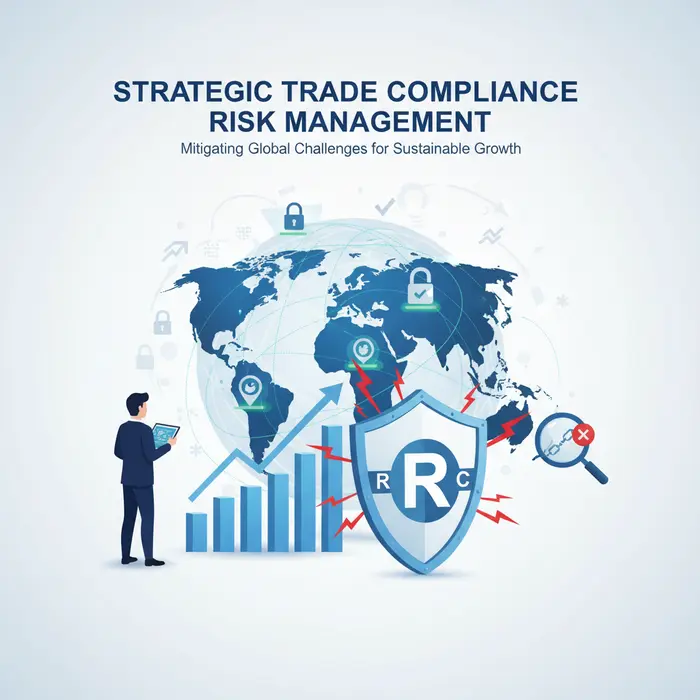
Strategic Trade Compliance Risk Management
In an era of dynamic geopolitical shifts and increasingly complex regulations, effective Strategic Trade Compliance Risk Management is critical for any enterprise engaged in international commerce. Organizations face mounting pressure from global enforcement agencies, demanding meticulous adherence to international trade laws, from goods classification to ultimate end-use. Failure to implement robust controls can result in severe penalties, reputational damage, and operational disruptions. This section outlines comprehensive methods for identifying, assessing, and mitigating risks associated with international trade, ensuring resilient and compliant global operations. The focus is on proactive strategies to navigate the intricate landscape of global trade regulations, including rigorous Export Control Compliance Enforcement.
Identifying High-Risk Transactions and Jurisdictions
Effective Trade compliance risk management begins with systematically identifying potential vulnerabilities. This involves a thorough analysis of all trade activities, scrutinizing transactions and jurisdictions for inherent risks. Key methods include:
- Classification Accuracy: Incorrect classification (e.g., HS codes, ECCNs) is a foundational risk, leading to incorrect duties or missed licensing requirements. Regular reviews and expert consultation are essential.
- Restricted Party Screening: Implementing robust screening of all transaction parties (customers, vendors, intermediaries) against denied party lists (DPLs) and sanctions lists (e.g., OFAC, UN, EU) is paramount. This identifies prohibited entities and forms a core component of Sanctions compliance best practices.
- Geographic Risk Assessment: Certain countries or regions present higher inherent risks due to sanctions, export controls, or political instability. Businesses must understand these jurisdictions and implement enhanced due diligence.
- End-Use and End-User Controls: Understanding the ultimate application and recipient of goods is crucial. Red flags indicating potential diversions to unauthorized uses (e.g., WMD proliferation) must trigger further investigation, requiring verification of information.
- Transactional Anomalies: Unusual payment methods, circuitous routing, or vague descriptions can signal attempts to circumvent regulations. Continuous monitoring helps spot these deviations early.
Internal Controls and Policies for Risk Mitigation
Once risks are identified, a strong framework of internal controls and policies is vital for mitigation. These measures ensure consistent compliance and a structured approach to managing trade-related risks.
- Comprehensive Written Procedures (WPs): Develop clear, detailed, and regularly updated WPs covering all aspects of trade compliance: classification, licensing, screening protocols, record-keeping, and voluntary disclosures. These form the bedrock for consistent policy application.
- Training and Awareness Programs: Regular, role-specific training for all employees involved in international trade (sales, logistics, legal) is essential. Training should cover export control regulations, sanctions regimes, and internal company policies.
- Defined Roles and Responsibilities: Assign clear ownership for trade compliance functions, often a dedicated Compliance Officer, ensuring accountability and centralized oversight.
- Regular Internal Audits and Reviews: Implement a schedule for internal audits to assess program effectiveness, identify gaps, and ensure adherence to WPs. These audits are crucial for Customs audit preparation and demonstrating due diligence to regulators.
- Due Diligence for Third Parties: Extend Due diligence international trade practices to all business partners (agents, distributors, suppliers). This includes vetting their compliance programs and incorporating compliance clauses in contracts.
- Reporting Mechanisms: Establish clear channels for employees to report potential violations or red flags without fear of retaliation, fostering a culture of transparency.
Technology Solutions for Trade Risk Management
Leveraging technology is indispensable for efficient and effective trade compliance risk management, given the volume and complexity of global trade data.
- Global Trade Management (GTM) Software: Integrated GTM platforms automate many compliance processes, centralizing data, and streamlining workflows with modules for classification, license management, screening, and customs declarations.
- Automated Denied Party and Sanctions Screening Tools: Advanced screening software provides real-time, comprehensive screening against global sanctions lists and DPLs, reducing manual errors. These tools are critical for upholding Sanctions compliance best practices.
- Classification and Licensing Software: AI-powered tools assist in accurate HS and ECCN classification, while license management systems track validity and usage, preventing inadvertent breaches.
- Data Analytics and Reporting: Technology can aggregate trade data, identify trends, flag anomalies, and generate reports, providing valuable insights for risk assessment. This proactive data analysis strengthens overall Export Control Compliance Enforcement.
- Audit Trails and Record-Keeping: Digital solutions ensure meticulous record-keeping, creating immutable audit trails for all trade transactions, vital for demonstrating compliance during audits or investigations. The U.S. Bureau of Industry and Security (BIS) emphasizes comprehensive record-keeping for export transactions, highlighting technology’s role in maintaining these records effectively.
By integrating these strategies across identification, mitigation, and technological implementation, organizations can build a resilient trade compliance framework, safeguarding against risks and ensuring sustainable global operations.
Preparing for Customs Audits and Government Investigations
In today’s complex global trade landscape, businesses engaged in international commerce face an ever-present risk of customs audits and government investigations. These probes, often stemming from concerns about Export Control Compliance Enforcement, sanctions violations, or general trade compliance discrepancies, can be time-consuming, resource-intensive, and potentially lead to significant penalties, reputational damage, and operational disruptions. Proactive preparation is not merely advisable; it is essential for safeguarding your operations and ensuring business continuity. Understanding the potential triggers, maintaining robust documentation, and establishing a clear response strategy are fundamental pillars of a resilient trade compliance program.
1. Maintaining Impeccable Records and Documentation
The bedrock of effective export control compliance enforcement and successful navigation of a customs audit lies in meticulously maintained records and documentation. Customs authorities operate on the principle that the burden of proof rests with the importer or exporter. This means your ability to substantiate every transaction, classification, valuation, and origin claim is paramount. Companies must establish a comprehensive record-keeping system that goes beyond mere transactional data. Key documents include, but are not limited to, import/export declarations, commercial invoices, packing lists, bills of lading, certificates of origin, intellectual property rights documentation, Free Trade Agreement (FTA) certificates, and proof of payment. Furthermore, it is crucial to retain all internal compliance procedures, policies, training records, and communications related to trade activities. These documents serve as evidence of your company’s due diligence and commitment to regulatory adherence. Ensure that all records are accurate, complete, easily retrievable, and stored for the legally mandated period, which can vary by jurisdiction and type of transaction. Implementing a digital document management system can significantly enhance accessibility and integrity, allowing for quick retrieval during an audit.
2. Developing an Audit Response Plan
Anticipating and planning for an audit is a critical component of customs audit preparation. A well-structured audit response plan can significantly reduce stress and improve outcomes. This plan should designate a primary customs compliance officer or team responsible for managing audit requests and communications. It’s vital to clearly define roles and responsibilities within this team, including who will compile documents, who will communicate with authorities, and who will provide legal oversight. Companies should establish internal protocols for receiving an audit notification, including immediate notification to legal counsel and senior management. The plan should also outline a process for reviewing and verifying all requested documentation before submission, ensuring consistency and accuracy. Practicing mock audits can help identify weaknesses in the system and prepare personnel for the types of questions and requests that may arise. Furthermore, maintaining open lines of communication with customs brokers, freight forwarders, and other third-party logistics providers is crucial, as their records may also be subject to scrutiny. A robust audit response plan is a cornerstone of effective trade compliance risk management, enabling a swift, organized, and compliant response.
3. Common Audit Triggers and How to Avoid Them
Understanding the factors that typically trigger customs audits can help businesses proactively mitigate their risk. Common audit triggers include inconsistent declarations over time, significant discrepancies between declared values and market rates, high volumes of specific high-risk goods, transactions with parties in sanctioned countries or regions (highlighting the need for robust sanctions compliance best practices), prior violations or penalties, or specific industry-wide enforcement initiatives. Random selections, whistleblower tips, or information sharing with other government agencies can also lead to an audit. To avoid becoming an audit target, companies must prioritize accuracy and consistency in all trade declarations. This involves investing in comprehensive employee training on tariff classification, valuation methods, and origin determination. Implementing strong internal controls and conducting regular internal audits or self-assessments can help identify and rectify issues before they escalate. Performing thorough due diligence international trade on all business partners, including suppliers and customers, is also crucial, especially when dealing with dual-use items or restricted parties. Adopting a culture of continuous improvement in trade compliance, leveraging technology for enhanced data analysis, and staying informed about regulatory changes are all proactive steps that can significantly reduce audit risks and strengthen a company’s overall compliance posture.
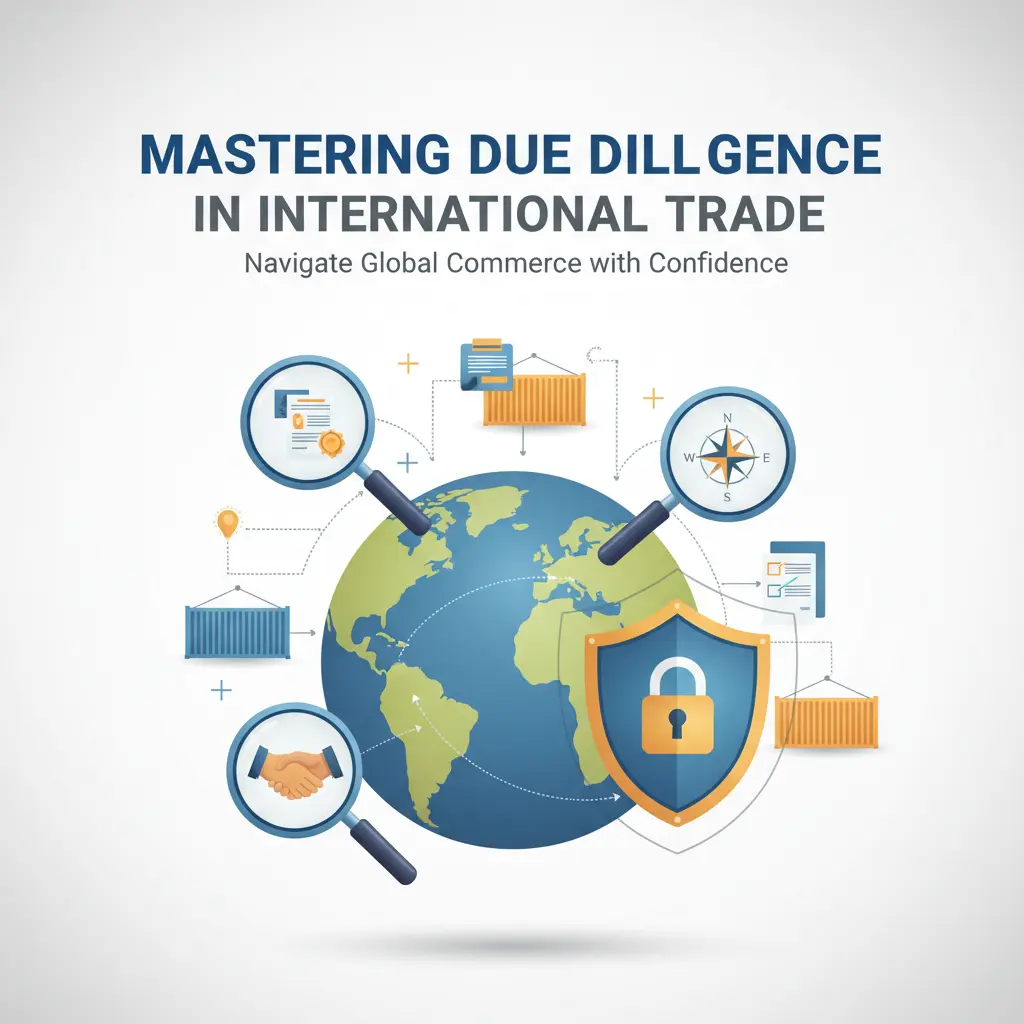
Mastering Due Diligence in International Trade
Engaging in international trade offers immense opportunities, but it also introduces a complex web of regulations and risks. To navigate this intricate landscape successfully and prevent severe legal and financial violations, thorough due diligence is not merely advisable – it is absolutely critical. In an era of heightened global scrutiny, robust due diligence forms the bedrock of effective Export Control Compliance Enforcement and serves as the ultimate shield against penalties, reputational damage, and operational disruptions. This section explores the fundamental pillars of due diligence required when dealing with cross-border partners, customers, and transactions, emphasizing its role in comprehensive Trade compliance risk management.
The stakes are higher than ever, with governments worldwide aggressively enforcing sanctions, export controls, anti-bribery laws, and anti-money laundering regulations. A single misstep, often stemming from inadequate vetting, can trigger a cascade of issues, including fines and the loss of export privileges. Therefore, mastering due diligence in international trade is paramount for any entity operating on the global stage, ensuring adherence to Sanctions compliance best practices and preventing inadvertent support of prohibited activities.
1. Vetting Partners, Customers, and Third Parties
The first and arguably most critical step in cross-border due diligence is the comprehensive vetting of every entity with whom you interact. This extends beyond immediate customers and direct partners to include intermediaries, distributors, freight forwarders, suppliers, and even end-users. Proper vetting helps identify potential red flags related to sanctions, export control lists, financial stability, reputational risks, and ethical conduct. Key aspects of this process include:
- Sanctioned Party List Screening: Regularly screening all parties against various government-issued lists (e.g., OFAC’s SDN list, BIS’s Entity List, EU consolidated list, UN sanctions lists). This is a non-negotiable component of Sanctions compliance best practices.
- Ultimate Beneficial Ownership (UBO) Identification: Understanding who ultimately owns and controls a company can reveal hidden risks, especially regarding potential connections to sanctioned individuals or entities.
- Adverse Media and Reputational Checks: Searching for any negative news or public records related to bribery, fraud, human rights abuses, or other illicit activities, and investigating a company’s track record.
- Financial Health Assessment: Evaluating the financial stability and legitimacy of a partner to mitigate risks of non-payment or fraudulent schemes.
2. Understanding End-Use and End-User Requirements
Beyond knowing who you are dealing with, it’s equally vital to understand what your product will be used for and who will ultimately use it. Many export control regulations are end-use and end-user specific, meaning that even if the item itself isn’t highly restricted, its intended application or the ultimate recipient could trigger licensing requirements or outright prohibitions. This component of due diligence is crucial for preventing goods from falling into the wrong hands or being diverted for prohibited purposes, such as weapons proliferation. Essential considerations include:
- Red Flag Analysis: Training staff to recognize common red flags that suggest a suspicious end-use or end-user (e.g., vague descriptions of end-use, unusual payment methods, refusal to provide information).
- End-Use Certificates (EUCs): Requesting formal documentation from the end-user detailing the intended use of the exported items. EUCs demonstrate a good faith effort towards compliance.
- Diversion Risk Assessment: Evaluating the likelihood of your goods being re-exported or diverted to unauthorized destinations or users. This is a vital aspect of preventing violations related to Export Control Compliance Enforcement.
- Technology Transfer Controls: For technology or software, understanding how it will be stored, accessed, and protected to prevent unauthorized disclosure.
3. Due Diligence Tools and Resources
Implementing effective due diligence requires access to reliable tools and resources. Businesses should invest in a robust compliance infrastructure to support international trade activities and prepare for potential Customs audit preparation. Key resources include:
- Automated Screening Software: Utilizing software solutions that automatically screen parties against multiple government sanction and denied party lists, providing real-time updates and audit trails.
- Third-Party Due Diligence Providers: Engaging specialized firms that offer enhanced due diligence reports and investigative services, particularly for high-risk jurisdictions or complex transactions.
- Government Guidance and Resources: Regularly consulting official government websites (e.g., U.S. Department of Commerce, OFAC, Department of State) for the latest updates on sanctions, export controls, and best practices. These resources are indispensable for effective Export Control Compliance Enforcement.
- Internal Compliance Manuals and Training: Developing comprehensive internal policies and procedures, and providing regular training to all employees involved in international trade.
By integrating these elements into a comprehensive due diligence program, businesses can not only meet their regulatory obligations but also foster trust, reduce risk, and secure their position in the dynamic world of international trade.
Partner with Vietnam’s Leading Suppliers
Looking for reliable suppliers in Vietnam? Contact VietnamSuppliers.com today to connect with verified manufacturers and exporters across all industries.
—————————————
References
– Bureau of Industry and Security (BIS): https://www.bis.doc.gov/
– OFAC (Office of Foreign Assets Control): https://www.treasury.gov/ofac/index.html
– Bureau of Industry and Security (BIS) – Part 762 Records: https://www.bis.doc.gov/index.php/documents/regulations-docs/2347-part-762-records/file
– :
– U.S. Department of the Treasury’s Office of Foreign Assets Control (OFAC): https://www.treasury.gov/ofac/Pages/default.aspx