What Are Demurrage Charges? Understanding the Basics
In the complex world of global trade and maritime shipping, efficiency and timely execution are paramount. However, unforeseen delays can lead to additional costs, one of the most common being demurrage charges. Understanding these fees is crucial for importers, exporters, and logistics professionals to manage supply chain costs effectively and avoid unexpected expenses. This section will delve into the fundamentals of demurrage, its purpose, and how it differentiates from other common shipping fees like detention, providing a clear picture of this critical aspect of shipping logistics.

1. Definition and Purpose of Demurrage
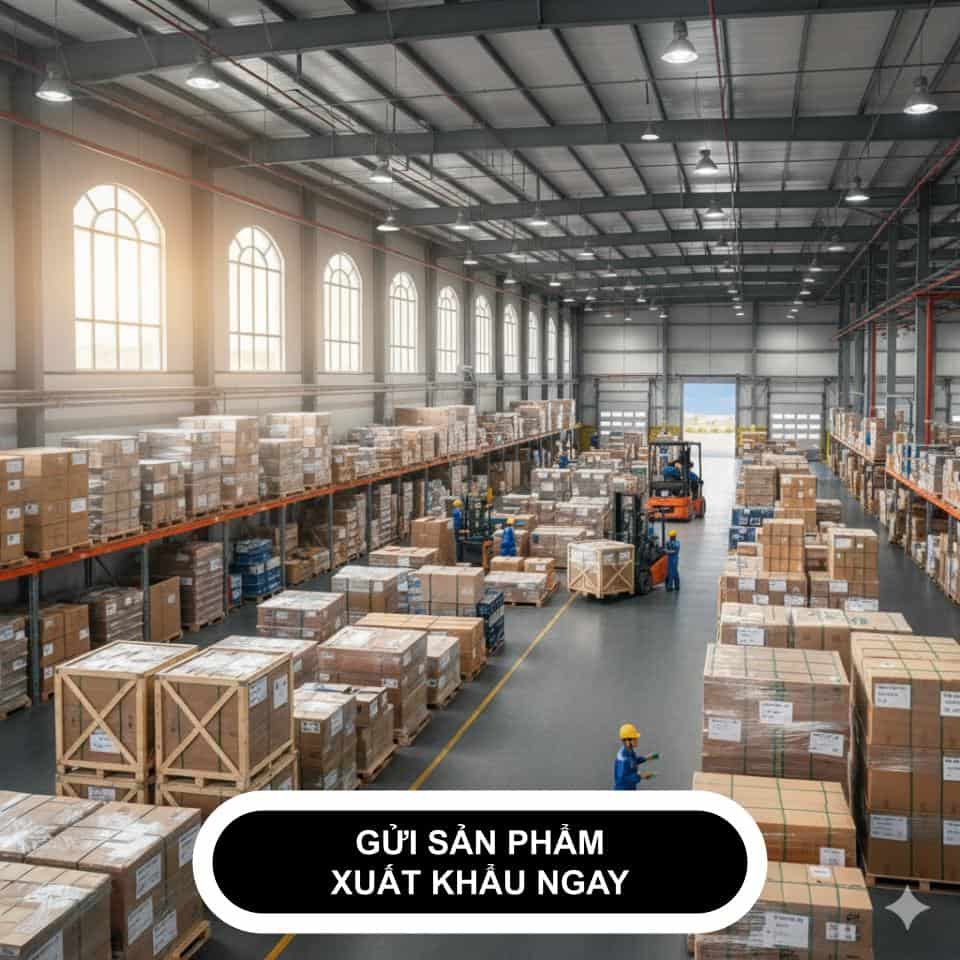
Demurrage refers to a penalty charge levied by shipping lines or port authorities when imported cargo, specifically containers, remains inside the terminal, port, or depot beyond the allocated free time. This free time is a predefined period during which the consignee can store their goods at the port without incurring additional charges. Once this grace period expires, demurrage begins to accrue daily, per container, until the cargo is successfully picked up and cleared from the terminal.
The primary purpose of demurrage is twofold: firstly, it compensates the shipping line or port for the loss of utility and potential revenue from their equipment (containers) and terminal space. When containers are not cleared promptly, they occupy valuable real estate and tie up equipment that could otherwise be used for new shipments. Secondly, demurrage acts as an incentive for consignees to expedite the clearance and collection of their cargo. This encourages a smoother flow of goods through the port, reducing port congestion demurrage solutions and ensuring the efficient use of limited terminal resources. Without such charges, ports could quickly become overwhelmed with uncleared cargo, leading to significant operational bottlenecks.
2. Demurrage vs. Detention Fees: Key Differences
While often discussed together as demurrage and detention fees, it’s vital to understand the distinct differences between these two types of charges. Both are penalties for exceeding free time, but they apply at different stages of the shipping process and in different locations.
- Demurrage: As established, demurrage applies to the period a container stays inside the port, terminal, or depot beyond the free time. It’s essentially a charge for occupying terminal space and equipment, and it ceases once the container is physically moved out of the port gates.
- Detention: In contrast, detention charges apply when a container remains outside the port, terminal, or depot beyond the allotted free time. This typically occurs after a full container has been picked up from the port but not returned empty to the designated depot within the specified free days. Detention is a charge for the extended use of the shipping line’s container equipment while it’s in the consignee’s possession, usually for unpacking or transit to a return point. The Federal Maritime Commission (FMC) provides excellent resources detailing these distinctions and related regulations, offering insights into fair practices in the industry. For a deeper understanding of these regulations, refer to the FMC Fact Sheet: Demurrage and Detention.
In essence, demurrage is about terminal usage, while detention is about equipment (container) usage outside the terminal. Both contribute significantly to the overall cost of shipping if not managed properly.
3. Standard Free Days and Grace Periods
A crucial factor in managing and ultimately learning how to avoid demurrage charges is understanding the concept of “free days” and any associated “grace periods.” Free days represent the specific number of days, starting from the container’s arrival at the port or its availability for pickup, during which the consignee can retrieve their cargo without incurring demurrage fees. This period varies widely depending on several factors:
- Carrier: Different shipping lines offer varying free time policies.
- Port of Destination: Some ports, especially those with high congestion, might offer fewer free days.
- Container Type: Standard dry containers might have more free days than specialized equipment like reefers (refrigerated containers), which are in higher demand and have higher operational costs.
- Trade Lane and Commodity: Certain routes or types of goods might have specific agreements for free time.
- Contractual Agreements: Large volume shippers often negotiate extended free days with carriers.
Typically, standard free days range from 3 to 7 days, but this is not a universal rule. Some regions or agreements might offer less, while others, particularly for specific cargo types or during off-peak seasons, could extend to 10-14 days. Understanding the precise demurrage calculation method for each shipment involves knowing these free days, as the charges begin to accrue immediately after this period ends. Therefore, it is imperative for consignees to verify the exact free time offered by their carrier and port well in advance of the cargo’s arrival to plan for timely clearance and minimize potential demurrage expenses.
How Demurrage Charges Are Calculated and Applied
In the complex world of international shipping, understanding various fees and charges is crucial for efficient supply chain management. Among the most significant are demurrage charges, which are incurred when cargo remains in the port terminal beyond the agreed-upon free storage period. These fees are designed to compensate the port or shipping line for the use of their equipment and space, and to encourage prompt cargo clearance. Grasping the specific methodology behind demurrage calculation, including daily rates, varying tariffs, and common scenarios that trigger these fees, is essential for shippers, consignees, and freight forwarders alike. Proactive planning and a clear understanding of these mechanisms are key to mitigating these potentially costly expenses, which are often grouped with demurrage and detention fees.
1. Demurrage Calculation Method: Daily Rates & Tiers
The core of demurrage calculation revolves around two primary components: the duration of delay and the applicable daily rate. After a vessel discharges its cargo, a set number of “free days,” also known as laytime, are granted to the consignee for cargo pickup. This period typically ranges from 3 to 7 days, depending on the port, carrier, and type of cargo. Once this free period expires, demurrage charges begin to accrue.
The demurrage calculation method often involves daily rates that can be structured in tiers. For instance, the rate for the first 5 days after the free period might be lower than the rate for subsequent days. A common tiered structure could look like this: $75 per container per day for days 1-5, escalating to $150 per day for days 6-10, and potentially even higher thereafter. These rates accumulate daily until the cargo is successfully cleared from the port terminal. The total demurrage is calculated by multiplying the daily rate(s) by the number of days the cargo overstayed its free period, taking into account any tiered pricing. For example, if a container overstays by 7 days beyond a 5-day free period, and the tiered rates are $75 for days 1-5 and $150 for days 6-7, the total charge would be (5 days * $75) + (2 days * $150) = $375 + $300 = $675.
2. Factors Influencing Demurrage Rates (Port, Carrier, Commodity)
Several variables contribute to the specific demurrage rates and free day allowances applied to a shipment. These factors can vary significantly, making it imperative for supply chain stakeholders to verify terms for each specific shipment:
- Port of Discharge: Different ports have their own operational efficiencies, congestion levels, and local regulations. Ports experiencing frequent port congestion demurrage solutions often have higher demurrage rates or shorter free periods to encourage quicker throughput. Busy global hubs typically have tighter schedules and higher costs.
- Shipping Carrier/Line: Each shipping line sets its own demurrage tariffs and free day policies as part of their service offerings. These can vary widely, with some carriers offering more generous free time than others, often as a competitive advantage or based on the type of service contract.
- Commodity Type: The nature of the cargo can significantly influence demurrage terms. Hazardous materials, refrigerated goods (reefer containers), or specialized cargo often come with shorter free periods and higher daily rates due to their specific handling requirements, potential risks, and the limited availability of specialized equipment.
- Equipment Type: Standard dry containers generally have different rates than specialized equipment like open-top, flat-rack, or reefer containers. The higher demand and operational cost for specialized equipment typically translate to higher demurrage fees.
- Contractual Agreements: Large shippers or those with long-term volume contracts may negotiate bespoke agreements with carriers, often securing extended free days or preferential demurrage rates as part of their broader service level agreements.
3. Common Scenarios Leading to Charges
Understanding the triggers for demurrage is the first step in learning how to avoid demurrage. These charges often stem from various operational bottlenecks or administrative errors:
- Port Congestion: This is a prevalent issue, particularly in high-volume ports or during peak seasons. Vessels waiting to berth, delays in unloading, or a shortage of chassis can prevent timely cargo retrieval. Port congestion demurrage solutions often involve rerouting or advanced planning.
- Documentation Errors or Delays: Incorrect, incomplete, or missing paperwork (e.g., Bill of Lading, commercial invoice, packing list, import permits) can halt customs clearance and cargo release. Any discrepancy can lead to holds and subsequent demurrage.
- Consignee Delays: The importer or consignee might not be prepared to pick up the cargo due to a lack of available warehouse space, insufficient inland transportation, or internal operational issues, leading to the cargo sitting at the terminal.
- Customs Clearance Issues: Lengthy customs inspections, disputes over tariff classifications, or delays in duty payment can significantly prolong the time cargo spends at the port. New regulations or heightened security measures can also contribute to delays.
- Financial Constraints: A consignee’s inability to pay duties, taxes, or outstanding freight charges promptly can prevent the release of cargo, directly resulting in mounting demurrage fees.
- Labor Disruptions: Strikes by port workers, truckers, or customs officials can bring operations to a standstill, causing unavoidable delays and demurrage accumulation.
- Force Majeure Events: Unforeseen circumstances such as severe weather, natural disasters, or pandemics can cause port closures or severe operational slowdowns, making it impossible to retrieve cargo within the free time.
By understanding these common pitfalls and the detailed calculation methodology, businesses can implement strategies to streamline their logistics operations, improve communication with all parties involved, and ultimately minimize the impact of demurrage charges on their bottom line.
Strategies: How to Avoid Demurrage Fees Effectively
Demurrage charges represent a significant and often avoidable cost in international shipping, arising when cargo remains at the port terminal beyond the agreed-upon free time. These penalties accrue daily, quickly eroding profit margins and disrupting supply chains. For both shippers and consignees, understanding and implementing proactive strategies is paramount to effectively minimize or completely avoid incurring demurrage charges. This section provides actionable best practices to navigate the complexities of port operations, customs, and carrier communications, ultimately helping businesses streamline their logistics and safeguard their bottom line.
1. Optimizing Documentation and Customs Clearance Processes
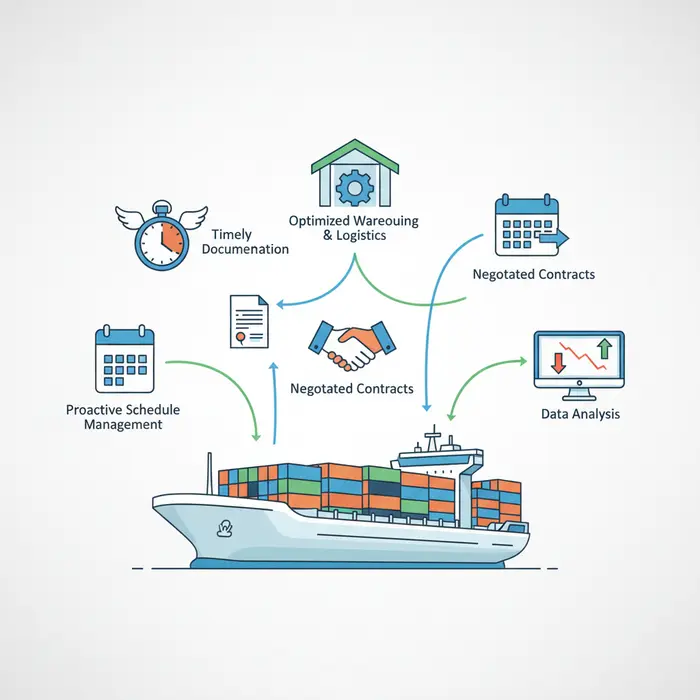
One of the most frequent culprits behind accruing demurrage fees is delays in documentation and customs clearance. To how to avoid demurrage effectively, shippers and consignees must prioritize meticulous preparation and timely submission of all required paperwork. This includes commercial invoices, packing lists, bills of lading, certificates of origin, and any specific permits or licenses required by the destination country.
- Pre-Filing and Electronic Submission: Leverage electronic data interchange (EDI) and pre-filing options with customs authorities. Submitting documentation digitally and in advance of the vessel’s arrival can significantly expedite the clearance process.
- Accuracy is Key: Even minor discrepancies or errors in documentation can lead to customs holds, inspections, and subsequent delays. Implement rigorous internal checks to ensure all information is accurate and consistent across all documents.
- Understand Import Regulations: Stay updated on the latest import regulations, tariffs, and specific requirements of the destination country. Changes in regulations can easily catch unprepared parties off guard, impacting the demurrage calculation method and ultimately increasing costs.
- Engage Experienced Customs Brokers: Partnering with a reputable and experienced customs broker who has in-depth knowledge of local regulations can be invaluable. They can advise on specific requirements, identify potential issues before they arise, and expedite the clearance process on your behalf, especially for complex shipments or during periods of high port congestion demurrage solutions.
2. Efficient Communication with Carriers and Forwarders
Proactive and transparent communication is a cornerstone of preventing demurrage and detention fees. A breakdown in communication can lead to missed deadlines, uncoordinated logistics, and unnecessary delays.
- Negotiate Free Time: Before booking a shipment, proactively negotiate the free time allowance with your carrier or freight forwarder. Depending on the volume of your shipments and your relationship with the carrier, there might be room to extend the standard free time, particularly for destinations known for congestion. Clearly understand the terms for both demurrage and detention fees, as they are distinct charges.
- Real-Time Tracking and Updates: Utilize carrier tracking tools and demand regular updates on vessel arrival times, estimated time of discharge (ETD), and actual time of arrival (ATA). This allows for better planning of truck availability and warehouse space.
- Share Crucial Information: Keep your carrier and forwarder informed about your readiness to receive the cargo, including any specific delivery requirements, appointment schedules at warehouses, or potential internal delays you might anticipate.
- Clarify Responsibilities: Ensure a clear understanding of who is responsible for each leg of the journey, from port discharge to final delivery. This prevents ambiguity and ensures timely action from all parties involved.
3. Pre-Clearance and Early Release Options
Leveraging options that allow cargo to be processed or released before the vessel even docks can significantly reduce the risk of incurring demurrage charges, especially in busy ports or during peak seasons.
- Utilize Pre-Clearance Programs: Investigate and participate in customs pre-clearance programs where available. These programs allow import duties and taxes to be paid and customs formalities to be completed before the cargo’s physical arrival, enabling immediate release upon discharge.
- Direct Delivery and Transshipment: Explore possibilities for direct delivery from the port to your warehouse, bypassing temporary storage at the terminal. For multi-leg journeys, optimize transshipment arrangements to minimize layover times.
- Advance Planning for Trucking: Arrange for trucking and drayage services well in advance of the vessel’s arrival. Ensure that trucks are available and scheduled to pick up containers as soon as they are discharged and cleared. Poor coordination of inland transport is a common cause of containers sitting idle at the port.
- Consider Bonded Warehousing: In some cases, using bonded warehousing can offer flexibility. While not eliminating customs duties, it allows cargo to be moved out of the port terminal and into a bonded facility, stopping demurrage charges while customs clearance is finalized. This can be a practical solution for complex clearances or when dealing with high port congestion demurrage solutions where terminal space is limited.
By integrating these strategies, businesses can significantly reduce their exposure to costly demurrage charges, fostering more resilient and cost-effective supply chains.
Demurrage Solutions for Port Congestion and Delays
Port congestion and unexpected delays are increasingly common challenges in global supply chains, leading to significant financial repercussions for shippers, importers, and exporters. Among these costs, demurrage charges stand out as a major concern, accruing daily when containers remain at the terminal beyond the allotted free time. Mitigating these costs requires a multifaceted approach, combining proactive planning, real-time monitoring, and strategic use of technology to navigate the complexities of modern logistics.
1. Understanding Port Congestion Impact on Demurrage
Demurrage is essentially a penalty charge levied by the shipping line for the extended use of their container inside the terminal beyond a specified free period, usually 3-7 days. While often confused with demurrage and detention fees, demurrage specifically applies to the container’s time *within* the port or terminal. The primary culprit behind soaring demurrage costs is often port congestion, which can manifest in various forms: an influx of vessels overwhelming terminal capacity, labor shortages, equipment breakdowns, or adverse weather conditions.
These delays prevent containers from being picked up or returned within the free time, regardless of whether the shipper is at fault. Consequently, the container incurs daily demurrage until it’s moved. Understanding the demurrage calculation method is crucial; these charges typically escalate after the initial free days, making rapid response imperative. Beyond congestion, other unforeseen delays like customs inspections, documentation errors, or even issues with inland transport can also contribute to containers overstaying their welcome, racking up costly fees that eat into profit margins and disrupt supply chain efficiency.
2. Proactive Monitoring and Contingency Planning
The most effective strategy for how to avoid demurrage is robust proactive monitoring and comprehensive contingency planning. Before a shipment even leaves its origin, shippers should gather intelligence on the destination port’s current status and historical congestion patterns. This involves staying abreast of geopolitical events, weather forecasts, and labor relations that could impact port operations. Collaborating closely with freight forwarders and carriers is vital; they often have real-time insights into port conditions and can provide early warnings about potential delays.
Developing contingency plans includes identifying alternative ports or inland depots where containers can be diverted if the primary port faces severe congestion. Negotiating extended free time with carriers in contracts, especially for high-volume routes or during peak seasons, can also serve as a critical buffer. Furthermore, ensuring all documentation is accurate and submitted well in advance can prevent customs-related delays. For shippers, maintaining flexible inventory levels or having buffer stock can provide breathing room when shipments are inevitably delayed, reducing the pressure to incur demurrage as they wait for goods.
3. Leveraging Technology for Visibility and Tracking
In today’s complex logistics landscape, technology is an indispensable tool for developing effective port congestion demurrage solutions. Real-time visibility platforms, powered by IoT sensors, GPS tracking, and advanced analytics, provide precise locations of containers and their estimated arrival times. This level of granular tracking allows shippers to monitor their cargo’s journey, identify potential bottlenecks early, and anticipate delays before they lead to demurrage charges.
Predictive analytics, fed by vast datasets of historical port performance, weather patterns, and vessel schedules, can forecast congestion hotspots and suggest optimal routes or timing to avoid them. Digitalized documentation processes significantly reduce the risk of errors and accelerate customs clearance, minimizing one common cause of delays. Furthermore, integrating these platforms with port management systems and carrier APIs enables seamless communication and data exchange, allowing for quicker decision-making and more agile responses to unfolding situations. By embracing these technological advancements, businesses can gain unparalleled control over their supply chains, transforming reactive problem-solving into proactive demurrage prevention.
In conclusion, while port congestion and delays are inherent risks in global trade, the financial impact of demurrage charges can be significantly mitigated through a combination of diligent planning, continuous monitoring, and strategic technological adoption. Businesses that prioritize these solutions will not only save costs but also enhance the overall resilience and efficiency of their supply chains.
Best Practices for Managing Demurrage and Detention Fees
Demurrage and detention fees are significant and often unavoidable costs in international shipping, arising when cargo or containers exceed their allotted free time at ports or terminals. While a complete elimination of these demurrage charges might be unrealistic, businesses can significantly reduce their financial impact through proactive management, robust dispute resolution mechanisms, and strategic long-term carrier relationships. Understanding the nuances of demurrage and detention fees is crucial for optimizing supply chain efficiency and maintaining profitability.

1. Developing an Internal Demurrage Management Policy
A well-defined internal policy is the cornerstone of effective demurrage and detention management. This policy should outline clear procedures for every stage of the shipping process, from booking to final delivery, with a strong emphasis on how to avoid demurrage. Key components of such a policy include:
- Pre-Shipment Planning: Thoroughly vet shipping lines and freight forwarders for their free time allowances, port specific rules, and track records regarding delays. Ensure realistic transit times and delivery schedules are communicated to all parties involved.
- Document Management: Establish a system for prompt and accurate document submission (e.g., bills of lading, customs declarations) to prevent delays related to paperwork. Digitalization and automation can play a pivotal role here.
- Real-time Tracking and Communication: Implement robust systems to monitor cargo movement and container status in real-time. Proactive communication with carriers, customs brokers, and consignees about potential delays is essential to extend free time or reroute shipments if necessary.
- Defined Responsibilities: Clearly assign roles and responsibilities within your organization for tracking free time, monitoring port congestion, and escalating potential issues. This ensures accountability and timely action.
- Contingency Planning: Develop protocols for handling unforeseen circumstances such as port strikes, adverse weather, or customs delays. This might involve pre-approved alternative transport options or storage solutions.
2. Disputing Unfair or Incorrect Charges
Despite best efforts, demurrage charges may still arise. It’s imperative to have a systematic approach for disputing charges that are unfair, incorrect, or caused by factors outside your control. This process involves:
- Understanding Contracts and Tariffs: Familiarize yourself with the carrier’s specific terms and conditions, free time provisions, and published tariffs. Know your rights and obligations before entering into any dispute. A good understanding of the demurrage calculation method and its application can be instrumental in this process.
- Meticulous Record-Keeping: Maintain detailed records of every interaction, communication, and event related to a shipment. This includes timestamps, email correspondences, port notices, truck arrival/departure times, and proof of attempts to pick up/return containers. Solid evidence is your strongest asset in a dispute.
- Prompt Notification: Inform the carrier or terminal of your intent to dispute the charges as soon as possible, ideally within their specified timeframe. Delaying notification can weaken your position.
- Clear Justification: Present your case with a clear, concise explanation of why the charges are unfair, supported by your documented evidence. Common grounds for dispute include carrier-induced delays, port congestion beyond reasonable expectations, or miscalculation of free time.
- Escalation Path: Understand the carrier’s internal dispute resolution process. If initial attempts fail, be prepared to escalate the issue through higher management or, if necessary, seek external mediation or legal advice.
3. Building Strong Carrier Relationships
Cultivating strong, long-term relationships with shipping lines and freight forwarders can significantly mitigate the impact of demurrage and detention fees. A collaborative approach fosters flexibility and understanding, especially during challenging times like port congestion demurrage solutions scenarios.
- Transparency and Communication: Maintain open and honest communication with your carriers. Share your operational challenges and expectations, and be receptive to theirs. Early warnings about potential delays from either side can prevent costly surprises.
- Consistent Volume: Businesses that offer consistent, high-volume shipments often gain leverage in negotiations. This can lead to extended free time, more favorable rates, or a more lenient approach to minor infringements.
- Negotiating Favorable Terms: Leverage your relationship to negotiate better free time allowances, lower per-day charges for demurrage and detention, or specific clauses for unavoidable delays in your contracts. Review these terms periodically.
- Feedback and Collaboration: Provide constructive feedback to your carriers and collaborate on solutions to improve efficiency. This shows commitment to a mutually beneficial partnership, which can pay dividends when you need a favor, such as an urgent free time extension.
By integrating these best practices into your operational framework, businesses can transform demurrage and detention from unpredictable cost centers into manageable elements of their supply chain, fostering greater predictability and financial stability.
Partner with Vietnam’s Leading Suppliers
Looking for reliable suppliers in Vietnam? Contact VietnamSuppliers.com today to connect with verified manufacturers and exporters across all industries.
—————————————
References
– FMC Fact Sheet: Demurrage and Detention: https://www.fmc.gov/wp-content/uploads/2021/01/Demurrage-and-Detention-Fact-Sheet.pdf
– Demurrage Definition: https://www.investopedia.com/terms/d/demurrage.asp
– Guidance for the Onshore Handling of Containers by ICS: https://www.ics-shipping.org/publication/guidance-for-the-onshore-handling-of-containers/
– Demurrage and Detention Explained – BIMCO: https://www.bimco.org/news-and-trends/publications/bulletins/2021/04/demurrage-and-detention-explained
– BIMCO: Demurrage and detention – how to manage the costs: https://www.bimco.org/news-and-trends/articles/2020/09/demurrage-and-detention-how-to-manage-the-costs