What is Cross-Docking and Why it Matters Globally?
In the intricate world of global trade, efficiency and speed are paramount. Businesses continuously seek innovative strategies to reduce costs, accelerate delivery times, and enhance customer satisfaction. Among these strategies, cross-docking has emerged as a critical component, revolutionizing how goods move through supply chains, particularly in complex international logistics. Far more than just a warehousing technique, cross-docking is a sophisticated Cross-Docking Logistics for Global Supply Chains Explained, designed to minimize storage and maximize throughput, making it indispensable for modern global supply chains.
1. Defining Cross-Docking: Beyond the Warehouse
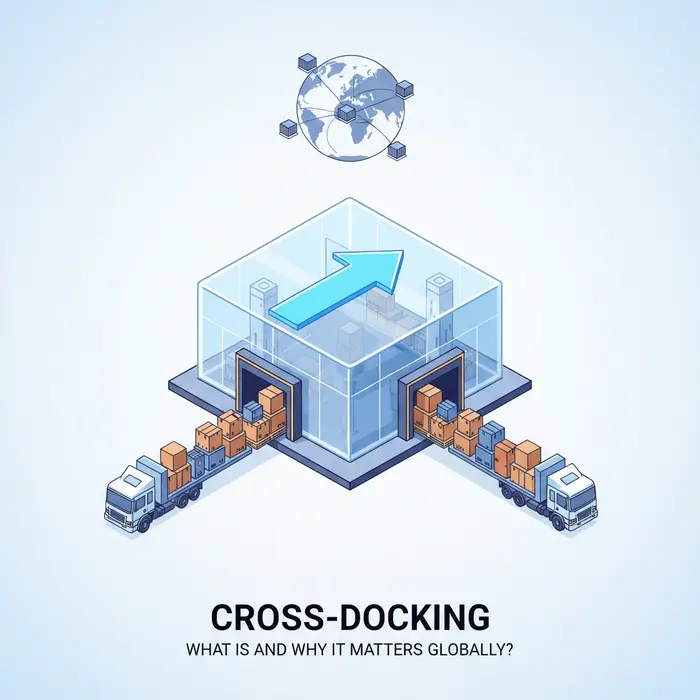
At its core, cross-docking is a logistics practice where incoming materials or products are directly transferred from an inbound transportation vehicle to an outbound transportation vehicle, with little or no interim storage. Unlike traditional warehousing, which involves extensive storage and retrieval, cross-docking facilities, known as cross-dock terminals, act as sorting and consolidation points rather than long-term storage units. The process typically involves receiving goods on one side of the facility, sorting them by destination, and immediately loading them onto outbound trucks or containers on the other side.
There are several types of cross-docking operations explained, each tailored to specific supply chain needs. Manufacturing cross-docking consolidates inbound components for specific production orders. Distributor cross-docking combines products from various vendors into mixed loads for retail customers. Transportation cross-docking consolidates shipments from multiple carriers in less-than-truckload (LTL) scenarios to achieve full truckload (FTL) economies. Lastly, retail cross-docking merges products from various suppliers for direct delivery to retail stores, often pre-sorted and packaged for immediate shelf placement. This versatility underscores cross-docking’s capacity to adapt to diverse business models and product flows.
2. The Role of Cross-Docking in Modern Trade
The increasing complexity of global supply chains, characterized by longer lead times, diverse sourcing locations, and heightened customer expectations, has elevated cross-docking from a niche tactic to a strategic imperative. Its ability to expedite the movement of goods makes it particularly valuable for international shipping. By bypassing traditional warehousing, cross-docking significantly reduces inventory holding costs, minimizes handling, and shortens delivery cycles, which are crucial cross-docking cost reduction strategies.
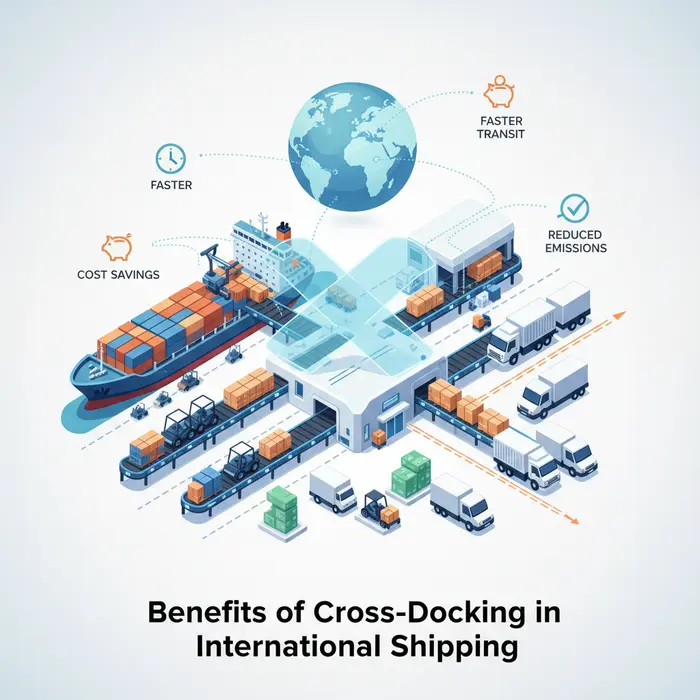
The benefits of cross-docking in international shipping are manifold. It allows for faster transit times, essential for time-sensitive goods and perishable items. It also enhances supply chain visibility and responsiveness, enabling companies to react swiftly to changes in demand or disruptions. Furthermore, by consolidating smaller shipments into larger, more efficient loads, it optimizes transportation capacity, leading to reduced freight costs and a smaller carbon footprint. This operational agility is vital for businesses operating across multiple continents, where delays can translate into significant financial losses and customer dissatisfaction.
3. Key Principles for Global Application
Implementing cross-docking effectively in a global context requires adherence to several key principles. Foremost is precise timing and synchronization. Success hinges on the coordinated arrival of inbound shipments with the departure of outbound vehicles. This demands robust scheduling and real-time communication among all supply chain partners, including suppliers, carriers, and international cross-docking services providers. Advanced logistics software and robust information sharing platforms are critical to managing this intricate ballet of goods movement.
Another crucial principle is robust data management and visibility. Accurate and timely information about product volume, destination, and special handling requirements is essential for efficient sorting and loading. Without this, the risk of errors and delays increases dramatically. Furthermore, strong collaborative partnerships are vital. Working closely with suppliers and carriers to standardize packaging, labeling, and delivery schedules can greatly streamline cross-docking operations. For global businesses looking to achieve peak efficiency and flexibility, embracing cross-docking is not merely an option but a strategic necessity for streamlining supply chain operations and maintaining a competitive edge in today’s dynamic international marketplace.
Types of Cross-Docking Operations Explained
Cross-docking, a pivotal logistics strategy, has evolved from a simple inventory bypass method into a sophisticated operational model crucial for optimizing global supply chains. Far from a one-size-fits-all solution, its implementation varies significantly based on industry, product characteristics, and strategic objectives. Understanding the specific types of cross-docking operations explained is essential for businesses seeking to leverage this powerful technique to enhance efficiency, reduce costs, and improve responsiveness in an increasingly complex international trade landscape. These diverse methodologies cater to distinct supply chain challenges, from raw material procurement for manufacturing to the rapid distribution of finished goods.
1. Manufacturing & Production Cross-Docking
This type of cross-docking is integral to modern manufacturing processes, particularly those operating under Just-In-Time (JIT) or lean manufacturing principles. Here, inbound raw materials, components, or sub-assemblies are received at a cross-dock facility and immediately routed to the production line or assembly area, bypassing traditional warehouse storage. The primary objective is to minimize inventory holding costs and storage space, reduce material handling, and accelerate the flow of goods into production. For global supply chains, this is immensely beneficial when sourcing components from various international suppliers. Instead of storing large quantities of imported parts, which can tie up significant capital and incur high carrying costs, manufacturing cross-docking ensures that these materials arrive precisely when needed. This strategy is particularly effective for high-volume, repetitive manufacturing environments and plays a key role in Cross-Docking Logistics for Global Supply Chains Explained, providing a streamlined approach to managing complex material flows. By synchronizing inbound logistics with production schedules, companies can achieve substantial cross-docking cost reduction strategies related to inventory and obsolescence.
2. Distributor & Retail Cross-Docking
Perhaps the most recognized form, distributor and retail cross-docking focuses on expediting the flow of finished goods from multiple suppliers to various retail stores or end-customers. In this model, products arrive at a cross-dock facility, are sorted by destination (e.g., individual store, region, or customer order), and then quickly reloaded onto outbound trucks for delivery. Crucially, these goods spend minimal time in the facility, often just hours, avoiding long-term storage. This approach significantly reduces storage costs, improves inventory turnover, and shortens lead times, which are critical benefits of cross-docking in international shipping for fast-moving consumer goods (FMCG), perishable items, and promotional merchandise. For multinational retailers, leveraging International cross-docking services providers allows for centralized processing of internationally sourced products before final distribution to country-specific retail networks. This efficiency gain is especially profound when dealing with diverse product ranges and widespread distribution points, ensuring shelves are stocked swiftly and reducing the risk of stockouts.
3. Transportation Consolidation & Deconsolidation
This category of cross-docking primarily focuses on optimizing freight movement and maximizing vehicle utilization.
- Consolidation: Involves collecting multiple smaller shipments (Less-than-Truckload, LTL; or Less-than-Container-Load, LCL) from various origins at a cross-dock facility. These smaller shipments are then combined into full truckloads (FTL) or full container loads (FCL) for long-haul transportation. This significantly reduces per-unit shipping costs, minimizes the number of vehicles on the road, and lowers fuel consumption. It’s a cornerstone for companies looking to manage inbound international freight from multiple suppliers efficiently.
- Deconsolidation: The reverse process, where large FTL or FCL shipments arriving from a distant origin (often an international port) are broken down into smaller, individual shipments at a cross-dock facility. These smaller loads are then quickly routed for final mile delivery to various local destinations. This method is vital for efficient last-mile distribution, especially in urban areas, reducing transit times and improving delivery flexibility. Both consolidation and deconsolidation are fundamental for streamlining optimizing logistics operations, providing a flexible hub for managing diverse product flows and improving the overall efficiency of freight networks. This flexible approach to freight handling epitomizes the strategic value of the types of cross-docking operations explained in modern logistics.
Each cross-docking model offers distinct advantages, aligning with specific business needs and product characteristics. From supporting lean manufacturing to accelerating retail distribution and optimizing transportation costs, the strategic application of these operations is fundamental for companies aiming to build resilient, cost-effective, and responsive global supply chains. Selecting the right type, or often a combination thereof, is key to unlocking the full potential of cross-docking in today’s dynamic logistics environment.
Benefits of Cross-Docking in International Shipping
Cross-docking, a sophisticated logistics strategy, is increasingly recognized as a cornerstone for optimizing global supply chains. In the complex landscape of international freight, where timely deliveries, cost efficiency, and inventory management are paramount, cross-docking offers significant advantages. It streamlines the movement of goods, drastically reducing the need for long-term storage and accelerating product flow across borders. This operational model is particularly powerful for businesses engaged in international trade, enabling them to navigate customs, diverse regulations, and vast geographical distances with greater efficiency and control. By minimizing handling and storage, Cross-Docking Logistics for Global Supply Chains Explained provides a competitive edge, transforming traditional warehousing approaches into dynamic transit points.
International cross-docking services providers facilitate a seamless transfer of products from inbound international carriers to outbound domestic or international vehicles, often within hours. This strategic approach to logistics not only simplifies complex supply chains but also addresses critical challenges such as fluctuating demand, extended lead times, and the high costs associated with international inventory management. The benefits extend far beyond mere operational efficiency, touching upon financial performance, customer satisfaction, and overall market responsiveness, making it an indispensable tool for modern global businesses.
1. Reduced Inventory Holding & Storage Costs
One of the most immediate and significant benefits of cross-docking in international shipping is the dramatic reduction in inventory holding and storage costs. Traditional logistics models often necessitate large warehouses and distribution centers where goods are stored for extended periods, incurring substantial expenses related to rent, utilities, insurance, security, and inventory management systems. Cross-docking eliminates or significantly minimizes the need for such extensive storage by acting as a temporary consolidation or deconsolidation point. Instead of storing inventory, products are moved directly from inbound international freight containers or trucks to outbound local or regional distribution vehicles.
This approach directly contributes to effective Cross-docking cost reduction strategies. By holding inventory for only a matter of hours rather than days or weeks, businesses significantly cut down on warehousing overheads. Furthermore, it reduces the risk of obsolescence, damage, and pilferage – common issues associated with prolonged storage, especially for high-value or perishable international goods. For global supply chains, where real estate and operational costs can vary wildly between countries, these savings can be monumental, directly impacting the bottom line and freeing up capital for other strategic investments.
2. Faster Throughput and Shorter Lead Times
The very essence of cross-docking is speed, making it an unparalleled method for achieving faster throughput and shorter lead times in international logistics. By bypassing the traditional storage phase, goods spend minimal time within the distribution center. As soon as an inbound shipment arrives, it is sorted and dispatched to the appropriate outbound transportation, often within the same day. This rapid transfer significantly reduces the overall transit time for products from the point of origin to the final destination, which is crucial in a global market that demands quick delivery.
For businesses utilizing modern supply chain practices and dealing with international cross-docking services providers, this means goods can reach foreign markets or customers much quicker. The various Types of cross-docking operations explained, such as manufacturing, distributor, and retail cross-docking, all share this core objective of accelerating product movement. Shorter lead times translate directly into improved customer satisfaction, as products are delivered faster and more reliably. It also allows companies to respond more swiftly to market demands and trends, giving them a competitive edge in fast-paced international industries. The efficiency gained helps meet tight delivery windows and reduces the impact of potential delays in other parts of the international shipping process.
3. Enhanced Supply Chain Agility and Responsiveness
In today’s volatile global marketplace, the ability of a supply chain to be agile and responsive to sudden changes is paramount. Cross-docking inherently builds this flexibility into the logistics network, making it a critical asset for businesses operating in international waters. By reducing fixed inventory holdings, companies can adapt more quickly to demand fluctuations, unexpected disruptions, or shifts in consumer preferences across different countries. If a particular market experiences a surge in demand, cross-docking facilities can rapidly reroute products without being constrained by existing inventory in a distant warehouse.
This increased agility means that international freight operations can pivot efficiently. For instance, if an inbound shipment arrives but market conditions change, cross-docking allows for immediate redirection to a different outbound route or destination, minimizing the risk of holding obsolete stock or missing a sales opportunity. Furthermore, it enhances responsiveness to unforeseen events such as natural disasters, geopolitical issues, or port congestion, which are common challenges in global supply chains. With cross-docking, businesses can maintain a leaner, more adaptable inventory flow, ensuring that their products are always where they need to be, when they need to be there, thus solidifying their position as reliable global suppliers.
In the intricate tapestry of global commerce, efficient supply chain management is paramount. Cross-docking logistics for global supply chains explained is a dynamic strategy that offers significant potential for reducing costs and improving throughput. By minimizing storage time and directly transferring goods from inbound to outbound shipments, businesses can unlock substantial savings. This section delves into actionable strategies and best practices for optimizing cross-docking processes to achieve substantial cost reductions across the entire international supply chain.
1. Technology Integration: WMS, TMS, and IoT
Modern cross-docking operations thrive on advanced technology. Integrating robust systems like Warehouse Management Systems (WMS), Transportation Management Systems (TMS), and the Internet of Things (IoT) is fundamental to achieving efficiency and cost savings. A sophisticated WMS automates and optimizes the flow of goods within the cross-dock facility, from receiving to loading. It provides real-time visibility into inventory, streamlines labor allocation, and minimizes errors, which are common sources of delays and expenses. The benefits of cross-docking in international shipping are further amplified by a powerful TMS. This system orchestrates carrier selection, route optimization, and freight consolidation, ensuring goods move efficiently. By leveraging historical data and predictive analytics, a TMS identifies the most cost-effective routes and carriers, reducing transportation spend and transit times. Furthermore, IoT devices, such as smart sensors and RFID tags, offer unprecedented real-time tracking of goods as they move through the facility and across the global network. This enhanced visibility allows for proactive problem-solving, improved security, and more accurate arrival estimations, all contributing to significant operational efficiencies and reduced costs in complex international supply chains. These technologies enable businesses to implement various types of cross-docking operations explained with greater precision and control.
2. Optimizing Facility Layout & Workflow Efficiency
The physical layout of a cross-docking facility and the efficiency of its workflows directly impact operational costs. An optimally designed facility minimizes the distance goods travel from inbound to outbound docks, reducing handling time and labor requirements. This often involves a ‘U’ or ‘I’ shaped layout, allowing for quick transfer. Dedicated staging lanes, clear signage, and ergonomic equipment placement can significantly enhance throughput. Furthermore, standardizing processes and implementing lean methodologies are crucial for workflow efficiency. This means establishing clear operating procedures for receiving, sorting, inspecting, and loading. Regular staff training and continuous process improvement initiatives help eliminate bottlenecks and reduce errors. For instance, implementing a “put-to-store” or “put-to-route” strategy, where incoming goods are immediately sorted and placed onto outbound trailers, drastically cuts down on intermediate storage and handling. By focusing on efficient movement and minimizing touches, businesses can dramatically lower labor costs, improve speed, and increase the overall capacity of their cross-docking operations, which are vital for successful international cross-docking services providers.
3. Strategic Carrier & Route Optimization
Transportation costs represent a significant portion of the total logistics expenditure, especially in global supply chains. Implementing strategic carrier and route optimization is therefore a cornerstone of cross-docking cost reduction strategies. This involves not only selecting the right carriers but also dynamically managing routes and consolidating shipments effectively. Businesses should cultivate strong relationships with a portfolio of international cross-docking services providers who offer competitive rates and reliable services, potentially leveraging volume discounts. Regular performance reviews and contract negotiations are essential. Beyond carrier selection, sophisticated route optimization tools can analyze vast amounts of data, including traffic conditions, fuel prices, and delivery windows, to determine the most efficient paths. Consolidating smaller shipments into full truckloads or containers significantly reduces per-unit transportation costs. Furthermore, exploring opportunities for backhauling, where inbound trucks are utilized for outbound shipments, can turn empty returns into revenue-generating trips. Real-time tracking and communication with carriers enable dynamic adjustments to routes, responding to unforeseen delays or changes in demand. By continuously fine-tuning carrier relationships and optimizing transportation routes, companies achieve substantial savings while maintaining the speed and reliability that define efficient global cross-docking operations.
Embracing these multi-faceted strategies ensures that cross-docking transcends a simple transfer point to become a powerful engine for cost reduction and competitive advantage in the complex world of global supply chains.
International Cross-Docking Services Providers & Selection
In the intricate world of global trade, optimizing supply chain efficiency is paramount for businesses seeking a competitive edge. Cross-Docking Logistics for Global Supply Chains Explained offers a powerful solution, transforming the traditional warehousing model into a dynamic flow of goods. This strategy, characterized by the rapid transfer of products from inbound to outbound logistics with minimal or no storage, is particularly vital for international operations. It significantly reduces inventory holding costs, shortens lead times, and enhances responsiveness to market demands, delivering tangible benefits of cross-docking in international shipping. The success of international cross-docking, however, heavily relies on selecting the right third-party logistics (3PL) or fourth-party logistics (4PL) provider capable of navigating complex global regulations, diverse infrastructure, and varied geographical landscapes. This section explores the landscape of International cross-docking services providers and outlines critical selection criteria to ensure seamless, efficient global operations.
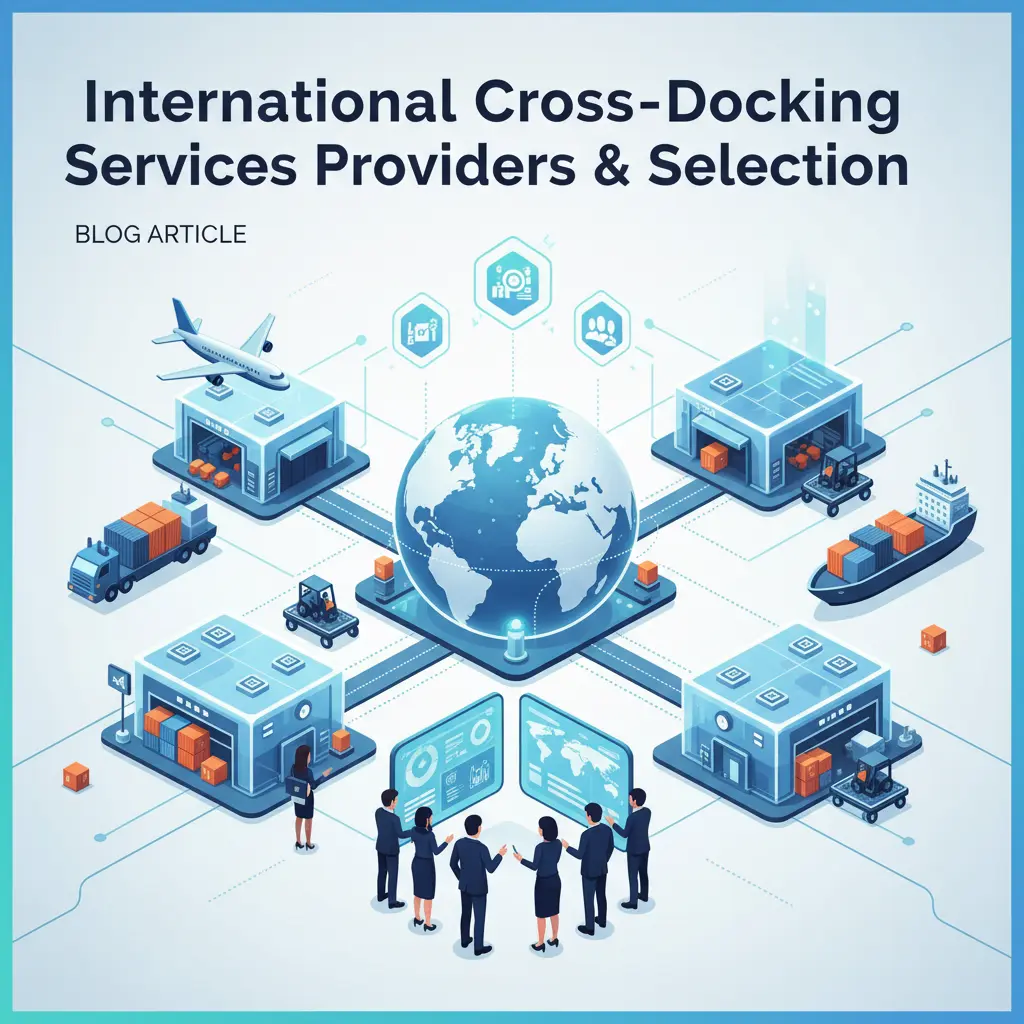
Identifying Reputable 3PL & 4PL Providers
The global logistics market is abundant with providers, but distinguishing between a mere freight forwarder and a true international cross-docking expert is crucial. Reputable 3PLs (Third-Party Logistics) manage specific logistics functions, including transportation, warehousing, and sometimes customs brokerage. 4PLs (Fourth-Party Logistics), on the other hand, act as a strategic integrator, overseeing the entire supply chain and coordinating multiple 3PLs to provide a comprehensive, end-to-end solution. For international cross-docking, seek providers with a proven track record in global freight management, extensive customs expertise across multiple jurisdictions, and a robust network of strategically located cross-dock facilities near major ports, airports, and distribution hubs. Their ability to handle diverse product types, from perishables requiring strict cold chain management to oversized industrial components, speaks volumes about their operational flexibility and reliability. Look for providers who offer transparency in their operations, utilizing advanced tracking systems and regular performance reporting to keep you informed every step of the way.
Key Criteria for Partner Selection in Global Markets
Selecting the ideal international cross-docking partner requires a meticulous evaluation based on several key criteria. Firstly, **Geographic Reach and Network Density** are paramount. Does the provider have facilities and operational capabilities in your target markets and crucial transit points? Secondly, **Technological Prowess** is non-negotiable. Modern cross-docking demands sophisticated Warehouse Management Systems (WMS), real-time visibility tools, EDI capabilities, and robust data analytics to optimize flow and minimize errors. Effective cross-docking operations rely heavily on seamless data exchange and automation to achieve maximum efficiency. Thirdly, **Customs and Compliance Expertise** is critical for global movements. An experienced provider will possess in-depth knowledge of international trade agreements, tariffs, duties, and import/export regulations, preventing costly delays and penalties. Fourthly, evaluate their **Security Protocols and Risk Management Strategies** to protect your goods during transit and at their facilities. Lastly, consider **Scalability and Flexibility**. Your chosen partner should be able to adapt to fluctuating volumes and evolving market conditions, offering solutions that grow with your business and contribute to significant cross-docking cost reduction strategies.
Leveraging Global Networks and Infrastructure
A premier international cross-docking provider doesn’t just offer services; they provide a strategic advantage by leveraging a vast global network and advanced infrastructure. Their strategically positioned cross-docking terminals enable efficient consolidation and deconsolidation of shipments, reducing handling costs and improving transit times. Understanding the types of cross-docking operations explained, such as manufacturing, distributor, and transportation cross-docking, helps businesses align with providers specializing in their specific needs. For instance, a provider with robust manufacturing cross-docking capabilities can streamline the flow of components to assembly lines across different countries, while a distributor-focused provider can rapidly move finished goods to retail outlets. By leveraging their global reach, advanced technology, and expertise, the right partner can transform your supply chain into a lean, agile, and responsive network. This strategic partnership helps mitigate risks associated with international logistics, provides real-time visibility into your inventory, and ultimately supports your global expansion efforts by ensuring reliable, on-time delivery while optimizing operational expenditures.
Partner with Vietnam’s Leading Suppliers
Looking for reliable suppliers in Vietnam? Contact VietnamSuppliers.com today to connect with verified manufacturers and exporters across all industries.
—————————————
References
– streamlining supply chain operations: https://www.inboundlogistics.com/cms/article/the-power-of-cross-docking/
– How cross-docking helps improve supply chain efficiency: https://www.supplychaindive.com/news/cross-docking-supply-chain-logistics-efficiency-inventory-management/625514/
– :
– Supply Chain Optimization Strategies: https://www.inboundlogistics.com/cms/article/supply-chain-optimization/
– Effective cross-docking operations rely heavily on seamless data exchange and automation to achieve maximum efficiency: https://www.supplychaindive.com/news/cross-docking-strategy-efficiency-optimization/618239/