Revolutionizing Global Supply Chain Optimization with AI
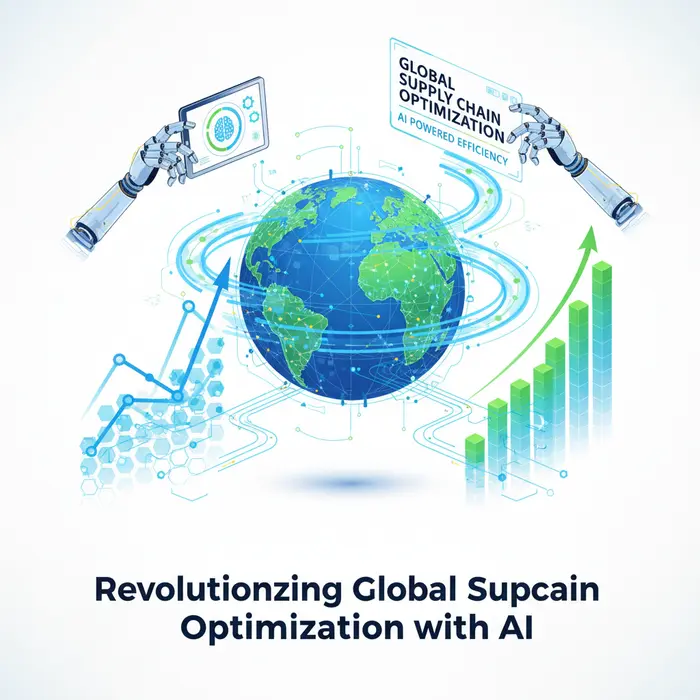
The global supply chain, once a complex yet largely manual network, is undergoing a profound transformation driven by artificial intelligence (AI). AI algorithms are not merely enhancing existing processes; they are fundamentally redefining traditional supply chain models, leading to unprecedented levels of efficiency, cost reduction, and resilience across international borders. The integration of AI in global trade is no longer a futuristic concept but a present-day imperative, empowering businesses to navigate the intricate landscape of international commerce with greater agility and foresight. This section delves into how AI is becoming the cornerstone of modern AI supply chain optimization, addressing challenges from unpredictable demand to logistical bottlenecks and geopolitical risks.
1. Predictive Analytics for Demand Forecasting
One of AI’s most impactful contributions to global supply chains is its capacity for sophisticated predictive analytics in demand forecasting. Traditional forecasting methods often rely on historical sales data, which can be insufficient in volatile markets. AI, however, leverages machine learning models to process vast datasets, including historical sales, market trends, socio-economic indicators, weather patterns, competitor activities, and even social media sentiment. This enables the creation of highly accurate demand predictions, minimizing both the costs associated with overstocking and the lost sales from understocking.
For industries dealing with intricate product lines, such as electronics components sourcing Vietnam, precise forecasting is paramount. AI can predict the demand for specific components months in advance, allowing manufacturers to optimize procurement, negotiate better prices, and ensure timely availability of critical parts. This proactive approach significantly enhances operational efficiency and customer satisfaction by ensuring products are available when and where they are needed, reducing waste and improving cash flow management.
2. Automated Inventory Management and Replenishment
Beyond forecasting, AI revolutionizes how inventory is managed and replenished across the globe. AI-driven systems provide real-time visibility into inventory levels across multiple warehouses and distribution centers, automatically adjusting reorder points and quantities based on actual demand, lead times, and supplier performance. This eliminates the need for manual stock checks and reduces human error, leading to optimal inventory levels at all times.
The synergy between AI and physical automation, exemplified by robotics automation import solutions, further refines this process. Robots in warehouses, guided by AI algorithms, can manage picking, packing, and sorting with unparalleled speed and accuracy. This not only speeds up order fulfillment but also reduces labor costs and warehouse operational expenses. AI continually learns from inventory movements, identifying patterns and optimizing storage layouts, ensuring that frequently accessed items are easily retrievable and that shelf life is maximized for perishable goods. This holistic approach ensures a lean, efficient, and responsive inventory system.
3. Risk Mitigation in Logistics and Shipping
Global logistics and shipping are inherently susceptible to a multitude of risks, from natural disasters and geopolitical instabilities to port congestion and supplier disruptions. AI offers powerful tools for comprehensive risk mitigation, transforming reactive responses into proactive strategies. AI algorithms continuously monitor global events, analyze vast amounts of data from news feeds, weather forecasts, shipping manifests, and traffic patterns to identify potential disruptions before they escalate.
When a risk is detected, AI can immediately assess its potential impact on supply routes and delivery schedules, suggesting alternative transportation modes, routes, or even alternative suppliers. For instance, if a major shipping lane is affected, AI can reroute cargo dynamically, minimizing delays and maintaining supply chain continuity. This real-time decision-making capability, often informed by insights into emerging technology trade policy changes, empowers businesses to maintain resilience. The World Economic Forum highlights the critical role of advanced technologies in building resilient supply chains, a testament to AI’s transformative power in this domain. (World Economic Forum)
In conclusion, AI is not just a technological advancement but a strategic imperative for any entity involved in global trade. From enhancing the precision of demand forecasting and streamlining inventory management to proactively mitigating logistical risks, AI offers a robust framework for optimizing every facet of the supply chain. Businesses embracing AI in global trade are better positioned to reduce operational costs, improve efficiency, and build more resilient and responsive supply networks capable of adapting to the ever-changing dynamics of the international market. As technology continues to evolve, AI’s role in shaping the future of global supply chain optimization will only grow, promising a more intelligent, agile, and sustainable ecosystem for worldwide commerce.
Smart Sourcing: Focus on Electronics Components from Vietnam
In an increasingly interconnected yet volatile global economy, the strategic advantage derived from intelligent sourcing cannot be overstated. Artificial intelligence (AI) is rapidly transforming global procurement, making supply chains more resilient, efficient, and transparent. This paradigm shift, often referred to as AI in global trade, is particularly impactful for high-demand sectors like electronics, where precision, quality, and timely delivery are paramount. As companies seek to optimize their AI supply chain optimization strategies, emerging manufacturing hubs like Vietnam are gaining prominence. Focusing on electronics components sourcing Vietnam offers a compelling blend of cost-effectiveness, skilled labor, and a burgeoning industrial ecosystem, all supercharged by AI-driven insights.
AI-Powered Vendor Selection and Vetting
Traditionally, identifying and vetting global suppliers was a labor-intensive, often subjective process fraught with risks. Manual evaluations, limited data, and geographical barriers could lead to suboptimal partnerships, impacting both quality and cost. AI is fundamentally reshaping this landscape by introducing unprecedented levels of data analysis and predictive intelligence into vendor selection. AI algorithms can scour vast datasets, including historical performance, financial reports, sustainability metrics, geopolitical stability, and even news sentiment, to create comprehensive risk profiles for potential suppliers.
For businesses engaged in electronics components sourcing Vietnam, this means the ability to identify manufacturers that not only offer competitive pricing but also possess a proven track record of reliability, ethical labor practices, and compliance with international standards. AI can predict potential disruptions or performance issues before they arise, enabling proactive risk mitigation. Machine learning models analyze patterns in past supplier performance, delivery times, quality control reports, and responsiveness to quickly identify the most suitable partners. This meticulous, data-driven approach dramatically reduces the risk of supply chain disruptions and ensures a robust network of high-performing vendors, crucial for maintaining competitive edge in the fast-paced electronics industry.
Quality Control and Compliance Monitoring
Maintaining stringent quality control and ensuring compliance with a myriad of international regulations are non-negotiable in the electronics sector. Flawed components can lead to costly recalls, reputational damage, and even safety hazards. AI is revolutionizing quality assurance by enabling real-time, predictive monitoring throughout the manufacturing process. Advanced computer vision systems, integrated with robotics automation import solutions, can inspect components at micron-level precision, detecting defects invisible to the human eye. These systems learn from vast quantities of data to identify anomalies and predict potential failures, allowing for immediate corrective action on the factory floor in Vietnam.
Beyond physical quality, AI also plays a critical role in compliance monitoring. It can track adherence to various global standards such as RoHS (Restriction of Hazardous Substances), REACH (Registration, Evaluation, Authorisation and Restriction of Chemicals), and other emerging technology trade policy requirements. AI-powered platforms can automatically flag non-compliant materials or processes, providing an auditable trail for regulatory purposes. This ensures that electronics components sourced from Vietnam meet the highest global benchmarks, safeguarding both product integrity and market access. The continuous, intelligent oversight provided by AI transforms quality control from a reactive inspection process into a proactive, preventative system, crucial for high-stakes electronics manufacturing.
Geographical Diversification Strategies (e.g., Vietnam)
Recent global events have underscored the fragility of concentrated supply chains, prompting a strategic pivot towards geographical diversification. Businesses are actively seeking to mitigate risks associated with over-reliance on a single region. Vietnam has emerged as a key beneficiary of this shift, rapidly becoming a preferred destination for electronics components sourcing Vietnam. Its stable political environment, growing skilled workforce, and supportive government policies make it an attractive alternative or complementary manufacturing base.
AI’s role in facilitating these diversification strategies is profound. It can analyze complex geopolitical, economic, and logistical data to recommend optimal locations for new manufacturing hubs or additional sourcing channels. This includes evaluating infrastructure readiness, labor costs, logistics networks, trade agreements, and potential future risks. By leveraging AI, companies can make informed decisions about expanding their footprint into regions like Vietnam, minimizing transition challenges and maximizing long-term resilience. As AI and advanced analytics continue to revolutionize supply chains, they empower businesses to build more robust, agile, and globally distributed procurement networks, reducing vulnerability to regional disruptions and fostering sustainable growth in the competitive electronics market.
Robotics Automation: Enhancing Import Solutions
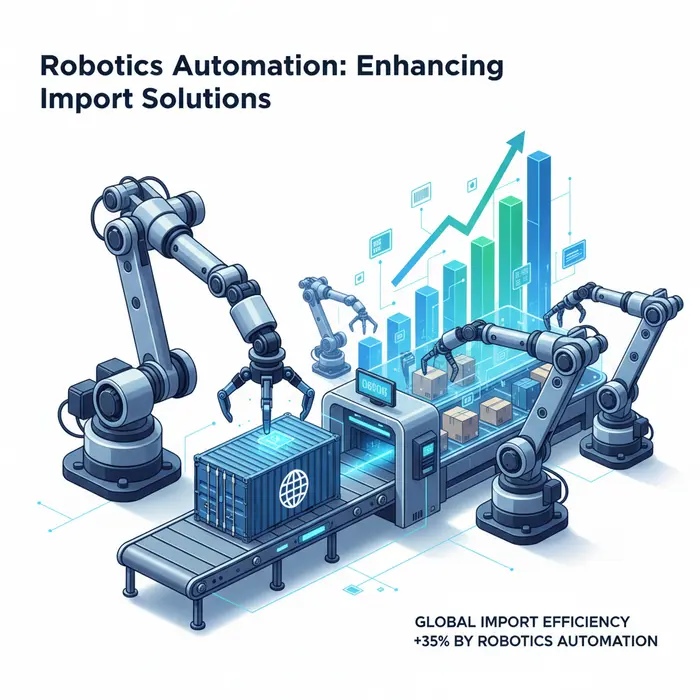
Robotics automation is rapidly reshaping the landscape of global trade, offering transformative import solutions that promise unprecedented efficiency and speed. As businesses navigate increasingly complex supply chains, the integration of advanced technologies like robotics and artificial intelligence is becoming crucial for optimizing operations from port to warehouse and beyond. This evolution is particularly vital for economies deeply integrated into global manufacturing, such as those involved in Electronics components sourcing Vietnam, where the efficient movement of goods directly impacts competitiveness. By leveraging sophisticated robotics automation import solutions, companies can overcome traditional bottlenecks, enhance customs efficiency, and ensure the accelerated movement of goods across international borders. The strategic application of AI in global trade is not just about automation; it’s about intelligent automation that predicts, adapts, and optimizes, driving significant improvements in the entire import ecosystem.
1. Automated Warehousing and Port Operations
The journey of imported goods often begins and pauses at ports and warehouses, areas traditionally prone to delays. Robotics automation is revolutionizing these crucial nodes. Automated Guided Vehicles (AGVs) and Autonomous Mobile Robots (AMRs) are now commonplace in modern warehouses, handling tasks from loading and unloading containers to sorting and retrieving items with remarkable speed and accuracy. At ports, robotic cranes and automated terminal operating systems are dramatically increasing throughput, reducing vessel turnaround times, and minimizing human error. These robotics automation import solutions ensure that goods, including critical electronics components sourced from Vietnam, spend less time waiting and more time moving towards their destination. The benefits extend beyond speed, encompassing enhanced safety for workers and a significant reduction in operational costs, proving that intelligent automation is key to AI supply chain optimization.
2. AI-Driven Customs Clearance and Documentation
Perhaps one of the most complex and time-consuming aspects of import processes is customs clearance. This is where AI in global trade truly shines, offering unparalleled solutions for efficiency and compliance. AI-powered systems can analyze vast datasets of trade regulations, tariffs, and compliance requirements in mere seconds, automating the preparation and submission of customs documentation. Machine learning algorithms can identify potential red flags, classify goods accurately, and even predict potential delays, allowing businesses to proactively address issues. This not only accelerates the clearance process but also significantly reduces the risk of penalties due to errors or non-compliance. Furthermore, the integration of AI with blockchain technology can create immutable and transparent records, fostering trust and streamlining cross-border transactions. Such innovations are critical for fostering an environment where the future of supply chains is driven by intelligent, predictive capabilities, impacting emerging technology trade policy as governments adapt to these advancements.
3. Robotics in Last-Mile Delivery and Distribution
The final leg of the import journey – last-mile delivery and distribution – is often the most challenging and expensive. Robotics automation is addressing these hurdles by introducing innovative delivery methods. Autonomous delivery vehicles, drones, and ground robots are increasingly being deployed to transport goods from distribution centers directly to consumers or final assembly points. These solutions promise faster delivery times, reduced labor costs, and greater operational flexibility, particularly in urban areas or remote locations. For specialized imports like electronics components sourcing Vietnam, precision and speed are paramount, and robotic systems can ensure delicate items are handled with care and delivered promptly. The adoption of these robotics automation import solutions is not just about speed; it’s about creating resilient and responsive distribution networks that can adapt to fluctuating demand and unforeseen disruptions, contributing significantly to AI supply chain optimization strategies.
The pervasive integration of robotics automation and AI in global trade is no longer a futuristic concept but a present reality. From the efficiency gains in automated warehousing and port operations to the precision of AI-driven customs clearance and the agility of robotic last-mile delivery, these technologies are fundamentally enhancing import solutions. They promise not only faster transit times and reduced costs but also increased accuracy, improved security, and enhanced resilience across the entire supply chain. As these emerging technology trade policies continue to evolve, businesses that strategically adopt these advanced robotics automation import solutions will be better positioned to navigate the complexities of international trade, ensuring a smoother, more efficient flow of goods globally. The future of imports is intelligent, automated, and seamlessly connected.
Emerging Technology: Shaping Global Trade Policy
Emerging technologies, particularly Artificial Intelligence (AI), are rapidly redefining the landscape of global trade, necessitating a fundamental re-evaluation and development of international trade policies and regulations. The pervasive influence of AI in global trade extends from optimizing supply chains to automating customs processes, creating both unprecedented opportunities and complex regulatory challenges.
The advent of AI, machine learning, blockchain, and advanced robotics is transforming every facet of international commerce. From predictive analytics that optimize logistics and reduce waste in AI supply chain optimization to sophisticated algorithms that detect fraud, these innovations promise greater efficiency, transparency, and connectivity. However, this technological leap also introduces new dimensions of complexity for policymakers. Governments worldwide are grappling with how to harness the economic benefits of these technologies while safeguarding national interests, ensuring fair competition, and addressing ethical concerns. The rapid pace of innovation often outstrips the traditional cycles of policy development, leading to a dynamic environment where emerging technology trade policy must be agile, forward-looking, and internationally coordinated to prevent fragmentation and foster a robust global digital economy.
1. Navigating Data Governance and Privacy Regulations
The proliferation of AI-driven trade inherently relies on vast amounts of data. From consumer preferences to logistics information, data is the new currency of global commerce. Consequently, data governance and privacy regulations have become a critical focal point for trade policy. Different jurisdictions impose varying standards for data collection, storage, transfer, and processing, leading to potential friction points in international trade. For instance, companies engaged in electronics components sourcing Vietnam or implementing robotics automation import solutions might encounter diverse data localization requirements or strict privacy laws like GDPR when dealing with data flows across borders. The challenge lies in harmonizing these disparate regulations to facilitate seamless digital trade without compromising individual privacy or national security. International bodies like the WTO are increasingly addressing these issues, striving to establish frameworks that support data flow while respecting sovereign regulatory prerogatives. The discussion around cross-border data flows and their impact on global trade is paramount for businesses leveraging AI, making robust data governance a cornerstone of modern trade policy.
2. Intellectual Property Protection in AI-Driven Trade
The protection of intellectual property (IP) is another complex area profoundly affected by AI in global trade. AI systems themselves can generate new inventions, creative works, and sophisticated algorithms, raising fundamental questions about ownership and inventorship. Who owns the IP created by an AI? How should trade secrets embedded in AI algorithms be protected when these systems are deployed across international borders? These questions become even more pertinent when considering advanced manufacturing processes and digital services powered by AI. Nations must re-evaluate their IP laws to ensure they are fit for the AI era, providing adequate protection to innovators while also fostering open innovation and preventing monopolization. The current international IP framework, largely developed for a pre-digital world, struggles to encompass the nuances of AI-generated content and inventions. Trade agreements are increasingly incorporating provisions on digital IP, seeking to establish common ground for protecting software, algorithms, and data-driven innovations against piracy and unauthorized use, crucial for fostering investment in AI research and development.
3. Geopolitical Implications of AI in Trade Agreements
The strategic importance of AI has significant geopolitical ramifications, directly influencing the negotiation and enforcement of trade agreements. AI capabilities are now seen as a critical component of national security and economic competitiveness. Major powers are vying for leadership in AI development, leading to export controls on advanced semiconductors and AI-related technologies, as well as debates over standard-setting and governance models. These geopolitical tensions can manifest in trade policies designed to either promote domestic AI industries or restrict access to critical technologies by rival nations. For example, trade discussions might include clauses on responsible AI development, ethical guidelines, or even provisions related to dual-use technologies. The World Trade Organization (WTO) recognizes the transformative potential and challenges of digital trade and AI. As highlighted by the WTO’s analysis on digital trade, leveraging technology effectively while addressing disparities is crucial for inclusive trade. This dynamic interplay between technological advancement, economic ambition, and national security is reshaping the architecture of global trade agreements, demanding intricate diplomacy and a forward-thinking approach to ensure a stable and equitable international trading system in the age of AI.
The confluence of AI and global trade policy represents a pivotal moment in international relations. As AI continues to evolve, trade policies must adapt quickly, balancing innovation with regulation, efficiency with ethics, and national interests with global cooperation. Addressing these multifaceted challenges effectively will determine the future trajectory of international commerce, ensuring that the benefits of AI-driven trade are widely shared and its potential pitfalls carefully managed.
Future Outlook: Opportunities and Challenges for AI in Trade
This section provides a forward-looking perspective on the potential growth areas, ethical considerations, and ongoing challenges facing the widespread adoption of AI in global trade by 2025.
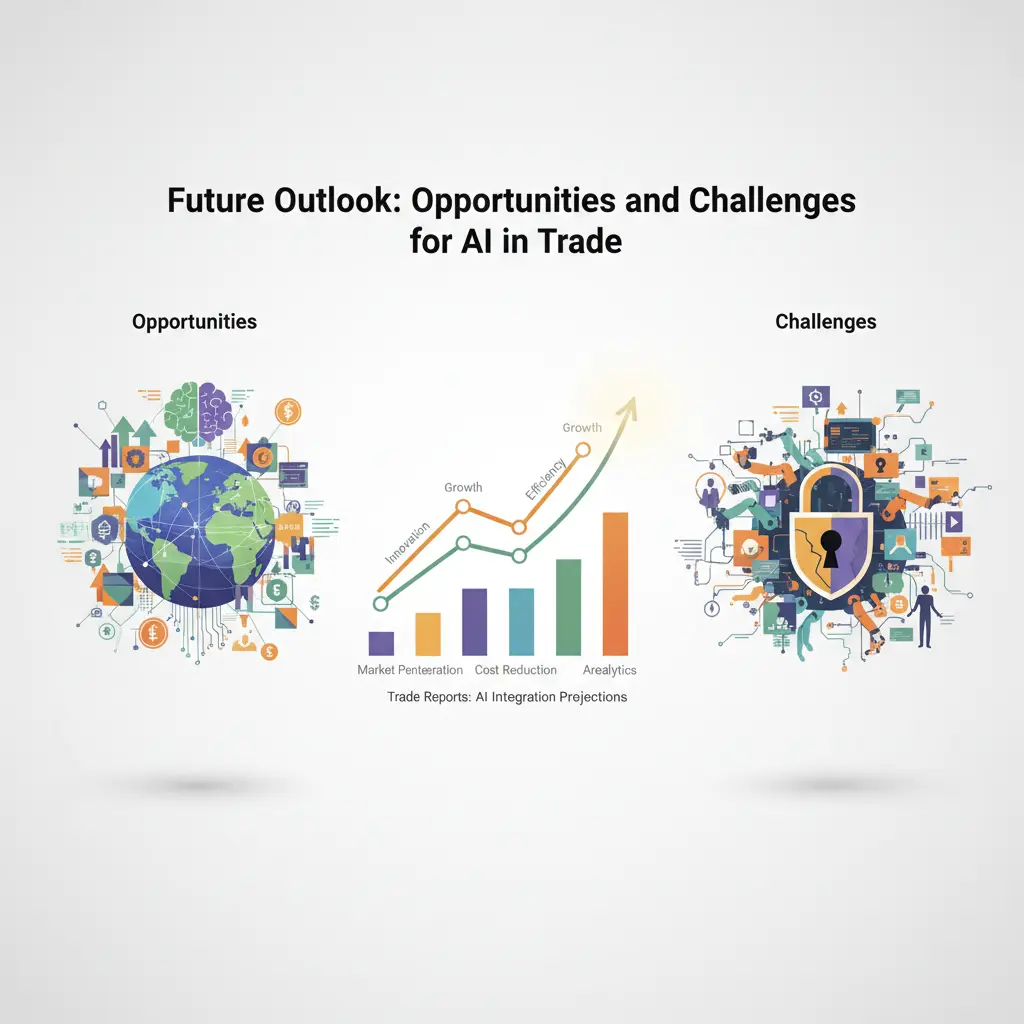
By 2025, Artificial Intelligence (AI) is set to profoundly reshape global trade, evolving from nascent applications to an indispensable driver of efficiency, innovation, and strategic decision-making. The increasing sophistication of machine learning, coupled with vast datasets, promises a future where supply chains are intelligently adaptive and resilient. Opportunities abound in predictive analytics, enabling companies to anticipate market shifts, demand fluctuations, and disruptions with unprecedented accuracy. This leads to more efficient inventory management, reduced waste, and significant cost savings. For instance, AI can revolutionize electronics components sourcing Vietnam, identifying reliable suppliers, negotiating better terms, and ensuring timely delivery through predictive risk assessments. Furthermore, AI integration with physical automation will streamline logistics, making robotics automation import solutions more accessible. The ability of AI to process real-time data creates a more transparent and agile trade environment, fostering new growth areas and enhancing competitiveness. While AI’s transformative potential is immense, its widespread adoption by 2025 also brings distinct challenges demanding proactive strategies.
1. Ethical AI and Fair Trade Practices
The rapid integration of AI into trade operations raises profound ethical questions concerning fairness, transparency, and accountability. AI algorithms, if not meticulously designed, can inadvertently perpetuate biases from historical data, leading to discriminatory practices in supplier selection or market access. Ensuring AI supply chain optimization upholds ethical sourcing and fair labor standards requires rigorous oversight. As AI systems become more autonomous, defining accountability for their decisions grows complex. Governments and international organizations are actively establishing regulatory frameworks that promote responsible AI development. The World Economic Forum, for example, highlights the critical need for global collaboration to establish guidelines ensuring AI contributes to societal well-being and fair economic practices. Without a clear commitment to ethical principles and mechanisms for auditing AI decision-making, the promise of AI could be overshadowed by concerns over inequity. Addressing this requires a multi-stakeholder approach, including developing “explainable AI” (XAI) to ensure decisions are understandable and justifiable. The World Economic Forum emphasizes the need for global AI governance to balance innovation with ethical considerations, a cornerstone for fair trade practices.
2. Cybersecurity Risks and Data Protection
The increasing reliance on AI systems for critical trade functions—from predictive logistics to automated customs—expands the attack surface for cyber threats. AI-powered systems process vast amounts of sensitive data, including proprietary business information, financial transactions, and personal data, making them prime targets for malicious actors. A successful cyber-attack could disrupt global supply chains, lead to data breaches, intellectual property theft, and significant financial losses. The interconnected nature of AI in trade means a vulnerability in one part of the supply chain could ripple across the entire ecosystem. Protecting these sophisticated systems requires continuous investment in advanced cybersecurity measures, including AI-driven threat detection, robust encryption, and multi-factor authentication. Adherence to evolving data protection regulations like GDPR will be paramount. Companies must implement comprehensive data governance strategies, ensuring privacy and integrity throughout the AI lifecycle. As emerging technology trade policy develops, it must include strong provisions for cybersecurity standards and international cooperation to combat cybercrime effectively.
3. Workforce Adaptation and Skill Development
The widespread adoption of AI in global trade will fundamentally alter job roles and required skill sets. While AI automates repetitive tasks, it also creates new jobs demanding human oversight, critical thinking, and a deep understanding of AI systems. The primary challenge is ensuring the existing workforce is adequately prepared. Many traditional roles in logistics, customs, and procurement may be augmented or displaced, necessitating significant upskilling and reskilling. Governments, educational institutions, and businesses must collaborate to develop comprehensive training programs that equip employees with skills relevant to an AI-driven economy, such as data literacy, AI system management, ethical AI understanding, and human-AI collaboration. This includes fostering a culture of continuous learning and adaptability. Without proactive investment in workforce development, countries risk widening the skills gap. Conversely, successful adaptation will empower a more skilled, efficient, and innovative workforce capable of leveraging AI’s full potential, ensuring a smooth transition into the next era of global trade.
Partner with Vietnam’s Leading Suppliers
Looking for reliable suppliers in Vietnam? Contact VietnamSuppliers.com today to connect with verified manufacturers and exporters across all industries.
—————————————
References
– World Economic Forum: https://www.weforum.org/agenda/2021/04/how-new-technologies-can-make-supply-chains-more-resilient/
– AI and advanced analytics continue to revolutionize supply chains: https://www.mckinsey.com/capabilities/operations/our-insights/transforming-supply-chains-with-ai-and-advanced-analytics
– AI in Logistics and Supply Chain | Deloitte Insights: https://www2.deloitte.com/us/en/insights/focus/future-of-mobility/ai-in-logistics-supply-chain.html
– WTO’s Analysis on Digital Trade: https://www.wto.org/english/tratop_e/serv_e/digital_e_e.htm
– The World Economic Forum emphasizes the need for global AI governance: https://www.weforum.org/agenda/2023/12/ai-ethics-regulation-global-governance-summit/